
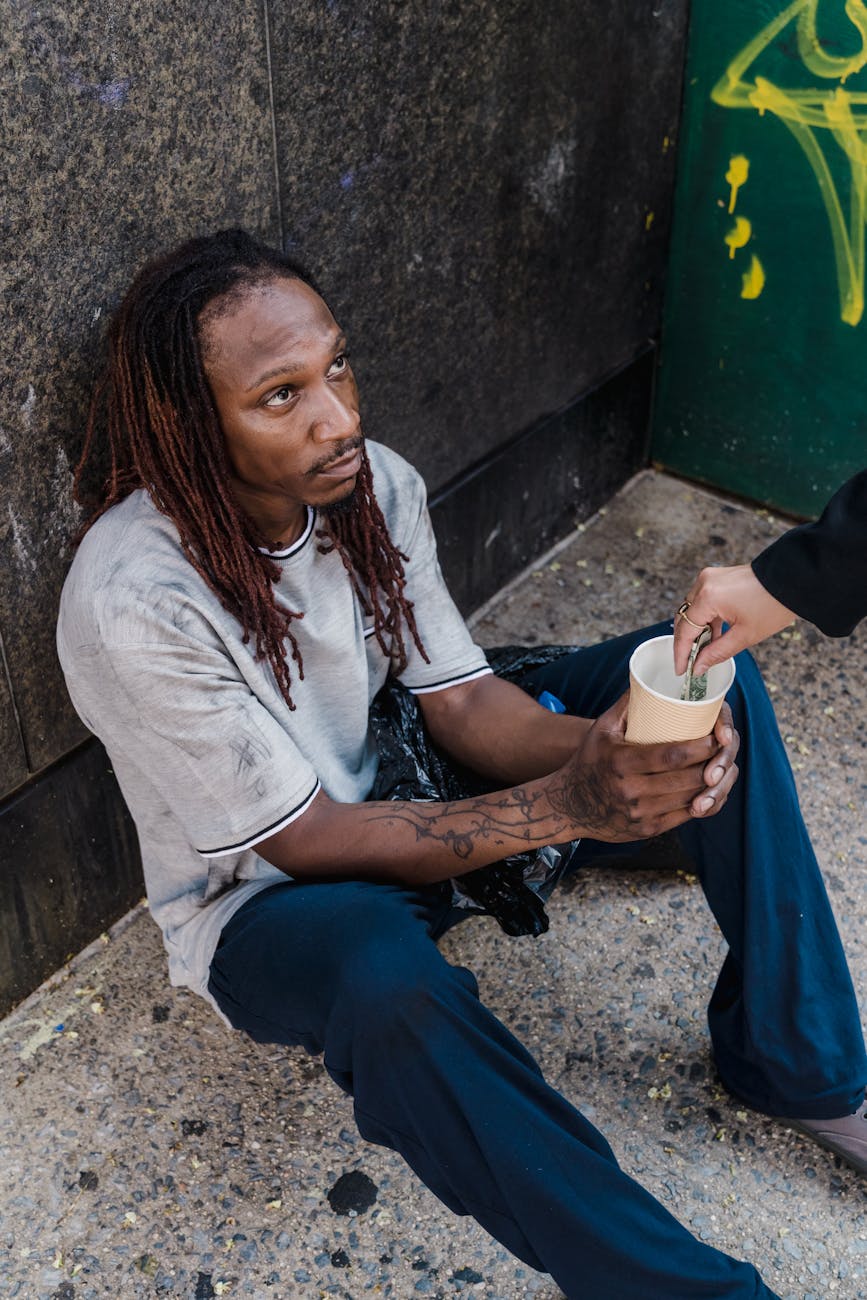
Kindness is among the most profound forces in human existence—a quiet yet transformative power capable of healing wounds, building bridges, and restoring hope. Its impact extends far beyond the immediate act; like ripples on water, one gesture of compassion can influence countless others. In a society increasingly marked by division, isolation, and hostility, kindness serves as both a moral compass and a social remedy. The ripple effect of kindness reminds us that small acts can create monumental change.
Psychologically, kindness nurtures both giver and receiver. Neuroscientific research has shown that acts of generosity activate the brain’s reward centers, releasing oxytocin and dopamine, which enhance happiness and lower stress (Post, 2011). This biological reward system suggests that humans are inherently wired for empathy. Each act of kindness reinforces neural pathways that promote prosocial behavior, creating a self-sustaining cycle of emotional well-being.
Sociologically, kindness functions as social glue. Communities that practice compassion experience lower levels of violence and higher levels of trust and cooperation. When individuals choose kindness in interpersonal interactions—whether in workplaces, schools, or neighborhoods—they establish cultural norms rooted in respect rather than rivalry. Kindness, therefore, becomes a form of social capital, enriching collective humanity.
Historically, acts of kindness have altered the course of nations and movements. During the Civil Rights era, nonviolent resistance embodied kindness as a radical strategy. Dr. Martin Luther King Jr. understood that love and compassion were not signs of weakness but revolutionary tools for dismantling hate. This moral courage inspired empathy across racial and ideological divides, proving that kindness could be both gentle and powerful.
Biblically, kindness is a divine mandate rather than a mere virtue. Ephesians 4:32 instructs, “And be ye kind one to another, tenderhearted, forgiving one another, even as God for Christ’s sake hath forgiven you” (KJV). This scripture connects kindness to forgiveness—a sacred act that mirrors divine mercy. In this sense, kindness transcends emotion; it becomes an expression of spiritual alignment and moral maturity.
Emotionally, kindness acts as a balm for trauma. People who have suffered loss, rejection, or injustice often find restoration through the unexpected compassion of others. This exchange of empathy has a therapeutic effect, fostering resilience and belonging. A kind word or gesture can interrupt cycles of despair, reminding others that they are seen, valued, and loved.
Economically and organizationally, kindness enhances productivity and innovation. Research in organizational psychology shows that companies that cultivate empathy and gratitude among employees experience higher engagement, lower turnover, and greater creativity (Cameron, 2013). Kind leadership is not sentimental—it is strategic. Environments that prioritize emotional intelligence become incubators for sustainable success.
In education, the ripple effect of kindness transforms learning environments. Students exposed to compassionate teachers and peers demonstrate higher academic performance and emotional intelligence. Programs like “Random Acts of Kindness” in schools teach empathy as a skill, showing young people that their actions can improve the emotional climate of their classrooms. These lessons often extend into adulthood, shaping future leaders and citizens.
Culturally, kindness has become a countercultural act in an age of self-interest and digital hostility. Social media, while connecting billions, has also fostered environments of comparison and cruelty. Yet, online movements that celebrate kindness—such as campaigns for community aid, mental health support, and anti-bullying—demonstrate that compassion can thrive even in digital spaces. When kindness goes viral, it becomes contagious.
Theologically, kindness reflects divine character. God’s mercy toward humanity models how humans should treat one another—with grace, patience, and humility. The Hebrew concept of chesed, meaning steadfast love or lovingkindness, underscores the covenantal nature of compassion. It implies faithfulness in love, even when it is undeserved. True kindness, then, requires endurance and integrity.
In family life, kindness strengthens the bonds between generations. Children who grow up witnessing compassion in action internalize empathy as a core value. Spouses who practice forgiveness and gentleness nurture homes of peace rather than contention. The ripple effect within families becomes a living legacy, as kindness multiplies through every relationship it touches.
Within the realm of mental health, kindness acts as a natural antidepressant. Studies show that individuals who engage in consistent acts of kindness experience reduced anxiety and depression (Layous et al., 2012). Helping others shifts focus from self-centered rumination to outward purpose, cultivating gratitude and meaning. In this way, kindness functions as medicine for both mind and soul.
Globally, kindness has the power to transcend borders and bridge cultural divides. Humanitarian efforts, relief organizations, and grassroots movements are all manifestations of collective compassion. Whether through providing food, shelter, or education, each act contributes to global solidarity. Kindness becomes a universal language—one understood by every heart regardless of nationality or creed.
Spiritually, kindness is the seed of revival. It draws people toward light, restoring faith in goodness and humanity. In an often dark and cynical world, a single act of compassion can spark hope in countless hearts. This is the divine mathematics of kindness: what is given multiplies infinitely.
Even within justice movements, kindness is not passive—it is revolutionary. It challenges systems of exploitation by centering humanity over profit and power. To respond to oppression with compassion does not mean surrendering, but rather choosing moral superiority over vengeance. Such kindness becomes the ultimate expression of strength.
Philosophically, kindness reminds humanity of its interconnectedness. No act exists in isolation. The kindness shown to one stranger may inspire that stranger to comfort another, creating an endless chain reaction. The ripple may begin small, but it can reach unseen shores—proving that goodness, once released, never truly dies.
In literature and art, kindness is often depicted as a quiet heroism. From the selflessness of characters like Harper Lee’s Atticus Finch to the redemptive mercy found in Victor Hugo’s Les Misérables, kindness emerges as the thread that redeems humanity. These narratives remind us that beauty and goodness are intertwined—that to be kind is to be fully human.
In the context of community building, kindness restores trust where systems have failed. Neighborhoods with strong social ties—where people check on one another and share resources—experience lower crime and greater well-being. The ripple of one caring neighbor can transform an entire block, showing how collective empathy rebuilds society from the ground up.
Ultimately, the ripple effect of kindness reveals that we are all interconnected agents of change. Every compassionate act, no matter how small, contributes to a greater wave of healing. The world does not transform through grand gestures alone, but through consistent everyday love—the kind word, the helping hand, the forgiving heart.
In conclusion, kindness is not weakness; it is wisdom. It possesses the quiet strength to repair what anger has broken and to illuminate what hatred has darkened. Each act of compassion—each ripple—reminds humanity of its sacred duty: to love and be loved. The true power of kindness lies not in how far it reaches, but in how deeply it touches.
References
Cameron, K. S. (2013). Positive leadership: Strategies for extraordinary performance. Berrett-Koehler Publishers.
Layous, K., Nelson, S. K., Oberle, E., Schonert-Reichl, K. A., & Lyubomirsky, S. (2012). Kindness counts: Prompting prosocial behavior in preadolescents boosts peer acceptance and well-being. PLoS ONE, 7(12), e51380. https://doi.org/10.1371/journal.pone.0051380
Post, S. G. (2011). The hidden gifts of helping: How the power of giving, compassion, and hope can get us through hard times. Jossey-Bass.
The Holy Bible, King James Version. (n.d.). Ephesians 4:32. King James Bible Online. https://www.kingjamesbibleonline.org
King Jr., M. L. (1963). Strength to love. Harper & Row.
Hugo, V. (1862). Les Misérables. A. Lacroix, Verboeckhoven & Cie.
 THE BROWN GIRL DILEMMA