Tag Archives: the psychology of beauty

The Psychology of Beauty: How Color Shapes Perception and Confidence.

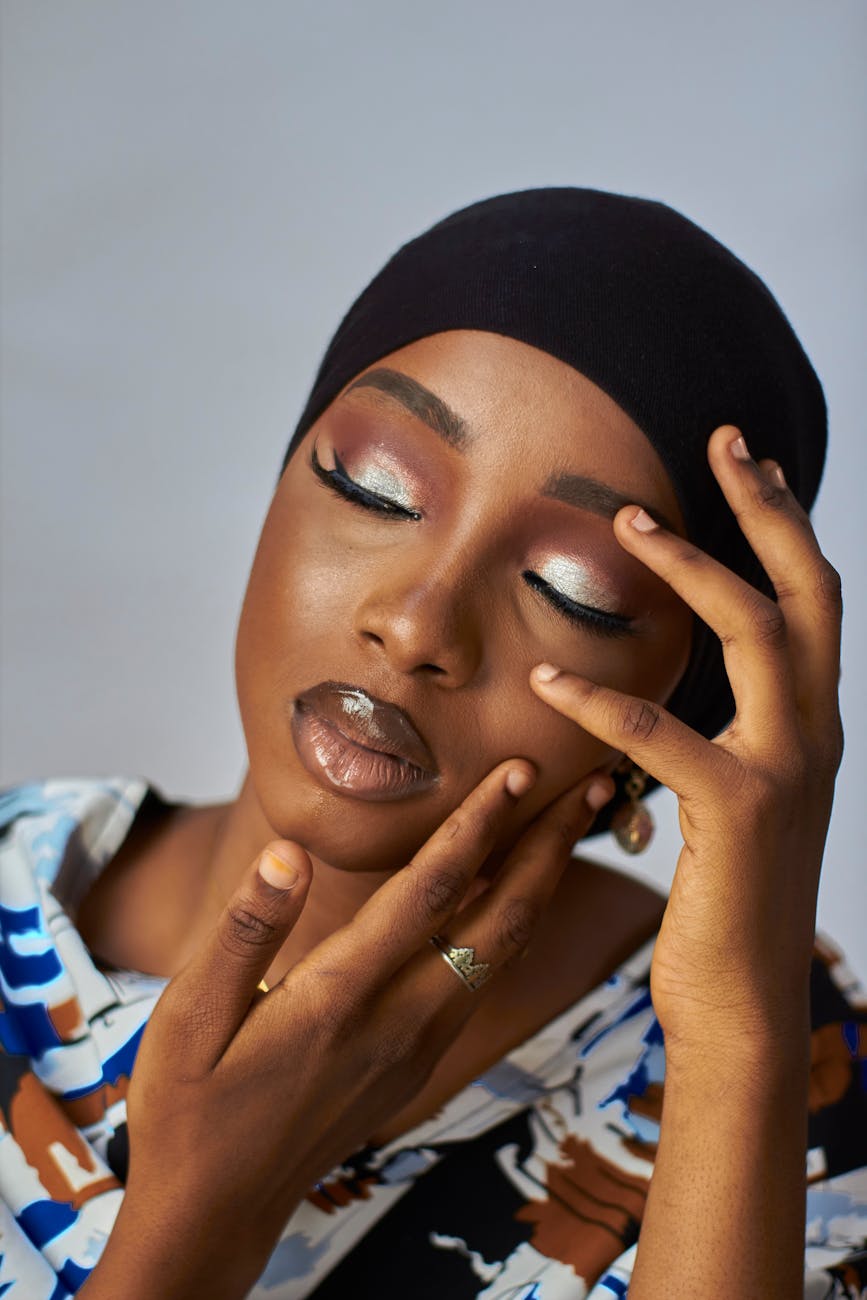
Photo by Express_photographyy Muhd sani abbas on Pexels.com

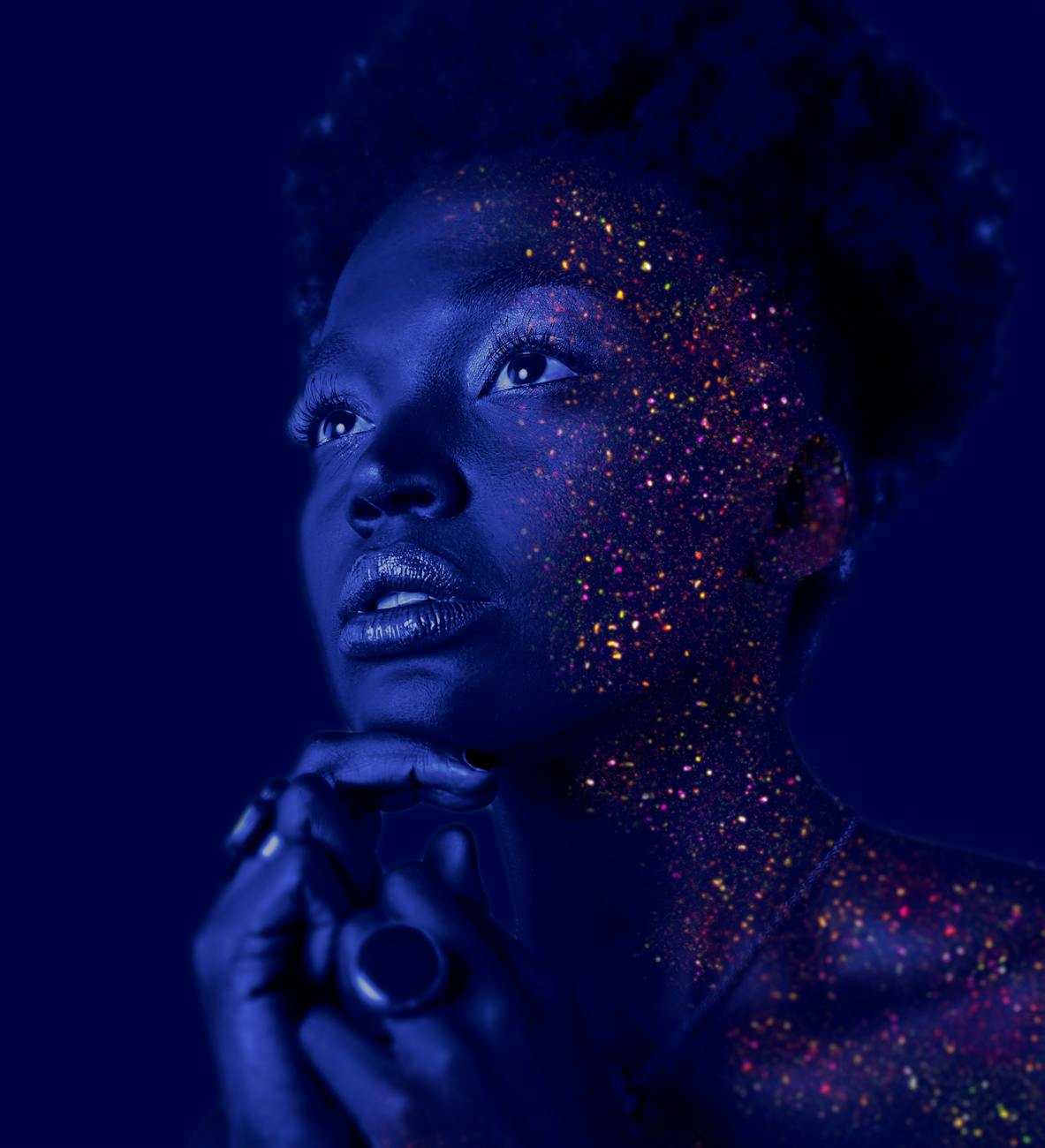
Beauty is often thought of as merely aesthetic, yet psychology reveals that color—especially skin tone—plays a profound role in shaping perception, identity, and self-confidence. Human beings subconsciously associate certain hues with traits, emotions, and social status, influencing both how individuals see themselves and how they are perceived by others. Understanding the interplay between color and psychology provides insight into cultural biases, self-esteem, and the lived experiences of those navigating societal beauty standards.

Color as a Psychological Signal

Color conveys meaning beyond its visual appeal. In psychology, it is established that lighter and darker shades can trigger different perceptions. For instance, lighter skin tones are often unconsciously associated with attractiveness, approachability, or social privilege in Eurocentric societies, whereas darker tones may face bias or negative stereotyping (Hunter, 2007). These perceptions are reinforced through media, literature, and cultural narratives, affecting both interpersonal interactions and self-image.

The Impact of Skin Tone on Self-Confidence

Color perception significantly affects self-esteem and confidence. Studies on colorism reveal that individuals with lighter skin often experience social advantages, while those with darker skin may face prejudice, impacting psychological well-being (Russell, Wilson, & Hall, 1992). Conversely, individuals who learn to embrace their natural skin tone and its cultural significance report higher self-esteem and a stronger sense of identity. This demonstrates the critical link between color acceptance and psychological empowerment.

Cultural and Historical Contexts

The meaning attached to skin tone is not innate but culturally constructed. Colonialism, slavery, and global media have historically elevated lighter skin as a standard of beauty, relegating darker tones to marginalization (Hunter, 2005). Across African and diasporic communities, these biases influence dating preferences, professional opportunities, and societal treatment. Recognizing this history is essential to addressing internalized perceptions and fostering authentic self-confidence.

Beauty, Color, and Social Perception

Color does more than shape self-perception—it also dictates social perception. People often unconsciously ascribe personality traits, competence, and attractiveness based on color cues. For example, in professional or social contexts, lighter skin may be associated with approachability or higher status, while darker skin may be unfairly linked to negative stereotypes (Russell et al., 1992). Awareness of these biases is the first step toward challenging them and redefining beauty standards on equitable terms.

Psychological Strategies for Embracing Color

Self-reflection, media literacy, and exposure to diverse representations are key strategies for building confidence in one’s natural hue. Affirmations, community support, and representation in media empower individuals to value their skin tone and resist societal pressures. Celebrating diversity in color not only enhances personal confidence but also shifts cultural narratives about beauty, making them more inclusive and representative.

Melanin and Power: Thriving with Confidence in a World of Color Bias

Melanin-rich skin is a source of natural beauty, resilience, and identity. Yet, across cultures and history, darker tones have often been devalued, creating psychological and social challenges for those who bear them. Understanding the intersection of melanin, perception, and confidence allows individuals to embrace their skin fully, redefine beauty standards, and thrive in environments shaped by bias.

The Science of Melanin and Its Beauty

Melanin, the pigment responsible for skin color, offers protection against UV radiation and contributes to youthful, resilient skin. Beyond its biological function, melanin-rich skin carries deep cultural and ancestral significance. It symbolizes survival, heritage, and the legacy of African and diasporic communities, reminding those who bear it of strength passed down through generations.

Psychological Effects of Color Bias

Colorism—the privileging of lighter skin tones over darker ones—has measurable effects on self-esteem and social confidence. Studies show that darker-skinned individuals may experience discrimination in education, employment, and social settings, impacting psychological well-being (Hunter, 2007). Internalizing societal bias can lead to diminished self-worth, while embracing one’s natural shade correlates with higher confidence and identity affirmation.

Empowerment Through Representation

Representation matters. Celebrities like Lupita Nyong’o, Viola Davis, Idris Elba, and Michaela Coel showcase the elegance, power, and beauty of melanin-rich skin on global platforms. Their visibility challenges stereotypes, promotes diversity, and provides role models for younger generations. When media reflects the richness of skin tones, it reinforces positive self-perception and inspires confidence.

Strategies for Thriving with Melanin-Rich Skin

  1. Self-Affirmation: Regularly celebrate your skin tone with affirmations and reflection. Recognize its uniqueness and beauty.
  2. Community Support: Surround yourself with mentors, friends, and communities that uplift all shades of melanin.
  3. Media Literacy: Critically assess media portrayals of beauty and seek diverse, inclusive representations.
  4. Cultural Reclamation: Learn and honor the history, heritage, and achievements of people with melanin-rich skin.
  5. Personal Presentation: Embrace hairstyles, fashion, and skincare routines that make you feel empowered and confident.

The Spiritual Dimension

Scripture celebrates the beauty of all skin tones. The Bible affirms that beauty and dignity are inherent, not contingent on societal approval (Song of Solomon 1:5 KJV: “I am black, but comely, O ye daughters of Jerusalem”). Recognizing the spiritual value of melanin-rich skin reinforces self-love and counters societal pressures that seek to devalue it.

Conclusion

The psychology of beauty underscores that color is more than an aesthetic feature—it is a social and psychological signal that shapes perception, confidence, and identity. By understanding how color influences both self-image and societal treatment, individuals and communities can challenge biases, embrace diversity, and cultivate authentic self-esteem. True empowerment lies in recognizing the inherent value of every shade and redefining beauty beyond narrow cultural constructs. Thriving with melanin-rich skin is both a personal and collective journey. By embracing color, challenging bias, and seeking representation, individuals cultivate self-confidence and redefine beauty standards. Every shade of melanin tells a story of resilience, legacy, and power—reminding the world that true beauty is not dictated by society, but by self-acceptance, pride, and celebration of heritage.


References

  • Hunter, M. (2005). Race, Gender, and the Politics of Skin Tone. Routledge.
  • Hunter, M. (2007). The Persistent Problem of Colorism: Skin Tone, Status, and Inequality. Sociology Compass, 1(1), 237–254.
  • Russell, K., Wilson, M., & Hall, R. E. (1992). The Color Complex: The Politics of Skin Color in a New Millennium. Anchor Books.
  • King James Bible

The Science and Psychology of Physical Beauty: An In-Depth Exploration of Attraction, Perception, and Cultural Bias

BEAUTY


I. The Mirror
A face so fair, it steals the light,
Symmetry carved from stars at night.
Lips like dawn, eyes deep as flame,
The world bends softly to her name.


II. The Gaze
He saw her once, and time stood still,
Desire danced against his will.
Yet beauty fades, as roses do—
Does love survive what once was new?


III. The Soul
But kindness lingers where gloss may go,
A light the skin can never show.
For beauty starts and ends in grace—
A gentle heart, a sacred face.

Photo by 3Motional Studio on Pexels.com

Introduction: The Allure of Physical Beauty

Physical beauty is one of the most deeply studied, universally recognized, and yet culturally complicated phenomena in human psychology. It influences attraction, social standing, professional opportunities, and even mental health. But what is beauty, really? Is it merely symmetry and smooth skin, or is it tied to power, status, race, and bias? Why are men said to be visual, and does beauty actually predict happiness—or only illusion?


1. The Science of Physical Beauty

From a biological standpoint, physical beauty often correlates with indicators of health, youth, and fertility:

  • Facial symmetry, clear skin, bright eyes, and proportional features are universally considered attractive (Rhodes, 2006).
  • These features signal genetic fitness and reproductive viability—an evolutionary principle supported by Darwinian sexual selection theory.
  • Studies using fMRI scans show our brains experience a “pleasure response” when viewing symmetrical or “beautiful” faces (Aharon et al., 2001).

Are We Born to Recognize Beauty?

Yes. Research shows that infants as young as 3 months prefer to look at faces considered attractive by adults (Langlois et al., 1991). Babies gazed longer at more symmetrical and aesthetically pleasing faces, suggesting a biological wiring for visual appeal.


2. Are Men More Visual? Beauty, Sex, and Gendered Perception

According to evolutionary psychology:

  • Men are typically more visually stimulated and often rate physical appearance higher in mate selection than women do.
  • Women may prioritize status, stability, and personality traits like empathy, confidence, and humor.

“Men fall in love with their eyes, women fall in love with their ears.” — Anonymous proverb

This doesn’t mean women don’t care about looks—but evolutionarily, men’s visual preferences tie to fertility cues, whereas women look for protection and provision.


3. Beauty’s Real-Life Consequences: Jobs, Marriage, and Privilege

Beauty can serve as a social currency:

  • Attractive people often earn more, are perceived as more competent, and are more likely to be hired (Hamermesh & Biddle, 1994).
  • Studies suggest that beautiful women are more likely to marry wealthier or higher-status men, a phenomenon dubbed the “beauty-status exchange.”

However, this isn’t without drawbacks—objectification, jealousy, and narcissistic abuse often follow.


4. Beauty and Narcissism: The Myth of Narcissus

In Greek mythology, Narcissus was a man so enamored with his own beauty that he stared at his reflection until he died.

“Narcissism is the love of self taken to an extreme—dangerous when unchecked, tragic when unreciprocated.” — Dr. Craig Malkin, Harvard psychologist

Today, social media reinforces narcissistic tendencies, especially in those praised primarily for their looks.


5. Quotes on Physical Beauty

  • Cindy Crawford: “Even I don’t wake up looking like Cindy Crawford.” (A commentary on how beauty is often curated and artificial.)
  • Halle Berry: “Beauty is not just physical—it’s the light in your heart and how you make people feel.”
  • Aishwarya Rai Bachchan: “Elegance and grace go hand in hand with beauty. It’s not just about looking good but feeling good and being kind.”

These quotes highlight the multidimensional nature of beauty.


6. What Makes a Person Physically Attractive?

Common physical attributes rated as attractive include:

  • For women: clear skin, symmetrical face, full lips, hourglass shape, long hair
  • For men: broad shoulders, strong jawline, symmetrical face, height, confidence

But what truly attracts people goes beyond looks:

  • Kindness, confidence, sense of humor, intelligence, and emotional safety rank high in long-term relationships.

7. Racial Bias in Beauty Standards

Beauty standards have been heavily influenced by Eurocentric ideals, privileging:

  • Fair skin
  • Straight hair
  • Narrow noses
  • Slim figures

This has led to colorism and fetishization of certain races.

The Psychology Today Controversy

In a 2011 Psychology Today article, evolutionary psychologist Satoshi Kanazawa claimed that Black women were “objectively less attractive”—an assertion met with global outrage. The article was removed, and Kanazawa was widely condemned. Notably, many Black men were criticized for not defending Black women, exposing internalized racism and fractured solidarity in Black communities.


8. Hierarchy of Beauty and the Blonde Ideal

In Euro-American cultures, blonde-haired, blue-eyed women often sit at the top of the beauty hierarchy—thanks to media, Hollywood, and colonial ideals.

  • Women like Grace Kelly, Marilyn Monroe, and Scarlett Johansson are often listed among the “most beautiful” globally.
  • Rankings of “The Most Beautiful Women” almost always feature celebrities, showcasing how media visibility—rather than true global consensus—drives beauty recognition.

9. Does Race Influence Attractiveness?

Research suggests racial biases do exist in dating preferences and beauty perceptions (Fisman et al., 2008). However:

  • Attraction is heavily influenced by environment, exposure, and culture, not just biology.
  • In Africa, Asia, and Latin America, local beauty standards vary greatly, favoring darker skin, fuller bodies, or other features not typically idealized in the West.

10. What Is Most Attractive Beyond Beauty?

When beauty fades (and it inevitably will), people are drawn to:

  • Character
  • Integrity
  • Spiritual connection
  • Emotional intelligence
  • Purpose and passion

As Maya Angelou once said:

“People will forget what you said, people will forget what you did, but people will never forget how you made them feel.”


Conclusion

Beauty is both biological and constructed—wired into our brains but also shaped by media, race, and societal norms. While it can open doors, true connection, emotional safety, and character keep them open. In a world obsessed with appearance, the most radical act might be to see—and love—beyond the surface.


References

  • Aharon, I., Etcoff, N., Ariely, D., Chabris, C., O’Connor, E., & Breiter, H. (2001). Beautiful faces have variable reward value: fMRI and behavioral evidence. Neuron, 32(3), 537-551.
  • Fisman, R., Iyengar, S., Kamenica, E., & Simonson, I. (2008). Racial Preferences in Dating. Review of Economic Studies, 75(1), 117–132.
  • Hamermesh, D., & Biddle, J. (1994). Beauty and the Labor Market. American Economic Review, 84(5), 1174–1194.
  • Langlois, J. H., Roggman, L. A., Casey, R. J., et al. (1991). Infant preferences for attractive faces: Rudiments of a stereotype? Developmental Psychology, 27(4), 640–649.
  • Rhodes, G. (2006). The Evolutionary Psychology of Facial Beauty. Annual Review of Psychology, 57, 199–226.
  • Malkin, C. (2015). Rethinking Narcissism: The Bad—and Surprising Good—About Feeling Special. HarperWave.