
Beauty, Influence, and Societal Dynamics
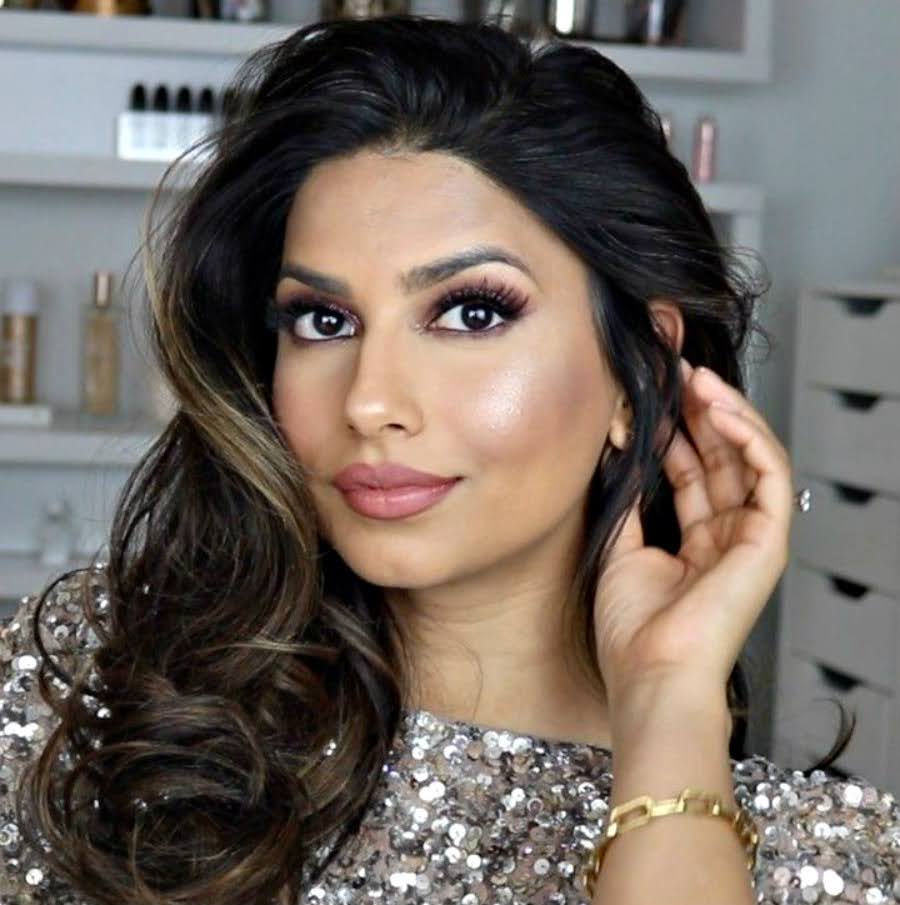
Beauty has always been more than skin deep. It functions as a subtle yet pervasive form of influence, shaping social dynamics, opportunities, and perceptions. What society labels as “pretty” carries weight, affecting lives in ways often unnoticed. From history to modern media, the influence of attractiveness impacts interpersonal relationships, professional advancement, and cultural status.
Historically, beauty standards have been codified and politicized. In Renaissance Europe, fair skin, delicate features, and symmetry were not simply aesthetic preferences but symbols of class, virtue, and morality. Across cultures, similar patterns emerge, showing that beauty consistently intersects with social capital.
Psychologically, humans respond instinctively to facial symmetry, clear skin, and proportional features, interpreting these cues as indicators of health and vitality. Pretty individuals often trigger positive biases, influencing how others perceive competence, trustworthiness, and likability.
Gender plays a significant role in how beauty is leveraged. Women, in particular, face societal pressures to maintain appearance, and attractiveness can function as social and economic currency. The “beauty premium” demonstrates that societal preference for attractive individuals can lead to higher likelihood of hiring, promotions, and social favor, yet it also subjects them to heightened scrutiny and objectification.
Appearance operates as a form of social signaling. Being conventionally attractive often conveys competence and social dominance, regardless of actual ability. This “halo effect” means pretty individuals are frequently treated more favorably, consciously or unconsciously.
Colorism adds another layer of complexity. Within communities, lighter skin and Eurocentric features are often favored, creating systemic hierarchies that reward certain appearances while marginalizing others. Beauty becomes both subjective and systemic, influencing social mobility and self-perception.
Modern media further amplifies narrow beauty ideals, presenting often unattainable standards through advertising, film, and social platforms. These images shape cultural perception, influence self-esteem, and dictate interpersonal dynamics, creating an environment where appearance is closely tied to societal validation.
Pretty individuals can consciously wield beauty as leverage. In politics, business, and entertainment, attractiveness can persuade, negotiate, and shape public opinion. Physical appearance can become an asset in both personal and professional spheres.
However, beauty also carries costs. Objectification, jealousy, and the pressure to maintain standards can create psychological and social burdens. The labor, expense, and attention required to maintain societal ideals illustrate that prettiness is as demanding as it is powerful.
Research shows that attractive individuals experience measurable advantages across professional, educational, and social contexts. In workplaces, appearance influences evaluations, promotions, and compensation. In education, students deemed attractive receive more attention and encouragement, demonstrating that beauty can affect trajectories from an early age.
In social networks, attractiveness functions as a form of social navigation. Pretty individuals often gain trust, allies, and influence more readily, using charm and appearance strategically. Digital platforms have quantified these dynamics, with likes, follows, and algorithmic visibility creating a new economy of beauty.
The psychological impact of beauty extends to both those deemed attractive and those outside dominant standards. Attractive individuals may internalize their social power, while others may experience marginalization or heightened self-awareness regarding appearance.
Leadership perception is also influenced by physical attractiveness. Attractive leaders are often judged as more competent, persuasive, and authoritative, showing a direct link between appearance and social influence. Gendered double standards exacerbate these dynamics, as women face greater scrutiny over age and deviations from beauty norms.
Contemporary movements challenging narrow Eurocentric beauty ideals empower individuals to reclaim the influence of appearance. By celebrating diverse skin tones, hair textures, body shapes, and facial features, society can begin to decouple prettiness from oppression and objectification.
Ultimately, beauty represents a form of social, psychological, and economic capital. Recognizing its influence allows individuals and communities to navigate the power of appearance with awareness, balancing advantages with responsibility and ethical consideration.
The power of pretty is undeniable, yet true liberation comes when influence is coupled with integrity, self-knowledge, and the dismantling of oppressive standards. Prettiness can empower, but its greatest expression arises when it aligns with wisdom, justice, and cultural consciousness.
References
Chou, H. T. G., & Edge, N. (2012). “They are happier and having better lives than I am”: The impact of using Facebook on perceptions of others’ lives. Cyberpsychology, Behavior, and Social Networking, 15(2), 117–121.
Dion, K., Berscheid, E., & Walster, E. (1972). What is beautiful is good. Journal of Personality and Social Psychology, 24(3), 285–290.
Elder, T., Goddeeris, J., & Williams, R. (2016). Beauty, bias, and student outcomes. Economics of Education Review, 51, 1–14.
Fredrickson, B. L., & Roberts, T. A. (1997). Objectification theory. Psychology of Women Quarterly, 21(2), 173–206.
Friedan, B. (1991). The Feminine Mystique. Norton.
Hamermesh, D. S., & Biddle, J. E. (1994). Beauty and the labor market. American Economic Review, 84(5), 1174–1194.
Hunter, M. (2007). The persistent problem of colorism: Skin tone, status, and inequality. Sociology Compass, 1(1), 237–254.
Langlois, J. H., et al. (2000). Maxims or myths of beauty? A meta-analytic and theoretical review. Psychological Bulletin, 126(3), 390–423.
Little, A. C., et al. (2007). Facial attractiveness and leadership perception. British Journal of Psychology, 98(1), 91–103.
Rhodes, G. (2006). The evolutionary psychology of facial beauty. Annual Review of Psychology, 57, 199–226.
Tiggemann, M. (2011). The impact of media on body image. In Body image: A handbook of science, practice, and prevention (pp. 169–175). Guilford Press.
Tiggemann, M., & Slater, A. (2013). NetGirls: The Internet, Facebook, and body image concern in adolescent girls. International Journal of Eating Disorders, 46(6), 630–643.
Verhulst, J., Lodge, M., & Lavine, H. (2010). The attractiveness halo: Why some candidates are more persuasive than others. Political Psychology, 31(1), 1–26.
Wolf, N. (1991). The Beauty Myth. HarperCollins.
 THE BROWN GIRL DILEMMA