
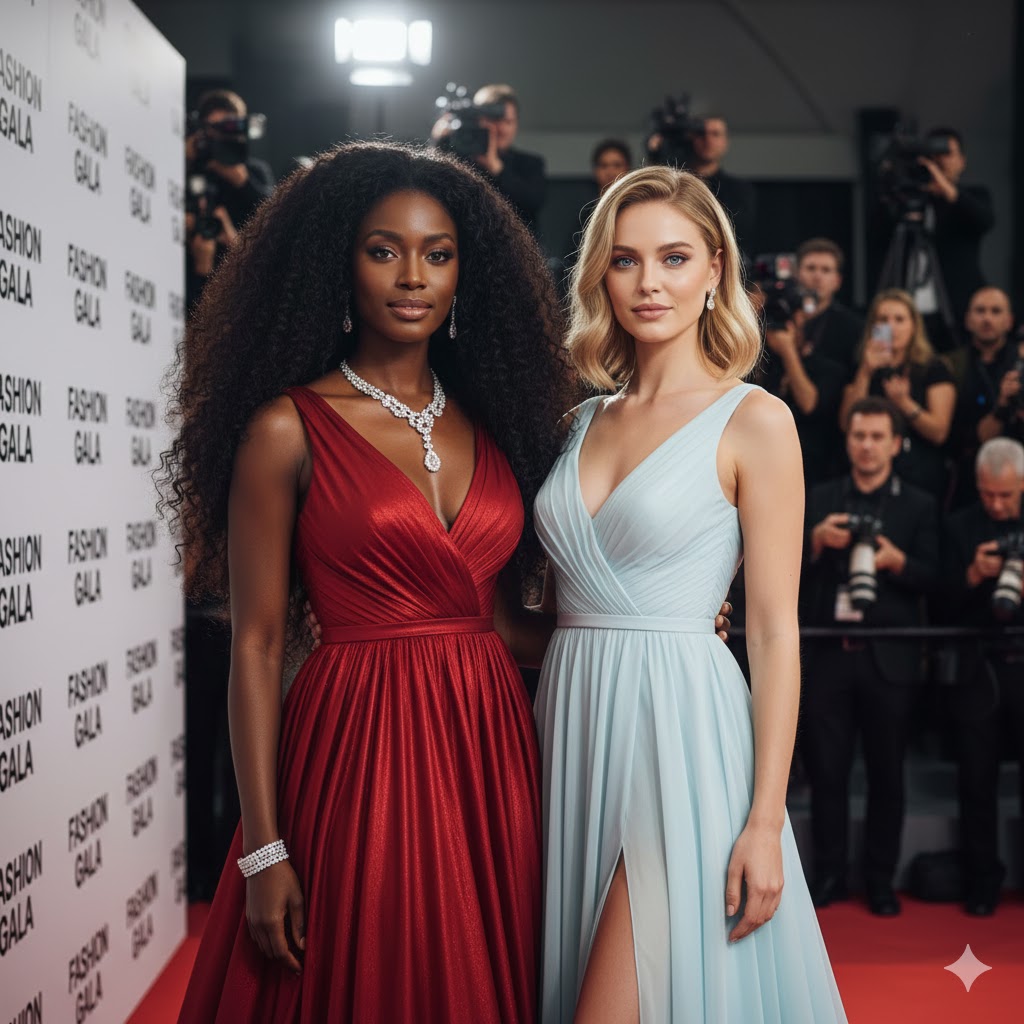
A muse is no longer confined to the marble halls of ancient mythology or the canvases of Renaissance painters. The modern muse transcends classical definitions, embodying creativity, influence, and inspiration in ways that resonate with today’s culture. She—or he—exists not merely as a passive object of admiration, but as an active participant in the creative process.
In contemporary society, the modern muse is often a symbol of empowerment. Artists, writers, and innovators seek inspiration in individuals who embody confidence, authenticity, and resilience. The muse is admired not for perfection alone, but for a unique presence that sparks imagination and drives artistic expression.
Social media has redefined the dynamics of inspiration. The modern muse can be anyone who inspires through storytelling, style, or digital content. Platforms like Instagram, TikTok, and YouTube allow creativity to circulate globally, turning everyday people into sources of inspiration and catalysts for cultural trends.
Fashion plays a crucial role in the identity of a modern muse. Style becomes a visual language through which personality, mood, and social commentary are communicated. Designers, photographers, and influencers often collaborate with muses to create imagery that captures contemporary aesthetics and cultural resonance.
Artistic muses are no longer passive figures; they are collaborators. Musicians, choreographers, and visual artists often co-create with their inspirations, recognizing that creative synergy produces richer outcomes. This shift emphasizes respect, agency, and mutual influence in modern artistic endeavors.
Representation and diversity shape the modern muse. Beauty standards are expanding to include all skin tones, body types, and identities. Cultural heritage, personal stories, and lived experiences add depth to the muse’s influence, making inspiration more inclusive and reflective of contemporary society.
In literature, the modern muse inspires narratives that are complex, multi-dimensional, and socially conscious. Writers often draw from muses whose courage, intelligence, and resilience challenge societal norms, giving rise to characters and stories that resonate with modern readers.
The concept of a muse extends beyond human forms. Cities, landscapes, social movements, and even technology can act as muses. The modern artist finds inspiration in the rhythm of urban life, the colors of a city skyline, or the innovation within artificial intelligence, demonstrating that musehood is dynamic and expansive.
Emotional depth is central to modern muses. Vulnerability, strength, and authenticity captivate artists and audiences alike. A muse who demonstrates raw honesty in thought, expression, or emotion encourages art that speaks to the heart, creating work that resonates across cultural and emotional boundaries.
Creativity today thrives on collaboration and feedback. The modern muse is often a community of influences rather than a singular figure. Social movements, online collectives, and peer networks act as catalysts for inspiration, reflecting the interconnectedness of contemporary creativity.
The modern muse also challenges norms and provokes thought. Political activists, cultural icons, and boundary-pushing performers inspire not only through beauty or talent but through courage and conviction. Inspiration becomes a tool for social commentary and transformative art.
Technology allows the modern muse to transcend physical presence. Virtual muses, digital avatars, and AI-generated personas offer new ways to inspire, allowing artists to experiment with form, interaction, and narrative in ways previously unimaginable. The digital age expands the definition of influence and inspiration.
Fashion icons are classic examples of modern muses. Figures like Rihanna, Zendaya, and Timothée Chalamet not only set trends but also inspire conversations about culture, identity, and self-expression. They embody aesthetic innovation while challenging expectations of traditional beauty and style.
In film and theater, modern muses inspire performances that explore complex human experiences. Directors and actors often draw inspiration from muses whose depth and charisma allow for nuanced storytelling, creating art that resonates across global audiences.
The modern muse’s power lies in authenticity. Audiences are drawn to individuals who remain true to themselves, regardless of trends or societal pressure. Authenticity generates trust, admiration, and emotional connection, amplifying the muse’s influence on creativity and culture.
Social consciousness has become integral to modern musehood. Individuals who combine talent with advocacy inspire art that is meaningful and purposeful. From environmentalism to civil rights, the muse engages artists in works that reflect the urgent narratives of our times.
The modern muse is also a mentor, guiding emerging artists and creators. By sharing knowledge, experiences, and perspectives, the muse fosters growth, collaboration, and innovation, ensuring that inspiration perpetuates and evolves within communities.
Personal stories enhance the allure of the modern muse. Overcoming adversity, embracing cultural roots, or pursuing unconventional paths adds layers of meaning to their influence. Art inspired by such muses resonates deeply, creating work that is both intimate and universal.
In music, the modern muse often blurs the line between subject and collaborator. Songwriters and performers draw from muses whose creativity, rhythm, and passion shape melodies, lyrics, and performances, demonstrating the fluidity of inspiration in contemporary culture.
Ultimately, the modern muse embodies the intersection of presence, authenticity, and impact. They inspire creativity that is reflective, transformative, and inclusive. Unlike classical muses, whose influence was often idealized and passive, today’s muses actively shape the art, culture, and narratives of the world, leaving an indelible mark on society.
References
- Gabora, L. (2016). Honing theory: A complex systems framework for creativity. Retrieved from arXiv. arXiv
- Jordanous, A., & Keller, B. (2016). Modelling creativity: Identifying key components through a corpus‑based approach. Retrieved from arXiv. arXiv
- Thoben, B., & et al. (2020). The artist as innovation muse: Findings from a residence program in the fuzzy front end. Business, 10(4), 88. MDPI. MDPI
- Tutter, A. (Ed.). (2003). The Muse: Psychoanalytic explorations of creative inspiration. Routledge. Barnes & Noble+1
- Mathäs, A. (2011). The Self as Muse: Narcissism and Creativity in the German Imagination, 1750–1830. Bloomsbury Academic. Bloomsbury Publishing
- Goldie, P., & Schellekens, E. (Eds.). (2011). The Aesthetic Mind: Philosophy and Psychology. Oxford University Press. Wikipedia
- Murray, P. (2008). Reclaiming the Muse. In Laughing with Medusa: Classical Myth and Feminist Thought (pp. 327–354). Oxford University Press. OUP Academic
- Weiser, M. E. (2018). Crafting a Poetic Museology. In ICOFOM Study Series, 46, 215–229. OpenEdition Journals
- Moszumańska-Nazar, J., & Miklaszewska, J. (2019). Literature and visual arts as a source of inspiration. Musicology Today, 16(1), 113–121. Paradigm
- Malraux, A. (1948/1953). La Psychologie de l’Art (The Imaginary Museum; The Artistic Creation; Aftermath of the Absolute). (S. Gilbert, Trans.) Princeton University Press. Wikipedia
- Jung, C. G. (1966). Spirit in Man, Art, and Literature (Vol. 15 of The Collected Works of C. G. Jung). Princeton University Press. Wikipedia
- Doss, E. (2023). Spiritual Moderns: Twentieth‐Century American Artists & Religion. University of Chicago Press. Wikipedia
- Epstein, Z., Hertzmann, A., Herman, L., Mahari, R., Frank, M. R., Groh, M., Schroeder, H., Smith, A., Akten, M., Fjeld, J., Farid, H., Leach, N., Pentland, A., & Russakovsky, O. (2023). Art and the science of generative AI: A deeper dive. arXiv. arXiv
- Weiser, M. E. (2018). Crafting a Poetic Museology: A poetics of museology. ICOFOM Study Series, 46, 215–229. OpenEdition Journals (Note: This is similar to #8 but listed to emphasize museology in both creative and institutional contexts.)
 THE BROWN GIRL DILEMMA