Tag Archives: The “It Girl” Series

The “It Girl” Series: Robin Givens

With luminous skin, sculpted cheekbones, and an unmistakable blend of elegance and intellect, Robin Givens emerged in the late twentieth century as one of Hollywood’s most captivating actresses—an “It Girl” whose beauty, confidence, and talent commanded attention both on screen and in popular culture.
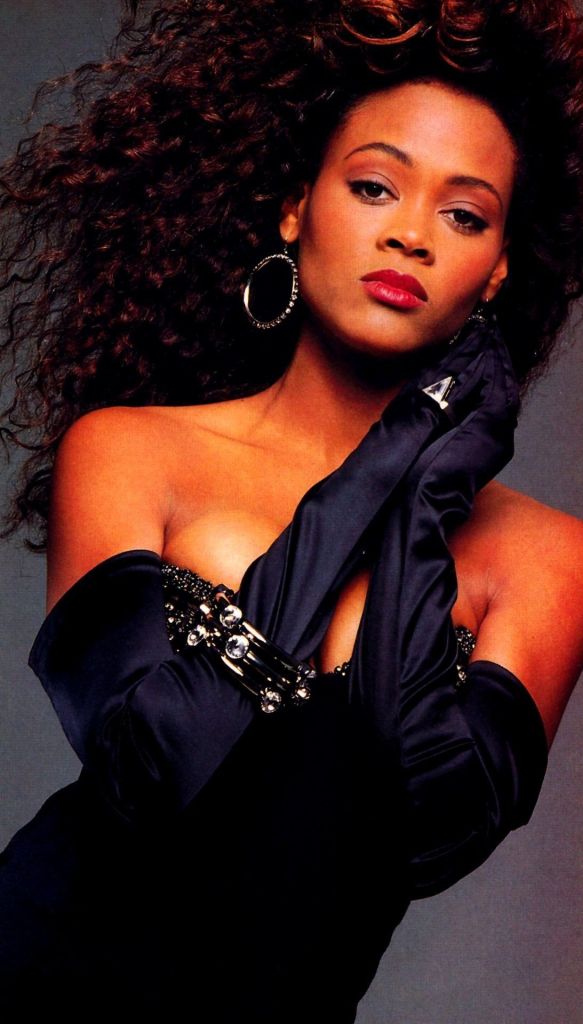
This photograph is the property of its respective owner.

Robin Givens was born on November 27, 1964, in New York City, to Ruth Roper Givens and Reuben Givens. Her parents divorced when she was young, and she was raised primarily by her mother alongside her sister, Stephanie, in the suburban communities of Mount Vernon and New Rochelle, New York. Ruth Roper Givens, a nurse and educator, strongly encouraged academic achievement and artistic exploration in her daughters. From an early age, Robin demonstrated intellectual curiosity and creative ability, balancing academic excellence with a growing interest in performance. Her mother enrolled her in acting classes at the American Academy of Dramatic Arts when she was only ten years old, planting the seeds for a future career in entertainment.
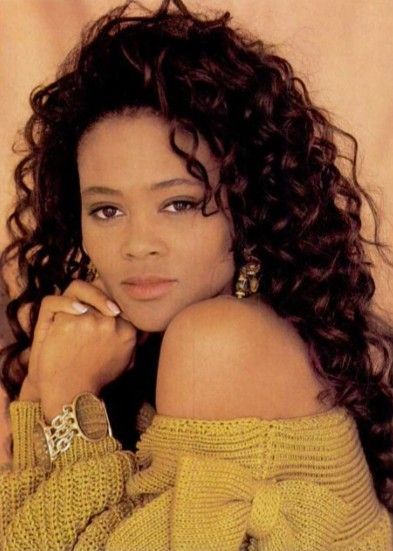
This photograph is the property of its respective owner.

Givens’s beauty was immediately noticeable even in her youth. She possessed a petite, refined frame, radiant complexion, and sharply defined cheekbones that photographers and casting directors found striking. During her teenage years, she began working as a model, appearing in popular fashion and youth magazines such as Seventeen and Mademoiselle. Modeling introduced her to the entertainment industry and helped her develop the poised public persona that would later become central to her career. Her look embodied a distinctive mixture of sophistication and youthful charm, making her a natural fit for the fashion and television worlds of the 1980s.

Despite her growing presence in entertainment, Givens was also an exceptionally serious student. Demonstrating remarkable academic ability, she enrolled at Sarah Lawrence College at only fifteen years old, one of the youngest students in the institution’s history. At Sarah Lawrence, she pursued pre-medical studies while continuing to audition for acting roles. She graduated in 1984 at the age of nineteen, an accomplishment that reflected both her intellectual discipline and ambition. For a period, she expressed interest in becoming a doctor and even spoke publicly about attending Harvard Medical School; however, records later confirmed that she did not enroll in the program. Nevertheless, her education at Sarah Lawrence distinguished her among many young actresses in Hollywood.

Givens’s entrance into television came through small guest appearances on several popular shows during the mid-1980s. One of her early roles was a guest spot on The Cosby Show, where the legendary comedian Bill Cosby reportedly encouraged her to pursue acting professionally. That encouragement proved significant, as it helped solidify her decision to fully commit to an acting career rather than medical school. Shortly afterward, she began receiving additional television roles, gradually establishing herself within the industry.

Her breakthrough arrived in 1986 when she was cast in the ABC sitcom Head of the Class. On the show, she portrayed Darlene Merriman, an intelligent and confident student attending a program for gifted high schoolers. The series ran from 1986 to 1991, and Givens appeared throughout its entire run. Her character’s sharp wit, stylish demeanor, and self-assured personality resonated with audiences, making her one of the most recognizable young actresses on television at the time. The role also demonstrated her natural comedic timing and helped establish her reputation as both glamorous and intellectually sophisticated.

While television made her famous, Givens soon expanded into film. One of her most memorable roles came in the 1991 crime drama A Rage in Harlem, in which she portrayed the seductive and mysterious Imabelle opposite Forest Whitaker. Her performance displayed a different dimension of her talent, blending beauty with dramatic intensity. The following year, she appeared in the romantic comedy Boomerang alongside Eddie Murphy, a film that became a cultural touchstone of early 1990s Black Hollywood. Even in supporting roles, Givens’s screen presence stood out, reinforcing her reputation as a striking and charismatic performer.

During the early 1990s, she also appeared in films such as Blankman and continued working in television movies and series. Beyond screen acting, Givens demonstrated versatility as a stage performer. In 2006, she appeared on Broadway in the musical Chicago, portraying the iconic character Roxie Hart. Theater critics praised her for successfully transitioning from television and film to live performance, further proving her range as an actress.

This photograph is the property of its respective owner.

Although acting remained her primary profession, Givens maintained connections to the fashion world throughout her career. Her early modeling work for magazines such as Seventeen and Mademoiselle introduced her to a wide audience, and her elegant appearance made her a frequent subject of fashion editorials and publicity photography. In 1994, she posed for Playboy, an experience she later described as a personal decision to reclaim her narrative after years of intense tabloid scrutiny. Her beauty and public presence were widely recognized when Empire magazine ranked her among its “100 Sexiest Stars in Film History” in 1995.

Givens’s personal life often attracted as much attention as her professional work. In 1987, she met the world-famous heavyweight boxing champion, Mike Tyson. The pair married on February 7, 1988, creating one of the most widely publicized celebrity unions of the era. Unfortunately, the relationship deteriorated quickly and became the subject of intense media coverage. Givens later described experiences of domestic abuse during the marriage, and the couple divorced on February 14, 1989, after only a year together. The highly public nature of the relationship placed Givens at the center of media controversy, shaping public perception of her for years afterward.

Later in her life, she married tennis instructor Svetozar Marinković in 1997, although the marriage ended in divorce the following year. Givens is the mother of two sons, Michael “Buddy” Givens and William Givens Jensen. She has spoken openly about the importance of motherhood and how raising her children helped ground her amid the pressures of Hollywood.

Over the years, various rumors circulated regarding her dating life, including stories connecting her romantically with Brad Pitt. While pop culture gossip occasionally referenced an alleged relationship, reliable biographical sources do not confirm a documented romantic partnership between the two actors. As with many high-profile celebrities, speculation about her personal life often exceeded verified information.

Although she has not accumulated a large number of major acting awards, Givens has received recognition within the entertainment industry. In 1991, she was honored with the ShoWest Female Star of Tomorrow Award, acknowledging her rising prominence in film. She also received a Black Reel Award nomination for Best Supporting Actress in 2004, highlighting her continued contributions to film and television. Beyond awards, her influence is reflected in the longevity of her career and her visibility across multiple decades of entertainment.
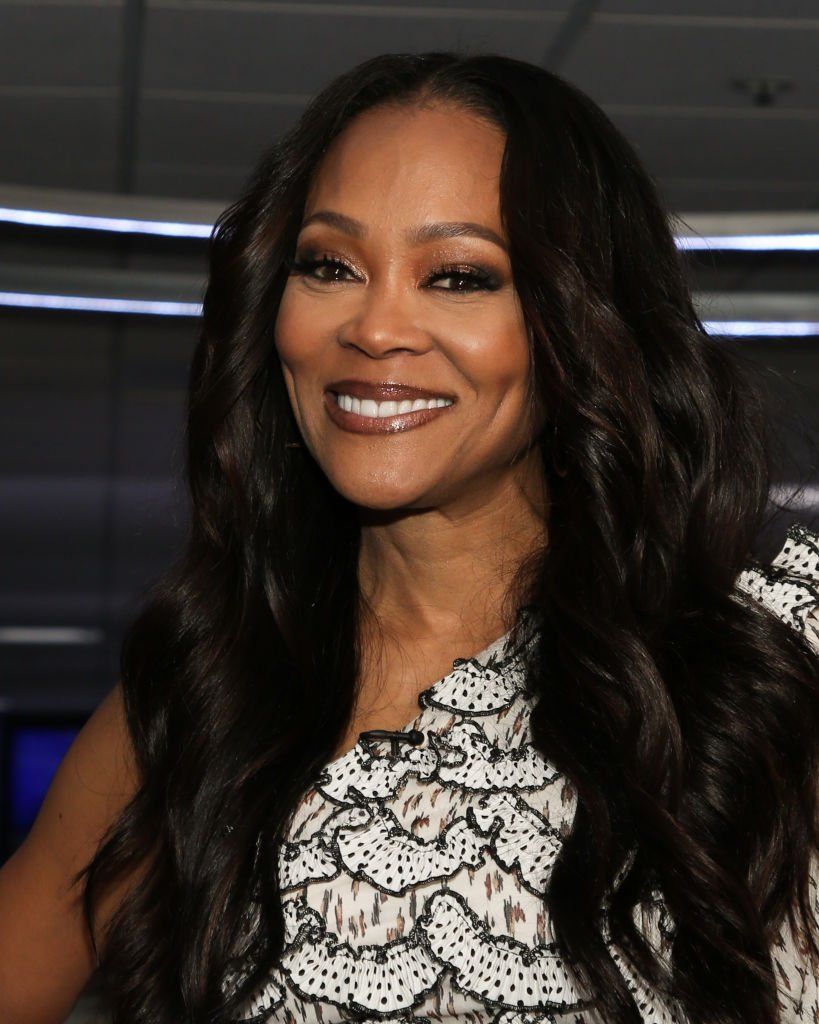
This photograph is the property of its respective owner.

Robin Givens is often described as an “It Girl” because she embodied a rare combination of attributes that captured the public imagination. She possessed striking physical beauty, intellectual credibility, and fearless confidence, qualities that distinguished her from many contemporaries. At a time when Black actresses were often confined to limited roles, she projected sophistication, ambition, and glamour on mainstream television. Her visibility on Head of the Class, her appearances in prominent films, and her highly publicized personal life made her one of the most talked-about women in Hollywood during the late 1980s and early 1990s.

Even decades later, Givens remains a recognizable cultural figure. She has continued acting in television series, directing projects, and mentoring younger performers entering the entertainment industry. Her resilience—navigating fame, controversy, and reinvention—has allowed her career to endure long after many of her contemporaries faded from public view. In this sense, her legacy as an “It Girl” extends beyond beauty or celebrity gossip; it reflects the enduring presence of a woman who combined elegance, intelligence, and determination to leave a lasting mark on American popular culture.


References

Biography.com. (2023). Robin Givens biography.
Empire Magazine. (1995). The 100 Sexiest Stars in Film History.
IMDb. (2024). Robin Givens filmography and biography.
NNDB. (2024). Robin Givens profile.
Rotten Tomatoes. (2024). Robin Givens – actor biography.
Wikipedia contributors. (2024). Robin Givens. Wikipedia.

The “It Girl” Series: Kim Fields

From Tootie to Television Royalty

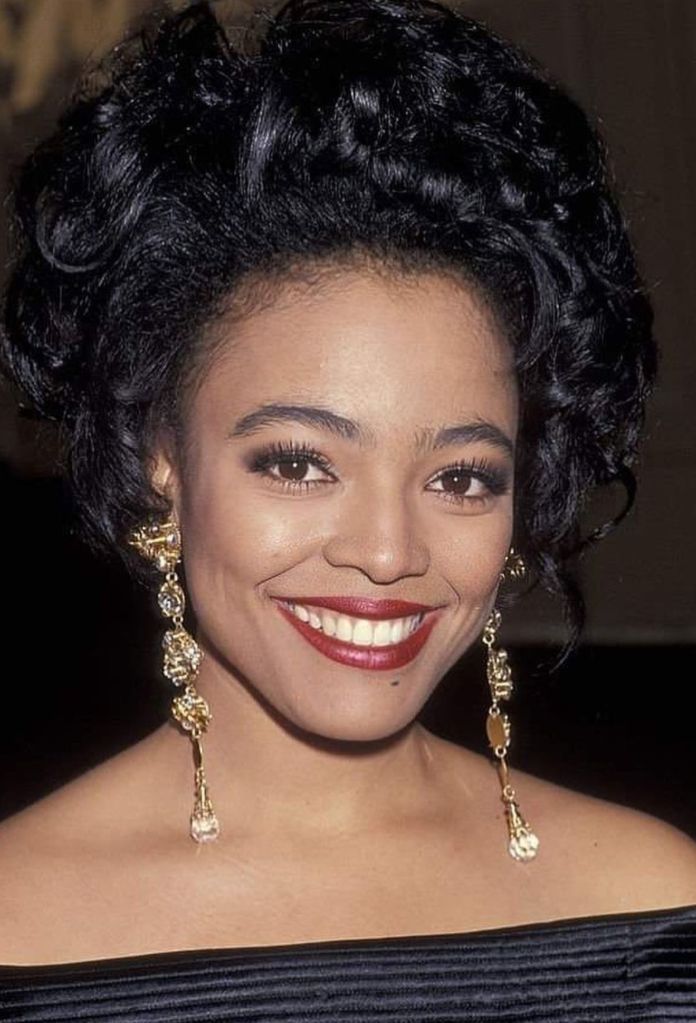
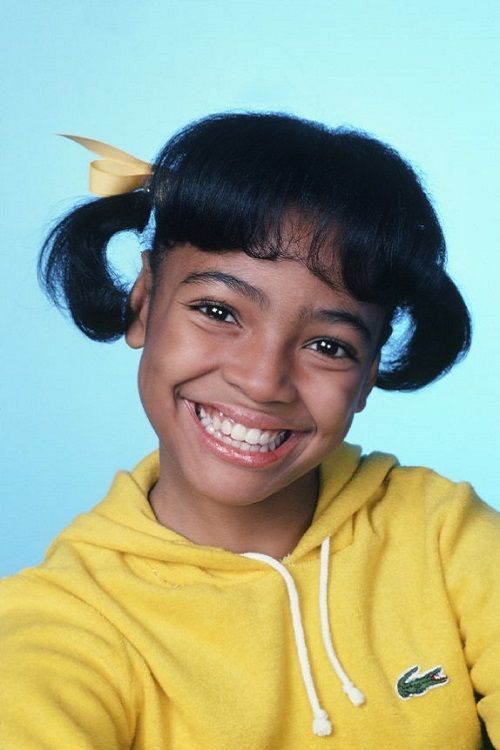
This photograph is the property of its respective owner.

Few actresses in American television have grown up before the public with as much grace, talent, and longevity as Kim Fields. Known for her radiant smile, expressive eyes, and confident presence, Fields became a beloved figure in popular culture during the late twentieth century. Her statuesque beauty, warm personality, and sharp comedic timing made her one of television’s most recognizable young stars. Over the decades, she has successfully transitioned from child star to accomplished actress, director, producer, and author. Through her perseverance and professionalism, Kim Fields has earned her place among the women who embody the timeless cultural allure of an “It Girl.”

Kim Victoria Fields was born on May 12, 1969, in New York City. She was born into an entertainment family, as her mother, Chip Fields, was an accomplished actress and singer who appeared in numerous television shows and stage productions. Growing up in a creative environment exposed Fields to acting at a very early age. Her mother’s guidance and experience helped her navigate the demanding world of television while maintaining a strong sense of identity and discipline.

Fields spent much of her childhood in California, where the entertainment industry offered abundant opportunities for young performers. Even as a child, she demonstrated natural charisma and confidence before the camera. Her bright personality and expressive features made her a standout during auditions, and she quickly began appearing in commercials and small television roles.

This photograph is the property of its respective owner.

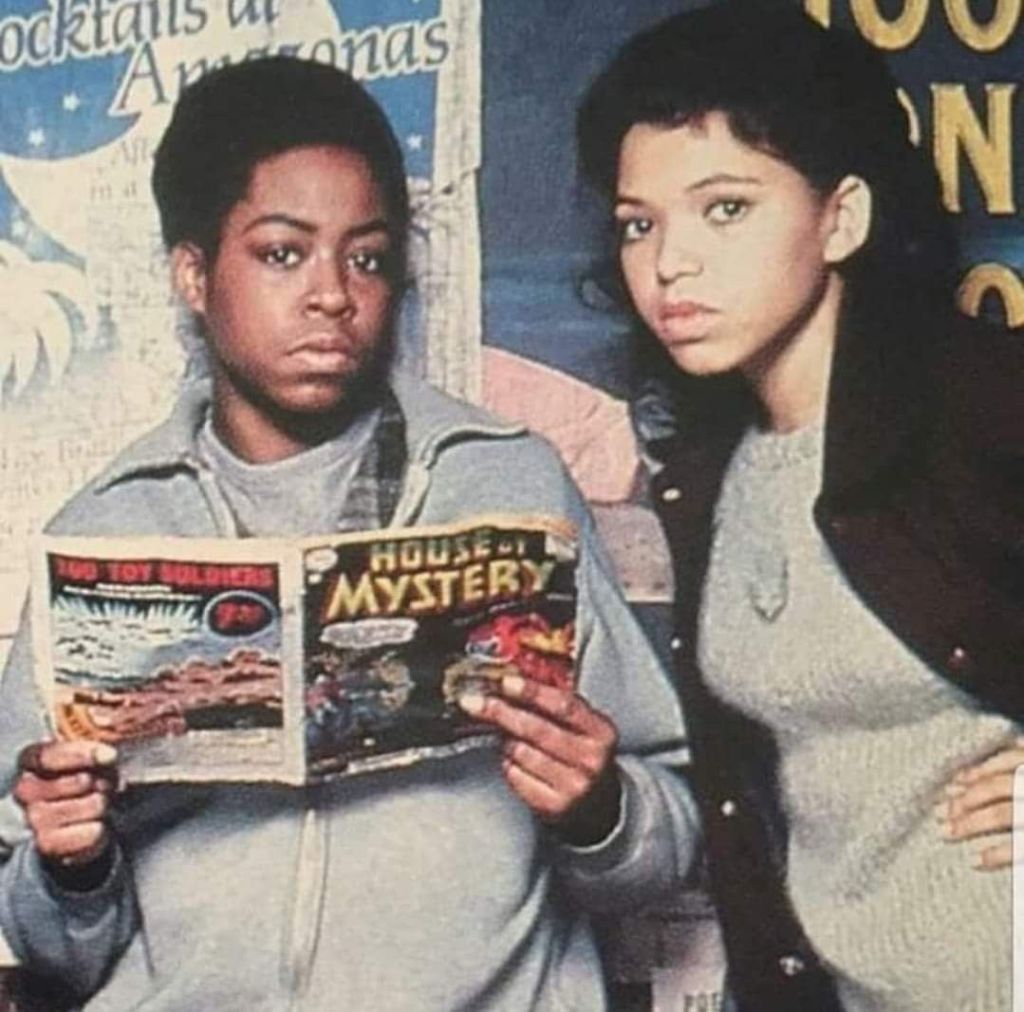
Her breakthrough came when she was cast as Dorothy “Tootie” Ramsey on the hit sitcom The Facts of Life. Debuting in 1979, the series followed a group of girls attending a boarding school and navigating adolescence together. Tootie, known for her roller skates and witty observations, quickly became one of the show’s most beloved characters. Fields’ youthful charm and comedic delivery endeared her to audiences across the United States.

During the show’s nine-season run, Fields matured both personally and professionally. Viewers watched her grow from a playful child into a confident young woman. This rare opportunity allowed audiences to witness a genuine coming-of-age journey on television, strengthening her connection with fans and solidifying her place in pop culture history.

Beyond acting, Fields also pursued music during the 1980s. She released several pop and R&B songs, including the single “He Loves Me He Loves Me Not,” which showcased her singing ability. Although music did not become the central focus of her career, it demonstrated her versatility and artistic curiosity.

After The Facts of Life concluded in 1988, Fields continued her education and expanded her career goals. She attended Pepperdine University, where she studied communications and film. Her academic pursuits reflected a desire to understand the entertainment industry from multiple perspectives, including directing and producing.

In the early 1990s, Fields returned to television with another memorable role on the hit sitcom Living Single. She portrayed Regine Hunter, a fashionable, witty, and glamorous socialite living in Brooklyn. The role allowed Fields to showcase a more mature comedic style and impeccable timing. Regine’s sharp humor and stylish personality made her one of the show’s most iconic characters.

This photograph is the property of its respective owner.

Living Single became an important cultural milestone in television history. The series portrayed successful Black professionals navigating friendship, romance, and careers in New York City. Fields’ performance contributed to the show’s enduring popularity and cultural significance.

The Upshaws is a popular family sitcom that premiered on Netflix in 2021. The series follows the working-class Upshaw family in Indianapolis as they navigate everyday struggles, relationships, and personal growth with humor and heart. Kim Fields plays Regina Upshaw, the intelligent, strong-willed wife who works as a nurse and often serves as the moral and emotional center of the household. The show blends classic sitcom comedy with realistic themes about marriage, parenting, financial challenges, and resilience, making it both relatable and culturally meaningful for modern audiences.

While continuing to act, Fields also developed a successful career behind the camera. She became a respected television director, working on episodes of popular sitcoms such as Kenan & Kel and Tyler Perry’s House of Payne. Her transition into directing demonstrated both leadership and creative insight, allowing her to shape stories from a new perspective.

Fields’ directing work also reflected her dedication to mentoring younger performers. Having grown up in the industry herself, she understood the challenges faced by young actors and often provided guidance and encouragement on set.

Her career continued to evolve as she appeared in numerous television films and reality programs. Fields competed on the popular dance competition series Dancing with the Stars, where audiences were reminded of her vibrant personality and determination. Her participation revealed a playful and adventurous side that fans appreciated.

In addition to her entertainment career, Fields is also an author. Her memoir, Blessed Life: My Surprising Journey of Joy, Tears, and Tales from Harlem to Hollywood, offers a personal reflection on her experiences in the entertainment industry and her faith. The book explores the lessons she learned while growing up in the spotlight.

This photograph is the property of its respective owner.

Fields’ beauty has always been characterized by elegance and authenticity. With warm brown eyes, glowing skin, and a poised demeanor, she embodies a natural charm that transcends fashion trends. Her style combines classic sophistication with a welcoming, approachable presence.

Throughout her life, Fields has also emphasized the importance of faith, family, and personal integrity. She has spoken openly about the value of maintaining spiritual grounding while navigating the pressures of Hollywood. This balance has contributed to her reputation as both a talented performer and a respected individual.

Today, Kim Fields continues to act, direct, and produce television projects while participating in speaking engagements and community initiatives. Her experience and wisdom have made her a mentor for younger performers entering the industry.

What makes Kim Fields an “It Girl” is not merely her early fame but her enduring relevance. She successfully reinvented herself across multiple decades, transitioning from child star to accomplished creative professional without losing the warmth and authenticity that audiences admire.

Her legacy also reflects the importance of representation in television history. Through roles like Tootie Ramsey and Regine Hunter, Fields helped shape the portrayal of intelligent, complex Black women on screen.

Longevity in entertainment is rare, especially for child actors. Yet Fields managed to sustain her career with grace, intelligence, and strategic reinvention. Her journey demonstrates resilience, adaptability, and unwavering dedication to her craft.

This photograph is the property of its respective owner.

For many viewers, Kim Fields represents a comforting familiarity—a performer who has accompanied them through different stages of life. Her presence evokes nostalgia while continuing to inspire new audiences.

Ultimately, Kim Fields stands as a testament to perseverance and talent. From a young girl skating through the halls of Eastland School to a respected director and actress, she has consistently demonstrated professionalism and grace.

In every sense, Kim Fields remains an “It Girl”—a woman whose charm, beauty, intelligence, and cultural impact continue to resonate across generations.


References

Britannica. (2026). Kim Fields. Encyclopaedia Britannica.

Fields, K. (2017). Blessed Life: My Surprising Journey of Joy, Tears, and Tales from Harlem to Hollywood. Howard Books.

IMDb. (2026). Kim Fields Filmography. IMDb Database.

Smith, S. (2018). Black Women in Television: A Cultural History. New York University Press.

The “It Girl” Series: Tisha Campbell & Tichina Arnold.

Two Stars, One Sisterhood: The Friendship That Defined a Generation of Television

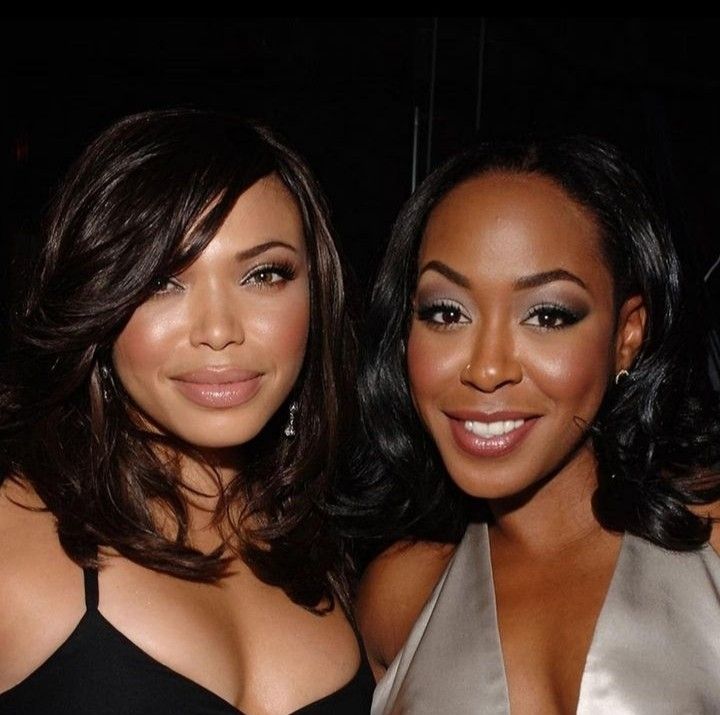
This photograph is the property of its respective owner.

In the history of Black television, few friendships have been as beloved and enduring as that of Tisha Campbell and Tichina Arnold. Both women emerged as dynamic actresses whose beauty, talent, and comedic brilliance helped shape some of the most iconic sitcoms in American television. Individually, they built impressive careers, but together, they created a cultural legacy rooted in authentic friendship, humor, and sisterhood. Their chemistry on screen and their bond off screen represent a rare example of loyalty in an industry often defined by competition.

Tisha Campbell: From House Party to Hollywood It Girl

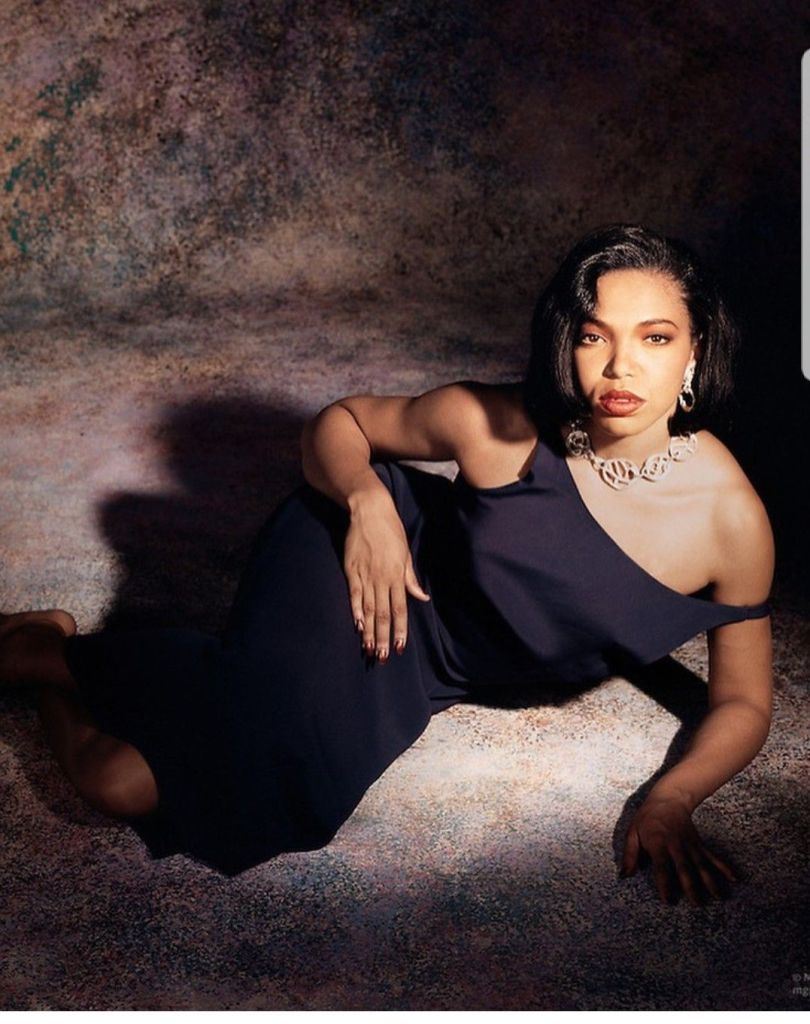
This photograph is the property of its respective owner.

Tisha Michelle Campbell was born on October 13, 1968, in Oklahoma City, Oklahoma, and raised in Newark, New Jersey. Growing up in a family deeply involved in music and entertainment, Campbell developed her artistic talents at a young age. Her mother worked as a vocal coach and talent manager, exposing Campbell to the performing arts early in life.

Campbell’s beauty has long been admired for its vibrant energy and elegance. With expressive brown eyes, radiant skin, and a charismatic smile, she carries a presence that blends confidence with warmth. Her lively personality and natural comedic timing made her stand out even as a young performer.

Her early career began with appearances on children’s television and musical programs. Campbell gained early attention when she appeared on the television show Kids Incorporated, where her singing and acting abilities captured audiences. The show introduced her to a generation of viewers and revealed her versatility as both a vocalist and performer.

Her breakout film role came in the 1990 cult classic House Party, where she portrayed Sidney, a confident young woman navigating romance and friendship. The film became a cultural milestone in Black cinema and established Campbell as a rising star in Hollywood.

Campbell’s greatest television success came with the groundbreaking sitcom Martin. Playing Gina Waters, the intelligent and stylish girlfriend of Martin Payne, Campbell became one of the most recognizable faces on television during the 1990s. Her chemistry with the cast and her sophisticated comedic style made Gina a beloved character.

Beyond acting, Campbell has also maintained a music career, releasing R&B recordings that highlight her powerful voice and emotional range. Her artistic abilities extend across multiple disciplines, reinforcing her reputation as a multi-talented performer.

Over the years, she has continued acting in television series, films, and stage productions. Her performances demonstrate a balance of humor, vulnerability, and strength that resonates with audiences across generations.

Tichina Arnold: The Comedic Queen with Timeless Style and Talent

This photograph is the property of its respective owner.

Tichina Rolanda Arnold was born on June 28, 1969, in Queens, New York. Raised in a creative environment that encouraged artistic expression, Arnold discovered her passion for performing while still in elementary school. She attended the prestigious Fiorello H. LaGuardia High School of Music & Art and Performing Arts, where she honed her acting and musical talents.

Arnold has distinctive beauty, with radiant skin, striking features, and expressive eyes that enhance her comedic performances. Her bold personality and unmistakable voice have made her one of television’s most memorable comedic actresses.

Her early career included stage and film roles, including Little Shop of Horrors. However, her defining role came when she was cast in the hit sitcom Martin.

On the show, Arnold portrayed Pamela “Pam” James, the sharp-tongued and hilarious best friend of Gina. Pam’s fearless wit and confident attitude made her one of the show’s standout characters. Arnold’s comedic timing turned Pam into a fan favorite whose catchphrases and reactions became part of pop culture.

Arnold later achieved another major television success on the long-running sitcom Everybody Hates Chris, where she played Rochelle, the strict yet loving mother of the show’s protagonist. Her energetic performance earned widespread praise and introduced her talents to a new generation of viewers.

More recently, Arnold has continued her television success in the sitcom The Neighborhood, where she portrays Tina Butler. The show highlights Arnold’s ability to blend humor with heartfelt moments, proving that her comedic brilliance remains as strong as ever.

A Friendship That Transcends Hollywood

This photograph is the property of its respective owner.

What truly distinguishes Campbell and Arnold in entertainment history is their genuine friendship. The two actresses met as young performers and developed a bond that has lasted for decades. Their natural chemistry was evident when they appeared together on Martin, where their characters Gina and Pam portrayed best friends navigating relationships, careers, and life in Detroit.

Their on-screen dynamic felt authentic because it reflected their real-life relationship. Off camera, Campbell and Arnold supported one another through personal challenges, career changes, and the pressures of fame. Their loyalty to each other stands as a powerful example of sisterhood within the entertainment industry.

Years later, the duo reunited on the television sitcom The Neighborhood, once again sharing the screen and reminding audiences why their partnership remains so beloved. The reunion felt less like nostalgia and more like a continuation of a story that fans had followed for decades.

Together, Campbell and Arnold represent an important chapter in Black television history. They helped create characters who were intelligent, humorous, stylish, and relatable. Their performances contributed to a cultural shift in how Black women were portrayed on mainstream television.

Both women embody the qualities of an “It Girl”: confidence, talent, resilience, and timeless beauty. Yet what makes them even more special is that their success was never built on rivalry. Instead, it was strengthened by friendship.

In an industry often defined by competition and fleeting fame, the enduring bond between Tisha Campbell and Tichina Arnold is remarkable. Their careers demonstrate that collaboration, loyalty, and mutual respect can create something far more powerful than individual stardom.

Together they represent more than two talented actresses—they symbolize sisterhood, laughter, and a legacy of excellence that continues to inspire audiences around the world.


References

Arnold, T. (Interviews & media appearances).

Campbell, T. (Interviews & media appearances).

IMDb. (2026). Tisha Campbell Filmography. IMDb Database.

IMDb. (2026). Tichina Arnold Filmography. IMDb Database.

Hunt, D., & Ramón, A. (2020). Hollywood Diversity Report: A Tale of Two Hollywoods. UCLA College of Social Sciences.

Smith, S. (2018). Black Women in Television: A Cultural History. New York University Press.

The “It Girl” Series: Queen Latifah

From Newark’s Hip-Hop Queen to Hollywood Royalty

This photograph is the property of its respective owner.

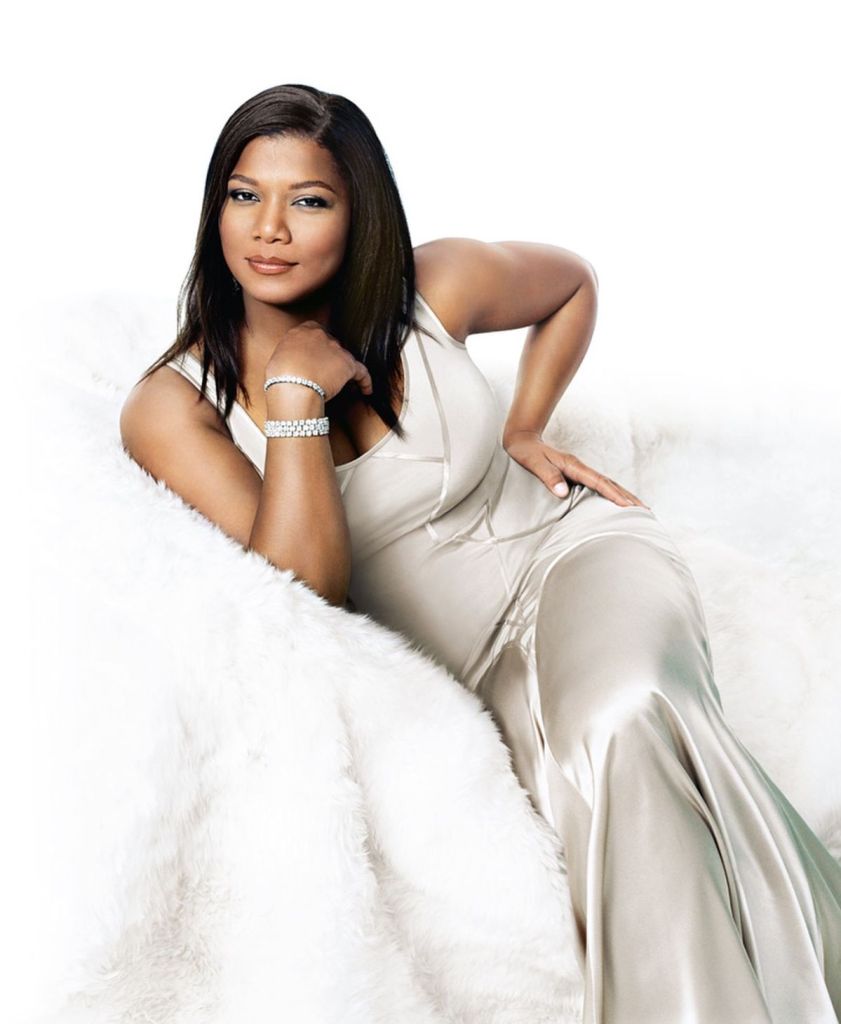
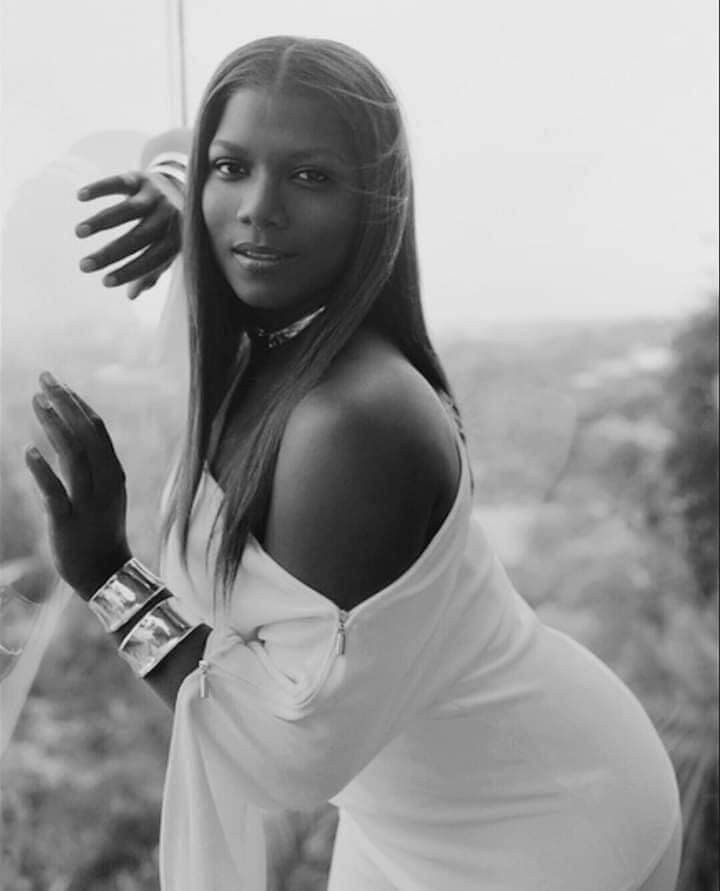
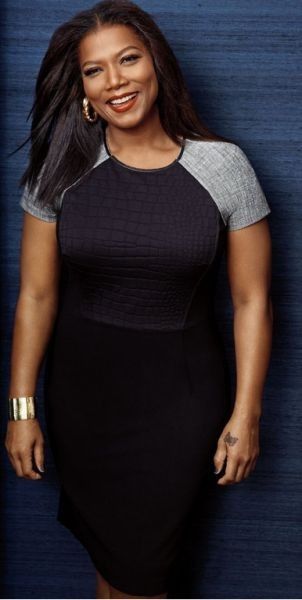
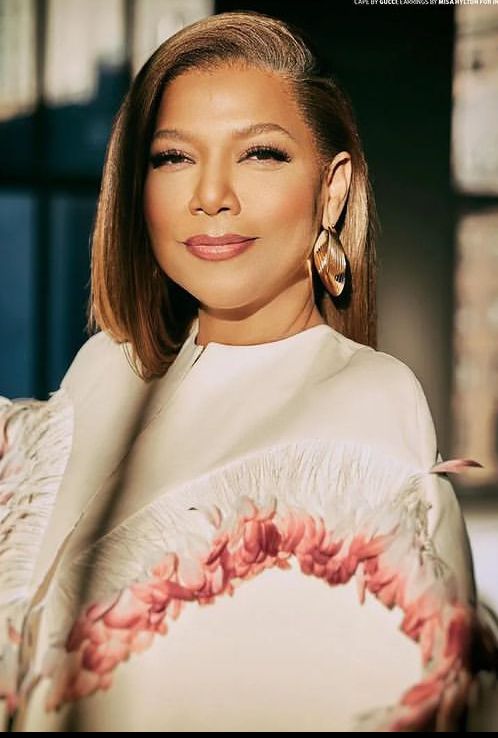
In the world of entertainment, certain women transcend generations and cultural boundaries to become enduring symbols of beauty, talent, and influence. Queen Latifah is one of those rare figures. Known for her statuesque elegance, radiant skin, commanding voice, and intellectual presence, she represents a powerful image of confidence and grace. Over the course of more than three decades, she has excelled as a rapper, actress, producer, businesswoman, and fashion figure, earning respect across multiple industries. Her multifaceted career and timeless presence make her a quintessential “It Girl,” a woman whose style, talent, and influence define cultural moments.

Born Dana Elaine Owens on March 18, 1970, in Newark, New Jersey, Queen Latifah was raised in a working-class family that emphasized discipline and education. Her mother, Rita Owens, was a schoolteacher who instilled strong values and intellectual curiosity, while her father, Lancelot Owens, worked as a police officer. Growing up in Newark during a transformative era in American culture exposed Latifah to the vibrant rhythms of urban life, gospel music, and the emerging sounds of hip-hop. These early influences would shape the foundation of her creative voice.

Queen Latifah has long been admired for her striking physical presence. Standing nearly six feet tall, she carries herself with a regal posture that commands attention in any room. Her smooth, luminous complexion and confident smile helped redefine beauty standards in an entertainment industry that historically marginalized fuller-figured Black women. Rather than conforming to narrow expectations, Latifah embraced her natural beauty, projecting confidence and dignity that resonated with audiences around the world.

As a teenager, Latifah discovered her passion for music and performance. She began beatboxing and rapping in local groups while attending high school in East Orange, New Jersey. Her early musical experiences included performing with an all-female rap collective called Ladies Fresh. At a time when female voices were rare in hip-hop, she developed a style that blended lyrical strength with social awareness and rhythmic innovation.

Her stage name carries both cultural meaning and personal symbolism. The name “Latifah,” which translates loosely from Arabic as “delicate” or “kind,” was given to her by a cousin when she was a child. When she entered the music industry, she added the title “Queen” to express dignity, respect, and empowerment for women. The name became a declaration of identity, reflecting both self-respect and a broader message about the worth and strength of women.

This photograph is the property of its respective owner.

Queen Latifah’s breakthrough came in 1989 when she released her debut album All Hail the Queen. The album was groundbreaking not only for its musical style but also for its themes of empowerment and cultural pride. It blended hip-hop beats with jazz and reggae influences while delivering messages that encouraged respect for women and community awareness. The record quickly established Latifah as one of the most important female voices in hip-hop history.

Her music often addressed social issues affecting women. One of her most famous songs, “U.N.I.T.Y.,” became an anthem against harassment and violence toward women. The song’s bold lyrics challenged misogyny in hip-hop culture and broader society, earning her a Grammy Award for Best Rap Solo Performance. Through her music, Latifah demonstrated that hip-hop could be both entertaining and socially conscious.

While her rap career flourished, Queen Latifah also expanded into entrepreneurship. She co-founded Flavor Unit Entertainment, a production and management company that helped guide the careers of multiple artists and entertainment projects. Through this venture, she demonstrated remarkable business acumen and creative leadership, building opportunities not only for herself but for other performers as well.

Her transition into acting began during the 1990s, when she appeared in television and film roles that showcased her natural charisma. One of her most beloved early performances was in the sitcom Living Single, where she portrayed Khadijah James, a confident magazine editor navigating friendship and career in New York City. The series became a cultural touchstone, portraying successful Black women in professional settings with humor and authenticity.

Queen Latifah’s acting career soon expanded into major motion pictures. She delivered memorable performances in films such as Set It Off, The Bone Collector, Brown Sugar, and Bringing Down the House. Her versatility allowed her to move seamlessly between drama and comedy, establishing her as one of Hollywood’s most respected actresses.

A defining moment in her acting career came with her role as Mama Morton in the musical film Chicago. Her commanding performance earned her an Academy Award nomination for Best Supporting Actress. The role demonstrated her powerful singing ability and theatrical presence, further proving that she could excel in virtually any artistic medium.

This photograph is the property of its respective owner.

Latifah continued to star in a wide range of films, including Hairspray, Last Holiday, and The Secret Life of Bees. Each performance reflected her ability to embody strong and complex female characters. Audiences connected with her authenticity, warmth, and humor, qualities that made her a beloved figure in entertainment.

Beyond acting and music, Queen Latifah has also influenced the beauty and fashion industries. She became a spokesperson for the cosmetics brand CoverGirl and launched the “Queen Collection,” a makeup line designed specifically for women of color. The collection celebrated diverse skin tones and helped expand representation in mainstream beauty marketing.

Her contributions to entertainment have been recognized with numerous awards and honors. Queen Latifah has received a Grammy Award, a Golden Globe, Screen Actors Guild Awards, and multiple nominations for prestigious honors, including the Academy Awards and Emmy Awards. She also received a star on the Hollywood Walk of Fame, marking her lasting impact on American popular culture.

Throughout her career, Latifah has also been a voice for empowerment and social responsibility. She has spoken openly about issues affecting women, body positivity, and representation in media. Her ability to balance artistic success with cultural advocacy has strengthened her legacy as more than just an entertainer.

In recent years, Queen Latifah has continued to evolve creatively. She currently stars in the television series The Equalizer, portraying a resourceful woman who uses her intelligence and skills to protect vulnerable people. The role highlights her strength, wisdom, and maturity as a performer.

Outside of acting, she remains active as a producer and entrepreneur through her production company. Her leadership behind the camera has helped create opportunities for diverse stories and voices in film and television.

This photograph is the property of its respective owner.

What makes Queen Latifah an “It Girl” is not simply her fame but her presence. She embodies elegance, intelligence, talent, and resilience. Her beauty radiates confidence rather than conformity, and her success spans multiple creative disciplines.

Her career also represents longevity in an industry known for fleeting trends. While many artists rise and fade quickly, Latifah has remained relevant for more than three decades by constantly evolving and expanding her talents.

She represents a powerful model of Black womanhood—one that celebrates intelligence, strength, compassion, and dignity. For many admirers, she symbolizes a modern form of royalty rooted in character rather than status.

Ultimately, Queen Latifah’s journey from a young girl in Newark to an international icon reflects perseverance and vision. She used her voice and intellect to break barriers in music, film, and business.

In every sense of the phrase, Queen Latifah remains an “It Girl”—a timeless symbol of elegance, influence, and cultural power.


References

Britannica. (2026). Queen Latifah. Encyclopaedia Britannica.

Owens, D. E. (1999). Ladies First: Revelations of a Strong Woman. HarperCollins.

Biography.com Editors. (2020). Queen Latifah Biography. Biography.com.

IMDb. (2026). Queen Latifah Filmography. IMDb Database.

Smith, S. (2018). Hip-Hop Divas: Women Who Changed the Game. New York University Press.