
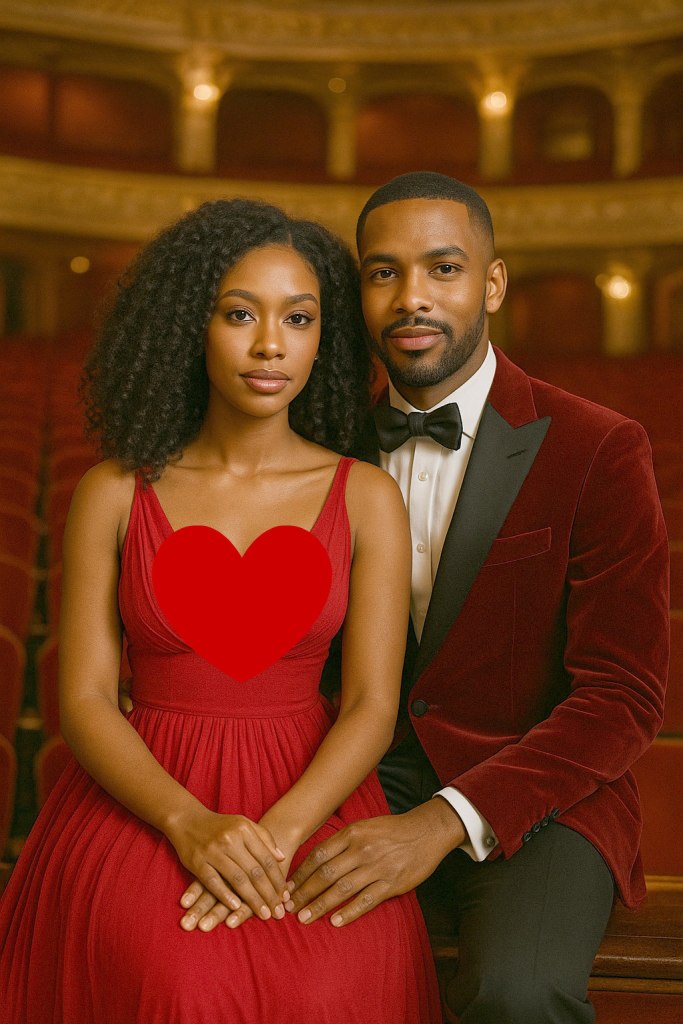
In loving memory of my late aunt Adele, who took me to my first Opera when I was 8 years old.
Opera, a grand fusion of music, drama, and visual spectacle, has been a reflection of culture and society since its origins in late 16th-century Italy. While historically dominated by European performers, Black artists have made indelible contributions to the art form, breaking barriers, redefining standards, and inspiring generations of performers and audiences alike.
Origins and Development
- Opera began in Italy around 1597 with Jacopo Peri’s Dafne.
- Early opera was dominated by European performers and catered to aristocratic audiences.
- Public theaters eventually made opera more accessible.
- Black artists began gaining recognition in the early 20th century despite systemic racism.
Pioneering Black Artists
- Marian Anderson – First Black singer to perform at the Metropolitan Opera (1955).
- Leontyne Price – Celebrated soprano, known for Aida, Tosca, Il Trovatore.
- Simon Estes – Renowned bass-baritone, noted for roles in Porgy and Bess, Don Giovanni.
- Other notable Black opera stars: Jessye Norman, Shirley Verrett, Grace Bumbry, Lawrence Brownlee.
All-Black Opera Casts
- Productions like all-Black casts of Porgy and Bess showcased the depth of African American talent.
- Emphasized professionalism, versatility, and cultural authenticity.
Cultural Influence
- Black opera artists introduced stylistic nuances from gospel, jazz, and spirituals into classical music.
- Influenced fashion, stage design, and performance aesthetics in Broadway, film, and concert productions.
- Helped reshape societal perceptions and fostered inclusion in classical music education and programming.
Famous Operas and Roles
- Best operas of all time: La Traviata, Carmen, The Magic Flute, Aida, Madama Butterfly.
- Leontyne Price’s performances in Aida and Tosca remain iconic benchmarks.
- Black artists often reinterpreted classic works, enriching emotional depth and authenticity.
Training and Institutions
- Juilliard, Curtis Institute, Manhattan School of Music – key institutions for developing Black talent.
- Provided technical and artistic training as well as professional networking opportunities.
Recognition and Awards
- Black opera singers have earned international acclaim and prestigious awards despite historical barriers.
- Their success demonstrates resilience, perseverance, and cultural impact.
Cross-Genre Influence
- Opera techniques influenced jazz, gospel, and popular music.
- Black opera artists inspired creative collaborations beyond classical music.
Modern Platforms and Festivals
- National Opera Association and Opera Ebony promote performances, education, and mentorship.
- Streaming, recordings, and televised performances expand global recognition.
Notable White Opera Stars (for historical comparison)
- Luciano Pavarotti, Maria Callas, Plácido Domingo, Renée Fleming, Joan Sutherland.
The history of Black opera can be traced back to the early 20th century, when African American artists began to gain recognition in predominantly white classical music spheres. Despite systemic racism and exclusion from major institutions, pioneering performers demonstrated remarkable talent, challenging societal prejudices while elevating the art form.
Opera itself started in Italy around 1597, with Jacopo Peri’s Dafne often cited as the first opera. Early operas were primarily composed for aristocratic audiences, but the art form evolved to include public theaters, making it increasingly accessible. Over centuries, opera spread throughout Europe and eventually the Americas, where Black artists began leaving their mark.
One of the earliest breakthroughs for Black opera singers was Marian Anderson, whose debut at the Metropolitan Opera in 1955 marked a historic moment. Her success opened doors for subsequent generations, highlighting the potential for Black artists in a domain previously dominated by white performers.
Leontyne Price, one of the most celebrated Black sopranos, became a symbol of excellence in opera during the mid-20th century. Renowned for her roles in Aida, Tosca, and Il Trovatore, Price’s powerful voice and commanding stage presence earned her international acclaim. She broke racial barriers, performing at the Metropolitan Opera and inspiring countless aspiring singers.
Simon Estes, a renowned Black bass-baritone, brought further recognition to Black opera. His performances spanned iconic roles in Porgy and Bess, The Flying Dutchman, and Don Giovanni. Estes’ career exemplifies versatility, professionalism, and the ability to bring gravitas to every stage he graced.
The influence of Black opera extends beyond performance. By asserting their presence on prominent stages, Black singers challenged prevailing racial narratives, shaping cultural perceptions and encouraging greater inclusion in classical music education and programming.
Opera has often mirrored societal tensions and aspirations. The presence of Black artists in the 20th and 21st centuries demonstrates resilience against historical oppression while celebrating the richness of African American musical heritage. Their contributions have inspired broader artistic innovation and dialogue.
The best all-Black opera casts have showcased the depth and breadth of African American talent. Productions like Porgy and Bess have been celebrated worldwide for their all-Black ensembles, combining rich musical traditions with theatrical storytelling. These performances demonstrate the artistry and professionalism of Black performers in complex, demanding roles.
Cultural influence of opera is multifaceted. It elevates musical literacy, dramatic interpretation, and cross-cultural appreciation. Black opera singers have contributed unique stylistic nuances, incorporating elements of gospel, jazz, and spirituals, thereby expanding the expressive possibilities of classical opera.
Some of the best operas of all time include La Traviata, Carmen, The Magic Flute, Aida, and Madama Butterfly. In these productions, Black performers like Leontyne Price brought historic performances that remain benchmarks for vocal excellence.
The artistry of opera has also influenced fashion, stage design, and popular culture. Costuming, set design, and performance aesthetics pioneered in opera have inspired Broadway, film, and concert productions, highlighting the cultural interplay between classical and contemporary entertainment.
Notable Black opera singers also include Jessye Norman, Shirley Verrett, Grace Bumbry, and Lawrence Brownlee. Their contributions across decades solidified the presence of Black artists in the global opera scene, earning accolades for vocal brilliance and interpretive skill.
White opera stars who shaped the genre include Luciano Pavarotti, Maria Callas, Plácido Domingo, Renée Fleming, and Joan Sutherland. Comparing legacies across racial lines demonstrates that talent transcends racial barriers, though systemic inequities historically limited opportunities for Black singers.
Black opera stars have often faced challenges in casting, pay, and critical recognition. Despite these barriers, their persistence has enriched opera, bringing authenticity, emotional depth, and new narratives to classic works.
Training and education have been pivotal. Institutions like Juilliard, the Curtis Institute, and the Manhattan School of Music have nurtured Black talent, preparing singers for the technical and expressive demands of opera while fostering professional networks.
Opera has inspired cross-genre collaborations. Jazz, gospel, and even hip-hop artists have cited operatic influence, demonstrating how the techniques and expressive range developed in opera extend into popular music forms.
Modern festivals and programs celebrate Black opera. The National Opera Association and organizations like Opera Ebony promote performances, education, and mentorship, ensuring that the legacy of Black opera continues to grow and reach new audiences.
Media representation of Black opera artists has expanded, with televised performances, streaming platforms, and recordings preserving historic interpretations for global audiences. These representations reinforce the importance of inclusion and showcase artistic excellence.
In conclusion, the history of Black opera is a testament to perseverance, talent, and cultural impact. Artists like Leontyne Price and Simon Estes not only broke barriers but also enriched the artistic landscape, leaving enduring legacies. Their artistry continues to inspire performers, educators, and audiences worldwide.
References
- Dobrin, P. (2013). Leontyne Price: A life in music. Oxford University Press.
- Metropolitan Opera Archives. (n.d.). Simon Estes biography. https://www.metopera.org
- Ross, A. (2007). The rest is noise: Listening to the twentieth century. Farrar, Straus and Giroux.
- Southern, E. (1997). The music of black Americans: A history (3rd ed.). W. W. Norton & Company.
- Southern, E., & Johnson, E. (2001). African American contributions to opera. University of Illinois Press.
 THE BROWN GIRL DILEMMA