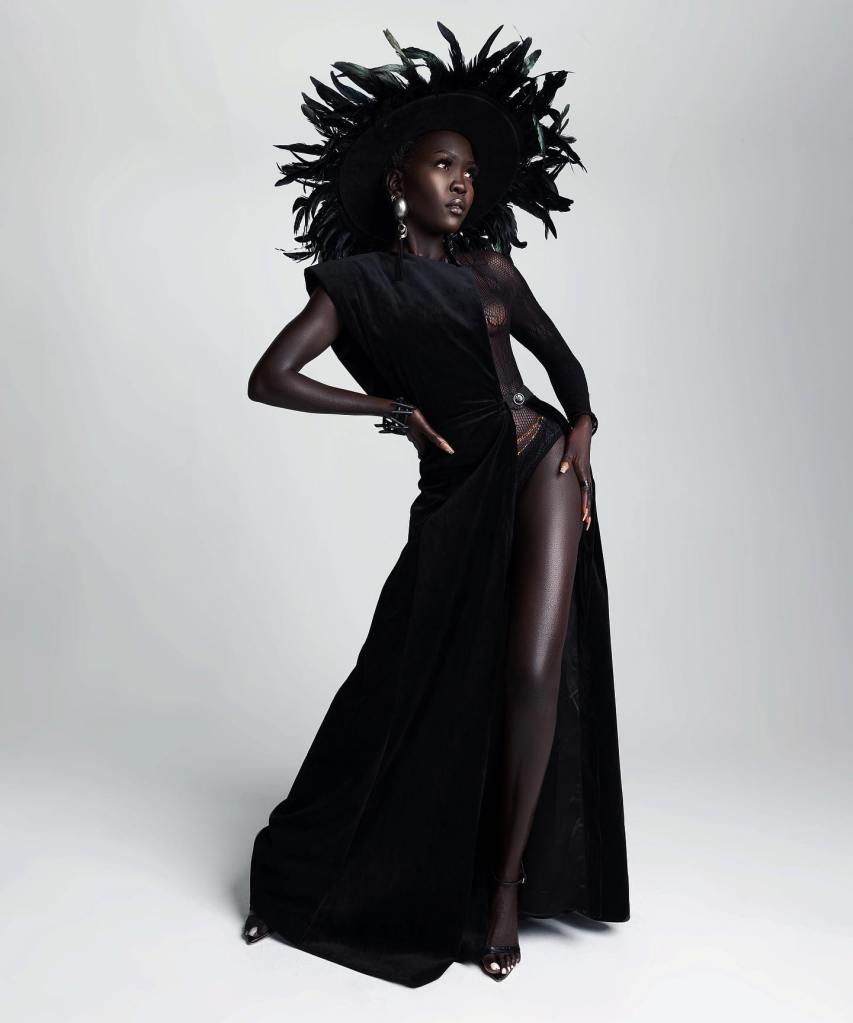
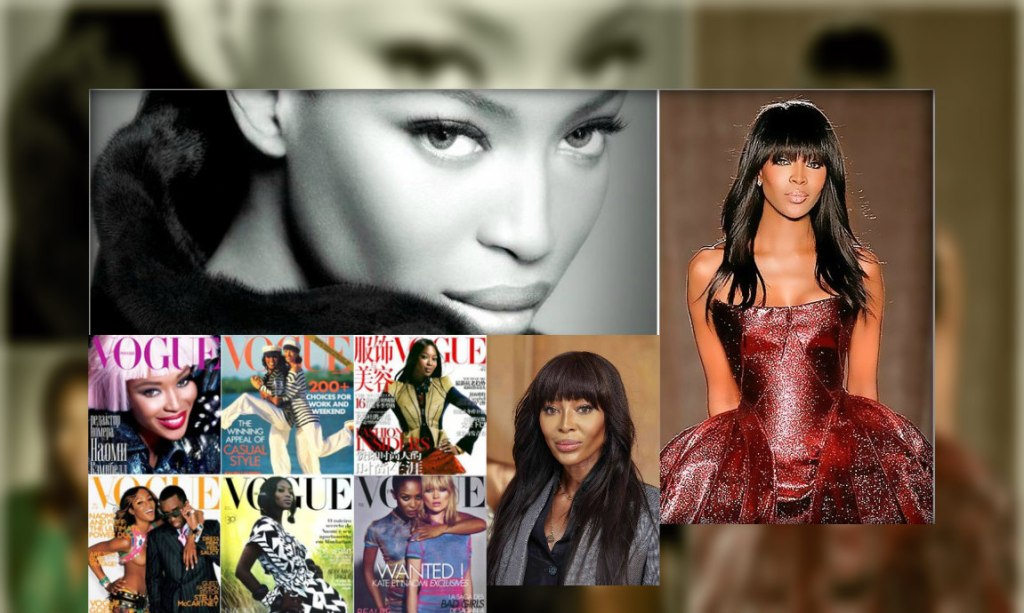
Tag Archives: supermodel

The Ebony Dolls: Alek Wek

Sudanese Supermodel and Icon of Unconventional Beauty
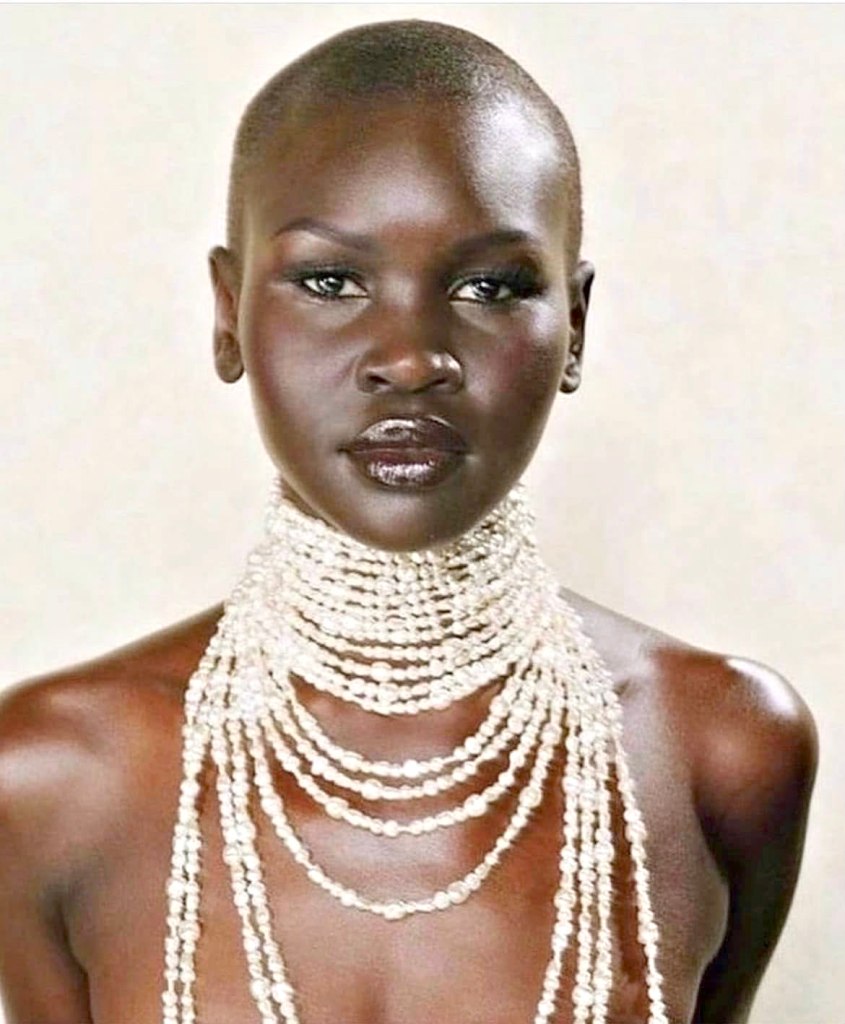
This photograph is the property of its respective owner. No copyright infringement intended.

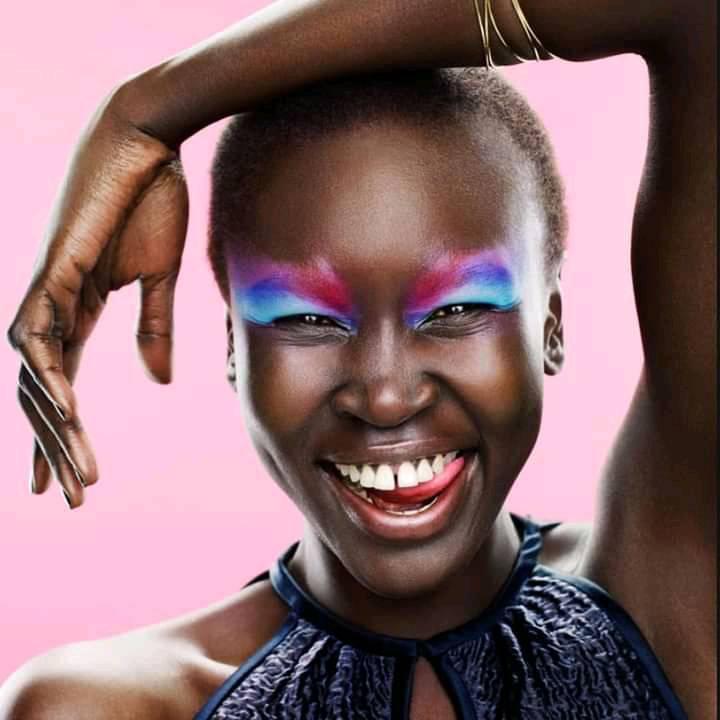
Alek Wek is a Sudanese-British supermodel and cultural icon whose emergence in the global fashion industry transformed dominant conceptions of beauty, race, and representation. Born on April 16, 1977, in Wau, South Sudan, Wek became one of the first African models to achieve international supermodel status in the late 1990s, celebrated not for conformity to Western standards but for her distinctly African features and richly melanated skin.

Wek’s early life was shaped by political violence and displacement. During the Second Sudanese Civil War, her family fled to London as refugees when she was 14 years old. This experience of forced migration profoundly shaped her worldview and later humanitarian advocacy, grounding her public identity in resilience and survival.

She was discovered in 1995 at an outdoor market in Crystal Palace, London, by a modeling scout from Models 1 agency. At the time, Wek had no prior connection to fashion and did not fit the conventional industry image of beauty. Her height, deep ebony skin, shaved head, and Nilotic facial features were considered “unmarketable” by traditional standards—yet these exact traits would soon redefine global beauty culture.

Wek’s breakthrough came in 1996 when she appeared in the iconic Calvin Klein Obsession fragrance campaign, photographed by Steven Meisel. The campaign was revolutionary, positioning a dark-skinned African woman at the center of a luxury brand’s visual identity. This marked one of the first times a Sudanese model was presented as the global face of high fashion.

Her runway career quickly flourished, with appearances for elite designers including Chanel, Jean Paul Gaultier, Moschino, Givenchy, Donna Karan, Valentino, and Victoria’s Secret. She graced the covers of Vogue, Elle, Harper’s Bazaar, Allure, and i-D, becoming one of the most visible Black models of her generation.

Alek Wek is particularly celebrated for her “unconventional beauty,” a term often used to describe her departure from Eurocentric norms. Her elongated limbs, high cheekbones, almond eyes, sculptural facial structure, and shaved head embodied an Afrocentric aesthetic that was rarely elevated in Western fashion prior to her rise.

Her rich ebony dark skin became her most radical form of beauty capital. In an industry long dominated by lighter skin tones and racial assimilation, Wek’s melanation symbolized a form of aesthetic resistance. She did not soften her African features to fit Western ideals—she forced Western ideals to expand.
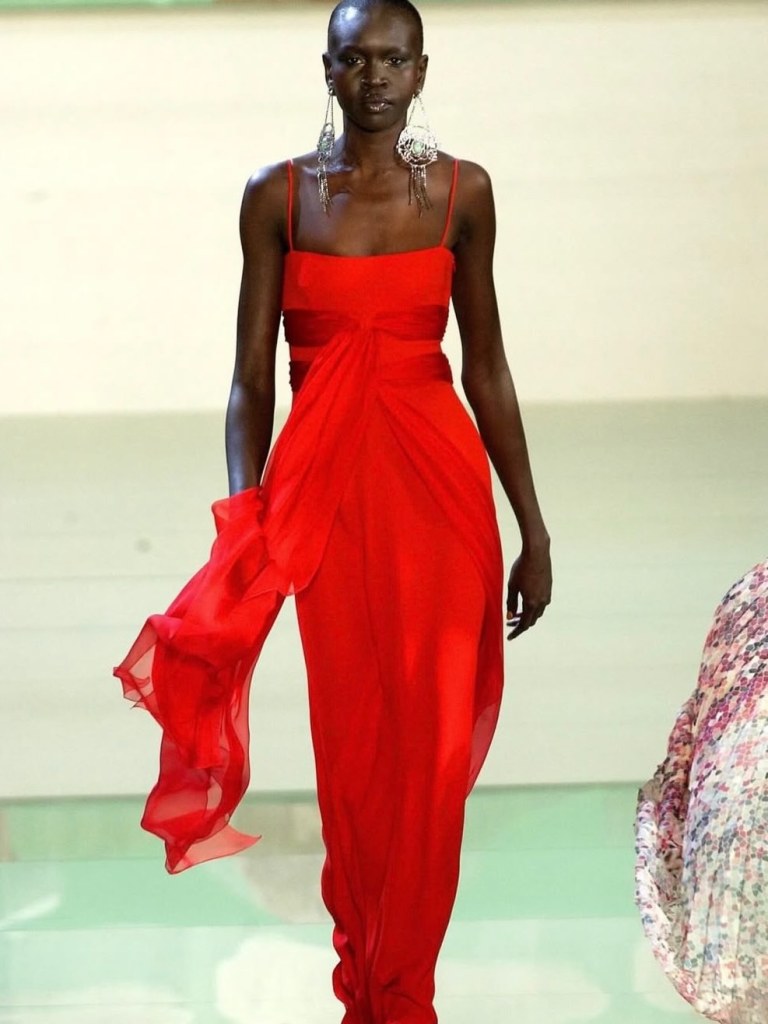
This photograph is the property of its respective owner. No copyright infringement intended.

Wek’s impact extended beyond modeling into cultural politics. She became a symbol of racial pride, particularly for dark-skinned Black women and African girls who had rarely seen themselves reflected in elite beauty spaces. Her visibility disrupted global color hierarchies and helped normalize deeply melanated beauty.

In 1997, Alek Wek was named MTV’s Model of the Year, and in 1998 she won Elle Magazine’s Model of the Year Award. These recognitions confirmed her status as not just a novelty, but a dominant fashion force.

She also transitioned into acting, appearing in films such as The Four Feathers (2002), further expanding her influence into global media representation. Her presence on screen continued the work of decolonizing visual narratives of African women.

Alek Wek has no publicly known husband and has remained largely private about her romantic life. She does not have children. Her public identity has been centered more on cultural leadership, advocacy, and representation than on traditional celebrity domestic narratives.

In 2013, Wek was appointed a UNHCR Goodwill Ambassador, using her refugee experience to advocate for displaced people worldwide. She has worked extensively with the United Nations, raising awareness about refugee rights, humanitarian aid, and African development.

Wek’s humanitarian mission aligns with her broader legacy: using beauty as a tool for social consciousness rather than commercial consumption. She reframes modeling as a platform for ethical visibility rather than mere spectacle.

In cultural theory, Alek Wek represents what scholars describe as “decolonial beauty.” Her image dismantles colonial hierarchies that positioned African features as inferior or primitive. Instead, she embodies African aesthetics as classical, regal, and sovereign.

As an “Ebony Doll,” Alek Wek symbolizes the highest form of Black feminine archetype—not sexualized, not exoticized, but monumental. The term here reflects a symbolic elevation: beauty that is iconic, ancestral, and spiritually grounded.
This photograph is the property of its respective owner. No copyright infringement intended.

Her shaved head became a signature aesthetic, challenging Eurocentric femininity that equates beauty with long hair and softness. Wek’s minimalism emphasized bone structure, skin, and presence, redefining femininity through strength and abstraction.

She is celebrated in academic, fashion, and cultural spaces as a pioneer of Afrocentric representation. Designers, photographers, and scholars frequently cite her as the model who made space for later figures like Nyakim Gatwech, Duckie Thot, Adut Akech, and Anok Yai.

Alek Wek’s legacy lies not in trend, but in transformation. She did not simply enter the fashion system—she altered its symbolic architecture.

Ultimately, Alek Wek is an Ebony Doll because she embodies what had long been denied: the idea that African features, dark skin, and refugee identity are not marginal, but magnificent. Her beauty is not decorative—it is historical.

She stands as a living monument to Black aesthetics, African resilience, and the global redefinition of what beauty means.


References

Wek, A. (2015). Alek: From Sudanese refugee to international supermodel. HarperCollins.

UNHCR. (2013). Goodwill Ambassador: Alek Wek biography. United Nations High Commissioner for Refugees.

Calvin Klein. (1996). Obsession fragrance campaign featuring Alek Wek.

Elle Magazine. (1998). Model of the Year Awards.

Banks, I. (2015). Black bodies in fashion: Representation and resistance. Fashion Theory, 19(3), 267–289.

Hunter, M. (2007). The persistent problem of colorism. Sociology Compass, 1(1), 237–254.

Bourdieu, P. (1986). The forms of capital. In J. Richardson (Ed.), Handbook of theory and research for the sociology of education (pp. 241–258). Greenwood.

Crenshaw, K. (1991). Mapping the margins: Intersectionality and identity politics. Stanford Law Review, 43(6), 1241–1299.

Entwistle, J. (2009). The aesthetic economy of fashion: Models and symbolic capital. Berg.
The Ebony Dolls: Philomena Kwao

Beauty, Brains, and the Power of Representation

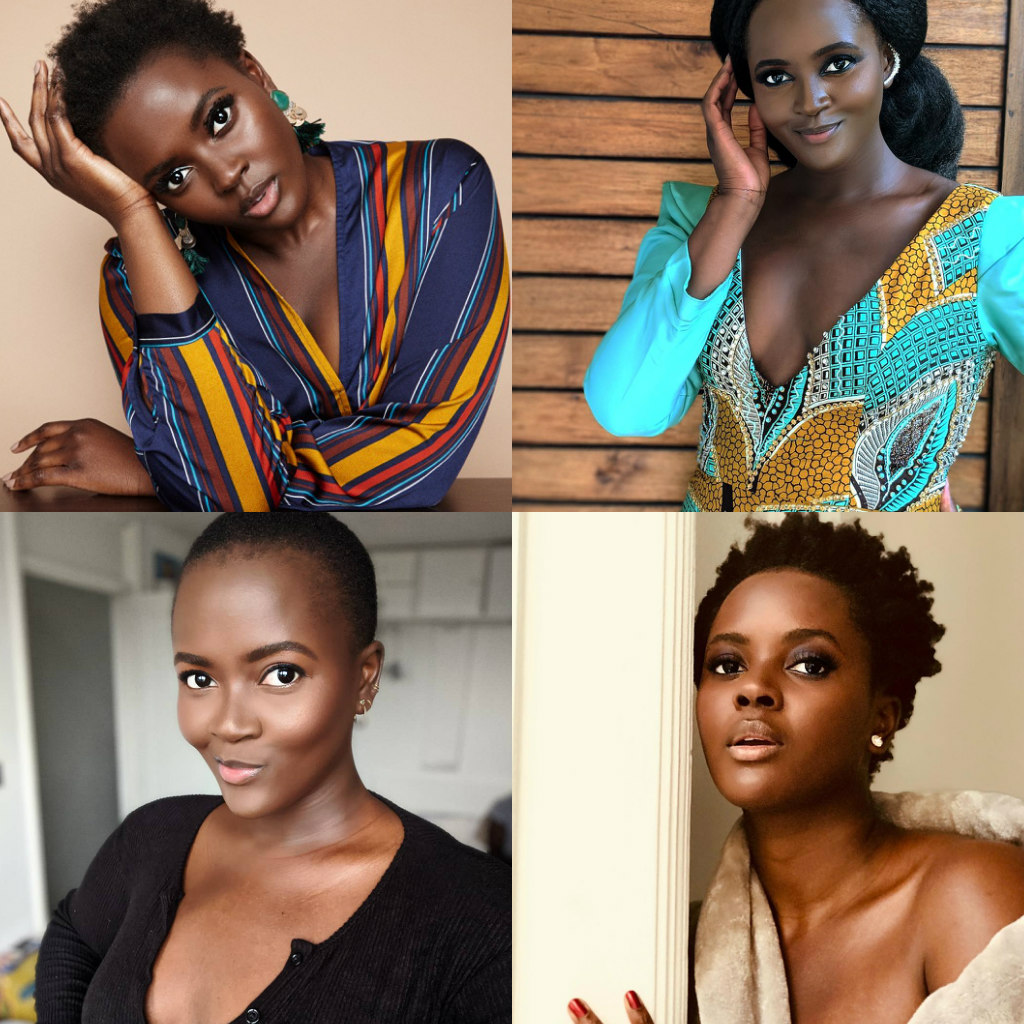
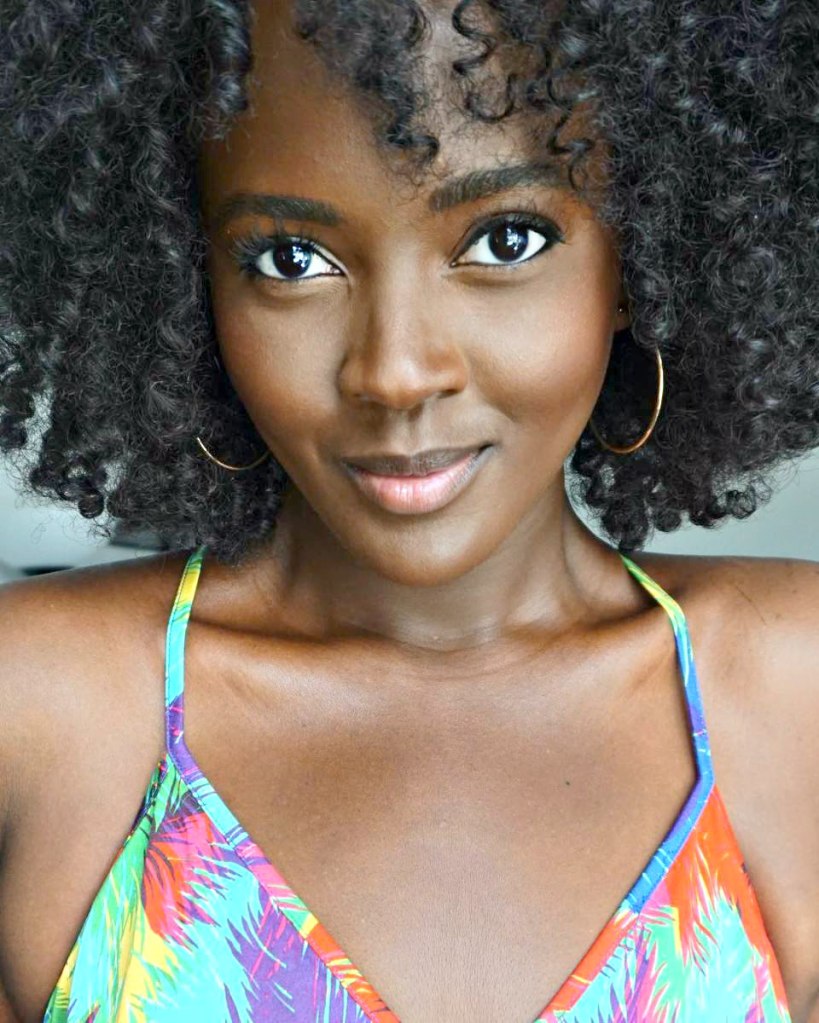
Philomena Kwao stands as one of the most compelling figures in contemporary fashion modeling, not merely for her striking physical beauty, but for the intellectual and cultural depth she brings to an industry long dominated by narrow ideals. With her luminous dark skin, regal posture, and unforgettable, piercing eyes, Kwao represents a modern embodiment of Black elegance—one that challenges both Eurocentric beauty standards and the historical marginalization of plus-size women within fashion. One of Philomena Kwao’s most arresting and unforgettable features is her eyes—mirrored, expansive, and profoundly piercing. They are not merely beautiful; they are commanding. Her large, dark eyes possess a reflective depth that feels almost cinematic, as though they hold both memory and prophecy. In fashion photography, where the gaze is everything, Kwao’s eyes function as a narrative force. They do not simply invite attention; they demand contemplation.

Born in London to Ghanaian parents, Philomena Kwao’s journey into modeling was unconventional. Before the runway and magazine spreads, she pursued higher education, earning a degree in Economics from the University of Birmingham and later a master’s degree in International Health Management. Her academic background already distinguished her as a woman rooted in intellect and global consciousness. Modeling, for Kwao, was not originally a dream but an unexpected calling. She was discovered after submitting photographs to an online modeling platform, initially skeptical of the industry’s limitations but ultimately realizing its potential as a platform for advocacy and change.

Kwao rose to prominence as a plus-size model, though she has often resisted the reductive nature of that label. While she does not conform to traditional sample sizes, her physique defies stereotypes associated with “plus-size” modeling—she is statuesque, toned, and carries herself with the confidence of classical high fashion. Her work with agencies such as Wilhelmina Models and appearances in major publications including Vogue Italia, Essence, Glamour, and Sports Illustrated Swimsuit have placed her firmly among the elite tier of global models.

One of Philomena Kwao’s most defining attributes is her face—often described by critics and fans alike as one of the most beautiful in modern fashion. Her large almond-shaped eyes, sculpted cheekbones, full lips, and smooth melanin-rich complexion create a visage that feels both timeless and contemporary. There is a quiet nobility in her features, evoking the aesthetics of African royalty and classical portraiture. In an industry obsessed with youth and homogeneity, Kwao’s beauty feels ancestral, symbolic, and deeply cultural.

Beyond aesthetics, Kwao’s career is marked by activism and thought leadership. She has become a leading voice in body positivity, diversity, and mental health within fashion. She frequently speaks on panels, contributes to academic and cultural discussions, and advocates for ethical representation of women of color. Her work challenges not only size discrimination but also the sexualization and commodification of Black women’s bodies. She reframes modeling as a site of empowerment rather than objectification.

Philomena Kwao qualifies as an “Ebony Doll” not simply because she is a model, but because she represents the very essence of what the term should signify: a Black woman who is visually exquisite, culturally grounded, intellectually formidable, and socially influential. The Ebony Doll archetype is not about superficial beauty alone—it is about excellence, presence, and representation. Kwao embodies all three. She is living proof that Black beauty is not marginal or niche but global, aspirational, and transformative.

In a world still struggling to reconcile race, gender, and aesthetics, Philomena Kwao stands as a corrective image—one that says Black women do not need to shrink themselves to be seen. They are already monumental.


References

Ashley, L. (2018). The politics of plus-size fashion and representation. Fashion Theory, 22(5), 593–610.

Essence Magazine. (2020). Philomena Kwao on body positivity and mental health.

Glamour. (2017). Meet the model changing the face of fashion: Philomena Kwao.

Sports Illustrated. (2019). Philomena Kwao: Breaking barriers in swimwear.

Vogue Italia. (2016). Curves, color, and couture: A new generation of models.

Wilhelmina Models. (n.d.). Philomena Kwao portfolio and biography.

Kwao, P. (2019). Body image, race, and self-worth in the fashion industry. Journal of Cultural Studies, 14(3), 211–225.

The Ebony Dolls: Nyakim Gatwech

Known as the “Queen of the Dark,” celebrated for extreme melanated skin

This photograph is the property of its respective owner. No copyright infringement intended.

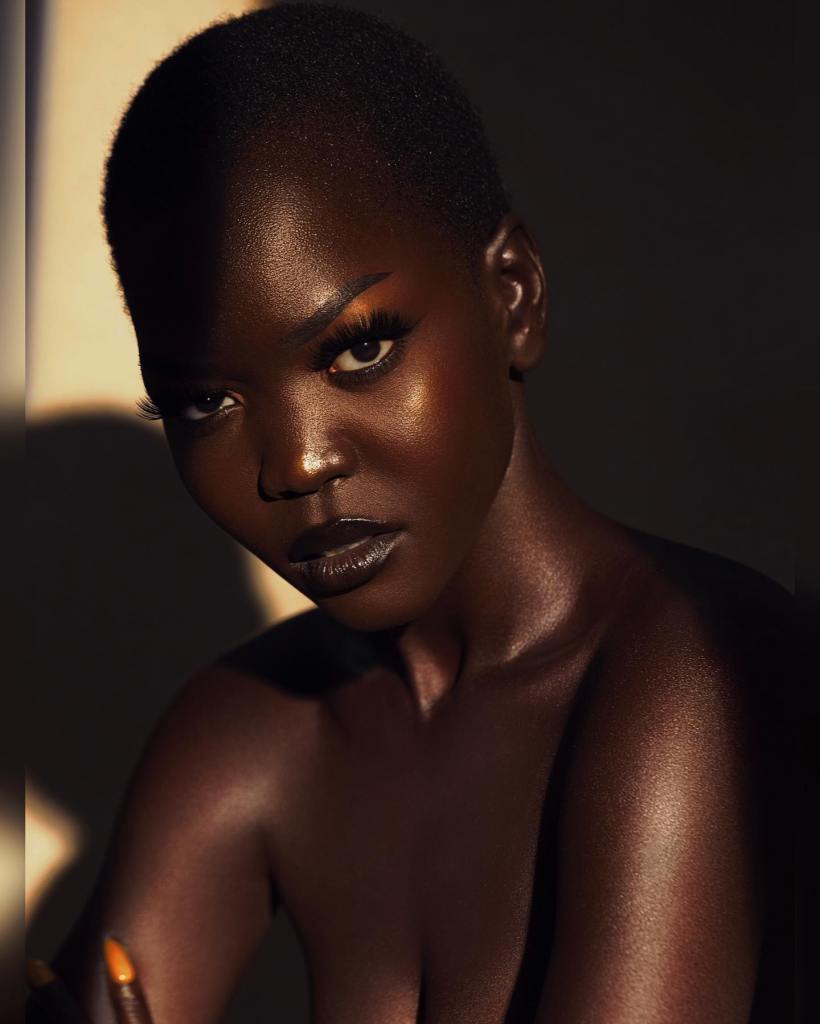
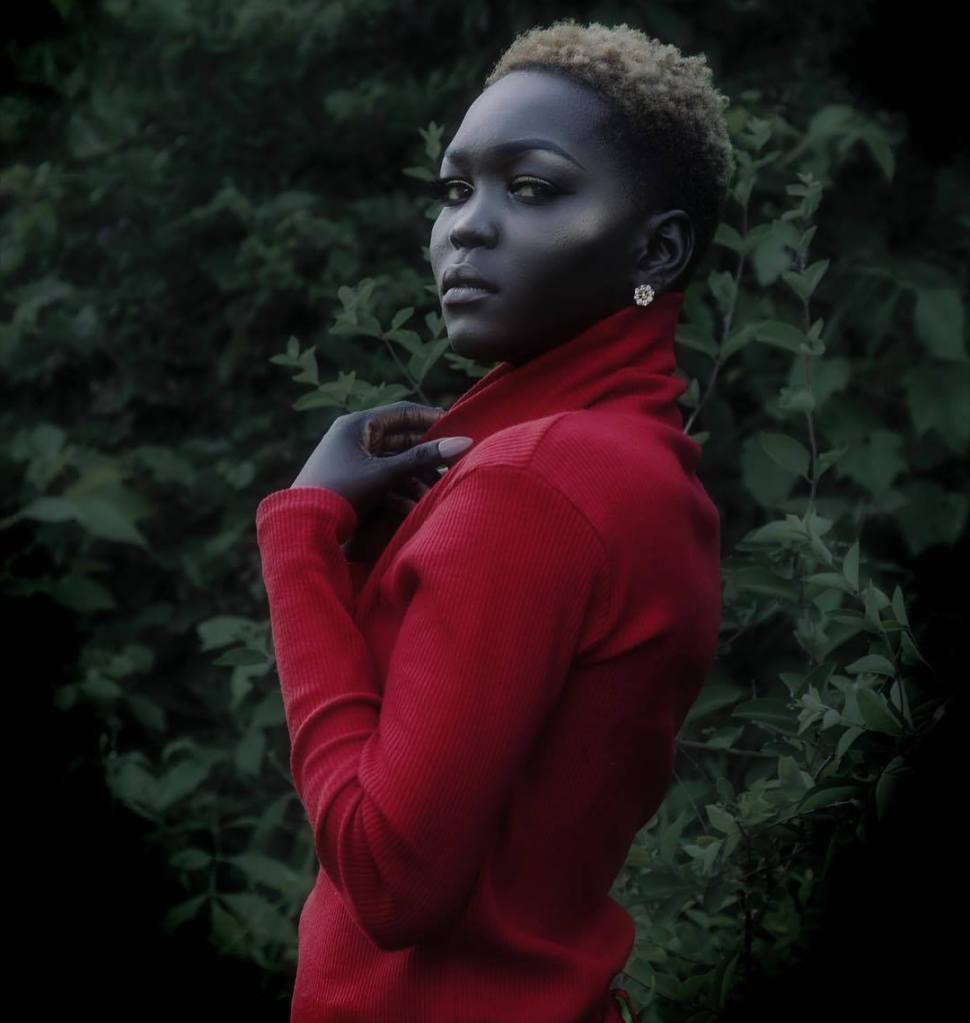
Gatwech’s skin tone isn’t just a physical attribute — it’s central to her identity and public ethos. She is affectionately known as the “Queen of the Dark,” a nickname bestowed upon her by her growing global fan base in admiration of her unapologetic self-love and radiant complexion. Despite encountering colorism and ignorant comments — including being asked if she would bleach her skin for money — she has consistently embraced and celebrated her dark beauty, turning potential humiliation into empowerment for others with similar skin tones.

Nyakim Gatwech is an Ethiopian-born American fashion model of South Sudanese descent whose strikingly deep, radiant dark complexion has positioned her as one of the most visually and culturally significant faces in modern modeling. Widely known as the “Queen of the Dark,” Nyakim represents a powerful redefinition of beauty in an industry historically dominated by Eurocentric standards and color hierarchies. Her skin tone, rich in melanin and visually luminous, is not merely aesthetic but symbolic — a living challenge to global colorism and internalized anti-Black beauty norms. Nyakim’s beauty lies in the contrast she embodies: jet-black skin against high fashion, regal African features within Western luxury spaces, and unapologetic self-love in a world that often pressures Black women to diminish themselves.

Born on January 27, 1993, in Gambela, Ethiopia, to South Sudanese parents who fled civil war, Nyakim spent her early childhood in refugee camps across Ethiopia and Kenya. Her family later immigrated to the United States, settling in Minnesota when she was a teenager. It was in the U.S. that she first encountered intense colorism, particularly in school, where classmates mocked her skin tone, leading to early insecurity and emotional distress. Ironically, the very feature she was taught to feel ashamed of would later become the foundation of her global identity and success.

Nyakim’s entry into modeling occurred organically. While studying in Minnesota, she was invited to walk in a college fashion show, which sparked her interest in the fashion world. Without agency representation or industry connections, she began building her portfolio independently, collaborating with local photographers and using Instagram as her primary platform. Social media became her runway, gallery, and voice — a space where she could present herself without filters, whitening, or apology.

Her breakthrough came when she shared a now-viral story about an Uber driver who asked if she would bleach her skin for money. Her response — rejecting the offer and affirming her love for her natural complexion — resonated globally. The post turned her into a symbol of resistance against skin bleaching culture and a spokesperson for radical self-acceptance. From that moment, Nyakim’s following grew exponentially, and she began receiving international modeling opportunities.

She later became the face of Annabelle Cosmetics’ EDGE campaign, which celebrated unconventional beauty and diversity. Her presence in fashion editorials, beauty campaigns, and cultural platforms marked a shift in representation — not just inclusion of Black women, but elevation of the darkest shades of Blackness as luxurious, desirable, and elite.

This photograph is the property of its respective owner. No copyright infringement intended.

Nyakim’s special significance lies not only in how she looks, but in what she represents. She is part of a new generation of Black models who do not seek proximity to whiteness, but instead reclaim African features, melanin, and cultural identity as high status. Her image disrupts centuries of colonial aesthetics where lightness was equated with beauty, purity, and value. In contrast, Nyakim’s work affirms that darkness itself is divine, regal, and worthy of admiration.

Her skin has become a visual metaphor — a mirror for millions of dark-skinned women and girls who were taught that their complexion was something to “fix.” Through her modeling and public statements, Nyakim reframes melanin as a blessing rather than a burden. She speaks openly about loving her reflection, embracing contrast, and rejecting any narrative that associates darkness with inferiority.

Regarding her personal life, Nyakim is known to be private. There is no publicly verified information confirming that she is married or has children. She has spoken primarily about her parents, siblings, and her journey as a refugee and immigrant, choosing to keep romantic relationships outside of the public spotlight. Her narrative focuses more on identity, culture, and empowerment than celebrity exposure.

This photograph is the property of its respective owner. No copyright infringement intended.

In terms of awards and recognition, Nyakim has not received mainstream fashion industry prizes like Vogue or CFDA awards, but she has been widely honored in cultural and empowerment spaces. She has been recognized by African and diaspora organizations, featured at international beauty and women’s empowerment events, and celebrated across global media as one of the most influential dark-skinned models in the world. While some social media outlets claim Guinness recognition for her skin tone, this remains unverified through official Guinness records.

Nyakim Gatwech is considered an Ebony Doll because she embodies the very essence of what the term signifies: a woman whose Blackness is not diluted, modified, or assimilated, but fully embraced, elevated, and aestheticized. She represents melanin as luxury, African features as elite, and dark skin as high fashion. Her beauty is not rooted in proximity to whiteness, but in proximity to ancestry, identity, and unapologetic self-love.

She stands as both muse and message — proof that the darkest skin can sit at the center of beauty culture, not its margins. Nyakim Gatwech is not simply a model; she is a visual revolution.


References

Cosmopolitan. (2017). Nyakim Gatwech on embracing her dark skin and redefining beauty.

Fashion Magazine. (2018). Nyakim Gatwech: The model changing beauty standards.

Gatwech, N. (2017). Instagram post on skin bleaching and self-love.

Oddity Central. (2017). The Queen of Dark: The model embracing her gorgeous dark skin.

Royal Tee Magazine. (2020). Empowering quotes about self-love from Nyakim Gatwech.

Teen Vogue. (2017). Model Nyakim Gatwech challenges beauty standards on Instagram.

Yahoo Lifestyle. (2017). Dark-skinned model gives Uber driver reality check.

Wikipedia. (2025). Nyakim Gatwech.

Pulse Nigeria. (2023). Nyakim Gatwech and the global celebration of dark skin.

The Ebony Dolls: Naomi Campbell

The Unrivaled Supermodel and Queen of the Catwalk

With her statuesque frame, chiseled cheekbones, an unmistakable feline grace, with the best runway walk known to man, Naomi Campbell reigns as one of the most iconic supermodels in history—a living embodiment of timeless beauty, discipline, and global influence. Her deep mocha complexion, commanding runway presence, and captivating gaze revolutionized the fashion world, breaking barriers for Black women in an industry once reluctant to embrace diversity. Discovered at just 15 years old, Campbell became the first Black model to grace the covers of French Vogue and Time magazine, solidifying her place among the elite. Beyond modeling, she has evolved into a philanthropist, actress, businesswoman, and cultural ambassador, using her platform to advocate for racial equality and representation in fashion. Naomi Campbell is not merely a model—she is an institution, a symbol of power, poise, and perseverance whose name defines excellence itself.

Few names in fashion history command the same reverence as Naomi Campbell, whose presence on the runway is often described as both thunderous and divine. With a walk that is the benchmark of high fashion, Naomi did not simply model clothes—she embodied power, elegance, and revolution. As one of the original “supermodels,” she shattered racial barriers, redefined global beauty standards, and remains an enduring force in fashion decades after her debut.


Early Life and Modeling Beginnings

Naomi Elaine Campbell was born on May 22, 1970, in London, England, to a Jamaican-born mother, Valerie Morris, a professional dancer. Naomi never knew her father, who left before her birth, and she took her mother’s surname. Of Afro-Jamaican and Chinese-Jamaican descent, Naomi grew up between London and Rome, where she studied ballet and performing arts.

Her modeling journey began serendipitously. At just 15 years old, while shopping in Covent Garden, Naomi was discovered by Beth Boldt, head of the Synchro Model Agency. By age 16, she was already gracing the cover of British Elle—a signal that fashion’s next phenomenon had arrived.


Rise to Supermodel Status and the “Big Five”

In the late 1980s and early 1990s, Naomi became one of the original five supermodels, a term Gianni Versace helped popularize. The group—Naomi Campbell, Linda Evangelista, Christy Turlington, Cindy Crawford, and Claudia Schiffer—dominated catwalks and campaigns, crossing over into pop culture with unprecedented fame. These women weren’t just faces of brands; they were personalities, businesswomen, and icons.

Naomi’s defining moment came in 1991, when Versace sent all five supermodels down the runway together, lip-syncing George Michael’s “Freedom! ’90,” immortalizing the era and solidifying Naomi’s place in fashion history.


A Trailblazer in Fashion

Naomi Campbell broke racial barriers in an industry that long upheld Eurocentric beauty standards. She was the first Black model to appear on the covers of French Vogue (1988) and Time Magazine, and the first Black British model to cover British Vogue in decades. Her presence signaled a tectonic shift, yet she has repeatedly spoken about how much of her career was earned through persistence in the face of racism.

In an interview with The Guardian (2020), Campbell stated, “I had to fight for myself because nobody else was going to fight for me. Racism is still very much alive in this industry.”

Despite being a supermodel, Naomi was often excluded from certain magazine covers and beauty campaigns. She has been candid about being booked last, paid less, or overlooked—until designers like Azzedine Alaïa, Yves Saint Laurent, and Gianni Versace personally advocated for her inclusion.


The Walk That Changed the Runway

Naomi’s runway walk is widely regarded as the most iconic in fashion history. Fluid yet powerful, rhythmic yet effortless—her strut became a signature, studied by generations of aspiring models. No one, past or present, walks quite like Naomi Campbell. Designer Marc Jacobs once said, “Naomi doesn’t walk the runway. She owns it.”

Fashion commentator Tim Blanks described it as “the physical expression of regality.” Her ability to command space—whether in couture or ready-to-wear—transcended the clothes and elevated fashion shows into full theatrical displays.


Longevity and Current Influence

Remarkably, Naomi remains one of the few models from her era still working at the top tier of the industry. Well into her 50s, she continues to headline major runway shows—Fendi, Balmain, and Valentino among them—and serves as a mentor and judge on modeling competitions, including The Face. She’s also walked for Rihanna’s Fenty, bridging generations and staying relevant with younger audiences.

Edward Enninful, editor-in-chief of British Vogue, called her “a legend, and a living link between fashion’s past, present, and future.”


Rivalry with Tyra Banks

Naomi’s long-publicized feud with Tyra Banks cast a shadow over both of their careers. In early interviews, Banks described being ostracized by Naomi in the 1990s when she entered the industry. Though both women have since reconciled, Tyra admitted in a 2019 interview that Naomi’s treatment made her question her place in fashion.

Naomi, in turn, claimed the media pitted them against each other, fostering competition between the only two prominent Black models of their time—another consequence of fashion’s limited diversity.


Comparisons: Naomi Campbell vs. Cindy Crawford

Both Naomi Campbell and Cindy Crawford were pioneers of the supermodel era, but they took slightly different paths. Cindy, often seen as the “All-American beauty,” became the face of numerous beauty campaigns and focused more on commercial modeling and business ventures. Naomi, by contrast, was a runway thoroughbred, closely aligned with haute couture and high fashion.

Where Cindy brought relatable beauty to the masses, Naomi brought otherworldly presence and regal glamour to elite runways. Both earned their spots through talent, but Naomi’s path was arguably more difficult due to systemic racism and underrepresentation.


Praise from Industry Icons and Her Own Words

Gianni Versace once said, “Naomi is not just a model—she is fashion.”
Vivienne Westwood called her “the goddess of the runway.”
Donatella Versace, after Naomi walked in her tribute show for Gianni in 2017, said: “She is a symbol of strength and resilience.”

On Christy Turlington, Naomi once said: “Christy is the most beautiful woman in the world—inside and out. Her face is like a Renaissance painting.” This rare public compliment reveals Naomi’s respect for her fellow supermodels, despite often being cast as the competitive one.


Personal Life

Naomi Campbell has never married but has had high-profile relationships, including with U2’s Adam Clayton, Russian billionaire Vladislav Doronin, and, more recently, she has welcomed two children, announcing the births quietly in 2021 and 2023. She maintains a level of privacy around her family life, choosing instead to highlight her philanthropic efforts and modeling career.


Conclusion

Naomi Campbell is not merely a supermodel—she is a cultural icon, a fashion revolutionary, and a living legend. With a walk that has never been matched, a legacy that spans generations, and a resilience forged in adversity, she has become more than the sum of her catwalks and covers. She is a force—still walking, still stunning, still Naomi.


References

  • Enninful, E. (2021). British Vogue Interviews
  • Banks, T. (2019). Tyra Banks Show Interview with Naomi Campbell
  • Versace, G. (1991). Freedom! Runway Show Commentary
  • Blanks, T. (2018). Business of Fashion: The Naomi Effect
  • Campbell, N. (2020). The Guardian Interview
  • Vogue Archives. (1988–2024). Covers and Editorials featuring Naomi Campbell