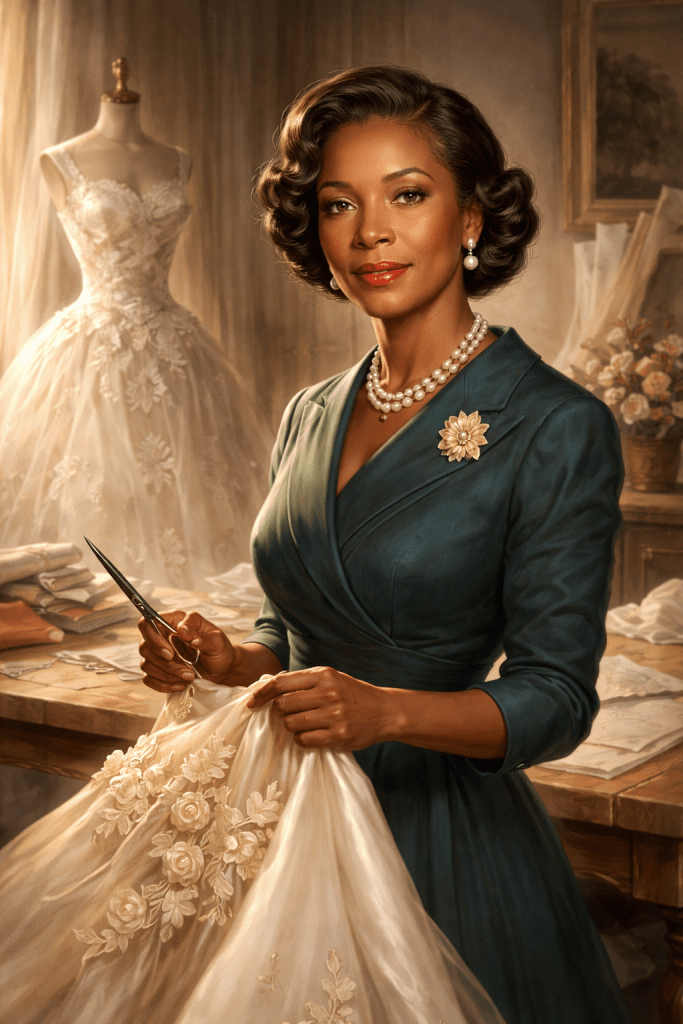
Ann Lowe stands as one of the most underrecognized yet profoundly influential figures in American fashion history, a woman whose genius was stitched into some of the most iconic garments of the twentieth century. Born into a lineage shaped by both artistry and oppression, Lowe’s life and career represent a powerful intersection of race, resilience, and refined craftsmanship. Despite working during an era deeply entrenched in racial segregation, she rose to dress some of the most elite women in America, leaving behind a legacy that continues to inspire designers and historians alike.
Born in 1898 in Clayton, Alabama, Ann Lowe was the great-granddaughter of an enslaved seamstress and the daughter of a skilled dressmaker. Her family’s talent for design was cultivated under the harsh conditions of slavery, where Black women were often forced to create garments for wealthy white families. This generational inheritance of skill became Lowe’s foundation, transforming what began as forced labor into a refined art form that would later captivate high society.
Lowe’s early exposure to couture techniques came through her mother and grandmother, who designed elaborate gowns for prominent Southern families. After her mother’s death, Lowe completed an unfinished set of dresses for a governor’s wife at just sixteen years old, astonishing clients with her ability. This moment marked the beginning of her independent career, signaling a rare and extraordinary talent that would defy the limitations imposed on Black women in her time.
Determined to refine her craft, Lowe enrolled in a design school in New York, where she faced segregation even within education. She was separated from her white classmates but excelled beyond expectations, completing her program ahead of schedule. Her perseverance in the face of discrimination highlighted both her resilience and her commitment to excellence.
Lowe eventually established herself in New York City, where she opened her own salon. She became known for her intricate hand-sewn floral appliqués, delicate embroidery, and structured silhouettes that reflected both European couture traditions and her own distinct aesthetic. Her work was often described as ethereal, feminine, and technically masterful.
Among her elite clientele were members of America’s most prominent families, including the Rockefellers and the du Ponts. Yet, despite her high-profile clients, Lowe remained largely uncredited due to the racial dynamics of the era. Many of the women who wore her gowns received public admiration, while Lowe’s name remained hidden behind the seams.
One of the most significant moments in her career came when she was commissioned to design the wedding gown for Jacqueline Bouvier Kennedy, who would later become the wife of John F. Kennedy. This gown would become one of the most iconic bridal dresses in American history.
The dress itself was a masterpiece of ivory silk taffeta, featuring a portrait neckline, fitted bodice, and a voluminous skirt adorned with intricate folds. Lowe also designed the bridesmaids’ dresses, ensuring a cohesive and elegant visual presentation for the entire wedding party. Her attention to detail and commitment to perfection were evident in every stitch.
However, just days before the wedding, a catastrophic flood in Lowe’s studio destroyed the dresses she had painstakingly created. Without informing her client, Lowe worked tirelessly to recreate each garment in time for the ceremony, absorbing the financial loss herself. This act of dedication exemplified her professionalism and unwavering commitment to her craft.
Despite the monumental success of the wedding and the global attention it received, Lowe was not publicly credited at the time. When asked about the designer, Jacqueline Kennedy reportedly described the dress as made by “a colored dressmaker,” reflecting the racial attitudes that obscured Lowe’s recognition.
Lowe’s connection to Jacqueline Kennedy remains one of the most discussed aspects of her legacy, symbolizing both her brilliance and the systemic barriers she faced. It was not until years later that her role in creating the gown was widely acknowledged, allowing her to finally receive the recognition she deserved.
In addition to her work for high society, Lowe also designed dresses for debutantes, particularly for the annual Azalea Ball in Florida. These gowns became a rite of passage for wealthy young women, further cementing her reputation as a designer of elegance and tradition.
Lowe’s designs are now preserved in several prestigious institutions, most notably the Smithsonian Institution, where her work is recognized as a vital part of American cultural and fashion history. Her garments are also held in collections at the Metropolitan Museum of Art, ensuring that her legacy endures for future generations.
Her inclusion in these museums represents a significant shift in how her contributions are valued, transforming her from an overlooked artisan into a celebrated pioneer. These institutions acknowledge not only her technical skill but also the cultural significance of her work as a Black woman navigating a segregated industry.
Lowe’s career was not without hardship. Financial instability plagued her business, partly due to her reluctance to charge her wealthy clients what her work was truly worth. This, combined with systemic racism, limited her financial success despite her immense talent.
Nevertheless, her influence can be seen in the generations of designers who followed. Her emphasis on craftsmanship, detail, and elegance set a standard that continues to resonate within the fashion industry today. She remains a symbol of excellence achieved against overwhelming odds.
Lowe’s story also serves as a lens through which to examine the broader history of Black labor in America. From slavery to the twentieth century, Black artisans have often been the invisible architects of beauty and culture, their contributions minimized or erased. Lowe’s life challenges this narrative, demanding recognition and respect.
Her work embodies a quiet form of resistance, demonstrating that excellence can thrive even in the most restrictive conditions. Through her designs, she asserted her identity and artistry in a society that sought to marginalize both.
Today, Ann Lowe is increasingly celebrated as a trailblazer, a woman who transformed inherited skill into high art. Her story is not just one of fashion but of perseverance, dignity, and the enduring power of creativity.
In reclaiming her legacy, we honor not only Ann Lowe but also the countless unnamed Black women whose talents shaped history from behind the scenes. Her stitches, once hidden, now tell a story of brilliance that can no longer be ignored.
References
Bolton, A. (2016). Jacqueline Kennedy: The White House Years. Metropolitan Museum of Art.
Harris, A. (2018). The Hidden History of American Fashion: Rediscovering Ann Lowe. Fashion Studies Journal, 12(3), 45–62.
Smithsonian Institution. (n.d.). Ann Lowe: American Couturier. National Museum of African American History and Culture.
Vreeland, D. (1965). American Fashion and Its Designers. New York: Harper & Row.
Walker, R. (2020). Threads of Legacy: African American Dressmakers and the Politics of Recognition. Journal of American History, 107(2), 389–412.
Beauty and style are often seen as superficial measures, but for Black women, they carry layers of history, culture, and identity. The phrase Skin Deep Style captures the tension between outward appearance and the deeper narratives of self-expression, empowerment, and cultural pride. It reminds us that true style is more than skin—it is a reflection of confidence, heritage, and authenticity.
Beyond Aesthetic Perfection
Society frequently emphasizes flawless skin, symmetrical features, and fashion conformity, but these narrow ideals can overshadow individuality. For Black women, achieving beauty standards often intersects with pressures related to skin tone, hair texture, and body shape. Skin Deep Style challenges the notion that style is merely aesthetic; it argues that personal flair, creativity, and self-confidence define real beauty.
Fashion as Cultural Expression
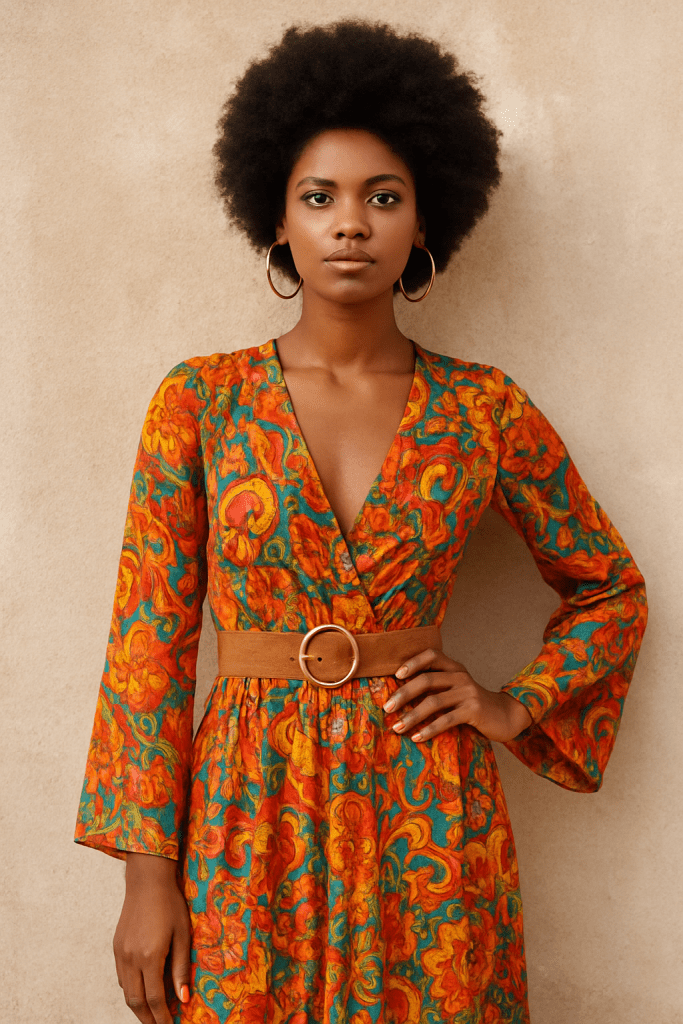
Clothing, hairstyles, and accessories are powerful tools for storytelling. Natural hair, vibrant fabrics, and culturally resonant jewelry are not just fashion choices—they honor ancestry, tradition, and identity. Skin Deep Style celebrates these elements, showcasing how style can assert pride and challenge Eurocentric norms.
Psychological Impact of Style
When style is reduced to surface-level beauty, it can impact self-esteem and social perception. Black women may feel pressure to lighten skin, straighten hair, or conform to trends that erase cultural identity. Recognizing that style extends beyond appearance allows women to reclaim agency, building confidence through choices that reflect personality, values, and heritage.
Redefining Beauty Narratives
Movements like the natural hair revolution, body positivity campaigns, and inclusive fashion lines are transforming the cultural narrative around Black beauty. Skin Deep Style encourages embracing natural textures, diverse body types, and unique fashion expressions. True style honors individuality, challenges stereotypes, and celebrates the multifaceted nature of Black identity.
Practical Ways to Embody Skin Deep Style
Embrace Natural Beauty: Celebrate natural skin tones, hair textures, and body shapes.
Curate Personal Fashion: Select clothing and accessories that reflect personality and heritage rather than following trends blindly.
Mindful Self-Care: Prioritize skincare and wellness for health and confidence, not merely aesthetic perfection.
Support Representation: Engage with brands, media, and creators who celebrate diversity and authenticity.
Own Your Narrative: Use style as a tool to express values, beliefs, and individuality, creating a visual language that speaks beyond skin.
Conclusion
Skin Deep Style is a philosophy that encourages Black women to redefine beauty, fashion, and self-expression on their own terms. It moves beyond superficial judgment and highlights the power of authenticity, cultural pride, and individuality. By embracing a style that reflects identity rather than conforming to imposed ideals, Black women reclaim confidence, visibility, and the true meaning of beauty.
References
Grabe, S., Ward, L. M., & Hyde, J. S. (2008). The role of the media in body image concerns among women: A meta-analysis of experimental and correlational studies. Psychological Bulletin, 134(3), 460–476. https://doi.org/10.1037/0033-2909.134.3.460
Hall, R. E., & Fields, B. (2013). The effect of skin color on Black women’s self-perception. Journal of Black Studies, 44(5), 463–478. https://doi.org/10.1177/0021934713482645
Roberts, T. A., & Mazzeo, S. E. (2013). Colorism and the media: Implications for Black female identity. Feminist Media Studies, 13(2), 198–213. https://doi.org/10.1080/14680777.2013.775442
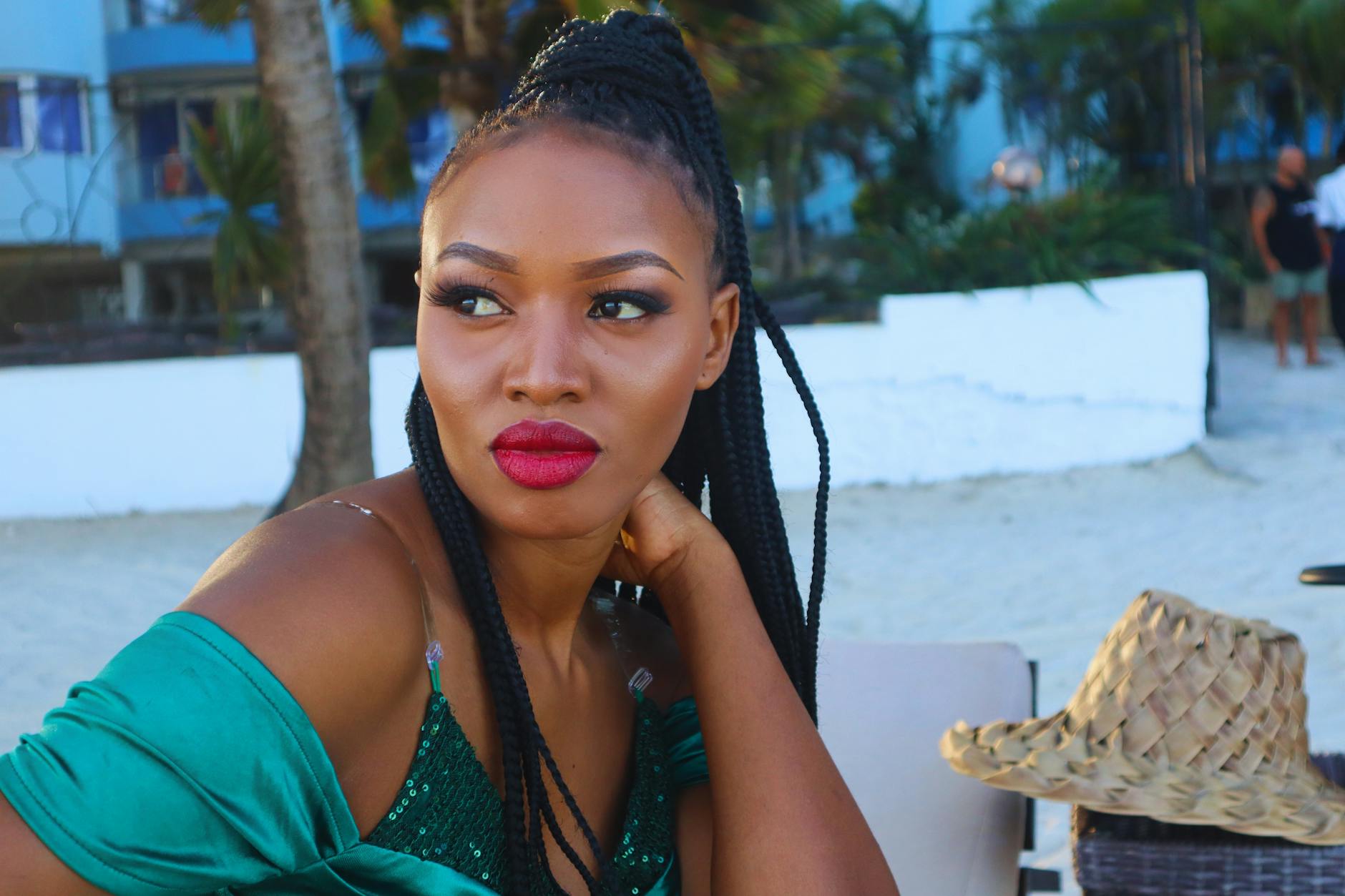
The phrase “I’d kill for your lips” sounds like flattery, but for many brown girls, it is a haunting compliment. It encapsulates a history of desire mixed with exploitation, admiration laced with appropriation. The words roll off tongues in admiration of features once mocked, once ridiculed, and once pathologized — yet now celebrated when worn by someone else.
For centuries, the lips of brown women have been sites of fascination and fear. During slavery and colonialism, full lips were used to justify racist caricatures that depicted Black women as hypersexual and animalistic (Collins, 2000). The grotesque imagery of figures like Sarah Baartman, the so-called “Hottentot Venus,” exemplified how European audiences eroticized and dehumanized African femininity (Qureshi, 2004).
To say “I’d kill for your lips” is to unknowingly echo the violence of history. It is an unconscious confession of envy born from centuries of theft — where physical traits of Blackness were plundered even as Black bodies were persecuted. The world both craved and condemned the features it now romanticizes.
In the modern era, the full lips that once symbolized “otherness” have become the pinnacle of Western beauty. From fashion runways to social media filters, the aesthetic of plump, pouty lips dominates global standards. Yet the models of this look are rarely brown-skinned women; they are often white influencers who undergo cosmetic enhancement to mimic what nature gave to women of African descent (Nash, 2019).
This phenomenon exemplifies the paradox of cultural and corporeal appropriation. Society rejects the people but embraces the features. It dismembers identity, taking the aesthetic while discarding the heritage, the struggle, and the soul that shaped it. This disembodied admiration is not love — it is consumption.
The statement “I’d kill for your lips” thus becomes more than an expression of envy; it is a metaphor for how society symbolically “kills” the original to resurrect the imitation. It celebrates the copy but crucifies the source.
Within this paradox lies the pain of countless brown girls who grew up being teased for their appearance. Many remember childhoods filled with mockery — lips called “too big,” noses “too wide,” skin “too dark.” These wounds ran deep, leaving psychological scars that linger into womanhood (Russell, Wilson, & Hall, 1992).
Then suddenly, the very traits that once provoked shame became fashionable. The same lips once mocked in schoolyards were now praised in magazines. But the praise was selective — applauding the imitation while ignoring the originators. This selective admiration creates a silent rage and a longing for justice.
To be a brown girl in such a world is to constantly negotiate between pride and pain. One learns to love one’s reflection while knowing that others only love it in pieces — as long as it is detached from the fullness of identity.
Beauty, then, becomes political. For the brown girl, every selfie, every smile, every expression is a reclamation of what was stolen. Her lips are not merely aesthetic; they are ancestral. They carry the stories of foremothers who survived silence, objectification, and distortion.
The lips of brown women have spoken liberation into existence. They have kissed away fear, sung through struggle, and prayed through suffering. They have articulated protest, prophecy, and poetry. Their fullness is not just biological; it is spiritual — a testament to abundance and resilience.
Historically, white femininity was constructed in opposition to Black femininity. While white women were seen as pure and delicate, Black women were hypersexualized and loud (hooks, 1981). The fetishization of features like full lips reveals how racial desire operates under domination — to desire the exotic without embracing the person.
Contemporary media perpetuates this dynamic through what scholars call commodified Blackness (Weheliye, 2002). Pop culture borrows the aesthetics of Black womanhood — from lips and curves to slang and attitude — yet distances itself from Black identity itself. The result is a hollow performance of beauty stripped of cultural soul.
“I’d kill for your lips” becomes a tragic refrain in this context. It is admiration laced with erasure. Beneath the compliment lies the question: Would you still want them if they came with my skin?
This question echoes across social media spaces where brown women watch their likeness replicated without credit. Lip fillers, bronzers, and contour trends mimic features that were once signs of “too much Blackness.” Now they are marks of luxury.
The irony is painful yet familiar. Beauty industries profit from what society once punished. They commercialize the natural features of women of color while offering those same women limited representation or voice.
But brown women are reclaiming the narrative. Artists, activists, and influencers are using digital platforms to celebrate authentic Black and brown beauty. Hashtags like #MelaninMagic and #BlackGirlJoy function as digital revolutions, redefining what beauty means beyond white gaze.
The psychological work of reclamation is just as vital as the cultural. Brown girls are learning to love what the world once taught them to hate. This self-love is not vanity but healing — an act of decolonization of the mirror.
Healing also involves confronting the contradictions. A brown girl can feel flattered and hurt simultaneously when someone says, “I’d kill for your lips.” She can recognize admiration but still grieve the history that makes that statement possible.
In many ways, the lips symbolize the border between visibility and invisibility. They are the threshold of voice — the space where silence turns into speech. For generations, brown women’s voices have been suppressed, their words deemed “too loud,” “too emotional,” or “too much.” The fullness of their lips reminds the world of what it has tried to silence.
When a brown woman speaks, her lips are political instruments. They challenge stereotypes, they narrate histories, and they bless futures. Every word spoken from those lips resists centuries of objectification.
To “kill for those lips,” then, would mean to destroy what gives them power — to rob them of their context and their story. Society does this symbolically every time it celebrates features but denies identity.
Yet the brown woman refuses erasure. Her lips remain full — of memory, of truth, of divine breath. She smiles not because she has been accepted, but because she has accepted herself.
Her smile is rebellion. It says, You cannot own what you did not create.
Her lips are holy ground. They are the place where trauma transforms into testimony, and beauty into revolution.
She does not need anyone to die for her lips; she simply needs the world to stop killing her joy, her identity, and her authenticity.
When she speaks now, her lips tell a different story — one of reclamation. She knows that her beauty was never a trend; it was always a birthright.
The world can keep its envy. She will keep her fullness — of lips, of life, and of spirit.
References
Collins, P. H. (2000). Black feminist thought: Knowledge, consciousness, and the politics of empowerment. Routledge.
hooks, b. (1981). Ain’t I a woman: Black women and feminism. South End Press.
Nash, J. C. (2019). Black feminism reimagined: After intersectionality. Duke University Press.
Qureshi, S. (2004). Displaying Sara Baartman, the ‘Hottentot Venus’. History of Science, 42(2), 233–257.
Russell, K., Wilson, M., & Hall, R. (1992). The color complex: The politics of skin color among African Americans. Anchor Books.
Weheliye, A. G. (2002). Feenin’: Posthuman voices in contemporary Black popular music. Social Text, 20(2), 21–47.
The Aesthetic Era represents a cultural shift where beauty, style, and visual presence have become central to personal identity. In this digital age, people curate their appearance with intention, crafting images that express personality, mood, and lifestyle. Beauty is no longer passive—it is a language spoken through color, texture, fashion, and design. This era celebrates innovation and individuality, making outer presentation an art form.
Social media platforms have amplified the importance of visuals. With every photo, reel, or story, individuals participate in a global exchange of aesthetics. This visibility has created new standards and new freedoms. For many, it has become a space to redefine what beauty looks like and to expand representation for people who have been historically excluded. The Aesthetic Era is not simply about looks—it is about being seen.
Fashion has become one of the leading drivers of modern aesthetics. Instead of rigid rules, style now exists on a spectrum of expression. Trends shift quickly, born from streetwear, influencers, and global culture. In this era, fashion encourages experimentation—mixing luxury with thrift finds, bold colors with neutrals, vintage with futuristic. Personal style is now a form of storytelling.
Skin and beauty care also dominate the aesthetic landscape. Wellness culture promotes glowing skin, self-care routines, and intentional grooming. The desire to look refreshed and radiant reflects a deeper desire for inner balance and mental well-being. Outer beauty has become intertwined with emotional health, reminding us that how we present ourselves often mirrors how we care for ourselves.
Technology has also shaped the Aesthetic Era. Filters, editing tools, and AI-powered enhancements create idealized versions of beauty. While these tools offer creative freedom, they also raise questions about authenticity. Many people feel pressure to meet digital standards that are often unattainable in real life. The tension between the real and the edited is one of the defining challenges of this era.
Despite the pressure, modern beauty is more inclusive than ever. Dark skin, natural hair, fuller features, diverse body shapes, and cultural aesthetics are gaining visibility. The global push for diversity in beauty campaigns has softened the rigid standards of the past. The Aesthetic Era celebrates people who look like themselves—unique, textured, and culturally rooted.
Minimalism has emerged as a major aesthetic trend. Clean lines, soft tones, and simplicity reflect a desire for calm in an overstimulated world. Many embrace minimal beauty routines, neutral palettes, and understated style as a form of emotional clarity. This minimalist aesthetic teaches that beauty doesn’t require excess—it requires intention.
In contrast, maximalism has also made a strong comeback. Bold prints, vibrant colors, layered textures, and expressive makeup appeal to those who find joy in visual abundance. This aesthetic rejects the idea of playing small, embracing color and creativity as sources of empowerment. In the Aesthetic Era, both minimalists and maximalists have room to shine.
The influence of psychology is undeniable. The way people present themselves affects how they are perceived and how they feel internally. Outer beauty boosts confidence, shapes self-perception, and influences mood. When someone feels aesthetically aligned with their identity, they walk with greater assurance. Beauty becomes a psychological anchor.
The Aesthetic Era also encourages personal branding. Individuals use color palettes, makeup styles, hair choices, and fashion to create a recognizable look. This branding is no longer limited to celebrities or influencers but is embraced by everyday people who want their appearance to reflect their values and lifestyle. Visual identity has become part of personal empowerment.
As beauty evolves, so does the concept of femininity. Modern femininity is fluid, diverse, and self-defined. Whether bold or subtle, glamorous or minimalist, women are reclaiming their right to shape their own image. The Aesthetic Era supports this freedom, allowing femininity to exist authentically without apology.
However, this era also brings pressure. Constant comparison, online judgment, and the pursuit of perfection can harm self-esteem. The same platforms that celebrate beauty can heighten insecurity. Many people struggle to balance self-expression with self-acceptance. The Aesthetic Era challenges us to enjoy beauty without losing ourselves in it.
There is a growing movement toward natural beauty. People are embracing their real skin, textured hair, freckles, and unique features. This shift supports authenticity and helps break the illusion that perfection is the standard. Natural beauty celebrates humanity in its raw and honest form.
Cultural aesthetics are also shaping this era. From Afrocentric prints to East Asian skincare trends, beauty has become global. This cross-cultural exchange enriches style, pushes innovation, and expands appreciation for diverse traditions. The world is borrowing, blending, and celebrating beauty collectively.
Men, too, are embracing aesthetics. Grooming, skincare, fashion, and self-care have become normalized for men in ways that break old stereotypes. The Aesthetic Era is not gender-limited—it is universal, inviting everyone to participate in visual identity and self-expression.
The rise of sustainable beauty reflects a shift toward responsibility. Eco-friendly products, ethical brands, and conscious consumption are influencing choices. Beauty is no longer just about looking good—it is about aligning actions with values. Sustainability has become part of the aesthetic philosophy.
In this era, outer beauty is both visual and emotional. It represents how people show up in the world, how they choose to be perceived, and how they express their inner selves. Beauty becomes a bridge between identity and visibility, between the internal and external world.
The Aesthetic Era encourages creativity. Every outfit, makeup look, hairstyle, and photograph becomes an opportunity to create art. This artistic freedom empowers individuals to reinvent themselves whenever they choose, without needing permission from society.
But above all, this era teaches that beauty is personal. There is no universal formula, no single ideal, and no wrong aesthetic. The modern world makes space for soft beauty, bold beauty, natural beauty, artistic beauty, cultural beauty, and everything in between.
Ultimately, the Aesthetic Era invites us to see beauty as a form of liberation. It is a celebration of self, a declaration of identity, and a testimony of confidence. Outer beauty, when embraced with balance and authenticity, becomes a powerful expression of who we are and who we are becoming.
And in embracing this era, we honor the truth that beauty is not merely something we wear—it is something we create. It is our invitation to the world to see us, understand us, and appreciate the art we carry on the outside.
References
Anderson, B. (2020). The beauty bias in the digital age. Routledge.
Cash, T. F. (2017). Cognitive-behavioral perspectives on body image. Guilford Press.
Chae, J. (2014). “Am I a better mother than you?” Media and the social comparison of idealized images of motherhood. Journal of Media Psychology, 26(4), 155–162.
Clay, D., Vignoles, V. L., & Dittmar, H. (2005). Body image and self-esteem among adolescent girls. Journal of Research on Adolescence, 15(4), 451–477.
Dittmar, H. (2008). Consumer culture, identity and well-being: The search for the “good life” and the “body perfect.” Psychology Press.
Fardouly, J., Diedrichs, P. C., Vartanian, L. R., & Halliwell, E. (2015). Social comparisons on social media: The impact of Facebook on young women’s body image concerns and mood. Body Image, 13, 38–45.
Fredrickson, B. L., & Roberts, T. (1997). Objectification theory: Toward understanding women’s lived experiences and mental health risks. Psychology of Women Quarterly, 21(2), 173–206.
Haferkamp, N., & Krämer, N. C. (2011). Social comparison on Facebook: A review. Computers in Human Behavior, 27(1), 251–257.
Jones, M. (2021). Minimalism and identity: The psychology of simplicity. Oxford University Press.
Karan, K., & Yang, K. C. C. (2022). Influencers and the rise of curated identity. Journal of Digital Culture, 6(2), 112–129.
Khamis, S., Ang, L., & Welling, R. (2017). Self-branding and the influencer economy. Media International Australia, 165(1), 66–76.
Liu, J. (2023). Aesthetics and the self: Modern beauty culture in a globalized world. University of California Press.
Mahmood, S. (2020). Cross-cultural aesthetics in contemporary fashion. International Journal of Fashion Studies, 7(1), 54–72.
Perloff, R. M. (2014). Social media use and body image disturbances: The role of internalization and social comparison. Sex Roles, 71(11–12), 363–377.
Tiggemann, M., & Slater, A. (2013). NetGirls: The Internet, Facebook, and body image concern in adolescent girls. International Journal of Eating Disorders, 46(6), 630–633.
Tufekci, Z. (2017). Twitter and tear gas: The power and fragility of networked protest. Yale University Press.
Ward, J. (2021). The new beauty culture: Identity and aesthetics in the digital age. Harvard University Press.
Winn, M. (2020). Aesthetic minimalism and emotional well-being. Journal of Humanistic Psychology, 60(3), 367–383.
Yoon, H. (2022). Cultural hybridity and global beauty trends. Journal of Aesthetic Studies, 10(2), 44–59.
Zhao, S. (2015). The selfie phenomenon: Visual communication and identity performance. International Journal of Communication, 9, 1733–1741.
A muse is no longer confined to the marble halls of ancient mythology or the canvases of Renaissance painters. The modern muse transcends classical definitions, embodying creativity, influence, and inspiration in ways that resonate with today’s culture. She—or he—exists not merely as a passive object of admiration, but as an active participant in the creative process.
In contemporary society, the modern muse is often a symbol of empowerment. Artists, writers, and innovators seek inspiration in individuals who embody confidence, authenticity, and resilience. The muse is admired not for perfection alone, but for a unique presence that sparks imagination and drives artistic expression.
Social media has redefined the dynamics of inspiration. The modern muse can be anyone who inspires through storytelling, style, or digital content. Platforms like Instagram, TikTok, and YouTube allow creativity to circulate globally, turning everyday people into sources of inspiration and catalysts for cultural trends.
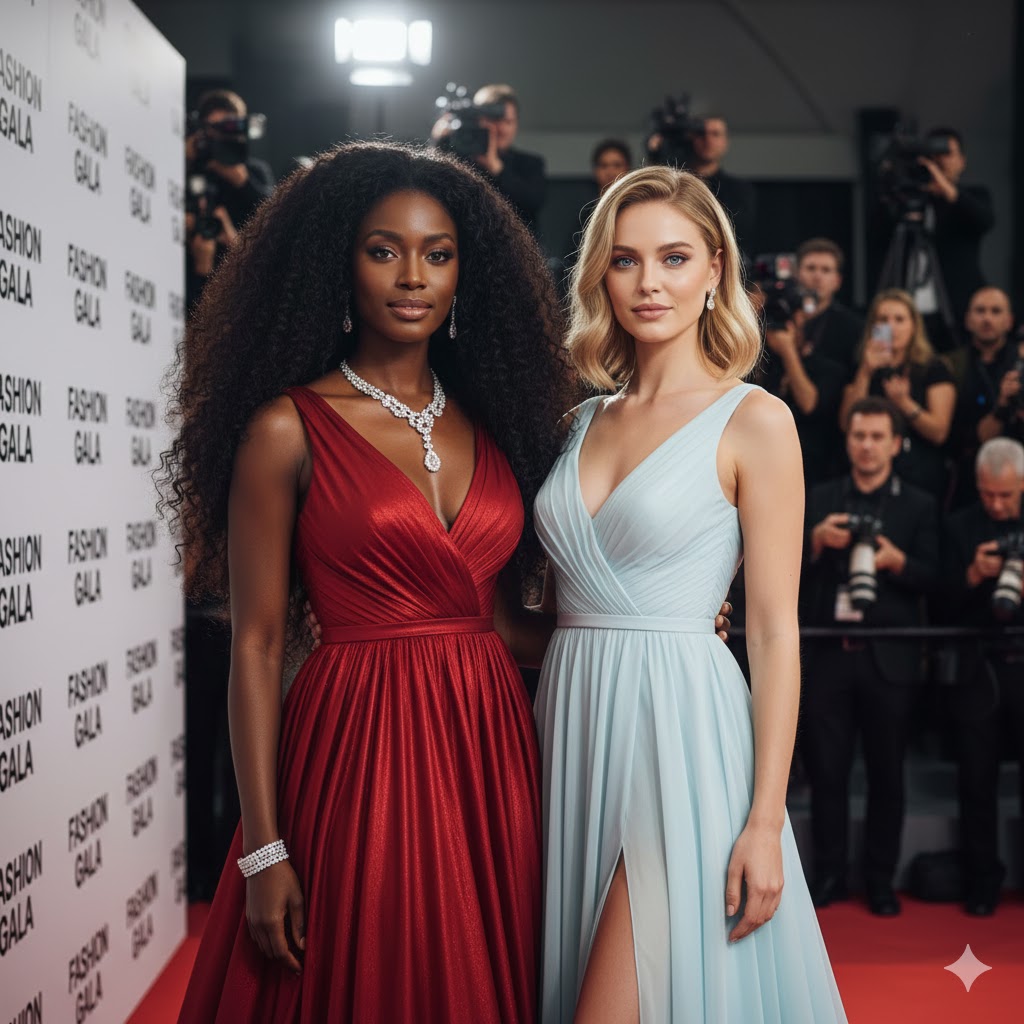
Fashion plays a crucial role in the identity of a modern muse. Style becomes a visual language through which personality, mood, and social commentary are communicated. Designers, photographers, and influencers often collaborate with muses to create imagery that captures contemporary aesthetics and cultural resonance.
Artistic muses are no longer passive figures; they are collaborators. Musicians, choreographers, and visual artists often co-create with their inspirations, recognizing that creative synergy produces richer outcomes. This shift emphasizes respect, agency, and mutual influence in modern artistic endeavors.
Representation and diversity shape the modern muse. Beauty standards are expanding to include all skin tones, body types, and identities. Cultural heritage, personal stories, and lived experiences add depth to the muse’s influence, making inspiration more inclusive and reflective of contemporary society.
In literature, the modern muse inspires narratives that are complex, multi-dimensional, and socially conscious. Writers often draw from muses whose courage, intelligence, and resilience challenge societal norms, giving rise to characters and stories that resonate with modern readers.
The concept of a muse extends beyond human forms. Cities, landscapes, social movements, and even technology can act as muses. The modern artist finds inspiration in the rhythm of urban life, the colors of a city skyline, or the innovation within artificial intelligence, demonstrating that musehood is dynamic and expansive.
Emotional depth is central to modern muses. Vulnerability, strength, and authenticity captivate artists and audiences alike. A muse who demonstrates raw honesty in thought, expression, or emotion encourages art that speaks to the heart, creating work that resonates across cultural and emotional boundaries.
Creativity today thrives on collaboration and feedback. The modern muse is often a community of influences rather than a singular figure. Social movements, online collectives, and peer networks act as catalysts for inspiration, reflecting the interconnectedness of contemporary creativity.
The modern muse also challenges norms and provokes thought. Political activists, cultural icons, and boundary-pushing performers inspire not only through beauty or talent but through courage and conviction. Inspiration becomes a tool for social commentary and transformative art.
Technology allows the modern muse to transcend physical presence. Virtual muses, digital avatars, and AI-generated personas offer new ways to inspire, allowing artists to experiment with form, interaction, and narrative in ways previously unimaginable. The digital age expands the definition of influence and inspiration.
Fashion icons are classic examples of modern muses. Figures like Rihanna, Zendaya, and Timothée Chalamet not only set trends but also inspire conversations about culture, identity, and self-expression. They embody aesthetic innovation while challenging expectations of traditional beauty and style.
In film and theater, modern muses inspire performances that explore complex human experiences. Directors and actors often draw inspiration from muses whose depth and charisma allow for nuanced storytelling, creating art that resonates across global audiences.
The modern muse’s power lies in authenticity. Audiences are drawn to individuals who remain true to themselves, regardless of trends or societal pressure. Authenticity generates trust, admiration, and emotional connection, amplifying the muse’s influence on creativity and culture.
Social consciousness has become integral to modern musehood. Individuals who combine talent with advocacy inspire art that is meaningful and purposeful. From environmentalism to civil rights, the muse engages artists in works that reflect the urgent narratives of our times.
The modern muse is also a mentor, guiding emerging artists and creators. By sharing knowledge, experiences, and perspectives, the muse fosters growth, collaboration, and innovation, ensuring that inspiration perpetuates and evolves within communities.
Personal stories enhance the allure of the modern muse. Overcoming adversity, embracing cultural roots, or pursuing unconventional paths adds layers of meaning to their influence. Art inspired by such muses resonates deeply, creating work that is both intimate and universal.
In music, the modern muse often blurs the line between subject and collaborator. Songwriters and performers draw from muses whose creativity, rhythm, and passion shape melodies, lyrics, and performances, demonstrating the fluidity of inspiration in contemporary culture.
Ultimately, the modern muse embodies the intersection of presence, authenticity, and impact. They inspire creativity that is reflective, transformative, and inclusive. Unlike classical muses, whose influence was often idealized and passive, today’s muses actively shape the art, culture, and narratives of the world, leaving an indelible mark on society.
References
Gabora, L. (2016). Honing theory: A complex systems framework for creativity. Retrieved from arXiv. arXiv
Jordanous, A., & Keller, B. (2016). Modelling creativity: Identifying key components through a corpus‑based approach. Retrieved from arXiv. arXiv
Thoben, B., & et al. (2020). The artist as innovation muse: Findings from a residence program in the fuzzy front end. Business, 10(4), 88. MDPI. MDPI
Tutter, A. (Ed.). (2003). The Muse: Psychoanalytic explorations of creative inspiration. Routledge. Barnes & Noble+1
Mathäs, A. (2011). The Self as Muse: Narcissism and Creativity in the German Imagination, 1750–1830. Bloomsbury Academic. Bloomsbury Publishing
Goldie, P., & Schellekens, E. (Eds.). (2011). The Aesthetic Mind: Philosophy and Psychology. Oxford University Press. Wikipedia
Murray, P. (2008). Reclaiming the Muse. In Laughing with Medusa: Classical Myth and Feminist Thought (pp. 327–354). Oxford University Press. OUP Academic
Weiser, M. E. (2018). Crafting a Poetic Museology. In ICOFOM Study Series, 46, 215–229. OpenEdition Journals
Moszumańska-Nazar, J., & Miklaszewska, J. (2019). Literature and visual arts as a source of inspiration. Musicology Today, 16(1), 113–121. Paradigm
Malraux, A. (1948/1953). La Psychologie de l’Art (The Imaginary Museum; The Artistic Creation; Aftermath of the Absolute). (S. Gilbert, Trans.) Princeton University Press. Wikipedia
Jung, C. G. (1966). Spirit in Man, Art, and Literature (Vol. 15 of The Collected Works of C. G. Jung). Princeton University Press. Wikipedia
Doss, E. (2023). Spiritual Moderns: Twentieth‐Century American Artists & Religion. University of Chicago Press. Wikipedia
Epstein, Z., Hertzmann, A., Herman, L., Mahari, R., Frank, M. R., Groh, M., Schroeder, H., Smith, A., Akten, M., Fjeld, J., Farid, H., Leach, N., Pentland, A., & Russakovsky, O. (2023). Art and the science of generative AI: A deeper dive. arXiv. arXiv
Weiser, M. E. (2018). Crafting a Poetic Museology: A poetics of museology. ICOFOM Study Series, 46, 215–229. OpenEdition Journals(Note: This is similar to #8 but listed to emphasize museology in both creative and institutional contexts.)
Visual identity is more than aesthetics; it is the deliberate curation of appearance to communicate who we are to the world. It encompasses fashion, grooming, posture, and symbolic choices that together create a cohesive personal or professional presence.
In a society that often emphasizes first impressions, visual identity becomes a language of its own. Every choice—from clothing colors to hairstyle—speaks before words are exchanged. It is a silent introduction that conveys confidence, values, and creativity.
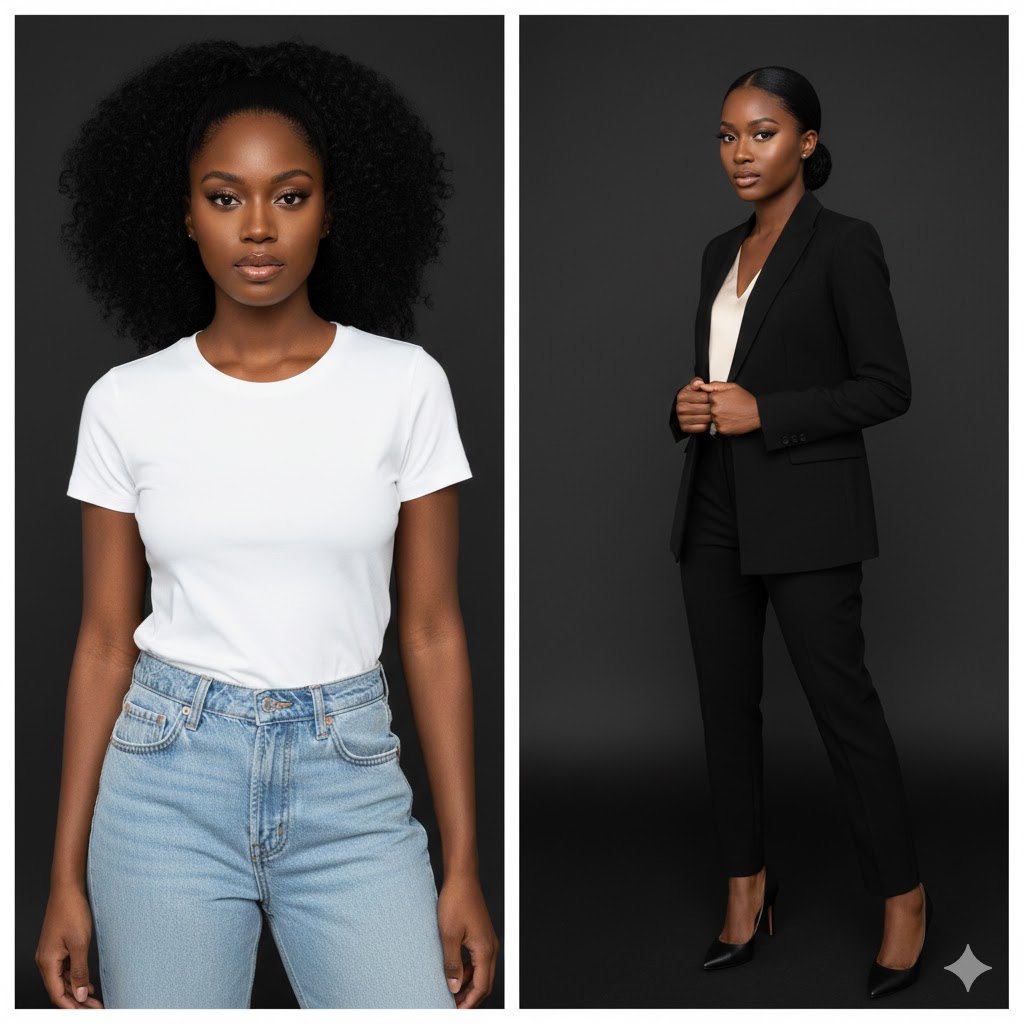
Fashion is a core element of visual identity. The garments we choose reflect personal taste, cultural affiliation, and aspirational values. A tailored suit, a flowing dress, or casual streetwear signals social cues and communicates the wearer’s intention, mood, and personality.
Hairstyle and grooming complement clothing as part of an integrated visual presentation. Hair, skin, and posture reflect discipline, self-respect, and attention to detail. These elements shape perception and can reinforce authenticity and credibility.
Accessories and adornments add nuance to visual identity. Jewelry, watches, bags, or scarves provide additional layers of meaning, allowing individuals to express subtle facets of personality and status. Each accessory can amplify the story of the self.
Color plays a psychological role in shaping perception. Warm tones may convey approachability, cool tones professionalism, and bold hues creativity. Understanding the impact of color allows one to craft an identity that aligns with intention and desired reception.
Cultural and historical influences inform visual identity. Traditional garments, hairstyles, and symbolic motifs connect individuals to heritage and ancestry, allowing expression of pride and belonging while maintaining modern relevance.
Visual identity extends beyond the individual. Brands, institutions, and movements employ visual elements—logos, colors, typography, and imagery—to project ethos and narrative. Consistency strengthens recognition and conveys authority or innovation.
In professional environments, visual identity shapes opportunities. Leaders, presenters, and public figures use visual cues strategically to inspire trust, convey expertise, and reinforce personal or organizational narratives. The visual self often precedes spoken communication.
Photography and digital media amplify visual identity. Social media, professional profiles, and creative portfolios allow curation of image and story. Online presentation now shapes reputation and perception as much as in-person interaction.
Visual identity communicates emotional tone. Subtle gestures, posture, and facial expression enhance or contradict clothing and style, adding complexity to the message. Alignment of these elements signals authenticity and intentionality.
Fashion cycles and trends intersect with personal identity. While trends provide inspiration, true visual identity is consistent, reflecting personal taste rather than mere conformity. Individuality emerges through selective adoption of trends that resonate with self-perception.
Lighting and environment influence the impact of visual identity. A well-lit room, natural sunlight, or carefully staged backdrop enhances colors, textures, and posture, ensuring the intended message is communicated effectively.
Visual identity can convey power and influence. Strategic choices in appearance, posture, and demeanor assert authority and inspire respect. Individuals who master these elements project presence that commands attention and engagement.
Subtlety and minimalism are powerful aspects of visual identity. Restraint in design, accessories, and expression communicates sophistication, thoughtfulness, and confidence. Sometimes less is more when crafting a compelling visual narrative.
Visual identity evolves with experience and context. Life stages, career shifts, and personal growth influence stylistic choices, reflecting changing priorities and self-perception. Adaptability demonstrates awareness and intentional self-presentation.
Art and performance often explore visual identity as a form of expression. Costume, makeup, and stage presence contribute to character development and storytelling, revealing layers of meaning that words alone cannot convey.
Psychology and perception studies underscore the importance of visual identity. Humans naturally assess trustworthiness, competence, and attractiveness based on appearance. Understanding these mechanisms enables intentional and effective self-presentation.
Personal branding is an extension of visual identity in professional spheres. Entrepreneurs, creatives, and public figures cultivate visual consistency to reinforce values, mission, and influence, ensuring alignment between appearance and message.
Ultimately, visual identity is the intersection of art, psychology, and self-expression. It communicates who we are, what we value, and how we wish to be perceived. A thoughtfully crafted visual presence is a powerful tool for connection, influence, and self-realization.
References
Andrade, B., Morais, R., & Soares de Lima, E. (2024). The Personality of Visual Elements: A Framework for the Development of Visual Identity Based on Brand Personality Dimensions. The International Journal of Visual Design, 18(1), 67–98. edirlei.com
Gorbatov, S., Khapova, S. N., & Lysova, E. I. (2018). Personal branding: Interdisciplinary systematic review and research agenda. Frontiers in Psychology, 9, 2238. https://doi.org/10.3389/fpsyg.2018.02238PMC+1
Sollerhed, A.-C., & Bringsén, Å. (2023). Appearance between professionalism and work‑related stress among marketing employees. Work, 75(4), 1231–1242. https://doi.org/10.3233/WOR-220307PMC
Zhang, L. (Year). Doctor of Business Administration Dissertation: Visual Identity for Personal Branding. Nottingham Trent University. (Doctoral dissertation). IRep
Sirgy, M. J. (in How Does Self‑concept and Brand Personality Affect Luxury Consumers’ Purchasing Decisions, Springer). In Self-congruity and luxury brand choice. In Luxury Brand Management (pp. …). https://doi.org/10.1007/978‑981‑10‑2976‑9_3SpringerLink
Refinement in beauty is more than elegance, symmetry, or polished presentation—it is the intentional shaping of one’s appearance, character, and presence to reflect depth, maturity, and inner harmony. While physical beauty may capture attention, refinement elevates beauty into something thoughtful, cultivated, and enduring.
Historically, refinement referred to the process of purifying something—gold, silver, or even language. When applied to beauty, refinement becomes the act of removing distractions so the essence can shine. It is beauty distilled, clarified, and made meaningful (Eco, 2004).
Refined beauty is not about perfection; it is about balance. It values moderation, subtlety, and intentionality. Rather than exaggeration, refinement emphasizes proportion, coherence, and purposeful choices.
Culturally, refined beauty carries different expressions. In some traditions, refinement emphasizes grace and softness; in others, intellect, modesty, or craftsmanship. Despite these differences, refinement universally signals attentiveness and thoughtfulness in self-presentation (Bourdieu, 1984).
Refinement begins with self-awareness. A person who understands their features, personality, and presence can refine their beauty in a way that feels authentic rather than imitative. It is not about fitting into a standard—it is about highlighting one’s unique strengths.
Refinement also includes emotional discipline. A refined presence is calm rather than chaotic, thoughtful rather than impulsive. The emotional steadiness one carries becomes a form of beauty in itself, communicating maturity and inner peace (Goleman, 1995).
A refined aesthetic embraces quality over excess. Whether in clothing, hair, or makeup, refinement values intentional choices that elevate rather than overwhelm. This simplicity enhances natural beauty rather than hiding it.
Grace is an essential component of refined beauty. Grace manifests in posture, tone, movement, and expression. It is the quiet confidence that draws attention not through loudness but through presence.
Refinement also involves intellectual beauty. The way a person speaks, listens, and engages with ideas contributes to how they are perceived. Intelligence paired with kindness becomes a powerful form of beauty (hooks, 2000).
Spiritual grounding influences refinement as well. Many cultures associate refinement with virtue—patience, humility, discernment. This inner richness radiates outward, affecting how others experience one’s presence (Lewis, 2013).
Beauty refined is not boastful. It does not seek validation through comparison. Instead, it rests in self-assurance, knowing that true beauty is recognized by those with perception and depth.
In fashion, refinement favors timeless silhouettes, clean lines, and well-chosen accents. These choices convey discipline and intentionality, suggesting that beauty is curated rather than accidental.
Refinement enhances natural features rather than transforming them. Instead of altering identity, it reveals identity. This approach encourages authenticity in a world often dominated by filters and artificial enhancements (Jones, 2011).
Social media has challenged and reshaped notions of refined beauty. While trends encourage exaggeration—extreme contouring, bold aesthetics—refinement resists by promoting understatement and elegance.
Refinement is also tied to etiquette. Kindness, respect, and consideration for others elevate beauty by reflecting inner character. A person’s behavior can reinforce or undermine their external refinement (Martin, 2016).
In relationships, refinement shows in how one communicates—thoughtfully, respectfully, and with emotional intelligence. This interpersonal beauty strengthens bonds and fosters trust.
Refined beauty values growth. It evolves as a person matures, shedding youthful insecurity for a more rooted, stable expression of self. It becomes not just how one looks, but how one lives.
Refinement recognizes that beauty is experienced through the senses—how a person smells, speaks, moves, and carries themselves. These subtle cues create a holistic aesthetic that goes beyond surface appearance.
Ultimately, refinement in beauty is the marriage of inner and outer harmony. It is the art of presenting oneself with intention, elegance, and authenticity. It is beauty that whispers rather than shouts, yet leaves a lasting impression.
Refinement teaches us that true beauty is not found in excess but in clarity—clarity of self, purpose, values, and expression. In this way, refinement transforms beauty into a deeper, more soulful encounter.
References
Bourdieu, P. (1984). Distinction: A social critique of the judgement of taste. Harvard University Press.
Eco, U. (2004). On beauty: A history of a western idea. Secker & Warburg.
Goleman, D. (1995). Emotional intelligence. Bantam Books.
hooks, bell. (2000). All about love: New visions. William Morrow.
Jones, M. (2011). Beauty imagined: A history of the global beauty industry. Oxford University Press.
Lewis, C. S. (2013). The weight of glory. HarperOne.
Martin, J. (2016). The power of etiquette: How manners shape identity. Social Behavior Review, 12(3), 220–234.
Fashion has always been a reflection of society’s values, culture, and technological advancements. From the early 1900s to the present day, clothing styles, fabric choices, and aesthetics have continually evolved to mirror the social, political, and economic climate of the time. In the early 20th century, fashion was formal and conservative. Women wore long skirts, corsets, and structured garments that emphasized modesty and social status, while men wore tailored suits with hats and polished shoes. Fabrics were primarily natural, such as cotton, wool, and silk, reflecting both availability and the limitations of textile technology.
The 1920s brought a dramatic shift with the emergence of the flapper style. Women’s clothing became more relaxed, shorter hemlines appeared, and dresses allowed greater freedom of movement. This change reflected a broader societal shift as women gained more independence following World War I. Designers like Coco Chanel revolutionized fashion by introducing practical, elegant, and comfortable clothing, while popularizing jersey fabrics. Men’s fashion became less rigid, with slimmer suits and more casual styles starting to appear.
During the 1930s and 1940s, fashion was heavily influenced by economic hardship and wartime scarcity. Utility clothing became common, emphasizing functionality over excess. Silhouettes were elegant but conservative, and fabric rationing led to inventive design solutions. Hollywood glamour, however, also influenced trends, with movie stars like Rita Hayworth setting aspirational standards for evening wear and hairstyles.
The 1950s introduced a return to opulence and structure following World War II. Christian Dior’s “New Look” emphasized cinched waists, full skirts, and a feminine silhouette. Designers began exploring more luxurious fabrics, embellishments, and tailored details, appealing to an aspirational consumer base. Men’s fashion leaned toward refined suits, often accented with accessories like pocket squares and hats. Fashion became a marker of status, and the industry’s influence on culture intensified.
The 1960s marked a radical departure from tradition, reflecting youth culture, rebellion, and the civil rights movement. Mini skirts, bold patterns, and mod styles dominated women’s fashion, while men embraced slimmer cuts, turtlenecks, and colorful patterns. Designers like Yves Saint Laurent introduced ready-to-wear collections that made high fashion more accessible. Materials like synthetic fibers and new textiles allowed experimentation with bold colors, shapes, and textures.
By the 1970s, fashion became synonymous with individuality and counterculture. The hippie movement introduced flowing fabrics, bell-bottom pants, tie-dye patterns, and ethnic-inspired prints. Disco culture brought glitter, sequins, and extravagant evening wear. Designers began incorporating international influences, including African textiles and Asian motifs, broadening the global aesthetic palette. Men’s fashion became more relaxed, embracing flamboyance, color, and personal expression.
The 1980s celebrated excess and power dressing. Bold silhouettes, shoulder pads, neon colors, and designer logos became status symbols. Fashion became a statement of wealth, ambition, and cultural influence. Iconic designers like Gianni Versace, Giorgio Armani, and Ralph Lauren dominated the landscape, and celebrity influence began shaping trends. Menswear embraced sharp tailoring, power suits, and luxury branding, aligning fashion with professional success.
In the 1990s, fashion shifted toward minimalism and casual wear. Supermodels like Naomi Campbell, Kate Moss, and Cindy Crawford defined beauty standards with their tall, skinny frames, influencing the perception of the “ideal” model. Streetwear also emerged, blending hip-hop culture with high fashion. Designers began experimenting with gender-neutral aesthetics, grunge-inspired looks, and bold contrasts between luxury and casual wear.
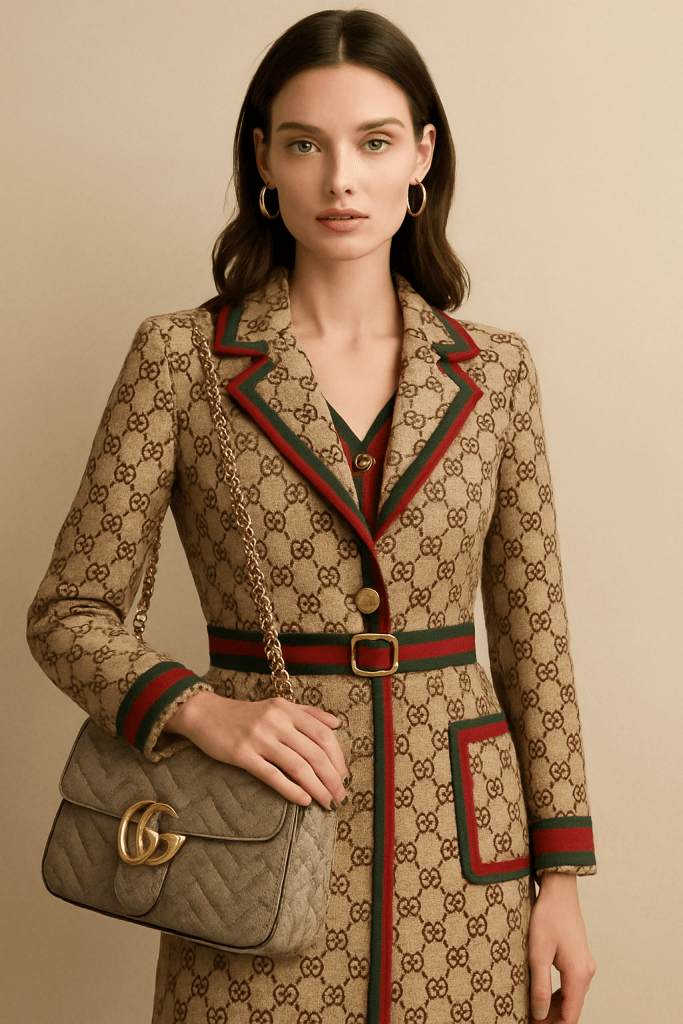
The early 2000s saw the rise of fast fashion and brand collaboration. Fashion became more democratized, with high-end styles replicated by affordable retailers. Celebrities influenced trends, and designer handbags, such as Louis Vuitton and Gucci, became cultural symbols. Fabrics ranged from traditional natural textiles to innovative blends and synthetics that allowed intricate detailing. Black designers like Dapper Dan began gaining recognition for their work in streetwear and luxury collaborations, challenging longstanding Eurocentric dominance in fashion.
By the 2010s, the industry began embracing diversity, body positivity, and inclusivity. Fashion campaigns started featuring models of varying sizes, ages, and ethnicities. Designers like Kerby Jean-Raymond of Pyer Moss brought social consciousness to the runway, emphasizing storytelling and heritage. Black designers gained more visibility, though challenges remained in a historically Eurocentric industry. The fashion world also embraced sustainability, rethinking materials and production processes to address environmental concerns.
Social media transformed fashion dramatically. Platforms like Instagram, TikTok, and YouTube allowed influencers to dictate trends, bypass traditional gatekeepers, and connect directly with audiences. Influencers like Chiara Ferragni, Aimee Song, and Camila Coelho became tastemakers, blending high fashion with personal branding. Social media gave rise to micro-influencers who shaped niche fashion communities, promoting brands and styles that might otherwise have been ignored by mainstream media.
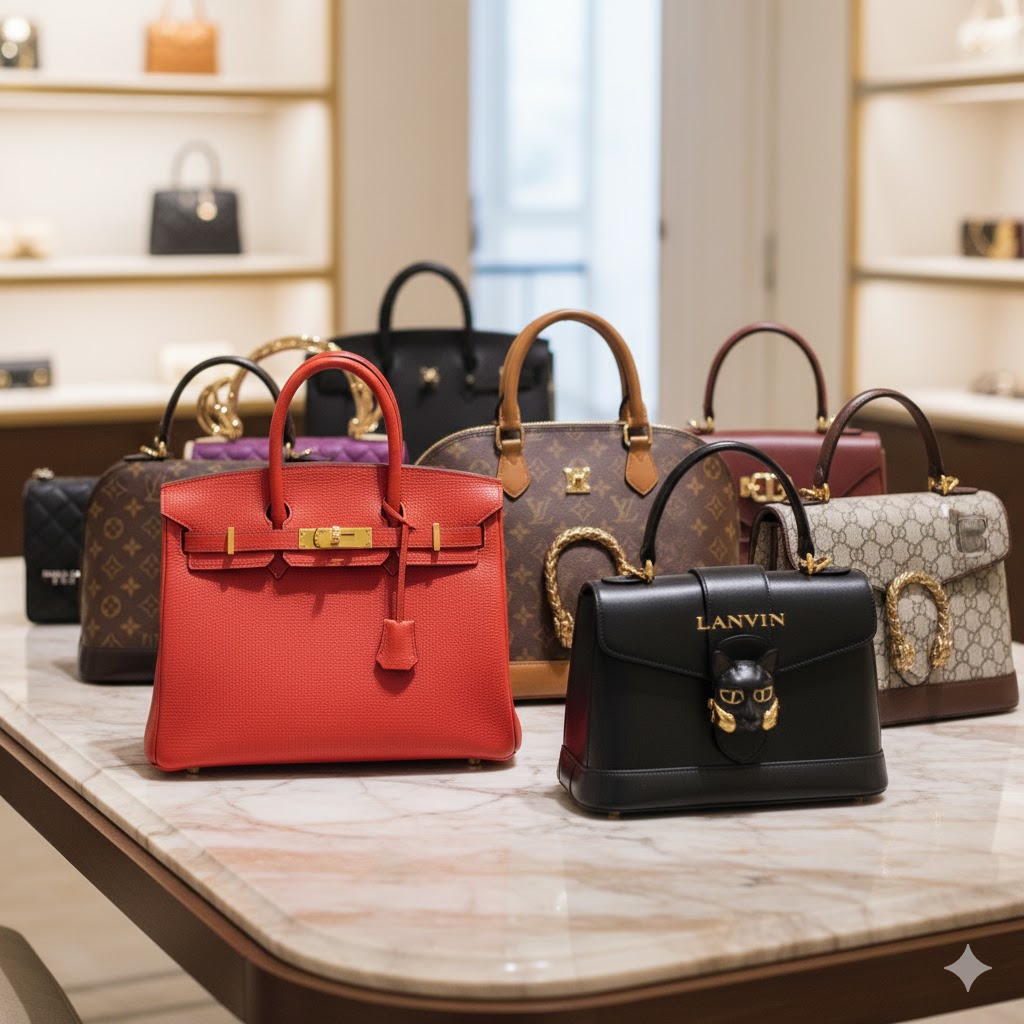
Handbags, particularly luxury items like the Hermès Birkin, became symbols of status and investment. The exclusivity, craftsmanship, and limited availability of such bags drive demand, and social media exposure amplifies their desirability. Fashion houses like Chanel, Louis Vuitton, and Gucci dominate this market, and ownership remains concentrated among multinational corporations, often led by conglomerates like LVMH or Kering. These companies leverage branding, heritage, and marketing to maintain prestige.
Fashion houses now frequently extend their influence into beauty products. Makeup lines, fragrances, and skincare collections complement apparel, allowing brands to capture a larger share of consumer spending and reinforce brand identity. Dior, Chanel, and Fenty Beauty exemplify how fashion and beauty converge, creating a holistic lifestyle brand. The synergy between apparel and cosmetics enhances brand loyalty and global recognition.
Globalization has also highlighted labor practices. Many fashion houses rely on overseas production, sometimes under exploitative conditions in sweatshops. This has led to increased scrutiny and calls for ethical labor standards. Brands are increasingly under pressure to provide transparency, ensure fair wages, and address sustainability. Consumers, empowered by social media, demand accountability in addition to aesthetics.
Quality has become more valued than quantity among discerning consumers. Fast fashion may offer variety at low cost, but luxury brands emphasize durability, craftsmanship, and timeless design. Investing in fewer, high-quality pieces ensures longevity and reduces waste, reflecting a shift toward conscious consumerism. The appreciation of quality over trendiness aligns with a growing awareness of environmental impact and ethical responsibility.
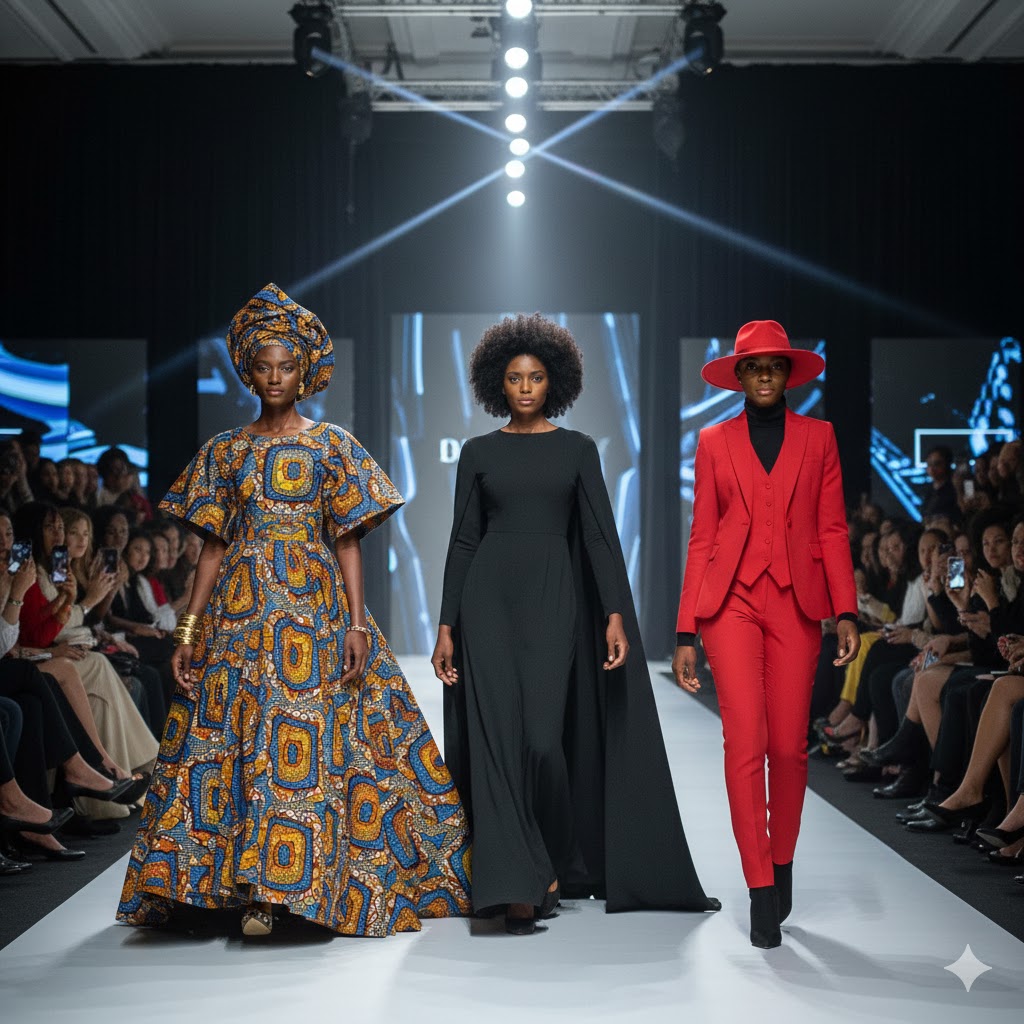
Diversity in design has increased over the decades. Black designers, Asian designers, and other underrepresented creators are gaining visibility, contributing unique perspectives and celebrating heritage. Platforms like New York Fashion Week, Paris Fashion Week, and digital showcases highlight these voices, challenging traditional Eurocentric dominance and inspiring global audiences.
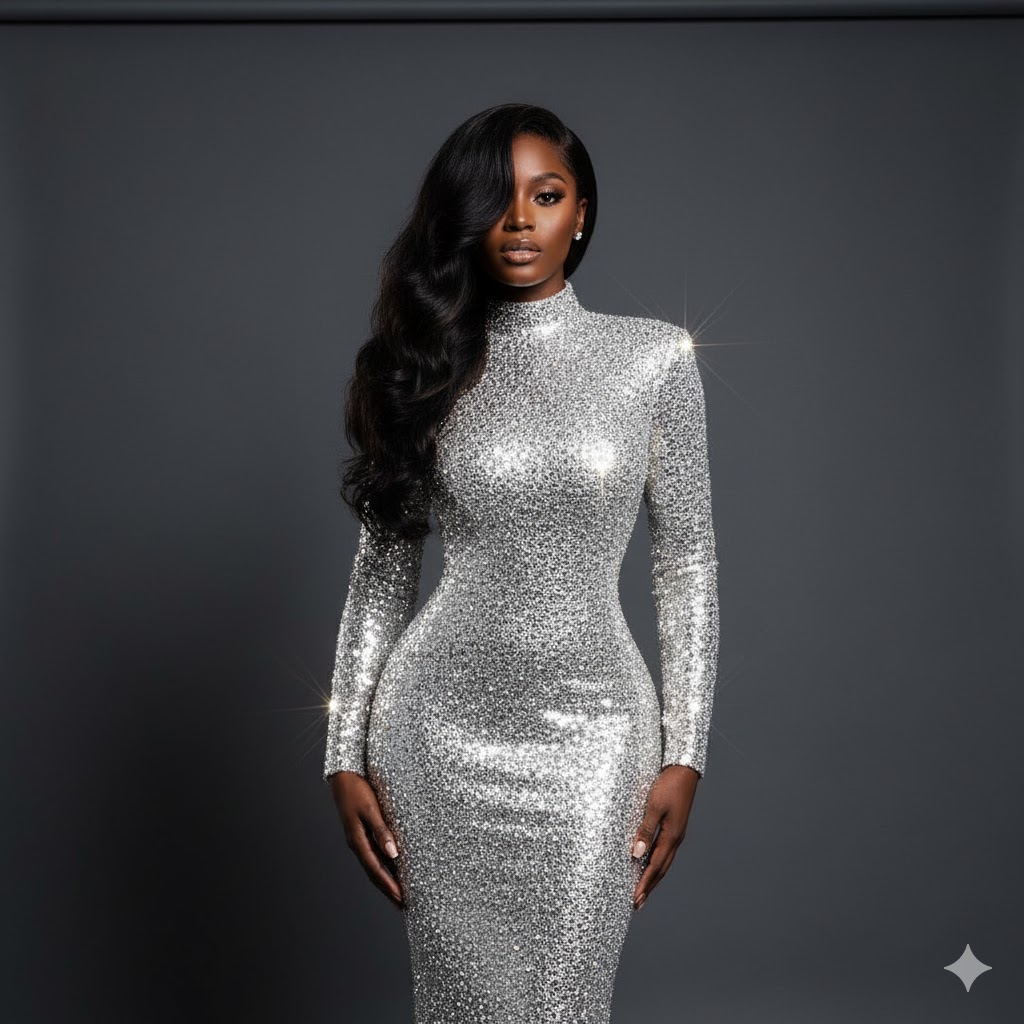
Texture and fabric innovation have also evolved. Designers experiment with sequins, satin, leather, neoprene, and technical fabrics that merge fashion with functionality. Fabrics now serve multiple purposes: aesthetic, comfort, sustainability, and performance. This evolution reflects changing consumer demands and technological advances in material science.
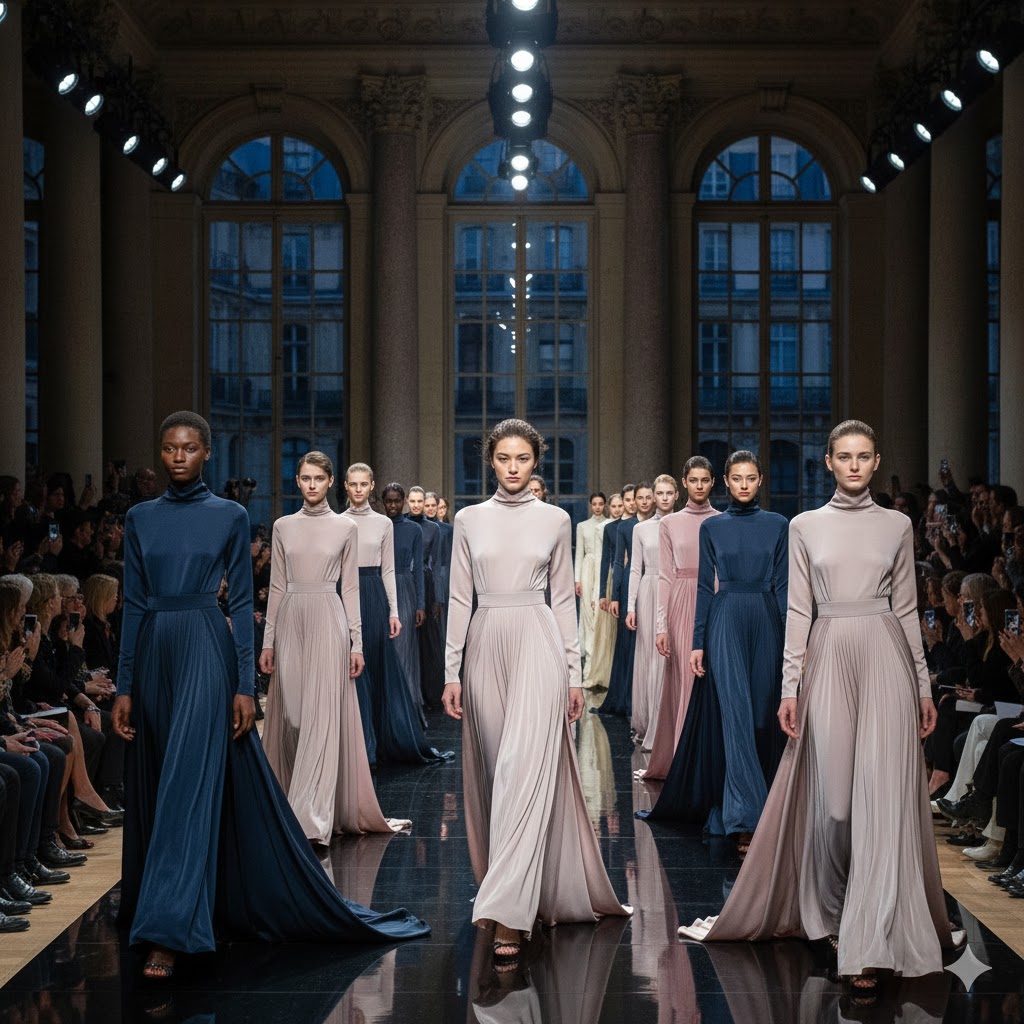
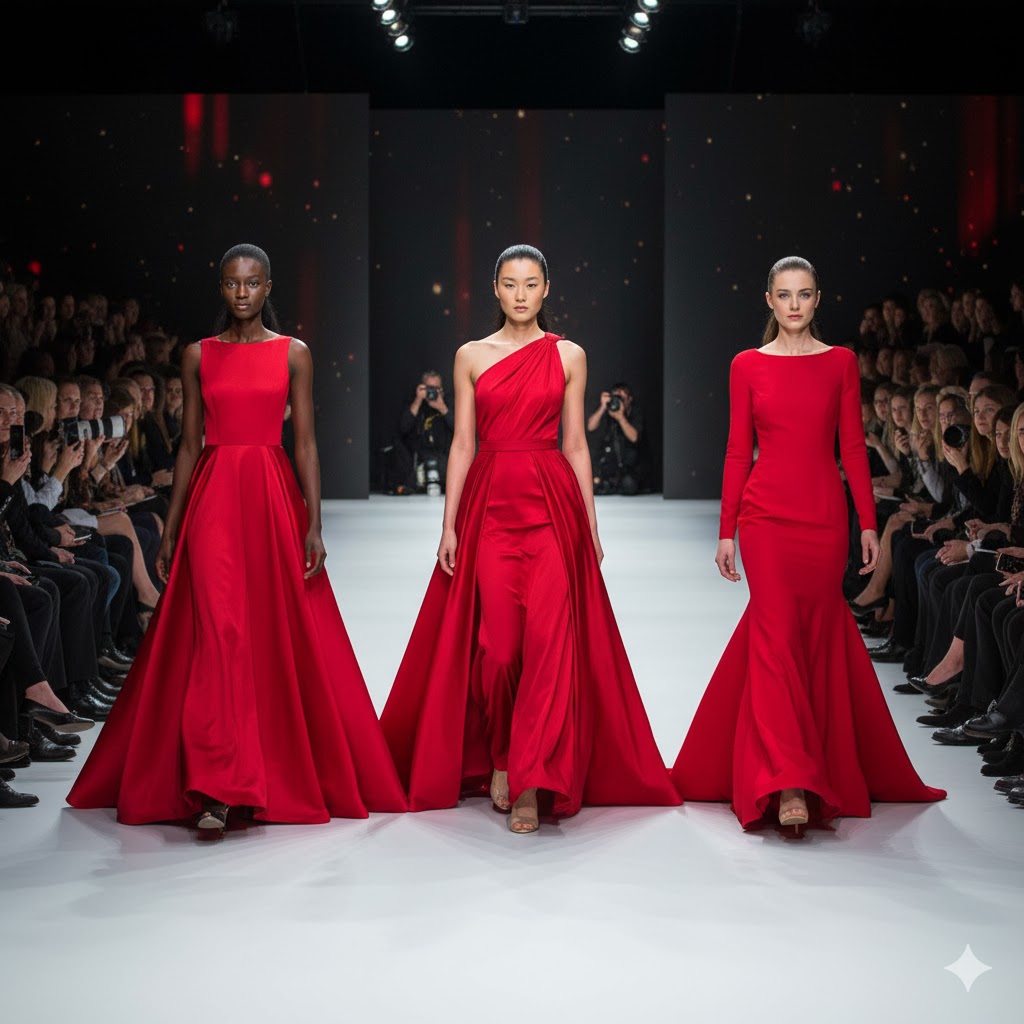
The modeling industry has also shifted significantly. Whereas thin, young, Eurocentric models dominated runways in the 1990s, today’s fashion shows feature older models, curvy models, and models of diverse ethnic backgrounds. Campaigns celebrate individuality, authenticity, and representation, reflecting broader social values.
Digital marketing has reshaped the fashion hierarchy. Instagram “drops,” TikTok trends, and influencer collaborations accelerate consumer adoption, sometimes outpacing traditional seasonal collections. This immediacy challenges the traditional fashion calendar while increasing the democratization of style. Influencers like Kendall Jenner, Bella Hadid, and Virgil Abloh (during his tenure at Louis Vuitton) exemplify this cultural shift, blending celebrity, social media reach, and design credibility.
Luxury handbag sales remain a dominant revenue source for fashion houses. Hermès consistently leads in sales, particularly with its Birkin and Kelly bags, due to scarcity, craftsmanship, and brand prestige. Chanel’s classic bags also hold value and investment potential, demonstrating that exclusivity and quality drive consumer desire.
Fashion brands now often operate across multiple industries—apparel, footwear, cosmetics, fragrances, and even home goods. This diversification maximizes revenue streams and strengthens brand influence. Louis Vuitton and Gucci, for example, have leveraged cross-industry expansion to maintain market dominance while attracting younger, digitally savvy consumers.
Black designers continue to gain recognition, though challenges remain. Pyer Moss, LaQuan Smith, and Kerby Jean-Raymond merge storytelling with luxury, creating designs that resonate culturally and socially. Their work challenges traditional norms and emphasizes fashion as a vehicle for social commentary. Representation in fashion not only fosters inclusivity but also expands the industry’s creative palette.
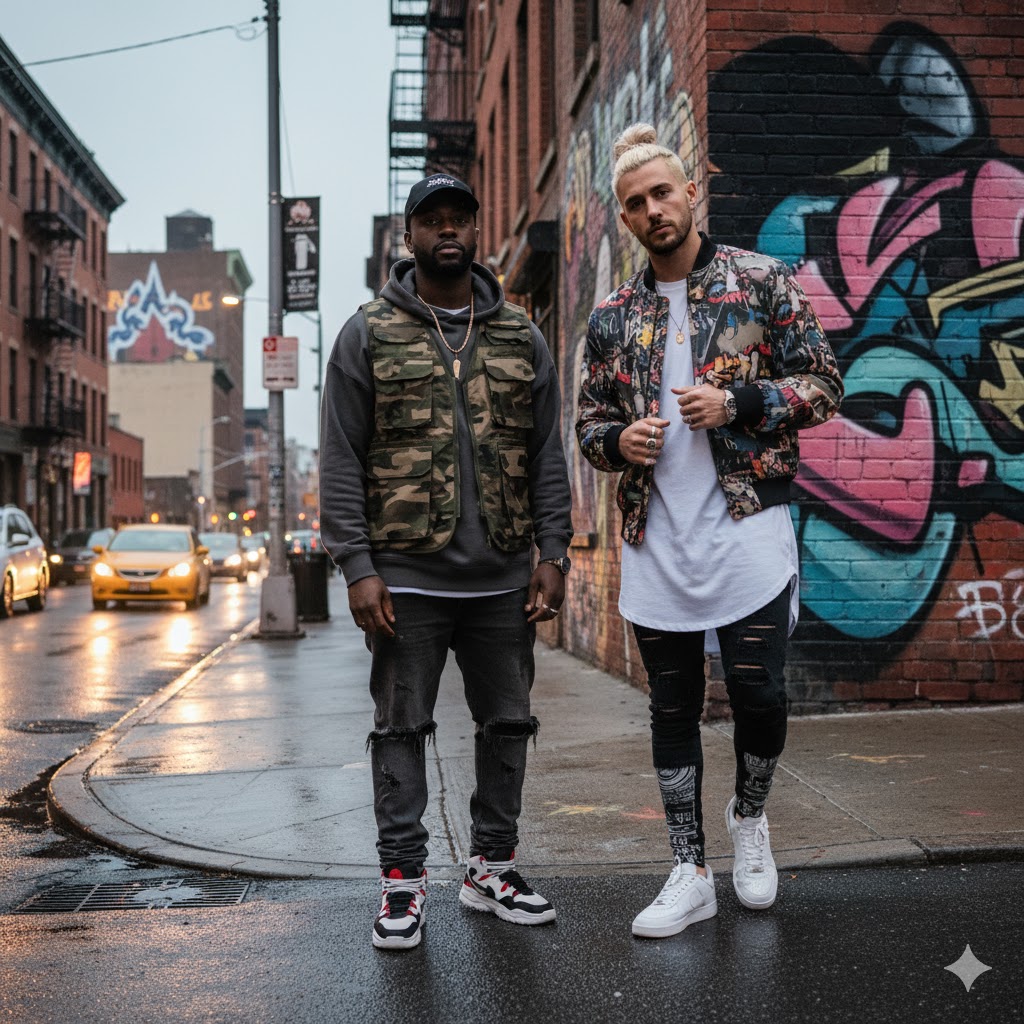
The rise of streetwear and casual luxury has changed global fashion. Sneakers, hoodies, and casual ensembles are now central to high-fashion collections, reflecting a shift in cultural influence and consumer priorities. This democratization of luxury aligns with social media-driven trends and youth culture, bridging accessibility with prestige.
Fashion houses are largely owned by conglomerates like LVMH, Kering, and Richemont, which oversee multiple brands while maintaining distinct identities. These corporate structures allow for global expansion, strategic acquisitions, and control over intellectual property. Despite their size, individual designers within these houses retain creative influence, though they operate within corporate strategy.
Handbags, particularly luxury lines, serve both as fashion statements and investment pieces. Scarcity, quality craftsmanship, and brand heritage drive demand. The Hermès Birkin, Chanel Classic Flap, and Louis Vuitton Neverfull exemplify this dual function. Consumers now weigh investment potential alongside aesthetics when purchasing high-end bags.
Fast fashion remains a controversial part of the industry. While it democratizes access to trends, it often relies on sweatshop labor in developing countries. The conditions in these facilities raise ethical concerns, pushing some brands to adopt sustainability practices and improve labor standards. Socially conscious consumers are increasingly influential, demanding transparency and accountability.
Social media has elevated influencers to new levels of power in fashion. They dictate trends, collaborate with brands, and shape public perception. TikTok and Instagram are especially powerful platforms where influencers like Chiara Ferragni, Aimee Song, and Camila Coelho have global reach, directly impacting brand success and consumer behavior.
Celebrity influence continues to intertwine with fashion. Collaborations, capsule collections, and co-branded products merge fame with design credibility. Rihanna’s Fenty brand and Beyoncé’s Ivy Park exemplify this synergy, blending lifestyle, music, and apparel into highly influential fashion narratives.
Quality over quantity has become a guiding principle for conscious consumers. While fast fashion encourages disposability, luxury consumers prioritize durability, craftsmanship, and long-term value. Investing in fewer, well-made pieces ensures satisfaction and reflects a sustainable approach to style.
Digital commerce has transformed the industry. Fashion houses leverage online platforms to reach global audiences, offer exclusive products, and integrate virtual try-ons. Technology has also enabled transparency in supply chains, helping brands address ethical and environmental concerns while maintaining consumer trust.
Fashion Evolution Timeline (1900s–2025)
Early 1900s (1900–1910): Birth of Modern Fashion
At the turn of the century, women’s fashion was still very structured: corsets, long skirts, tailored blouses. Men wore formal suits, waistcoats, and hats. This reflects the social conventions and strict gender roles of the time. Timetoast+1
Charles Frederick Worth, often considered the first “fashion designer,” had already established haute couture houses—he put labels on garments, helping found the idea of branded fashion. Timetoast
1920s: The Roaring Twenties and the Flapper
This decade saw a seismic shift: the flapper look emerged with shorter hemlines, dropped waistlines, and looser silhouettes. Luxury and freedom collided. Timetoast+1
Coco Chanel rose to prominence, popularizing jersey fabrics, comfortable cuts, and the iconic “little black dress,” fundamentally changing how women dressed. Timetoast+1
1930s–1940s: War, Utility, and Glamour
The Great Depression and World War II forced fashion toward utility: less fabric, functional cuts, and practical clothing. Designers had to operate under wartime rationing while still creating style. Fashion ABC
Despite hardship, Hollywood’s Golden Age glamor influenced evening wear, and elegance remained aspirational even amid economic constraint.
1950s: Post-War Elegance and the “New Look”
After the war, fashion turned back to structure, femininity, and opulence. Christian Dior’s “New Look” (though introduced in 1947) dominated with cinched waists and full skirts, expressing abundance and aspiration in the postwar years. Lifelong Learning Collaborative
This era also elevated luxury accessories, structured tailoring, and refined social style.
1960s: Youth Revolution and Mod Aesthetic
The 1960s introduced mod style: geometric prints, bright colors, miniskirts, and bold experimentation. Fashion became a sign of generational change.
Designers like Yves Saint Laurent helped democratize high fashion with ready-to-wear collections, making style more accessible and reflective of youth culture.
1970s: Counterculture, Disco, and Global Influences
Fashion diversified: hippie styles, ethnic prints, bell bottoms, and flowing fabrics represented youth rebellion, spiritual exploration, and cross-cultural exchange.
Disco brought sparkles and glamour back; clothes became louder, more expressive, and more daring.
1980s: Power Dressing & Logos
The ’80s are often remembered for bold silhouettes: big shoulders, power suits, bold branding, and a “more is more” aesthetic.
Logos became status symbols—designer labels were not just about style but also about wealth and identity.
1990s: Minimalism, Grunge, and Streetwear Rise
A backlash to ’80s maximalism came in the form of minimalism: clean lines, neutral colors, and understated design.
Simultaneously, grunge and streetwear gained traction. Supermodels like Kate Moss popularized the ultra-thin aesthetic, influencing how beauty and fashion were marketed. Timetoast
Hip-hop culture and urban fashion started to merge with luxury.
2000s: Fast Fashion, Celebrity Culture, and Logos Everywhere
The rise of fast fashion (cheap, rapidly produced clothing) democratized trendy style but also introduced ethical concerns.
Celebrity influence grew: stars launched fashion lines, became walking billboards, and drove brand visibility.
Luxury handbags (Louis Vuitton, Gucci) became powerful cultural symbols. Materials and synthetic blends grew more common, allowing for more variety and accessibility.
2010s: Diversity, Inclusivity, and Sustainability
The fashion industry began to more intentionally include models of different sizes, ages, and ethnicities.
Black designers (e.g., Kerby Jean-Raymond of Pyer Moss) gained visibility, integrating activism, heritage, and social justice into their fashion narratives. Wikipedia
Sustainability became a conversation: brands and consumers began confronting their environmental footprint.
Digital platforms, social media, and e-commerce reshaped brand-to-consumer relationships and access.
2020s (to 2025): Digital Couture, Influencers & Cross-Industry Brands
Fashion continues to be disrupted by social media influencers, digital marketing, and “drops” rather than traditional seasonal collections.
Fashion brands are branching into beauty (makeup, skincare), blurring the line between wardrobe and lifestyle.
Luxury handbag demand remains strong: limited-edition bags (like Birkin, Kelly) retain value; craftsmanship and brand heritage are central.
Corporate ownership: many luxury houses are owned by conglomerates (e.g., LVMH, Kering), while some, like Hermès, remain more independent.
Ethical labor and transparency in production are under heavier scrutiny; brands are being pushed to reform sweatshop practices.
Fabric innovation continues: technical textiles, sustainable materials, and cross-functional design are rising.
Modeling reflects society more than ever: older models, new body types, and diverse racial representation appear on runways and campaigns.
Digital couture or virtual fashion is emerging in some corners, leveraging technology and virtual experiences.
Key Designers & Their Impact
Coco Chanel (Gabrielle Bonheur Chanel, 1883–1971)
Impact: Revolutionized women’s fashion in the 20th century with practical, elegant, and timeless designs. She popularized trousers for women, the little black dress, and tweed suits. Chanel introduced luxury ready-to-wear and redefined modern femininity.
Signature: Simplicity, comfort, and elegance fused with luxury. Chanel No. 5 perfume became iconic.
Legacy: Her brand remains a global symbol of sophistication and innovation in women’s fashion.
2. Christian Dior (1905–1957)
Impact: Creator of the “New Look” in 1947, which emphasized a cinched waist, full skirts, and an ultra-feminine silhouette, reviving French haute couture after World War II.
Signature: Luxury, opulence, and sculptural tailoring.
Legacy: Dior remains a top luxury house influencing global fashion trends, especially in women’s formalwear and haute couture.
3. Karl Lagerfeld (1933–2019)
Impact: Longtime creative director of Chanel and Fendi, Lagerfeld blended classic couture with modern, edgy designs. He was known for reinventing fashion houses while respecting their heritage.
Signature: Sharp tailoring, dramatic accessories, and innovative runway presentations.
Legacy: Credited with modernizing luxury brands and making them relevant for new generations.
4. Giorgio Armani (b. 1934)
Impact: Revolutionized menswear in the 1980s with soft tailoring, neutral palettes, and unstructured suits. Armani brought casual elegance to formalwear and expanded into luxury lifestyle branding.
Signature: Minimalism, understated elegance, and precision tailoring.
Legacy: Defined power dressing and remains a staple for business and luxury wardrobes worldwide.
5. Ralph Lauren (b. 1939)
Impact: Created a distinctly American style, blending classic British influences with casual preppy aesthetics. He popularized lifestyle branding in fashion, turning clothing into an aspirational symbol of wealth and culture.
Signature: Polo shirts, tailored blazers, and luxury leisurewear.
Legacy: A global fashion empire emphasizing heritage, elegance, and accessible luxury.
6. Donatella Versace (b. 1955)
Impact: Took over Versace after Gianni Versace’s death and pushed bold, sexy, and glamorous designs, making the brand synonymous with luxury, high drama, and celebrity culture.
Signature: Bright colors, bold prints, and body-conscious silhouettes.
Legacy: Influenced modern red-carpet fashion and the fusion of fashion with celebrity culture.
7. Tom Ford (b. 1961)
Impact: Revitalized Gucci in the 1990s, introducing provocative glamour and sleek tailoring. Later, he launched his own luxury brand, emphasizing high-end menswear, womenswear, and beauty.
Signature: Sleek silhouettes, sensual aesthetics, and modern luxury.
Legacy: Elevated fashion marketing, bridging Hollywood glamour with runway appeal.
8. Alexander McQueen (1969–2010)
Impact: Known for theatrical runway shows, avant-garde designs, and mastery of tailoring. McQueen combined dark romanticism with British sartorial tradition.
Signature: Dramatic silhouettes, intricate details, and conceptual storytelling.
Legacy: Left a lasting imprint on runway theatrics and modern fashion narrative; continues through the McQueen brand.
Jay Jaxon — One of the first Black couturiers in Paris, breaking racial barriers in haute couture. Wikipedia
Arthur McGee — A trailblazer: his studio in New York’s garment district became one of the first Black-led design houses. Wikipedia
Wesley Tann — Designed for both high society and Black glamour icons; significant in the 1960s. Wikipedia
Kerby Jean-Raymond / Pyer Moss — Uses fashion as art + activism; highlights social justice, history, and culture. Wikipedia
LaQuan Smith — Known for bold, sexy, modern designs that have dressed celebrities and broken into high-tier fashion. Wikipedia
Social & Economic Dynamics
Fashion cycles are not random — there is social signaling, elite competition, and counter-cultural resistance. arXiv
As fashion houses became more global, conglomerates (like LVMH and Kering) began to control many of the most powerful luxury brands.
Social media influencers have redefined how trends are created and consumed. Designers and brands increasingly collaborate with influencers to reach younger, digital-first audiences.
Luxury brands expand into beauty lines because lifestyle branding is more profitable: clothing plus cosmetics builds a more complete identity for consumers.
Sustainability, ethical labor, and transparency have become more than buzzwords — they are central to fashion’s future relevance.
Year / Era
Designer
Key Contributions
Impact on Handbags & Accessories
Legacy / Notes
1920s–1930s
Coco Chanel
Introduced little black dress, tweed suits, practical elegance for women
Chanel 2.55 bag (classic quilted handbag) became iconic
Redefined femininity, set standard for luxury handbags and practical fashion
1940s
Christian Dior
“New Look” (cinched waist, full skirt)
Introduced Dior handbags to match couture lines
Rebuilt post-WWII French fashion; emphasized luxury, femininity
1950s–1960s
Givenchy (Hubert de Givenchy)
Elegant gowns, Audrey Hepburn collaborations
Le Sac (classic handbag styles)
Popularized film-influenced haute couture; luxury branding tied to celebrity culture
1960s–1970s
Yves Saint Laurent
Ready-to-wear collections, tuxedo jacket for women
Introduced iconic Saint Laurent handbags
Democratized fashion; elevated ready-to-wear as a luxury market
Challenging traditional fashion gatekeeping; redefining luxury for diverse audiences
In conclusion, fashion has evolved dramatically from 1900 to 2025. From structured, formal garments to inclusive, diverse, and technologically innovative styles, the industry reflects society’s shifting values. Social media, influencers, and luxury branding have reshaped consumption patterns, while ethical considerations, quality, and sustainability are increasingly central. Black designers are gaining visibility, handbags dominate cultural and financial discourse, and consumer priorities now balance aesthetics, identity, and conscience. The evolution of fashion is not just about clothes—it is about culture, power, innovation, and the ways in which individuals express identity across time.
References
Century of Change: Fashion in the 20th Century. Fashion ABC

 THE BROWN GIRL DILEMMA