
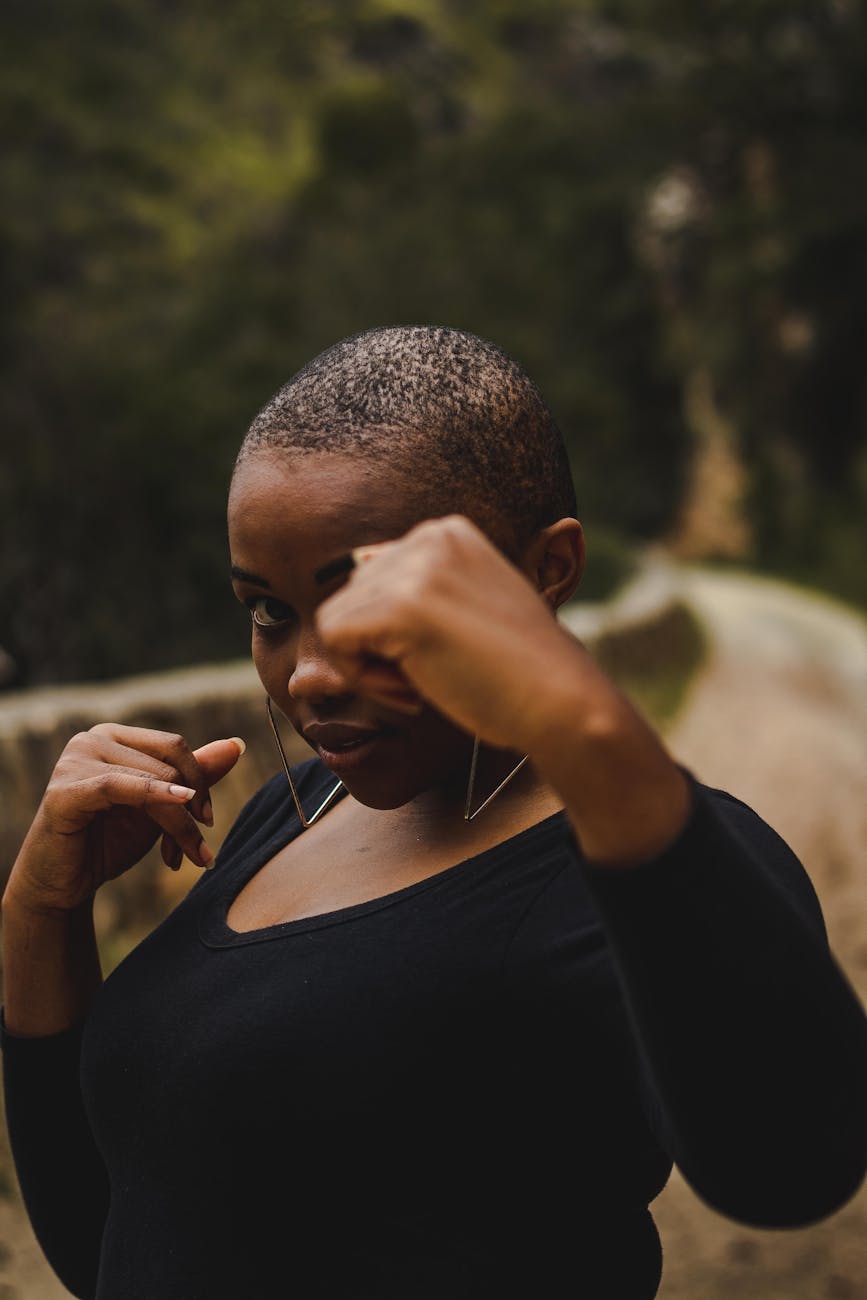
The stereotype of the “Strong Black Woman” has been deeply ingrained in American society, media, and culture. It portrays Black women as endlessly resilient, self-sufficient, and able to withstand emotional, social, and financial hardships without support or vulnerability. While resilience is a positive trait, this stereotype imposes unrealistic expectations, often masking the real emotional and psychological needs of Black women. It pressures them to suppress feelings of pain, grief, or fatigue in order to meet societal standards of strength, which can have severe consequences for mental health and interpersonal relationships.
Historically, the origins of this myth can be traced back to slavery and the post-emancipation period. Enslaved Black women were forced to perform grueling labor while caring for their families under brutal conditions, establishing an early narrative of toughness. Post-slavery, during Reconstruction and the Jim Crow era, the Strong Black Woman trope persisted in media and society as Black women were expected to sustain families and communities in the face of systemic oppression, poverty, and racial violence (Collins, 2000).
Psychologically, the stereotype can lead to internalized pressure to avoid seeking help or showing vulnerability. Studies show that Black women who embrace this myth often experience higher rates of stress, depression, and anxiety, compounded by the stigma of appearing “weak” if they admit to needing support (Watson & Hunter, 2016). Socialization into the role of the invulnerable caregiver can prevent women from accessing mental health resources and receiving emotional support from partners, friends, or family.
The media and pop culture continue to reinforce the Strong Black Woman narrative. Television, film, and literature frequently portray Black female characters as self-reliant warriors, always persevering despite adversity. While these portrayals celebrate resilience, they also omit the complex realities of vulnerability, struggle, and the need for communal support. This simplification can perpetuate unrealistic standards and emotional isolation (Thomas et al., 2019).
Breaking this myth begins with acknowledgment. Black women must recognize that strength is multidimensional and includes the capacity to be vulnerable, seek help, and express emotions. Embracing authenticity over societal expectations can enhance self-compassion and mental well-being. Support systems, including therapy, mentorship, and community networks, are critical tools in dismantling the pressures of this stereotype.
10 Strategies to Break the Strong Black Woman Myth
- Acknowledge Vulnerability
Recognize that being strong does not mean being invulnerable. Permit yourself to feel emotions fully—sadness, fear, or exhaustion—without guilt. Journaling, meditation, or prayer can help process emotions safely. Scripture reminds us in Psalm 34:18 (KJV), “The Lord is nigh unto them that are of a broken heart; and saveth such as be of a contrite spirit.” - Seek Mental Health Support
Therapy and counseling are powerful tools. Licensed professionals can help manage stress, anxiety, and depression. Acknowledging the need for guidance is a form of strength, not weakness. Cognitive Behavioral Therapy (CBT) and group therapy specifically designed for Black women can be particularly beneficial. - Establish Boundaries
Learn to say “no” without guilt. Protect your time, energy, and emotional well-being from over-demanding relationships, workplaces, and social expectations. Boundaries prevent burnout and cultivate healthier interactions with others. - Create a Support Network
Surround yourself with friends, mentors, and community members who affirm your humanity and allow space for vulnerability. Sharing experiences and challenges reduces isolation and reinforces that strength exists in community. - Engage in Self-Care Rituals
Prioritize activities that nurture your body, mind, and soul. This includes regular exercise, meditation, quality sleep, spiritual practices, and creative outlets. Self-care reinforces self-worth and helps resist the pressure to be perpetually resilient. - Redefine Strength
Challenge societal definitions by embracing a holistic view of strength: resilience, self-awareness, emotional intelligence, and the ability to ask for help. Strength is not just endurance—it’s balance and self-preservation. - Practice Faith and Spirituality
Spiritual grounding can provide guidance, rest, and emotional support. Engage in prayer, scripture study, or fellowship to reinforce that reliance on God is compatible with human vulnerability. Isaiah 40:29 (KJV) states, “He giveth power to the faint; and to them that have no might he increaseth strength.” - Reflect on Your Needs Regularly
Take inventory of your mental, physical, and emotional health. Identify areas where you feel pressure to overperform and develop practical steps to relieve that pressure. Self-reflection helps recalibrate expectations. - Educate Others
Help dismantle the stereotype by communicating your boundaries and needs with family, colleagues, and partners. Sharing personal insights about the Strong Black Woman myth increases awareness and reduces unrealistic expectations imposed by society. - Celebrate Your Authenticity
Embrace who you are beyond the myth. Recognize that true strength lies in authenticity—accepting imperfections, asking for help, and acknowledging limits. Celebrating achievements while honoring your humanity fosters empowerment and reduces internalized pressure.
Moreover, men, families, and society at large must reject the expectation that Black women should always be the emotional or financial backbone without support. Advocating for shared responsibilities in relationships, workplaces, and households can alleviate the undue pressure imposed by this cultural myth. Allies and partners can play a role by affirming that seeking help is not a sign of weakness but an expression of human strength.
Faith and spirituality have also provided avenues for challenging the Strong Black Woman trope. Biblical scripture, for instance, encourages seeking counsel, rest, and reliance on God. Proverbs 11:14 (KJV) states, “Where no counsel is, the people fall: but in the multitude of counsellors there is safety,” highlighting the importance of support and guidance. Recognizing spiritual and communal resources can counterbalance societal pressure to be invulnerable.
Education and awareness campaigns are additional tools for cultural change. Workshops, community dialogues, and social media platforms can highlight the importance of mental health, self-care, and authentic expression. Representation of Black women in media as complex individuals, capable of both strength and vulnerability, can also shift public perception over time.
In the workplace, breaking this myth requires employers to recognize that Black women may face unique pressures to overperform or suppress vulnerability. Implementing equitable policies, mentorship programs, and wellness resources can support holistic well-being. Additionally, highlighting and rewarding authentic leadership, which values emotional intelligence alongside resilience, can redefine what strength looks like in professional spaces.
Ultimately, dismantling the Strong Black Woman myth is about embracing balance, authenticity, and humanity. It requires challenging cultural narratives, providing systemic support, and empowering Black women to recognize that strength includes the ability to rest, feel, and seek help without judgment. Redefining strength in this way allows for richer personal lives, healthier relationships, and improved mental health outcomes.
References
- Collins, P. H. (2000). Black Feminist Thought: Knowledge, Consciousness, and the Politics of Empowerment. Routledge.
- Watson, N. N., & Hunter, C. D. (2016). “‘I Had to Be Strong’: Mental Health Implications of the Strong Black Woman Schema.” Journal of Black Psychology, 42(5), 424–452.
- Thomas, A. J., Witherspoon, K. M., & Speight, S. L. (2019). “Toward a Model of the Strong Black Woman Schema.” Psychology of Women Quarterly, 43(4), 1–17.
- Woods-Giscombé, C. L. (2010). “Superwoman Schema: African American Women’s Views on Stress, Strength, and Health.” Qualitative Health Research, 20(5), 668–683.
- American Psychological Association. (2017). “Stress in America: Coping with Change.” APA.
 THE BROWN GIRL DILEMMA