Tag Archives: sports

Masculine Perfection Series: Kenneth Okolie, Van Vicker, and Ramsey Nouah

In the grand gallery of African excellence and cinematic artistry, few men embody the essence of masculine perfection as profoundly as Kenneth Okolie, Van Vicker, and Ramsey Nouah. These leading men of Nollywood and Ghanaian cinema epitomize refinement, beauty, and brilliance. Their presence transcends borders — commanding screens across Africa and the diaspora with magnetic performances, striking physiques, and elegant confidence. They are not only talented actors but cultural ambassadors, proving that African men are among the most captivating and multidimensional figures in global entertainment.


Kenneth Okolie: The Regal Gentleman of Nollywood
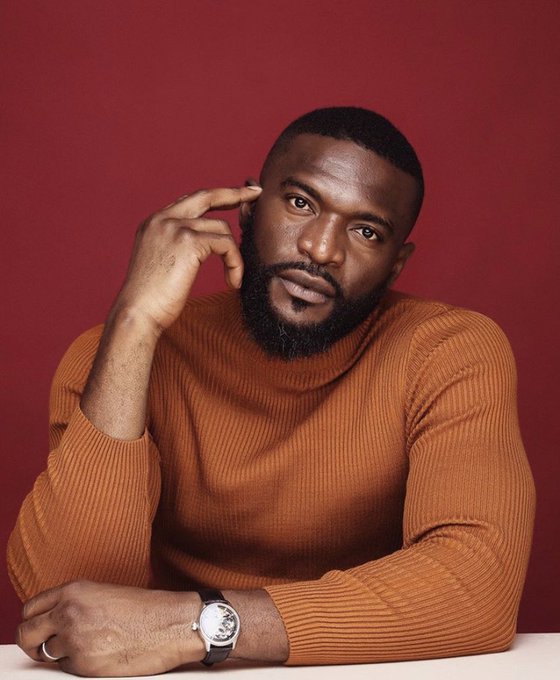
This photograph is the property of its respective owners. No copyright infringement intended

Kenneth Okolie, born February 21, 1984, in Nigeria, stands as one of Nollywood’s most polished and admired figures. A man of regal stature, broad shoulders, and a perfectly sculpted jawline, Okolie embodies the image of African royalty. His deep-brown complexion, calm confidence, and eloquence have made him one of the most desirable actors in the industry.

Before becoming a celebrated actor, Kenneth began his career as a model, winning Mr. Nigeria 2010, a title that catapulted him into fame and opened doors in film and television. His transition from modeling to acting came naturally, as his charm and on-screen poise quickly captivated audiences.

He gained recognition through roles in acclaimed films such as The Royal Hibiscus Hotel (2017), Desperate Housewives Africa, and Fifty the Series. His performances balance intensity and tenderness, often portraying characters who exude leadership and integrity.

Off-screen, Kenneth Okolie is admired for his humility and devotion to family. He married his longtime partner Jessica Nwakah in 2017, and together they represent a picture of grace and grounded success. His awards include Best Supporting Actor at the Nollywood Movies Awards and Best Actor in a Leading Role at the African Magic Viewers’ Choice Awards (AMVCA). Handsome, intelligent, and sophisticated, Kenneth Okolie is truly the modern African gentleman — a symbol of both royal elegance and divine masculinity.


Van Vicker: The Golden Charmer of Ghanaian Cinema
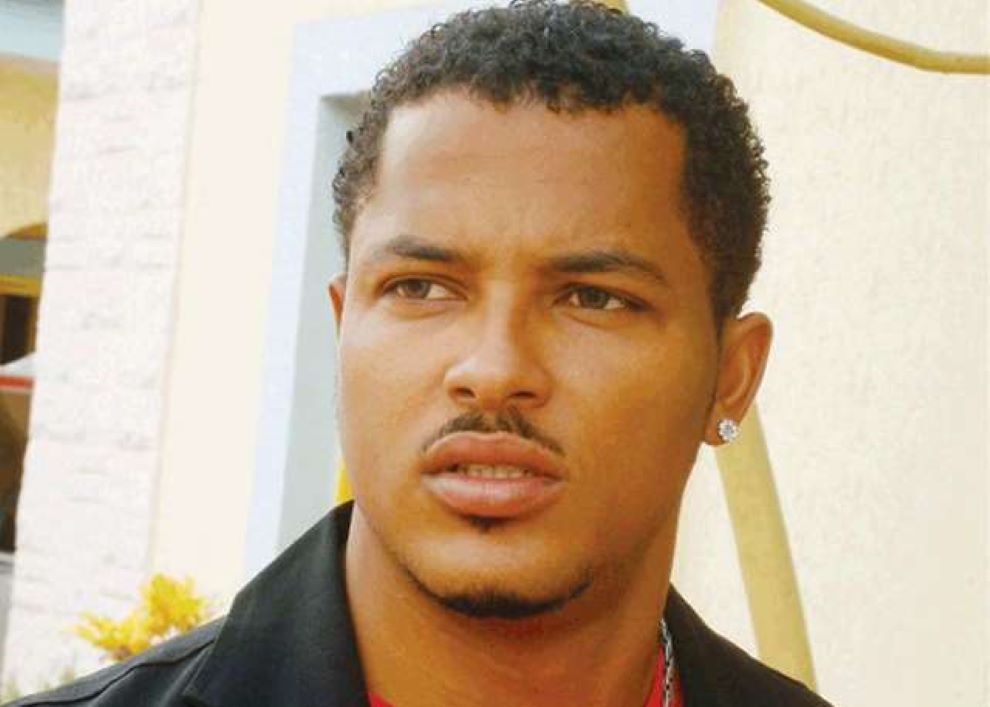
This photograph is the property of its respective owners. No copyright infringement intended

Joseph Van Vicker, born August 1, 1977, in Accra, Ghana, is one of the most recognizable and beloved faces in African entertainment. With his golden skin tone, captivating smile, and soft yet commanding eyes, Van Vicker exudes an effortless charm that has made him a fan favorite across the continent.

He began his career as a radio and television personality, working as a DJ and presenter before transitioning into acting. His rise to fame came with his breakout roles in Divine Love (2004) and Beyoncé: The President’s Daughter (2006), which showcased his romantic charisma and screen presence. Since then, he has starred in over 200 films, often portraying the handsome lover or noble hero.

Van Vicker’s talent has earned him numerous accolades, including the AAMA Best Actor Award and the Pan African Film Festival Award for Achievement. Beyond acting, he is a director, producer, and humanitarian, with a deep passion for empowering youth and supporting education in Ghana.

Married to his high school sweetheart, Adjoa Vicker, since 2003, Van Vicker embodies loyalty and family devotion — a rare quality in the entertainment world. His combination of charm, humility, and artistic excellence makes him one of the most admired men in African cinema. To many, he represents the “golden boy” of Ghana — radiant, talented, and timelessly handsome.


Ramsey Nouah: The Prince of Nollywood
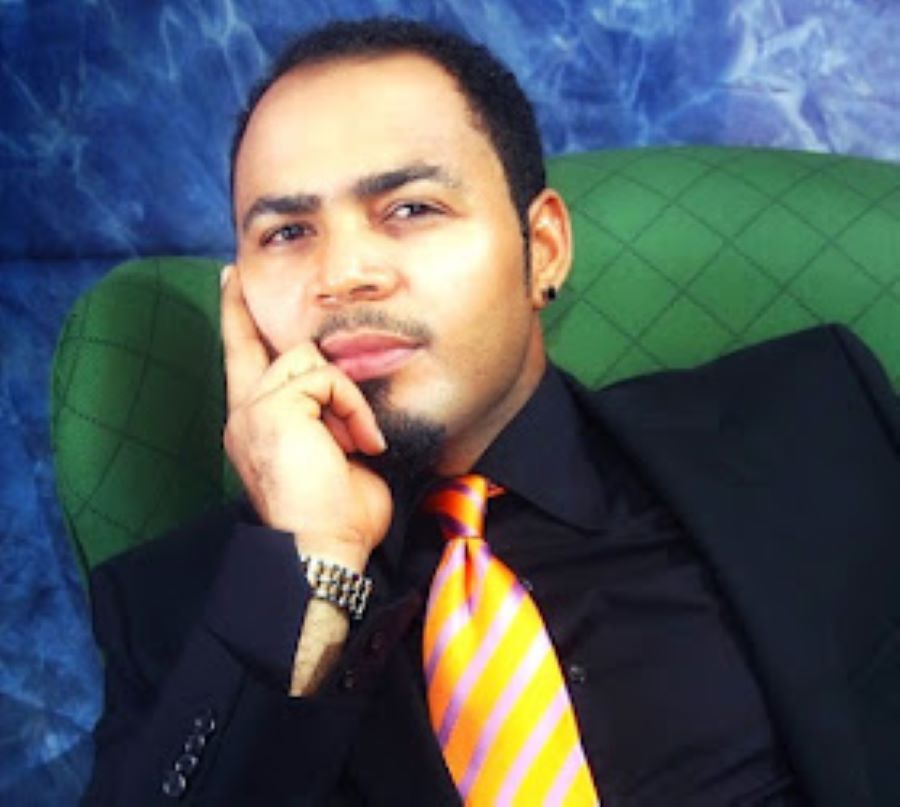
This photograph is the property of its respective owners. No copyright infringement intended

Ramsey Tokunbo Nouah Jr., born December 19, 1970, in Lagos, Nigeria, is the very definition of timeless beauty and cinematic mastery. With his smooth golden light caramel complexion, soulful eyes, and sophisticated demeanor, Ramsey Nouah has been affectionately called “Nollywood’s Lover Boy” — a title he has worn gracefully for over two decades.

His acting career began in the early 1990s with the television soap opera Fortunes, but it was his roles in romantic films such as Silent Night (1996), Dangerous Twins (2004), and Figurine (2009) that established him as one of the most talented and handsome actors in Africa.

Nouah has since evolved into a respected director and producer, making his directorial debut with the blockbuster Living in Bondage: Breaking Free (2019), which won multiple Africa Magic Viewers’ Choice Awards, including Best Overall Movie. His ability to seamlessly move between acting, directing, and producing shows his artistic brilliance and leadership in Nollywood.

Married to Emelia Phillips-Nouah, Ramsey is a devoted husband and father. His calm confidence, refined beauty, and professionalism have made him a mentor and role model to younger actors. His accolades include Best Actor in a Leading Role at the African Movie Academy Awards (AMAA) and multiple recognitions from the AMVCA. Ramsey Nouah is not just a handsome face — he is the embodiment of African cinematic evolution, blending legacy, artistry, and elegance.


Conclusion

Kenneth Okolie, Van Vicker, and Ramsey Nouah stand as three pillars of African masculinity — distinguished, disciplined, and devastatingly handsome. Each of them brings a unique light to the African film industry: Okolie with his regal grace, Vicker with his golden warmth, and Nouah with his timeless sophistication. Together, they redefine what it means to be both powerful and tender, proving that Black excellence radiates across borders and generations. Their artistry reminds the world that Africa not only births talent — it births kings.


References

  • Africa Magic Viewers’ Choice Awards. (2024). Award winners archive. MultiChoice Africa.
  • IMDb. (2024). Kenneth Okolie biography. https://www.imdb.com/name/nm5022442/
  • IMDb. (2024). Van Vicker biography. https://www.imdb.com/name/nm1951509/
  • IMDb. (2024). Ramsey Nouah biography. https://www.imdb.com/name/nm1528046/
  • Nollywood Movies Awards. (2023). Kenneth Okolie: Best Supporting Actor.
  • Pan African Film Festival. (2022). Lifetime Achievement Honorees.
  • Netflix. (2019). Living in Bondage: Breaking Free [Film]. Play Network Studios.
  • Ghanaian Times. (2023). Van Vicker: From actor to filmmaker and philanthropist.
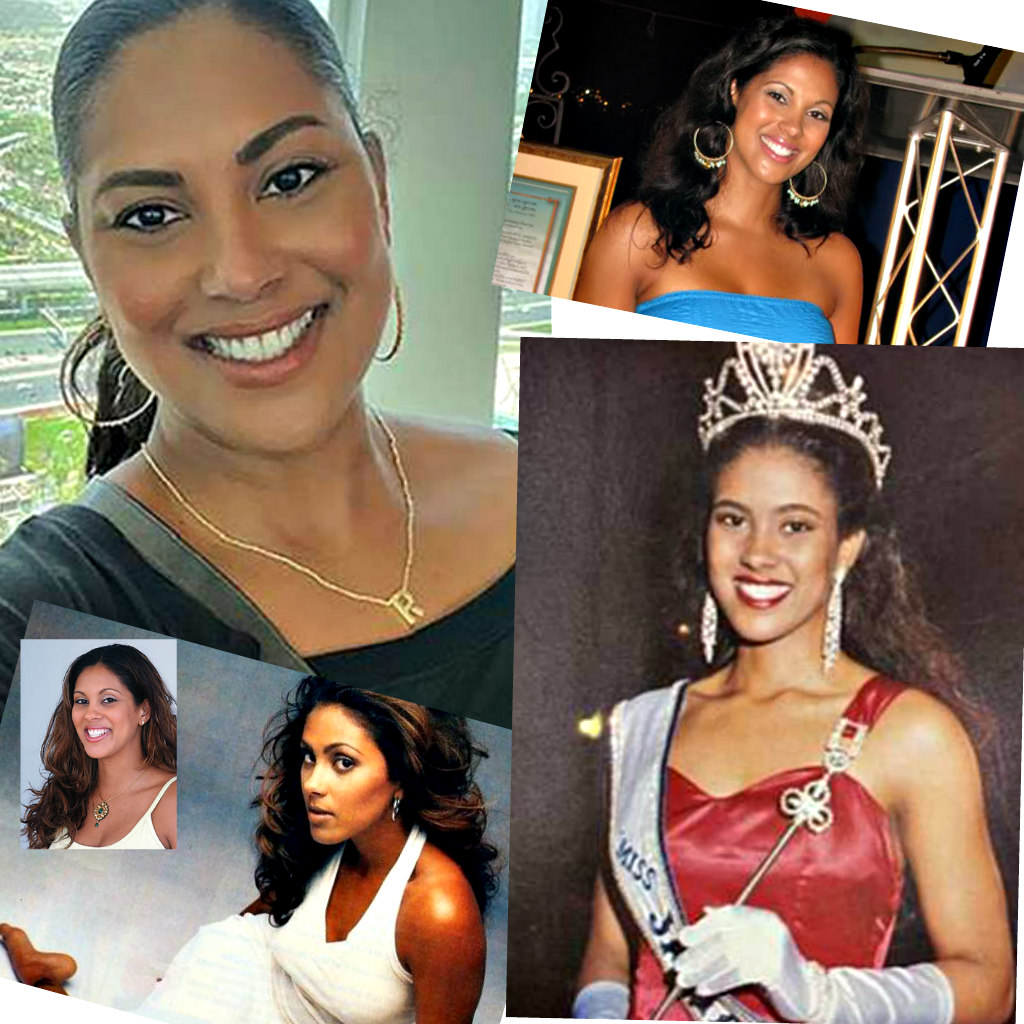
The Ebony Dolls: Rachel Stuart Baker

The Face of Island Stylee

These photographs are the property of their respective owners. No copyright infringement intended.

Born in the early 1970s, Rachel Stuart was born in Kingston, Jamaica. Rachel’s early life unfolded amidst vibrant island rhythms and a cross-cultural upbringing. She spent a portion of her childhood years in Canada before returning to Jamaica for her high school education, attending Stella Maris Preparatory School and Immaculate Conception High School. Jamaica Observer+1 Later, Mohawk College in Canada. As a young woman, she embraced both modelling and academic pursuits, eventually studying television broadcasting in Canada. Jamaica Observer

Rachel Stuart Baker stands as one of the most beloved television personalities of the 1990s, celebrated for her beauty, charisma, and cultural pride. Before she became the radiant face of BET, Rachel served in the Canadian Armed Forces—a little-known fact that highlights her strength, discipline, and patriotism. Her time in the military gave her a sense of order and confidence that later translated effortlessly onto television screens. It was this rare combination of elegance and resilience that made Rachel a standout figure in both media and life.

Her beauty and poise were recognized early on. In 1993, she claimed the title of Miss Jamaica Universe and represented her country at the 42nd Miss Universe pageant in Mexico. Jamaica Observer+1 Before that, she also won the Miss Caraïbes pageant, showcasing her regional prominence in Caribbean beauty competitions. Jamaica Observer+1

Transitioning from pageantry to media, Rachel brought her charm and credibility to the U.S. cable-television stage through BET (Black Entertainment Television). She became the host of Caribbean Rhythms, a pioneering program that spotlighted musicians and musical culture from across the Caribbean. Our Today+1 Her role on the show made her a cultural bridge—bringing Caribbean reggae, dance-hall, and soca artists into the American media consciousness.

Following her success on Caribbean Rhythms, Rachel also hosted BET’s Planet Groove, a show that leaned into music-video culture across R&B, soul, and urban genres. Our Today, these television roles leveraged both her polished on-screen presence and her deep connection to Caribbean heritage, making her a memorable personality in 1990s music television.

Rachel’s background as a Jamaican-Canadian model and actress further enriched her on-screen persona. She used her pageant experience, modelling background, and television training to navigate the entertainment industry with grace. Wikipedia+1 Her success underscored how beauty and brains can combine to create influence, especially as a woman of Caribbean descent on a major network.

Her impact on Caribbean music’s exposure to U.S. audiences cannot be understated. As one profile observed, via Caribbean Rhythms, she helped bring artists like Buju Banton and Beenie Man into greater visibility, contributing to the broader global recognition of Caribbean music. Our Today, this cultural-curation role positioned her as more than a host—she became an ambassador of Caribbean entertainment.

In the 1990s, Rachel became synonymous with Black Entertainment Television (BET), emerging as one of the network’s most iconic hosts. She first gained recognition as the host of Caribbean Rhythms, a vibrant program that spotlighted the beauty and beats of the Caribbean diaspora. With her smooth voice, radiant smile, and island flair, she brought reggae, soca, and dancehall into millions of American homes. Rachel wasn’t just a host—she was a cultural ambassador, connecting Caribbean talent to the world stage.

Her presence on Caribbean Rhythms made her the heartbeat of Caribbean representation in American television. Men across the United States and the Caribbean often called her their “#1 crush,” captivated by her exotic beauty, warm energy, and natural charm. She embodied the ideal of feminine confidence—never forced, never pretentious, but authentically radiant. Whether she was interviewing Shabba Ranks, Buju Banton, or Beenie Man, Rachel exuded joy and pride in showcasing the rhythms of her heritage.

As her popularity soared, Rachel expanded her reach within BET. She hosted Planet Groove, Live from LA, and appeared on BET Soundstage and Video Vibrations, each show adding to her dynamic portfolio. With every role, she left an indelible mark—her laughter, elegance, and Caribbean cadence became part of the network’s golden era. Fans tuned in not only for the music but for Rachel herself, whose magnetic personality brought warmth and authenticity to every broadcast.

Beyond her television career, Rachel’s background as a Jamaican-born, Canadian-raised woman gave her a unique cultural identity. Her journey from Kingston, Jamaica, to Canada, and then to American television reflected the vibrant intersection of cultures that shaped her worldview. She had already made history in 1993 as Miss Jamaica Universe, proudly representing her island on the global stage. Her military experience in Canada only deepened her resilience and discipline, traits that served her well in the competitive entertainment industry.

Rachel’s beauty was never merely external—it was a reflection of her confidence and spirit. With her caramel complexion, radiant smile, and captivating presence, she redefined what it meant to be a Caribbean woman in mainstream media. She embodied both sophistication and island fire, inspiring young women to embrace their cultural roots while pursuing global excellence.

Off-screen, Rachel found love and marriage with Paxton Baker, a respected and prominent executive at BET who served as President of BET Event Productions and other leadership roles within the network. Their union symbolized not only romance but also shared purpose, as both were instrumental in elevating Black entertainment and music television. Together, they have three children and have built a family rooted in faith, creativity, and service. The family has maintained a connection to Rachel’s Jamaican roots, as Rachel continues to visit Jamaica and participate in cultural engagements. Jamaica Observer+1 Rachel later chose to step away from the spotlight to focus on motherhood and community work, demonstrating that fulfillment goes beyond fame.

Even after leaving BET, her legacy endures. Fans from across the diaspora still recall her laughter, her energy, and her trailblazing presence that opened doors for future Caribbean hosts and artists. In interviews, Rachel has expressed gratitude for her years on BET, calling them some of the most exciting times of her life. Her voice and influence continue to echo across generations of Black entertainment and Caribbean pride.

Today, Rachel Stuart Baker remains a symbol of timeless beauty, poise, and authenticity. Her journey—from a disciplined Canadian soldier to a beloved Caribbean media star—is one of resilience, grace, and purpose. She proved that a woman could be beautiful, bold, and brilliant all at once, without compromising her values or cultural identity.

Rachel’s name evokes nostalgia for an era when BET was a cultural hub for music, pride, and Black excellence. She remains, to many, the unforgettable face of that time—the Caribbean queen who lit up screens and hearts alike, with a smile that still defines an entire generation of television magic.

In recent years, Rachel has shifted from high-profile television hosting to focus more on her family, charitable work, and cultural advocacy. According to interviews, she left BET to “grow my family” and has since been involved with theatre programs, food banks, orphanages, and school fundraising. Jamaica Observer Despite stepping back from daily television, her past work remains influential among Caribbean and urban media audiences.

Her legacy is one of beauty, substance, and cultural connectivity—a woman who moved from pageant queen to media host to family advocate, all while maintaining authenticity and pride in her heritage. Rachel Stuart Baker remains a symbol of how Caribbean-born talent has impacted mainstream U.S. entertainment, especially in amplifying the voices of Caribbean artists and culture.

References

  • “Rachel Stuart Baker: 30 years after Miss Jamaica Universe.” Jamaica Observer, March 12, 2023. Jamaica Observer
  • “Whatever happened to Rachel? … former Caribbean Rhythms host enjoying family life.” Our.Today, October 15, 2025. Our Today
  • “Rachel Stuart – Wikipedia.” Wikipedia
  • “Catchin’ Up With BET Alumnus Rachel Stuart-Baker of ‘Caribbean Rhythms’.” WHUR, date unspecified. whur.com
  • BET Archives: Caribbean Rhythms, Planet Groove, Live from LA, BET Soundstage (1993–2000).

The GOAT … The LEGEND … The MAN …

With six championships, five MVPs, and a flawless Finals record, Michael Jordan isn’t just the GOAT—he’s the standard by which greatness is measured, also beyond the game. Michael Jordan, Air Jordan, and the Making of a Cultural Empire.

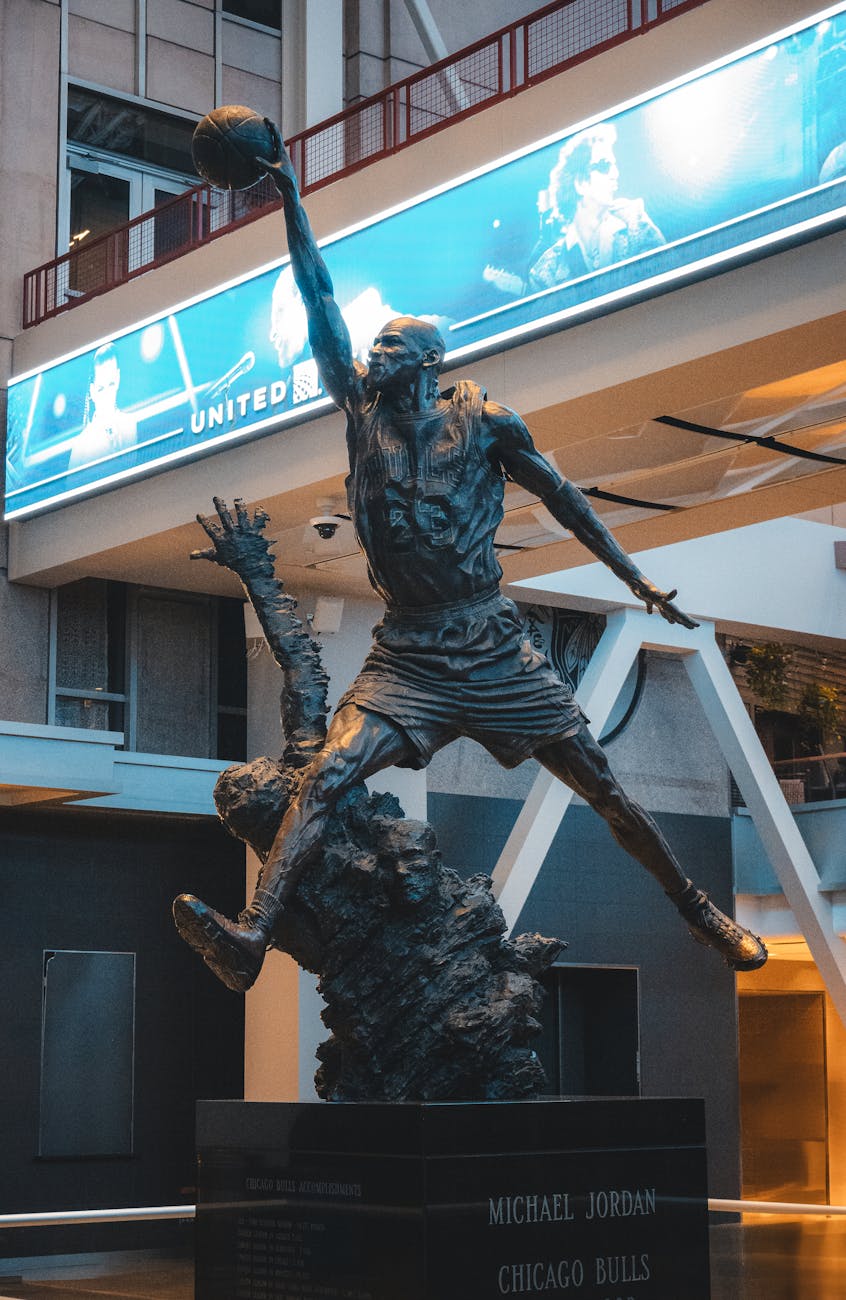
Photo by Willian Justen de Vasconcellos on Pexels.com

In the pantheon of global sports figures, Michael Jordan’s name occupies an almost mythic place. He is more than a retired professional basketball player; he is a brand, an icon, and a case study in the fusion of athleticism, entrepreneurship, and cultural influence. The Air Jordan brand—launched through his collaboration with Nike—did not merely change sportswear; it redefined the relationship between athletes and corporate branding. This report examines Michael Jordan’s biography, his partnership with Nike, his business ventures, controversies, and enduring influence, drawing on historical, economic, and sociocultural contexts.


Early Life and Career

Michael Jeffrey Jordan was born on February 17, 1963, in Brooklyn, New York, and raised in Wilmington, North Carolina. The fourth of five children to James and Deloris Jordan, he developed an early love for sports. After being famously cut from his high school varsity team as a sophomore, Jordan’s relentless work ethic propelled him to basketball stardom at the University of North Carolina at Chapel Hill, where he hit the game-winning shot in the 1982 NCAA Championship (Lazenby, 2014).

Jordan entered the NBA in 1984, drafted third overall by the Chicago Bulls. His explosive athleticism, combined with an unmatched competitive drive, quickly transformed him into one of the league’s most marketable stars.


The Nike Partnership and Birth of Air Jordan

In 1984, Nike—a company then struggling to regain its market share—offered Jordan a five-year endorsement deal worth $2.5 million, an unprecedented sum for an NBA rookie (Katz, 2013). At the time, Adidas and Converse dominated basketball shoes, but Nike took a risk on a player who had yet to play an NBA game.

The original Air Jordan I, designed by Peter Moore, debuted in 1985 and was banned by the NBA for violating uniform color rules. Nike capitalized on the controversy, marketing the sneakers with the tagline, “On October 15, Nike created a revolutionary new basketball shoe. On October 18, the NBA threw them out of the game. Fortunately, the NBA can’t stop you from wearing them.” The ban fueled demand, and sales skyrocketed to over $126 million in the first year (Nike Archives, 2020).


The Cultural Impact of Air Jordan

The Air Jordan brand transformed sneaker culture from simple athletic gear into a status symbol. Jordan’s on-court dominance—winning six NBA championships, five MVP awards, and ten scoring titles—was mirrored by his off-court marketing mastery. Nike commercials, including the iconic “It’s Gotta Be the Shoes” campaign with Spike Lee as “Mars Blackmon,” merged basketball with hip-hop culture, fashion, and urban identity.

By 2023, the Air Jordan line generated over $5 billion in annual revenue for Nike (Forbes, 2023). The brand’s limited-edition releases and retro models became a global phenomenon, inspiring sneaker resale markets and collector subcultures.


Business Ventures and Billionaire Status

Jordan’s financial empire extends beyond Nike. He owns the Charlotte Hornets NBA franchise (recently selling majority control while retaining a minority stake), has investments in restaurants, car dealerships, and tequila brands (Cincoro Tequila), and holds equity in DraftKings. According to Forbes (2023), his net worth surpassed $3 billion, making him one of the wealthiest former athletes in history.


Personal Life and Tragedy

Jordan married Juanita Vanoy in 1989, with whom he had three children—Jeffrey, Marcus, and Jasmine. The couple divorced in 2006. In 2013, he married Yvette Prieto, and they have twin daughters.
A pivotal tragedy occurred in 1993 when his father, James Jordan Sr., was murdered during a robbery in North Carolina. The incident profoundly impacted Jordan, leading to his first retirement from basketball.


Controversies and Criticism

Although celebrated as the greatest of all time (“GOAT”) by many, Jordan has faced criticism. Some in the Black community argue that he has not been as vocal on social justice issues as other athletes, famously summarized in his alleged quip, “Republicans buy sneakers too”—a statement he later clarified as a joke (Smith, 2020). Others point to incidents involving gambling and reports of a demanding, sometimes abrasive personality with teammates.


Basketball Legacy and Statistics

Jordan’s career statistics are staggering:

  • Points per game: 30.1 (highest in NBA history)
  • NBA titles: 6 (1991–1993, 1996–1998)
  • MVP Awards: 5
  • All-Star Selections: 14
  • Olympic Gold Medals: 2 (1984, 1992 Dream Team)

His silhouette, captured in the “Jumpman” logo, is now one of the most recognizable symbols in global marketing.


Memorialization and Statues

The Michael Jordan Statue, “The Spirit,” stands outside the United Center in Chicago, unveiled in 1994. It immortalizes his soaring dunk, symbolizing excellence, flight, and determination.


Marketing Slogan: “Be Like Mike”

In 1991, Gatorade launched the “Be Like Mike” campaign, cementing Jordan as a model of aspiration for millions of young fans. The commercials showcased him as approachable yet extraordinary—a balance that fueled his lasting appeal.


Conclusion

Michael Jordan’s journey from a determined teenager in North Carolina to a global icon encapsulates the synergy between sports excellence, branding mastery, and cultural influence. The Air Jordan brand is not merely a commercial product—it is a socio-cultural artifact, representing ambition, identity, and global capitalism. Jordan’s legacy is multifaceted: a legendary athlete, a savvy businessman, a cultural influencer, and a symbol of aspiration, particularly for Black entrepreneurs navigating both the challenges and opportunities of American capitalism.


References

  • Forbes. (2023). Michael Jordan Net Worth. Retrieved from https://www.forbes.com
  • Katz, D. (2013). When Michael Met Nike: The Birth of Air Jordan. Sports Illustrated.
  • Lazenby, R. (2014). Michael Jordan: The Life. Little, Brown and Company.
  • Nike Archives. (2020). The History of Air Jordan. Nike, Inc.
  • Smith, S. (2020). Michael Jordan and Social Responsibility: Context and Controversy. Journal of Sports and Society, 12(3), 45-57.