

Tag Archives: Spokesmodel

How to Become a Brand Ambassador. #socialmedia #brandambassador

A brand ambassador is a person who represents a company’s products or services, promoting them in a positive light to increase awareness, sales, and loyalty. Becoming a brand ambassador requires strategic planning, consistent personal branding, and professional networking. Understanding the requirements of brands, knowing how to approach them, and maintaining credibility are essential for success.

The first step is to define your niche. Brands often look for ambassadors whose lifestyle, interests, or expertise align with their product. For example, a fitness brand seeks athletes or fitness influencers, while a luxury fashion label may target individuals with a glamorous aesthetic. Clearly defining your niche ensures that you are seen as a credible and authentic representative.

List of Top Brands to Work With as a Brand Ambassador

Luxury Fashion & Accessories:

  • Hermès
  • Gucci
  • Louis Vuitton
  • Prada
  • Chanel

Beauty & Skincare:

  • Fenty Beauty (Rihanna)
  • Sephora
  • MAC Cosmetics
  • Estée Lauder
  • L’Oréal

Sports & Activewear:

  • Nike
  • Adidas
  • Under Armour
  • Puma
  • Reebok

Tech & Electronics:

  • Apple
  • Samsung
  • Microsoft
  • Google
  • Sony

Lifestyle & Food:

  • Starbucks
  • Red Bull
  • Coca-Cola
  • Amazon (various programs)
  • Airbnb

Automotive & Luxury Vehicles:

  • Mercedes-Benz
  • BMW
  • Tesla
  • Porsche
  • Lexus

Emerging & Digital Brands:

  • Canva
  • Glossier
  • Peloton
  • TikTok (creator programs)
  • Shopify

Building a personal brand is crucial. A strong, consistent presence on social media platforms, blogs, or professional portfolios communicates professionalism and influence. Maintaining high-quality content, authentic engagement, and a coherent aesthetic attracts the attention of brands. According to Forbes (2021), “A personal brand that is consistent and authentic increases visibility and credibility with potential partners.”

Engagement is more important than follower count. Brands prioritize individuals who foster genuine interaction with their audience, as active engagement often leads to higher conversion rates. Metrics such as likes, comments, shares, and click-through rates can be presented when approaching brands, demonstrating value beyond raw numbers.

To get noticed, networking is essential. Attend industry events, workshops, or online forums where brand representatives or marketing professionals are present. Building relationships through professional interactions increases the likelihood of being considered for ambassador roles. LinkedIn and industry-specific platforms are particularly effective for connecting with brand managers.

When approaching a brand, research thoroughly. Understand the company’s products, target audience, mission, and values. Tailoring your proposal to align with their goals demonstrates preparation and professionalism. Brands are more likely to respond positively to ambassadors who understand their market positioning.

Crafting a proposal or pitch is the next step. Highlight your influence, engagement metrics, personal alignment with the brand, and creative ideas for promoting their products. Be concise, professional, and visually appealing. Providing examples of past collaborations or campaign success stories adds credibility.

Contracting with a brand requires careful consideration. Most brand ambassador programs outline responsibilities, compensation, exclusivity clauses, and duration. Ensure you review contracts thoroughly or seek professional advice to avoid unfavorable terms. Legal clarity protects your interests and maintains a professional relationship.

Negotiating compensation is part of the process. Some brands offer free products, while others provide monetary payment, affiliate commissions, or event fees. Understand your value, and be prepared to present a clear case for why your influence merits fair compensation.

Content creation is a core responsibility. Ambassadors must produce high-quality visuals, videos, or posts that showcase the product authentically. Creativity, consistency, and alignment with brand guidelines are critical. Failure to maintain quality can jeopardize the partnership.

Authenticity is essential for long-term success. Audiences are adept at detecting insincerity. Only endorse products you genuinely believe in or use. Brands prefer ambassadors who naturally fit their image rather than those solely motivated by profit.

Some of the best brands to endorse include global lifestyle companies like Nike, Adidas, Hermès, Gucci, Sephora, Apple, and luxury automotive brands, depending on your niche and audience demographics. Selecting brands strategically ensures your promotions resonate with your followers.

Understanding platform-specific strategies increases effectiveness. Instagram, TikTok, and YouTube favor visually compelling content, while LinkedIn and blogs are suited for professional endorsements. Tailor your approach to each platform to maximize engagement.

Consistency in posting and maintaining engagement is vital. Regular updates, authentic storytelling, and timely responses to comments enhance credibility. Brands often monitor consistency before renewing or expanding ambassador agreements.

Tracking results demonstrates your impact. Keep analytics of engagement, conversions, website clicks, or affiliate sales. Presenting data-driven evidence strengthens your reputation as a reliable partner for future campaigns.

Collaboration with other influencers or ambassadors can expand reach. Co-promotions and shared campaigns increase visibility and reinforce authority in your niche. Networking within the ambassador community often opens doors to more prestigious partnerships.

Professionalism extends beyond social media. Timely communication, adherence to deadlines, and respectful negotiation contribute to long-term relationships with brands. Your reputation as reliable and professional is as valuable as your audience size.

Continuous learning is key. Study marketing trends, social media algorithms, and audience behavior. Staying informed helps adapt strategies, ensuring you remain attractive to brands and competitive in the industry.

Brand ambassadors must also understand ethical considerations. Transparency with audiences, including disclosure of sponsorships or affiliate partnerships, builds trust and complies with legal regulations like FTC guidelines.

Finally, patience and persistence are essential. Success rarely happens overnight. Consistent effort, relationship-building, and strategic self-promotion gradually establish you as a sought-after brand ambassador.

By combining a strong personal brand, niche expertise, authentic engagement, and professionalism, anyone can position themselves for ambassador roles. Understanding contracts, selecting brands strategically, and tracking impact ensures not only initial opportunities but long-term growth in the industry.

References

Forbes. (2021). How to build your personal brand as an influencer. Forbes. https://www.forbes.com/sites/forbesagencycouncil/2021/03/08/how-to-build-your-personal-brand-as-an-influencer/

Business Insider. (2022). What is a brand ambassador and how to become one. Business Insider. https://www.businessinsider.com/brand-ambassador

Influencer Marketing Hub. (2023). Brand ambassador programs: How to get noticed and get hired. Influencer Marketing Hub. https://influencermarketinghub.com/brand-ambassador-programs/

Entrepreneur. (2022). 10 tips to become a successful brand ambassador. Entrepreneur. https://www.entrepreneur.com/article/brand-ambassador-tips

Federal Trade Commission (FTC). (2021). Disclosures 101 for social media influencers. https://www.ftc.gov/tips-advice/business-center/guidance/disclosures-101-social-media-influencers

HubSpot. (2022). The ultimate guide to influencer marketing and brand ambassadorship. HubSpot. https://blog.hubspot.com/marketing/influencer-marketing

Social Media Examiner. (2023). How to become a brand ambassador in 2023. Social Media Examiner. https://www.socialmediaexaminer.com/how-to-become-a-brand-ambassador/
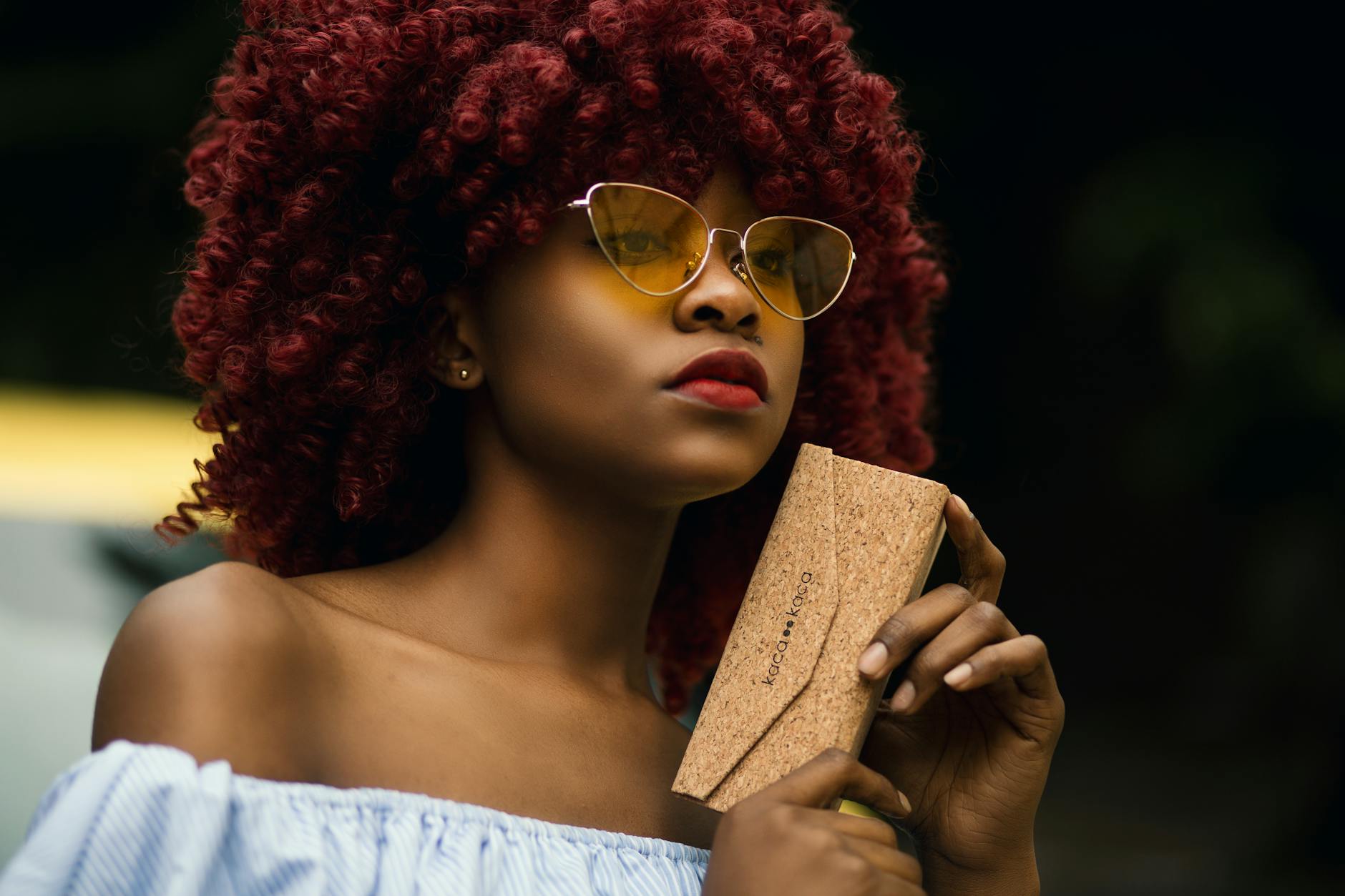
    How to Become a Brand Ambassador?

    Photo by Godisable Jacob on Pexels.com

    In today’s digital marketplace, brand ambassadors have become essential in shaping consumer perceptions and driving brand loyalty. A brand ambassador is an individual who represents, endorses, and promotes a company’s products or services, often leveraging personal influence to increase visibility and trust (Keller, 2013). With the rise of social media, ambassadors have become a central marketing strategy, bridging the gap between businesses and consumers through authentic representation.

    Understanding the Role of a Brand Ambassador

    A brand ambassador is more than a spokesperson—they embody the values, image, and culture of a brand. Ambassadors often create content, attend events, and interact with communities to increase brand awareness and credibility (Freberg, Graham, McGaughey, & Freberg, 2011). Unlike traditional advertising, ambassadors provide relatable and humanized promotion, which enhances consumer trust.

    Step-by-Step Guide: How to Become a Brand Ambassador

    1. Define Your Personal Brand

    • Identify your niche (fashion, fitness, beauty, tech, lifestyle, etc.).
    • Highlight your unique values, personality, and style.
    • Keep your message consistent across all platforms.

    📌 Tip: Ask yourself—what do I want to be known for?


    2. Build and Strengthen Your Online Presence

    • Choose 1–2 main platforms (Instagram, TikTok, YouTube, LinkedIn).
    • Post high-quality content consistently (photos, videos, reels, blogs).
    • Engage with your audience—reply to comments, start conversations, run polls.

    📌 Tip: Engagement rate matters more than follower count.


    3. Create Authentic Content

    • Share lifestyle posts that naturally include your favorite brands.
    • Tell stories instead of just advertising—authenticity builds trust.
    • Showcase your creativity (unboxings, tutorials, “day in the life,” reviews).

    📌 Tip: Brands notice when you already support them without being paid.


    4. Grow Your Network

    • Tag brands in your posts.
    • Use hashtags strategically.
    • Collaborate with other influencers or ambassadors.
    • Attend local events, trade shows, and networking opportunities.

    📌 Tip: Relationships matter—brands scout through social engagement.


    5. Reach Out to Brands

    • Create a professional media kit (bio, audience demographics, engagement stats, sample posts).
    • Send polite pitches to brands you love.
    • Sign up for influencer/ambassador platforms like AspireIQ, BrandSnob, or Influenster.

    📌 Tip: Start with smaller or local brands before approaching global ones.


    6. Be Professional and Reliable

    • Meet deadlines for sponsored posts.
    • Follow brand guidelines (logos, hashtags, tag requirements).
    • Stay respectful and ethical online—brands look for positive reputations.

    📌 Tip: Treat this like a job, not just free products.


    7. Measure and Show Results

    • Track engagement (likes, shares, saves, comments, link clicks).
    • Share insights with brands to prove your value.
    • Use analytics tools (Instagram Insights, TikTok Analytics, Google Analytics).

    📌 Tip: Brands are more likely to rehire ambassadors who show measurable results.


    8. Stay Authentic and Evolve

    • Never promote products you don’t believe in—audiences can sense inauthenticity.
    • Keep learning new marketing trends.
    • Grow with your audience and diversify your content.

    📌 Tip: Authentic ambassadors get the longest partnerships.


    Quick Checklist:

    • Personal brand defined
    • Social media optimized
    • Consistent, authentic content
    • Active networking and collaborations
    • Professional media kit created
    • Pitches sent to brands
    • Track results and improve
    • Long-term authenticity maintained

    Building a Strong Personal Brand

    The first step toward becoming a brand ambassador is cultivating a strong personal brand. Personal branding involves crafting a consistent and authentic identity that highlights one’s unique strengths, style, and values (Montoya & Vandehey, 2002). Individuals must showcase professionalism, creativity, and relatability across their platforms, as companies often seek ambassadors whose personal image aligns with their brand’s mission.

    Developing an Online Presence

    A strong online presence is crucial. Social media platforms such as Instagram, TikTok, and YouTube serve as vital spaces for showcasing content, growing an audience, and demonstrating influence (Djafarova & Trofimenko, 2019). Engagement is more valuable than sheer follower count, as brands look for ambassadors who can foster genuine connections with audiences. Consistency in posting, storytelling, and interaction helps build credibility and visibility.

    Networking and Brand Partnerships

    Networking plays a critical role in becoming a brand ambassador. Attending industry events, engaging with companies online, and collaborating with other influencers can open doors to partnerships. Many brands scout potential ambassadors by monitoring individuals who already support and promote their products authentically (Schau & Gilly, 2003). Thus, aspiring ambassadors should organically incorporate their favorite brands into content before seeking official partnerships.

    Brand Ambassador vs. Spokesmodel

    1. Definition & Role

    • Brand Ambassador
      • A long-term representative who embodies the brand’s values and lifestyle.
      • Promotes the brand across multiple platforms (social media, events, personal networks).
      • Focuses on building relationships and creating authentic engagement.
    • Spokesmodel
      • A hired face or personality used in advertisements, campaigns, or promotional events.
      • Represents the brand in a professional, sometimes short-term contract.
      • Focuses on appearance, presentation, and scripted brand messaging.

    2. Relationship with the Brand

    • Brand Ambassador → Often has an ongoing partnership. They become part of the brand identity and may use the product in daily life.
    • Spokesmodel → Usually hired for specific campaigns, commercials, or events. The relationship is transactional and tied to image/appearance.

    3. Marketing Approach

    • Brand Ambassador → Relies on authenticity, word-of-mouth marketing, and personal influence. Often leverages social media to connect with followers.
    • Spokesmodel → Relies on visual appeal, professionalism, and advertising campaigns (TV, print, digital).

    4. Skills & Requirements

    • Brand Ambassador
      • Strong social media presence.
      • Relatable personality and communication skills.
      • Ability to engage communities and foster trust.
    • Spokesmodel
      • Photogenic and camera-ready presence.
      • Modeling or public speaking skills.
      • Ability to represent the brand’s desired look and voice.

    5. Example

    • Brand Ambassador → Serena Williams partnering with Nike not only to model apparel but to embody strength, resilience, and excellence in women’s sports.
    • Spokesmodel → Tyra Banks modeling for CoverGirl ads—serving as the face of a beauty campaign without ongoing lifestyle integration.

    In short:

    • A brand ambassador promotes a brand authentically and long-term, often through lifestyle and social media influence.
    • A spokesmodel is a professional “face” of the brand for ads or campaigns, usually short-term and more image-focused.

    Professionalism and Longevity

    Sustaining a career as a brand ambassador requires professionalism, reliability, and adaptability. Ambassadors must meet deadlines, maintain ethical standards, and continuously evolve with trends in digital marketing (Khamis, Ang, & Welling, 2017). Those who maintain authenticity while delivering measurable impact often establish long-term relationships with companies, enhancing both personal and brand credibility.

    Conclusion

    Becoming a brand ambassador is a journey that requires authenticity, consistency, and professionalism. By building a strong personal brand, developing a digital presence, and fostering genuine relationships with both audiences and companies, individuals can position themselves as valuable assets in today’s marketing landscape. As businesses increasingly rely on personal influence over traditional advertising, opportunities for aspiring ambassadors continue to expand.


    References

    • Djafarova, E., & Trofimenko, O. (2019). ‘Instafamous’–credibility and self-presentation of micro-celebrities on social media. Information, Communication & Society, 22(10), 1432-1446.
    • Freberg, K., Graham, K., McGaughey, K., & Freberg, L. A. (2011). Who are the social media influencers? A study of public perceptions of personality. Public Relations Review, 37(1), 90-92.
    • Keller, K. L. (2013). Strategic Brand Management: Building, Measuring, and Managing Brand Equity. Pearson.
    • Khamis, S., Ang, L., & Welling, R. (2017). Self-branding, ‘micro-celebrity’ and the rise of Social Media Influencers. Celebrity Studies, 8(2), 191-208.
    • Montoya, P., & Vandehey, T. (2002). The Brand Called You: Make Your Business Stand Out in a Crowded Marketplace. McGraw Hill.
    • Schau, H. J., & Gilly, M. C. (2003). We are what we post? Self‐presentation in personal web space. Journal of Consumer Research, 30(3), 385-404.