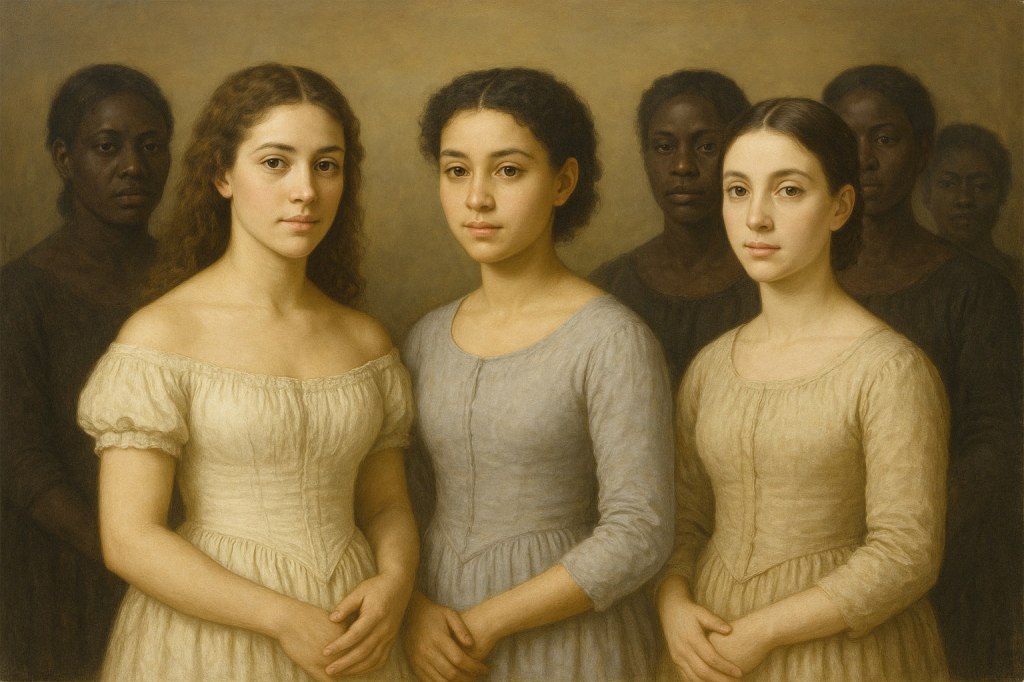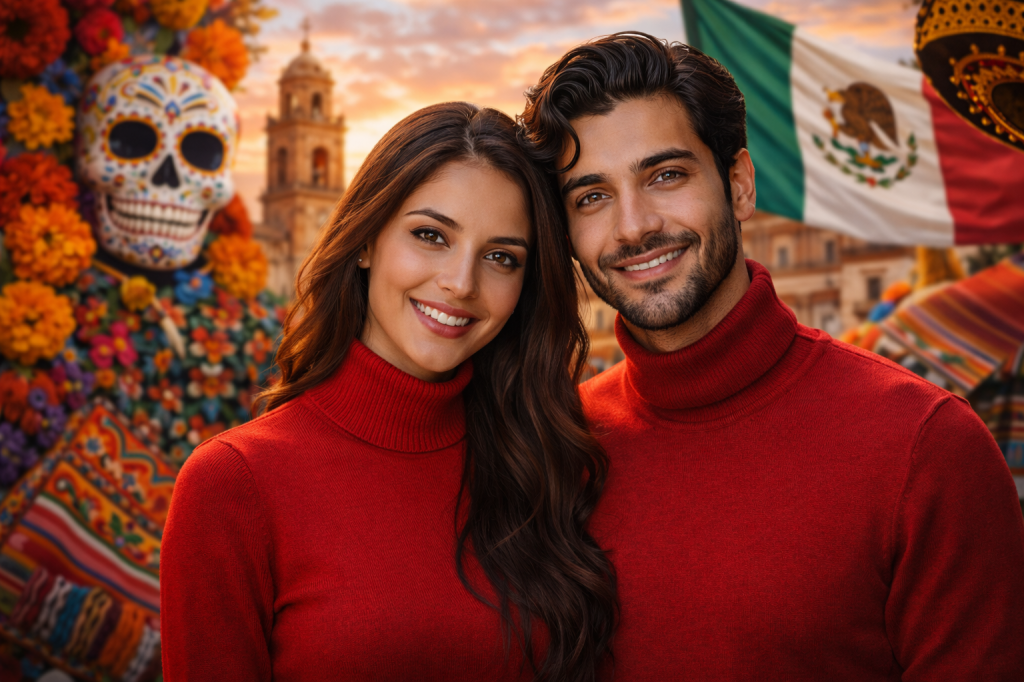
Tag Archives: spanish

Covenant Echoes in the Latin World

The Latin world represents one of the most complex intersections of empire, faith, language, and covenant memory in global history. Stretching from the Iberian Peninsula to the Americas, Latin identity emerged from Roman foundations, Catholic expansion, Indigenous civilizations, African diaspora currents, and layered migrations. To understand covenant echoes in this world is to examine how sacred narratives are intertwined with conquest, colonization, and cultural survival.

The term “Latin” derives from Latium, the region surrounding ancient Rome. The expansion of the Roman Empire institutionalized the Latin language, law, and governance across Europe. After Rome’s Christianization under Constantine the Great, Christianity fused with imperial administration, creating a theological-political framework that would later shape Iberian expansion.

Spain and Portugal, inheritors of Roman Catholic identity, carried this fusion into the Age of Exploration. Under monarchs such as Isabella I of Castile and Ferdinand II of Aragon, Spain unified religiously and politically. The 1492 expulsion of Jews and Muslims from Spain marked a turning point, intertwining covenant theology with national consolidation.

The same year witnessed the voyage of Christopher Columbus, which initiated sustained European contact with the Americas. Spanish and Portuguese explorers justified expansion through missionary zeal, often framing colonization as a divine mandate. Biblical imagery of covenant and chosen mission shaped rhetoric, though practice frequently contradicted Christian ethics.

Indigenous civilizations such as the Aztec, Maya, and Inca possessed complex spiritual systems prior to European arrival. Conquest imposed Catholic structures upon these societies, yet syncretism emerged. Indigenous cosmologies blended with biblical motifs, producing unique Latin Christian expressions that endure in festivals, iconography, and communal rituals.

African covenantal memory entered the Latin world through the transatlantic slave trade. Millions of Africans were forcibly transported to Brazil, the Caribbean, and Spanish America. They carried with them spiritual traditions that merged with Catholic symbolism, giving rise to syncretic faith expressions such as Candomblé and Santería.

Theological scholarship in colonial Latin America wrestled with moral questions about Indigenous humanity. Figures like Bartolomé de las Casas argued for Indigenous rights, challenging the brutality of encomienda systems. His advocacy demonstrates early covenantal debates about justice and dignity.

The Bible itself became a contested text in the Latin world. For centuries, Catholic authority restricted vernacular translations. With Protestant missions in the nineteenth century, Spanish and Portuguese Bibles became more widely accessible, reshaping lay engagement with scripture.

Liberation theology in the twentieth century reinterpreted covenant through the lens of the oppressed. Thinkers such as Gustavo Gutiérrez framed the Exodus narrative as paradigmatic for Latin American struggles against poverty and dictatorship. Covenant became a language of social justice rather than imperial mandate.

Migration reshaped covenant echoes once more. Latin Americans migrated northward in the twentieth and twenty-first centuries, carrying Marian devotion, Pentecostal fervor, and communal Catholic traditions into the United States. Spanish-language congregations transformed urban religious landscapes.

The concept of covenant also intersects with Sephardic Jewish memory in the Iberian diaspora. Following expulsion, conversos and crypto-Jews carried fragments of Hebrew tradition into the Americas. Recent genealogical research has revived awareness of these hidden lineages in regions of Mexico and the American Southwest.

Brazil, the largest Portuguese-speaking nation, embodies covenant complexity. Its colonial society intertwined Catholic orthodoxy, African resilience, and Indigenous survival. Afro-Brazilian religious traditions illustrate how covenant identity adapts under coercion yet persists symbolically.

Political upheavals in Latin America often invoked biblical language. Revolutionary leaders employed Exodus imagery, while authoritarian regimes sometimes claimed divine sanction. Covenant rhetoric thus oscillated between liberation and control.

Language itself carries covenant echoes. Spanish and Portuguese, Romance languages rooted in Latin, preserve ecclesiastical vocabulary shaped by centuries of theological discourse. Words like alianza (covenant) reflect deep scriptural inheritance.

The relationship between the Latin world and the United States adds another layer. Economic interdependence, migration policy, and cultural exchange create ongoing dialogue. Religious networks span borders, forming transnational faith communities.

Modern Latin America faces challenges of inequality, political instability, and violence. Yet churches often function as social anchors, providing education, healthcare, and communal solidarity. Covenant in this context signifies resilience amid systemic strain.

Pentecostal growth across Latin America represents one of the most significant religious shifts of the last century. Emphasis on personal covenant with God, spiritual gifts, and communal worship reshapes Catholic-majority landscapes.

Indigenous movements increasingly reclaim precolonial spiritual identities while engaging Christian frameworks. This dual negotiation reflects a broader pattern: covenant memory in the Latin world is neither static nor singular but layered and adaptive.

Diaspora communities in North America reinterpret Latin covenant identity within multicultural contexts. Faith becomes a bridge between heritage and assimilation, preserving language and communal bonds.

Ultimately, covenant echoes in the Latin world reveal a history marked by conquest and compassion, oppression and advocacy, syncretism and reform. From Iberian monarchies to liberation theologians, from Sephardic memory to Afro-Latin spirituality, the Latin world demonstrates how sacred narratives travel, fracture, and reform across continents. Covenant here is not merely theological—it is historical, cultural, and profoundly human.


References

Brading, D. A. (1991). The First America: The Spanish Monarchy, Creole Patriots, and the Liberal State. Cambridge University Press.

Gutiérrez, G. (1973). A Theology of Liberation. Orbis Books.

Las Casas, B. de. (1992). A Short Account of the Destruction of the Indies. Penguin Classics.

Noll, M. A. (2012). The New Shape of World Christianity. IVP Academic.

Pew Research Center. (2023). Religion in Latin America.
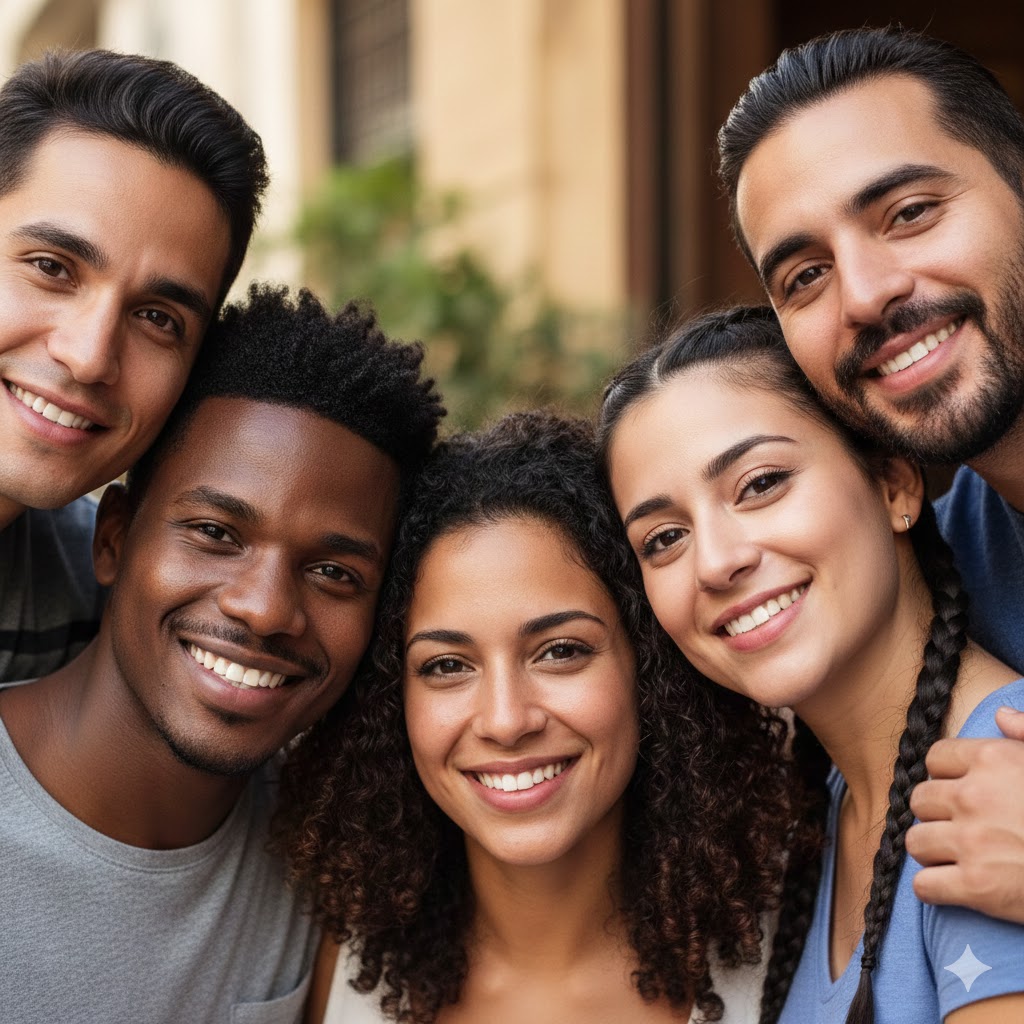
Latin Lineages: Spanish/Latin/Hispanic

Here’s the breakdown:

TermMeaning
SpanishSomeone from Spain (the country) — nationality/ethnicity tied to the Iberian Peninsula.
Spanish-speaking / Hispan(o/a/ic)People from countries that speak Spanish because of Spanish colonization. This includes Mexico and Puerto Rico, so in this sense they are part of the Hispanic (Spanish-speaking) world, but not Spanish by nationality.
Latino/LatinaA person from Latin America or the Caribbean, regardless of the language. Mexicans and Puerto Ricans are Latino/a.
Race/EthnicityMexican and Puerto Rican people can be Indigenous, European, African, mixed (mestizo/mulatto/triracial), etc., depending on family ancestry. This is separate from being “Spanish.”

So:

  • A Mexican person is not Spanish, unless their family is literally from Spain.
  • A Puerto Rican person is not Spanish by nationality, but is Hispanic because Puerto Rico is a Spanish-speaking Caribbean island.
  • Both Mexico and Puerto Rico are part of the Spanish-speaking/Hispanic world, but their people are Mexican or Puerto Rican, not Spanish, unless their ancestry traces directly to Spain.

Why the confusion?

Because:

  • They speak Spanish
  • Their countries were colonized by Spain
  • Hispanic culture carries Spanish influence

That sometimes leads to the umbrella assumption that “Spanish = anyone who speaks Spanish,” but formally, Spanish refers only to Spain.

Final clarity:

✅ Mexicans & Puerto Ricans are Hispanic (Spanish-speaking)
✅ They are Latino/a
❌ They are not Spanish, unless their lineage is from Spain itself

Let me know if you want this explained next through ancestry, genetics, or cultural identity too!

Latin beauty is an aesthetic concept shaped by the histories, peoples, and cultures of Latin America, the Caribbean, and the Iberian-influenced Spanish-speaking world. It is not one single look or race, but a constellation of shared beauty markers, cultural values, and presentation styles that come from regions where Indigenous, European (especially Spanish/Portuguese), African, and later Middle Eastern and Asian influences blended over centuries.


Core elements of Latin beauty

1. Diversity within unity

Latin beauty thrives on mixture—mestizaje (racial and cultural blending).
A Latin woman may have:

  • Indigenous features (e.g., flat nasal bridge, deep-set black/brown eyes)
  • European symmetry (often Iberian)
  • African influence (curly/afro-textured hair, full lips, warm undertones)
  • Middle Eastern influence in some families (arched brows, dramatic eyes like Salma Hayek)
    Latin beauty doesn’t require one ancestry, but often reflects the results of many intersecting ones.

2. Expressive facial features

Frequently celebrated markers include:

  • Large, luminous, emotionally expressive eyes
  • Long, dark, or thick eyelashes
  • Naturally arched or full eyebrows
  • Balanced or defined nose shapes (varies by ancestry)
  • High or sculpted cheekbones
  • Full to medium lips with natural pigmentation

3. Warm, glowing skin tones

Latin beauty tends to emphasize:

  • Olive, caramel, honey, bronze, or golden undertones
  • Skin described as sun-kissed, radiant, or warm rather than pale
  • A complexion associated with life, climate, identity, and vitality

4. Hair richness

Common hair aesthetics include:

  • Dark hues (jet black to deep brown)
  • Thick texture
  • Natural movement (from sleek and straight to wavy, curly, or coiled, depending on region)
    Hair is often treated as a symbol of femininity and sensuality.

5. Femininity, cultural presence, and style storytelling

Latin beauty is not only physical—it reflects:

  • Confidence without coldness, warmth without fragility
  • Cultural embrace of color, rhythm, and sensual expression
  • Beauty rituals that celebrate adornment, care, fragrance, skin oils, jewelry, bold eye makeup, and natural lip tones
    It is beauty with personality attached, like a story rather than a sculpture alone.

Regional aesthetics that feed the Latin beauty identity

RegionInfluence on beauty
Mexico, Central & South AmericaStrong Indigenous + Spanish mix, known for dark eyes, warm undertones, thick hair
Caribbean (Puerto Rico, DR, Cuba)More Afro-Latina presence, soft skin, bright smiles, curly or textured hair, girl-next-door warmth like Roselyn Sánchez
Spain & Portugal connectionBrings Iberian symmetry, elegance, old-world glamour, dramatic eye shapes (Penelope Cruz archetype)
Latin celebrities in U.S. mediaCreated the modern imagination of Spanish dolls: glamorous but culturally rooted

Why “doll” imagery became associated with Latin beauty

Because of:

  • Symmetrical faces
  • Large, captivating eyes
  • Glossy dark hair
  • Golden or brown complexions
  • A beauty that feels both idealized and ornamental
    But unlike plastic dolls, Latin beauty carries identity, voice, legacy, and heritage beneath the surface.

Final definition

Latin beauty is the celebration of multiracial harmony, warm and expressive features, dark hair richness, glowing skin, and a culturally embodied femininity that blends strength with warmth, glamour with relatability. It is not just seen—it is felt.

Yes—Mexican, Spanish (from Spain), and Puerto Rican people can all be considered Latin, but in slightly different ways.

Explanation:

GroupLatin?Why
Mexican✅ YesMexico is part of Latin America, a Latin region.
Puerto Rican✅ YesPuerto Rico is in the Latin Caribbean, also a Latin region.
Spanish (from Spain)✅ Yes (Culturally Latin)Spain is not in Latin America, but it is a Romance/Latin-based culture (Latin language influence, Roman + Iberian history). They are often included in broader “Latin world” discussions, but not Latino/a unless living identity ties to Latin America.

Key terms clarified:

  • Latino/Latina = someone from Latin America or the Caribbean → (Mexico & Puerto Rico qualify)
  • Hispanic = Spanish-speaking countries → (Mexico, Puerto Rico, and Spain qualify)
  • Latin = Romance-language influenced regions/cultures (Spanish, Portuguese, French, Italian roots) → (All 3 fit culturally)
  • Latin American = specifically from the Americas → (Spain does not fit this one)

Final clarity:

✅ Mexicans are Latino/a
✅ Puerto Ricans are Latino/a
✅ Spanish people are Latin culturally, but not Latino/a by nationality unless they identify through Latin American heritage or upbringing

The Mulatto: The Complex Legacy of Mixed-Race Identity in Slavery.

During the transatlantic slave trade and the centuries of chattel slavery that followed in the Americas, a tragic and complex racial hierarchy emerged. At its center was the “Mulatto”—a person of mixed African and European ancestry. The term itself, derived from the Spanish and Portuguese mulato, meaning “young mule,” was intended to signify something unnatural—a mix between species. This offensive origin reveals the dehumanizing way in which enslaved people were viewed, even those who bore the blood of their enslavers.

Mulattoes often came into existence through non-consensual sexual relationships between white male slave owners and enslaved African women. These unions were rarely romantic or voluntary; they were products of exploitation, coercion, and the unchecked power of white patriarchy. The children of these unions occupied an ambiguous social status. They were visibly lighter and sometimes given privileges over darker-skinned Africans, yet they were still enslaved and denied full humanity.

Economically, lighter-skinned slaves were often valued more highly in the slave markets. Auction records from New Orleans, Charleston, and the Caribbean show that Mulattoes, Quadroons, and Octoroons—terms denoting fractions of African ancestry—were sold for higher prices due to their perceived proximity to whiteness. In some cases, a beautiful light-skinned woman could fetch thousands of dollars—sometimes twice the price of a strong field laborer (Berry, 2007).

The hierarchy extended as follows: a Mulatto was half African, half European; a Quadroon was one-quarter African; and an Octoroon was one-eighth African. Each degree of whiteness supposedly brought refinement, beauty, and docility, qualities European buyers associated with superiority. This false racial science was a cornerstone of both slavery and early American eugenics.

Quadroon and Octoroon women, especially in New Orleans and parts of Louisiana, were sometimes groomed for what was known as the “plaçage” system. Under this arrangement, wealthy white men entered into unofficial unions with mixed-race women who were often educated, well-dressed, and trained in European manners. These relationships were not legal marriages but resembled concubinage. In exchange for companionship, these women received homes, money, and privileges denied to field slaves (Clark, 2013).

Plantation wives often felt deep resentment and humiliation over their husbands’ relationships with these women. The presence of mixed-race children—who sometimes lived in close proximity to the white household—served as constant reminders of betrayal. Historical letters and diaries reveal the rage, jealousy, and psychological torment many white women endured as they silently tolerated this hypocrisy (White, 1999).

Mulattoes, Quadroons, and Octoroons often worked inside the master’s home as cooks, maids, and nurses rather than in the fields. Their lighter complexion was falsely associated with higher intelligence and beauty. They became symbols of white men’s domination over both Black bodies and the institution of the family. This system reinforced colorism—a social order that persists even today.

Despite their elevated positions, these individuals lived under the same oppressive laws as all enslaved Africans. The “one-drop rule” in America classified anyone with African ancestry as Black, ensuring that even the lightest Octoroon remained enslaved if born to an enslaved mother. This legal principle ensured that slavery perpetuated itself across generations, regardless of physical appearance.

Mulattoes also faced rejection from both sides of society. They were often too “Black” to be accepted by whites, and too “white” to be fully trusted by darker-skinned slaves. This liminal identity created a painful dual consciousness—one that mirrored W.E.B. Du Bois’s later description of the “two-ness” of being both Black and American.

The valuation of mixed-race people as commodities is evident in slave ledgers and advertisements. For example, in the 1850s, a young Octoroon woman could sell for up to $3,000—a staggering sum when a skilled field hand might sell for $1,000 (Johnson, 1999). The intersection of race, beauty, and sex created a disturbing marketplace of human trafficking.

In urban centers like New Orleans, Charleston, and Havana, mixed-race women became central to elite social scenes. Some even gained temporary freedoms or wealth, though their status was always precarious. Freedom papers could be revoked, and any sign of rebellion risked severe punishment.

The plantation economy used these women as both workers and instruments of control. Their presence created divisions among enslaved people—divisions based on skin tone that mirrored European racial ideologies. This psychological warfare weakened unity among the enslaved, reinforcing white supremacy.

Christianity was also manipulated to justify this system. Slaveholders preached obedience while violating every moral tenet of the Bible. Yet enslaved people, including Mulattoes, found in Scripture the promise of deliverance. The story of Moses, the Exodus, and Deuteronomy 28 became powerful symbols of hope and identity.

After emancipation, colorism continued to shape Black communities. Some mixed-race families gained social advantages through education, passing, or wealth. Others were caught between worlds—accepted by neither the white elite nor the broader Black population.

The legacy of the Mulatto is thus deeply ambivalent. It reveals both the violence of racial oppression and the resilience of identity. The beauty, intelligence, and strength of mixed-race descendants are testimonies not to European “refinement” but to African endurance and divine grace.

The language of “Quadroon” and “Octoroon” has since been rejected as racist pseudoscience. Yet the scars of this history remain visible in modern discussions of beauty standards, social hierarchy, and representation in media.

For plantation wives, the mixed-race presence was a symbol of both moral failure and racial anxiety. For white men, it represented unchecked power. For the enslaved, it was a daily reminder of a world built on sexual exploitation and systemic cruelty.

Ultimately, the story of the Mulatto is not about privilege but pain—a reflection of how slavery corrupted family, faith, and love. It reveals the perverse intersection of race and desire that shaped America’s social fabric.

Today, scholars revisit these histories not merely to recount suffering, but to reclaim truth. The bloodlines of the enslaved, the Mulatto, the Quadroon, and the Octoroon tell a story of survival—one written not by choice, but by resilience and faith in freedom’s promise.

References

Berry, D. R. (2007). The Price for Their Pound of Flesh: The Value of the Enslaved from Womb to Grave, in the Building of a Nation. Beacon Press.

Clark, E. (2013). The Strange History of the American Quadroon: Free Women of Color in the Revolutionary Atlantic World. University of North Carolina Press.

Johnson, W. (1999). Soul by Soul: Life Inside the Antebellum Slave Market. Harvard University Press.

White, D. G. (1999). Ar’n’t I a Woman?: Female Slaves in the Plantation South. W.W. Norton & Company.