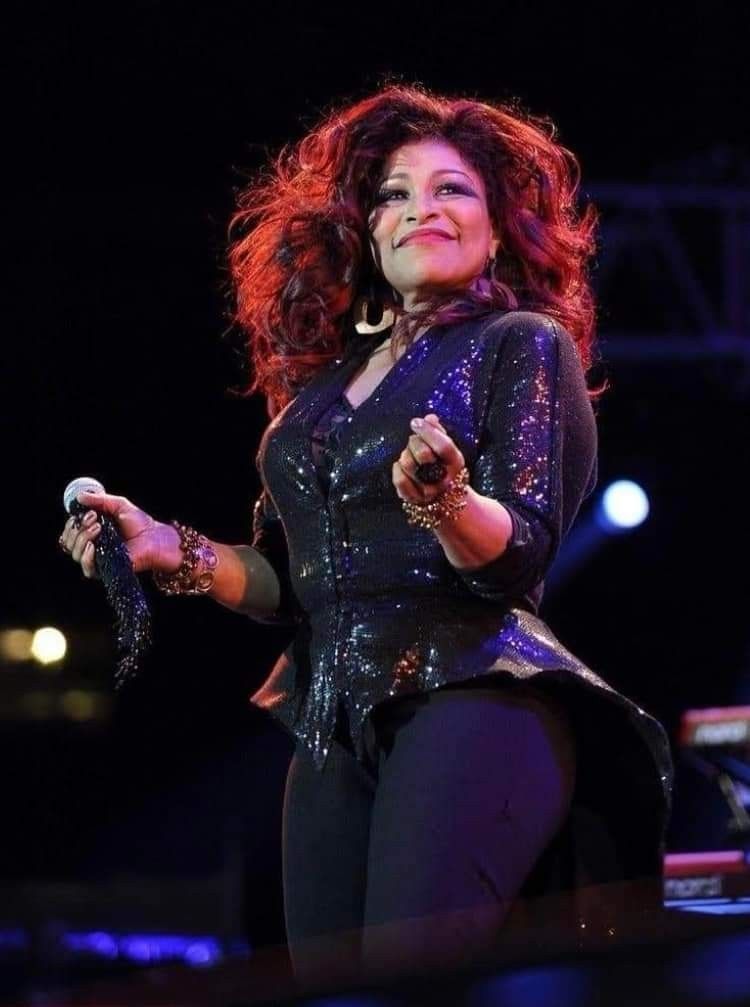
The Queen of Funk-Soul with the iconic hair and powerful voice.
The photograph is the property of its respective owner. No copyright infringement intended.
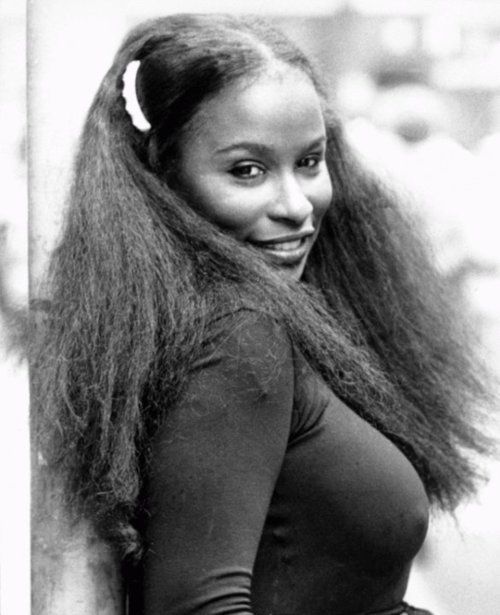
Chaka Khan, born Yvette Marie Stevens on March 23, 1953, in Chicago, Illinois, is a musical icon whose career has spanned more than five decades. She rose to prominence as the lead vocalist of the funk band Rufus in the 1970s and later established a successful solo career. Her unique fusion of funk, R&B, jazz, and soul has earned her the nickname “The Queen of Funk.”
Chaka Khan’s early life was shaped by her upbringing in a musically inclined family. She developed a passion for singing at a young age, performing in local talent shows and school productions. Her powerful voice, remarkable range, and emotive delivery quickly set her apart from her peers, laying the foundation for her extraordinary career.
In the mid-1970s, Khan joined the band Rufus, where her electrifying stage presence and vocal prowess brought the group national recognition. Hits like “Tell Me Something Good” and “Sweet Thing” showcased her ability to blend funk rhythms with soulful melodies, propelling Rufus to the top of the charts and cementing her status as a rising star.
The photograph is the property of its respective owner. No copyright infringement intended.
Her solo career, launched in 1978, further solidified her musical legacy. Khan’s ability to seamlessly navigate genres—R&B, funk, jazz, and pop—allowed her to create timeless hits such as “I’m Every Woman,” “Ain’t Nobody,” and “Through the Fire.” These songs became anthems of empowerment and remain staples in popular culture.
Chaka Khan’s contributions to music have earned her numerous accolades, including ten Grammy Awards and multiple nominations across decades. She is celebrated not only for her vocal talent but also for her influence on future generations of artists, inspiring singers like Beyoncé, Mary J. Blige, and Alicia Keys.
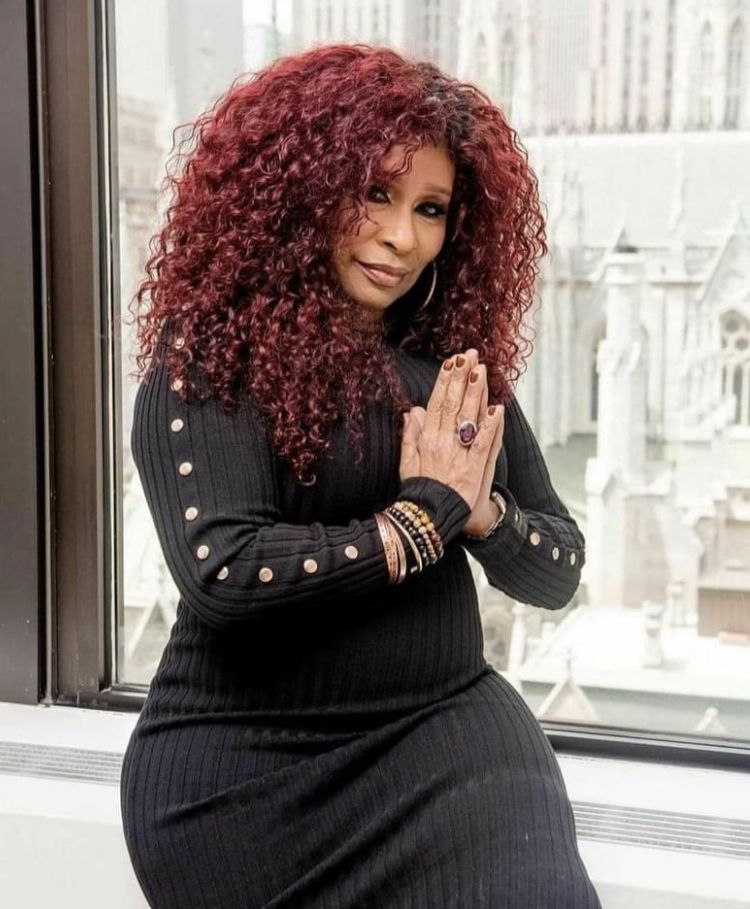
Beyond music, Khan’s personal style and beauty have drawn attention. She is renowned for her thick, luxurious mane, which became a signature feature and was reportedly insured due to its iconic status. Her bold fashion choices and radiant presence on stage and off have contributed to her enduring image as a style icon.
The photograph is the property of its respective owner. No copyright infringement intended.
In addition to her artistic achievements, Chaka Khan has navigated personal challenges and relationships in the public eye. She has been married and has one daughter, but much of her private life has remained guarded, reflecting her focus on artistry over celebrity gossip. Her friendships within the music industry, including close bonds with artists like Rufus bandmates and peers in the funk and R&B community, have been crucial for support and collaboration.
Khan’s voice has often been described as a force of nature, capable of delivering both tender emotion and explosive power. Critics frequently note that her vocals can “shatter glass,” reflecting her commanding stage presence and technical mastery. Her voice remains one of the most distinctive and influential in contemporary music history.
Her impact on live performance is legendary. Khan’s concerts are known for their high energy, audience engagement, and moments of improvisation that highlight her vocal agility. Fans worldwide continue to celebrate her dynamic performances, which remain relevant across generations.
The photograph is the property of its respective owner. No copyright infringement intended.
Khan’s influence extends beyond entertainment. She has become a symbol of Black excellence, demonstrating resilience, creativity, and empowerment. Her success as a woman of color in a predominantly male and Eurocentric industry has inspired countless artists to pursue careers in music while embracing their cultural identity.
Throughout her career, Chaka Khan has collaborated with many notable musicians, including Prince, Quincy Jones, and Stevie Wonder. These partnerships have not only enriched her musical catalog but also solidified her reputation as a versatile and respected artist within the industry.
Her awards and honors extend beyond Grammys. Khan has been recognized for her contributions to music and culture, receiving lifetime achievement awards and acknowledgments from various organizations dedicated to celebrating Black artists and women in the entertainment industry.
The photograph is the property of its respective owner. No copyright infringement intended.
Chaka Khan’s most celebrated songs continue to resonate with audiences worldwide. Tracks like “I’m Every Woman” have been reimagined and covered by contemporary artists, ensuring her legacy endures. The themes of empowerment, love, and resilience in her music have transcended generations, making her work timeless.
Even in her later years, Khan maintains a vibrant public persona, striking a balance between her health, performance, and philanthropy. She remains committed to music, touring, and mentoring younger artists, while also embracing her iconic image and personal style, including her signature hair, radiant appearance, and confident presence.
In conclusion, Chaka Khan embodies the intersection of musical genius, personal style, and cultural influence. Her thick, luxurious hair, commanding voice, celebrated hits, and decades of awards solidify her place as one of the most iconic performers in modern music history. Khan’s life and career continue to inspire, reflecting a legacy built on talent, resilience, and unapologetic self-expression.
References
George, Nelson. (2004). The Death of Rhythm and Blues. Penguin Books.
Khan, Chaka. (2003). Chaka Khan: Through the Fire. HarperCollins.
Taraborrelli, J. Randy. (2015). The Superstars: From Tina Turner to Beyoncé. Hachette Book Group.
Whitburn, Joel. (2013). Top R&B/Hip-Hop Singles: 1942-2012. Record Research, Inc.
PBS. (2005). Chaka Khan: Queen of Funk. Documentary.
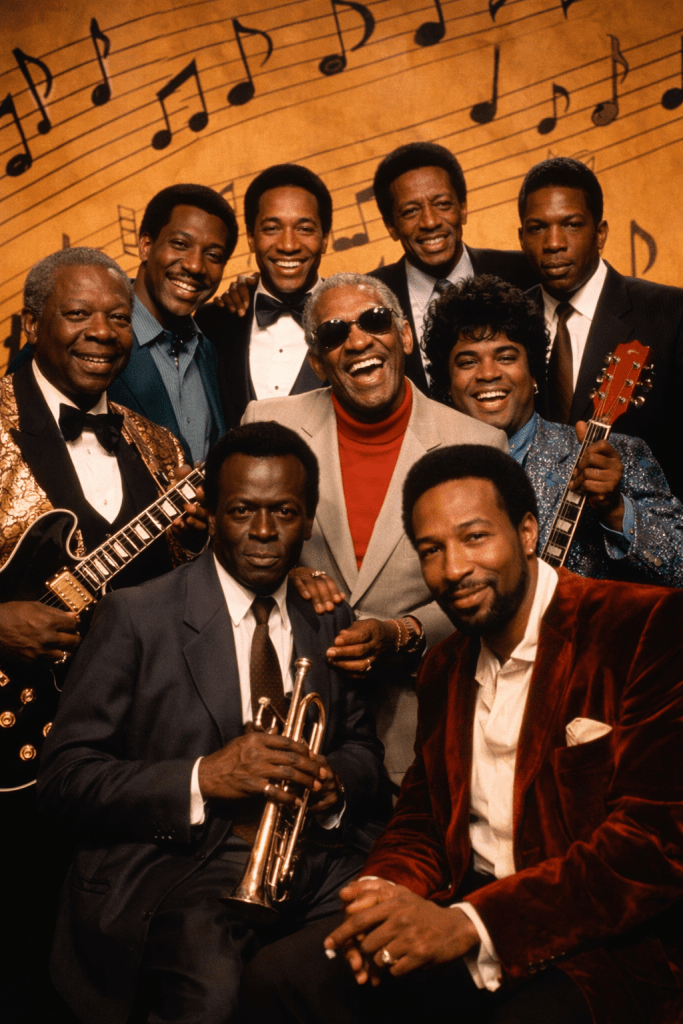
African American music is one of the richest contributions to global culture, shaping the soundscape of the modern world. Jazz, soul, and blues are not merely genres—they are historical chronicles of struggle, triumph, and creative ingenuity. Each arose from the African American experience, reflecting emotions, storytelling, and cultural resilience in the face of oppression. These genres have influenced each other profoundly, giving birth to rhythm and blues (R&B) and ultimately shaping popular music across the 20th and 21st centuries.
Blues music, often called the foundation of modern Black music, emerged in the late 19th and early 20th centuries in the Deep South. Rooted in African spirituals, work songs, and field hollers, the blues expressed the pain, resilience, and hope of formerly enslaved people. Instruments such as the guitar, piano, and harmonica became staples of the genre. Pioneering artists like Bessie Smith and Robert Johnson defined early blues, using emotive vocal techniques and twelve-bar structures that would influence generations.
Jazz, born in New Orleans around the early 1900s, blended African rhythms, European harmonics, and improvisational techniques. It was first popularized in brothels, dance halls, and clubs, creating a distinct urban culture. Iconic artists like Louis Armstrong, Duke Ellington, and Ella Fitzgerald transformed jazz into both a popular entertainment form and an artistic statement. Jazz’s improvisational nature, complex harmonies, and syncopated rhythms made it a revolutionary form of musical expression.
Soul music emerged in the 1950s and 1960s as an extension of gospel and rhythm and blues traditions. Soul fused emotional gospel singing with secular themes, creating music that was both spiritually powerful and deeply relatable. Artists like Otis Redding, Aretha Franklin, and Sam Cooke became voices of a generation, merging personal expression with social commentary during the Civil Rights era. Soul music emphasized vocal intensity, call-and-response patterns, and lyrical storytelling that spoke to everyday struggles and joys.
Rhythm and blues, commonly known as R&B, developed in the 1940s as a hybrid of jazz, blues, and gospel. This genre introduced strong backbeats, danceable rhythms, and smooth vocal harmonies that would later influence rock and pop music. Artists such as Jeffrey Osborne helped popularize R&B in the late 1970s and 1980s, building on the traditions established by earlier performers like Ray Charles and Ruth Brown. R&B bridged the gap between blues, jazz, and contemporary soul, making African American music accessible to mainstream audiences while retaining its cultural essence.
All three genres—blues, jazz, and soul—share common threads. They are deeply rooted in African musical traditions, emphasizing improvisation, rhythm, and emotional storytelling. They reflect the collective African American experience, using music as a tool to narrate personal and communal struggles. The interplay of call-and-response, improvisation, and emotional intensity creates a continuum that links early field songs to modern R&B and hip-hop.
The historical impact of these genres is monumental. Jazz broke racial barriers in performance spaces and recording studios, giving African American musicians international acclaim. Blues provided a raw emotional outlet during eras of severe oppression and economic hardship. Soul became a voice of empowerment during the Civil Rights movement, connecting music with social change and identity. Together, they laid the foundation for future musical innovation across all genres.
Notable jazz artists include Charlie Parker, Miles Davis, Thelonious Monk, and John Coltrane. Their improvisational brilliance, technical mastery, and innovative approaches to melody and harmony defined jazz as an art form and influenced countless musicians across genres.
Blues innovators include Muddy Waters, B.B. King, and Etta James. These artists refined the twelve-bar blues, expressive vocal phrasing, and guitar techniques that remain central to modern music.
Soul music pioneers like Marvin Gaye, Curtis Mayfield, and Gladys Knight showcased the intersection of spiritual intensity and secular themes, bridging church traditions with contemporary musical expression. Their work also informed the development of funk and disco.
R&B evolved further with artists such as Luther Vandross, Teddy Pendergrass, and Jeffrey Osborne, who infused modern production techniques while retaining emotional depth and vocal virtuosity. Their success in the 1970s and 1980s solidified R&B as a mainstream genre with mass appeal.
The interconnections between these genres are undeniable. Jazz improvisation influenced soul phrasing. Blues chord structures informed R&B songwriting. Gospel-inspired call-and-response techniques permeated all three styles. These shared elements demonstrate the continuity of African American musical innovation across decades.
Each genre also shaped dance, fashion, and social culture. From jazz clubs in New York and Chicago to soul concerts and R&B television performances, music became a catalyst for social gatherings, identity expression, and community solidarity. Television programs like Soul Train highlighted this evolution by showcasing Black artistry to national audiences.
Jazz
Louis Armstrong – Trumpeter, singer, and bandleader; a pioneer of solo improvisation.
Duke Ellington – Composer and bandleader known for sophisticated orchestration.
Charlie Parker – Bebop innovator and saxophone virtuoso.
Miles Davis – Revolutionary in cool jazz, modal jazz, and fusion.
John Coltrane – Innovator in improvisation and modal jazz.
Thelonious Monk – Composer known for unique harmonic and rhythmic style.
Ella Fitzgerald – “First Lady of Song,” famous for scat singing and vocal improvisation.
Blues
B.B. King – Guitar legend and emotive vocalist.
Muddy Waters – Father of modern Chicago blues.
Robert Johnson – Delta blues pioneer whose guitar work inspired rock and blues.
Etta James – Soulful voice blending blues, R&B, and jazz.
Bessie Smith – Empress of the Blues, iconic early 20th-century vocalist.
Soul
Otis Redding – Iconic voice of Southern soul and heartfelt ballads.
Aretha Franklin – “Queen of Soul,” blending gospel with R&B.
Sam Cooke – Smooth vocals and socially conscious lyrics.
Marvin Gaye – Social commentary and romantic themes in Motown soul.
Curtis Mayfield – Political soul and funk pioneer.
Gladys Knight – Powerful voice and emotive performances.
Rhythm & Blues (R&B)
Jeffrey Osborne – 1980s R&B crooner with hits like On the Wings of Love.
Luther Vandross – Smooth vocals, ballads, and love songs.
Teddy Pendergrass – Soulful, romantic style that bridged soul and R&B.
Ray Charles – Fused gospel, jazz, blues, and R&B, innovating soul music.
Ruth Brown – Early R&B pioneer, sometimes called “Miss Rhythm.”
Technological advancements, including radio, recording studios, and later television, helped spread jazz, blues, and soul to broader audiences. The migration of African Americans to northern urban centers during the Great Migration brought regional musical styles into contact, facilitating fusion and innovation.
The legacy of these genres continues today. Contemporary R&B, neo-soul, jazz fusion, and blues-rock all trace their roots to the pioneering artists of the 20th century. Musicians still draw inspiration from the improvisational freedom, emotional depth, and rhythmic complexity of early jazz, blues, and soul.
In summary, jazz, soul, and blues reflect the historical and cultural journey of African Americans. They document pain, resilience, love, and joy. The emergence of R&B and contemporary music owes a debt to these foundations, as seen in the works of artists like Jeffrey Osborne and Otis Redding. Together, they embody a musical continuum that celebrates creativity, identity, and the enduring power of Black culture.
References
Gioia, T. (2011). The History of Jazz (2nd ed.). Oxford University Press.
Ward, B., & Burns, K. (2000). Jazz: A History of America’s Music. Knopf.
Evans, D. (2010). Blues: The Basics. Routledge.
George, N. (1988). The Death of Rhythm and Blues. Pantheon Books.
Werner, C. (2006). A Change is Gonna Come: Music, Race, and the Soul of America. University of Michigan Press.
Smithsonian National Museum of African American History and Culture. (n.d.). Jazz, Blues, and Soul Collections.
AllMusic. (n.d.). Artist biographies for Jeffrey Osborne, Otis Redding, Louis Armstrong, and other key figures.
Otis Ray Redding Jr. was not merely a singer; he was a vessel through which the deepest emotional currents of Black American life were expressed. Born on September 9, 1941, in Dawson, Georgia, and raised in the deeply segregated South, Redding’s voice emerged from a cultural landscape shaped by gospel churches, laboring families, and the enduring spiritual resilience of African Americans. His upbringing in Macon, Georgia—a city that would later produce other icons such as Little Richard and James Brown—placed him at the crossroads of sacred music and secular rhythm, where soul was not a genre but a lived experience.
Redding’s earliest musical training came not from formal conservatories, but from the Black church, where he sang in choirs and absorbed the cadences of spirituals and sermons. These early influences endowed his voice with a preacher’s urgency and a mourner’s depth. By his teenage years, he was performing in local talent shows and touring the Southern “chitlin’ circuit,” singing not for glamour but for survival, often earning just enough to support his young family.
His professional breakthrough arrived in 1962 when he recorded at Stax Records in Memphis, a label that would become synonymous with the raw, unpolished sound of Southern soul. Unlike the smoother, orchestrated soul of Motown, Redding’s music carried grit—sweat, struggle, and sincerity. Songs like These Arms of Mine, Pain in My Heart, and Try a Little Tenderness revealed a voice capable of embodying vulnerability without weakness, masculinity without hardness, and romance without illusion.
What distinguished Otis Redding was not technical perfection, but emotional authority. His singing felt less like a performance and more like a confession. He did not decorate songs; he inhabited them. Whether pleading, rejoicing, or lamenting, Redding sang as though each lyric were a lived testimony. This quality made him one of the few artists who could cross the boundaries between Black gospel traditions and mainstream popular music without diluting the spiritual intensity of either.
By the mid-1960s, Redding had become one of the most influential figures in soul music, performing internationally and reaching audiences that extended far beyond the segregated American South. His appearance at the 1967 Monterey Pop Festival—where he performed before a largely white, countercultural crowd—was historic. Rather than conforming to the psychedelic trends of the era, Redding stood in a green suit and delivered soul with the force of a sermon, earning standing ovations and redefining what Black Southern music could mean on a global stage.
Wealth and Career Success
Otis Redding achieved substantial success in his short life, though he died before fully capitalizing on his earning potential. By the mid‑1960s, Redding had become one of Stax Records’ most bankable artists, generating revenue from album sales, tours, and royalties. While precise figures are scarce, his estate reportedly benefited posthumously from the massive success of his hit (Sittin’ On) The Dock of the Bay, which became a chart-topping single worldwide. His music continues to generate royalties, licensing for films, commercials, and streaming platforms, making him a long-lasting source of wealth for his family and estate.
Family Life
Otis Redding was devoted to his family. He married Patricia “Pat” Redding, and together they had several children. Despite his touring and recording schedule, he was known as a loving father and husband, committed to providing stability for his family. His early upbringing in a working-class, deeply religious household in Macon, Georgia, instilled values of family responsibility and community, which he carried into adulthood.
Voice and Musical Talent
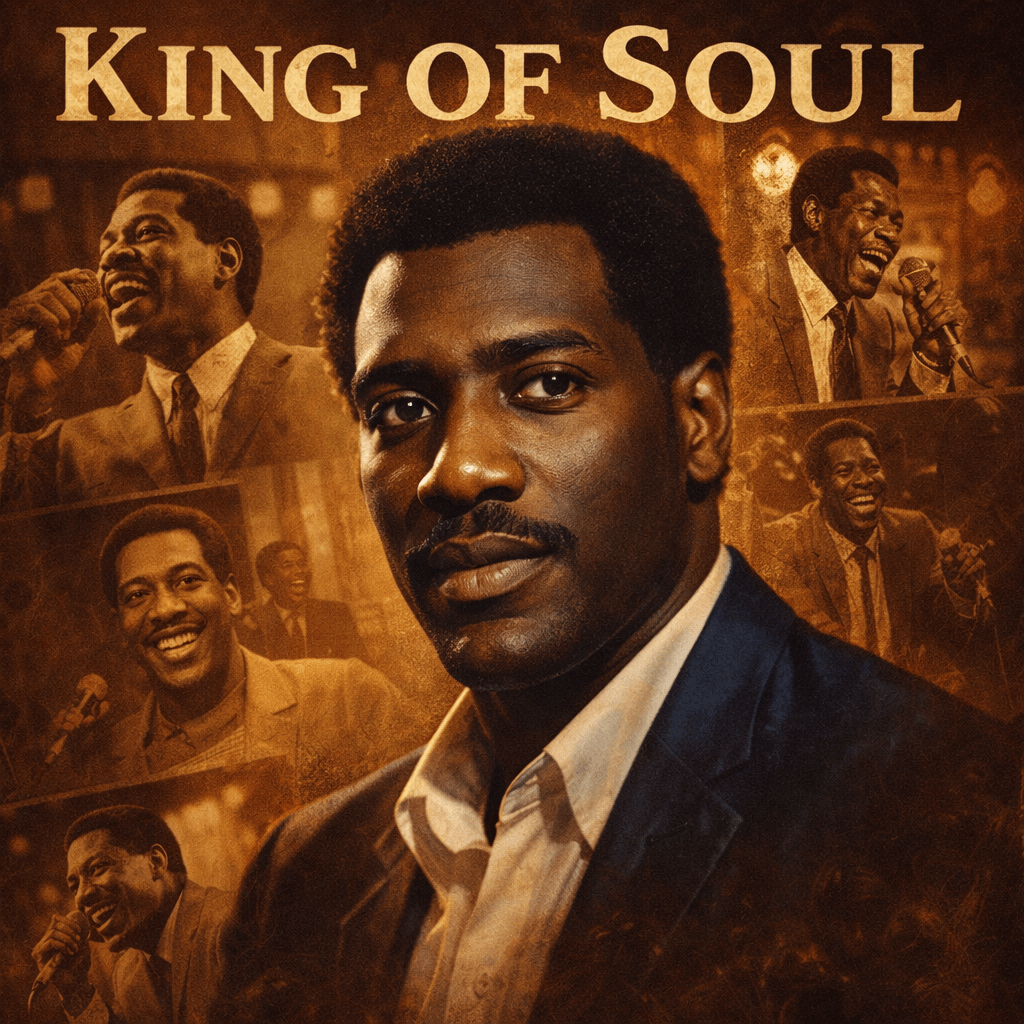
Redding’s voice is arguably his most defining feature. Known for its raw intensity, emotional authenticity, and gospel-rooted timbre, his vocal delivery could convey vulnerability, longing, joy, or pain with astonishing immediacy. He could move effortlessly between soft, intimate phrases and powerful, soul-shaking crescendos, which earned him the title “King of Soul.” His phrasing, emotional timing, and distinctive rasp set him apart from other soul singers of his era and continue to influence generations of vocalists.
Awards and Recognition
Otis Redding received several accolades both during his life and posthumously:
Grammy Award: Best R&B Performance by a Duo or Group for “(Sittin’ On) The Dock of the Bay” (1968, posthumous).
Grammy Hall of Fame: Multiple inductions for “Try a Little Tenderness” and “(Sittin’ On) The Dock of the Bay.”
Rock and Roll Hall of Fame: Inducted in 1989, recognizing his influence on rock, soul, and R&B music.
Various industry honors and lifetime achievement recognitions acknowledge his lasting impact on American music.
Charity and Community Engagement
Though his life was tragically short, Otis Redding was known for supporting his community in Macon, Georgia, often performing at local events and mentoring young artists. His music addressed universal human experiences, giving voice to struggles and joys that resonated across communities. While formal charitable foundations were limited due to his early death, his legacy has inspired ongoing programs and scholarships in his name, supporting music education and African American cultural initiatives.
Legacy
Otis Redding’s legacy is multifaceted:
Musical Innovation: Bridged gospel, blues, and soul into a contemporary 1960s sound.
Cultural Impact: Helped shape the soul genre and influence artists across generations, from Al Green to John Legend.
Posthumous Fame: “(Sittin’ On) The Dock of the Bay” cemented his status as a timeless icon.
Inspirational Figure: His life story—rising from modest beginnings to international acclaim—continues to inspire young musicians and fans alike.
Redding’s influence persists in recordings, covers by artists worldwide, and the continued reverence of soul music enthusiasts. He remains an emblem of authenticity, emotion, and excellence in music, ensuring his presence endures far beyond his 26 years.
Tragically, Otis Redding’s life was cut short on December 10, 1967, when his private plane crashed into icy waters in Wisconsin. He was only 26 years old. Yet in that brief lifespan, he transformed the emotional language of modern music. His posthumous release, (Sittin’ On) The Dock of the Bay, marked a creative evolution—introducing introspection, subtle melancholy, and a quieter emotional register that hinted at the artistic paths he had yet to explore.
Redding’s legacy cannot be measured merely by chart rankings or awards. His influence lives in the vocal traditions of artists such as Al Green, Aretha Franklin, Marvin Gaye, and countless others who learned that soul music is not about vocal acrobatics, but emotional truth. Otis Redding gave voice to longing, love, grief, and hope in a way that mirrored the collective Black experience of the twentieth century—singing not only for entertainment, but for emotional survival.
In the final analysis, Otis Redding did not simply contribute to soul music; he embodied it. His voice remains a spiritual archive—preserving the sound of a people who turned pain into beauty, and struggle into song.
References
Guralnick, P. (1999). Sweet soul music: Rhythm and blues and the Southern dream of freedom. Back Bay Books.
Classic scholarly text on Southern soul, Stax Records, and Otis Redding’s cultural significance.
Guralnick, P. (2015). Dream boogie: The triumph of Sam Cooke. Back Bay Books.
While focused on Sam Cooke, this work situates Redding within the broader evolution of soul and Black popular music.
Bowman, R. M. (1997). Soulsville, U.S.A.: The story of Stax Records. Schirmer Books.
Definitive academic history of Stax, where Redding recorded.
Werner, C. (2006). A change is gonna come: Music, race & the soul of America. University of Michigan Press.
Explores race, politics, and the meaning of soul music, with substantial sections on Redding.
George, N. (2004). The death of rhythm and blues. Penguin Books.
Cultural analysis of R&B’s evolution, including Otis Redding’s impact.
Details chart performance and commercial success, including posthumous releases.
Wald, E. (2007). How the Beatles destroyed rock ’n’ roll: An alternative history of American popular music. Oxford University Press.
Discusses Redding’s cross-racial appeal and performance at Monterey.
Brackett, D. (2016). Categorizing sound: Genre and twentieth-century popular music. University of California Press.
Useful for theoretical framing of soul as genre and cultural practice.
Redding, Z., & Ritz, D. (2013). Otis: An Otis Redding biography. Da Capo Press.
Official biography by his widow—primary authoritative source.
Smith, C. (1998). Dancing in the street: Motown and the cultural politics of Detroit. Harvard University Press.
For contrasting Motown vs. Stax soul aesthetics.
Taylor, S. C. (2002). Skin of color: Biology, structure, function, and implications for dermatologic disease. Journal of the American Academy of Dermatology, 46(2), S41–S62.
This photograph is the property of its respective owner. No copyright infringement is intended.
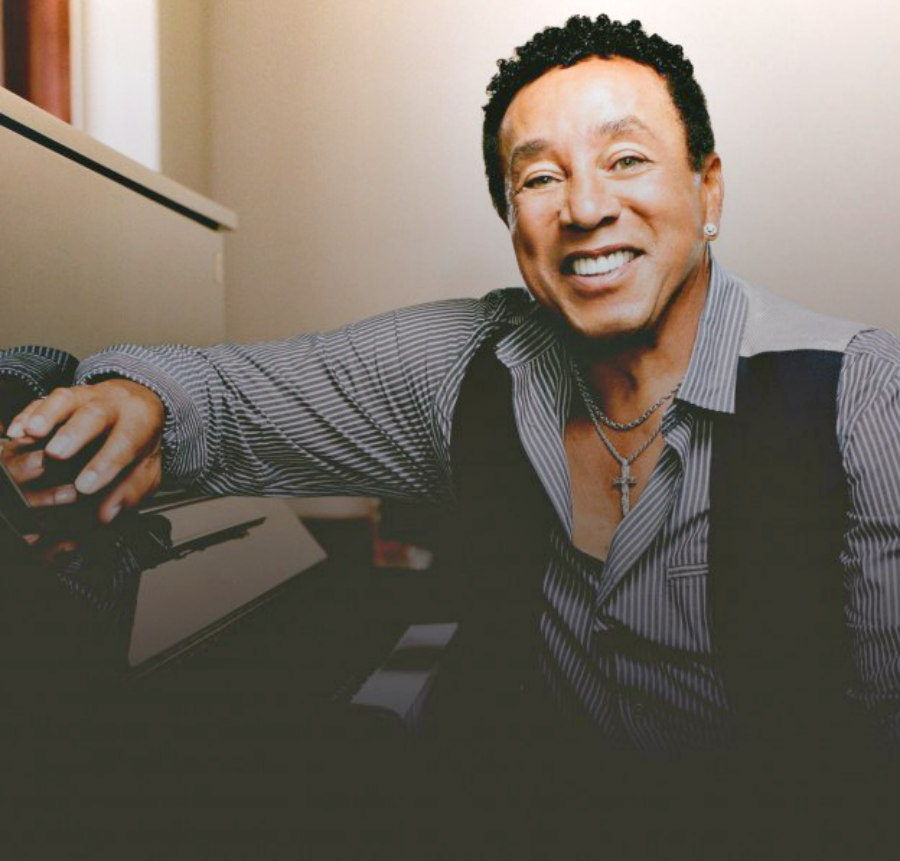
A lot can be said about the genius of Smokey Robinson — the green-eyed bandit, Motown’s poetic heart, singer, songwriter, producer, executive, cultural architect. Here’s a biographical sketch of his life, career, history and awards.
William “Smokey” Robinson Jr. was born on February 19, 1940, in Detroit, Michigan. From an early age, he was immersed in music — gospel, doo-wop, jazz — all of which shaped a sensibility that would become central to the Motown sound. While still in high school, he formed a vocal group that evolved into The Miracles, which became Berry Gordy’s first major act and one of the foundational groups of Motown Records.
With The Miracles, Smokey composed, produced and led a string of classic hits: “Shop Around” (Motown’s first R&B #1 and first million-selling hit), “You’ve Really Got a Hold on Me”, “Ooo Baby Baby”, “The Tracks of My Tears”, “Going to a Go-Go”, “More Love”, “Tears of a Clown” (co-written with Stevie Wonder), “I Second That Emotion”, among others. These songs combined lyrical depth, emotional subtlety, and hooks that have lasted generations.
In 1972, Smokey left The Miracles to embark on a solo career. His solo work continued to produce major hits such as “Cruisin’”, “Being With You”, and “Just to See Her”. His album A Quiet Storm (1975) became so influential that its title spawned a whole radio format (“quiet storm”) devoted to smooth, romantic soul — a testament to his creativity and impact.
Beyond performing, Smokey played major behind-the-scenes roles. He served as vice president of Motown Records, was a talent scout, writer and producer not only for The Miracles but for many Motown artists — Mary Wells, Marvin Gaye, The Temptations, Brenda Holloway and more. His pen and ear helped craft some of the most enduring songs in American popular music.
His awards and honors are numerous. He was inducted into the Rock & Roll Hall of Fame in 1987 and into the Songwriters Hall of Fame soon after. He received the National Medal of Arts, Kennedy Center Honors, the Gershwin Prize for Popular Song, an honorary doctorate from Howard University, and many lifetime achievement awards. His song “Just to See Her” won him his first Grammy Award (Best Male R&B Vocal Performance) in 1988. He has been given accolades for both his solo work and his contributions with The Miracles.
Smokey Robinson remains rightly celebrated for his lush high tenor voice, his ability to capture both joy and sadness in melody and lyric, and for helping to build a musical legacy that transformed Black music and American popular culture. He is often called “Mr. Motown” — not to diminish the dozens of talents involved, but to recognize his singular role in creating, shaping, and maintaining that legacy.
Soul music is more than a genre; it is the emotional and spiritual expression of the African-American experience. Emerging in the mid-20th century, soul combines the fervor of gospel, the rhythm of R&B, and the storytelling of blues, creating a sound that conveys both pain and triumph. Its essence lies in the ability to express deep human emotion through melody, harmony, and lyrical honesty.
The roots of soul music can be traced to the African-American church. Gospel music provided the foundation for vocal techniques, call-and-response patterns, and emotional intensity. Artists grew up singing in church choirs, learning how to convey passion, hope, and suffering through their voices. This spiritual lineage gave soul its signature depth and resonance.
Early pioneers of soul music include Sam Cooke, often called the “King of Soul,” whose smooth voice bridged gospel and popular music. Cooke’s music carried the fervor of church singing while appealing to secular audiences. His song “A Change Is Gonna Come” became an anthem for the Civil Rights Movement, illustrating soul’s role in both entertainment and social commentary.
Otis Redding, another seminal figure, exemplified raw emotional delivery. Born in 1941 in Georgia, Redding’s music communicated longing, heartache, and desire with unparalleled authenticity. His song “Try a Little Tenderness” demonstrates the gospel-infused emotive singing that defined soul music’s golden era.
Aretha Franklin, often called the “Queen of Soul,” brought unmatched power and nuance to the genre. Her background as a preacher’s daughter in Detroit steeped her in gospel traditions, which she fused with secular themes. Franklin’s music, including hits like “Respect,” resonated not only with the African-American community but also with the wider society, asserting dignity and empowerment.
Soul music is deeply intertwined with R&B, yet it distinguishes itself by its gospel-rooted intensity and emotional authenticity. While R&B often emphasizes rhythm, dance, and melodic hooks, soul prioritizes storytelling and emotional resonance. Jeffrey Osborne, Diana Ross, and James Ingram represent artists who successfully blended elements of soul and R&B, bringing emotional depth to mainstream pop audiences.
Jeffrey Osborne’s career, starting with the band L.T.D., showcases smooth vocal delivery and emotional lyricism that bridges R&B and soul. Diana Ross, emerging from The Supremes, carried Motown’s soul-influenced pop sound to international fame, using her voice to convey both vulnerability and strength. James Ingram’s ballads further illustrate the crossover potential between R&B and soul, retaining gospel-influenced phrasing.
The connection between soul and gospel is profound. Gospel’s call-and-response structure, melismatic singing, and improvisational phrasing became the backbone of soul. Unlike gospel, which often centers explicitly on God, soul frequently addresses love, heartbreak, and social issues, though the emotional intensity remains consistent.
Soul music arose during a period of systemic racism and oppression. Artists experienced segregation, limited access to venues, and exploitative contracts. Sam Cooke, Otis Redding, and Aretha Franklin navigated these barriers while asserting cultural pride through their music. Despite these challenges, soul became a medium of resistance, empowerment, and storytelling for the Black community.
The term “Blue-Eyed Soul” refers to white artists performing soul-influenced music. Examples include Michael McDonald, Hall & Oates, and Dusty Springfield. While talented, blue-eyed soul singers often lacked the lived experience of systemic oppression that informs Black soul music, which can imbue performance with layers of pain, resilience, and cultural memory that are difficult to replicate.
Soul music’s influence extends to contemporary R&B, hip-hop, and pop. Its rhythmic patterns, vocal techniques, and emotional storytelling have been foundational for modern music. Artists continue to draw inspiration from soul pioneers while incorporating new technology and stylistic trends.
Sam Cooke’s music exemplified the tension between secular success and gospel roots. Raised singing gospel, Cooke transitioned to secular music, facing criticism from religious communities while achieving broader appeal. His artistry illustrates the fine line many soul artists walked between sacred and secular music.
Otis Redding’s career was tragically cut short in a plane crash in 1967, yet his legacy endures through his recordings and influence on future artists. His music reflects both vulnerability and strength, hallmarks of soul’s capacity to communicate complex human emotion.
Aretha Franklin’s performances were often described as cathartic. Audiences, particularly African-American listeners, identified with her music on a spiritual and cultural level. Songs like “Chain of Fools” highlight both personal and collective struggle.
Motown Records, founded by Berry Gordy in 1959, provided a platform for soul artists to reach national and global audiences. The label carefully crafted crossover appeal while maintaining authentic soul influences, elevating artists such as Diana Ross, Marvin Gaye, and Stevie Wonder.
Jeffrey Osborne’s solo career highlighted the fusion of R&B smoothness with gospel-rooted vocal technique. His ballads carry soul’s emotional depth while appealing to mainstream audiences, reflecting the genre’s flexibility and reach.
James Ingram’s collaborations with Quincy Jones and other producers exemplify soul’s integration into pop and R&B production, creating sophisticated arrangements while retaining expressive vocal performance.
Soul music was also a vehicle for civil rights messaging. Artists subtly and overtly addressed racial injustice, encouraging social consciousness. The emotional intensity of their performances amplified their messages, making music both a cultural and political instrument.
Blue-eyed soul singers often achieved mainstream radio play more easily than Black artists due to racial bias in the music industry, highlighting systemic inequities. While musically skilled, these singers benefited from societal structures that historically disadvantaged Black musicians.
The improvisational aspects of soul music reflect its gospel lineage. Artists frequently embellish melodies, elongate notes, and use vocal inflections to convey emotion. This improvisation requires both technical skill and emotional authenticity.
R&B and soul share harmonic structures and rhythmic patterns, yet soul’s emphasis on raw vocal expression distinguishes it. This distinction is evident in Otis Redding’s impassioned delivery compared with R&B’s more restrained smoothness.
Diana Ross’s transition from Motown group performances to solo work demonstrates soul’s adaptability. Her music retained emotional expression while embracing pop sensibilities, expanding the genre’s audience.
The legacy of soul artists like Aretha Franklin and Sam Cooke is enduring. Contemporary artists, including Beyoncé, John Legend, and Alicia Keys, continue to draw from their influence, blending gospel-rooted technique with modern R&B, hip-hop, and pop.
Artist
Gospel Roots / Early Influence
Soul / R&B Career Highlights
Social / Cultural Activism
Notes / Legacy
Sam Cooke
Sang in gospel choir with the Soul Stirrers
Hits: A Change Is Gonna Come, You Send Me
Civil Rights advocacy, anthem for equality
Bridge between gospel and secular soul; martyr of artistry (assassinated 1964)
Otis Redding
Church choir singing in Georgia
Hits: Try a Little Tenderness, Respect (covered by Aretha)
Represented African-American emotional expression during segregation
Known for raw emotional delivery; influenced rock and soul artists globally
Aretha Franklin
Preacher’s daughter; gospel background
Hits: Respect, Chain of Fools, Think
Civil Rights supporter; symbol of Black female empowerment
“Queen of Soul”; gospel-infused vocal style became standard in soul music
Diana Ross
Gospel and church influence in Detroit
The Supremes hits: Baby Love, Solo hits: Ain’t No Mountain High Enough
Broke racial barriers in pop and Motown music
Blended soul with pop; expanded soul’s commercial reach internationally
James Ingram
Church choir and family gospel influence
Hits: Baby, Come to Me, I Don’t Have the Heart
Advocate for music education and mentorship programs
Vocal style bridges R&B and soul; emotional depth linked to gospel technique
Marvin Gaye
Father was a minister; gospel singing
Hits: What’s Going On, Let’s Get It On
Voice of social change; addressed racism, war, and poverty
Soul and R&B fusion with socially conscious lyrics
Ray Charles
Church choirs, gospel influence
Pioneer of soul/R&B crossover
Advocated for racial equality through music and performance
Created the blueprint for secularizing gospel while retaining emotional intensity
Hall & Oates
Minimal gospel influence (white artists)
Hits: Sara Smile, Rich Girl
Limited social activism
Example of “blue-eyed soul”; popularized soul stylings in mainstream pop for white audiences
Dusty Springfield
Limited direct gospel exposure
Hits: Son of a Preacher Man, You Don’t Have to Say You Love Me
Supported Black music and civil rights causes
Example of blue-eyed soul; acknowledged influence of African-American music
Insights from the Chart
Gospel roots are central for Black soul artists; they provide vocal technique, improvisation, and emotional intensity.
Soul artists often addressed social injustice, civil rights, and community uplift, giving the music a dual function: artistic and activist.
“Blue-eyed soul” artists can emulate sound but lack the lived experience of oppression, making their music stylistically similar but culturally distinct.
Many soul artists successfully bridged the gap between gospel, R&B, and pop, expanding the genre’s reach while preserving authenticity.
Racism in the industry affected recording contracts, touring opportunities, and media representation. Black soul artists often faced exploitation while white artists performing soul-influenced music were given preferential treatment, illustrating systemic inequities that continue to have echoes today.
Soul music remains a testimony to resilience, creativity, and cultural pride. Its emotional intensity, spiritual foundation, and storytelling capacity make it a uniquely African-American art form with universal resonance.
In conclusion, soul music reflects the Black experience: rooted in gospel, shaped by adversity, and transmitted through the voices of extraordinary artists. It communicates joy, pain, hope, and resistance, continuing to inspire generations while preserving the spiritual and cultural heritage of African Americans.
References
Ben-Jochannan, Y. A. A. (1974). Africa: Mother of Western Civilization. Alkebu-Lan Books.
Cross, W. E. (1991). Shades of Black: Diversity in African-American Identity. Temple University Press.
DeGruy, J. (2005). Post Traumatic Slave Syndrome: America’s Legacy of Enduring Injury and Healing. Joy DeGruy Publications.
Guralnick, P. (1986). Sweet Soul Music: Rhythm and Blues and the Southern Dream of Freedom. Little, Brown & Co.
Vincent, R. (1996). Funk: The Music, The People, and The Rhythm of The One. St. Martin’s Press.
Soul on the Rise: The Short Life and Eternal Legacyof Otis Redding
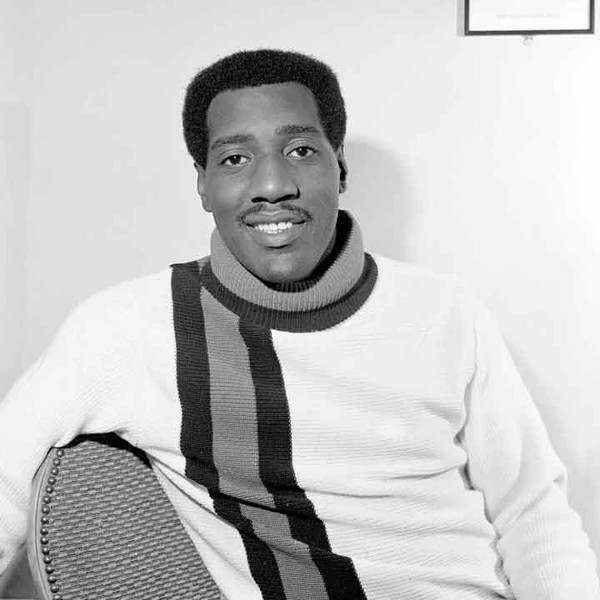
This photograph is the property of its respective owner. No copyright infringement intended.
“If I die tomorrow, I’ve had a beautiful life because I’ve touched souls.” — Otis Redding
Otis Redding, often hailed as the “King of Soul,” was a tall, dark, and handsome force whose voice could simultaneously stir the depths of sorrow and ignite the heights of joy. Though his life was tragically brief, ending at just 26 years old, his impact on the music industry is profound, enduring, and soul-shaking. With a voice that exuded wisdom far beyond his years, Redding became a symbol of raw emotion, authenticity, and artistic excellence. He was an old soul in a young man’s body—seasoned with gospel, rooted in rhythm and blues, and shaped by the Southern experience.
Early Life and Musical Genesis
Otis Ray Redding Jr. was born on September 9, 1941, in Dawson, Georgia, and raised in Macon. He was the son of Otis Sr., a sharecropper and later a military base worker, and Fannie Mae Redding, a devout woman who raised him in the church. Otis began singing in the Vineville Baptist Church choir, where his vocal power was first recognized. Deeply influenced by Little Richard (another Macon native), Sam Cooke, and Ray Charles, Redding took to the stage in his teens and began competing in local talent shows—often winning multiple times. He dropped out of school at age 15 to support his family, working odd jobs while pursuing his passion for music.
Rise to Fame: The Bar-Kays and Stax Records
Redding’s big break came when he was working as a driver and occasional singer for guitarist Johnny Jenkins. A fateful trip to Stax Records in Memphis in 1962 allowed Redding to cut a few tracks during downtime, including the now-iconic “These Arms of Mine.” The single exploded regionally, showcasing the aching soulfulness of his voice and launching his relationship with Stax.
The Bar-Kays, a talented group of Memphis musicians, soon became Redding’s backup band. Their chemistry electrified live audiences and studio recordings alike, giving birth to classics such as “Try a Little Tenderness,” “Respect,” and his posthumous mega-hit “(Sittin’ On) The Dock of the Bay.”
A Voice Like No Other
Otis Redding’s voice was often described as gravel mixed with honey—gritty yet deeply melodic. Critics and fans alike marveled at his dynamic vocal phrasing, emotional urgency, and soul-baring delivery. He had an extraordinary ability to infuse each lyric with heart-wrenching sincerity, whether he was pleading in love or lamenting loss. Music historian Peter Guralnick once wrote, “Otis could take the ordinary and make it sacred.”
Legacy and Sudden Tragedy
On December 10, 1967, Otis Redding’s life was tragically cut short when his Beechcraft plane crashed into Lake Monona near Madison, Wisconsin. He and six members of the Bar-Kays were killed. Redding had just recorded his defining song, “(Sittin’ On) The Dock of the Bay,” days before the crash. It was released posthumously and became the first posthumous number-one single on the Billboard Hot 100.
At the time of his death, Redding had accumulated significant wealth and owned his own publishing and production company—a rarity for Black artists of his era. He left behind his wife, Zelma Redding, and four children. One of his sons, Otis Redding III, carried the musical torch with the group The Reddings, echoing his father’s legacy with pride and reverence. Zelma once said in an interview, “Otis always believed his children would carry on his mission of spreading love through music. That was his heartbeat.”
Rumors and Controversy
While Redding’s death was officially deemed an accident due to engine failure, it has not escaped whispers of controversy. Some speculated sabotage or questioned the rushed investigation. However, no substantial evidence ever surfaced, and the tragedy has remained an unresolved wound in soul music history.
Cultural Reverberation
Redding’s influence has spanned genres and generations. Aretha Franklin, who turned his song “Respect” into an anthem of empowerment, praised him as a genius. Mick Jagger and the Rolling Stones were early admirers, and Jay-Z, Kanye West, and Beyoncé have all sampled or cited him as a foundational influence. His songs have been covered by hundreds of artists, and he was inducted into the Rock and Roll Hall of Fame in 1989.
A Lasting Impact
Otis Redding’s music remains timeless because it speaks to the human experience—love, longing, heartbreak, and hope. He defied racial and musical boundaries, uniting listeners through the sheer power of soul. In an age of digital perfection, his analog authenticity is more cherished than ever.
As music critic Dave Marsh once said, “Otis Redding didn’t just sing soul. He was soul.”
Select References:
Guralnick, P. (1986). Sweet Soul Music: Rhythm and Blues and the Southern Dream of Freedom. Back Bay Books.
Wald, E. (2004). How the Beatles Destroyed Rock ’n’ Roll. Oxford University Press.



 THE BROWN GIRL DILEMMA