
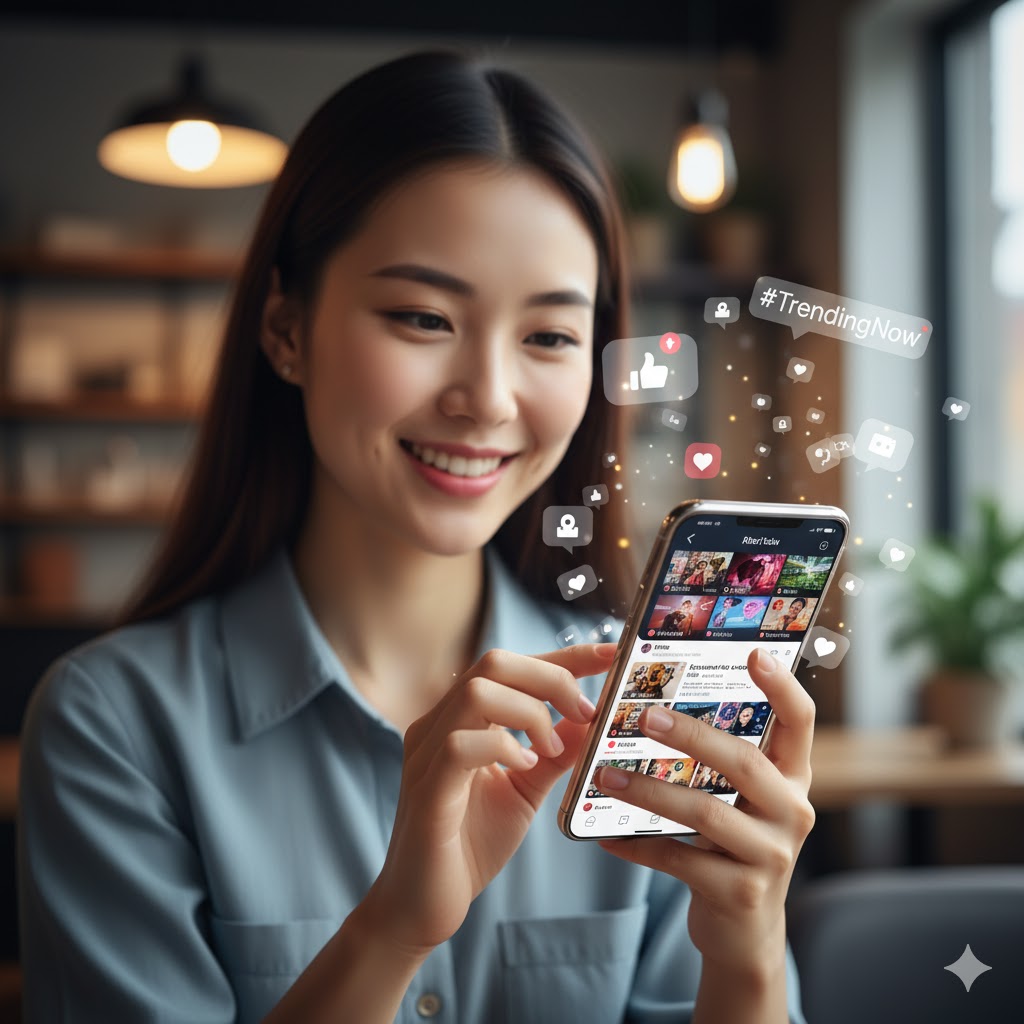
Social media filters—digital tools that alter or enhance images—have become ubiquitous in modern communication. From subtle smoothing and lighting adjustments to full transformations of facial features and body proportions, filters are used across platforms like Instagram, Snapchat, TikTok, and Facebook. While often framed as fun or aesthetic enhancements, their societal impact is profound and multi-layered.
Filters influence perceptions of beauty, often reinforcing Eurocentric or unrealistic ideals. Features such as lighter skin, sharper noses, larger eyes, and plumped lips are frequently emphasized in popular filters. These digital alterations echo long-standing beauty hierarchies established in media and advertising, further embedding narrow standards of attractiveness.
The psychological impact of filters is significant. Studies show that constant exposure to filtered images can increase body dissatisfaction, self-comparison, and anxiety, particularly among young women and adolescents (Fardouly et al., 2018). Filters create a gap between one’s real appearance and the idealized digital self, fostering insecurities and negative self-perception.
Social comparison is a major consequence. Platforms encourage users to measure their appearance, lifestyle, and desirability against curated and often digitally enhanced representations. For Black and Brown users, filters that lighten skin or smooth natural hair textures may reinforce colorism and internalized bias, subtly suggesting that darker features are less desirable.
Filters also affect interpersonal relationships. Individuals may feel pressure to present a perfected digital self in dating apps or social media, influencing attraction and romantic dynamics. This can create unrealistic expectations and dissatisfaction when interacting with unfiltered, real-life appearances.
The “beauty filter economy” is closely tied to consumerism. Filters often align with cosmetic trends, promoting products like skin-lightening creams, makeup, or cosmetic surgery. Influencers and brands capitalize on filter-enhanced appearances to market products, blending digital aesthetics with material consumption.
Filters have social and cultural implications beyond individual self-esteem. They contribute to homogenized beauty ideals, erasing diversity and authenticity. Features traditionally celebrated in African, Asian, and Indigenous cultures—such as textured hair, darker skin, and broader noses—are frequently altered or erased in popular filters, reinforcing Eurocentric dominance.
On the positive side, filters can promote creativity and self-expression. Users can explore artistic aesthetics, experiment with color grading, or adopt fantastical appearances for entertainment purposes. For marginalized communities, filters may provide playful ways to experiment with identity, though these benefits coexist with potential harm.
Mental health concerns associated with filters are increasingly recognized. Professionals report growing cases of body dysmorphia, low self-esteem, and anxiety related to online appearance comparison. Young users, especially girls and women of color, are disproportionately affected, as societal beauty standards intersect with racialized and gendered expectations.
Filters also influence professional and social identity. Influencers, models, and public figures often rely on digitally enhanced appearances to gain followers, sponsorships, and visibility. This blurs the line between authentic identity and curated performance, affecting how society values physical appearance and social capital.
Education and awareness can mitigate some negative effects. Media literacy programs encourage users to critically evaluate digitally altered images, recognize filters, and understand their psychological impact. Social campaigns promoting natural beauty, diversity, and authenticity provide counter-narratives to filter-driven standards.
Some platforms have taken regulatory steps. Instagram and Snapchat have introduced warnings about heavy filters, promoted unaltered imagery in certain campaigns, and encouraged users to embrace authenticity. However, the commercial incentives to maintain filter popularity remain strong.
Filters intersect with the broader societal obsession with perfection. They amplify cultural pressures to achieve flawless skin, symmetrical features, and Eurocentric aesthetics. Combined with the skin-lightening industry, cosmetic surgery trends, and celebrity influence, filters perpetuate a culture of constant self-optimization.
Social media algorithms exacerbate the problem. Content that aligns with beauty ideals receives more engagement, reinforcing visibility of filtered images. Users then perceive these idealized images as normative, increasing pressure to conform digitally and physically.
Cultural resistance movements, like #NoFilter, #MelaninPoppin, and #DarkIsBeautiful, challenge the dominance of filtered beauty. They encourage users to showcase natural skin tones, hair textures, and unaltered features, highlighting the diversity of human aesthetics and reclaiming agency over self-presentation.
Filters also have implications for racial identity. In contexts where lighter skin and Eurocentric features are valued, filters that whiten skin or slim noses may reinforce internalized racism and colorism, particularly among Black and Brown youth. This digital reinforcement of historical hierarchies can affect self-worth and social interactions.
In addition to race, filters intersect with gender. Women disproportionately experience pressure to use filters to appear youthful, flawless, and conventionally attractive. Men are not immune, but social norms often render their digital alterations less scrutinized, reflecting gendered beauty expectations.
Technological innovation will continue to shape the landscape. Artificial intelligence now allows hyper-realistic transformations, aging or de-aging effects, and even deepfake manipulation. These developments raise ethical concerns regarding authenticity, consent, and the psychological consequences of prolonged exposure to impossible ideals.
Ultimately, social media filters illustrate the convergence of technology, culture, and psychology. While offering creative tools, they simultaneously perpetuate restrictive beauty standards, exacerbate mental health challenges, and reinforce systemic biases. Critical engagement and cultural awareness are essential to mitigate harm.
In conclusion, the societal effects of social media filters are profound. They shape perceptions of beauty, influence interpersonal and professional dynamics, and reinforce historical hierarchies tied to race, gender, and class. Awareness campaigns, media literacy, and cultural reclamation movements are crucial in challenging their negative impacts, promoting diversity, authenticity, and psychological well-being.
References
- Fardouly, J., Diedrichs, P. C., Vartanian, L. R., & Halliwell, E. (2018). Social comparisons on social media: The impact of Facebook on young women’s body image concerns and mood. Body Image, 13, 38–45.
- Chua, T. H. H., & Chang, L. (2016). Follow me and like my beautiful selfies: Singapore teenage girls’ engagement in self-presentation and peer comparison on social media. Computers in Human Behavior, 55, 190–197.
- Lewis, J., & Lockwood, E. (2018). Colorism, Beauty, and Media: Social Perceptions of Black Women. Journal of African American Studies.
- Wang, Y., & Lee, S. Y. (2020). Beauty filters and selfie culture: A psychological study on the impact of appearance-altering technology. Journal of Media Psychology, 32(2), 67–78.
- Tiggemann, M., & Slater, A. (2014). NetGirls: The Internet, Facebook, and body image concern in adolescent girls. International Journal of Eating Disorders, 47(6), 630–643.
 THE BROWN GIRL DILEMMA