
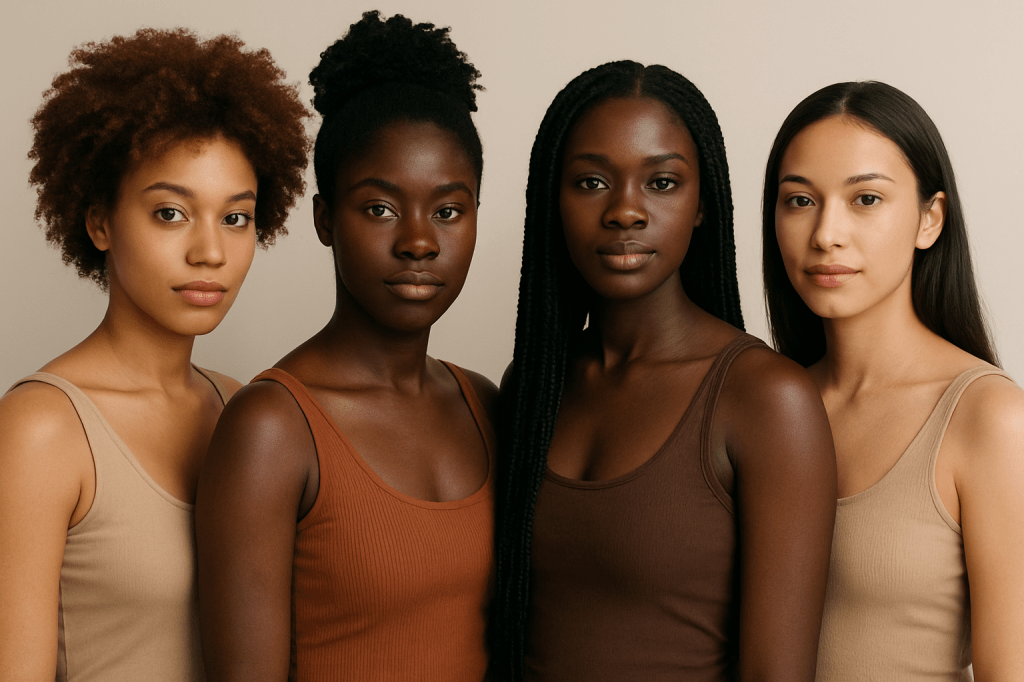
In many societies, skin tone functions as a form of social currency, where lighter complexions are often rewarded with preferential treatment, and darker shades face systemic bias. This phenomenon, widely recognized as colorism, shapes opportunities, self-perception, and interpersonal dynamics. Psalm 139:14 reminds us, “I will praise thee; for I am fearfully and wonderfully made: marvellous are thy works; and that my soul knoweth right well.” Worth is determined by God, not by melanin levels.
Historical legacies perpetuate shade-based hierarchies. Across continents and centuries, lighter skin has been associated with proximity to power, education, and social mobility. Yet, Galatians 3:28 teaches, “There is neither Jew nor Greek, there is neither bond nor free, there is neither male nor female: for ye are all one in Christ Jesus.” Divine equality transcends superficial measures.
Internalized bias affects self-perception. Many darker-skinned individuals grapple with self-doubt and societal rejection. Proverbs 4:7 emphasizes, “Wisdom is the principal thing; therefore get wisdom: and with all thy getting get understanding.” Understanding one’s intrinsic value combats these internalized hierarchies.
Skin-tone capital influences economic opportunity. Studies show that lighter-skinned individuals often access higher-paying roles or public-facing positions. Romans 12:2 exhorts, “And be not conformed to this world: but be ye transformed by the renewing of your mind…” Renewing perspective helps resist societal conditioning.
Media reinforces the bias. Advertising, film, and social media often highlight Eurocentric beauty standards, associating lighter skin with desirability. Proverbs 31:30 teaches, “Favor is deceitful, and beauty is vain: but a woman that feareth the Lord, she shall be praised.” Spiritual and moral qualities surpass superficial valuation.
Shade impacts relationships and community dynamics. Lighter skin can result in privilege within social groups, while darker individuals experience marginalization. Ecclesiastes 4:9-10 states, “Two are better than one; because they have a good reward for their labour. For if they fall, the one will lift up his fellow…” Intentional community support fosters resilience.
Colorism intersects with gender. Darker-skinned women often face compounded bias, navigating societal expectations and systemic discrimination. Proverbs 31:25 affirms, “Strength and honour are her clothing; and she shall rejoice in time to come.” Inner strength and dignity surpass external judgment.
Education and mentorship disrupt shade hierarchies. Knowledge empowers individuals to challenge stereotypes and assert their value. James 1:5 teaches, “If any of you lack wisdom, let him ask of God, that giveth to all men liberally, and upbraideth not; and it shall be given him.” Divine guidance equips for discernment and advocacy.
Faith offers enduring validation. Hebrews 11:6 states, “But without faith it is impossible to please him: for he that cometh to God must believe that he is, and that he is a rewarder of them that diligently seek him.” Spiritual identity resists societal hierarchy based on shade.
Colorism affects mental health. Shame, anxiety, and internalized inferiority often accompany bias. Psalm 34:18 declares, “The LORD is nigh unto them that are of a broken heart; and saveth such as be of a contrite spirit.” Healing begins through divine awareness of personal worth.
Social mobility often aligns with skin-tone bias. Lighter skin frequently correlates with broader acceptance in elite circles. Romans 5:3-4 reminds, “…tribulation worketh patience; And patience, experience; and experience, hope.” Endurance and faith foster resilience beyond superficial advantage.
Faith-centered communities resist external hierarchies. Colossians 3:2 commands, “Set your affection on things above, not on things on the earth.” Anchoring identity in God neutralizes the social power of skin tone.
Media literacy empowers critique. Proverbs 15:14 teaches, “The heart of him that hath understanding seeketh knowledge: but the mouth of fools feedeth on foolishness.” Awareness allows informed engagement with content that perpetuates color bias.
Economic empowerment counters color-based marginalization. Proverbs 31:16 affirms, “She considereth a field, and buyeth it: with the fruit of her hands she planteth a vineyard.” Self-sufficiency and entrepreneurship reduce dependence on shade-based favor.
Interpersonal advocacy disrupts bias. Matthew 5:16 states, “Let your light so shine before men, that they may see your good works, and glorify your Father which is in heaven.” Demonstrating excellence shifts focus from complexion to competence and character.
Self-love challenges societal valuation. 1 Corinthians 6:19-20 reminds, “…your body is the temple of the Holy Ghost…glorify God in your body, and in your spirit, which are God’s.” Embracing skin as God-given rejects hierarchical thinking.
Community dialogue transforms perception. Proverbs 27:17 teaches, “Iron sharpeneth iron; so a man sharpeneth the countenance of his friend.” Honest conversations about bias cultivate awareness and collective empowerment.
Prayer sustains identity. Philippians 4:6 instructs, “Be careful for nothing; but in every thing by prayer and supplication with thanksgiving let your requests be made known unto God.” Spiritual affirmation anchors worth beyond social evaluation.
Legacy requires intentional action. Proverbs 22:6 declares, “Train up a child in the way he should go: and when he is old, he will not depart from it.” Teaching children to value character and faith over shade ensures generational transformation.
Ultimately, skin tone capital may influence perception, but divine truth determines value. Psalm 92:12-14 affirms, “The righteous shall flourish like the palm tree…they shall still bring forth fruit in old age; they shall be fat and flourishing.” Worth and legacy emerge from God-centered living, not the hue of one’s skin.
 THE BROWN GIRL DILEMMA