
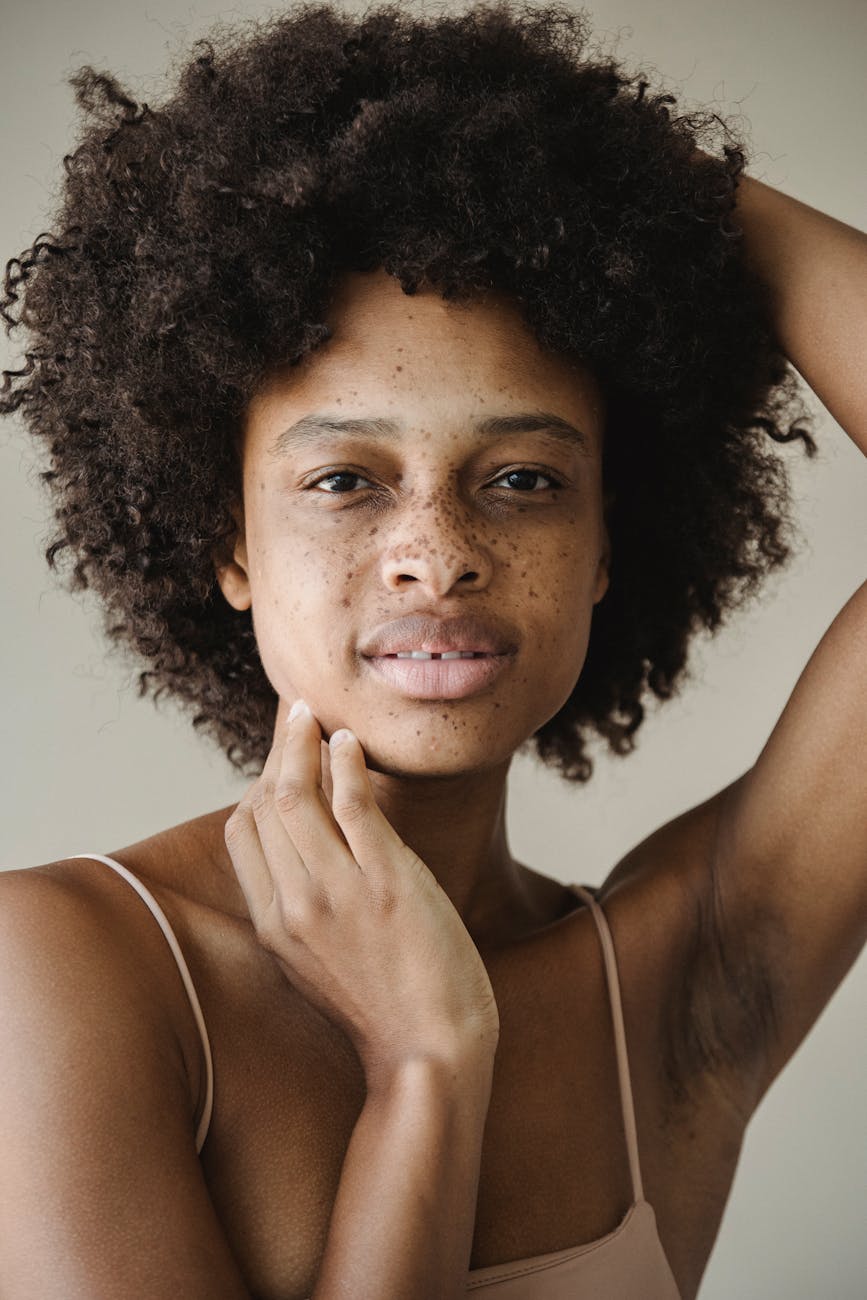
Skin positivity movements have emerged as powerful platforms challenging entrenched beauty standards, particularly colorism, Eurocentric ideals, and discrimination against darker skin tones. Social media has amplified these movements, allowing marginalized voices to share personal narratives, celebrate melanin-rich skin, and cultivate self-acceptance. For Black women and other people of color, these campaigns provide empowerment, community, and a corrective lens on mainstream beauty narratives.
Historically, dark-skinned individuals have faced systemic marginalization in media, advertising, and professional spaces. Lighter skin has often been associated with attractiveness, wealth, and social mobility, while darker skin has been stigmatized (Hunter, 2007). Skin positivity movements directly confront these prejudices by affirming the beauty and worth of melanin-rich skin.
Hashtags such as #MelaninMagic, #DarkSkinIsBeautiful, and #BlackGirlMagic have created digital communities where participants share photographs, testimonials, and affirmations celebrating natural skin tones. Influencers and everyday users alike post content highlighting the beauty, versatility, and cultural significance of dark skin, transforming personal empowerment into collective advocacy.
These campaigns do more than celebrate aesthetics; they challenge social biases. By promoting diverse representation, they combat colorism, foster pride, and provide educational resources about the historical roots of skin-based discrimination. Campaigns often pair visual content with messages encouraging self-love, confidence, and resilience in the face of societal pressure.
Psychologically, engagement with skin positivity content has measurable benefits. Research indicates that seeing representation of darker skin in media reduces internalized colorism, enhances self-esteem, and encourages positive body image (Tiggemann & Slater, 2014). For Black women, the affirmation of their natural skin tones counters years of societal messaging that devalued their beauty.
Celebrities have played an influential role in amplifying skin positivity. Figures like Lupita Nyong’o, Viola Davis, and Janelle Monáe use social media to showcase their natural beauty, often discussing experiences of bias and self-acceptance. Their visibility reinforces that dark skin is not only acceptable but celebrated and aspirational, challenging long-standing industry standards.
Social media campaigns also highlight the intersection of skin positivity with other movements, such as natural hair acceptance and cultural empowerment. By linking beauty affirmation with cultural pride, these movements encourage holistic self-respect, including respect for hair texture, heritage, and identity.
Skin Positivity Movements: Key Lessons from Social Media Campaigns
1. Celebrate Melanin-Rich Skin
- Highlight your natural skin tone with pride.
- Use hashtags like #MelaninMagic, #DarkSkinIsBeautiful, #BlackGirlMagic.
- Share photos and stories affirming beauty in darker skin.
2. Engage with Positive Communities
- Follow influencers and creators who celebrate Black beauty (e.g., Lupita Nyong’o, Jackie Aina, Janelle Monáe).
- Participate in online groups or forums that promote self-acceptance.
- Offer support and encouragement to others.
3. Educate and Advocate
- Share posts about the history of colorism and skin bias.
- Explain the cultural significance of melanin-rich skin.
- Promote understanding through storytelling and awareness campaigns.
4. Counter Negative Messaging
- Avoid accounts or content that perpetuate colorism or Eurocentric beauty ideals.
- Use social media intentionally to boost confidence rather than compare.
- Affirm your worth daily: “I am fearfully and wonderfully made” (Psalm 139:14, KJV).
5. Combine with Holistic Self-Care
- Protect and nurture your skin with healthy routines.
- Embrace natural hair textures alongside skin positivity.
- Engage in spiritual and mental wellness practices for overall empowerment.
6. Amplify Voices
- Support brands, creators, and campaigns that honor Black beauty.
- Share inspirational stories of dark-skinned women breaking barriers.
- Promote visibility in media, fashion, and professional spaces.
Visual Design Notes
- Color Palette: Deep browns, golds, warm tones to reflect melanin-rich skin.
- Icons: Camera for selfies/posts, heart for support, book for education, shield for self-care.
- Layout: 6 key lessons, each with an icon, short description, and hashtag or Bible verse.
- Header Quote: “I am fearfully and wonderfully made” – Psalm 139:14 (KJV).
From a spiritual perspective, skin positivity aligns with the biblical principle that all humans are fearfully and wonderfully made. “I will praise thee; for I am fearfully and wonderfully made: marvellous are thy works; and that my soul knoweth right well” (Psalm 139:14, KJV). Recognizing and celebrating God-given features counters societal pressure to conform to externally imposed standards.
Lessons from these campaigns include the importance of visibility, community support, and intentional storytelling. By consistently elevating narratives that celebrate melanin-rich skin, social media campaigns foster empowerment, challenge discriminatory norms, and cultivate resilience among marginalized groups.
In conclusion, skin positivity movements on social media have transformed the discourse around beauty, representation, and identity. By centering darker skin tones, these campaigns challenge colorism, promote self-acceptance, and foster collective empowerment. For Black women and other marginalized populations, the lessons of these movements underscore the transformative power of representation, affirmation, and community in cultivating confidence and reshaping societal norms.
References
- Hunter, M. (2007). The persistent problem of colorism: Skin tone, status, and inequality. Sociology Compass, 1(1), 237–254.
- Tiggemann, M., & Slater, A. (2014). NetGirls: The Internet, Facebook, and body image concern in adolescent girls. International Journal of Eating Disorders, 47(6), 630–643.
- Thompson, C. (2019). Black Hair: Art, Style, and Culture. Bloomsbury Academic.
- The Holy Bible, King James Version.
 THE BROWN GIRL DILEMMA