
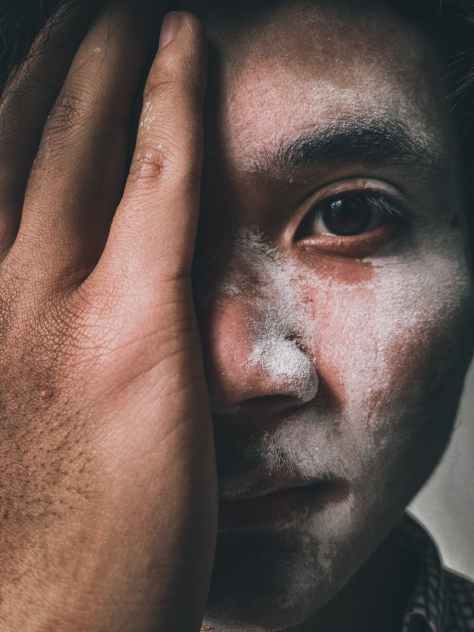
The skin-lightening industry, also referred to as skin bleaching or whitening, is a global multi-billion-dollar market that thrives on the persistent belief that lighter skin confers social, economic, and romantic advantage. Products include creams, soaps, lotions, injections, and chemical peels designed to reduce melanin production or alter skin pigmentation.
Historical Origins
The origins of skin-lightening practices are deeply tied to colonialism and slavery. European colonizers imposed hierarchies that equated whiteness with beauty, power, and social status. Darker-skinned individuals, particularly in Africa, Asia, and the Caribbean, were deemed inferior, creating a social incentive to adopt lighter skin tones. In India, Japan, and China, pre-colonial societies also associated light skin with class and leisure, demonstrating that colorism transcends any single region.
During the transatlantic slave trade, lighter-skinned enslaved Africans often received preferential treatment due to proximity to whiteness in ancestry. This created a lasting legacy in the African diaspora, where lighter skin has been socially privileged, sometimes internally reinforced through colorism in communities of African descent.
Cultural Reinforcement
Media, advertising, and film industries have long reinforced the desirability of lighter skin. Hollywood historically centered white actors as the beauty ideal while marginalizing Black and Brown actors. Modern advertising often features skin-lightening creams as solutions for “flawless” or “youthful” skin, perpetuating the idea that melanin-rich skin is undesirable.
In countries like Nigeria, India, South Korea, and the Philippines, skin-lightening products are among the fastest-selling cosmetic items. Marketing campaigns emphasize wealth, romantic desirability, and social acceptance, linking lighter skin with success. Celebrities and influencers are sometimes paid to endorse these products, further normalizing skin alteration.
Health and Psychological Consequences
Many skin-lightening products contain harmful ingredients, including hydroquinone, mercury, corticosteroids, and acids. Prolonged use can result in skin thinning, scarring, hormonal disruption, kidney damage, and neurological issues. Despite these risks, social pressure to conform to lighter skin ideals motivates continued usage.
Psychologically, the industry perpetuates low self-esteem, internalized racism, and body dissatisfaction among users. Black and Brown women, in particular, report heightened anxiety, depression, and social stress due to societal devaluation of darker skin tones. This phenomenon illustrates how beauty standards intersect with mental health, social acceptance, and racial hierarchies.
Economic Implications
The skin-lightening industry is a lucrative market, valued at over $12 billion globally and projected to grow annually. Companies profit from perpetuating colorism, often targeting women while exploiting societal insecurities. These products are marketed not just as beauty enhancements but as gateways to social mobility, professional success, and romantic desirability.
Timeline: The Skin-Lightening Industry – From Colonial Roots to Modern Global Markets
Pre-Colonial Era (Before 1500s)
- In many societies, light skin was sometimes associated with social status and leisure, particularly in parts of Asia (India, China, Japan).
- African societies celebrated melanin-rich skin, though some groups associated lighter skin with proximity to wealth or nobility.
Colonial Era (1500s – 1800s)
- European colonization of Africa, the Americas, and Asia imposed racial hierarchies linking lighter skin to power, privilege, and desirability.
- Enslaved Africans and indigenous peoples were devalued based on skin tone; lighter-skinned individuals sometimes received preferential treatment.
- Early skin-lightening practices emerged using natural ingredients like rice water, milk, and plant-based bleaching agents.
19th Century – Industrial Revolution
- Industrial chemicals like mercury and arsenic began to appear in skin-lightening creams in Europe, marketed to the upper class as symbols of refinement and beauty.
- European art and literature further entrenched pale skin as the ideal of feminine beauty, influencing global perceptions.
Early 20th Century (1900–1940s)
- The rise of Hollywood propagated Eurocentric beauty ideals globally. Blonde hair and fair skin became associated with desirability and social success.
- Skin-lightening creams became commercially available in the United States, India, and parts of Africa, targeting women seeking social mobility.
Mid-20th Century (1950s–1970s)
- Marketing campaigns emphasized fairness as a solution to perceived imperfections and a pathway to romantic and professional success.
- Celebrity endorsements and magazine advertising reinforced the desirability of lighter skin.
- In African diaspora communities, lighter-skinned women were often privileged socially, reflecting internalized colorism from colonial influence.
Late 20th Century (1980s–1990s)
- The global skin-lightening market expanded significantly, particularly in Asia, Africa, and the Caribbean.
- Products became more chemical-intensive, with hydroquinone, corticosteroids, and bleaching agents widely used.
- Awareness of health risks remained low; advertising emphasized beauty and social status rather than safety.
Early 21st Century (2000s)
- Skin-lightening became a $10+ billion global industry, particularly in India, Nigeria, South Korea, and the Philippines.
- The rise of global media and celebrity culture reinforced the association of lighter skin with wealth, romantic desirability, and social success.
- Social media allowed rapid dissemination of beauty trends, amplifying both colorism and skin-lightening practices.
2010s – Present
- Movements like #MelaninPoppin, #DarkIsBeautiful, and #BrownGirlMagic emerged to celebrate melanin-rich beauty and challenge Eurocentric norms.
- Regulatory oversight in some countries (e.g., Nigeria, India) increased, restricting harmful ingredients like mercury and high-percentage hydroquinone.
- Awareness campaigns highlighted the physical and psychological dangers of skin-lightening products.
- Celebrities like Lupita Nyong’o, Beyoncé, and Viola Davis publicly embraced dark skin, influencing global beauty trends and challenging entrenched hierarchies.
Key Trends Today
- The industry remains profitable, but consumer consciousness about health risks and cultural pride is rising.
- Alternatives promoting natural skincare, sun protection, and melanin celebration are gaining popularity.
- Colorism continues to influence global media, dating preferences, and social dynamics, but activism and representation are reshaping perceptions.
Resistance and Reclamation
In recent years, movements like #MelaninPoppin, #DarkIsBeautiful, and #BlackGirlMagic have challenged skin-lightening norms, celebrating natural skin tones and diversity. Celebrities such as Lupita Nyong’o, Viola Davis, and Naomi Campbell publicly embrace melanin-rich beauty, countering decades of Eurocentric influence. Social media has become a platform for education, awareness, and reclamation of identity.
Activism against the skin-lightening industry includes consumer education about health risks, advocacy for regulatory oversight, and campaigns to shift beauty standards. Governments in some countries, such as Nigeria and India, have begun regulating the sale of harmful products and promoting public awareness about the dangers of bleaching.
Global Context and Cultural Complexity
The skin-lightening industry is not limited to any one region. In East Asia, fair skin has been valued for centuries, linked to status and refinement. In Africa, colonialism amplified existing color hierarchies. In Latin America, mixed-race societies reinforce the association of lighter skin with social and economic mobility. Across all these contexts, the industry both reflects and perpetuates systemic inequities.
Conclusion
The skin-lightening industry is more than a beauty market—it is a reflection of historical oppression, cultural bias, and systemic colorism. It thrives by exploiting insecurities tied to race, class, and gender, perpetuating harmful hierarchies while endangering health. Resistance movements, education, and media representation of melanin-rich beauty are critical to dismantling the social constructs that fuel this industry.
References
- Hunter, Margaret L. (2011). Buying Racial Capital: Skin-Bleaching and Cosmetic Surgery in Black and African Communities. Social Text.
- Lewis, J., & Lockwood, E. (2018). Colorism, Beauty, and Media: Social Perceptions of Black Women. Journal of African American Studies.
- Glenn, Evelyn Nakano. (2008). Yearning for Lightness: Transnational Circuits in the Marketing and Consumption of Skin Lighteners. Gender & Society, 22(3), 281–302.
- Mahalingam, Ramaswami. (2003). Skin-Whitening and Cosmetic Surgery: The Ideology of Fairness in India. Psychology & Developing Societies, 15(2), 145–174.
- Byrd, Ayana D., & Tharps, Lori L. (2014). Hair Story: Untangling the Roots of Black Hair in America. St. Martin’s Press.
 THE BROWN GIRL DILEMMA