

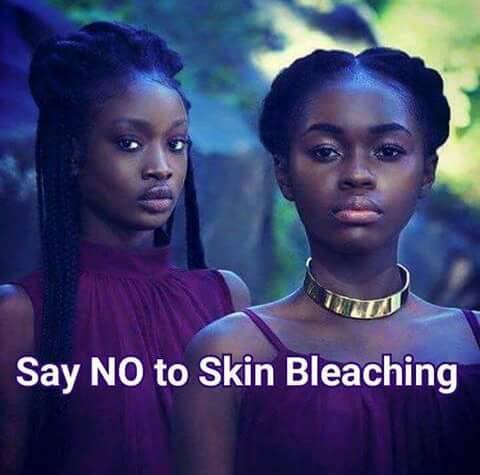
Despite widespread awareness of the toxic ingredients—especially mercury and hydroquinone—in many skin whitening creams, millions continue to use these products globally. This practice raises the question: What is the real obsession with light skin? To answer this, one must revisit history, colonial influence, media representation, and socioeconomic power structures that have long equated whiteness with beauty, status, and success.
A Historical and Colonial Inheritance
The global preference for lighter skin is not innate, but rather deeply rooted in colonialism and Eurocentric ideals. During the European colonization of Africa, Asia, and the Americas, white Europeans imposed their language, culture, and beauty standards on the colonized populations. Skin color became a social marker of class and power: the lighter one’s skin, the closer they were perceived to be to the colonizer—and thus, to power.
During the Renaissance period in Europe, white skin was also considered a marker of nobility and purity. Aristocratic women often powdered their skin to appear pale, using lead-based cosmetics that were toxic but symbolized high status and delicacy. These ideals were immortalized through art, literature, and sculpture, and later exported globally through colonization.
📖 Fanon, Frantz (1952). Black Skin, White Masks – Discusses the psychological effects of colonialism on Black identity, especially the internalized desire to emulate the colonizer’s physical traits.
Media and Modern-Day Messaging
In the 20th and 21st centuries, this historical legacy was amplified by global media, advertising, and entertainment. From magazine covers and beauty campaigns to social media influencers and K-pop stars, light-skinned models and celebrities dominate the beauty landscape. This repetitive imagery reinforces the idea that “fair is beautiful,” leaving darker-skinned individuals feeling invisible or unattractive.
📖 Hunter, M. (2007). “The Persistent Problem of Colorism: Skin Tone, Status, and Inequality.” Sociology Compass – Explains how lighter skin is often associated with higher economic and social mobility in non-white communities.
Skin Lightening: Practices and Products
Skin whitening, lightening, or bleaching refers to the use of chemical substances—such as mercury, hydroquinone, corticosteroids, and glutathione—to reduce melanin production and achieve a lighter skin tone. These products are often sold as creams, pills, injections, and even IV drips in some countries.
⚠️ Health Effects:
- Kidney damage and neurological disorders from mercury exposure
- Skin thinning, acne, and permanent discoloration from corticosteroids
- Ochronosis (bluish-black skin patches) from long-term hydroquinone use
- Increased risk of skin cancer due to the removal of natural melanin protection
📖 World Health Organization (WHO, 2011): “Mercury in Skin Lightening Products” – Describes the toxic effects and global regulations related to mercury use in cosmetics.
Global Prevalence and Economic Scale
Skin lightening is most prevalent in parts of:
- Africa – Countries like Nigeria, Ghana, South Africa, and Kenya report high usage.
- Asia – India, Pakistan, the Philippines, Thailand, South Korea, and China have massive markets for skin whitening.
- The Caribbean and Latin America – Where lighter skin is often tied to colonial legacies and social mobility.
- Middle East – Light skin is frequently idealized in beauty culture.
According to a report by Global Industry Analysts Inc., the global skin lightening market was valued at USD $8.6 billion in 2020, and is projected to reach over $12.3 billion by 2027.
📖 Statista (2022): “Skin Whitening Products Market Value Worldwide”
📖 WHO, 2019: Up to 77% of Nigerian women use skin lightening products, one of the highest rates globally.
The Psychology Behind Skin Lightening: Internalized Colorism
Skin bleaching is not merely a cosmetic choice; it reflects a deep-seated psychological and social dilemma. The practice is fueled by internalized racism and colorism, where individuals believe lighter skin increases their chances of being perceived as beautiful, professional, or worthy.
📖 Apiah, K. A. (1992). In My Father’s House: Africa in the Philosophy of Culture – Discusses identity struggles among Africans and the influence of European ideals.
📖 Jones, T. (2000). “Shades of Brown: The Law of Skin Color.” Duke Law Journal – Explores how colorism affects legal and social outcomes.
Conclusion: A Call for Change
The global obsession with light skin is a socially constructed preference that traces back to colonial domination, cultural imperialism, and modern capitalism. It is sustained by global beauty industries and media that glorify whiteness while marginalizing darker tones.
Combating this phenomenon requires:
- Media reform that embraces diversity in all shades
- Education about the dangers of skin bleaching
- Cultural movements that redefine beauty standards from within communities
- Policy enforcement to ban harmful chemicals in cosmetics
It is time to unlearn inherited biases and recognize the beauty, dignity, and health risks tied to this often-destructive pursuit of light skin.
References
- Fanon, F. (1952). Black Skin, White Masks. Grove Press.
- Hunter, M. (2007). “The Persistent Problem of Colorism.” Sociology Compass, 1(1), 237-254.
- World Health Organization (2011). “Mercury in Skin Lightening Products.” WHO.int
- Statista (2022). “Market value of skin whitening products worldwide.”
- Global Industry Analysts Inc. (2021). “Global Skin Lighteners Market Report.”
- Jones, T. (2000). “Shades of Brown.” Duke Law Journal.
- Apiah, K. A. (1992). In My Father’s House: Africa in the Philosophy of Culture.
The Global Obsession with Light Skin: A The Global Obsession with Light Skin: A Legacy of Colonialism, Media, and Market Forces
Despite widespread awareness of the toxic ingredients—especially mercury and hydroquinone—in many skin whitening creams, millions continue to use these products globally. This practice raises the question: What is the real obsession with light skin? To answer this, one must revisit history, colonial influence, media representation, and socioeconomic power structures that have long equated whiteness with beauty, status, and success.
A Historical and Colonial Inheritance
The global preference for lighter skin is not innate, but rather deeply rooted in colonialism and Eurocentric ideals. During the European colonization of Africa, Asia, and the Americas, white Europeans imposed their language, culture, and beauty standards on the colonized populations. Skin color became a social marker of class and power: the lighter one’s skin, the closer they were perceived to be to the colonizer—and thus, to power.
During the Renaissance period in Europe, white skin was also considered a marker of nobility and purity. Aristocratic women often powdered their skin to appear pale, using lead-based cosmetics that were toxic but symbolized high status and delicacy. These ideals were immortalized through art, literature, and sculpture, and later exported globally through colonization.
📖 Fanon, Frantz (1952). Black Skin, White Masks – Discusses the psychological effects of colonialism on Black identity, especially the internalized desire to emulate the colonizer’s physical traits.
Media and Modern-Day Messaging
In the 20th and 21st centuries, this historical legacy was amplified by global media, advertising, and entertainment. From magazine covers and beauty campaigns to social media influencers and K-pop stars, light-skinned models and celebrities dominate the beauty landscape. This repetitive imagery reinforces the idea that “fair is beautiful,” leaving darker-skinned individuals feeling invisible or unattractive.
📖 Hunter, M. (2007). “The Persistent Problem of Colorism: Skin Tone, Status, and Inequality.” Sociology Compass – Explains how lighter skin is often associated with higher economic and social mobility in non-white communities.
Skin Lightening: Practices and Products
Skin whitening, lightening, or bleaching refers to the use of chemical substances—such as mercury, hydroquinone, corticosteroids, and glutathione—to reduce melanin production and achieve a lighter skin tone. These products are often sold as creams, pills, injections, and even IV drips in some countries.
⚠️ Health Effects:
- Kidney damage and neurological disorders from mercury exposure
- Skin thinning, acne, and permanent discoloration from corticosteroids
- Ochronosis (bluish-black skin patches) from long-term hydroquinone use
- Increased risk of skin cancer due to the removal of natural melanin protection
📖 World Health Organization (WHO, 2011): “Mercury in Skin Lightening Products” – Describes the toxic effects and global regulations related to mercury use in cosmetics.
Global Prevalence and Economic Scale
Skin lightening is most prevalent in parts of:
- Africa – Countries like Nigeria, Ghana, South Africa, and Kenya report high usage.
- Asia – India, Pakistan, the Philippines, Thailand, South Korea, and China have massive markets for skin whitening.
- The Caribbean and Latin America – Where lighter skin is often tied to colonial legacies and social mobility.
- Middle East – Light skin is frequently idealized in beauty culture.
According to a report by Global Industry Analysts Inc., the global skin lightening market was valued at USD $8.6 billion in 2020, and is projected to reach over $12.3 billion by 2027.
📖 Statista (2022): “Skin Whitening Products Market Value Worldwide”
📖 WHO, 2019: Up to 77% of Nigerian women use skin lightening products, one of the highest rates globally.
The Psychology Behind Skin Lightening: Internalized Colorism
Skin bleaching is not merely a cosmetic choice; it reflects a deep-seated psychological and social dilemma. The practice is fueled by internalized racism and colorism, where individuals believe lighter skin increases their chances of being perceived as beautiful, professional, or worthy.
📖 Apiah, K. A. (1992). In My Father’s House: Africa in the Philosophy of Culture – Discusses identity struggles among Africans and the influence of European ideals.
📖 Jones, T. (2000). “Shades of Brown: The Law of Skin Color.” Duke Law Journal – Explores how colorism affects legal and social outcomes.
Conclusion: A Call for Change
The global obsession with light skin is a socially constructed preference that traces back to colonial domination, cultural imperialism, and modern capitalism. It is sustained by global beauty industries and media that glorify whiteness while marginalizing darker tones.
Combating this phenomenon requires:
- Media reform that embraces diversity in all shades
- Education about the dangers of skin bleaching
- Cultural movements that redefine beauty standards from within communities
- Policy enforcement to ban harmful chemicals in cosmetics
It is time to unlearn inherited biases and recognize the beauty, dignity, and health risks tied to this often-destructive pursuit of light skin.
References
Apiah, K. A. (1992). In My Father’s House: Africa in the Philosophy of Culture.
Fanon, F. (1952). Black Skin, White Masks. Grove Press.
Hunter, M. (2007). “The Persistent Problem of Colorism.” Sociology Compass, 1(1), 237-254.
World Health Organization (2011). “Mercury in Skin Lightening Products.” WHO.int
Statista (2022). “Market value of skin whitening products worldwide.”
Global Industry Analysts Inc. (2021). “Global Skin Lighteners Market Report.”
Jones, T. (2000). “Shades of Brown.” Duke Law Journal.
Despite widespread awareness of the toxic ingredients—especially mercury and hydroquinone—in many skin whitening creams, millions continue to use these products globally. This practice raises the question: What is the real obsession with light skin? To answer this, one must revisit history, colonial influence, media representation, and socioeconomic power structures that have long equated whiteness with beauty, status, and success.
A Historical and Colonial Inheritance
The global preference for lighter skin is not innate, but rather deeply rooted in colonialism and Eurocentric ideals. During the European colonization of Africa, Asia, and the Americas, white Europeans imposed their language, culture, and beauty standards on the colonized populations. Skin color became a social marker of class and power: the lighter one’s skin, the closer they were perceived to be to the colonizer—and thus, to power.
During the Renaissance period in Europe, white skin was also considered a marker of nobility and purity. Aristocratic women often powdered their skin to appear pale, using lead-based cosmetics that were toxic but symbolized high status and delicacy. These ideals were immortalized through art, literature, and sculpture, and later exported globally through colonization.
📖 Fanon, Frantz (1952). Black Skin, White Masks – Discusses the psychological effects of colonialism on Black identity, especially the internalized desire to emulate the colonizer’s physical traits.
Media and Modern-Day Messaging
In the 20th and 21st centuries, this historical legacy was amplified by global media, advertising, and entertainment. From magazine covers and beauty campaigns to social media influencers and K-pop stars, light-skinned models and celebrities dominate the beauty landscape. This repetitive imagery reinforces the idea that “fair is beautiful,” leaving darker-skinned individuals feeling invisible or unattractive.
📖 Hunter, M. (2007). “The Persistent Problem of Colorism: Skin Tone, Status, and Inequality.” Sociology Compass – Explains how lighter skin is often associated with higher economic and social mobility in non-white communities.
Skin Lightening: Practices and Products
Skin whitening, lightening, or bleaching refers to the use of chemical substances—such as mercury, hydroquinone, corticosteroids, and glutathione—to reduce melanin production and achieve a lighter skin tone. These products are often sold as creams, pills, injections, and even IV drips in some countries.
⚠️ Health Effects:
- Kidney damage and neurological disorders from mercury exposure
- Skin thinning, acne, and permanent discoloration from corticosteroids
- Ochronosis (bluish-black skin patches) from long-term hydroquinone use
- Increased risk of skin cancer due to the removal of natural melanin protection
📖 World Health Organization (WHO, 2011): “Mercury in Skin Lightening Products” – Describes the toxic effects and global regulations related to mercury use in cosmetics.
Global Prevalence and Economic Scale
Skin lightening is most prevalent in parts of:
- Africa – Countries like Nigeria, Ghana, South Africa, and Kenya report high usage.
- Asia – India, Pakistan, the Philippines, Thailand, South Korea, and China have massive markets for skin whitening.
- The Caribbean and Latin America – Where lighter skin is often tied to colonial legacies and social mobility.
- Middle East – Light skin is frequently idealized in beauty culture.
According to a report by Global Industry Analysts Inc., the global skin lightening market was valued at USD $8.6 billion in 2020, and is projected to reach over $12.3 billion by 2027.
📖 Statista (2022): “Skin Whitening Products Market Value Worldwide”
📖 WHO, 2019: Up to 77% of Nigerian women use skin lightening products, one of the highest rates globally.
The Psychology Behind Skin Lightening: Internalized Colorism
Skin bleaching is not merely a cosmetic choice; it reflects a deep-seated psychological and social dilemma. The practice is fueled by internalized racism and colorism, where individuals believe lighter skin increases their chances of being perceived as beautiful, professional, or worthy.
📖 Apiah, K. A. (1992). In My Father’s House: Africa in the Philosophy of Culture – Discusses identity struggles among Africans and the influence of European ideals.
📖 Jones, T. (2000). “Shades of Brown: The Law of Skin Color.” Duke Law Journal – Explores how colorism affects legal and social outcomes.
Conclusion: A Call for Change
The global obsession with light skin is a socially constructed preference that traces back to colonial domination, cultural imperialism, and modern capitalism. It is sustained by global beauty industries and media that glorify whiteness while marginalizing darker tones.
Combating this phenomenon requires:
- Media reform that embraces diversity in all shades
- Education about the dangers of skin bleaching
- Cultural movements that redefine beauty standards from within communities
- Policy enforcement to ban harmful chemicals in cosmetics
It is time to unlearn inherited biases and recognize the beauty, dignity, and health risks tied to this often-destructive pursuit of light skin.
References
- Fanon, F. (1952). Black Skin, White Masks. Grove Press.
- Hunter, M. (2007). “The Persistent Problem of Colorism.” Sociology Compass, 1(1), 237-254.
- World Health Organization (2011). “Mercury in Skin Lightening Products.” WHO.int
- Statista (2022). “Market value of skin whitening products worldwide.”
- Global Industry Analysts Inc. (2021). “Global Skin Lighteners Market Report.”
- Jones, T. (2000). “Shades of Brown.” Duke Law Journal.
- Apiah, K. A. (1992). In My Father’s House: Africa in the Philosophy of Culture.
 THE BROWN GIRL DILEMMA