Tag Archives: singer

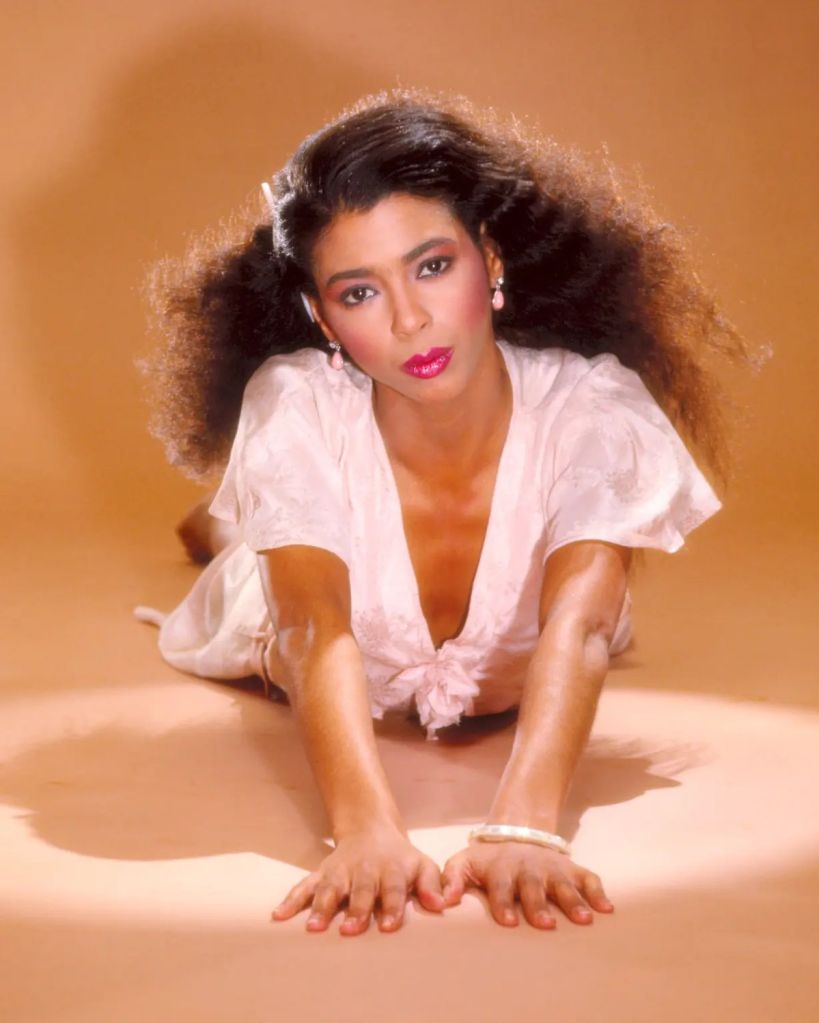
The Ebony Dolls: Irene Cara

Beauty in Motion, Talent in Song
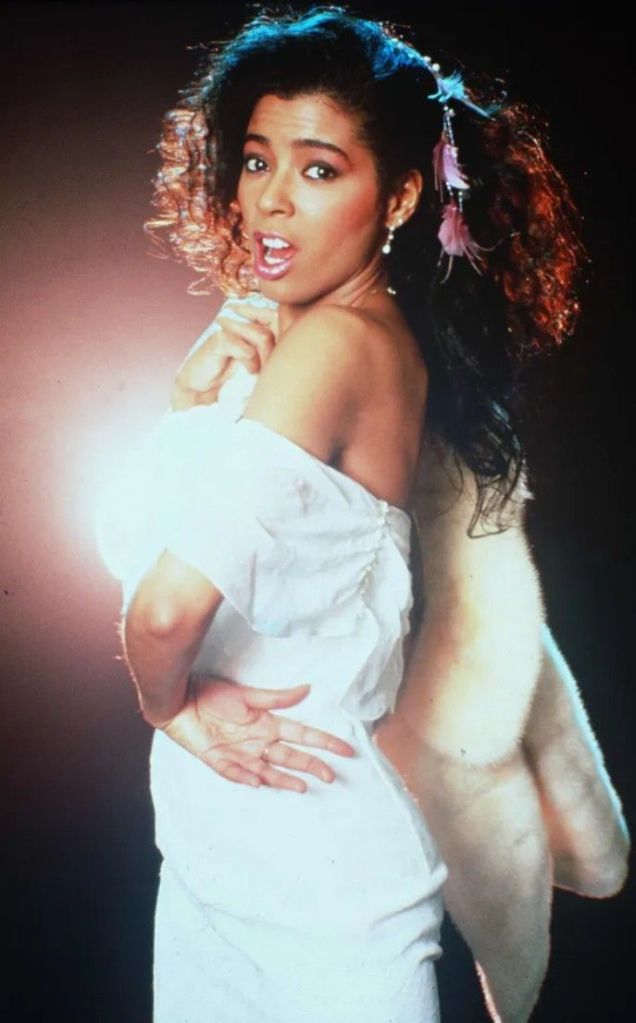
This photograph is the property of its respective owner.

In the world of music and film, few women have embodied the combination of radiant talent, striking beauty, and cultural impact like Irene Cara. With her glowing skin, expressive features, and charismatic presence, Cara became a symbol of inspiration and elegance for young Black women during the late 1970s and 1980s. Her accomplishments as a singer, songwriter, and actress earned her a place as an “Ebony Doll”—a figure whose beauty, poise, and artistry appear almost sculpted, leaving an enduring mark on entertainment and popular culture.
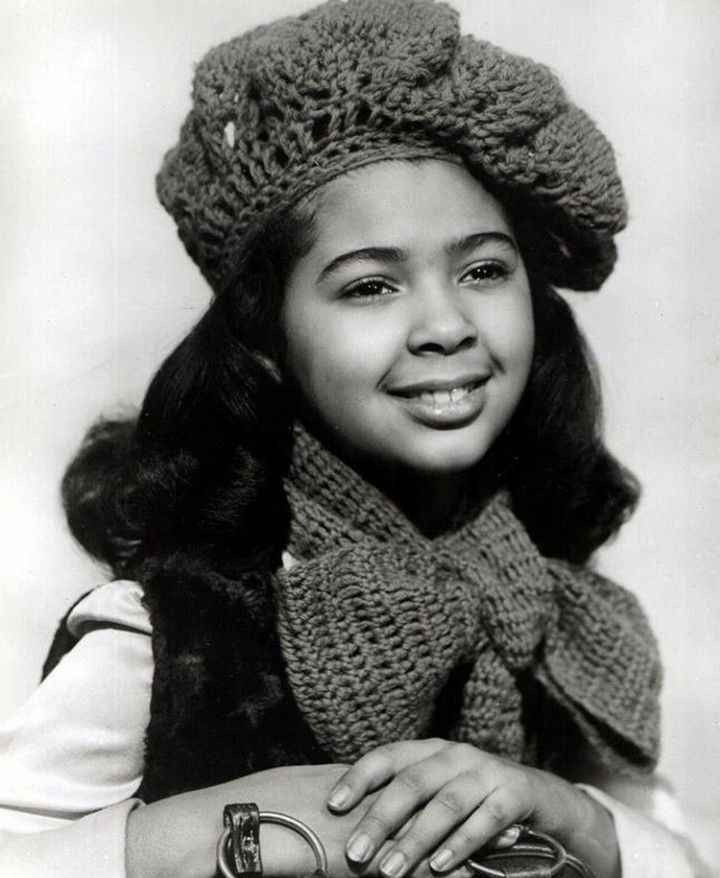
This photograph is the property of its respective owner.

Irene Cara Escalera was born on March 18, 1959, in New York City. was of mixed racial heritage, primarily Afro-Puerto Rican. Her father, Irene Cara Sr., was Puerto Rican, and her mother, Lillie Margaret Escalera, was African American. Growing up in this multicultural household, Cara was exposed to a rich blend of musical, cultural, and artistic influences, which shaped both her musical talent and her cosmopolitan sense of style. Raised in a family that encouraged musical expression, she developed her artistic skills from an early age. She studied dance, acting, and music, eventually attending the High School of Performing Arts, where her talent began to flourish. Her early immersion in performing arts laid the foundation for a career that would span film, stage, and music.
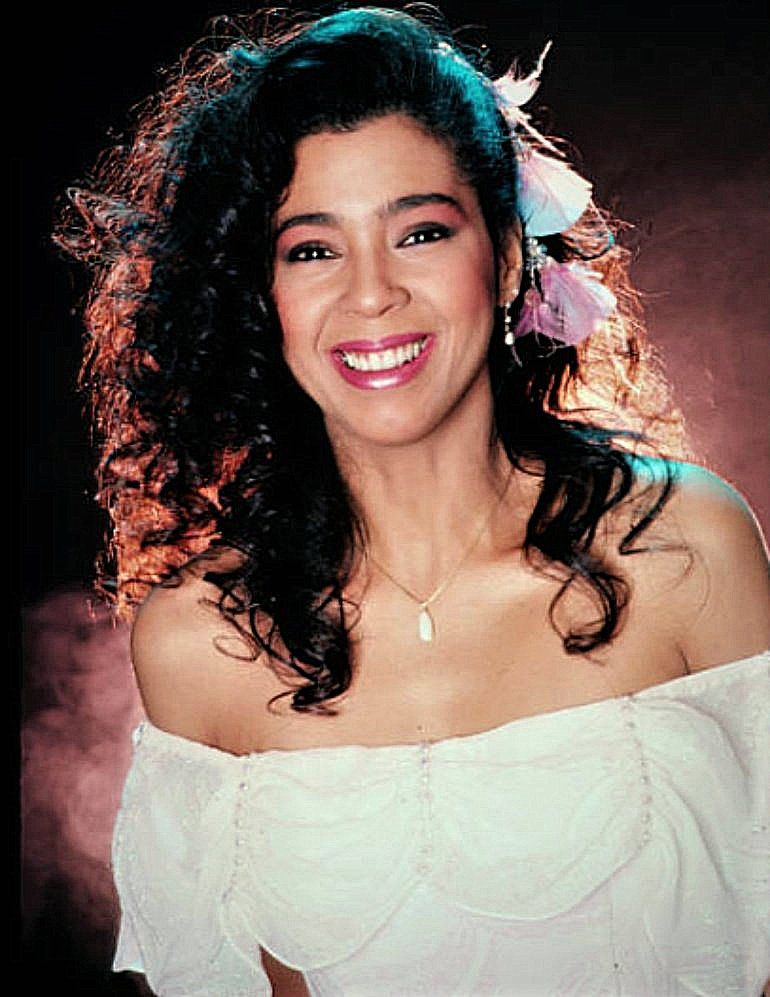
This photograph is the property of its respective owner.

Cara’s beauty was immediately noticeable. Her radiant skin, symmetrical features, and bright smile captured attention both on stage and on camera. Her statuesque frame and graceful movements gave her a commanding presence that complemented her vocal and acting abilities. As an “Ebony Doll,” Cara’s appearance projected both strength and elegance, inspiring admiration from fans and peers alike.

She first gained major public recognition through her work on Broadway and in television musicals. One of her earliest successes was starring in the musical Sparkle (1976), where her combination of acting, singing, and dance skills showcased her versatility as a performer. The role allowed Cara to project youthful beauty, talent, and confidence in a way that resonated with audiences.
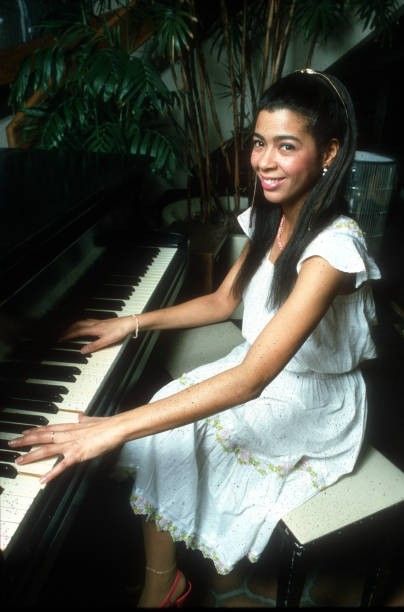
This photograph is the property of its respective owner.

Cara’s career reached its peak in the early 1980s with her starring role in the film Fame (1980). She portrayed Coco Hernandez, an ambitious young performer attending a New York City performing arts high school. The role highlighted her dramatic range, dance skills, and vocal talent, while also emphasizing her radiant, statuesque presence on screen. Her performance earned widespread acclaim and became iconic in the history of musical films.

The film’s theme song, Fame, performed by Cara, became a global sensation. Her voice, full of energy and passion, helped cement the song as an anthem for aspiring artists around the world. Her success with this song, combined with her on-screen charisma, made her a role model for young women pursuing careers in music and performance.

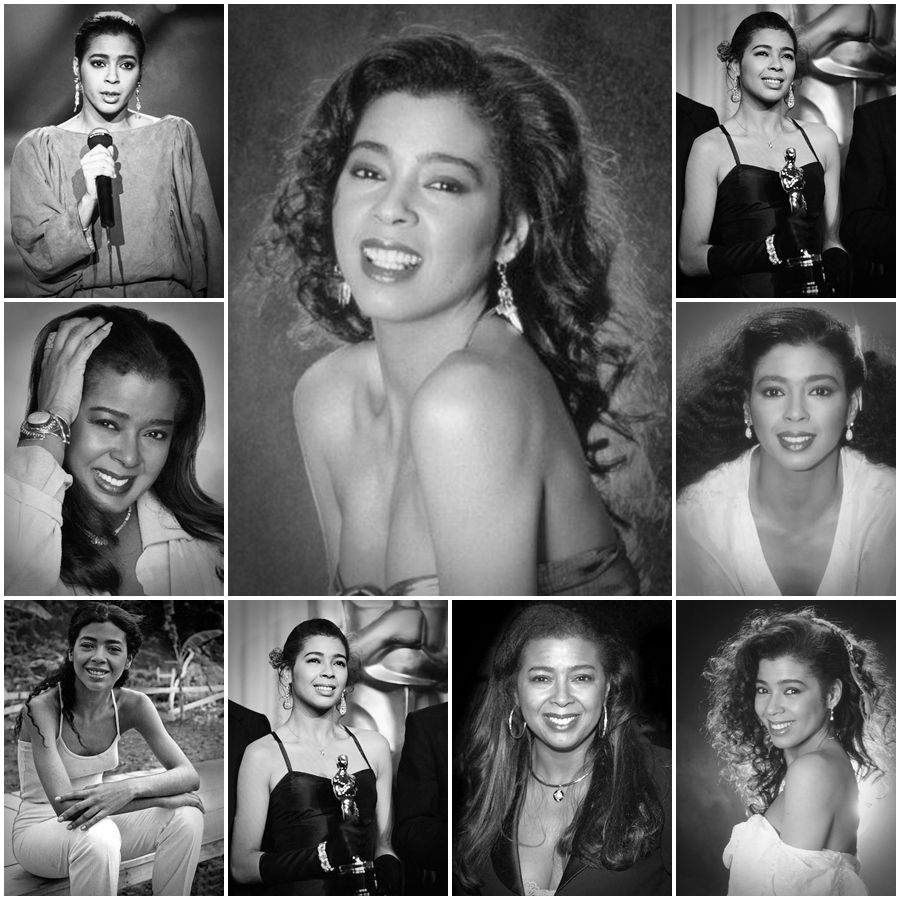
Following Fame, Cara achieved further acclaim with the hit single Flashdance… What a Feeling (1983) from the film Flashdance. She co-wrote the song, which went on to win both an Academy Award for Best Original Song and a Grammy Award for Best Female Pop Vocal Performance. The success of this track not only demonstrated her musical genius but also reinforced her position as an iconic figure of beauty and talent.
This photograph is the property of its respective owner.

Cara’s combination of vocal power, on-screen presence, and expressive movements contributed to her “Ebony Doll” status. Her performances radiated elegance, energy, and confidence, qualities that fans admired and the media celebrated. She served as a representation of Black female beauty that was glamorous, athletic, and inspiring.

Throughout her career, Cara also remained connected to live performance, touring internationally and appearing on stage in musical productions. Her work in music and theater allowed her to maintain her artistry while continuing to inspire new audiences.

Her impact on fashion and style was also notable. Cara’s distinctive hairstyles, radiant skin, and elegant wardrobe choices in performances and public appearances helped define the aesthetic of early-1980s pop culture for Black women. She represented a modern, glamorous vision of Black femininity that combined sophistication with youthful energy.

Beyond her artistry, Cara’s life and career demonstrated resilience. She navigated a challenging music industry while maintaining her integrity as a performer and songwriter. Her ability to blend artistry with poise exemplifies the qualities of an “Ebony Doll”: beauty, talent, and self-possession.
These photographs are the property of their respective owners.

Even decades after her peak fame, Irene Cara remained a cultural touchstone for her contributions to music and film. Her performances in Fame and Flashdance continue to inspire aspiring artists, and her elegant, radiant image remains celebrated in retrospectives and media coverage.

What makes Cara an “Ebony Doll” is the fusion of her physical beauty, artistic talent, and inspiring presence. She embodied the ideal of Black glamour in a way that is both authentic and aspirational, representing strength, confidence, and elegance across multiple disciplines.

Ultimately, Irene Cara’s story was one of brilliance, artistry, and timeless beauty. She was and remains a symbol of excellence in performance, style, and cultural influence, embodying the “Ebony Doll” ethos for generations of admirers.


References

Cara, I. (Interviews and public statements).

IMDb. (2026). Irene Cara Filmography. IMDb Database.

Britannica. (2026). Irene Cara. Encyclopaedia Britannica.

Smith, S. (2018). Black Women in Television and Film: A Cultural History. New York University Press.

PopMatters. (2020). Remembering Irene Cara: Fame, Flashdance, and the Voice of a Generation.
The Ebony Dolls: Joyce Bryant

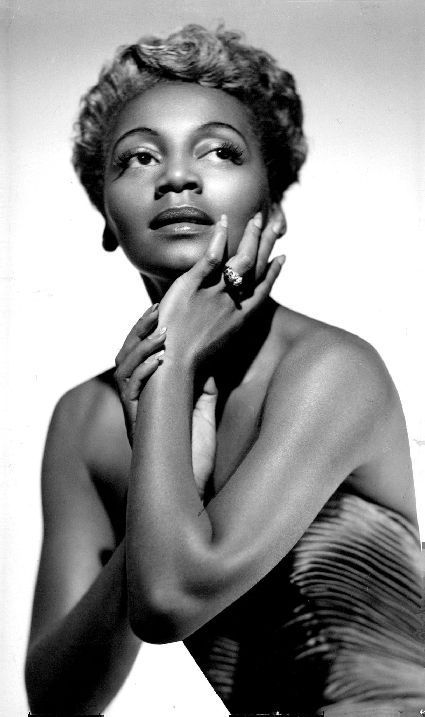
The Bronze Blonde Bombshell Who Redefined Black Glamour

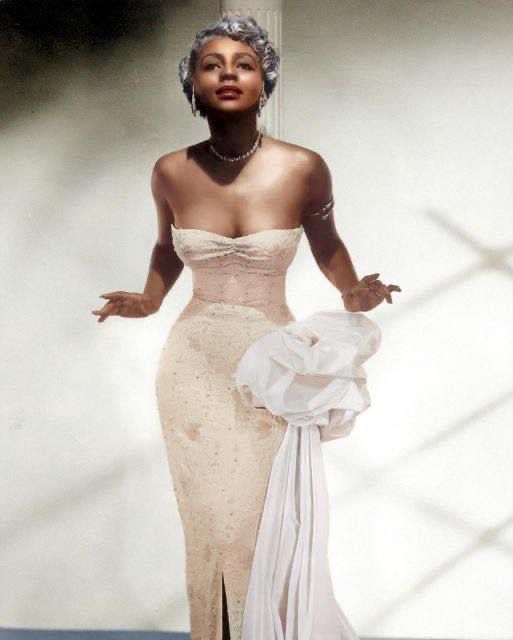
In the golden age of American nightlife, before the Civil Rights Movement reshaped the nation’s moral compass, one woman stood beneath the spotlight with silver hair gleaming and a voice that silenced entire rooms. Joyce Bryant was not merely a nightclub singer — she was spectacle, defiance, elegance, and contradiction embodied. She was called “The Bronze Blonde Bombshell,” “The Black Marilyn Monroe,” and “The Voice You’ll Always Remember.” Yet beyond the glamour was a woman of discipline, faith, and conviction whose life defied the industry that made her famous.

Born Ione Emily Bryant on October 14, 1927, in Oakland, California, and raised in San Francisco in a strict Seventh-day Adventist household, Bryant’s upbringing was conservative and deeply religious. Her early life did not forecast the sensual icon she would become. At fourteen, she briefly eloped — a youthful rebellion that ended almost as quickly as it began. It would not be the last time she surprised those who tried to define her.

Her entry into entertainment was accidental. In 1946, while visiting Los Angeles, she accepted a dare to sing at a nightclub to earn money for her return home. The club owner paid her $25 and invited her back. That impromptu performance marked the birth of a career that would soon electrify New York’s nightclub circuit.

By the late 1940s and early 1950s, Bryant was headlining major venues, reportedly earning thousands per week — an extraordinary sum for a Black woman in segregated America. Her four-octave vocal range captivated audiences, but it was her appearance that made her unforgettable. She dyed her hair metallic silver — initially using radiator paint — and wore impossibly tight mermaid gowns that required her to be sewn into them before performances. She moved minimally on stage, creating an aura of mystique that intensified her sensual presence.

Her aesthetic was deliberate. In an era when Black women were often denied glamorous representation, Bryant constructed herself as living art. In 1954, Ebony magazine named her one of the five most beautiful Black women in the world, alongside icons such as Lena Horne, Eartha Kitt, and Dorothy Dandridge. That recognition solidified her place within the visual lineage of celebrated Black femininity — what cultural historians often describe metaphorically as “Ebony Dolls”: women whose beauty, poise, and cultural visibility reshaped aesthetic standards.

Bryant’s recordings included songs such as “Love for Sale,” “Runnin’ Wild,” and “Drunk with Love.” Some were banned from radio due to perceived suggestiveness. Yet the controversy only amplified her allure. She was daring but never vulgar; provocative yet controlled. She understood that power in performance was not merely about exposure, but about command.

Her impact extended beyond aesthetics. Bryant broke racial barriers by performing in previously segregated venues, including Miami Beach nightclubs that rarely booked Black entertainers. She received threats from white supremacist groups but continued performing, quietly challenging Jim Crow norms with every booking.

Despite reaching the height of nightclub fame, Bryant walked away from it all in the mid-1950s. Disillusioned with the exploitation and moral compromises demanded by the entertainment industry, she returned to her religious roots. She studied at Oakwood College and devoted herself to faith-based service and activism. She also participated in civil rights fundraising efforts and supported the broader movement for racial justice emerging under leaders such as Martin Luther King Jr..

Unlike many performers who fade into obscurity after leaving the spotlight, Bryant reinvented herself. In the 1960s, she returned as a classically trained vocalist, studying opera and performing with respected companies including the New York City Opera. Her transition from nightclub bombshell to operatic soprano confounded critics who had underestimated her discipline and artistry.

Her film work was limited but historically noted. She appeared in the 1946 crime film Mr. Ace, performing as a nightclub singer. While Hollywood never fully capitalized on her magnetism, her screen presence remains a testament to her versatility.

Personally, Bryant’s life was marked more by independence than domestic publicity. Aside from her teenage elopement, she did not build her legacy around marriage or publicized romantic partnerships. Instead, she cultivated a life of artistic growth, spiritual conviction, and community service.

In later years, renewed interest in her story led to documentaries and retrospectives, reintroducing her to audiences who had never witnessed her reign firsthand. She passed away in Los Angeles in 2022 at the age of 95, leaving behind a legacy that spans glamour, resistance, faith, and reinvention.

Why is Joyce Bryant considered an Ebony Doll? Because she represented an archetype rarely afforded to Black women in mid-20th-century America: high glamour without apology, sensuality without shame, beauty without concession to Eurocentric standards. She crafted her image intentionally and then relinquished it on her own terms. She proved that beauty and righteousness, performance and principle, could coexist within one woman.

Joyce Bryant was not merely a nightclub sensation. She was a cultural architect of Black glamour. She was a pioneer who stood radiant in silver hair beneath hostile skies — and she remains a symbol of elegance forged in resistance.


References

Bryant, J. (n.d.). Official Biography. JoyceBryant.net.

Joyce Bryant. (2024). In Wikipedia.

Ebony. (1954). “The World’s Most Beautiful Black Women.” Ebony Magazine.

Mr. Ace. (1946). Republic Pictures.

Black Women Radicals. (n.d.). Joyce Bryant Biography.

Ebony Magazine. (2022). “Acclaimed Singer Joyce Bryant Passes Away at 95.”

The “It Girl” Series: Rihanna

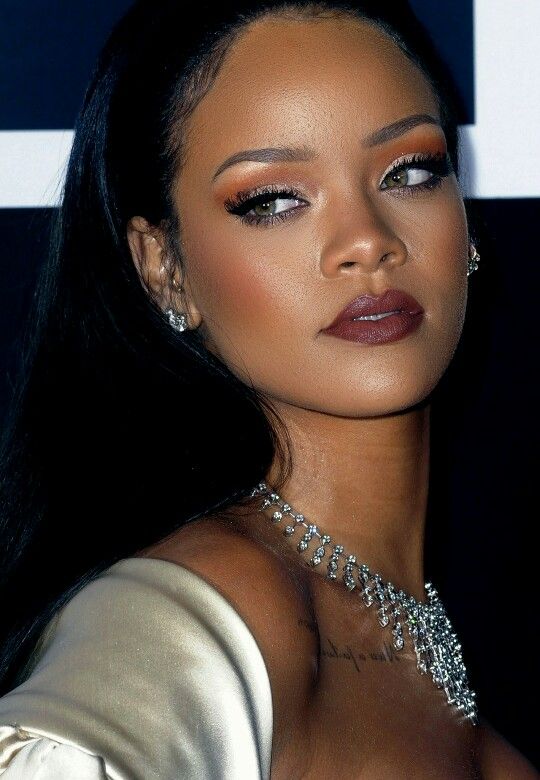
With mesmerizing hazel eyes, statuesque elegance, and an empire built on creativity and resilience, Rihanna embodies the modern “It Girl”—a global icon whose beauty, talent, and business acumen have reshaped music, fashion, and philanthropy.

This photograph is the property of its respective owner.

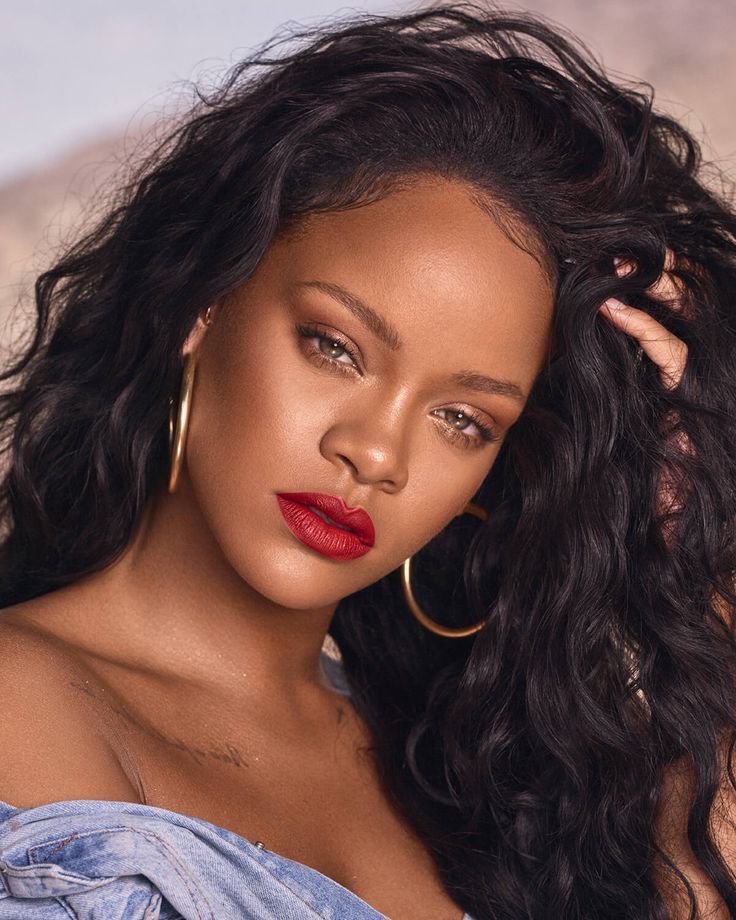
Robyn Rihanna Fenty—known globally as Rihanna—stands as one of the most influential cultural figures of the twenty-first century. Celebrated for her distinctive beauty, entrepreneurial brilliance, and musical innovation, Rihanna has evolved from a teenage pop singer into a billionaire mogul whose impact extends far beyond entertainment. Her captivating hazel eyes, radiant complexion, and statuesque presence have made her one of the most recognizable women in the world, while her ambition and vision have transformed her into a pioneer of modern celebrity entrepreneurship.

Rihanna was born on February 20, 1988, in Saint Michael, Barbados, and raised in the Barbadian capital of Bridgetown. Her father, Ronald Fenty, worked as a warehouse supervisor, while her mother, Monica Braithwaite, was an accountant. Growing up in a modest household, Rihanna’s childhood was shaped by both the vibrant culture of Barbados and the challenges of family struggles. Despite these obstacles, she demonstrated remarkable confidence and talent at a young age, particularly in music and performance.

Rihanna’s life changed dramatically in 2003 when she formed a girl group with two classmates and auditioned for American music producer Evan Rogers, who was visiting Barbados. Impressed by her distinctive voice and magnetic presence, Rogers invited Rihanna to record demo tapes in the United States. These recordings eventually reached rapper and entrepreneur Jay-Z, then president of Def Jam Recordings. After auditioning for Jay-Z, Rihanna was offered a recording contract that launched her career into the global spotlight.

This photograph is the property of its respective owner.

Her debut album, Music of the Sun (2005), introduced Rihanna’s Caribbean-infused pop sound and produced the hit single Pon de Replay. She quickly followed with A Girl Like Me (2006), which included chart-topping hits such as SOS and established her as a rising pop star. However, it was her third studio album, Good Girl Gone Bad (2007), that catapulted her into superstardom. The album featured the global smash hit Umbrella, which earned Rihanna her first Grammy Award and solidified her status as one of the defining artists of her generation.

Throughout the late 2000s and 2010s, Rihanna continued to dominate the music industry with critically acclaimed albums such as Rated R, Loud, Talk That Talk, Unapologetic, and Anti. Her musical versatility allowed her to blend pop, R&B, reggae, dancehall, and electronic influences, creating a sound that resonated across cultures and continents. Over time, Rihanna accumulated more than a dozen number-one singles on the Billboard Hot 100 chart, making her one of the best-selling music artists in history.

This photograph is the property of its respective owner.

Beyond music, Rihanna revolutionized the beauty industry with the launch of Fenty Beauty in 2017 in partnership with the luxury conglomerate LVMH. The brand was celebrated for its groundbreaking inclusivity, debuting with 40 foundation shades designed to accommodate a wide range of skin tones. This bold move challenged long-standing industry norms and sparked what many analysts called the “Fenty Effect,” prompting other cosmetics companies to expand their shade ranges and embrace diversity in beauty marketing.

Rihanna’s entrepreneurial ambitions did not stop with cosmetics. She later launched Savage X Fenty, a lingerie company celebrated for its inclusive sizing and diverse representation of women. She also created Fenty Skin and other fashion ventures, solidifying her reputation as a business visionary. By 2021, financial analysts estimated Rihanna’s net worth at over $1 billion, making her the wealthiest female musician in the world and one of the few entertainers to achieve billionaire status through business innovation.

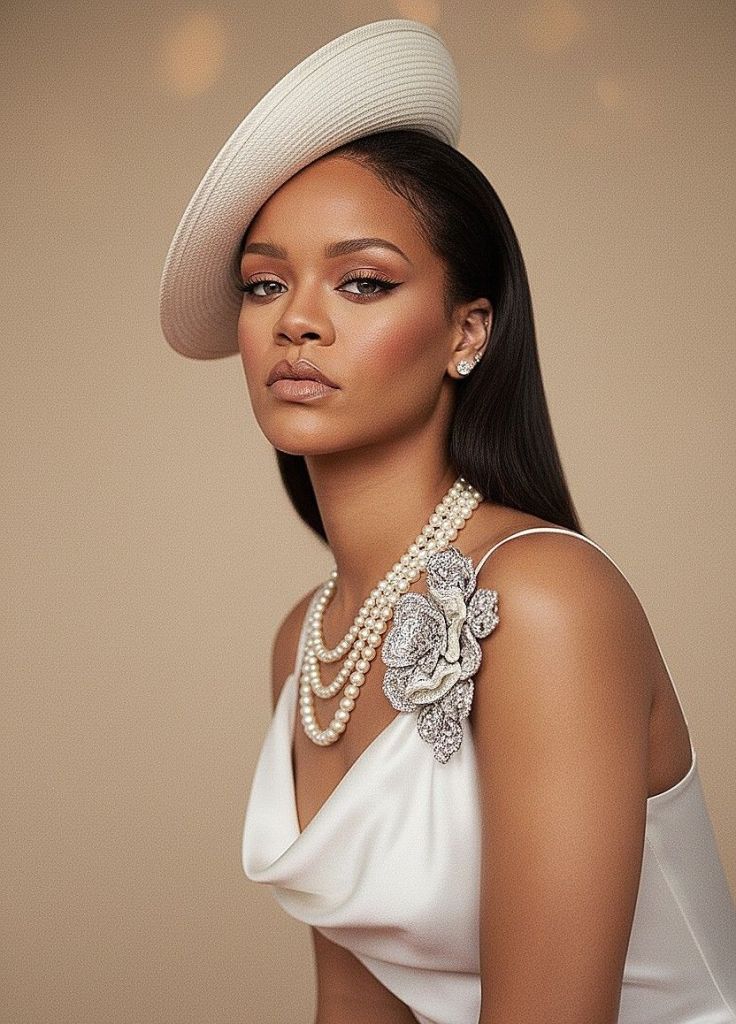
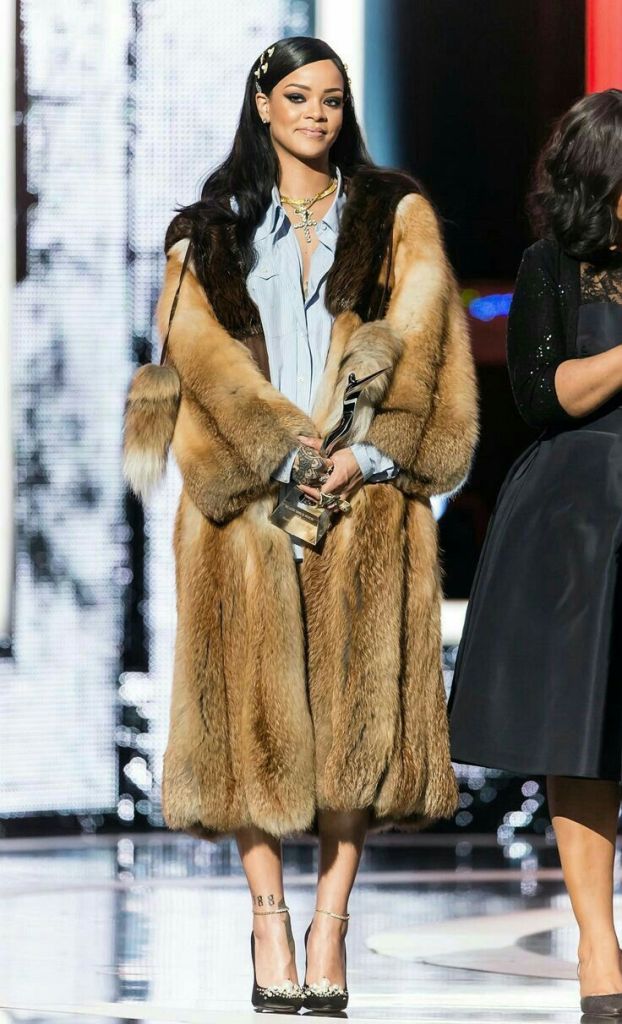
Her physical beauty has also played a role in her iconic status. Rihanna’s luminous hazel eyes, symmetrical facial structure, and statuesque figure have made her a muse for fashion designers and photographers alike. She has graced the covers of leading fashion magazines, including Vogue and Harper’s Bazaar, and has become known for her fearless experimentation with style. Whether walking red carpets or appearing in editorial spreads, Rihanna’s presence exudes confidence, individuality, and elegance.

Rihanna’s influence extends deeply into philanthropy. In 2012, she founded the Clara Lionel Foundation, named after her grandparents. The foundation focuses on global education, emergency response, and climate resilience initiatives, particularly in underserved communities. Through scholarships, disaster relief efforts, and global partnerships, Rihanna has demonstrated a commitment to using her wealth and platform to uplift others.

This photograph is the property of its respective owner.

Her humanitarian efforts have been widely recognized. In 2017, she was named Harvard University’s Humanitarian of the Year for her philanthropic contributions and global advocacy. Rihanna has also supported initiatives related to healthcare, disaster recovery, and educational access, particularly in Caribbean nations and developing regions.

In her personal life, Rihanna shares a long-term relationship with rapper and entrepreneur A$AP Rocky. The couple welcomed their first son in 2022 and their second son in 2023, embracing parenthood while maintaining their influential careers in music and fashion. Their partnership has been widely admired as a union of two creative visionaries shaping contemporary culture.

Rihanna’s list of accolades is extensive. Over the course of her career, she has won nine Grammy Awards, numerous American Music Awards, Billboard Music Awards, and MTV Video Music Awards. Her achievements span music, fashion, beauty, and philanthropy—making her one of the most decorated entertainers of the modern era.

Perhaps Rihanna’s greatest legacy lies in how she has reshaped the concept of the “It Girl.” Traditionally associated with fleeting fame or fashionable allure, Rihanna transformed the archetype into something far more powerful. She represents a new generation of celebrity—one that blends artistry, entrepreneurship, activism, and cultural leadership.

From the sunlit streets of Barbados to the boardrooms of global fashion houses, Rihanna’s journey is a testament to ambition, resilience, and self-definition. Her beauty may first capture the world’s attention, but it is her vision, generosity, and fearless independence that truly define her legacy.

In every sense, Rihanna is not merely an “It Girl”—she is a phenomenon whose influence will shape music, fashion, and philanthropy for generations to come.


References

Forbes. (2021). Rihanna is now officially a billionaire thanks to Fenty Beauty.

IFPI. (2022). Global music report: Recording industry revenues and artists.

Billboard. (2023). Rihanna’s chart history and Billboard Hot 100 achievements.

Clara Lionel Foundation. (2023). Mission and philanthropic initiatives.

Britannica, T. Editors of Encyclopaedia. (2024). Rihanna: Barbadian singer, actress, and entrepreneur.

LVMH. (2017). Fenty Beauty brand launch and partnership announcement.

Celebrity Spotlight: Howard Hewett

This photograph is the property of its respective owner. No copyright infringement intended.

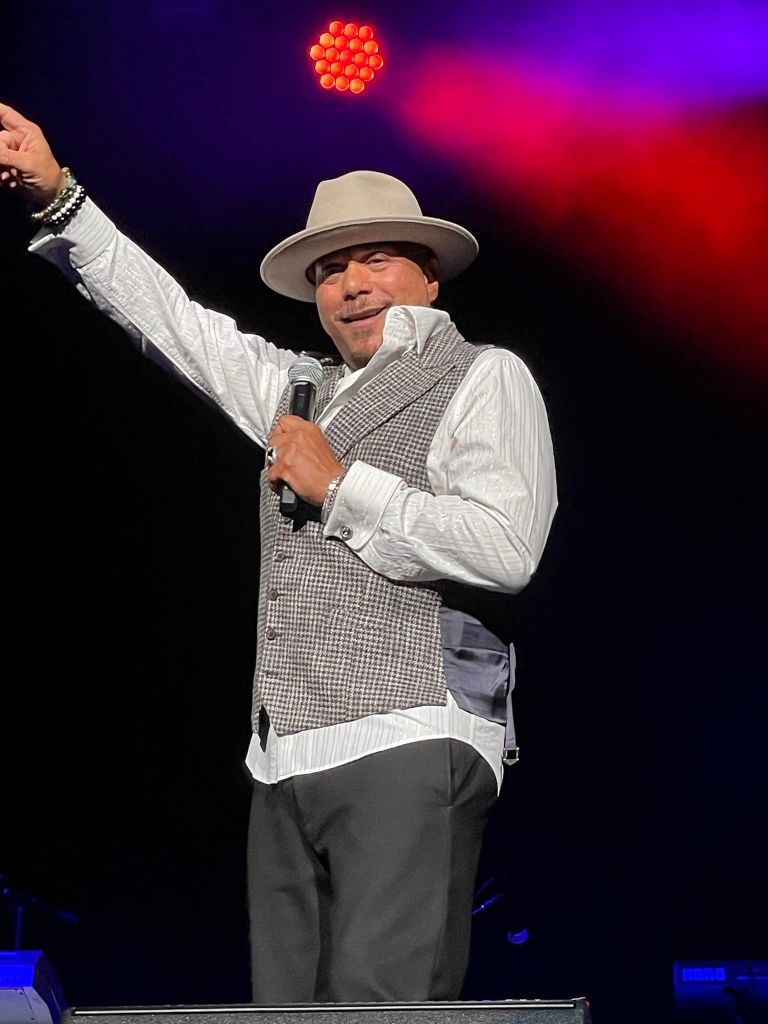
Howard Hewett is celebrated for his silky, emotive balladeer’s voice—smooth, resonant, and deeply expressive. His vocal tone carries a romantic warmth rooted in gospel tradition while effortlessly blending with contemporary R&B and soul. Hewett’s delivery is intimate yet powerful, allowing him to convey vulnerability, devotion, and longing in a way that has defined classic Black love songs for generations.

Born October 1, 1955, in Akron, Ohio, Howard Hewett Jr. was raised in a musically rich household. He was introduced to music at an early age through the church. He sang gospel alongside his sisters in a family group known as The Hewett Singers, which laid the spiritual and technical foundation for his vocal style.

Hewett’s early exposure to gospel instilled discipline, harmony, and emotional depth in his singing. As a teenager, he expanded beyond church music and joined a local funk band called Lyfe, where he gained experience performing secular music and honing his stage presence. This period marked his transition from gospel roots to broader musical exploration.

His professional career began to take shape in 1976, when he relocated to Los Angeles to pursue opportunities in the music industry. This move proved pivotal, placing him at the center of the emerging West Coast R&B and soul scene during a transformative era in Black music.

Howard Hewett rose to national prominence as the lead singer of the R&B group Shalamar, one of the flagship acts of Dick Griffey’s SOLAR Records. Joining the group in the late 1970s, Hewett became the voice behind many of Shalamar’s most iconic records during their commercial peak.

With Hewett on lead vocals, Shalamar released a string of timeless hits that blended dance, soul, and romance. Songs such as “The Second Time Around,” “A Night to Remember,” and “This Is for the Lover in You” became staples of Black radio and remain enduring classics in R&B history.

After establishing himself as a star with Shalamar, Hewett embarked on a solo career in the mid-1980s. He officially launched his solo journey in 1986 with the release of his debut album, I Commit to Love, under Elektra Records. The album showcased his signature romantic style and solidified his identity as a premier R&B balladeer.

His solo success continued with hits such as “I’m for Real,” “Stay,” and “Once, Twice, Three Times.” These songs emphasized emotional sincerity, commitment, and adult love, distinguishing Hewett in an era increasingly influenced by pop crossover trends.

Throughout his career, Hewett has been associated with award-winning projects. He contributed to the Grammy-winning Beverly Hills Cop soundtrack, which received recognition for its musical excellence and cultural impact during the 1980s.

Howard Hewett’s influence has also been recognized at the community level. The city of Akron, Ohio, has honored him for his artistic contributions, acknowledging his role as one of the city’s most successful and respected musical figures.

In his personal life, Hewett has experienced several marriages. His first marriage was to Rainey Riley-Cunningham, with whom he shares two daughters, LaKiva Siani and Rainey Daze. He later married Mari Molina, though that union did not produce children.

His third marriage was to actress and singer Nia Peeples, with whom he has a son, Christopher Eugene Howard Hewett, born in 1989. Hewett later married Angela Bloom-Hewett, and they share a daughter named Anissa Hewett. He is also a proud grandfather.

Beyond chart success, Hewett’s legacy rests in his role as a cultural voice for Black love, emotional transparency, and mature romance. His music has consistently affirmed tenderness, commitment, and vulnerability—values often absent from mainstream portrayals of masculinity.

With a career spanning more than four decades, Howard Hewett remains a respected elder statesman of R&B. His influence is evident in contemporary soul artists who prioritize vocal purity, lyrical sincerity, and emotional depth.

Howard Hewett’s story is one of faith-rooted beginnings, artistic perseverance, and enduring musical relevance. His voice continues to stand as a testament to the power of soulful expression and the timeless beauty of Black love in song.


References

Hewett, H. (n.d.). Official biography. Howard Hewett Music. https://www.howardhewettmusic.com/bio

Howard Hewett. (n.d.). In Wikipedia. https://en.wikipedia.org/wiki/Howard_Hewett

I Commit to Love. (n.d.). In Wikipedia. https://en.wikipedia.org/wiki/I_Commit_to_Love

Forever and Ever (Howard Hewett album). (n.d.). In Wikipedia. https://en.wikipedia.org/wiki/Forever_and_Ever_(Howard_Hewett_album)

City of Akron honors Howard Hewett. (n.d.). Downtown Akron Partnership. https://www.downtownakron.com

IMDb. (n.d.). Howard Hewett biography. https://www.imdb.com/name/nm0382040/bio/

The “It Girl” Series: Mýa Harrison

With big doe eyes and a whisper-soft voice that shaped a generation, Mýa is the It Girl of R&B grace, a dancing phenomenon, discipline, and quiet longevity.

This photograph is the property of its respective owner.

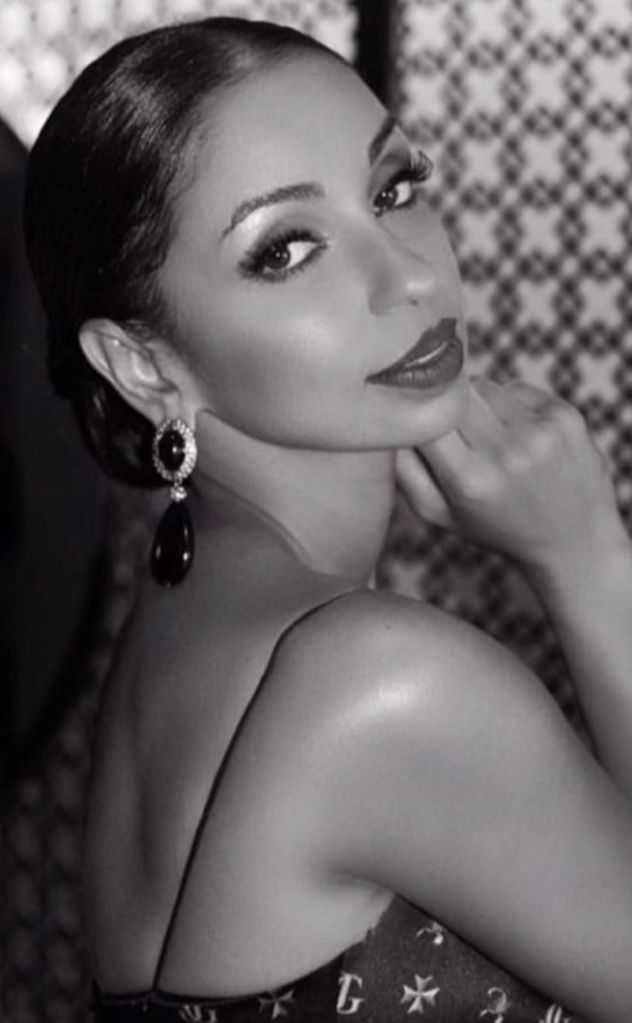
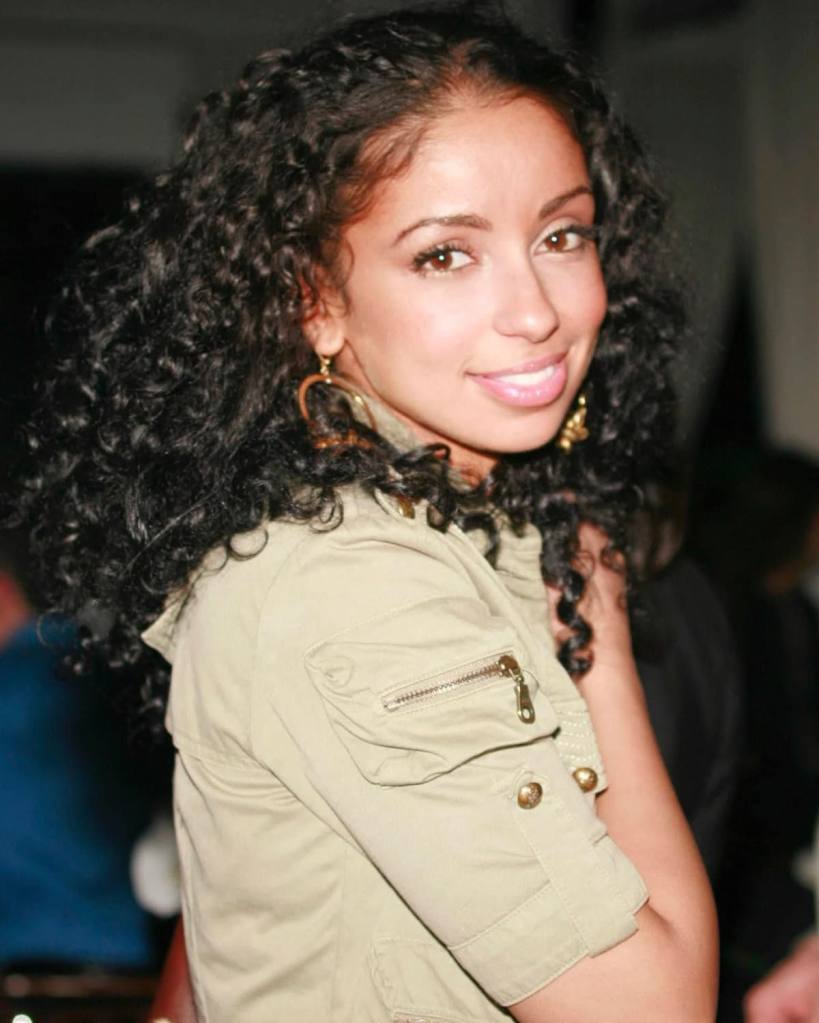
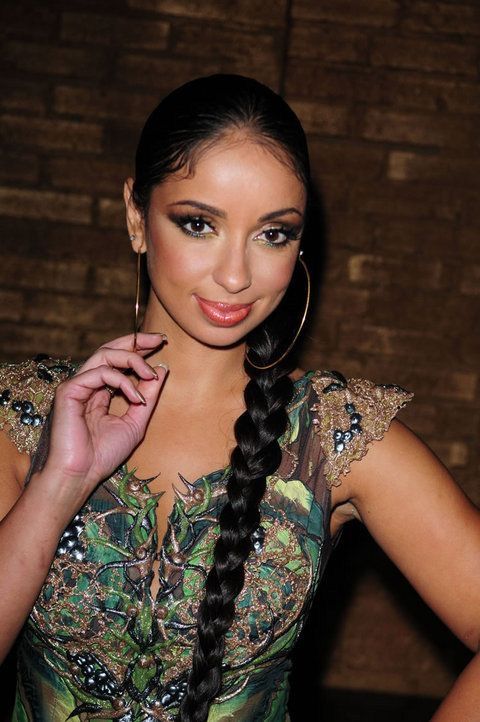
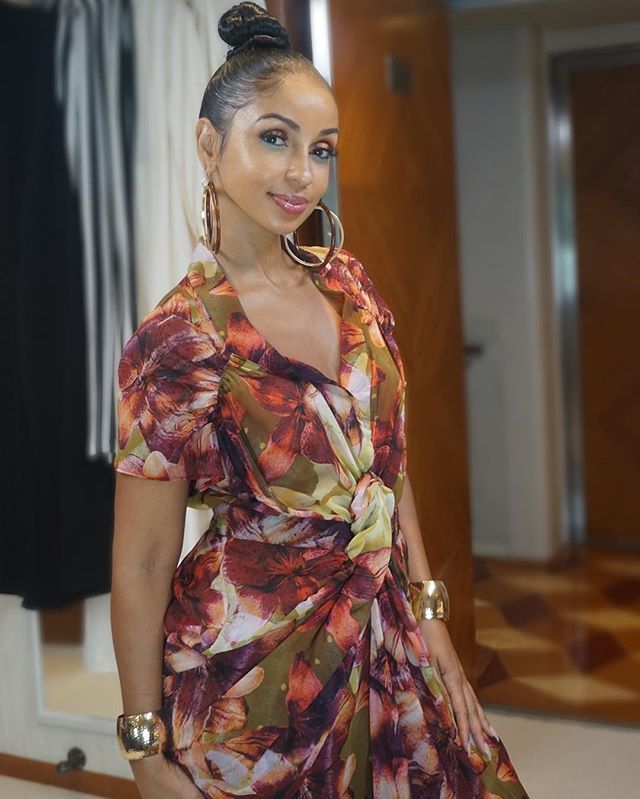
Mýa — born Mýa Marie Harrison on October 10, 1979, in Washington, D.C. — emerged in the late 1990s as one of R&B’s most poised and technically refined young stars. Known for her ballet-trained posture, honey-toned vocals, and signature big doe eyes, Mýa carved out a lane that blended elegance with urban rhythm.

She was never the loudest voice in the room — but she was often the most polished.


Early Life & Musical Foundations

Raised in a musically inclined household (her father was a professional musician), Mýa studied ballet, jazz, and tap from a young age. Her formal dance training shaped her stage discipline and visual precision. By her mid-teens, she had secured a recording contract with Interscope Records.

Her self-titled debut album, Mýa, introduced her as a soft-spoken yet rhythmically assertive vocalist. The album featured the hit single “It’s All About Me” and established her as part of the late-90s R&B wave that included Brandy, Aaliyah, and Monica.

Her wide, expressive doe eyes became part of her public signature — conveying vulnerability, flirtation, and innocence simultaneously. In an era of highly stylized pop femininity, Mýa’s look felt both delicate and disciplined.


This photograph is the property of its respective owner.

Breakthrough & Cultural Impact

Mýa’s global breakout came with her collaboration on Lady Marmalade alongside Christina Aguilera, Lil’ Kim, and Pink for the film Moulin Rouge!. The song became a No. 1 Billboard hit and won a Grammy Award for Best Pop Collaboration with Vocals.

This moment cemented Mýa as internationally recognized — not merely an R&B singer, but a crossover performer capable of holding her own among powerhouse vocalists.

Her second album, Fear of Flying, featured the bold and playful single “Case of the Ex,” showcasing a more confident and rhythm-driven persona. The album went platinum, solidifying her commercial viability.


Film & Television Career

Like many It Girls of her era, Mýa expanded into film. She starred in Love & Basketball, a now-classic Black romantic drama, playing Kyra Kersey — the confident, competitive ex-girlfriend. The film has become canon in Black cinema discourse, and her performance added to her “cool girl” mystique.

She later appeared in Chicago as Mona, a role that showcased her dance training and theatrical poise. The film won the Academy Award for Best Picture, adding prestige to her résumé.

In 2009, she competed on Dancing with the Stars, finishing as runner-up and reintroducing herself to a new generation as a technically superior dancer.


Independent Artist & Businesswoman

After navigating major-label challenges, Mýa made a pivotal decision: independence.

In 2008, she launched her own label, Planet 9, becoming one of the first R&B artists of her era to move fully independent. She released multiple projects independently, maintaining creative control and ownership of her masters — a move that earned her quiet respect within the music industry.

Her 2016 album Smoove Jones received a Grammy nomination for Best R&B Album — proof that her artistry remained relevant nearly two decades after her debut.

This independence reframed her It Girl status. She was no longer just a face of a generation — she was a business model for artistic autonomy.


This photograph is the property of its respective owner.

Beauty, Persona & Public Perception

Within the Black community, Mýa is often remembered as:

  • Soft-spoken but self-assured
  • Elegant and unproblematic
  • Classically beautiful with “big doe eyes”
  • Disciplined and scandal-free

Her beauty is often described as ethereal — large almond-shaped eyes, symmetrical features, warm caramel complexion, and dancer’s posture. Unlike some contemporaries whose branding leaned heavily into overt sexuality, Mýa balanced sensual choreography with controlled mystique.

She is perceived as one of the “good girls” of 90s R&B — talented, poised, and largely free of public controversy. That consistency contributes to her enduring respect.


Marriage, Family & Privacy

In 2020, reports surfaced that Mýa had married in a private ceremony abroad, though she has maintained significant privacy about her personal life. She does not have publicly confirmed children.

Her discretion stands in contrast to the hyper-visibility of modern celebrity culture. She rarely engages in scandal cycles and maintains a carefully curated public image.


Awards & Recognition

  • Grammy Award (2002) – Best Pop Collaboration with Vocals (“Lady Marmalade”)
  • Billboard Music Awards recognition
  • MTV Video Music Award nominations
  • Soul Train Music Award nominations
  • Grammy nomination (2017) – Best R&B Album (Smoove Jones)

While she may not dominate headlines daily, her accolades reflect sustained industry respect.


This photograph is the property of its respective owner.

Why She Is an “It Girl”

Mýa is an It Girl because she defined a moment — and then preserved her dignity beyond it.

She represents:

  • The late-90s R&B golden era
  • Technical dance excellence
  • Big doe-eyed softness paired with discipline
  • Independent female ownership in music
  • Longevity without chaos

She was never tabloid-driven. She was craft-driven.

In a generation of louder personas, Mýa’s power has always been subtle — the tilt of her head, the control of her choreography, the emotional nuance in her voice.

Her It Girl status rests not on spectacle, but on polish.

And decades later, those big doe eyes still carry the same quiet confidence that first captivated audiences.


References

Billboard. (2001–2024). Chart history: Mýa.

Grammy Awards. (2002; 2017). Grammy winners and nominees database.

IMDb. (n.d.). Mýa Harrison filmography. Retrieved from https://www.imdb.com

Interscope Records. (1998). Mýa [Album].

Interscope Records. (2000). Fear of Flying [Album].

Luhrmann, B. (Director). (2001). Moulin Rouge! [Film].

Marshall, R. (Director). (2002). Chicago [Film].

Prince-Bythewood, G. (Director). (2000). Love & Basketball [Film].

ABC. (2009). Dancing with the Stars [Television series].

The Ebony Dolls: Vanessa Williams

And there she is, Miss America…..

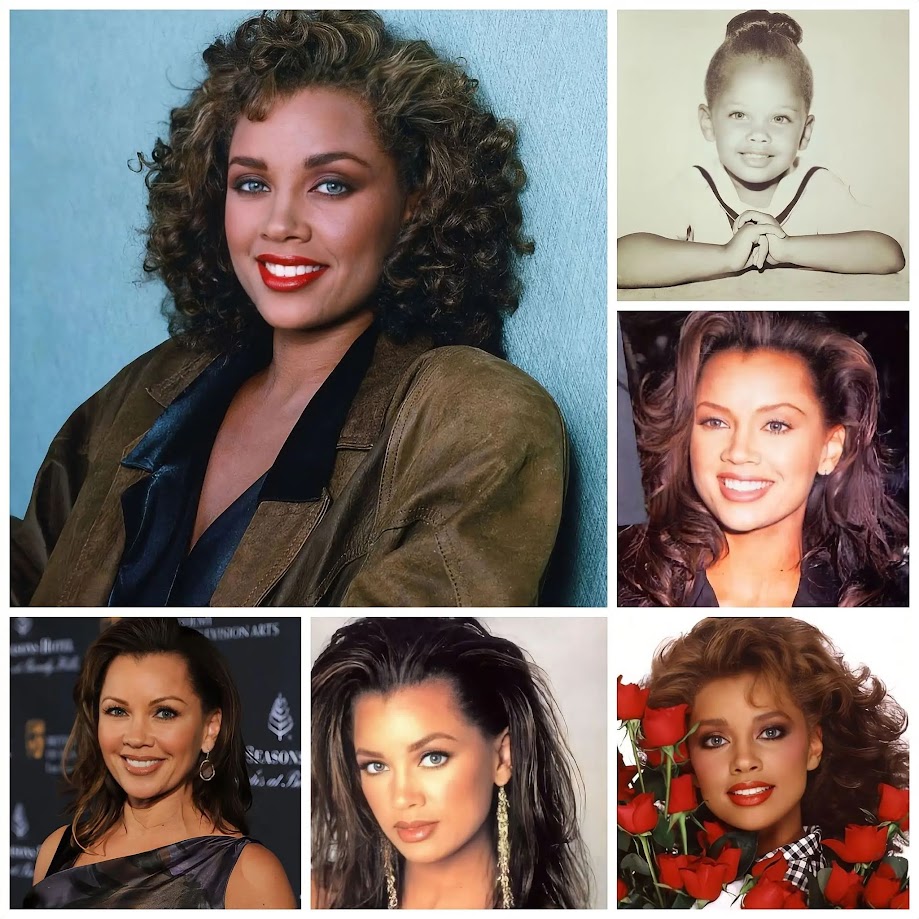
This photograph is the property of its respective owner. No copyright infringement intended.

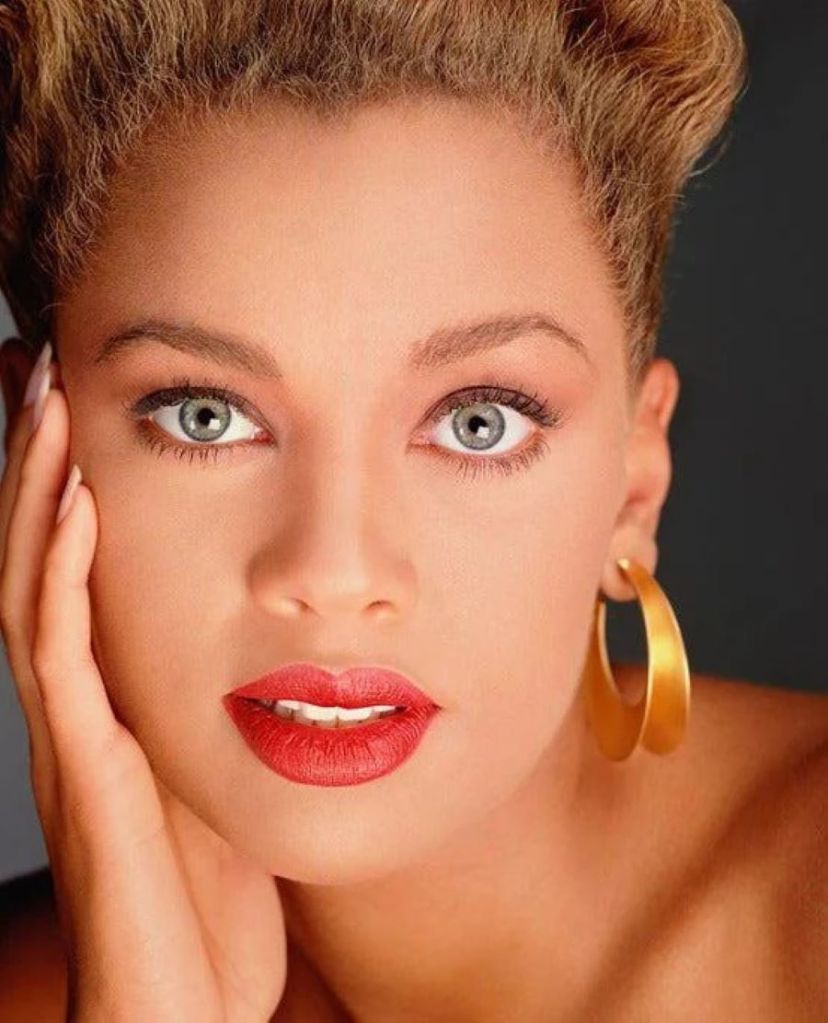
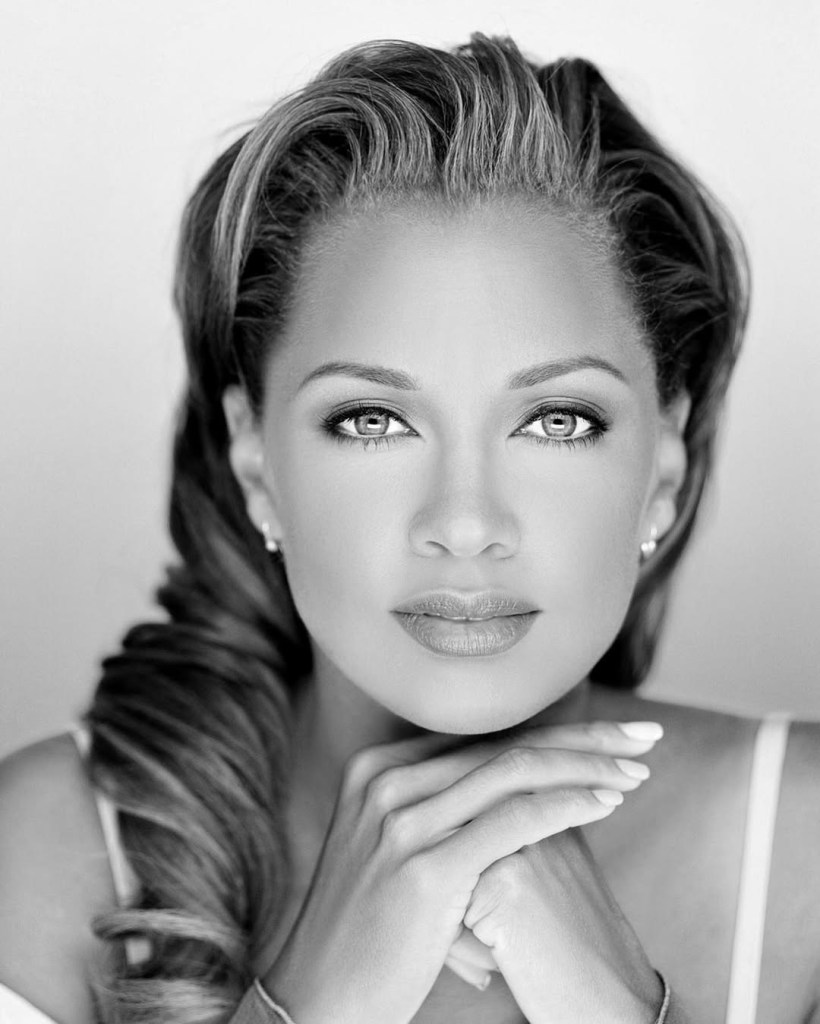
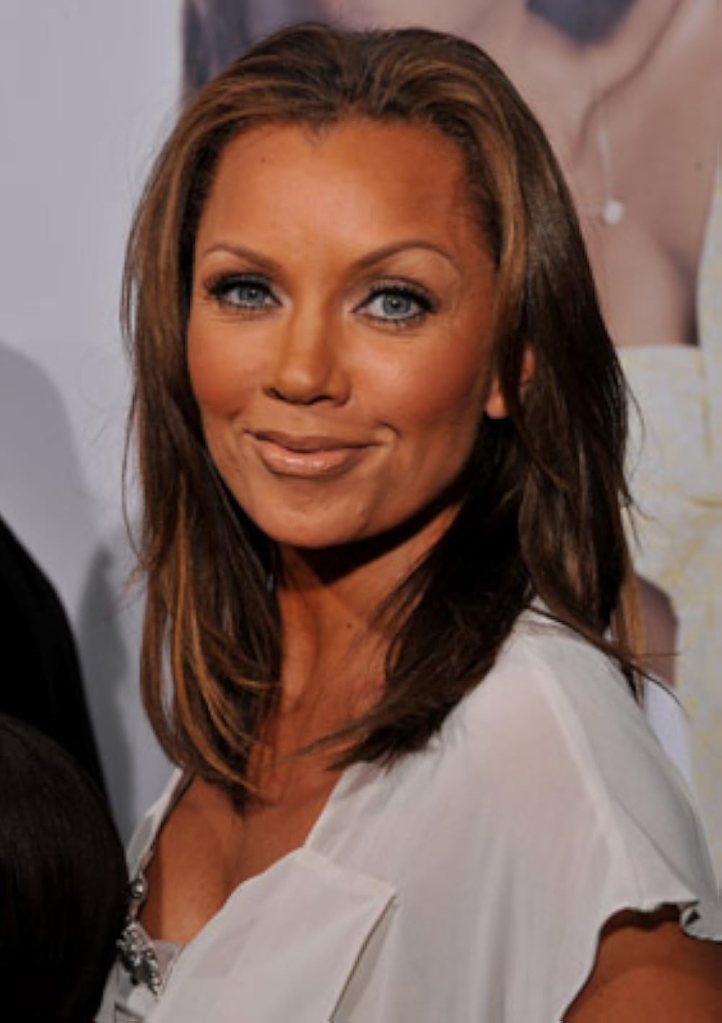
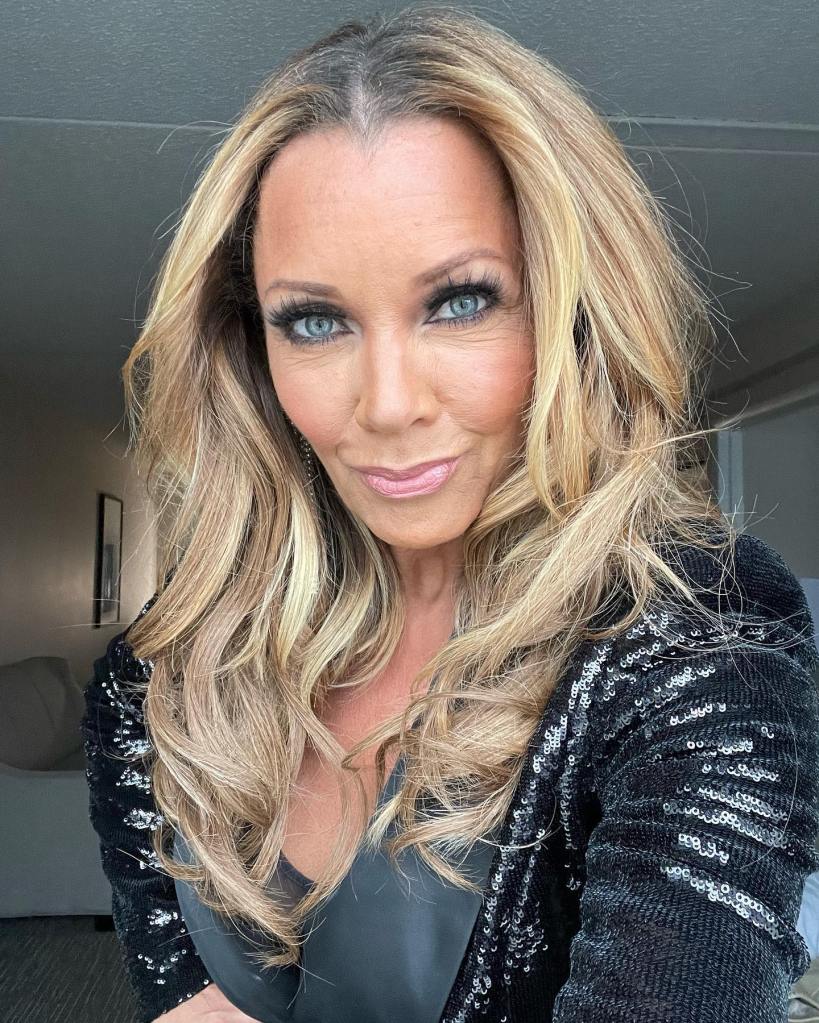
Vanessa Lynn Williams is a timeless symbol of beauty, talent, and perseverance—a woman whose radiant presence has defined multiple generations of entertainment. Born on March 18, 1963, in Tarrytown, New York, her arrival into the world was met with prophetic pride. Her parents, Helen and Milton Williams, both devoted music teachers, joyfully announced her birth in the local paper with the words, “Here she is: Miss America.” That simple line, written long before the world knew her name, became a divine foreshadowing of destiny fulfilled. With her French vanilla skin tone with luminous golden undertones, and striking big blue eyes. Her mixed African American and European heritage gave her a distinctive look that both challenged and expanded Hollywood’s perception of Black womanhood.

Raised in a home filled with music and discipline, Vanessa’s artistic journey began early. Her parents ensured that her childhood was rich with musical training and cultural exposure. She studied piano, violin, and French horn before she could drive, and later developed a powerful singing voice that would become one of her trademarks. Education was equally important—she attended Syracuse University as a musical theater major, where she developed into a true triple threat: a gifted singer, actress, and dancer capable of captivating audiences across any medium.

This photograph is the property of its respective owner. No copyright infringement intended

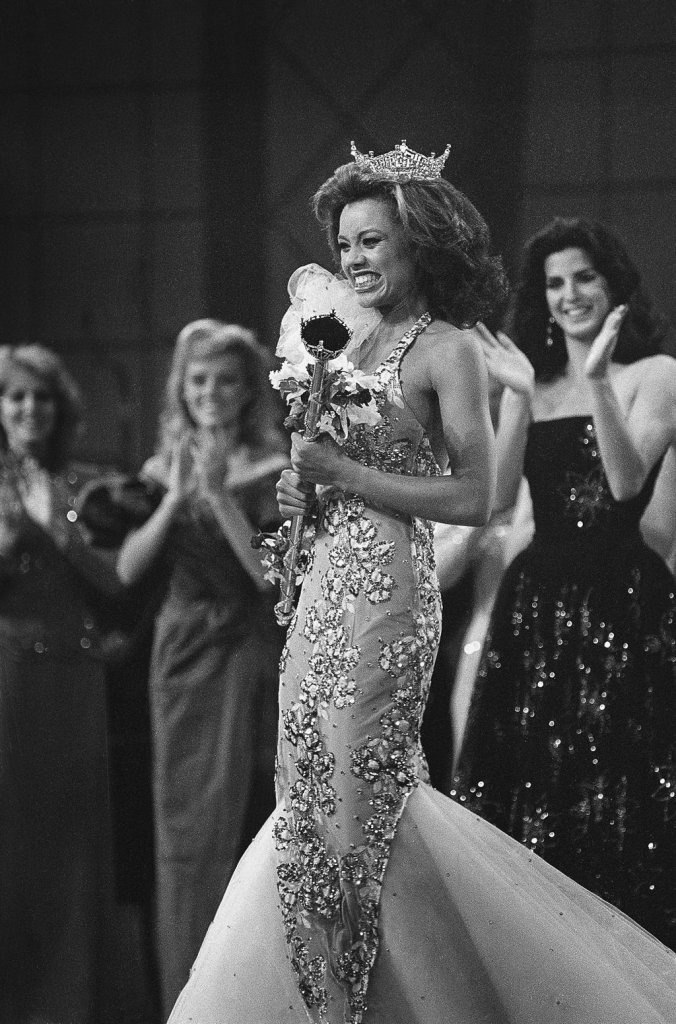
In 1983, Vanessa Williams made history as the first Black woman crowned Miss America. Her victory was not merely a pageant win—it was a moment that redefined American beauty and challenged the racial boundaries of a longstanding institution. Her reign, however, was cut short after unauthorized nude photographs were published without her consent, forcing her resignation. This controversy, though painful and racially charged, could not extinguish her spirit. Vanessa’s poise, dignity, and strength throughout that ordeal transformed her into a symbol of resilience and grace under pressure. Decades later, the Miss America Organization formally apologized to her in 2015, acknowledging the injustice she endured and the class with which she carried herself.

The foundation of that strength came from her parents, Helen and Milton, whose unwavering love kept her grounded in faith and artistry. They reminded her that her value transcended public opinion. Vanessa took their words to heart and began the work of rebuilding—not as a fallen pageant queen, but as an emerging artist ready to command the world stage. That decision would lead to one of the most remarkable comebacks in entertainment history.

This photograph is the property of its respective owner. No copyright infringement intended.

Her debut album, “The Right Stuff” (1988), proved that her talent was undeniable. The project earned three Grammy nominations and produced several hit singles, including “Dreamin’.” Her follow-up album, “The Comfort Zone” (1991), became a defining moment in her career, producing the timeless ballad “Save the Best for Last.” The song topped charts worldwide and earned her additional Grammy nominations, solidifying her status as a major recording artist. With her sultry vocals and sophistication, Vanessa redefined what it meant to be a Black pop star—bridging the worlds of R&B, soul, and adult contemporary music with elegance and ease.

This photograph is the property of its respective owner. No copyright infringement intended

Hollywood soon called, and Vanessa answered. She transitioned seamlessly into acting, displaying remarkable range across genres. She starred in films like Eraser (1996) alongside Arnold Schwarzenegger, Soul Food (1997), and Dance with Me (1998), where her dancing ability shone brightly. Her performance in Soul Food earned her an NAACP Image Award, and her presence onscreen was magnetic—powerful yet soft, modern yet timeless. On television, she rose to prominence as the glamorous and cunning Wilhelmina Slater in the hit series Ugly Betty (2006–2010). Her performance earned three Primetime Emmy Award nominations, a Golden Globe nomination, and widespread critical acclaim. She later joined Desperate Housewives, further showcasing her comedic timing and sophistication.

Vanessa’s Broadway career proved that her artistry was boundless. She starred in Kiss of the Spider Woman, Into the Woods, After Midnight, and City of Angels, earning Tony Award nominations for her work. Her return to the stage in The Devil Wears Prada: The Musical once again demonstrated her enduring ability to captivate audiences through song, movement, and storytelling. She had become the epitome of a triple threat, mastering every artistic form with effortless grace.

As a light-skinned Black woman, Vanessa’s journey in Hollywood was complex. Her beauty—often described as “exotic” by industry standards—was both celebrated and scrutinized. She spoke candidly about navigating colorism, understanding that her fair skin and blue eyes opened certain doors while others remained closed to her darker-skinned peers. Rather than shy away from this truth, Vanessa used her platform to advocate for diversity in representation, pushing for more authentic portrayals of Black women in all shades of beauty. Her career stands as a testament to breaking barriers while remaining authentic to one’s identity.

This photograph is the property of its respective owner. No copyright infringement intended.

Vanessa’s personal life reflects both joy and heartbreak, strength and evolution. She has been married three times. Her first marriage to publicist Ramon Hervey II produced three children—Melanie, Jillian, and Devin Hervey—all of whom have pursued creative careers of their own. Her second marriage to NBA player Rick Fox brought her fourth child, Sasha Gabriella Fox. Her third marriage to businessman Jim Skrip, whom she met while on vacation in Egypt, began in 2015. Their union was a symbol of love found later in life and celebrated across the media. However, after years together, Vanessa and Jim quietly divorced, parting ways respectfully while maintaining mutual admiration.

Despite her public ups and downs, Vanessa’s devotion to her family remains unwavering. Her children often speak about her resilience, humor, and guidance. She is a proud mother and a woman who has always balanced fame with faith and motherhood with artistry.

Throughout her career, Vanessa Williams has earned numerous accolades, including multiple Grammy, Emmy, Tony, and NAACP Image Award nominations. She received a Star on the Hollywood Walk of Fame in 2007 and continues to perform internationally, enchanting audiences with her voice and grace. Her autobiography, You Have No Idea (2012), co-written with her mother Helen, offers an intimate glimpse into her personal and professional journey—filled with lessons on forgiveness, courage, and identity.

Her mixed heritage—African American, English, Welsh, Irish, Finnish, and possibly Native American—represents the complex tapestry of American lineage. Yet through all her success, Vanessa has always identified proudly as a Black woman. Her poise, intelligence, and authenticity have allowed her to redefine what it means to be beautiful, talented, and powerful in an industry that too often limits Black women’s narratives.

This photograph is the property of its respective owner. No copyright infringement intended

Fashion, too, has always been a part of Vanessa’s story. From the stage to the red carpet, her timeless glamour, impeccable taste, and radiant confidence have made her a muse for designers and photographers alike. Her “French vanilla” glow and magnetic aura became synonymous with elegance itself.

Today, Vanessa Williams stands as one of the most accomplished entertainers of her time—a woman whose life embodies the power of reinvention and the strength of faith. From Miss America to singer, from actress to Broadway star, she has turned every obstacle into an opportunity. Her story is not just one of beauty and fame but of integrity, perseverance, and artistry at the highest level.

Vanessa remains a guiding light for generations of women navigating faith, fame, and femininity. Her legacy continues to remind the world that true beauty shines brightest when it reflects strength, authenticity, and divine grace.

References

  • Williams, V., & Williams, H. (2012). You Have No Idea: A Famous Daughter, Her No-Nonsense Mother, and How They Survived Pageants, Hollywood, Love, Loss (and Each Other). Gotham Books.
  • Miss America Organization. (2015). Vanessa Williams receives official apology. Retrieved from https://missamerica.org
  • IMDb. (2024). Vanessa Williams biography. Retrieved from https://www.imdb.com
  • Rolling Stone. (1992). Vanessa Williams: The Comfort Zone Review.
  • Essence Magazine. (2021). Vanessa Williams: Grace, Glamour, and the Power of Reinvention.
  • People Magazine. (2024). Vanessa Williams and Jim Skrip quietly divorce after nearly a decade of marriage.

The Ebony Dolls: Karyn White

The soulful powerhouse whose beauty, grace, and unforgettable voice turned songs like “Superwoman” into lasting anthems.

This photograph is the property of its respective owner.

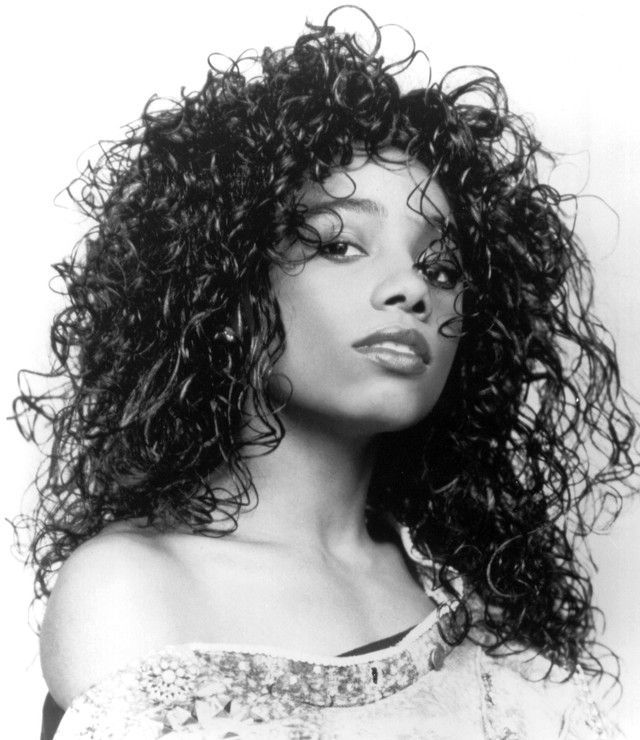
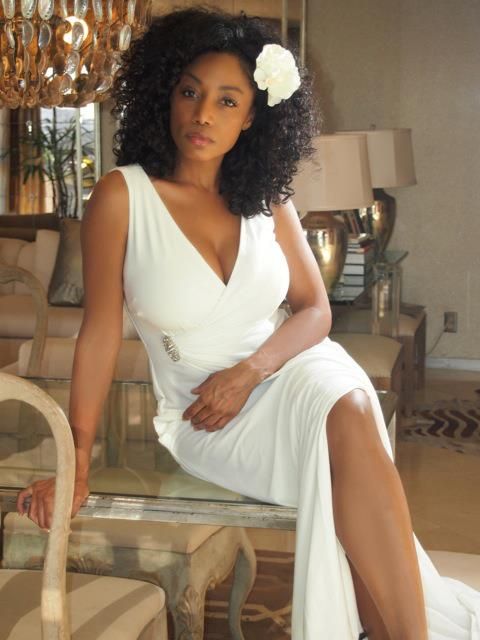
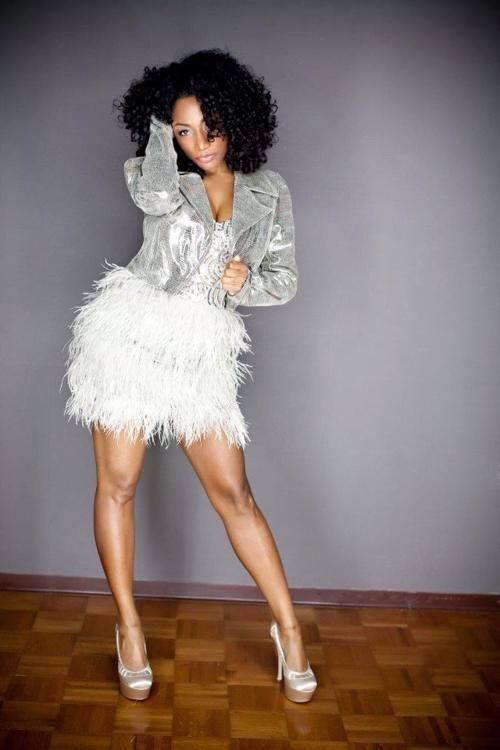
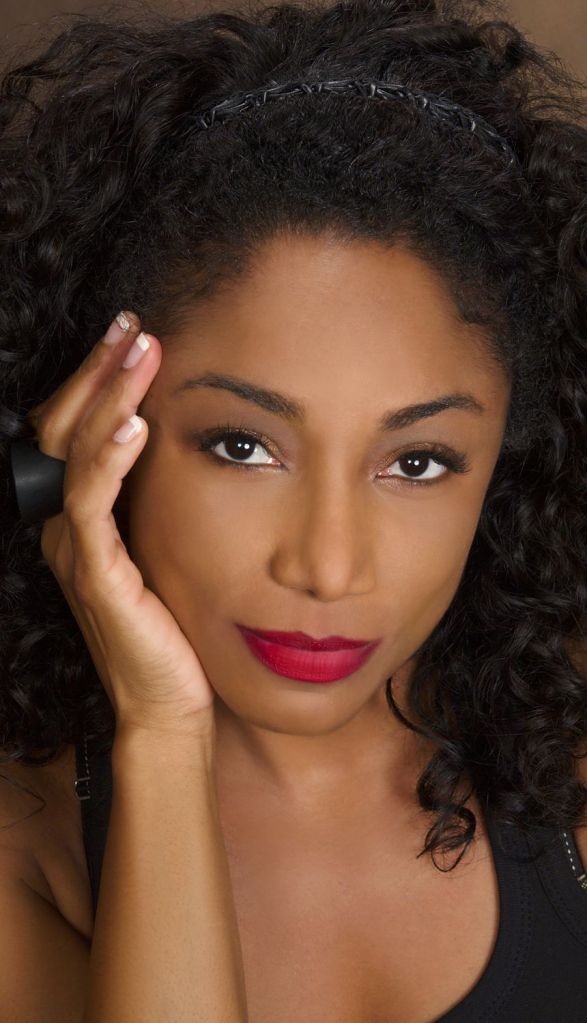
The late 1980s and early 1990s produced a generation of R&B singers whose voices and striking beauty became cultural touchstones, and among them stands the unforgettable Karyn White. Known for her rich vocals, stunning brown beauty, elegant presence, and timeless hits, White became one of the defining female voices of contemporary R&B. With her stunning brown complexion, sculpted facial features, and confident stage presence, she represents the essence of what many admirers celebrate as an “Ebony Doll”—a woman whose beauty, poise, and talent radiate sophistication and strength.

Karyn Layvonne White was born on October 14, 1965, in Los Angeles. She grew up in a musically inclined family where artistic expression was encouraged from an early age. Her father was a trumpet player, while her mother directed a church choir. As a child, White frequently sang in church, an experience that helped develop both her vocal control and emotional expression. Like many legendary R&B singers, the church became her earliest training ground and laid the foundation for her professional career.

Before achieving fame as a solo artist, White worked diligently behind the scenes within the music industry. She began her professional career as a background vocalist and songwriter, gaining valuable experience that helped her understand the mechanics of the recording business. One of her earliest notable appearances was performing vocals on the 1986 single “Facts of Love” by jazz keyboardist Jeff Lorber. The song became a modest hit and introduced her distinctive voice to a broader audience.

This photograph is the property of its respective owner.

Her big break came when she signed with Warner Bros. Records and released her debut album Karyn White in 1988. The album was produced by renowned music producers Babyface and L.A. Reid. Their production helped craft a polished R&B sound that blended soulful melodies with the emerging energy of contemporary pop and dance music.

The album became a major success and included several hit singles that defined White’s early career. Songs like The Way You Love Me and Secret Rendezvous climbed the charts and established her as a rising star in the industry. However, it was her emotional anthem Superwoman that truly cemented her legacy. The song resonated with women across the country and became an empowering statement about emotional strength and vulnerability in relationships.

White continued her success with the 1991 album Ritual of Love. The album showcased her evolving artistry and vocal maturity. Its lead single, Romantic, became a massive hit and reached No. 1 on the Billboard Hot 100, marking the peak of her commercial success. The song’s upbeat groove and infectious energy demonstrated White’s versatility as both a soulful balladeer and a dance-floor favorite.

This photograph is the property of its respective owner.

Part of what made Karyn White stand out was her distinctive voice. Her vocal tone carried both sweetness and strength, allowing her to deliver romantic ballads and assertive anthems with equal authenticity. The clarity of her voice, combined with her emotional phrasing, created a sound that listeners could immediately recognize.

White’s inspirations were rooted in the great vocalists who preceded her. Artists such as Whitney Houston and Chaka Khan influenced the style and vocal confidence that shaped her artistry. These powerful women demonstrated that an R&B singer could command both emotional depth and mainstream success.

In her personal life, White married legendary music producer Terry Lewis in 1992. Lewis was one half of the iconic production duo Jimmy Jam and Terry Lewis, whose work helped define the sound of modern R&B. During their marriage, White and Lewis welcomed a daughter named Ashley Nicole. Although the couple eventually divorced in 1999, their partnership represented an important chapter in White’s life and career.

This photograph is the property of its respective owner.

Following the height of her fame, White stepped away from the music industry for a period to focus on family and personal growth. During this time, she pursued business ventures and eventually developed a career in interior design and real estate. Her return to music years later demonstrated both resilience and a deep love for the art form that first brought her recognition.

Karyn White’s impact on R&B remains significant. Her music helped shape the transition from classic soul to the polished contemporary R&B sound of the late twentieth century. Songs like “Superwoman” continue to resonate with listeners decades after their release, and her influence can be heard in many of the female vocalists who followed.

Beyond music, White embodies a timeless representation of beauty and elegance. Her luminous brown skin, symmetrical features, and graceful style helped define the visual aesthetic of late-1980s R&B culture. Yet what truly elevates her legacy is the combination of beauty and substance—her voice carried stories of love, vulnerability, and empowerment that still connect with audiences today.

For these reasons, Karyn White stands proudly within the celebration of Ebony Dolls—women whose presence in music, film, and culture reflects both artistic excellence and the enduring beauty of Black womanhood.


References

Facts of Love. (n.d.). Wikipedia. https://en.wikipedia.org/wiki/Facts_of_Love

Karyn White. (n.d.). Wikipedia. https://en.wikipedia.org/wiki/Karyn_White

Musician Guide. (n.d.). Karyn White biography. https://www.musicianguide.com/biographies/1608000857/Karyn-White.html

Romantic (song). (n.d.). Wikipedia. https://en.wikipedia.org/wiki/Romantic_(song)

Superwoman (Karyn White song). (n.d.). Wikipedia. https://en.wikipedia.org/wiki/Superwoman_(Karyn_White_song)