
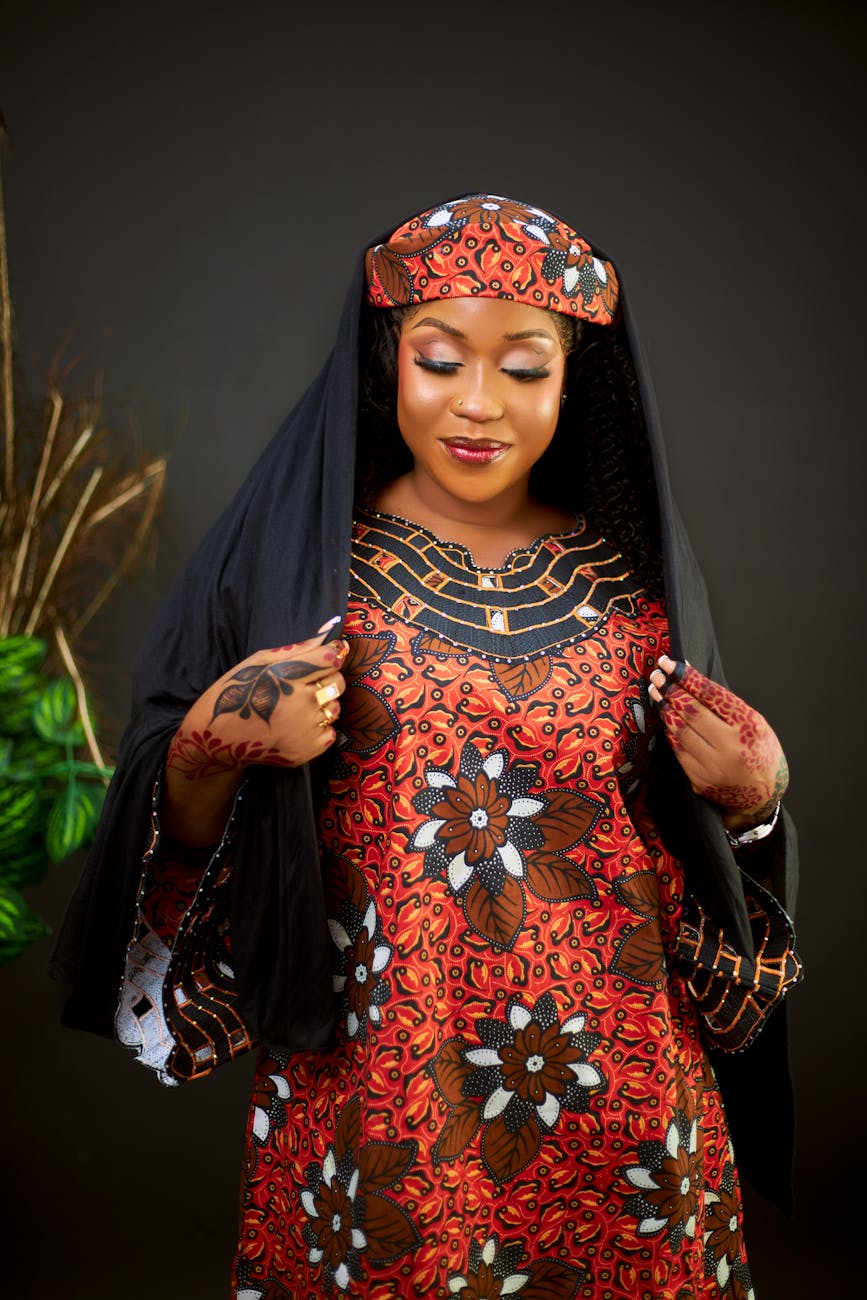
For centuries, the image of Black women has been shaped less by their lived experiences and more by stereotypes designed to control, marginalize, and dehumanize them. Among the most pervasive are the Mammy, the Jezebel, and the Sapphire archetypes. These caricatures originated in slavery and Jim Crow culture, yet their influence persists in media, relationships, and social institutions. To survive and thrive, Black women have been forced to navigate, resist, and redefine themselves beyond these harmful tropes. The title Stereotypes and Survival: Breaking Free from Mammy, Jezebel, and Sapphire reflects both the historical weight of these labels and the ongoing struggle for liberation.
The Mammy: Caretaker Without Desire
The Mammy stereotype portrays Black women as nurturing, asexual, and devoted to serving white families. Popularized in literature and films like Gone with the Wind, the Mammy is imagined as overweight, dark-skinned, and self-sacrificing—valued only for her labor and loyalty. This image justified the exploitation of enslaved women as caretakers while denying them femininity, desirability, or independence. Even today, Black women in caretaking professions such as nursing or domestic work are often expected to “give more” emotionally and physically without recognition or reward (Collins, 2000). The Mammy myth erases Black women’s right to vulnerability, rest, and self-care. Mammy vs. Servanthood in Scripture: The Mammy stereotype portrays Black women as self-sacrificing caretakers without personal desire, existing only to serve others. The Bible affirms servanthood as a noble quality when it is voluntary and rooted in love (Mark 10:44–45), but it rejects exploitation and dehumanization. Enslavement and forced servitude are condemned as oppression (Exodus 3:7–9). Scripture also teaches that women are not defined solely by labor but by their worth as image-bearers of God (Genesis 1:27). The virtuous woman in Proverbs 31 is hardworking, but she is also a leader, entrepreneur, and respected member of her community—not reduced to servitude.
The Jezebel: Hypersexual Object
In contrast, the Jezebel stereotype casts Black women as sexually insatiable, manipulative, and morally corrupt. During slavery, this myth served to rationalize the sexual assault of enslaved women by white men, framing exploitation as “consensual.” Today, Jezebel imagery survives in media portrayals that sexualize Black women’s bodies disproportionately—whether through music videos, advertising, or reality television. The stereotype undermines Black women’s ability to control their sexual agency, branding them either as promiscuous or as unworthy of protection. This myth also affects legal outcomes, where Black women who are victims of sexual violence are less likely to be believed or granted justice (West, 2004). Jezebel vs. Sexual Purity and Agency: The stereotype of the Jezebel depicts Black women as hypersexualized and immoral. In the Bible, Jezebel is a real historical figure—a Phoenician queen married to King Ahab—who became synonymous with idolatry, manipulation, and immorality (1 Kings 21; 2 Kings 9:30–37). However, to equate her story with all women, especially Black women, is a distortion. Scripture does not label women by stereotype but calls for sexual integrity for both men and women (1 Corinthians 6:18–20). Moreover, women like Ruth and Esther show that God honors women not for sexualized caricatures but for faith, wisdom, and courage. The Bible condemns the exploitation of women’s bodies and instead uplifts their agency and dignity (Song of Solomon 4:7, Proverbs 31:30).
The Sapphire: Angry Black Woman
The Sapphire stereotype, also known as the “Angry Black Woman,” depicts Black women as loud, emasculating, and irrationally angry. Rooted in minstrel shows, Sapphire imagery has been recycled in sitcoms and films, where outspoken Black women are mocked as aggressive and domineering. This caricature discourages Black women from expressing legitimate anger about injustice, as their emotions are dismissed as hostility rather than humanity. It also places an unfair burden on Black women to appear “pleasant” or “non-threatening” in workplaces, relationships, and public spaces, suppressing their voices in order to avoid punishment or isolation. Sapphire vs. Righteous Anger: The Sapphire stereotype depicts Black women as angry, loud, and emasculating. Scripture acknowledges that anger is a real human emotion, but it distinguishes between sinful wrath and righteous anger. Ephesians 4:26 states, “Be ye angry, and sin not: let not the sun go down upon your wrath.” Jesus Himself displayed righteous anger when confronting injustice (John 2:13–16). For Black women, anger at injustice is not sinful—it can be holy when directed toward dismantling oppression. The danger lies not in having a strong voice but in allowing bitterness to consume the soul. The Bible affirms that women can speak truth boldly, like Deborah the judge (Judges 4:4–9) or Mary Magdalene, the first witness of the resurrection (John 20:16–18).
The Survival Strategies
To survive under these stereotypes, Black women have developed strategies of resilience. Many practice code-switching, adjusting speech, tone, and appearance to counteract negative assumptions in professional or social settings. Others have turned to cultural and artistic expression—poetry, music, film—to reclaim their narratives. The rise of movements like #BlackGirlMagic and natural hair campaigns signal a collective resistance, affirming that Black women’s beauty, intellect, and complexity cannot be reduced to harmful archetypes.
Breaking Free: Redefining Representation
Breaking free requires dismantling not only the stereotypes themselves but also the systems that sustain them. Media representation is critical: when Black women are shown as multidimensional—leaders, scholars, mothers, entrepreneurs—the grip of Mammy, Jezebel, and Sapphire weakens. Equally important is education, where curricula must unpack these archetypes as tools of oppression rather than cultural “norms.” Black women’s storytelling, from Audre Lorde to Chimamanda Ngozi Adichie, provides counter-narratives that highlight lived truth over caricature.
Psychological Costs of Stereotyping
Surviving under these stereotypes comes at a psychological cost. Research shows that stereotype threat—fear of confirming a negative stereotype—contributes to stress, anxiety, and identity conflict among Black women (Rosenthal & Lobel, 2011). Constantly navigating how one will be perceived, whether as too angry or too sexual, creates a burden that undermines well-being. Breaking free, therefore, is not only a cultural project but a mental health necessity.
Toward Liberation
Liberation means imagining a world where Black women are no longer filtered through distorted lenses but valued in the fullness of their humanity. It requires structural change in how media, law, and institutions portray and treat Black women. It also demands that Black women themselves—and their communities—continue affirming narratives of resilience, love, and joy. Mammy, Jezebel, and Sapphire may have been imposed as cages, but Black women have long been breaking the locks, redefining survival as thriving.
Conclusion
Stereotypes and Survival: Breaking Free from Mammy, Jezebel, and Sapphire is a call to recognize how these archetypes have shaped history and continue to influence society. Yet, it is also a testament to resilience—the ability of Black women to resist, survive, and ultimately transcend these distorted images. In the face of stereotypes meant to confine them, Black women continue to write new narratives of freedom, power, and truth. The Bible does not endorse Mammy, Jezebel, or Sapphire archetypes. Instead, it reveals that these stereotypes are tools of oppression, rooted in lies. God calls Black women—and all women—to freedom, dignity, and purpose. Breaking free means rejecting labels that demean and embracing the identity God gives: beloved, chosen, and powerful vessels of His truth.
Breaking Free Through Biblical Identity
Each of these stereotypes strips Black women of their God-given identity. The Bible, however, grounds identity not in cultural caricatures but in being children of God.
- Mammy: You are more than your labor—your worth is intrinsic (Psalm 139:14).
- Jezebel: You are not defined by lustful labels—your body is a temple of the Holy Spirit (1 Corinthians 6:19).
- Sapphire: Your voice matters—like Esther, you are called “for such a time as this” (Esther 4:14).
The gospel dismantles these stereotypes by affirming that “there is neither Jew nor Greek, there is neither bond nor free, there is neither male nor female: for ye are all one in Christ Jesus” (Galatians 3:28).
References
- Collins, P. H. (2000). Black feminist thought: Knowledge, consciousness, and the politics of empowerment. Routledge.
- Rosenthal, L., & Lobel, M. (2011). Explaining racial disparities in adverse birth outcomes: Unique sources of stress for Black American women. Social Science & Medicine, 72(6), 977–983.
- West, C. M. (2004). Black women and intimate partner violence: New directions for research. Journal of Interpersonal Violence, 19(12), 1487–1493.
 THE BROWN GIRL DILEMMA