
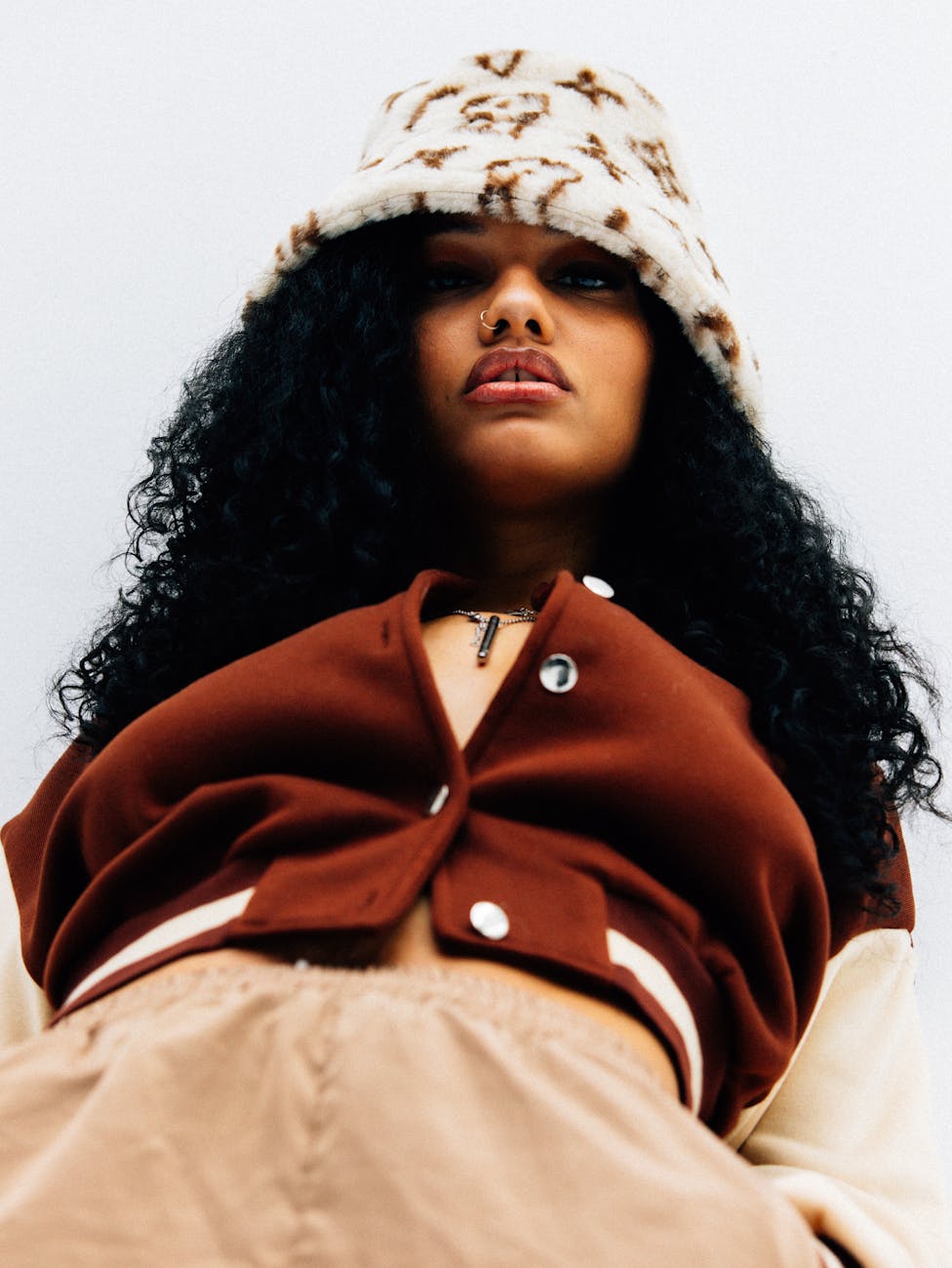
The “brown girl dilemma” is rooted in centuries of systemic bias, historical oppression, and cultural preference for lighter skin tones. Colorism—the discrimination based on skin tone within a racial or ethnic group—has shaped the lives of brown-skinned women across the globe. From social exclusion to media misrepresentation, these biases have influenced not only self-perception but opportunities for education, career advancement, and personal relationships. Yet, amidst these challenges, brown girls are reclaiming confidence, redefining beauty standards, and embracing identity in its full spectrum.
Historical Foundations of Colorism
Colorism is not a modern phenomenon. Its roots trace back to slavery, colonization, and hierarchical caste systems. During slavery in the Americas, lighter-skinned enslaved women often received preferential treatment in domestic roles, while darker-skinned women were relegated to field labor (Hunter, 2007). Similarly, European colonization imposed racial hierarchies that prized European features and lighter skin. These historical practices laid the foundation for intergenerational bias that continues to affect brown girls today.
Internalized Bias and Self-Perception
Internalized colorism manifests as a distorted sense of beauty and self-worth. Brown girls often grow up absorbing messages that equate fairness with success, desirability, and intelligence. This internalization leads to self-doubt and a desire to conform to Eurocentric ideals. Psychology research indicates that repeated exposure to biased media and societal standards contributes to low self-esteem and body dissatisfaction among girls of color (Thompson, 1996).
Media Representation and Its Limits
Media has long been complicit in perpetuating colorism. Television, film, and advertising have historically favored lighter-skinned actresses, models, and influencers, relegating darker-skinned women to supporting roles or caricatured stereotypes. While representation of darker-skinned women is increasing, tokenism remains a problem. Brown girls often feel that their presence is conditional upon fitting narrowly defined ideals of beauty and behavior.
Cultural Expectations and Marriage Markets
In many societies, skin tone continues to dictate social and romantic opportunities. In South Asia, India, and Latin America, fairness remains a highly prized attribute in marriage markets, reinforcing a hierarchy that disadvantages darker-skinned women. The perpetuation of these standards teaches brown girls from a young age that their natural complexion may be less valued—a lesson that must be unlearned for confidence to flourish.
Hair, Features, and Policing of Identity
Colorism intersects with other aspects of appearance, including hair texture and facial features. Brown girls often face pressure to straighten hair, contour facial features, or lighten skin to conform to dominant standards. These pressures reinforce the notion that natural features are inadequate, perpetuating cycles of self-alteration and identity policing. Recognizing and rejecting these pressures is a vital step toward confidence.
Psychological Toll of Bias
The brown girl dilemma affects mental health. Studies link colorism to higher levels of anxiety, depression, and social withdrawal in women of color (Monk, 2014). Living under constant scrutiny and comparison erodes confidence, making the path toward self-acceptance challenging. Addressing these effects requires both individual resilience and structural changes in media, education, and workplace representation.
The Role of Faith
Faith provides a foundation for reframing beauty and self-worth. Biblical texts such as Song of Solomon 1:5—“I am black, but comely”—affirm the inherent beauty of darker skin tones. Psalm 139:14 reminds believers that they are “fearfully and wonderfully made.” For brown girls, spiritual affirmation can counter cultural messages of inferiority, offering a source of confidence rooted in divine design rather than societal approval.
Representation as Empowerment
Positive representation plays a critical role in redefining the brown girl dilemma. Figures like Lupita Nyong’o, Viola Davis, and Issa Rae have publicly embraced their melanin-rich skin and natural features. Their visibility challenges entrenched beauty hierarchies, creating spaces where brown girls can see themselves as worthy, beautiful, and powerful. Representation, when authentic, shifts the cultural narrative from scarcity to abundance.
Intersectionality and the Dilemma
The brown girl dilemma cannot be separated from broader systems of oppression. Gender, race, and class intersect with skin tone to compound discrimination. Darker-skinned women often face limited access to education and employment, increased policing, and marginalization within both majority and minority communities. Understanding these intersections allows for holistic approaches to empowerment and confidence-building.
Community and Collective Affirmation
Building confidence requires collective affirmation. Peer groups, mentorship programs, and social networks that celebrate brown skin provide crucial reinforcement against societal bias. Through storytelling, mentorship, and representation, communities can normalize brown beauty and challenge internalized colorism. Collective affirmation transforms confidence from a personal achievement into a shared cultural value.
Education and Conscious Awareness
Education about colorism and its historical roots empowers brown girls to critically analyze societal messages. Awareness fosters resilience, enabling girls to reject harmful comparisons and embrace their unique beauty. Curricula that include diverse histories and cultural contributions help dismantle Eurocentric standards, cultivating a sense of pride and belonging.
Reclaiming Beauty Standards
Redefining the brown girl dilemma involves reclaiming beauty on one’s own terms. By celebrating melanin-rich skin, natural hair, and diverse features, brown girls reject narrow societal definitions. Beauty is reframed as holistic, encompassing strength, intelligence, character, and cultural heritage—not merely conformity to whiteness.
Social Media as a Tool
While social media can perpetuate colorism, it has also become a tool for empowerment. Hashtags like #MelaninPoppin, #BrownSkinGirlMagic, and #BlackGirlJoy create virtual spaces that celebrate brown beauty. These digital movements allow girls to connect, share experiences, and redefine standards collectively, fostering a sense of pride and belonging.
Mentorship and Role Models
Mentorship is essential in building confidence. Brown girls benefit from seeing older women navigate spaces of visibility and authority while embracing their natural features. Role models provide practical guidance, emotional support, and inspiration, showing that brown skin is not a limitation but a source of strength.
Spiritual Practice and Identity Formation
Spiritual practice reinforces confidence by aligning identity with divine purpose. Prayer, meditation, and scriptural study cultivate resilience and self-worth. When brown girls internalize spiritual truths affirming their inherent value, they are better equipped to withstand societal pressures and redefine their place in a world that often marginalizes them.
Breaking Cycles of Internalized Bias
Addressing internalized colorism is crucial. Families and communities play a role in either perpetuating or dismantling bias. Encouraging positive affirmation, rejecting discriminatory comments, and celebrating diverse shades within families ensures that confidence is nurtured across generations. Breaking cycles of internalized bias transforms personal identity and collective culture.
Fashion, Style, and Self-Expression
Fashion and personal style offer brown girls avenues for self-expression and empowerment. Choosing clothing, hairstyles, and beauty routines that reflect personal identity—rather than conforming to narrow societal expectations—becomes a form of resistance. Confidence grows when self-expression is celebrated as a declaration of individuality and pride.
Activism and Advocacy
Empowerment extends beyond personal confidence to advocacy. Brown girls who challenge colorism, engage in media representation campaigns, or educate peers about historical biases embody proactive resistance. Activism transforms confidence into agency, ensuring that the brown girl dilemma is addressed at systemic levels, not just personal ones.
Toward Holistic Confidence
Confidence for brown girls is multifaceted, combining psychological resilience, spiritual grounding, community support, and cultural pride. Holistic approaches ensure that empowerment is sustainable, addressing both internalized messages and external biases. By embracing all aspects of identity, brown girls can thrive authentically.
Conclusion: Redefining the Dilemma
The journey from colorism to confidence is ongoing but achievable. By understanding the historical, psychological, and spiritual dimensions of bias, brown girls can reclaim their narratives and redefine beauty. Representation, mentorship, community affirmation, and spiritual grounding equip them to stand boldly in their melanin-rich skin. The brown girl dilemma is no longer a limitation—it is an opportunity to assert identity, pride, and resilience in a world that once sought to diminish them.
References
- Collins, P. H. (2000). Black feminist thought: Knowledge, consciousness, and the politics of empowerment. Routledge.
- Hunter, M. (2007). The persistent problem of colorism: Skin tone, status, and inequality. Sociology Compass, 1(1), 237–254.
- Monk, E. P. (2014). Skin tone stratification among Black Americans, 2001–2003. Social Forces, 92(4), 1313–1337.
- Thompson, C. (1996). Black women, beauty, and hair as a matter of being. Women’s Studies, 25(6), 667–678.
- The Holy Bible, King James Version.
 THE BROWN GIRL DILEMMA