Tag Archives: rapper

Masculine Perfection Series: L.L. Cool J

The Rapping Peanut-Butter Colored Adonis, one of the pioneers and GOATs of Rap Music, and timeless swagger.
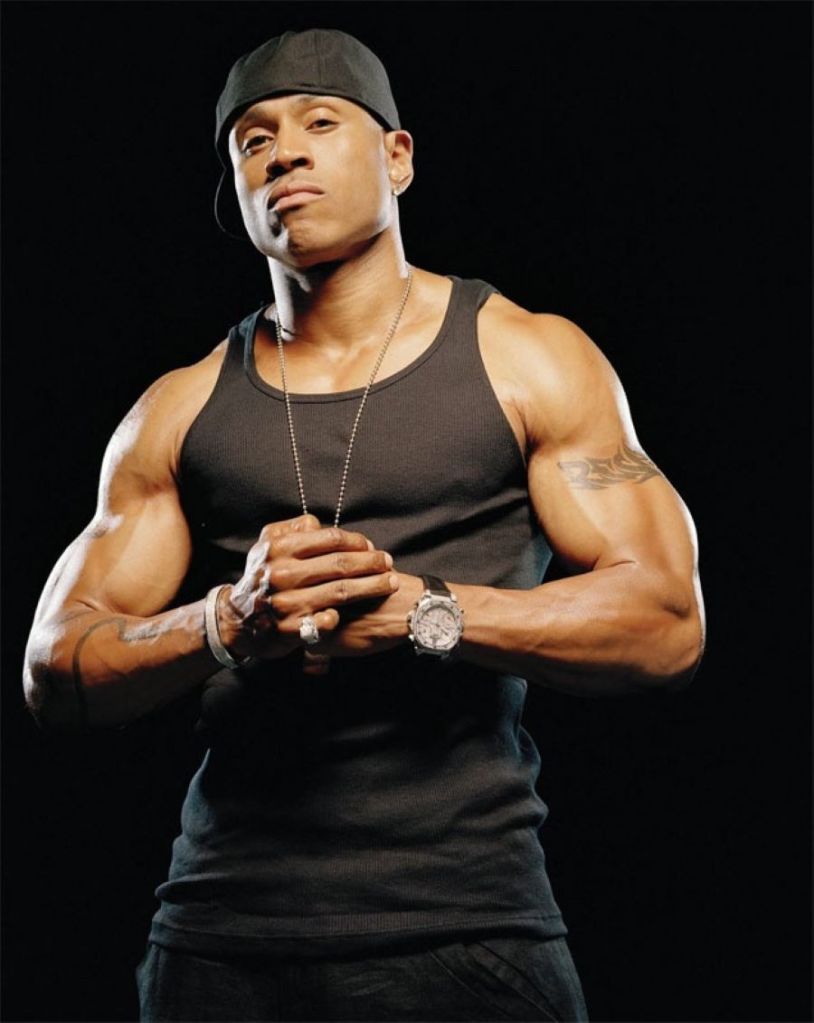
LL Cool J—born James Todd Smith on January 14, 1968, in Queens, New York—emerged from humble beginnings to become one of hip-hop’s most enduring architects. Raised in a working-class household in the Hollis neighborhood, he began writing rhymes at age nine and was recording demos by his early teens. His breakthrough came in 1984 when he signed with the pioneering label Def Jam Recordings, co-founded by Russell Simmons and Rick Rubin. His debut album, Radio (1985), helped solidify the commercial viability of rap music, blending street lyricism with crossover appeal. From the outset, LL Cool J projected confidence, charisma, and lyrical precision—qualities that would earn him the title many fans bestow upon him: one of the GOATs of rap.
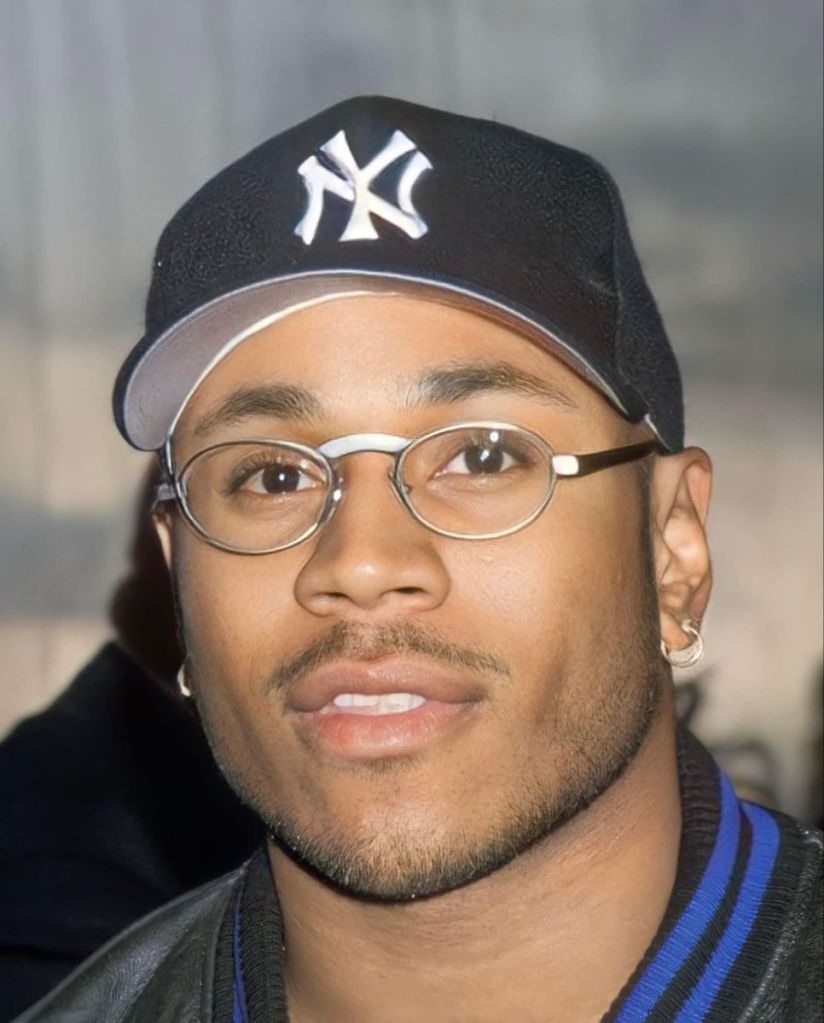
Throughout the late 1980s and 1990s, LL Cool J became synonymous with versatility. He balanced hard-edged battle rhymes with romantic ballads like “I Need Love,” proving that vulnerability could coexist with bravado in hip-hop masculinity. Albums such as Bigger and Deffer (1987) and Mama Said Knock You Out (1990) elevated him into rap royalty, with the latter earning a Grammy Award and cementing his comeback narrative. His accolades include multiple Grammy Awards, NAACP Image Awards, and in 2021, induction into the Rock and Roll Hall of Fame—a historic milestone recognizing his foundational role in shaping mainstream hip-hop. His Kennedy Center Honors recognition further affirmed his cultural impact beyond music.

Beyond the microphone, LL Cool J built a formidable acting career. His filmography includes roles in Deep Blue Sea (1999), Any Given Sunday (1999), and S.W.A.T. (2003). On television, he achieved long-running success starring as Sam Hanna in the hit CBS series NCIS: Los Angeles (2009–2023), a role that introduced him to a new generation of viewers and showcased his disciplined, commanding screen presence. His transition from rap pioneer to respected actor demonstrated rare longevity in an industry known for rapid turnover. Few artists have sustained relevance across four decades while maintaining credibility in both music and film.
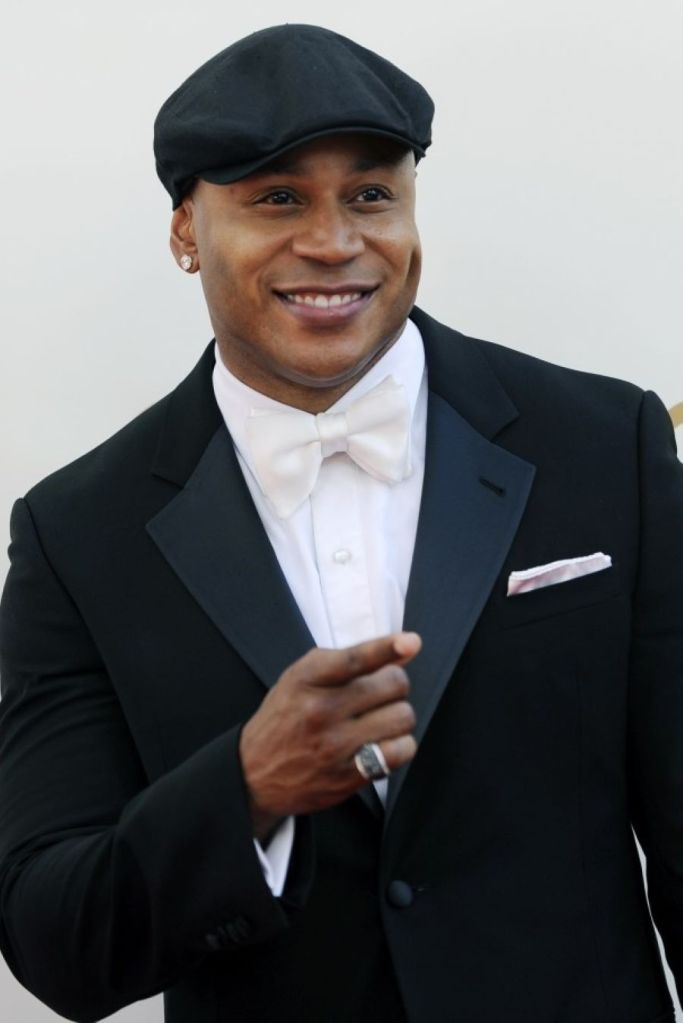
Physically, LL Cool J has long been celebrated as a striking figure in entertainment—a peanut-butter–hued Adonis with a sculpted physique that redefined hip-hop sex appeal in the late twentieth century. His commitment to fitness, often displayed through sleeveless performances and confident stage presence, challenged stereotypes of rappers and expanded the image of Black male desirability in mainstream media. Yet beneath the aesthetic admiration lies a consistent narrative of discipline and devotion. Married since 1995 to Simone Smith, whom he often describes as his foundation, he is a devoted husband and father to their four children. His story—rooted in Queens grit, maternal encouragement, lyrical hunger, and spiritual grounding—embodies perseverance. LL Cool J is not merely a rapper or actor; he is a cultural institution whose artistry, humility, and longevity continue to shape the architecture of hip-hop and Black masculinity in American popular culture.

LL Cool J belongs in the Masculine Perfection series because he epitomizes the ideal of manhood in both form and presence. With his peanut-butter complexion, sculpted physique, and commanding aura, he embodies physical perfection while exuding confidence, discipline, and charisma. His music redefined Black male aesthetic in hip-hop, blending strength, vulnerability, and emotional intelligence, while his acting career demonstrates gravitas, control, and versatility on screen. Beyond his striking appearance, his humility, devotion to family, and sustained excellence over four decades make him a paragon of refined power, resilience, and timeless appeal—a man whose beauty, talent, and character are “drop-dead fine” and worthy of celebration as the ultimate masculine ideal.

References

LL Cool J. (2023). Biography. Rock & Roll Hall of Fame.

Rock and Roll Hall of Fame. (2021). LL Cool J Inductee Profile.

Dyson, M. E. (2007). Know What I Mean? Reflections on hip-hop. Basic Civitas Books.

Forman, M., & Neal, M. A. (Eds.). (2012). That’s the joint!: The hip-hop studies reader (2nd ed.). Routledge.

Grammy Awards. (n.d.). LL Cool J – Artist Profile. The Recording Academy.

CBS. (2009–2023). NCIS: Los Angeles series archives and cast biography.

Smith, S., & Cool J, L. L. (2022). Public interviews and award acceptance speeches compiled in media archives.
Akshun Man: A Prophetic Voice in the Global Hip-Hop Renaissance.

Since its revolutionary birth in the 1970s, hip-hop has grown from the street corners of the Bronx to become a global cultural force. Originally conceived as an expressive outlet for the marginalized—giving lyrical voice to the struggles, injustices, and triumphs of inner-city life—early pioneers like The Sugarhill Gang helped define a genre rooted in truth-telling, rhythm, and resilience.

Over time, however, the message of hip-hop has been largely commercialized and co-opted, often reduced to a vehicle for glorifying materialism, promiscuity, drugs, and egotism. The original prophetic energy has, in many quarters, been muted or misdirected.

Yet in the midst of this cultural noise, a new kind of artist is emerging—one who restores hip-hop’s power to uplift, awaken, and declare truth.

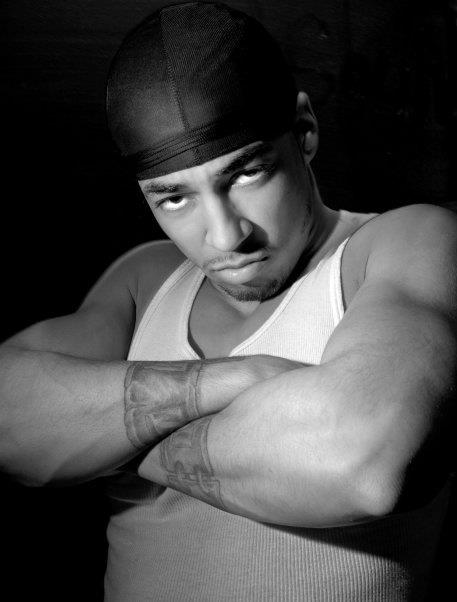
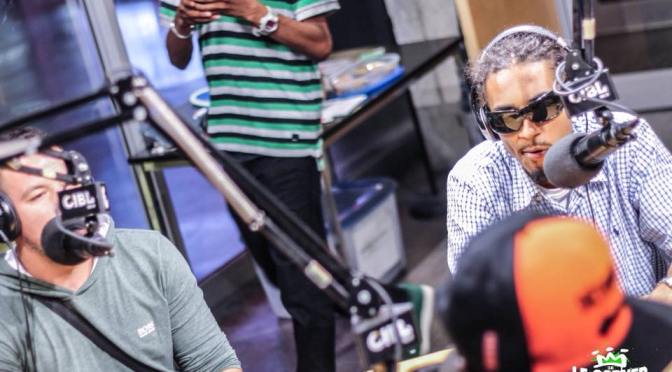
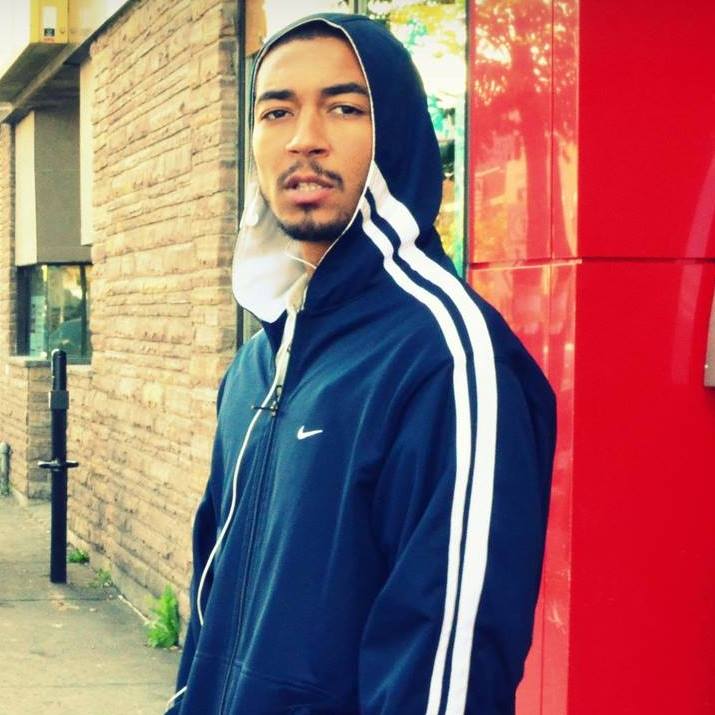
Enter Akshun Man, a dynamic 38-year-old Canadian rap artist and entrepreneur from Montreal. Handsome, lyrically gifted, and spiritually grounded, Akshun Man breaks the mold by fusing conscious, scripturally inspired messages with the commanding cadence of true hip-hop artistry. With every verse, he honors the Most High God of Israel, positioning himself not just as an entertainer—but as a messenger in motion, using music as a tool for spiritual awakening and cultural restoration.

What is your ancestry?

My family is of Cape Verdean / Angolan ancestry. I am an Israelite.

When did you come into the knowledge of who you are (as an Israelite) in the Most High? and how did that affect your life?

I came into the knowledge of self through a very long process of just studying self (and others, which is all one anyway), the Wor,d and through art, poetry in hip-hop form to be more precise. It affected my life in every way. It basically revealed who I indeed was, created in the image and likeness of the True and Living Most High God, which just makes life clearer, more peaceful, purposeful, and fulfilling. Operating from that state just makes life way smoother, going with the universal law as opposed to going against it through ignorance.

What advice would you give to young aspiring rap artists? or tips on starting their label?

I would say to love God with all your being. Trust and have Faith in Him and nothing else. Never give up on their dreams, believe in yourself and work harder than everybody else. Selah!

Does Colorism or Racism exist in Montreal? If so, what has been your experience?

Yes Racism exists pretty much everywhere in the world I think or almost at least but especially in 1st world countries indeed, so my personal experience is that in Montreal, its only white people touching money and fame but it ain’t even that much. It’s rare to see a person of a different ethnicity prosper without conforming somewhat to the system which is racist by default, so basically, people sell out their own people every day but over here it’s really not much it’s so petty it’s disgusting.

As a light-skinned male what obstacles or racism have you faced? And how did you deal with it?

Well, growing up here was somewhat of an identity crisis, and you never really fit in anywhere, so I ended up developing myself into a very independent man, solitary at times but not lonely and very self-sufficient. How I dealt with it was through a powerful sense, knowledge, and understanding of self. Like the Great, Bob Marley said, ” I’m not on the white side, I’m not on the black side, I’m on God’s side.”

How do you feel about dark-skinned women and how are they treated in your neighborhood?

I love dark-skinned women, probably the most, but it is unfortunate how a lot of them are thinking it’s a shame nowadays. I guess from my humble perspective, it seems like for so long the dark-skinned woman has been under and poorly represented in society to the point where now they are just doing all kinds of stuff that is outside of their character just for social acceptance. I see a lot of them date white guys, smoke cigarettes, and do drugs. They live how white people live only to gain some kind of acceptance, but at the same time, they win recognition from that side; is the same time, they lose respect and honor from people like me on this side.

Do you think men pay to much attention to what a woman looks like physically? What advice would you give to a man only looking for sex, not marriage?
 
 
Society in general definitely over-emphasizes physical appearance over moral or spiritual beauty. The advice I would give a man who only pays attention to physical occurrences of a woman, I would tell him that many demons have presented themselves through some of the most seductive women, so I would definitely ask him to be careful lol. For the man who only wants sex, I would tell him he has some growing up to do. A wise man once said, “He who finds a wife finds a good thing.”


What makes a woman virtuous?
 
The application of Virtue: 1 Humility. 2 Kindness. 3 Patience. 4 Diligence. 5 Charity. 6 Temperance. 7 Chastity. The more of these virtues manifest in her character, the more virtuous she is considered (and attractive, ha).


Tell me something about your self that nobody knows.
 
Nobody knows I am immortal.