
Psychonegrosis: A Cultural-Psychological Disorder Rooted in Historical Trauma
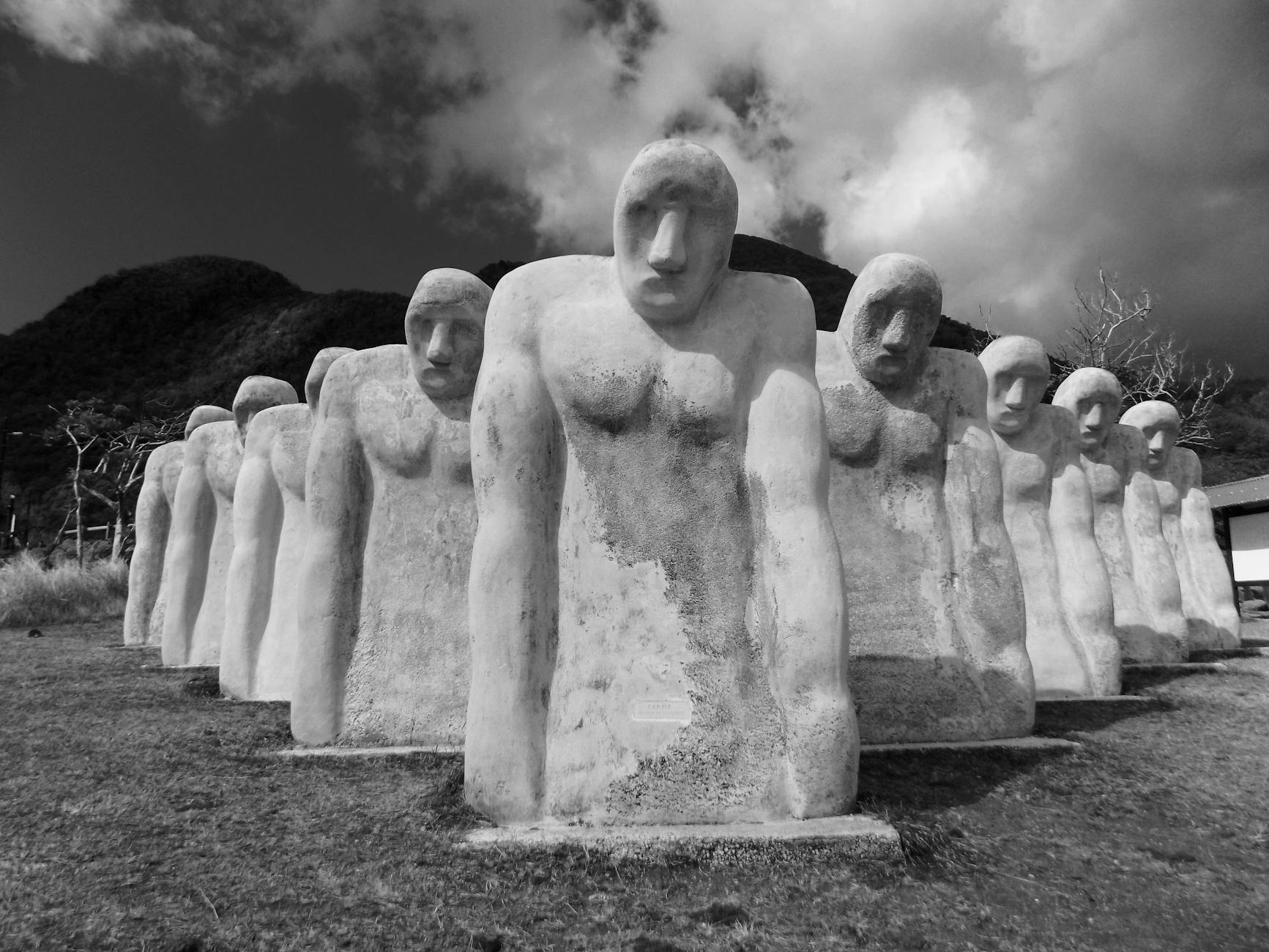
Psychonegrosis (from: psyche = mind, negro = Black identity, -osis = condition) is a coined term describing a psychological and spiritual condition affecting some individuals of African descent. It is characterized by deep-seated identity distortion, internalized oppression, and a disoriented sense of cultural loyalty. This condition is a byproduct of prolonged racial trauma, beginning with slavery and colonialism, and sustained by systemic racism and Eurocentric social conditioning.
Psychonegrosis is a cultural-psychological disorder marked by disruptions in identity, values, and behavior among people of African descent who have internalized ideologies imposed by dominant foreign cultures. It manifests in:
- Distorted self-perception
- Idealization of non-Black cultures, especially Anglo-European norms (xenophilia)
- Rejection or devaluation of one’s own heritage
- Conflicted loyalties between their identity and the imposed dominant culture
- Behavioral and emotional dissonance, including escapism, self-hate, and contradictory thinking
This disorder varies in severity and expression, often presenting as:
- Adoption of non-African religious systems without cultural grounding
- Self-deprecation or anti-Black rhetoric
- Hyper-identification with Eurocentric aesthetics, ideologies, and moral frameworks
- Sexual and social preferences rooted in racial self-denial
- Dependence on or excessive regard for validation from non-Black institutions or communities
Historical Origins
The roots of psychonegrosis trace back to chattel slavery, colonial indoctrination, and the forced erasure of African identity.
📖 Willie Lynch Letter (alleged, 1712) — While debated for its authenticity, it outlines a system of psychological conditioning that encouraged division and dependency among enslaved Africans to ensure long-term control.
📖 Frantz Fanon, Black Skin, White Masks (1952): Fanon described the internal conflict experienced by colonized people who unconsciously adopt the worldview of their oppressors, leading to a fractured identity.
📖 W.E.B. Du Bois’ concept of “Double Consciousness” (1903): Describes the struggle of African Americans who see themselves through both their own cultural lens and the eyes of a racist society, creating internal conflict and social paralysis.
Enslaved Africans were not only forced to work, but also subjected to psychological warfare: taught to hate their features, languages, religions, and each other. This multi-generational trauma was not healed but passed down—unconsciously replicated through institutions, media, and educational systems designed to uphold white superiority and devalue Black identity.
Modern Manifestations
Today, psychonegrosis continues to show up in subtle and overt ways:
- Deprecating one’s own racial group while celebrating others
- Spiritual disconnection, especially when abandoning ancestral traditions for alienating religious ideologies
- Sexual preferences shaped by racialized self-hate or colonized beauty standards
- Cognitive dissonance—praising Black excellence while participating in systems or ideas that dismantle it
- Dependency on white-led institutions for validation, success, or rescue
- Liberal tokenism that seeks inclusion over liberation, appeasement over transformation
Cultural Implications and Healing
The effects of psychonegrosis are not limited to individuals—they ripple through communities. When left unaddressed, this condition perpetuates cycles of invisibility, inferiority, and inaction.
🔹 Steps Toward Healing Include:
- Reclamation of identity – Studying and embracing African history, traditions, and spirituality
- Critical consciousness – Recognizing and rejecting Eurocentric programming
- Therapy and cultural counseling – Especially trauma-informed care for historical wounds
- Collective upliftment – Building institutions, families, and communities centered in Black values
- Spiritual restoration – Reconnecting with ancestral roots, divine purpose, and communal healing
📖 Hosea 4:6 (KJV): “My people are destroyed for lack of knowledge.”
Conclusion
Psychonegrosis is not a clinical diagnosis, but rather a cultural critique and symbolic framework for understanding the deep psychological scars left by colonization and racism. Recognizing it is the first step to liberating the mind. It calls on people of African descent to redefine beauty, reclaim their history, and reconnect with their divine identity.
📖 Romans 12:2 (KJV): “Be not conformed to this world: but be ye transformed by the renewing of your mind.”
Further Reading & References
- Du Bois, W.E.B. (1903). The Souls of Black Folk
- Fanon, Frantz (1952). Black Skin, White Masks
- Akbar, Na’im (1984). Chains and Images of Psychological Slavery
- Woodson, Carter G. (1933). The Mis-Education of the Negro
- Ani, Marimba (1994). Yurugu: An African-Centered Critique of European Cultural Thought and Behavior
- Myers, Linda James (1993). Understanding an Afrocentric Worldview
- Washington, Booker T. (1901). Up from Slavery
 THE BROWN GIRL DILEMMA