
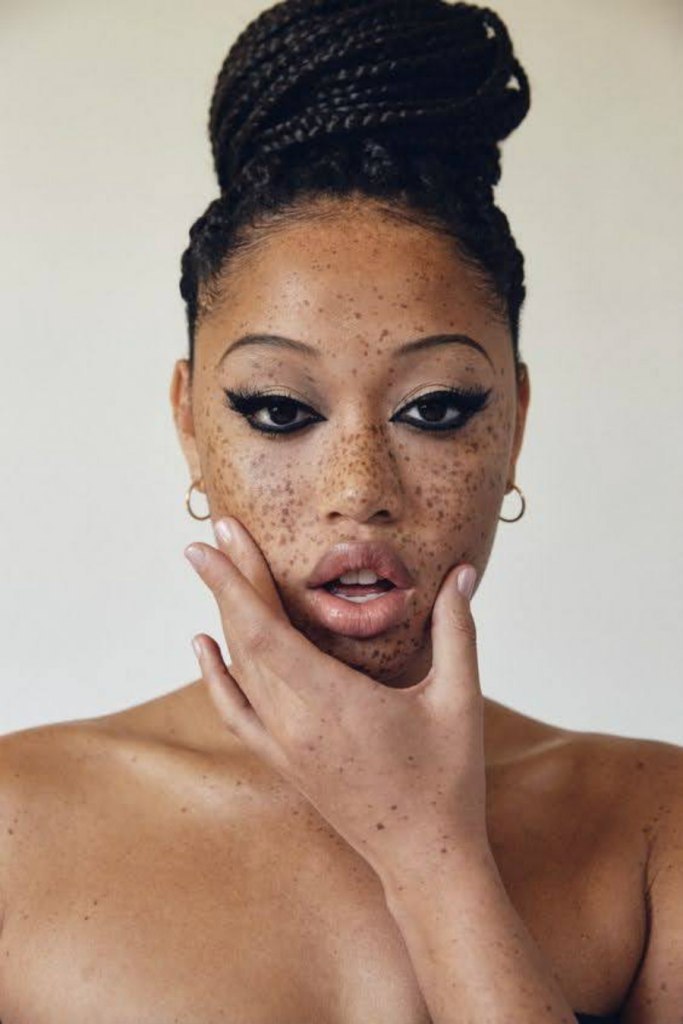
Melanin is more than pigment; it is a living testament of ancestry, survival, and culture. In societies shaped by slavery, colonialism, and systemic white supremacy, skin tone has been weaponized as a marker of value, beauty, and social mobility. For Black people, colorism — the preferential treatment of lighter skin over darker skin — is a persistent psychological burden that affects identity, self-esteem, and opportunities. Understanding this phenomenon requires examining its historical roots, psychological mechanisms, and strategies for healing.
During slavery, skin tone was a tool of division. Lighter-skinned enslaved individuals were often assigned domestic work inside the master’s house, while darker-skinned Africans labored in the fields. This hierarchy, dictated by proximity to whiteness, created a lasting psychological imprint of internalized oppression (Hunter, 2007). Being lighter was subtly equated with safety, status, and relative privilege.
Colorism persisted after emancipation. Institutions such as Black fraternities, churches, and social clubs sometimes implemented color-based exclusions, exemplified by the “brown paper bag test.” This internalized hierarchy caused a psychological rift within the Black community, as self-worth became linked to skin tone rather than character or talent.
Research confirms the mental health consequences of colorism. Darker-skinned individuals often report lower self-esteem, depressive symptoms, and higher anxiety compared to lighter-skinned peers (Monk, 2014). Early exposure to color preference, as demonstrated in Clark and Clark’s (1947) famous doll studies, showed that Black children internalized societal biases favoring lighter skin, demonstrating that colorism affects identity from childhood.
Media and popular culture continue to reinforce Eurocentric beauty standards. Lighter-skinned actors, models, and influencers are often celebrated, while darker-skinned individuals are marginalized or stereotyped. The underrepresentation of dark skin in media contributes to a sense of invisibility and inadequacy.
The psychology of colorism also affects interpersonal relationships. Studies have shown that lighter-skinned Black women often receive more favorable treatment in dating, employment, and social networks compared to darker-skinned women, a pattern that mirrors historical social hierarchies (Hunter, 2007). Men too experience bias, though differently, often being hypersexualized or criminalized based on skin tone.
The global skin-lightening industry illustrates how deep this issue runs. Products promising “fairer” skin are marketed as pathways to success, attractiveness, and social acceptance. Many consumers engage in dangerous bleaching practices, risking long-term health issues to conform to beauty norms imposed by colonial histories (Charles, 2011).
Colorism can also foster divisions within families and communities. Lighter-skinned individuals may be unconsciously favored, creating tension and jealousy. Psychological theories suggest that this intra-group discrimination exacerbates feelings of inadequacy among darker-skinned individuals (Hunter, 2007).
On a spiritual level, colorism challenges the understanding of divine design. Psalm 139:14 (KJV) declares, “I will praise thee; for I am fearfully and wonderfully made.” Every shade of melanin reflects intentionality and purpose. Internalizing this truth is crucial to healing identity wounds caused by centuries of bias.
Social identity theory offers insight into these dynamics. People categorize themselves and others into groups, which can lead to in-group favoritism and out-group bias. Within the Black community, lighter skin can create a perceived “in-group” of privilege, leaving darker-skinned members feeling marginalized (Tajfel & Turner, 1979).
Psychologists have identified the phenomenon of “colorism stress,” where individuals experience chronic stress due to color-based discrimination. This stress can manifest as anxiety, depression, or identity confusion, impacting academic performance, professional success, and interpersonal relationships (Monk, 2014).
Addressing colorism requires interventions at multiple levels. Psychologically, therapy and counseling can help individuals unpack internalized bias and reclaim self-worth. Group support programs, mentorship, and discussion circles provide safe spaces to challenge color hierarchies and affirm dark skin as beautiful.
Culturally, representation matters. Media, literature, and fashion should celebrate all shades of Blackness. Highlighting dark-skinned leaders, role models, and celebrities combats stereotypes and reinforces positive identity formation.
Educational interventions are also vital. Teaching children about the history of colorism, its roots in slavery and colonialism, and the value of all skin tones can prevent internalized bias from forming in the first place (Hunter, 2007).
Faith-based communities can play a transformative role. Scriptures that affirm God’s intentional creation (Genesis 1:27, Psalm 139:14, KJV) offer a theological counter-narrative to societal bias. Spiritual teaching and community reinforcement of dignity and worth can buffer the psychological impact of colorism.
Interpersonal strategies are also important. Black men and women can practice solidarity and advocacy within their communities, intentionally uplifting those who are darker-skinned. Proverbs 31:8-9 (KJV) reminds believers to speak up for the oppressed and defend the vulnerable.
Self-affirmation practices have psychological benefits. Encouraging young Black people to celebrate their natural skin tone, hairstyles, and features can mitigate the harmful effects of internalized bias. Social media campaigns that normalize dark skin and challenge Eurocentric beauty norms are proving effective.
Mentorship is key for breaking cycles of self-rejection. Older Black adults who embrace their identity can model confidence for younger generations, teaching pride in melanin and heritage. Titus 2:2,6 (KJV) emphasizes the importance of teaching younger members of the community to be sober, sound-minded, and grounded.
Public policy can help combat structural colorism. Anti-discrimination laws, equitable hiring practices, and inclusive beauty standards in advertising reduce systemic bias, giving all shades of Black individuals equal opportunities in professional and social spheres.
Intersectionality must also be considered. Colorism interacts with gender, class, and geography to shape experiences uniquely. Dark-skinned women often face compounded biases, whereas lighter-skinned men may experience complex privileges and burdens simultaneously.
The psychology of skin tone ultimately intersects with identity, opportunity, and spiritual well-being. Healing requires intentional cultural, psychological, and spiritual work to dismantle centuries-old hierarchies and affirm the worth of all Black people, regardless of shade.
In conclusion, melanin should never be a measure of value. Understanding the psychology of skin tone — its historical roots, mental health impacts, and spiritual implications — is essential for reclaiming identity and dignity. By combining therapy, mentorship, representation, spiritual guidance, and advocacy, the Black community can move toward unity, pride, and healing.
References (APA)
Charles, C. A. D. (2011). Skin bleaching, self-hate, and black identity in Jamaica. Journal of Black Studies, 42(1), 43–61. https://doi.org/10.1177/0021934710386749
Clark, K., & Clark, M. (1947). Racial identification and preference in Negro children. Journal of Negro Education, 16(3), 169–175.
Hunter, M. (2007). The persistent problem of colorism: Skin tone, status, and inequality. Sociology Compass, 1(1), 237–254. https://doi.org/10.1111/j.1751-9020.2007.00006.x
Monk, E. P. (2014). The color of punishment: African Americans, skin tone, and the criminal justice system. Sociological Inquiry, 84(3), 401–430. https://doi.org/10.1111/soin.12053
Tajfel, H., & Turner, J. C. (1979). An integrative theory of intergroup conflict. In W. G. Austin & S. Worchel (Eds.), The social psychology of intergroup relations (pp. 33–47). Brooks/Cole.
The Holy Bible, King James Version. (1611). Thomas Nelson.
 THE BROWN GIRL DILEMMA