
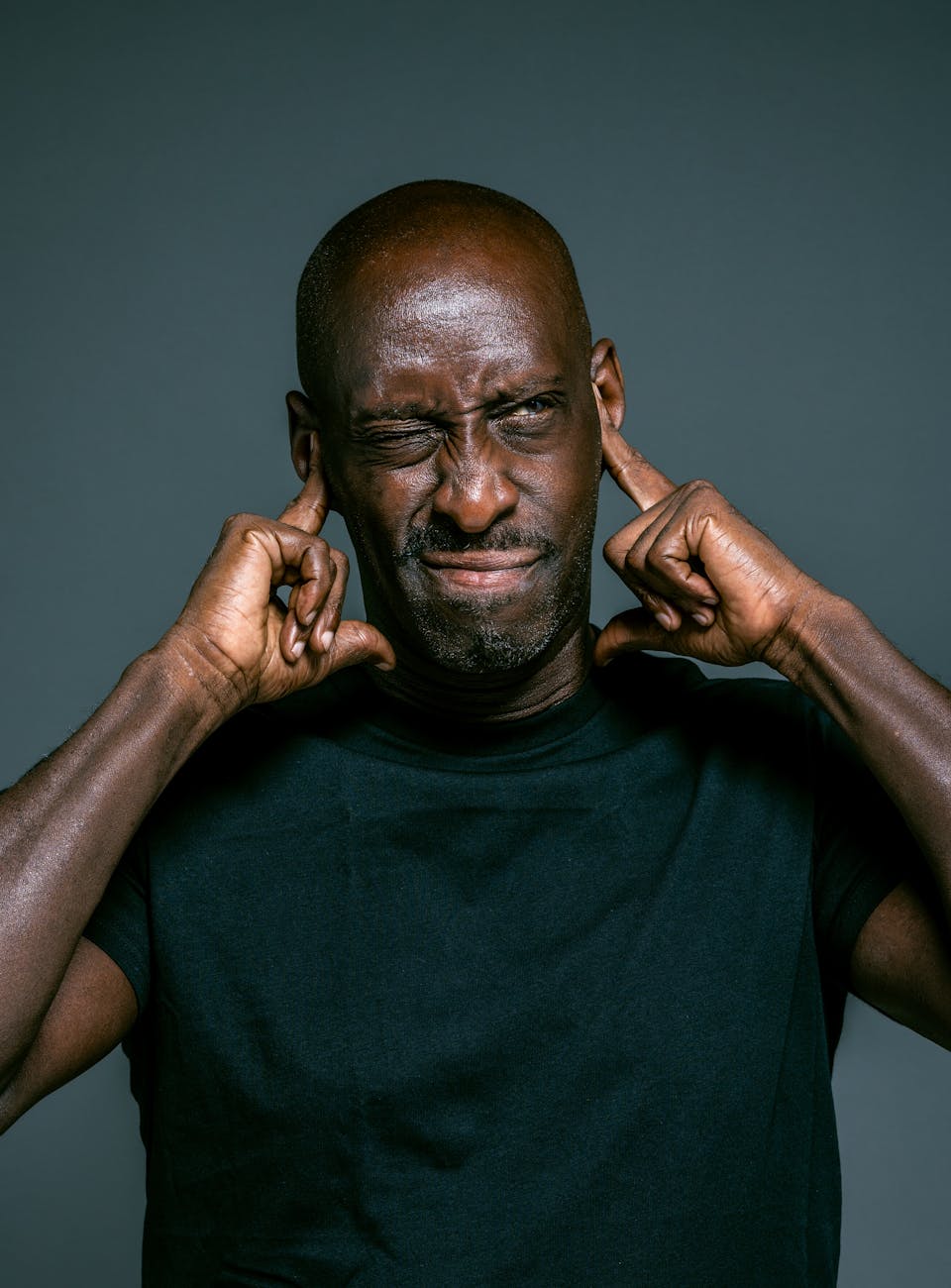
The psychology of the Black male cannot be fully understood without examining the intersection of historical oppression, systemic inequality, social conditioning, and cultural identity. From the trauma of slavery to the pressures of modern society, Black men navigate a world that has historically sought to define, limit, and dehumanize them. Understanding these psychological dynamics requires a multidimensional approach, including historical, social, and spiritual perspectives.
Historical and Structural Influences
Historically, Black men have been subjected to the dehumanizing effects of slavery, segregation, and systemic racism. Enslaved African men were stripped of autonomy, forced into labor, and often separated from family, disrupting traditional social and familial roles. Post-emancipation, Jim Crow laws, discriminatory policing, and economic exclusion continued to restrict mobility and opportunity, embedding systemic barriers that impact psychological development. These historical injustices contribute to collective trauma, influencing identity formation and social behavior across generations (Wilson, 2012).
Stereotypes of Black men as inherently violent, hypersexual, or aggressive are rooted in historical attempts to justify oppression. Such representations, perpetuated in media, literature, and law, have created social pressures that affect self-perception, interpersonal relationships, and community dynamics. The psychological impact of these stereotypes includes heightened stress, internalized stigma, and the burden of disproving society’s assumptions.
Identity and Socialization
Socialization plays a critical role in shaping the psychology of Black males. From childhood, boys are taught to navigate a world where race influences expectations, interactions, and opportunities. They often face dual pressures: conforming to societal stereotypes while striving to embrace authentic self-expression. This tension can lead to identity conflicts, self-doubt, and hypervigilance in social contexts (Cross, 1991).
Family and community environments also shape resilience and coping strategies. Mentorship, positive role models, and community engagement provide protective factors that support psychological well-being. Conversely, the absence of stable male figures or exposure to systemic marginalization can exacerbate feelings of isolation, anger, or hopelessness.
Mental Health and Emotional Expression
Black men face unique challenges regarding mental health and emotional expression. Cultural norms, historical trauma, and societal expectations often discourage vulnerability, creating a stigma around seeking help. Depression, anxiety, and stress may manifest in externalizing behaviors such as aggression or withdrawal. Encouraging healthy emotional expression, access to culturally competent counseling, and community-based support systems are essential for psychological wellness.
The chronic stress associated with systemic racism—termed “racial battle fatigue” (Smith, 2004)—has tangible physical and mental health consequences. Experiencing discrimination, microaggressions, or bias consistently triggers psychological and physiological stress responses, leading to increased risks of cardiovascular disease, depression, and other health disparities.
Cultural and Spiritual Dimensions
Culture and spirituality are powerful sources of resilience for Black males. Strong connections to heritage, community, and faith traditions provide coping mechanisms and affirm identity. Religious institutions, music, and cultural rituals serve as spaces for psychological restoration, social support, and personal growth. Scripture reinforces dignity and purpose: “Be strong and of a good courage, fear not, nor be afraid of them: for the LORD thy God, he it is that doth go with thee” (Deuteronomy 31:6, KJV).
Afrocentric psychological frameworks emphasize the importance of collective identity, cultural pride, and historical consciousness. Recognizing the legacy of resilience in African and diasporic traditions can buffer against internalized oppression and foster a sense of purpose and belonging.
Contemporary Pressures
Modern Black men navigate a complex landscape of social, economic, and cultural pressures. Media representations, systemic inequities, and community expectations intersect with personal aspirations, shaping behavior, self-esteem, and relational dynamics. Economic challenges, disproportionate incarceration rates, and educational disparities amplify stress and affect life trajectories. Simultaneously, positive representations of Black men in business, politics, arts, and sports offer aspirational models that reinforce psychological resilience.
Toward Healing and Empowerment
Addressing the psychological needs of Black males requires holistic interventions. Community-based programs, culturally competent therapy, mentorship initiatives, and educational empowerment can mitigate historical and systemic challenges. Encouraging emotional literacy, healthy coping strategies, and spiritual grounding fosters well-being. Importantly, societal transformation to dismantle systemic racism and challenge harmful stereotypes is essential for long-term psychological health.
Understanding the psychology of the Black male is not solely about identifying challenges but also highlighting resilience, creativity, and leadership. Black men have historically navigated oppression while cultivating cultural richness, intellectual achievement, and spiritual depth. By examining both the pressures and the strengths, society can support healthier identities, relationships, and life outcomes.
Historical-Political Lens
The psychology of the Black male is deeply influenced by historical and political contexts. From the transatlantic slave trade to modern systemic oppression, Black men have faced dehumanization, exploitation, and marginalization. Enslaved African men were forcibly removed from their families, denied autonomy, and subjected to brutal labor, disrupting traditional social and familial roles. These historical conditions created intergenerational trauma, shaping the collective psychological experience of Black men in the diaspora (Wilson, 2012).
Colonialism and slavery were codified through political structures, laws, and economic systems designed to maintain control over Black populations. Jim Crow laws, segregation, and discriminatory policing limited opportunities for education, economic advancement, and social mobility. These systems not only constrained material success but also imposed psychological burdens, reinforcing feelings of inferiority and social invisibility.
Stereotypes of Black men as violent, hypersexual, or aggressive have roots in these historical systems. Such depictions served to justify oppression and criminalization while shaping public perception and policy. The internalization of these stereotypes has had lasting effects on self-identity, behavior, and community dynamics.
Despite these structural challenges, Black men have demonstrated resilience. Historically, they built communities, nurtured families under oppressive conditions, and preserved cultural heritage. The persistence of survival and creativity amid systemic adversity illustrates a psychological strength that transcends historical trauma.
Psychological-Social Lens
The psychological impact of systemic oppression manifests in identity formation, socialization, and mental health. Black males often navigate dual pressures: resisting stereotypes while striving to assert authentic selfhood. Internalized racism and societal expectations can create tension, self-doubt, and hypervigilance in both social and professional contexts (Cross, 1991).
Colorism compounds these pressures, influencing social hierarchies within Black communities. Darker-skinned men may experience marginalization, while lighter-skinned men might face pressure to conform to Eurocentric ideals. These dynamics affect self-esteem, social mobility, and relational patterns.
Mental health challenges among Black men are shaped by cultural and systemic factors. Stigma around vulnerability often discourages seeking therapy or support. Depression, anxiety, and stress may manifest in externalizing behaviors such as anger or withdrawal. Addressing these challenges requires culturally competent mental health care that acknowledges historical trauma and systemic inequities.
Peer, family, and community relationships serve as protective factors. Positive mentorship, role modeling, and social support help mitigate the negative effects of external and internalized pressures, fostering resilience, self-confidence, and a sense of belonging.
Faith-Based Lens
Spirituality has historically been central to the psychological well-being of Black men. Faith offers a framework for understanding suffering, resilience, and purpose. Biblical teachings affirm intrinsic worth and provide guidance for navigating oppression: “Be strong and of a good courage, fear not, nor be afraid of them: for the LORD thy God, he it is that doth go with thee” (Deuteronomy 31:6, KJV).
The church has historically functioned as both sanctuary and community center. Religious institutions provided education, mentorship, and leadership opportunities, serving as critical spaces for psychological and social development. Through faith, Black men cultivated hope, moral grounding, and resilience despite systemic marginalization.
Scripture emphasizes the importance of character over societal labels: “Ye are not in the flesh, but in the Spirit, if so be that the Spirit of God dwell in you” (Romans 8:9, KJV). By grounding identity in spiritual truths rather than external stereotypes, Black men can reclaim self-worth and purpose.
Faith also offers mechanisms for coping with historical trauma. Prayer, meditation, and community worship provide emotional regulation, social support, and affirmation of personal value, reinforcing psychological resilience and cultural continuity.
Contemporary Lens
Modern Black men navigate a landscape shaped by systemic inequities, social media, and cultural pressures. Disproportionate incarceration rates, educational disparities, and employment discrimination perpetuate historical patterns of oppression, impacting mental health and self-concept.
Media representations continue to shape public perception and internalized identity. Stereotypical depictions of Black men as criminals or hypermasculine reinforce societal bias, creating pressure to conform to or resist these narrow narratives. Conversely, positive portrayals in sports, business, arts, and media provide aspirational models that affirm identity and potential.
Social media is both empowering and challenging. Platforms can amplify voices, create networks of support, and promote cultural pride, yet they also perpetuate unrealistic standards of masculinity and success. The pressure to perform, achieve, or project a curated image can exacerbate stress, self-doubt, and competition.
Contemporary capitalism further complicates psychological experiences. Material success is often conflated with personal value, creating additional pressure to achieve in a system historically designed to limit access. The intersection of race, economics, and social perception remains a critical factor in understanding the modern psychology of Black men.
Restorative Lens
Healing and empowerment require holistic strategies that address historical, social, and personal dimensions. Community-based programs, mentorship initiatives, and culturally competent therapy are essential for fostering resilience and self-efficacy among Black men.
Education is a vital tool for liberation. Understanding the historical roots of oppression allows Black men to contextualize challenges, resist internalized narratives, and reclaim agency over identity. Knowledge of African heritage, diasporic history, and cultural contributions strengthens pride and belonging.
Spiritual grounding and faith-based support remain critical. By affirming intrinsic value and providing coping strategies for trauma, spirituality reinforces psychological health and resilience. Faith communities can serve as anchors for identity, leadership, and collective empowerment.
Restoration also involves confronting societal inequities. Advocacy, policy reform, and community mobilization address structural barriers, creating environments where Black men can thrive. Holistic approaches combine mental health, cultural affirmation, spiritual grounding, and social reform to nurture empowered, resilient individuals.
Ultimately, understanding the psychology of the Black male requires balancing acknowledgment of systemic oppression with recognition of resilience, creativity, and leadership. Black men have historically navigated adversity while cultivating cultural richness, moral depth, and personal strength. Supporting psychological well-being involves honoring this legacy, addressing contemporary challenges, and promoting environments that affirm identity, purpose, and potential.
📖 References
- Cross, W. E. (1991). Shades of Black: Diversity in African-American identity. Temple University Press.
- Smith, W. A. (2004). Racial battle fatigue: Psychology and the Black male experience. Journal of Negro Education, 73(3), 266–278.
- Wilson, W. J. (2012). The truly disadvantaged: The inner city, the underclass, and public policy. University of Chicago Press.
Cross, W. E. (1991). Shades of Black: Diversity in African-American identity. Temple University Press.
- Smith, W. A. (2004). Racial battle fatigue: Psychology and the Black male experience. Journal of Negro Education, 73(3), 266–278.
- Wilson, W. J. (2012). The truly disadvantaged: The inner city, the underclass, and public policy. University of Chicago Press.
- Holy Bible, King James Version.
 THE BROWN GIRL DILEMMA