Tag Archives: pretty

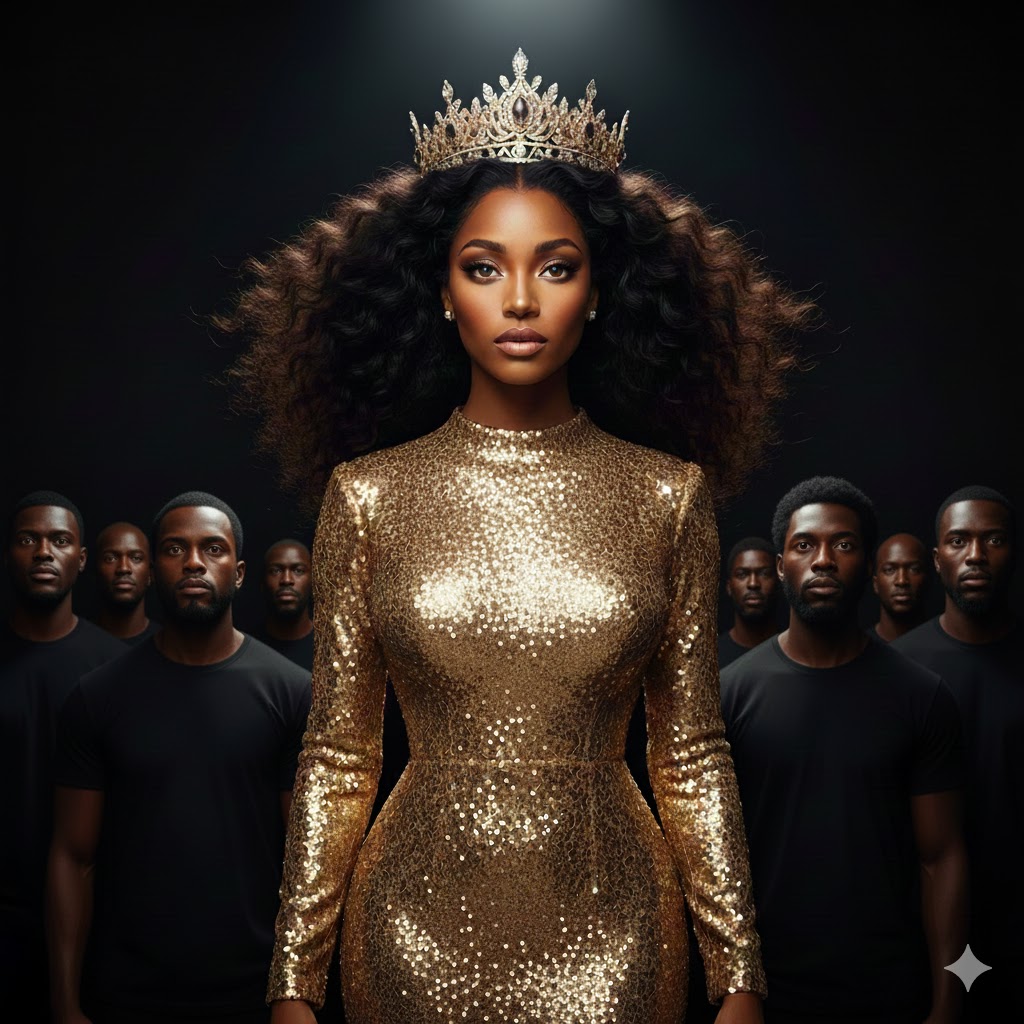
Does Having Light Skin = Pretty?

Beauty has long been tied to social hierarchies and cultural perceptions, with lighter skin often privileged in many societies. Yet equating light skin with attractiveness is misleading and overly simplistic. True beauty is a combination of facial features, symmetry, proportion, expression, and character. While society may focus on skin color, psychology and aesthetics show that light skin does not guarantee beauty, nor does dark skin preclude it.

The Cultural Obsession with Light Skin

Throughout history, light skin has been associated with wealth, status, and desirability. From colonialism to modern media, lighter skin has been positioned as aspirational. Colorism perpetuates the false belief that fairness equals beauty, ignoring the complexity of human aesthetics (Hunter, 2007).

The Science of Facial Harmony

Research in facial aesthetics shows that facial harmony—balanced proportions between the eyes, nose, lips, and jaw—is a primary determinant of attractiveness. Features aligned with the golden ratio (approximately 1.618) are perceived as more aesthetically pleasing, regardless of skin tone (Rhodes, 2006).

Symmetry and Perceived Beauty

Facial symmetry is another critical factor. Symmetrical faces are often rated as healthier, more attractive, and genetically fit. Both light-skinned and dark-skinned individuals can possess perfect symmetry, demonstrating that attractiveness is independent of melanin content.

The Eye of the Beholder

Beauty is subjective and culturally mediated. The famous adage, “beauty is in the eye of the beholder,” reflects the role of personal preference, social context, and cultural standards in shaping who is considered attractive (Jones & Hill, 1993). A face admired in one culture may be overlooked in another.

Dark Skin Can Be Beautiful

Many dark-skinned individuals possess features that are considered conventionally beautiful—high cheekbones, symmetrical eyes, balanced lips, and radiant skin. Natural beauty cannot be measured solely by complexion, and dark skin often carries a richness and depth that enhances aesthetic appeal.

Light Skin Does Not Guarantee Beauty

Light-skinned individuals may not have the facial harmony or symmetry that contributes to attractiveness. There are light-skinned people with disproportionate or less balanced facial features, showing that skin tone alone is not an indicator of beauty.

Facial Features Over Skin Tone

Studies demonstrate that eye shape, nose width, lip fullness, and jawline prominence are central to perceptions of beauty. Skin tone plays a role in contrast and highlight but is secondary to feature harmony (Rhodes, 2006).

Expression and Emotional Appeal

Beyond structure, facial expression contributes to perceived attractiveness. A warm smile, expressive eyes, and confident posture enhance beauty in all skin tones, proving that emotional appeal matters more than melanin content.

Cultural Perceptions and Media Bias

Media often reinforces the myth that light skin equals beauty. Advertising, film, and social media tend to feature light-skinned models, skewing public perception and perpetuating colorist ideals. This bias fails to acknowledge the diversity of beautiful faces across all skin tones.

The Role of Confidence

Confidence and self-assurance influence attractiveness. Someone who carries themselves with dignity and self-love is perceived as beautiful regardless of complexion. Inner beauty radiates outward, affecting how others perceive physical appearance (1 Peter 3:3-4).

The Psychology of Preference

Human attraction is influenced by evolutionary psychology—signals of health, fertility, and genetic fitness. Symmetry, proportionality, and skin health signal vitality and influence perception more than skin lightness.

Historical Context

Historically, societies with darker-skinned populations have had their own beauty ideals that did not privilege lightness. African, Indigenous, and Asian cultures have celebrated diverse features, demonstrating that beauty is culturally and biologically multifaceted.

Misconceptions About Fairness

The belief that fair skin guarantees beauty erases diversity and harms self-esteem in darker-skinned populations. People often internalize these messages, creating a false hierarchy of attractiveness.

Beauty Across Skin Tones

Research confirms that both light-skinned and dark-skinned individuals can be beautiful. Symmetry, proportion, facial harmony, and personal presence are universal indicators of attractiveness, not melanin content.

Faith and True Beauty

Scripture reminds us that outward appearance is secondary to the heart. God sees the heart, and His value system is not tied to skin tone (1 Samuel 16:7). True beauty includes character, kindness, and alignment with God’s design.

Examples in Society

Numerous public figures illustrate that beauty transcends skin tone. Dark-skinned models, actors, and leaders are celebrated globally for their aesthetic appeal, disproving the myth that lightness equals prettiness.

The Eye of the Beholder Revisited

Beauty is subjective and socially mediated. While one person may value lighter skin, another may be captivated by facial features, expression, or charisma. Recognizing subjectivity challenges rigid beauty hierarchies.

Challenging Colorist Ideals

Rejecting the notion that light skin is inherently superior empowers individuals to appreciate diverse beauty. Colorism is socially constructed, but feature harmony, symmetry, and confidence are universally admired.

Conclusion

Light skin does not automatically equal beauty. True attractiveness is determined by facial harmony, symmetry, expression, and character. Dark-skinned individuals can be stunningly beautiful, while light-skinned individuals may lack these aesthetic qualities. Beauty is subjective, culturally influenced, and deeply rooted in both physical features and the spirit. Recognizing this truth helps dismantle harmful stereotypes and celebrates God’s diverse creation (Psalm 139:14).


References

  • Hunter, M. L. (2007). The persistent problem of colorism: Skin tone, status, and inequality. Sociology Compass, 1(1), 237–254. https://doi.org/10.1111/j.1751-9020.2007.00006.x
  • Rhodes, G. (2006). The evolutionary psychology of facial beauty. Annual Review of Psychology, 57(1), 199–226. https://doi.org/10.1146/annurev.psych.57.102904.190208
  • Jones, D., & Hill, K. (1993). Criteria of facial attractiveness in five populations. Human Nature, 4(3), 271–296.
  • Psalm 139:14 (KJV) – “I am fearfully and wonderfully made.”
  • 1 Samuel 16:7 (KJV) – “Man looketh on the outward appearance, but the LORD looketh on the heart.”
  • 1 Peter 3:3-4 (KJV) – Emphasis on inner beauty over outward adornment.

Pretty Privilege Series: The Cost of Shade — How Colorism Shapes Our Souls.

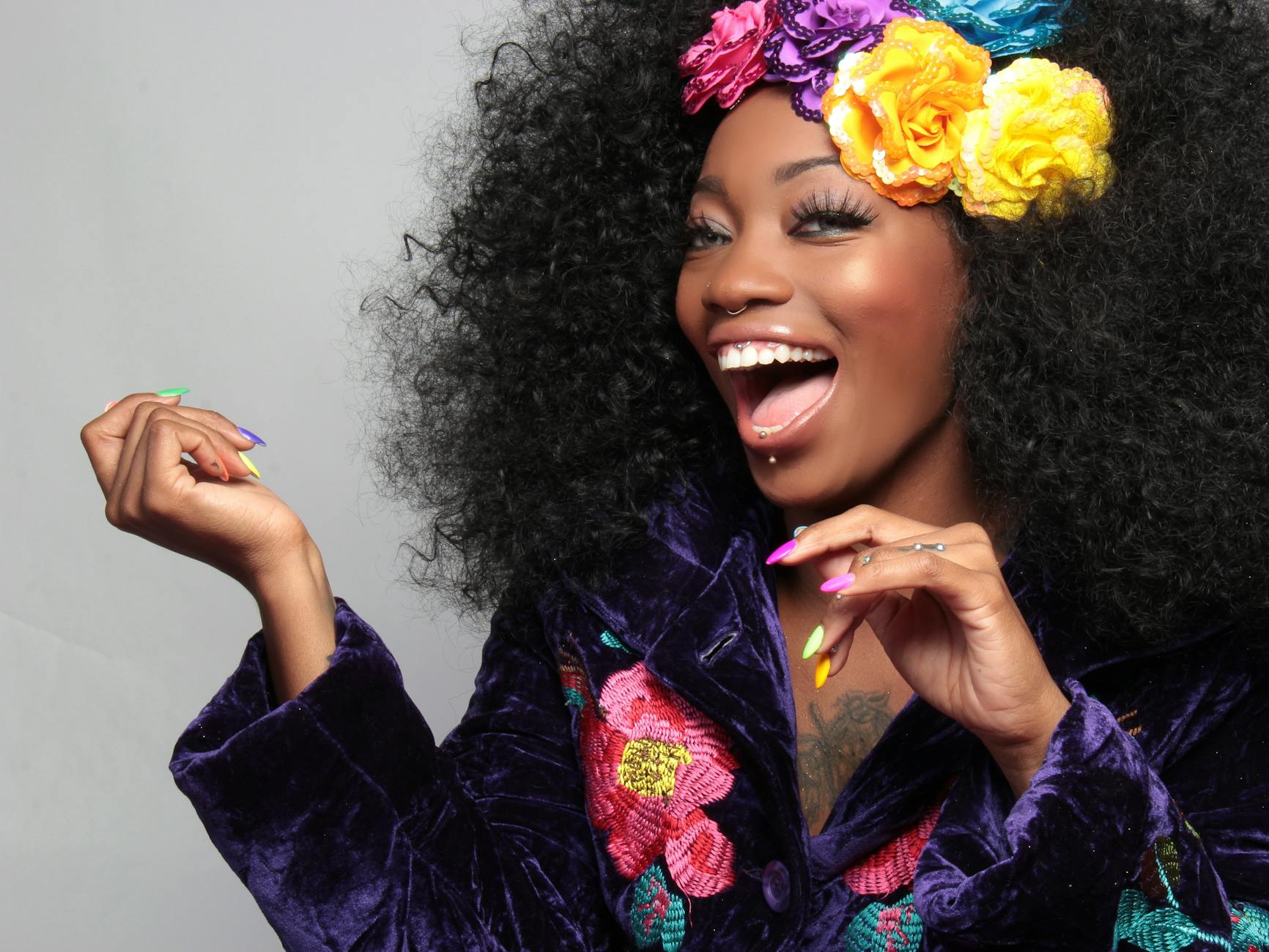
Photo by Stan Photography on Pexels.com

Colorism, though often overshadowed by the broader category of racism, remains one of the most insidious realities within the Black community and beyond. It is the practice of favoring lighter skin over darker skin, a hierarchy that has its roots in slavery, colonialism, and Eurocentric beauty standards. The cost of shade is not merely social; it is psychological, emotional, spiritual, and generational. It shapes not just how others see us, but also how we see ourselves.

At the root of colorism lies the ideology of white supremacy. During slavery, lighter-skinned enslaved people were often given preferential treatment, sometimes allowed into the house while darker-skinned individuals were forced to toil in the fields. This early division planted seeds of mistrust, competition, and insecurity that still bear bitter fruit today (Hunter, 2007). These historical scars are carried forward, morphing into modern struggles with beauty standards, relationships, and self-worth.

Pretty privilege is not neutral; it operates within the politics of shade. Those with lighter skin tones are often perceived as more desirable, more approachable, and even more intelligent, while darker-skinned individuals frequently face rejection, stereotypes, and invisibility. The cost of this dynamic is that entire generations internalize harmful lies about their own God-given beauty.

The soul suffers under these dynamics because they fracture identity. When young Black children grow up hearing insults about dark skin or praises for lighter complexions, their spirit is silently bruised. Proverbs 18:21 (KJV) reminds us that, “Death and life are in the power of the tongue.” Words about shade, whether degrading or elevating, carry life-altering weight.

In relationships, colorism often dictates who is considered “dateable” or “marriage material.” Studies show that lighter-skinned women are more likely to be married than their darker-skinned counterparts, even when controlling for education and income (Hamilton et al., 2009). This creates not only personal pain but also division within the community, reducing love to a hierarchy of hue rather than a covenant of hearts.

Men, too, suffer under the burden of shade. Dark-skinned men are often stereotyped as aggressive or threatening, while lighter-skinned men may be seen as more approachable or refined. These biased perceptions impact everything from employment opportunities to social mobility. The cost of shade is not limited to romance—it seeps into economics, justice, and everyday life.

Spiritually, colorism is a distortion of God’s design. Scripture declares in Genesis 1:27 (KJV), “So God created man in his own image, in the image of God created he him.” When one shade of skin is elevated above another, it denies the truth that every complexion reflects the Creator’s artistry. The soul is damaged when beauty is measured by proximity to whiteness rather than proximity to holiness.

The cost of shade is also evident in media and representation. Films, music videos, and advertisements often prioritize lighter-skinned Black women, perpetuating a narrow definition of beauty. This “paper bag test” mentality, once literal in Black social organizations, has been rebranded for a global stage, infiltrating screens and shaping the subconscious of millions.

Colorism also creates fractures between women themselves. Instead of building solidarity, competition emerges. Lighter-skinned women may feel objectified while darker-skinned women may feel overlooked, creating a cycle of envy, bitterness, and mistrust. Galatians 5:26 (KJV) warns us, “Let us not be desirous of vain glory, provoking one another, envying one another.” The cost of shade is the erosion of sisterhood.

Within families, colorism can be especially painful. Parents, knowingly or unknowingly, may praise the lighter-skinned child more, while overlooking the darker-skinned sibling. These internalized preferences perpetuate generational trauma, leading children to equate their worth with the shade of their skin rather than the substance of their character.

The church, too, has not been exempt. Though the gospel declares freedom and equality, biases regarding skin tone often infiltrate congregations, from leadership selection to who is deemed “presentable.” This contradiction grieves the Spirit, for Acts 10:34 (KJV) proclaims, “Of a truth I perceive that God is no respecter of persons.”

One of the greatest costs of shade is the distortion of love. When people pursue relationships based on complexion rather than compatibility in Christ, marriages falter, and families suffer. The cost of shade here is not just cosmetic—it is covenantal.

For many, overcoming colorism requires intentional healing. This healing begins with recognizing its roots, naming its effects, and choosing to reject its lies. John 8:32 (KJV) promises, “And ye shall know the truth, and the truth shall make you free.” Freedom from shade-based hierarchies requires embracing God’s truth about beauty.

Healing also comes through representation. When darker-skinned individuals are celebrated in media, art, and leadership, stereotypes are dismantled. Every image of beauty that embraces the full spectrum of melanin is an act of resistance against the cost of shade.

Education is also essential. Teaching children the truth about their heritage, beauty, and biblical identity equips them to resist the lies of colorism. Proverbs 22:6 (KJV) commands, “Train up a child in the way he should go: and when he is old, he will not depart from it.”

The cost of shade must also be addressed collectively. As a community, we must reject divisive practices and affirm all shades as reflections of God’s handiwork. Unity dismantles privilege, and love uproots prejudice.

Globally, the issue of skin-lightening industries reveals the financial cost of shade. Billions are spent annually on bleaching creams, a testament to the deep insecurity colorism breeds (Charles, 2003). These products not only damage skin but also reinforce self-hatred.

But the greatest hope lies in God’s promise of restoration. Revelation 7:9 (KJV) describes a vision of heaven where “a great multitude, which no man could number, of all nations, and kindreds, and people, and tongues, stood before the throne.” In that eternal gathering, shade holds no cost—only souls covered in the glory of God.

Ultimately, the cost of shade is too high to continue paying. It robs us of peace, divides families, distorts love, and warps identity. But the gospel calls us to something greater: freedom, equality, and wholeness in Christ. In Him, every shade is sacred.


References

  • Charles, C. A. D. (2003). Skin bleachers’ representations of skin color in Jamaica. Journal of Black Studies, 33(6), 711–728.
  • Hamilton, D., Goldsmith, A., & Darity, W. (2009). Shedding “light” on marriage: The influence of skin shade on marriage for Black females. Journal of Economic Behavior & Organization, 72(1), 30–50.
  • Hunter, M. (2007). The persistent problem of colorism: Skin tone, status, and inequality. Sociology Compass, 1(1), 237–254.
  • The Holy Bible, King James Version.

Beautyism: The Social Hierarchy of Appearance.

Beautyism is a pervasive form of bias in which physical attractiveness becomes a determinant of social, economic, and professional value. Unlike racism or sexism, which are widely recognized, beautyism often operates invisibly, normalized as preference or merit. Yet its consequences are tangible, affecting employment, compensation, social treatment, and interpersonal relationships. Appearance, particularly facial symmetry, skin tone, and adherence to cultural beauty norms, functions as an unspoken gatekeeper of opportunity.

Historically, beautyism has roots in class and colonial systems that equated aesthetic traits with worth. Eurocentric standards of beauty were imposed globally, privileging lighter skin, narrow noses, specific body shapes, and “refined” facial features. This legacy persists in contemporary media, professional expectations, and social judgment, reinforcing hierarchies based on appearance (Hamermesh & Biddle, 1994).

In the workplace, beautyism manifests in hiring, promotions, and wage disparities. Attractive individuals are often perceived as more competent, intelligent, and socially skilled, regardless of actual ability. Research indicates that more physically appealing candidates are statistically more likely to be hired, receive higher salaries, and attain leadership roles (Hosoda, Stone-Romero, & Coats, 2003).

Beautyism intersects with race and colorism, amplifying advantage for those whose features align with dominant aesthetic ideals. Lighter-skinned, Eurocentric features are often rewarded, while darker skin or features associated with non-European ancestry are penalized. This creates a compounded effect where racial bias and beauty bias reinforce each other (Hunter, 2007).

Socially, beautyism shapes relational dynamics. Attractive individuals receive more attention, favor, and trust in interpersonal interactions. Studies on the “halo effect” demonstrate that perceived beauty leads observers to attribute positive personality traits, competence, and moral character to an individual solely based on appearance (Eagly et al., 1991).

Within romantic and social spheres, beautyism dictates desirability and perceived worth. Partners with culturally valued features are more likely to receive attention, admiration, and romantic interest, while those outside these norms are often marginalized, fetishized, or overlooked. This hierarchy reinforces societal inequities and internalized self-judgment.

In families and communities, beautyism can exacerbate favoritism and differential treatment. Children with features perceived as attractive may receive more encouragement, praise, and social capital, while less “beautiful” children may experience neglect or lower expectations. Such disparities impact self-esteem, social development, and life trajectories.

Beautyism also intersects with gender, disproportionately affecting women. Societal pressure for women to maintain attractiveness translates into emotional, financial, and professional labor. Women are judged more harshly by appearance than men, facing scrutiny for aging, body size, skin tone, and facial symmetry.

Media and popular culture are key vehicles for perpetuating beautyism. Films, television, advertisements, and social media frequently elevate a narrow standard of beauty, often white-centered, while marginalizing diverse representation. Repetition trains collective perception, normalizing hierarchy and preference (Frisby, 2004).

Psychologically, beautyism contributes to anxiety, body dysmorphia, and low self-esteem. Internalized societal preference for certain features causes individuals to view themselves and others through biased lenses. This internal policing perpetuates inequality even in private or informal spaces.

Education is not immune to beautyism. Teachers’ perceptions of attractiveness influence grading, disciplinary decisions, and expectations. Attractive students are often seen as more capable or disciplined, while those judged less attractive may face harsher critique or reduced encouragement.

Economically, beautyism translates into measurable disparity. Attractive individuals command higher salaries, receive more bonuses, and have access to greater professional networks. Studies show a wage premium for attractive people across industries, indicating structural reinforcement of appearance-based advantage (Hamermesh, 2011).

Beautyism is also intertwined with social mobility. Individuals who conform to aesthetic norms are more likely to navigate elite spaces, gain mentorship, and access resources unavailable to those outside dominant beauty standards. This creates a cycle where beauty functions as currency.

Biblically, beautyism contradicts the principle that God evaluates by heart rather than outward appearance. Scripture warns, “Man looketh on the outward appearance, but the Lord looketh on the heart” (1 Samuel 16:7, KJV). Favoritism based on looks is therefore morally and spiritually flawed.

Churches and faith communities are not exempt. While congregations may reject racial or economic partiality, appearance-based favoritism often persists subtly through leadership selection, social visibility, and interpersonal validation. Spiritual integrity demands confrontation of this bias.

Overcoming beautyism requires intentional awareness and disruption of these hierarchies. Individuals and institutions must examine unconscious bias, challenge media narratives, and affirm diverse forms of beauty. Recognition of privilege tied to appearance is necessary for systemic and personal reform.

Intervention must also address internalized belief systems. Self-worth must be disentangled from aesthetic validation. Educational programs, counseling, and mentorship that prioritize character, talent, and virtue over looks can mitigate the psychological burden of beautyism.

Collective resistance involves creating inclusive environments where appearance does not dictate access or value. Policy, culture, and leadership structures must actively counteract favoritism based on looks, just as they address racial, gender, and class discrimination.

Ultimately, beautyism is a social construct that both reflects and reinforces inequality. Addressing it is not about denying aesthetics, but refusing hierarchy rooted in appearance. Justice, fairness, and human dignity demand that value be measured by character and action rather than physical conformity to cultural standards.

The dismantling of beautyism is a moral, cultural, and spiritual imperative. When societies cease rewarding superficial conformity, they open space for equitable recognition of talent, intelligence, and virtue, affirming the inherent worth of every individual.


References

The Holy Bible, King James Version. (1611). Various passages.

Hamermesh, D. S., & Biddle, J. E. (1994). Beauty and the labor market. American Economic Review, 84(5), 1174–1194.

Hosoda, M., Stone-Romero, E. F., & Coats, G. (2003). The effects of physical attractiveness on job-related outcomes: A meta-analysis of experimental studies. Personnel Psychology, 56(2), 431–462.

Hunter, M. (2007). The persistent problem of colorism: Skin tone, status, and inequality. Sociology Compass, 1(1), 237–254.

Eagly, A. H., Ashmore, R. D., Makhijani, M. G., & Longo, L. C. (1991). What is beautiful is good, but…: A meta-analytic review of research on the physical attractiveness stereotype. Psychological Bulletin, 110(1), 109–128.

Frisby, C. M. (2004). Does race or gender matter? Effects of media images on self-perception. Journal of Broadcasting & Electronic Media, 48(2), 301–317.

Hamermesh, D. S. (2011). Beauty pays: Why attractive people are more successful. Princeton University Press.

🌸 Pretty is as Pretty Does 🌸

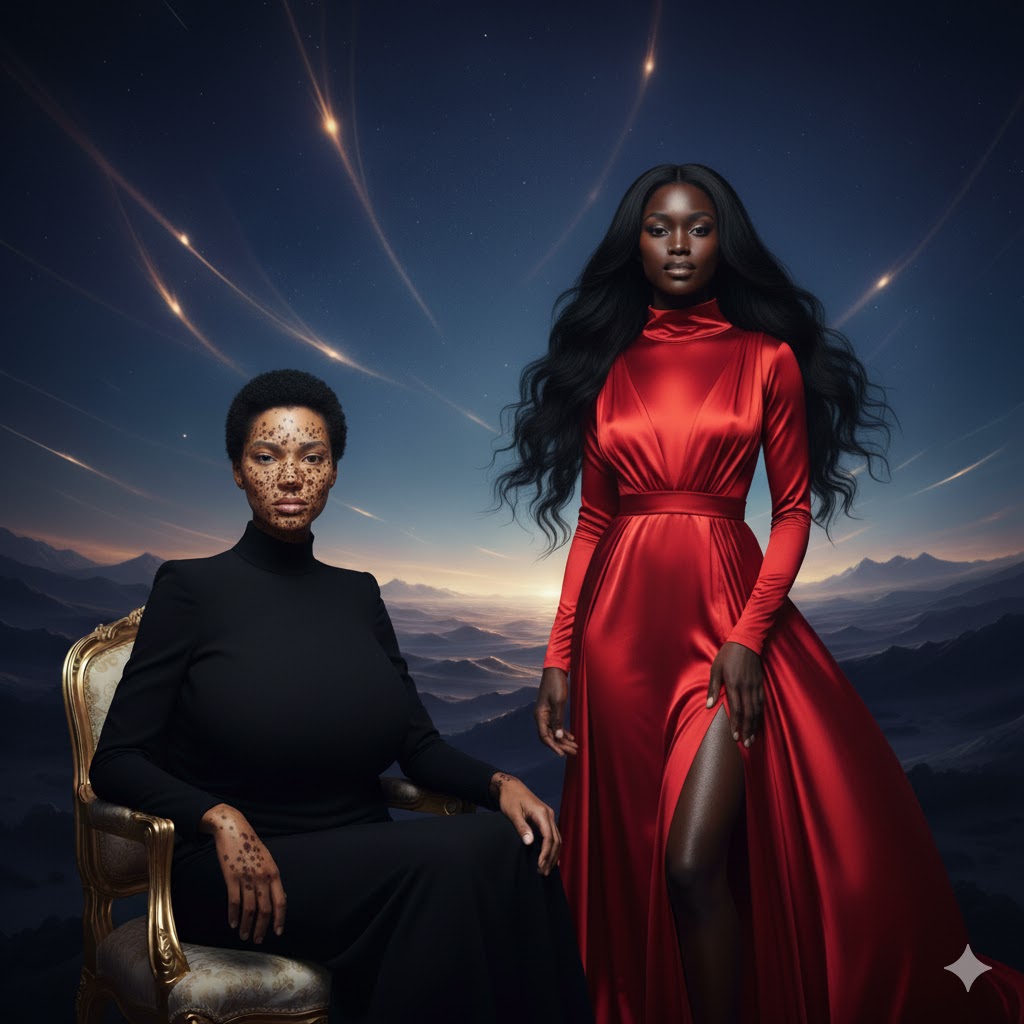
Photo by Pixabay on Pexels.com

The phrase “Pretty is as pretty does” carries a timeless truth: outward beauty may attract attention, but it is character, kindness, and integrity that sustain admiration and respect. True beauty is not measured solely by physical features, but by the way a person lives and treats others. Proverbs 31:30 (KJV) declares, “Favour is deceitful, and beauty is vain: but a woman that feareth the Lord, she shall be praised.” This verse reminds us that godly character outweighs fleeting physical charm.

Personality profoundly shapes how beauty is perceived. Psychology suggests that traits such as warmth, empathy, and generosity amplify attractiveness, while arrogance, cruelty, or selfishness diminish it (Little et al., 2011). A stunning face paired with a bitter spirit quickly loses its luster, whereas someone with modest looks but a radiant personality often becomes more attractive over time. Thus, beauty without virtue is incomplete.

The Bible is filled with examples of women whose beauty went beyond their appearance. One such figure is Esther, whose courage and wisdom saved her people (Esther 4:14). While her outward beauty opened doors, it was her inner strength, faith, and humility that changed the course of history. Her life demonstrates that when physical beauty is matched with moral courage, it has the power to transform lives.

Psychologically, being “gorgeous” extends far beyond facial symmetry or body shape. Attractive people often influence social environments, but their lasting impact depends on their character. Research in social psychology shows that people remember kindness and integrity more vividly than appearance (Dion et al., 1972). This aligns with Christ’s teachings in Matthew 5:16 (KJV): “Let your light so shine before men, that they may see your good works, and glorify your Father which is in heaven.”

The best character traits of a pretty woman are compassion, humility, loyalty, and wisdom. As a friend, she is trustworthy and uplifting; as a mother, nurturing and protective; as a sister, supportive and understanding; as a wife, loving and respectful; as an aunt, caring and encouraging. Her beauty is magnified when she enriches the lives of her family and community.

A woman of true beauty exemplifies balance between grace and strength. Her words heal, her actions inspire, and her presence brings peace. Proverbs 31 paints this picture vividly, showing how a virtuous woman provides for her household, honors her husband, and teaches wisdom with kindness. Her beauty is not static—it grows with every selfless deed.

The moral of the pretty woman is that her value lies not in admiration of her outward appearance, but in the legacy of her actions. She reflects God’s image by embodying love, patience, and righteousness. Such beauty is enduring, for it comes from within and glorifies the Creator rather than the self.

Ultimately, “Pretty is as pretty does” reminds us that genuine beauty is not a possession but a practice. It is cultivated daily through godly living, service to others, and a radiant spirit. The truly pretty woman is one whose inner light outshines her outward appearance, leaving an eternal mark on those she touches.


References

  • Dion, K., Berscheid, E., & Walster, E. (1972). What is beautiful is good. Journal of Personality and Social Psychology, 24(3), 285–290.
  • Little, A. C., Burt, D. M., & Perrett, D. I. (2011). What is good is beautiful: Face preference reflects desired personality. Personality and Individual Differences, 50(7), 862–866.
  • The Holy Bible, King James Version.