
Tag Archives: power

The Sociology of Dating: Love, Power, and Modern Relationships.

Dating, as a social institution, reflects the broader cultural values, power structures, and moral frameworks of a society. Sociologists view dating not merely as a private matter between two individuals (a man and a woman) but as a patterned social practice shaped by historical norms, gender roles, economic expectations, and moral beliefs. In modern society, dating has evolved from structured courtship practices into a more worldly perspective and individualized system of romantic exploration. Yet despite these changes, fundamental questions about love, commitment, morality, and partnership remain central to the dating experience.

Historically, courtship was closely monitored by families and communities. In the nineteenth and early twentieth centuries, relationships were often guided by parental oversight and social expectations surrounding marriage, morality, and economic stability. The goal of courtship was not merely romance but the formation of a stable family unit that contributed to social order. Dating as we understand it today emerged in the early twentieth century, particularly with urbanization and the rise of youth culture (Bailey, 2004).

The transformation of dating was accelerated by technological changes, shifting gender roles, and evolving cultural attitudes toward sexuality. The introduction of automobiles, for example, allowed couples greater privacy and independence from family supervision. Later developments, such as television, the internet, and social media, further reshaped how individuals meet and evaluate potential partners. These changes have expanded opportunities for connection but have also complicated expectations surrounding commitment and intimacy.

From a sociological perspective, dating involves the negotiation of power and status between individuals. Factors such as income, education, attractiveness, and social capital often influence who is perceived as desirable. These dynamics are sometimes described through the concept of the “dating market,” in which individuals evaluate potential partners based on perceived compatibility and resources (Finkel et al., 2012).

Within many cultural traditions, the role of the husband as a provider remains a powerful expectation. The provider model reflects long-standing social norms in which men were expected to secure economic stability for the family while women managed domestic responsibilities. Although contemporary relationships often emphasize equality and shared financial contributions, many individuals still value the security associated with a responsible and hardworking partner.

The concept of a provider husband also carries moral and symbolic significance. In many religious and cultural traditions, a man’s willingness to work, protect, and lead his household is interpreted as evidence of integrity and maturity. Economic responsibility becomes intertwined with emotional leadership and commitment to family well-being.

Integrity plays a central role in healthy dating relationships. Sociologically, integrity refers to the alignment between an individual’s values, actions, and commitments. In the context of dating, integrity manifests through honesty, respect, emotional accountability, and responsible behavior toward one’s partner. Without integrity, relationships often become characterized by manipulation, mistrust, and instability.

One of the most debated aspects of modern dating is the changing attitude toward sexual intimacy. In many societies, sexual relationships before marriage— fornication—have become increasingly normalized. Sociologists note that this shift reflects broader transformations in cultural attitudes toward sexuality, individual autonomy, and personal fulfillment.

However, religious traditions continue to frame sexual intimacy as an act reserved for marriage. Within these traditions, fornication is understood as behavior that undermines spiritual discipline, emotional stability, and long-term relational commitment. Advocates of this perspective argue that delaying sexual intimacy allows couples to develop deeper emotional and spiritual compatibility.

The tension between modern sexual norms and traditional moral teachings illustrates the broader conflict between individual freedom and communal values. While some individuals view sexual expression as a personal choice detached from moral restrictions, others believe that sexual boundaries protect the sanctity of relationships and family structures.

Sociological research suggests that sexual expectations can significantly influence relationship stability. Couples who prioritize communication, mutual respect, and shared values often report higher levels of satisfaction than those whose relationships are primarily based on physical attraction. Emotional intimacy and trust frequently serve as stronger foundations for long-term commitment.

Another dimension of dating involves the negotiation of gender expectations. Despite progress toward gender equality, many cultural narratives continue to portray men as initiators of romantic pursuit and women as evaluators of suitability. These scripts influence how individuals approach dating interactions and interpret rejection or acceptance.

Economic inequality also affects dating dynamics. Individuals with stable employment and financial security often experience greater confidence in pursuing relationships and marriage. Conversely, economic hardship can delay marriage or create tension within romantic partnerships. Sociologists have documented how financial instability shapes decisions about family formation (Cherlin, 2014).

In contemporary society, digital technology has dramatically altered the dating landscape. Mobile applications and social networking platforms allow individuals to connect with potential partners across geographic and social boundaries. While these tools expand opportunities for interaction, they can also create a culture of constant comparison and perceived abundance of alternatives.

This digital environment sometimes encourages superficial evaluation based on appearance rather than character. Profiles and photographs may overshadow deeper qualities such as kindness, discipline, and moral conviction. As a result, individuals seeking meaningful relationships may struggle to navigate platforms designed for rapid judgments.

Amid these challenges, many individuals seek relationships grounded in shared purpose and long-term vision. A partner who demonstrates integrity, responsibility, and commitment can provide emotional security and mutual support. These qualities often outweigh superficial markers of attractiveness when couples build lasting partnerships.

Faith-based perspectives on dating frequently emphasize preparation for marriage rather than casual romantic experimentation. In these frameworks, individuals are encouraged to cultivate personal discipline, spiritual maturity, and emotional readiness before entering a committed relationship.

The concept of waiting—emotionally, spiritually, and sometimes physically—reflects the belief that love should be guided by wisdom rather than impulse. Proponents argue that patience allows individuals to discern compatibility and avoid relationships driven solely by temporary attraction.

At its core, dating represents the search for companionship, trust, and shared destiny. Although cultural norms and technologies may change, the human desire for connection remains constant. Sociologists recognize that romantic relationships are deeply influenced by the social environments in which individuals live.

Biblical Dating Rules: A Cheat Sheet for Men and Women

1. Know Your Purpose

  • Dating = preparation for marriage, not casual fun.
  • Seek alignment in faith, values, and life goals.
    (Proverbs 31:10–31)

2. Prioritize Spiritual Compatibility

  • Read your Bible, pray together, and discuss beliefs.
  • Shared faith strengthens long-term connections.
    (2 Corinthians 6:14)

3. Understand Leadership Roles

  • Men: Lead with love, responsibility, and spiritual guidance.
  • Women: Exercise discernment, cultivate virtue, and honor godly leadership.
    (Ephesians 5:25; Proverbs 31)

4. Exercise Patience

  • Don’t rush into relationships based solely on attraction.
  • Time reveals character, integrity, and readiness.
    (Psalm 37:7)

5. Maintain Sexual Purity

  • Sexual intimacy belongs in marriage.
  • Establish boundaries early to honor God and protect emotions.
    (1 Corinthians 6:18)

6. Evaluate Integrity

  • Prioritize honesty, consistency, and moral discipline.
  • Character > superficial attraction.
    (Proverbs 12:22)

7. Set Healthy Boundaries

  • Protect emotional, spiritual, and physical well-being.
  • Discuss limits on communication, physical touch, and social interactions.
    (Galatians 5:22–23)

8. Observe Leadership in Action

  • Look for responsibility, patience, humility, and care.
  • Leadership = service, not dominance.
    (1 Timothy 3:2–5)

9. Cultivate Your Own Strengths

  • Women: Develop wisdom, skills, and spiritual growth.
  • Men: Build discipline, reliability, and godly character.
    (Proverbs 31:26–27)

10. Communicate Openly

  • Discuss goals, boundaries, and expectations.
  • Transparency prevents misunderstandings.
    (Ephesians 4:15)

11. Guard Your Heart

  • Avoid emotional overinvestment early.
  • Protect yourself from incompatible partners.
    (Proverbs 4:23)

12. Seek Counsel

  • Involve parents, mentors, or spiritual advisors.
  • Accountability helps discern God’s will.
    (Proverbs 15:22)

13. Focus on Character Over Appearance

  • Physical attraction is secondary to integrity, faith, and kindness.
    (1 Samuel 16:7)

14. Lead with Love

  • Men: Serve, encourage, and uplift.
  • Love should guide every decision and action.
    (Philippians 2:3–4)

15. Demonstrate Mutual Respect

  • Respect is a two-way street: discernment + humility = women; care + honor = men.
    (1 Peter 3:7)

16. Prepare for Marriage, Not Just Dating

  • Ask: “Does this person have qualities of a godly spouse?”
  • Dating is a testing ground for a lifelong partnership.
    (Genesis 2:24)

17. Use Prayer as Guidance

  • Pray individually and together for wisdom and clarity.
    (James 1:5)

18. Monitor Red Flags

  • Watch for dishonesty, lack of respect, irresponsibility, or disregard for faith principles.
    (Proverbs 22:3)

19. Celebrate Shared Values

  • Participate in faith practices, community service, and mutual growth.
    (Colossians 3:14)

20. Remember the Greater Purpose

  • Dating = spiritual growth, character-building, and preparation for a covenant relationship.
  • Every challenge is part of God’s design.
    (Romans 8:28)

Ultimately, the sociology of dating reveals that love is never purely private. It is shaped by history, culture, economics, religion, and social expectations. Understanding these forces allows individuals to approach relationships with greater awareness and intentionality.

In a world where romantic options appear endless yet commitment often feels fragile, integrity, responsibility, and shared values remain essential foundations for lasting love. When individuals approach dating with purpose and moral clarity, relationships can transcend the uncertainties of modern culture and become partnerships rooted in respect, faith, and mutual devotion.


References

Bailey, B. (2004). From front porch to back seat: Courtship in twentieth-century America. Baltimore, MD: Johns Hopkins University Press.

Cherlin, A. J. (2014). Labor’s love lost: The rise and fall of the working-class family in America. New York, NY: Russell Sage Foundation.

Finkel, E. J., Eastwick, P. W., Karney, B. R., Reis, H. T., & Sprecher, S. (2012). Online dating: A critical analysis from the perspective of psychological science. Psychological Science in the Public Interest, 13(1), 3–66. https://doi.org/10.1177/1529100612436522

Regnerus, M. (2017). Cheap sex: The transformation of men, marriage, and monogamy. New York, NY: Oxford University Press.

Stanley, S. M., Rhoades, G. K., & Markman, H. J. (2006). Sliding versus deciding: Inertia and the premarital cohabitation effect. Family Relations, 55(4), 499–509. https://doi.org/10.1111/j.1741-3729.2006.00418.x
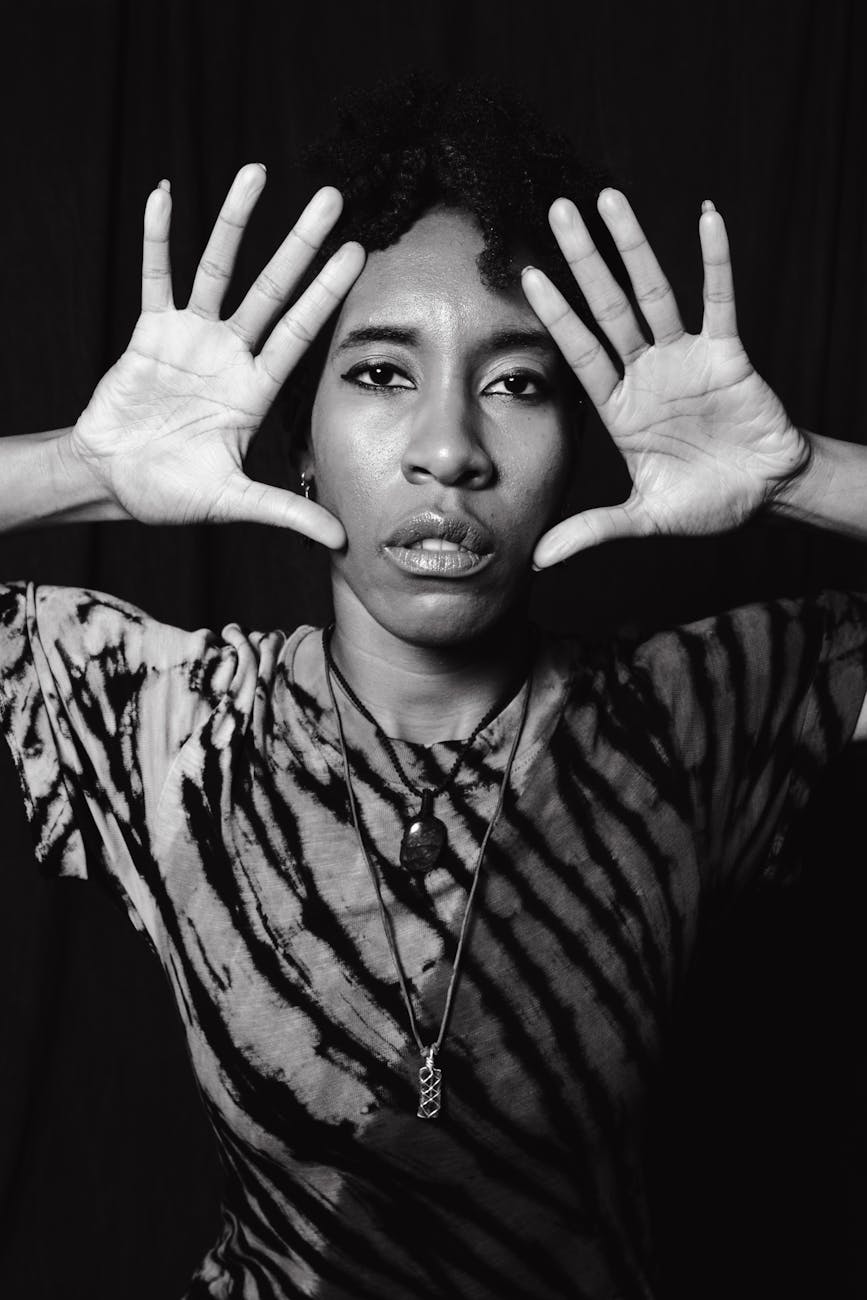

Brown and Bold: Owning Your Look, Your Voice, Your Power.

Photo by RDNE Stock project on Pexels.com

Being brown is more than a skin tone—it is a statement, a legacy, and a form of power. In a world where Eurocentric beauty standards dominate media and culture, claiming one’s brown skin, voice, and presence is an act of courage and self-determination. To be brown and bold is to assert identity unapologetically, embracing heritage, individuality, and influence in every facet of life.

Owning Your Look

Your appearance is a canvas that tells your story. Brown skin, in its many shades, reflects ancestry, resilience, and beauty. From deep cocoa to light caramel, each tone carries its own narrative, influenced by genetics, culture, and history. Embracing your natural look—including skin tone, hair texture, and style—is an act of self-love and defiance against societal pressures that seek to standardize beauty. Celebrities like Lupita Nyong’o, Tracee Ellis Ross, and Adut Akech exemplify how embracing natural beauty can shift perceptions globally. By owning your look, you claim authority over how the world sees you and how you see yourself.

Owning Your Voice

Boldness is not only visual—it is verbal. Speaking your truth, sharing your ideas, and asserting your perspective are vital components of personal power. Historically, Black and brown voices have been silenced or undervalued. Yet, modern movements, social media platforms, and cultural spaces offer opportunities to reclaim narrative authority. Writers, activists, and leaders like Chimamanda Ngozi Adichie, Ava DuVernay, and Issa Rae demonstrate that a confident voice—articulated with clarity and conviction—can inspire change, representation, and empowerment. Owning your voice means refusing to shrink, to apologize, or to be invisible.

Owning Your Power

Power is cultivated when look and voice align with self-awareness and purpose. It is the confidence to navigate spaces that were historically unwelcoming, to excel in careers, relationships, and creative pursuits. Brown individuals often carry the weight of societal bias, yet choosing boldness transforms that weight into strength. Power is expressed through education, entrepreneurship, artistry, advocacy, and leadership. It is the recognition that your identity is an asset, not a limitation.

Brown and Bold Manifesto: Owning Your Look, Your Voice, Your Power

1. Own Your Look
Affirmation: “My skin, my hair, my style are my crown. I honor my heritage and radiate confidence.”

Action Steps:

  • Stand before a mirror daily and affirm the beauty of your skin tone.
  • Experiment with hairstyles, fashion, or makeup that makes you feel authentic.
  • Document your style journey in photos or journaling to celebrate growth.

2. Own Your Voice
Affirmation: “My words matter. I speak with clarity, courage, and conviction.”

Action Steps:

  • Practice speaking your ideas aloud, even in small, private spaces.
  • Share your thoughts through writing, social media, or creative outlets.
  • Join communities or groups that uplift and amplify brown voices.

3. Own Your Power
Affirmation: “I am a force of resilience, creativity, and influence. My power is undeniable.”

Action Steps:

  • Set personal goals in career, education, or artistry and take daily steps toward them.
  • Celebrate achievements—big or small—without minimizing your accomplishments.
  • Engage in mentorship or community projects that allow you to uplift others.

4. Cultivate Confidence
Affirmation: “I embrace every shade of me. Confidence flows from acceptance and pride.”

Action Steps:

  • Identify moments of self-doubt and counter them with empowering affirmations.
  • Limit exposure to media or environments that diminish your self-worth.
  • Surround yourself with people who celebrate your identity.

5. Celebrate Heritage and Legacy
Affirmation: “I honor the stories of those who came before me. Their resilience is my foundation.”

Action Steps:

  • Learn about your ancestry and cultural heritage.
  • Share stories of empowerment from your community or family.
  • Use rituals, art, or reflection to honor the legacy of brown excellence.

6. Daily Boldness Practice
Affirmation: “Each day, I choose to be unapologetically me.”

Action Steps:

  • Take one small bold action every day: a statement outfit, a confident opinion, or a new endeavor.
  • Journal reflections on how these actions make you feel empowered.
  • Recognize that boldness is a muscle—strength grows with daily practice.

Psychology of Boldness and Confidence

Psychological research shows that self-affirmation, representation, and cultural pride enhance confidence and resilience (Hunter, 2007). When brown individuals see themselves reflected in positions of influence and media, it validates their worth and encourages bold self-expression. Boldness is thus both an internal practice and a social statement—building confidence while challenging external bias.

Cultural and Spiritual Dimensions

Culturally, brownness is a celebration of lineage, ancestry, and shared history. Spiritually, it is affirmed as beautiful and worthy (Song of Solomon 1:5 KJV). Embracing skin, voice, and power is not vanity—it is reclamation. It is honoring the legacy of those who endured oppression, yet persevered, leaving a foundation upon which boldness can thrive today.

Conclusion

To be brown and bold is to live authentically, unapologetically, and courageously. It is to honor your look, amplify your voice, and wield your power. Every choice—to speak, to create, to lead—is a testament to resilience and self-determination. Brownness is not merely a shade; it is a force, a legacy, and a declaration: we see ourselves, we value ourselves, and we shape the world boldly. The Brown and Bold Manifesto is a daily roadmap to self-empowerment. By intentionally embracing your look, voice, and power, you cultivate confidence, resilience, and pride. Boldness is not about perfection—it’s about authenticity, self-love, and the courage to inhabit your full identity unapologetically.


References

  • Hunter, M. (2007). The Persistent Problem of Colorism: Skin Tone, Status, and Inequality. Sociology Compass, 1(1), 237–254.
  • The Holy Bible, King James Version. (1611). Song of Solomon 1:5.

The Power of Prayerful Partnership

Prayer is the foundation of a strong, enduring relationship. When two people commit to walking together in faith, prayer becomes the glue that binds hearts, strengthens trust, and aligns their path with God’s will. A prayerful partnership transcends circumstance, anchoring love in divine purpose.

A couple who prays together builds spiritual intimacy. Prayer opens channels for honest communication, emotional vulnerability, and shared faith experiences. “Again I say unto you, That if two of you shall agree on earth as touching any thing that they shall ask, it shall be done for them of my Father which is in heaven” (Matthew 18:19, KJV).

Prayerful partners prioritize God in decision-making. From finances to family planning, career choices, and conflict resolution, seeking divine guidance ensures alignment with God’s plan and cultivates peace in the relationship.

Spiritual unity strengthens emotional and physical bonds. When both partners engage in prayer, their hearts and minds are attuned to God and each other, fostering patience, understanding, and empathy.

Prayer empowers couples to navigate trials. Life is full of challenges—financial pressure, health issues, interpersonal conflicts—but united prayer provides resilience and clarity. “Be careful for nothing; but in every thing by prayer and supplication with thanksgiving let your requests be made known unto God” (Philippians 4:6, KJV).

Accountability grows in a prayerful partnership. When couples pray together regularly, they cultivate transparency and mutual responsibility in spiritual, emotional, and moral matters.

Praying together nurtures gratitude. Expressing thanks for blessings, growth, and progress enhances perspective, reduces conflict, and strengthens joy in shared experiences.

Conflict resolution improves when prayer is central. Couples learn to approach disagreements with humility, patience, and divine guidance, reducing pride, anger, and resentment.

Prayerful partnerships encourage personal growth. Each individual is inspired to deepen their faith, practice self-discipline, and align personal goals with spiritual purpose.

Shared prayer rituals reinforce connection. Morning or evening devotionals, scripture reading, or intercessory prayer create rhythm, intimacy, and spiritual cohesion.

Prayer invites divine wisdom into relationships. Decisions guided by prayer are informed not only by logic but by God’s insight, fostering harmony and long-term success. “If any of you lack wisdom, let him ask of God, that giveth to all men liberally, and upbraideth not; and it shall be given him” (James 1:5, KJV).

Prayer strengthens forgiveness. When couples lift grievances to God, they can release hurt, bitterness, and resentment, allowing healing and reconciliation to occur.

Prayerful partners model faith for children and family. Witnessing parents seek God together instills spiritual values, encourages prayerful habits, and demonstrates love grounded in faith.

Consistency in prayer cultivates trust. When couples commit to praying together, even in mundane or challenging times, reliability fosters security and deeper connection.

Prayer amplifies hope and vision. Couples who pray together dream together, envisioning shared goals and inviting God’s provision and blessing in their journey.

Encouragement flourishes in a prayerful partnership. Partners uplift each other spiritually, emotionally, and mentally, fostering confidence and shared growth.

Prayer invites divine protection. Couples who seek God’s guidance are strengthened against spiritual, emotional, and relational pitfalls. “The Lord shall preserve thee from all evil: he shall preserve thy soul” (Psalm 121:7, KJV).

Prayerful partnerships deepen intimacy. Beyond physical closeness, spiritual alignment creates profound connection, mutual understanding, and emotional resonance.

Through prayer, couples learn patience. Waiting on God’s timing, submitting personal desires, and trusting His plan cultivate endurance and reliance on divine wisdom.

Ultimately, the power of prayerful partnership transforms love from mere emotion into a God-centered, enduring covenant. Couples who engage in prayer together experience alignment, joy, resilience, and spiritual growth that reverberates through all areas of life.


References

The Holy Bible, King James Version. (1769/2017). Cambridge University Press.

Eggerichs, E. (2004). Love & respect: The love she most desires; the respect he desperately needs. Thomas Nelson.

Cloud, H., & Townsend, J. (1992). Boundaries: When to say yes, how to say no to take control of your life. Zondervan.

Chapman, G. (2015). The five love languages: How to express heartfelt commitment to your mate. Northfield Publishing.

Hobbs, R. (2018). Couples in prayer: Strengthening spiritual intimacy. HarperCollins.

The Material Girls

In a world overflowing with luxury brands, diamond-studded fantasies, and social media illusions, many women are pressured to measure their worth by what they own rather than who they are. Yet the Most High calls His daughters to a higher understanding of value—one rooted in righteousness, purpose, and inner beauty. Scripture reminds us, “For a man’s life consisteth not in the abundance of the things which he possesseth” (Luke 12:15, KJV). True worth is never defined by handbags, clothes, or labels—it is defined by God.

Material things can glitter, but they cannot satisfy the soul. Many women discover that the more they acquire, the emptier they feel. Money can pay for comfort, but it cannot purchase peace, loyalty, or God’s love. Designer logos can elevate your outfit, but they cannot elevate your spirit. Happiness rooted in possessions is fragile because it depends on something temporary, not eternal.

The Most High repeatedly warns His people about placing too much value on worldly treasures. “Lay not up for yourselves treasures upon earth, where moth and rust doth corrupt, and where thieves break through and steal” (Matthew 6:19, KJV). Everything you buy can be taken, damaged, stolen, or forgotten. Even the most luxurious items fade with time. Nothing in your closet can follow you into the next life.

Most truly wealthy and secure women understand this. Contrary to popular belief, they are often the ones wearing the simplest bags—no logos, no loud prints, no need for validation. Confidence does not need branding. Their wealth speaks in silence because true financial maturity recognizes the difference between value and vanity.

Many times, the people you are trying to impress with designer goods do not even care for you. Some do not like you. Some envy you. Some are not thinking of you at all. When your worth depends on the approval of others, you become enslaved to their opinions. But Scripture declares, “The fear of man bringeth a snare” (Proverbs 29:25, KJV). Chasing validation becomes a trap.

Materialism easily becomes an idol. Whatever you love, trust, or depend on more than the Most High becomes your god. “Little children, keep yourselves from idols” (1 John 5:21, KJV). When your heart becomes attached to status symbols, your spirituality grows weak. Designer worship is a modern form of idolatry, and many do not realize they are bowing to the altar of consumerism.

True beauty is not bought—it is cultivated. A woman of God carries grace, wisdom, and strength that cannot be purchased in boutiques or displayed on runways. The Most High values the hidden beauty of the heart, not the outward show. “Whose adorning… let it be the hidden man of the heart… of great price” (1 Peter 3:4, KJV). Spiritual richness lasts; material richness fades.

When women pursue validation through possessions, they unknowingly teach others that they are only valuable when decorated. But your worth was already established by your Creator. He formed you, chose you, and anointed you before a single luxury brand existed. You are priceless because God said so—not because your outfit said so.

Materialism also blinds many women to the deeper blessings in their lives. Instead of appreciating what they already have—family, health, purpose, peace—they chase what they lack. But Scripture teaches, “Godliness with contentment is great gain” (1 Timothy 6:6, KJV). Peace is wealth. Joy is wealth. Wisdom is wealth.

The Most High wants His daughters free—not trapped in the endless pursuit of more. The “Material Girl” lifestyle leaves many financially strained, emotionally drained, and spiritually empty. They chase the illusion of abundance while spiritually starving. “For the love of money is the root of all evil” (1 Timothy 6:10, KJV). Money itself is not a sin—worshiping it is.

A woman who builds her life on purpose rather than possessions becomes unshakeable. When storms come, her foundation stands firm. But a woman who builds her identity on material things discovers that her foundation crumbles under pressure. A handbag cannot comfort you. A shoe cannot pray for you. A brand cannot heal you.

Even in relationships, materialism complicates love. A man may admire your beauty, but it is your heart that will make him stay. Fake lifestyles attract shallow love. But authenticity draws a genuine connection. A godly man seeks a virtuous woman, not a materialistic one. “Favour is deceitful, and beauty is vain: but a woman that feareth the LORD, she shall be praised” (Proverbs 31:30, KJV).

The enemy often uses materialism to distract the daughters of Zion from their true calling. When your eyes are fixed on earthly prizes, your hands cannot hold heavenly purpose. You cannot chase the Kingdom and clout at the same time. Something must be surrendered.

The Most High has no issue with you having nice things—He simply does not want those things to have you. Wealth is a tool, not an identity. Luxury is optional, not essential. Holiness, however, is mandatory for those who walk with Him.

The real “Material Girl” is the woman who prioritizes spiritual materials: faith, wisdom, virtue, love, and obedience. These cannot be bought, stolen, or destroyed. These treasures will follow you into eternity. “Set your affection on things above, not on things on the earth” (Colossians 3:2, KJV).

When you realize you cannot take any earthly treasure with you when you die, your perspective shifts. What matters most becomes clear—your soul, your relationship with God, your purpose, and your character. Everything else is decoration.

A daughter of Zion understands that she is the treasure. Not the bag. Not the shoes. Not the brand. She is the masterpiece created by the Most High. When she embraces this truth, she walks with a quiet confidence that no designer logo can ever provide.

Do not let the world pressure you into becoming a character instead of a queen. Walk with dignity. Walk with purpose. Walk with the understanding that you are more valuable than anything you could ever buy. You are fearfully and wonderfully made—divinely crafted, spiritually wealthy, and eternally loved.


References (KJV):
Luke 12:15; Matthew 6:19; Proverbs 29:25; 1 John 5:21; 1 Peter 3:4; 1 Timothy 6:6; 1 Timothy 6:10; Proverbs 31:30; Colossians 3:2.

Walking in Power and Purpose.

Photo by Ivan Siarbolin on Pexels.com

One of my male friends once told me that, perched on high heels, I looked like a walking skyscraper. At first, I laughed at the compliment, but later I thought about how it connected to the greater reality of life. When it comes to walking in power and purpose, the two run parallel—just as a skyscraper towers with strength and presence, so too must we stand tall in our calling, unshaken and unwavering in who God created us to be. For women, especially, our walk is more than fashion; it is about stepping into authority, confidence, and divine assignment.

Walking in purpose begins with understanding that we were created intentionally by God. Jeremiah 29:11 (KJV) reminds us, “For I know the thoughts that I think toward you, saith the LORD, thoughts of peace, and not of evil, to give you an expected end.” Purpose is not random; it is already written in heaven. Our role is to align with His will so that every step reflects His plan.

To walk in power means to walk in the authority God has given through His Spirit. Luke 10:19 (KJV) declares, “Behold, I give unto you power to tread on serpents and scorpions, and over all the power of the enemy: and nothing shall by any means hurt you.” This power is not from our own strength, but from the indwelling of the Holy Ghost. It equips us to resist temptation, overcome opposition, and fulfill our divine assignments.

Purpose and power cannot be separated. Power without purpose becomes dangerous, and purpose without power becomes weak. Together, they form the perfect balance to make us effective in our walk with God. Like a skyscraper anchored deep into the ground to hold its height, we too must be anchored in Christ to sustain the weight of our calling.

Walking in purpose requires discipline. It means saying no to distractions and yes to obedience. Jesus Himself modeled this when He said, “I must work the works of him that sent me, while it is day” (John 9:4, KJV). He understood His assignment and was determined to finish it. Similarly, we must be intentional about where we place our time, energy, and resources.

Walking in power means understanding spiritual authority. The enemy will always try to shake us, but 2 Timothy 1:7 (KJV) declares, “For God hath not given us the spirit of fear; but of power, and of love, and of a sound mind.” This authority helps us silence lies, walk in boldness, and speak life over ourselves and others.

We must also remember that walking in purpose is not for personal gain but for service. Purpose always aligns with building God’s kingdom and blessing others. Esther did not become queen to bask in luxury; she was called to save her people (Esther 4:14, KJV). Likewise, we are not positioned in jobs, relationships, or communities by accident. Our steps are assignments.

Sometimes walking in purpose will feel uncomfortable. Moses hesitated when God called him, worrying about his speech (Exodus 4:10, KJV). Jeremiah feared he was too young (Jeremiah 1:6, KJV). But God reassures us that His strength is made perfect in weakness (2 Corinthians 12:9, KJV). Walking in power means trusting Him even when we feel inadequate.

The pursuit of purpose requires intimacy with God. Without prayer, fasting, and studying His Word, we cannot clearly hear His instructions. Psalm 119:105 (KJV) reminds us, “Thy word is a lamp unto my feet, and a light unto my path.” Just as skyscrapers are built with blueprints, our lives must follow God’s divine blueprint.

Walking in purpose also means walking in integrity. Proverbs 10:9 (KJV) says, “He that walketh uprightly walketh surely: but he that perverteth his ways shall be known.” A person’s anointing will always be undermined if their character does not match their calling. Power must always be exercised with humility and truth.

Here are 10 tips to walk in power and purpose:

Seek God daily for direction (Proverbs 3:5-6, KJV).
Embrace your identity in Christ (1 Peter 2:9, KJV).
Guard your mind and spirit against distractions (Philippians 4:8, KJV).
Walk by faith, not by sight (2 Corinthians 5:7, KJV).
Develop a lifestyle of prayer and fasting (Matthew 17:21, KJV).
Surround yourself with godly counsel and community (Proverbs 11:14, KJV).
Pursue holiness in word and deed (1 Peter 1:16, KJV).
Serve others as Christ served (Mark 10:45, KJV).
Speak life and walk in authority (Proverbs 18:21, KJV).
Remain steadfast even through trials (James 1:12, KJV).

These practices are not just spiritual rituals but daily disciplines that ground us in God’s plan. Just as a skyscraper must have constant maintenance to stay strong, so too must our walk with God be nurtured continually.

Walking in power also means recognizing spiritual warfare. The devil seeks to derail those walking in purpose. Ephesians 6:11 (KJV) tells us to “Put on the whole armour of God, that ye may be able to stand against the wiles of the devil.” Spiritual battles require spiritual weapons, and we are not defenseless when clothed in His armor.

Purpose often involves sacrifice. Jesus said in Luke 9:23 (KJV), “If any man will come after me, let him deny himself, and take up his cross daily, and follow me.” Power and purpose do not come without cost, but the reward far outweighs the price. Eternal significance is worth more than temporary comfort.

Walking in power means walking with confidence, not arrogance. Confidence is rooted in God’s promises, while arrogance relies on self. Philippians 4:13 (KJV) declares, “I can do all things through Christ which strengtheneth me.” When our source is Christ, we can walk boldly without pride.

Purpose is revealed in steps, not leaps. God may not show us the entire journey, but He will guide us step by step. Abraham left his homeland not knowing where he was going, but trusting God (Genesis 12:1-4, KJV). Similarly, we walk in purpose one obedient step at a time, and the full picture unfolds in God’s timing.

Walking in power and purpose also impacts others. When we stand tall in God’s authority, we inspire others to do the same. Paul told Timothy to “be thou an example of the believers” (1 Timothy 4:12, KJV). Our obedience becomes a testimony that can unlock courage in those around us.

Ultimately, power and purpose belong to God. Revelation 4:11 (KJV) declares, “Thou art worthy, O Lord, to receive glory and honour and power: for thou hast created all things, and for thy pleasure they are and were created.” Our lives are not our own; they exist for His glory. Walking in power and purpose means surrendering our will to His divine plan.

✨ Walking in Power and Purpose: 10 Biblical Keys

Key Verse

“The steps of a good man are ordered by the LORD: and he delighteth in his way.” — Psalm 37:23 (KJV)


1. Seek God First

  • Scripture: Matthew 6:33 (KJV)
  • Meaning: Prioritize God above career, relationships, and personal ambitions.

2. Know Your Identity in Christ

  • Scripture: 2 Corinthians 5:17 (KJV)
  • Meaning: Remember you are a new creation, not defined by past mistakes.

3. Stay Rooted in Scripture

  • Scripture: Psalm 119:105 (KJV)
  • Meaning: God’s Word is your roadmap for walking in His purpose.

4. Pray Consistently

  • Scripture: 1 Thessalonians 5:17 (KJV)
  • Meaning: Prayer is your daily lifeline to power, direction, and peace.

5. Fast for Clarity and Strength

  • Scripture: Isaiah 58:6 (KJV)
  • Meaning: Fasting breaks strongholds and clears spiritual vision.

6. Guard Your Circle

  • Scripture: Proverbs 27:17 (KJV)
  • Meaning: Walk with those who sharpen your faith and push you toward purpose.

7. Obey God Even When It’s Hard

  • Scripture: 1 Samuel 15:22 (KJV)
  • Meaning: Obedience is better than sacrifice. God rewards faithfulness.

8. Use Your Gifts to Serve Others

  • Scripture: 1 Peter 4:10 (KJV)
  • Meaning: Your talents are not just for you—they’re for Kingdom impact.

9. Reject Fear and Walk in Faith

  • Scripture: 2 Timothy 1:7 (KJV)
  • Meaning: Fear is not from God. Boldness comes from His Spirit.

10. Rest in God’s Timing

  • Scripture: Ecclesiastes 3:1 (KJV)
  • Meaning: Purpose unfolds in God’s season, not by rushing ahead.

🔥 Takeaway: Power is authority given by God; purpose is His assignment for your life. When you align both, you become a walking testimony of His glory.

Like the skyscraper that rises tall against the skyline, those who walk in power and purpose stand as beacons of God’s glory in a world full of compromise. Our foundation is Christ, our strength is the Spirit, and our mission is love. The world will always take notice of a life fully surrendered to God.


📖 KJV Bible References
Jeremiah 29:11; Luke 10:19; John 9:4; 2 Timothy 1:7; Esther 4:14; Exodus 4:10; Jeremiah 1:6; 2 Corinthians 12:9; Psalm 119:105; Proverbs 10:9; Proverbs 3:5-6; 1 Peter 2:9; Philippians 4:8; 2 Corinthians 5:7; Matthew 17:21; Proverbs 11:14; 1 Peter 1:16; Mark 10:45; Proverbs 18:21; James 1:12; Ephesians 6:11; Luke 9:23; Philippians 4:13; Genesis 12:1-4; 1 Timothy 4:12; Revelation 4:11.

African Queens and Leaders: Lessons in Power and Grace.

Photo by Joni Musi on Pexels.com

The history of Africa is marked not only by kingdoms and empires but also by the powerful women who shaped them. Too often, Western narratives have marginalized or erased the contributions of African queens and women leaders. Yet, when examined closely, history reveals women whose legacies were characterized by power, wisdom, resilience, and grace. These women were not only political figures but also spiritual leaders, military strategists, and symbols of cultural pride. Their stories continue to inspire contemporary discussions on leadership, womanhood, and dignity.

Queen Makeda of Sheba: A Model of Wisdom

Queen Makeda, known as the Queen of Sheba, is remembered both in the Bible (1 Kings 10, KJV) and Ethiopian tradition as a woman of intellect and grace. Her journey to Jerusalem to test King Solomon’s wisdom symbolizes the pursuit of knowledge and the recognition of divine order. Her legacy teaches that power is not only about wealth and authority but also about intellectual curiosity, diplomacy, and humility before God’s wisdom.

Queen Amina of Zazzau: The Warrior Queen

Queen Amina of the Hausa city-state of Zazzau (modern-day Nigeria) ruled in the 16th century and is celebrated as a fearless warrior and strategist. She expanded her kingdom through military campaigns and fortified cities with walls that remain cultural landmarks today. Amina’s reign demonstrates that African queens did not only govern from palaces but also led from the battlefield. Her life reflects courage, discipline, and the ability to balance strength with visionary leadership.

Queen Nzinga of Ndongo and Matamba: Diplomacy and Resistance

In Angola, Queen Nzinga (1583–1663) remains one of the most revered African leaders. Known for her sharp diplomacy and fierce resistance against Portuguese colonization, she negotiated treaties, waged wars, and protected her people from enslavement. Nzinga’s ability to adapt—whether through alliances, military strategy, or political cunning—reflects grace under pressure. She exemplifies how women in leadership can combine resilience with wisdom to preserve sovereignty and dignity.

Cleopatra VII: Political Genius and Cultural Symbol

Though often remembered through the lens of Roman accounts, Cleopatra VII of Egypt (69–30 BCE) was a formidable leader who safeguarded her throne in turbulent times. Fluent in multiple languages and skilled in politics, she strategically aligned Egypt with Rome while maintaining Egyptian traditions. Despite historical attempts to reduce her legacy to beauty and seduction, Cleopatra represents the intellect, grace, and political acumen that African queens embodied.

Queen Nandi of the Zulu: The Power of Motherhood

Nandi, mother of the legendary Zulu king Shaka, is celebrated for her resilience and maternal leadership in early 19th-century South Africa. Facing stigma as a single mother, she endured hardship but raised one of the greatest military leaders in African history. Nandi’s story highlights the often-overlooked role of women in shaping dynasties not just through rulership, but also through nurturing, guidance, and cultural influence.

Biblical Lessons on Women of Power

The Bible also affirms the place of women in leadership and grace. Figures such as Deborah, the prophetess and judge of Israel (Judges 4–5, KJV), remind us that God raises women to lead with wisdom and strength. These parallels between African queens and biblical heroines demonstrate that female leadership is divinely ordained, blending power with spiritual responsibility.

Lessons for Today’s Leaders

From Queen Amina’s boldness to Nzinga’s diplomacy and Nandi’s maternal strength, these women reveal that leadership is multidimensional. They balanced authority with compassion, strength with wisdom, and power with grace. For modern women—particularly women of African descent—these queens serve as reminders that leadership can be fierce yet nurturing, powerful yet graceful. Their stories dismantle stereotypes of leadership as masculine, instead offering models of feminine strength that remain timeless.


References

  • Davidson, B. (1991). African kingdoms. Time-Life Books.
  • Falola, T., & Jennings, C. (2003). Sources and methods in African history: Spoken, written, unearthed. University of Rochester Press.
  • KJV Bible: 1 Kings 10 (Queen of Sheba); Judges 4–5 (Deborah).
  • Miller, J. (1975). Queen Nzinga: History, myth, and memory in Angola. Journal of African History, 16(3), 389–416.
  • Nwando, A. (2011). Becoming an African queen: Power and dynastic politics in precolonial Africa. Cambridge University Press.

The Power of Authentic Women Who Love God.

Faith, Influence, and Transformational Leadership

Photo by Mikhail Nilov on Pexels.com

Authentic women who love God wield a unique power that blends spiritual authority, emotional intelligence, and moral integrity. Their authenticity is rooted in a personal relationship with God, guiding their decisions, interactions, and life purpose. Psychology emphasizes that authenticity—living in alignment with one’s values—promotes resilience, self-esteem, and relational effectiveness (Kernis & Goldman, 2006). Biblically, women like Sarah, Ruth, and Deborah exemplify authenticity combined with faith, showing how devotion to God amplifies personal and communal impact.

A defining characteristic of such women is steadfast faith. Their relationship with God provides clarity and stability, even in adversity. Proverbs 31:25 (KJV) says, “Strength and honour are her clothing; and she shall rejoice in time to come.” Faith anchors their identity, giving them courage to act with integrity and confidence. Psychology affirms that spiritual faith fosters resilience, emotional regulation, and purposeful living (Pargament, 1997).

Emotional intelligence and empathy are hallmarks of authentic women who love God. They demonstrate compassion, patience, and understanding in personal and professional relationships. Galatians 5:22–23 (KJV) lists the fruit of the Spirit—love, joy, peace, longsuffering, gentleness, goodness, faith, meekness, temperance—as qualities that guide their behavior. Psychologists note that emotionally intelligent individuals are more effective leaders and cultivate stronger social support networks (Goleman, 1995).

Moral courage and integrity distinguish these women. They speak truth, uphold justice, and make choices consistent with their faith, even when unpopular. Deborah, the judge of Israel (Judges 4–5), demonstrates that women guided by God can lead nations and communities effectively. Psychology shows that individuals who act according to ethical principles experience higher life satisfaction and reduced cognitive dissonance (Batson et al., 1999).

Authentic women who love God also embrace purpose-driven living. Their decisions, careers, and relationships align with divine calling, not merely societal expectations. Romans 12:2 (KJV) emphasizes transformation through renewing the mind, allowing God’s will to guide life choices. Psychology aligns with this, suggesting that purpose and meaning in life predict mental well-being and resilience (Seligman, 2011).

Influence and mentorship are natural extensions of their authenticity. Women who live authentically inspire others by example, provide guidance, and cultivate community. Proverbs 27:17 (KJV) teaches, “Iron sharpeneth iron; so a man sharpeneth the countenance of his friend.” Research confirms that mentorship and positive role modeling amplify social and psychological outcomes for mentees (Bandura, 1997).

The transformational power of authenticity also creates social change. Women guided by faith challenge injustice, support the vulnerable, and cultivate environments of trust and growth. Their lives demonstrate that beauty, influence, and leadership are magnified when rooted in Godly principles and authenticity. Psychology underscores that authentic leaders generate commitment, engagement, and well-being in those they lead (Avolio & Gardner, 2005).

5 Key Qualities of Authentic Women Who Love God

1. Steadfast Faith

  • Scripture: “She shall rejoice in time to come” (Proverbs 31:25, KJV)
  • Practice: Trust God in every situation, especially during trials. Start each day with prayer and affirm God’s promises.

2. Emotional Intelligence and Compassion

  • Scripture: “But the fruit of the Spirit is love, joy, peace, longsuffering, gentleness, goodness, faith” (Galatians 5:22, KJV)
  • Practice: Listen actively to others, show empathy, and respond with patience rather than judgment.

3. Moral Courage and Integrity

  • Scripture: “She openeth her mouth with wisdom; and in her tongue is the law of kindness” (Proverbs 31:26, KJV)
  • Practice: Stand for what is right, speak truth with love, and make choices consistent with Godly principles, even when it is difficult.

4. Purpose-Driven Living

  • Scripture: “Be not conformed to this world: but be ye transformed by the renewing of your mind” (Romans 12:2, KJV)
  • Practice: Align daily actions and goals with God’s calling for your life. Reflect weekly on whether your decisions reflect your higher purpose.

5. Mentorship and Influence

  • Scripture: “Iron sharpeneth iron; so a man sharpeneth the countenance of his friend” (Proverbs 27:17, KJV)
  • Practice: Inspire and guide others through example, encouragement, and teaching. Offer support to younger women or peers in faith.

Encouragement: Authenticity rooted in God strengthens both personal character and community impact. By cultivating faith, compassion, courage, purpose, and mentorship, women can walk in influence, resilience, and divine favor.

In conclusion, authentic women who love God exemplify strength, virtue, and influence that extend beyond themselves. By integrating faith, emotional intelligence, moral courage, and purpose, they inspire communities, transform lives, and fulfill God’s calling. Their power is both spiritual and practical—anchored in Scripture, affirmed by psychology, and manifested through real-world impact. These women remind us that authenticity in alignment with God is a source of enduring strength and societal transformation.


References

  • The Holy Bible, King James Version.
  • Avolio, B. J., & Gardner, W. L. (2005). Authentic leadership development: Getting to the root of positive forms of leadership. The Leadership Quarterly, 16(3), 315–338.
  • Bandura, A. (1997). Self-efficacy: The exercise of control. W.H. Freeman.
  • Batson, C. D., et al. (1999). Prosocial motivation: Is it ever truly altruistic? Advances in Experimental Social Psychology, 31, 1–59.
  • Goleman, D. (1995). Emotional intelligence: Why it can matter more than IQ. Bantam Books.
  • Kernis, M. H., & Goldman, B. M. (2006). A multicomponent conceptualization of authenticity: Theory and research. Advances in Experimental Social Psychology, 38, 283–357.
  • Pargament, K. I. (1997). The psychology of religion and coping. Guilford Press.
  • Seligman, M. E. P. (2011). Flourish: A visionary new understanding of happiness and well-being. Free Press.

Strong Black Woman or Soft Human Being? The Myth of Superwoman

Photo by Derrick Buckner on Pexels.com

The image of the “Strong Black Woman” has been passed down through generations as both a survival mechanism and a cultural burden. Rooted in slavery, systemic racism, and patriarchal oppression, this identity evolved as Black women were forced to carry the weight of their families, communities, and societies while being denied the protection and gentleness afforded to white women (Collins, 2000). This identity—though resilient and empowering on the surface—often comes with deep psychological, spiritual, and physical costs. It is here that the myth of the “Superwoman” emerges: the expectation that Black women can endlessly endure pain, labor, and responsibility without rest or vulnerability.

The Myth of the Superwoman

The “Superwoman Schema,” a term in psychology, describes the pressure many Black women feel to appear strong, suppress emotions, succeed despite limited resources, and prioritize others over themselves (Woods-Giscombé, 2010). Historically, this myth stems from slavery, where Black women were expected to work like men in the fields, bear children often against their will, and still nurture enslaved families. In modern society, these expectations persist in the workplace, the home, and even the church, leading to high rates of stress-related illnesses, depression, and anxiety among Black women (Beauboeuf-Lafontant, 2009).

Struggles and Dilemmas of the Black Woman

Black women face intersecting struggles of racism and sexism, navigating what Kimberlé Crenshaw (1989) termed “intersectionality.” They are often stereotyped as “angry” if they speak out, “lazy” if they rest, or “unfeminine” if they assert themselves. Balancing career, family, motherhood, and community roles often leaves little room for self-care. Psychologically, the burden of being strong leads to emotional suppression, which can erode mental health and spiritual well-being.

Managing It All: Coping and Consequences

To “manage it all,” many Black women rely on faith, cultural resilience, and community support. Prayer, church involvement, and scriptural affirmations become coping strategies. Yet even these can mask pain when vulnerability is discouraged. The Bible acknowledges the need for strength but also affirms human weakness and dependence on God: “Come unto me, all ye that labour and are heavy laden, and I will give you rest” (Matthew 11:28, KJV). This verse highlights the divine permission for Black women to rest, release, and receive care rather than carry the world alone.

Reclaiming Humanity Beyond the Myth

To heal, Black women must be allowed to exist as “soft human beings,” not just invincible figures. The Apostle Paul reminds believers that “My grace is sufficient for thee: for my strength is made perfect in weakness” (2 Corinthians 12:9, KJV). True strength does not lie in endless endurance but in recognizing limitations and leaning on God’s grace and community. Psychologists argue that dismantling the myth requires creating safe spaces for Black women to express vulnerability, seek therapy without stigma, and redefine self-worth beyond sacrifice (Watson & Hunter, 2015).

Conclusion

The myth of the Superwoman both honors and harms Black women. While it acknowledges resilience, it also denies softness, tenderness, and the right to be cared for. Black women’s struggles—historical and contemporary—show the need to dismantle the narrative that they must “manage it all.” Healing begins with affirming that being human is enough, and that rest, vulnerability, and softness are not weaknesses, but sacred acts of self-preservation.


References

  • Beauboeuf-Lafontant, T. (2009). Behind the mask of the strong Black woman: Voice and the embodiment of a costly performance. Temple University Press.
  • Collins, P. H. (2000). Black feminist thought: Knowledge, consciousness, and the politics of empowerment. Routledge.
  • Crenshaw, K. (1989). Demarginalizing the intersection of race and sex. University of Chicago Legal Forum, 1989(1), 139–167.
  • Watson, N. N., & Hunter, C. D. (2015). “I had to be strong”: Tensions in the strong Black woman schema. Journal of Black Psychology, 41(5), 424–452.
  • Woods-Giscombé, C. L. (2010). Superwoman schema: African American women’s views on stress, strength, and health. Qualitative Health Research, 20(5), 668–683.