

A man once told me that if he were not a man of God, he would worship me because of my physical beauty. What he likely intended as a compliment revealed something far deeper and more troubling—the ease with which admiration can slip into idolatry. His words exposed how modern culture elevates physical beauty beyond appreciation, transforming it into an object of reverence, desire, and spiritual misplacement.
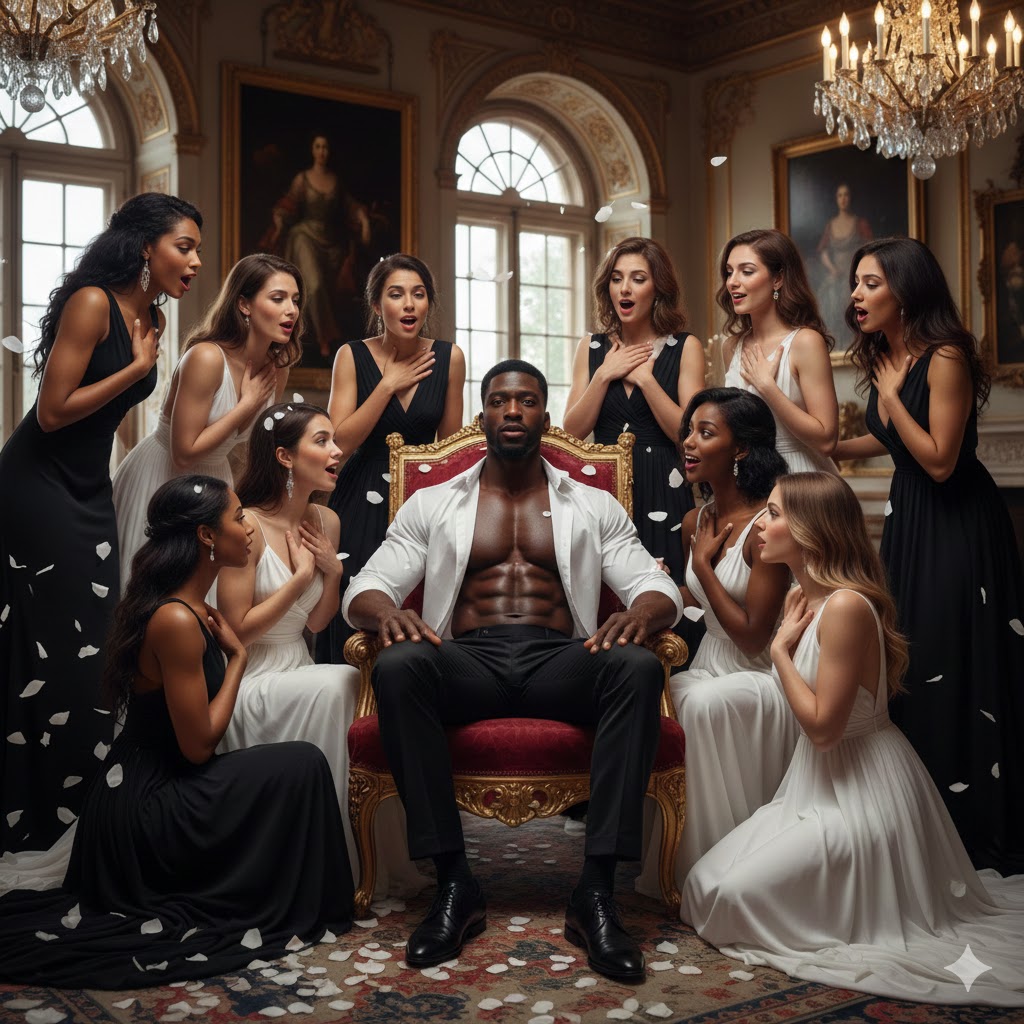
The worship of physical beauty is not new, but it has intensified in an age driven by images, screens, and constant comparison. Beauty is no longer simply noticed; it is exalted. Bodies and faces are elevated to near-divine status, treated as sources of meaning, validation, and power rather than temporary attributes of human life.
When beauty becomes worshiped, it assumes a role reserved for God. Scripture warns against idolatry precisely because it displaces the Creator with the created. Physical beauty, when elevated above character, wisdom, and moral grounding, becomes a false god—demanding attention, sacrifice, and loyalty.
This worship is reinforced by social systems. Media, advertising, and entertainment industries monetize beauty by attaching worth, success, and desirability to physical appearance. The more beautiful the image, the greater its economic and social value. As a result, beauty becomes currency rather than a trait.
Psychologically, beauty worship shapes identity. Those deemed attractive are conditioned to understand themselves through the gaze of others. Research on objectification demonstrates that constant visual evaluation leads individuals to internalize an observer’s perspective, fragmenting the self into body parts rather than a whole person.
For women, especially, beauty worship carries moral contradiction. A beautiful woman is praised for her appearance, yet punished for the attention it attracts. She is admired publicly and judged privately, desired but distrusted, elevated yet reduced. This double bind creates emotional strain and self-surveillance.
Men are not immune to beauty worship, though it manifests differently. Masculine beauty is increasingly commodified, tied to status, sexual prowess, and dominance. The pressure to embody idealized physiques contributes to insecurity, steroid use, and body dysmorphia among men.
Spiritually, beauty worship distorts relationships. When admiration replaces reverence for God, attraction becomes entitlement. The beautiful are no longer seen as neighbors or equals but as objects to possess, conquer, or idolize. This dynamic erodes mutual respect and spiritual clarity.
The biblical narrative consistently resists this elevation of appearance. Scripture reminds readers that God does not see as humans see, for people look on the outward appearance, but the Lord looks on the heart. This principle directly confronts cultures that assign worth visually.
Beauty worship also fuels comparison and envy. Social media intensifies this process by presenting curated perfection as reality. Studies show that repeated exposure to idealized images increases dissatisfaction, depression, and anxiety, even among those who meet beauty standards.
The idolization of beauty is ultimately fragile. Physical attractiveness is temporary, vulnerable to age, illness, and time. When identity is built upon appearance, inevitable change becomes crisis. Fear of losing beauty often results in cosmetic obsession and psychological distress.
Those who are worshiped for beauty often experience isolation. Being admired does not equate to being known. Praise centered on appearance can silence deeper aspects of identity, discouraging vulnerability and reducing relational intimacy.
Faith traditions challenge beauty worship by redirecting attention toward inner transformation. Humility, discipline, and wisdom are presented as enduring virtues. In this framework, beauty is acknowledged but subordinated to righteousness and character.
The statement “I would worship you” reveals how easily admiration can cross into spiritual disorder. Worship involves surrender, devotion, and ultimate value. When these are directed toward a human body, both the admirer and the admired are harmed.
For the one being worshiped, such attention creates pressure to maintain an image rather than live freely. Beauty becomes obligation. The individual is no longer allowed to age, fail, or be ordinary without perceived loss of value.
Beauty worship also obscures accountability. Attractive individuals are often excused or condemned disproportionately based on appearance rather than behavior. This distortion undermines justice and moral clarity.
Healing requires dismantling beauty’s false divinity. Psychological research emphasizes grounding identity in values, purpose, and relationships rather than external validation. Spiritually, this means re-centering worship where it belongs.
Beauty itself is not sinful; worshiping it is. Appreciation honors creation, but worship replaces God. The distinction lies in whether beauty points beyond itself or demands reverence.
When beauty is properly ordered, it becomes an expression rather than an idol. It can be enjoyed without control, admired without possession, and recognized without exaltation.
The burden of beauty worship reveals a cultural hunger for meaning. In the absence of spiritual grounding, appearance becomes a substitute salvation. Yet it cannot sustain the soul.
True freedom emerges when beauty is dethroned and humanity restored. In that liberation, the beautiful are no longer worshiped, and the worshipers are no longer lost—both are returned to their rightful place as human beings, not gods.
References
Fredrickson, B. L., & Roberts, T. A. (1997). Objectification theory: Toward understanding women’s lived experiences and mental health risks. Psychology of Women Quarterly, 21(2), 173–206.
Eagly, A. H., Ashmore, R. D., Makhijani, M. G., & Longo, L. C. (1991). What is beautiful is good, but… A meta-analytic review of research on the physical attractiveness stereotype. Psychological Bulletin, 110(1), 109–128.
Langlois, J. H., Kalakanis, L., Rubenstein, A. J., Larson, A., Hallam, M., & Smoot, M. (2000). Maxims or myths of beauty? A meta-analytic and theoretical review. Psychological Bulletin, 126(3), 390–423.
Calogero, R. M., Tantleff-Dunn, S., & Thompson, J. K. (2011). Self-objectification in women: Causes, consequences, and counteractions. American Psychological Association.
Twenge, J. M., & Campbell, W. K. (2009). The narcissism epidemic: Living in the age of entitlement. Free Press.
Hunter, M. (2007). The persistent problem of colorism: Skin tone, status, and inequality. Sociology Compass, 1(1), 237–254.
 THE BROWN GIRL DILEMMA