Nourishment, Health, and Resilience: Addressing Nutritional Inequities and Chronic Disease in the Black Community”
Across the African diaspora, food has been both a source of cultural identity and a silent contributor to disease. In the United States, Black Americans experience disproportionately high rates of chronic illnesses such as type 2 diabetes, heart disease, hypertension, and certain cancers—conditions often influenced by both genetic predispositions and nutritional environments (Centers for Disease Control and Prevention [CDC], 2023). According to the Office of Minority Health (2022), Black adults are 60% more likely than non-Hispanic White adults to be diagnosed with diabetes, and they are nearly twice as likely to die from heart disease before the age of 75. These alarming disparities are rooted in a complex interplay of systemic racism, economic barriers, targeted marketing of unhealthy foods, environmental toxins, and limited access to nutrient-rich diets (Walker et al., 2010).
The health crisis within the Black community is not merely a matter of individual choice—it is a product of history, policy, and science. The legacy of slavery, segregation, and urban food deserts has shaped dietary patterns, often replacing traditional African plant-rich diets with highly processed, chemically laden foods (Ashebir et al., 2022). Compounding these issues are genetic factors such as the prevalence of sickle cell anemia and heightened risk of hypertension, as well as autoimmune conditions like lupus, which affect Black women at disproportionately high rates (Pons-Estel et al., 2010).
Black Americans bear a disproportionate burden of chronic diseases such as type 2 diabetes, hypertension, heart disease, and certain cancers. These disparities stem from a complex interweaving of historical structural inequities, systemic racism, socioeconomic deprivation, and limited access to nutritious foods (Artiga et al., 2024; Shin et al., 2019) KFFarXiv. This essay explores the root causes of these health disparities, dietary approaches that support healing, the promise of medicinal herbs, strategies for cancer prevention, impacts of environmental toxins, the role of genetics, and culturally relevant wellness practices for the Black community.
Structural and Psychosocial Determinants of Health Disparities
The foundations of racial health inequities in the U.S. are deeply rooted in historical policies and medical racism. Black Americans have endured discriminatory medical experimentation, unequal care, and stereotyping that continue to influence health outcomes today (Artiga et al., 2024; Wikipedia, 2025) KFFWikipedia. Discrimination and chronic stress contribute to physiological dysregulation such as inflammation, hypertension, and poor health behaviors, reinforcing disease risks (APA, 2025; Wikipedia, 2025) American Psychological AssociationWikipedia. Additionally, many predominantly Black neighborhoods are food and healthcare deserts—terms more accurately described as “food apartheid” or “medical deserts”—where access to trauma centers, supermarkets, and wholesome food is severely restricted (Wikipedia, 2025) Wikipedia+1. These systemic barriers converge to amplify the prevalence of multimorbidity among African American families (CDC, 2020) CDC.
Nutrition and Dietary Approaches
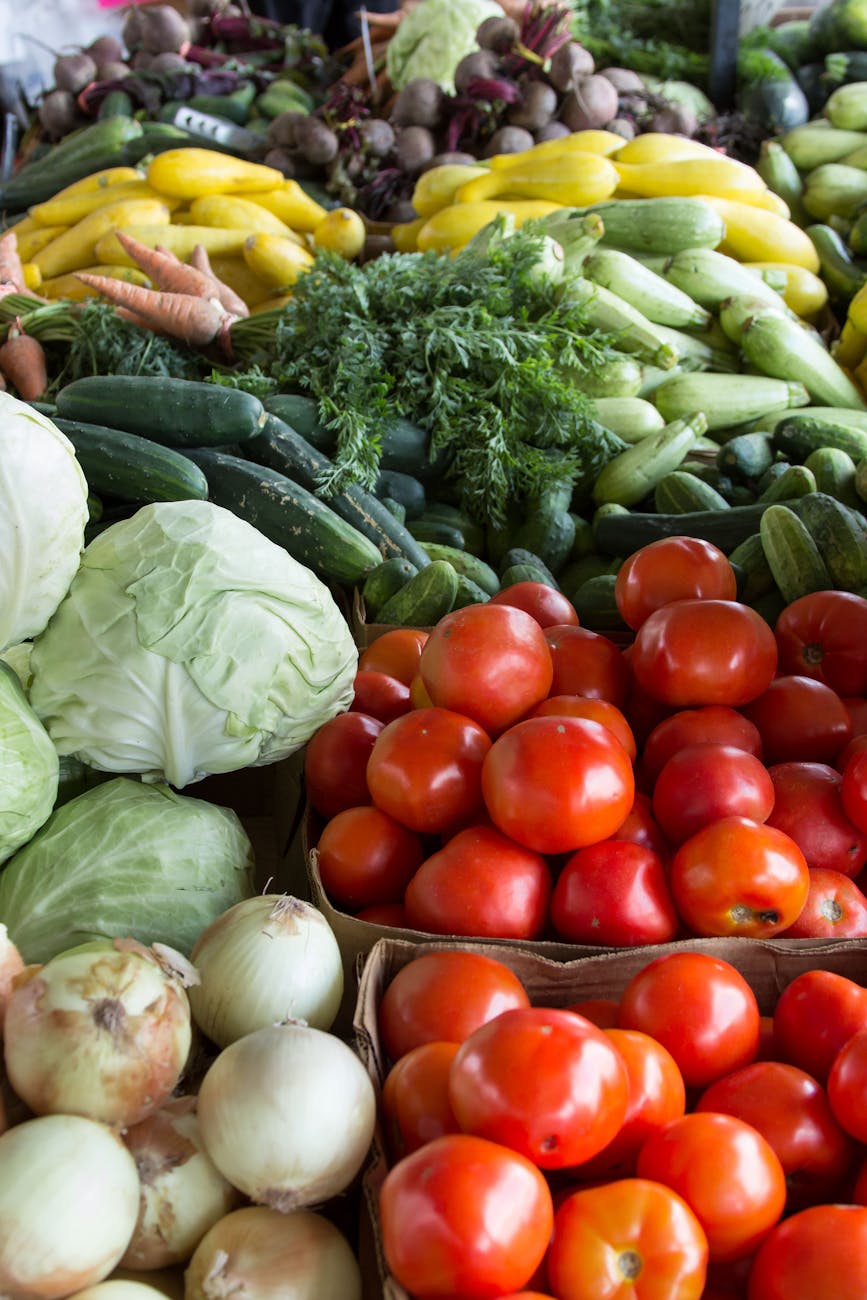
Access to affordable and nutritious food is critical. Community interventions such as urban gardens, farmers’ markets, and policy-supported nutrition programs show promise in reversing diet-related illnesses like obesity, diabetes, and heart disease (Public Health Reviews, 2016; EatingWell, 2021) BioMed CentralEatingWell.
Dietary Patterns:
- Whole-food, plant-based diets (including vegetarian and vegan patterns) are associated with reduced risk of cardiovascular disease, improved metabolic profiles, and lower cancer incidence. However, careful planning is necessary to ensure adequate intake of vitamin B12, iron, calcium, and omega-3s.
- Paleo diets, emphasizing lean meats, fruits, and vegetables while excluding grains and dairy, have demonstrated short-term improvements in weight, blood pressure, and lipids, but may elevate TMAO levels and lack long-term evidence.
- Raw vegan diets offer enhanced intake of antioxidants and fiber; yet, restrictive meal options and nutrient deficiencies are important considerations.
Medicinal Herbs and Their Functional Benefits
Several culinary herbs and spices offer evidence-based health benefits:
- Turmeric (Curcumin): Curcumin has been shown to reduce blood pressure, improve arterial compliance, enhance antioxidant status, and improve exercise performance (PMC, 2024) PMC. It also supports insulin sensitivity, beta-cell function, and may help prevent diabetes progression (Healthline, 2024) HealthlineMedical News Today. Its anti-inflammatory and anti-carcinogenic actions may contribute to cardiovascular and brain health (Healthline, 2017) Healthline.
- Garlic: Epidemiological and clinical studies indicate garlic lowers cholesterol, triglycerides, and may slow cardiovascular disease progression (Hopkins Medicine, 2024; PMC, 2001) Johns Hopkins MedicinePMC.
- Ginger, Garlic & Turmeric Combined: A 2025 review underscores their synergistic benefits—reducing LDL, raising HDL, exerting antioxidant effects, and improving endothelial function—thereby lowering cardiovascular risk (ResearchGate, 2025) ResearchGate.
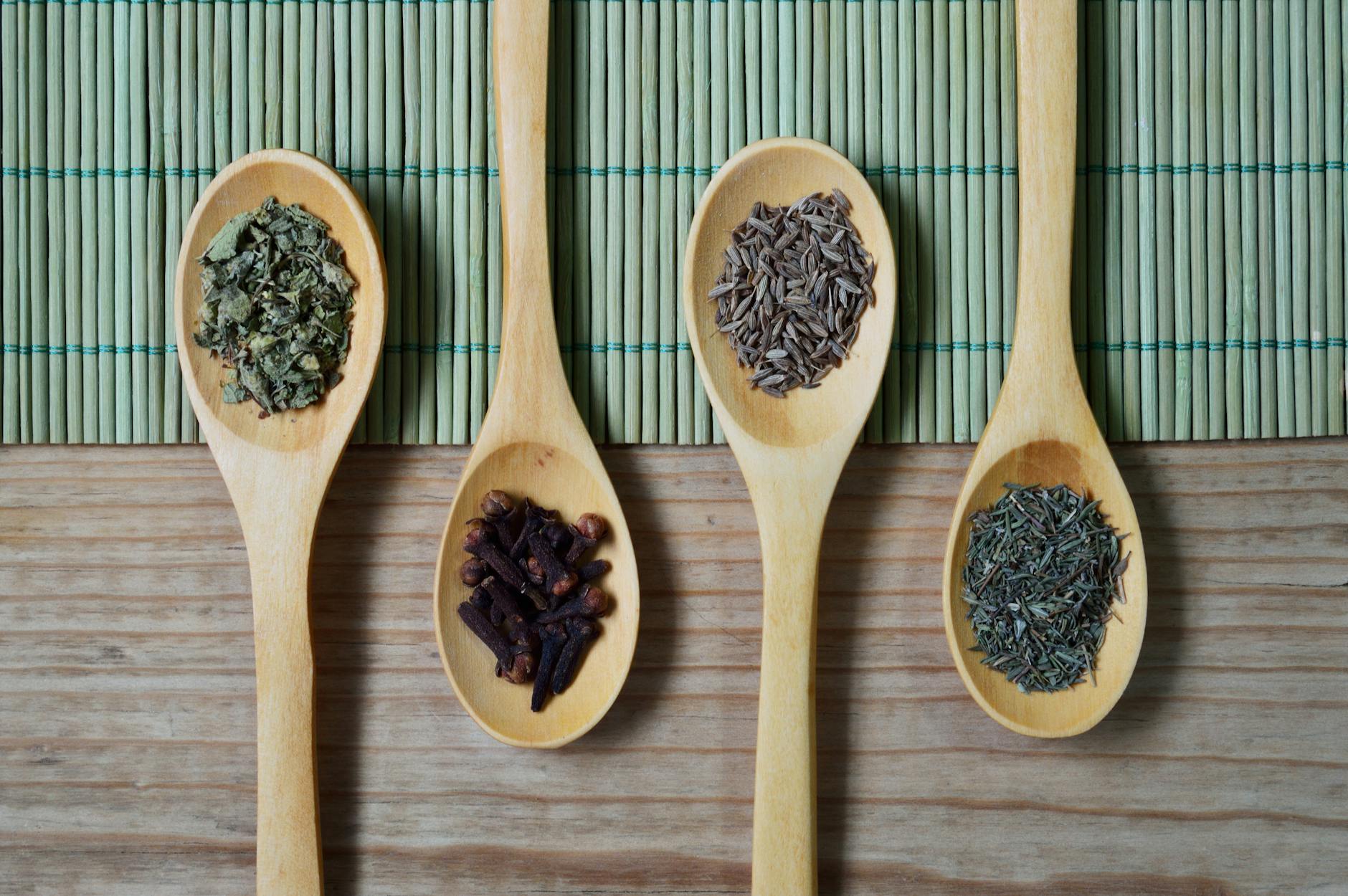
- Other herbs and spices: Everyday staples like cinnamon, cloves, coriander, cumin, bay leaf, berberine, bitter melon, and cayenne are linked to blood sugar regulation, lipid metabolism, insulin efficiency, and neuropathy relief in diabetes management (Diabetes Action, 2025) Diabetes Action Foundation.
Daily incorporation of a broad range of these herbs and spices—such as turmeric, garlic, coriander, cinnamon, ginger, rosemary, oregano, and black pepper—can help reduce reliance on salt/sugar and support long-term metabolic health (Times of India, 2025) The Times of India.
Cancer Prevention and Immune Support
Diets rich in colorful fruits, vegetables, whole grains, and legumes deliver phytochemicals and antioxidants that inhibit cancer development and progression. Curcumin, for example, has demonstrated anti-angiogenic and pro-apoptotic effects in tumor models (Healthline, 2017) Healthline. Herbs like turmeric and garlic also support immune function and reduce inflammation, potentially aiding cancer prevention (Health.com, 2025) Health.
Genetic and Autoimmune Health Considerations
Specific genetic and autoimmune conditions disproportionately affect Black individuals:
- Sickle Cell Disease (SCD): A hereditary hemoglobinopathy prevalent in African Americans. Nutritional strategies include increased caloric and micronutrient intake (zinc, vitamins A, C, E, folate), hydration, and possibly amino acids to support growth and immune resilience.
- Rheumatic and Autoimmune Disorders: Lupus and multiple sclerosis present higher severity in Black populations. Anti-inflammatory, antioxidant-rich diets and stress reduction are supportive adjuncts to medical therapy.
- Genetic Predispositions: Variants like APOL1 heighten the risk of kidney disease, while polymorphisms affecting insulin metabolism and inflammation contribute to diabetes and heart disease risk.
Exercise and Holistic Health
Regular physical activity enhances cardiovascular endurance, insulin sensitivity, and mental well-being. Turmeric’s protective effects during exercise-induced oxidative stress further support recovery and endurance (PMC, 2024) PMC. Home-cooked meals are protective—an American Heart Association study found that consuming two home-prepared meals daily is associated with a 13% lower risk of type 2 diabetes (Time, 2015) TIME.
Black Americans face disproportionately high rates of type 2 diabetes, hypertension, heart disease, and certain cancers—driven by socioeconomic inequities, limited access to nutritious foods, targeted marketing of unhealthy products, environmental exposures, and systemic barriers in healthcare and food systems WikipediaHealthline. Genetic predispositions—such as variants linked to diabetes, hypertension, and kidney disease—further intensify vulnerability in this population WikipediaKidney Medicine. Conditions like sickle cell disease and lupus also present distinct burdens among Black individuals Verywell HealtharXivScienceDirectWikipedia.
1. Causes of Chronic Conditions
- Type 2 Diabetes: Arises from both lifestyle factors (high-calorie, low-fiber diets; lack of access to healthy foods) and specific genetic variants (e.g., TCF7L2, IGF2, HLA-B) associated with insulin signaling and glucose metabolism Wikipedia.
- Heart Disease: Despite often having lower cholesterol, Black adults experience higher rates of hypertension and diabetes—major contributors to cardiovascular mortality. Social determinants such as limited healthcare access and environmental stressors add to risk Healthline.
- Cancer: Diets high in processed and red meats and low in fiber-rich plant foods increase cancer risk. Conversely, plant-based diets are associated with lower rates of colorectal, prostate, and overall cancer incidence WikipediaVerywell Health.
- Sickle Cell Disease (SCD): A genetic blood disorder predominating in African Americans (~1 in 365 births) due to inheritance of the sickle-cell trait. It leads to anemia, painful crises, and organ damage. Management involves nutrition, hydration, and medical care Verywell HealthWikipedia.
- Lupus & Autoimmune Diseases: More prevalent in Black women. Disparities are shaped by systemic stress, immune dysregulation, and socioeconomic factors arXivScienceDirect.
- Other Genetic Factors: APOL1 risk variants significantly raise the likelihood of chronic kidney disease in people of African descent Kidney MedicineAJKD.
2. Dietary Patterns & Their Benefits
A. Plant-Based Diets (Vegetarian/Vegan/Whole-Food)
- Associated with lower risk of total cancer (~–8%) and vegan diets ~–15% Wikipedia.
- Linked with reduced cardiovascular disease incidence, lower blood pressure (~4 mmHg), improved cholesterol, and better metabolic markers WikipediaVerywell HealthSAGE Journals.
- Beneficial for diabetes and weight management; studies show vegan diets improve glycemic control and insulin sensitivity Verywell HealthSAGE Journals.
- Note: Requires attention to B12, iodine, vitamin D, calcium, iron, zinc, and omega-3 intake Wikipedia.
B. Raw Vegan Diet
- Yield weight loss, enhanced energy, skin health, digestion, and increased nutrient/fiber/antioxidant intake ResearchGateSciendo.
- May reduce cancer and cardiovascular risk and promote longevity ResearchGateSciendo.
- Cautions: Nutrient deficiencies, food safety, social challenges, restrictive nature; cooking can enhance some nutrients and reduce pathogens Verywell HealthStanford Medicine.
C. Paleo Diet
- Emphasizes fruits, vegetables, nuts, lean meats, eggs, fish; excludes grains, legumes, dairy, and processed foods NCBIMayo Clinic.
- Short-term trials suggest improvements in weight, blood pressure, cholesterol, and triglycerides Mayo Clinic.
- Concerns include nutritional balance, cost, lack of long-term evidence, and elevated TMAO levels linked to cardiovascular risk NCBI.
3. Best Herbs & Their Roles
While evidence is evolving, some herbs show promise for metabolic and immune support:
- Turmeric (Curcumin): Anti-inflammatory, modulates metabolic health.
- Garlic: Supports cardiovascular health through lipid and blood pressure regulation.
- Ginger: Enhances digestion, mitigates inflammation.
- Green Tea (EGCG): Antioxidant, supports weight and metabolic health.
Note: Further rigorous trials are needed, especially in Black populations.
4. Toxicants, Organic Eating & Nutritional Biodiversity
- Organic Foods: Tend to have higher minerals and vitamin C, and lower nitrates; reduce pesticide exposure ResearchGateSciendo.
- Nutritional Biodiversity: A varied plant-based diet improves micronutrient intake, gut microbiome diversity, and lowers risk of type 2 diabetes and cardiovascular disease Wikipedia.
5. Lifestyle, Exercise, and Holistic Health
- Exercise: Improves cardiovascular function, insulin sensitivity, body composition, mood, and reduces systemic inflammation.
- Organic & Biodiverse Foods: Support reduced toxin load, enhanced antioxidant intake, and improved metabolic resilience.
- Holistic Guidance: Regular screenings for blood sugar, blood pressure, lipids; stress management; access to healthcare; community food access improvements HealthlineWikipedia.
6. Disease-Specific Nutritional Strategies
- Sickle Cell Disease: Requires higher calorie and micronutrient intake (zinc, vitamins A, C, E, folate), hydration, and possibly multivitamin/amino acid supplementation (e.g., arginine) to support immune function and growth Verywell Health.
- Diabetes & Heart Disease: Emphasize fiber-rich foods (whole grains, legumes, fruits, vegetables), lean proteins (plant, fish), healthy fats (nuts, seeds, olive oil), limited processed foods and added sugars HealthlineSAGE JournalsMDPI. Nutrition interventions following ACC/AHA guidelines reduce cardiovascular risk in Black Americans MDPI.
7. Genetic Conditions: IBS, Multiple Sclerosis (MS)
- IBS: Not strongly tied to race, but gut-healthy diets (rich in fiber, low in FODMAPs when needed, supportive probiotics) can benefit symptoms.
- Lupus & MS: Autoimmune conditions with higher prevalence or severity in Black individuals. Nutrient-rich diets, anti-inflammatory foods (omega-3 rich, colorful produce), stress reduction, and medical treatment are vital.
Summary: Best Foods for the Human Body
Foundational foods (especially for Black communities vulnerable to metabolic and chronic disease):
- Colorful Fruits & Vegetables (berries, leafy greens, cruciferous veggies)
- Legumes & Whole Grains (beans, lentils, oats, brown rice, quinoa)
- Nuts, Seeds & Healthy Oils (walnuts, flax, chia, olive oil)
- Lean Proteins (fish, eggs, poultry, tofu, tempeh)
- Herbs & Spices (turmeric, garlic, ginger, green tea)
- Hydrating Fluids (water, herbal teas)
- Organic, Biodiverse Produce for nutrient density and lower toxins
Final Thoughts
Reducing disease burden in Black communities requires integrating:
- Culturally relevant, affordable, and diverse nutrition
- Whole-food, plant-focused diets with appropriate supplementation
- Support for chronic genetic conditions (e.g., SCD, lupus) via tailored dietary strategies
- Access to fitness, healthcare, and environmental health
- Structural efforts addressing food deserts, discrimination, and stress
Conclusion and Recommendations
To improve health outcomes for Black Americans, a multifaceted strategy is essential:
- Nutrition: Prioritize culturally acceptable, affordable, whole foods; minimize ultra-processed foods. Maximize nutrient density with diverse produce, legumes, lean proteins, healthy fats, and medicinal herbs.
- Herbs and Spices: Leverage the anti-inflammatory and metabolic benefits of turmeric, garlic, coriander, cinnamon, and similar botanicals.
- Lifestyle: Encourage regular physical activity, stress management, and community-level interventions such as urban gardens and improved food access programs.
- Healthcare and Equity: Promote culturally sensitive medical care, improved access to preventive screenings, and structural policy change to dismantle food apartheid and healthcare inequities.
References
- Artiga, S., Hill, L., & Presiado, M. (2024). How present-day health disparities for Black people are linked to past policies and events. KFF. KFF
- American Psychological Association. (2025). Fact Sheet: Health Disparities and Stress; Health Disparities Defined. American Psychological Association+1
- CDC. (2020). Chronic Disease Among African American Families. CDC
- Hopkins Medicine. (2024). 5 Spices with Healthy Benefits. Johns Hopkins Medicine
- PMC. (2024). Effects of Turmeric Concentrate on Cardiovascular Risk Factors and … PMC
- PMC. (2001). Effect of garlic on cardiovascular disorders: a review. PMC
- ResearchGate. (2025). Exploring the Cardio-Protective Effect of Bioactive Compounds Present in Ginger, Garlic, and Turmeric. ResearchGate
- Diabetes Action. (2025). Medicinal plants that can help with diabetes. Diabetes Action Foundation
- Times of India. (2025). 14 Everyday herbs and spices that may help prevent cancer, diabetes, and heart disease. The Times of India
- Healthline. (2024). Turmeric and Diabetes. HealthlineMedical News Today
- Healthline, (2017). Top 10 Evidence-Based Health Benefits of Turmeric. Healthline
- Shin, E. K., Kwon, Y., & Shaban-Nejad, A. (2019). Geo-clustered chronic affinity: pathways from socio-economic disadvantages to health disparities. arXiv. arXiv
- Wikipedia. (2025). Medical racism in the United States; Psychological impact of discrimination on health; Medical deserts; Food desert; Food justice movement; National Institute on Minority Health and Health Disparities. Wikipedia+5Wikipedia+5Wikipedia+5
- Public Health Reviews. (2016). Improving the health of African Americans in the USA: an overdue … BioMed Central
- EatingWell. (2021). Good Food for All. EatingWell
- Time. (2015). Homemade Meals Lower Risk of Diabetes, Study Says. TIME


 THE BROWN GIRL DILEMMA