
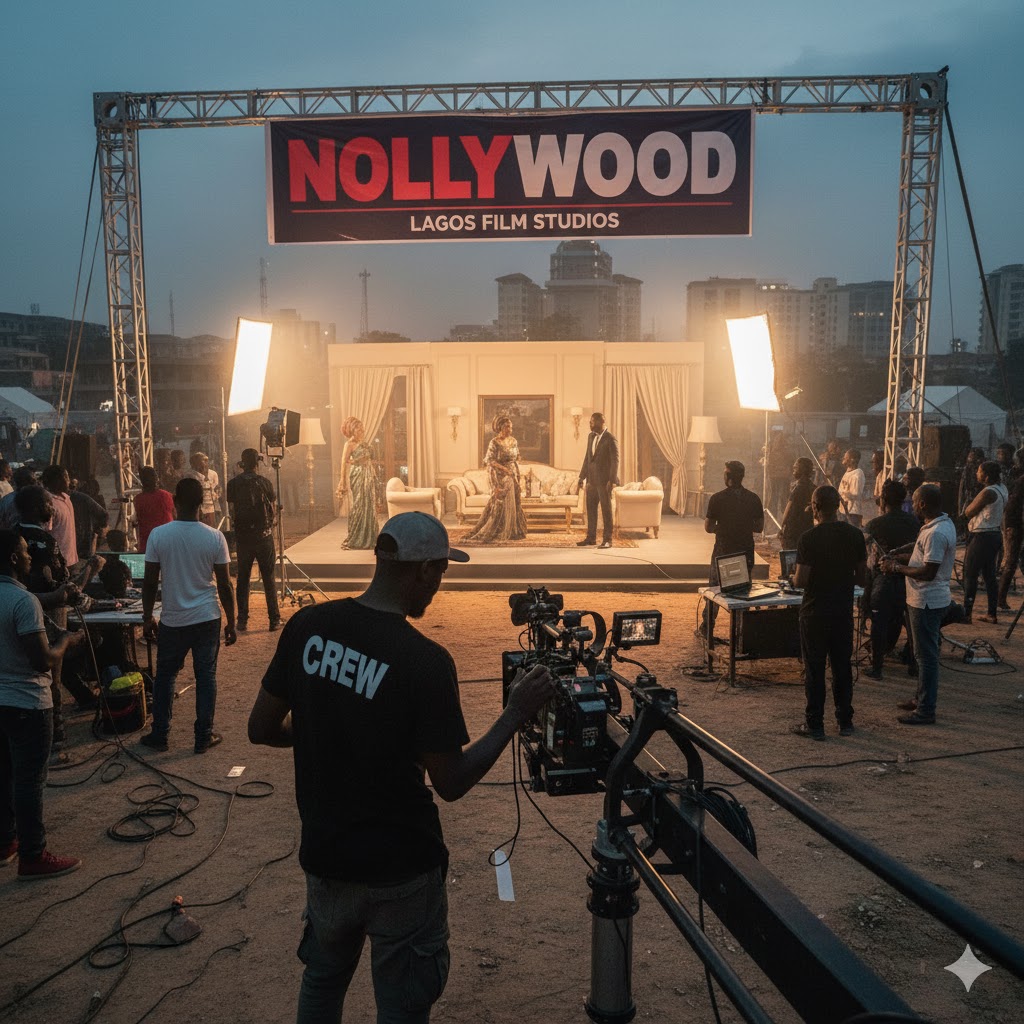
Nollywood is the term used to describe Nigeria’s film industry, a cinematic powerhouse that has grown into one of the most prolific film ecosystems in the world. Emerging in the early 1990s from low-budget home-video productions, it has transformed into a cultural phenomenon recognized globally. The industry developed organically, driven not by massive studios or government investment, but by the creativity, urgency, and determination of everyday Nigerian storytellers.
Nollywood began as a response to the absence of a formal filmmaking infrastructure in Nigeria. With limited access to cinemas and expensive equipment, early filmmakers turned to VHS and later DVD formats to distribute stories directly to the public. This democratization of filmmaking allowed people outside elite circles to participate in an art form that had historically been restricted to the well-financed.
Each year, Nollywood produces thousands of films, often with rapid production timelines and modest budgets. Estimates vary, but it consistently ranks among the world’s top three filmmaking centers in terms of annual film output. This massive volume reflects both the demand for Nigerian stories and the necessity of quick turnarounds in a largely informal film economy.
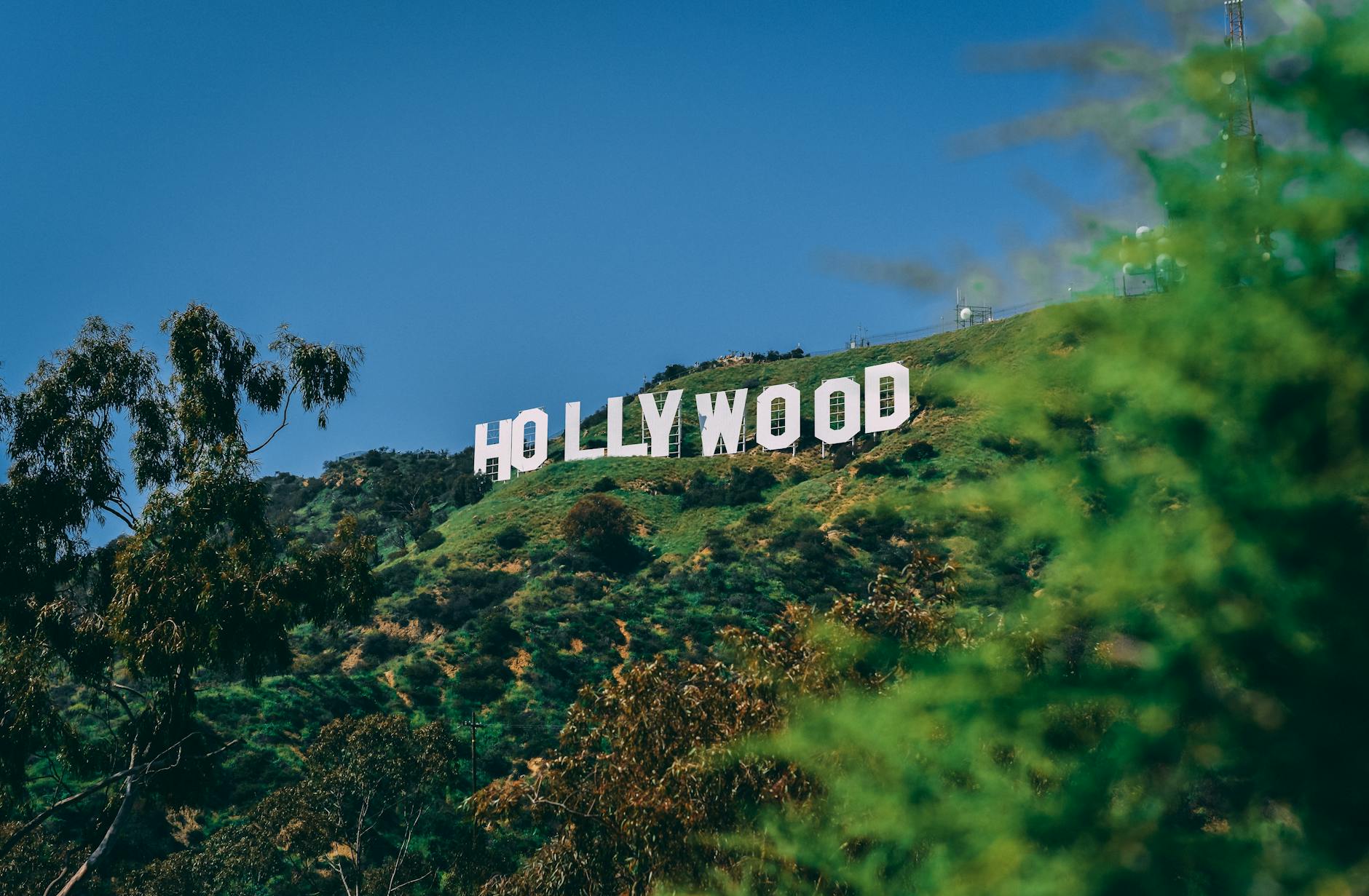
When compared to other global industries, Nollywood stands out for its intense productivity. Bollywood in India remains the world’s largest film industry by the number of films released yearly, while Hollywood leads in global box office revenue and production budgets. Nollywood, however, occupies a unique middle ground—second or third in volume but operating with far fewer resources.
Purpose, Outcome, and Legacy of Nollywood
The purpose of Nollywood has been multifaceted: to tell Nigerian stories, provide entertainment for local audiences, create economic opportunity, and assert cultural identity. The outcome has been the world’s second-largest film industry (by volume) that has reshaped African popular culture, created celebrity economies, and entered the streaming era. The legacy includes a vibrant film ecosystem, diasporic audiences, and increased global awareness of African cinema. Challenges remain (distribution, piracy, production quality, funding), but Nollywood has established a model of low-budget high-volume filmmaking that has inspired creative industries across Africa.
For many Nigerians, Nollywood is not just entertainment but a mirror of social realities. The films often portray family dynamics, religion, corruption, romance, and supernatural beliefs deeply rooted in Nigerian culture. As a result, audiences feel intimately connected to the characters and stories.
Cultural Significance within Africa and the Diaspora
Nollywood’s cultural resonance extends beyond Nigeria. Its films are widely viewed across Africa and among the African diaspora; they carry Nigerian English, local dialects, cultural references, and social dynamics familiar to many Africans. In this sense, Nollywood serves as a cultural ambassador exporting African narratives rather than importing foreign ones. By giving voice to local experiences, the industry contributes to continental self-representation in film.
The Nigerian public has a complex but affectionate relationship with the industry. Many celebrate it as a symbol of African creativity and cultural independence. Others criticize it for repetitive themes, low production quality in earlier eras, or exaggerated moral stories. Yet overall, Nollywood remains a source of national pride, representing a shift from foreign-dominated media to African-owned narratives.
Nollywood has changed countless lives by creating jobs in acting, directing, set design, costume creation, scriptwriting, and technical production. Beyond film workers, the industry stimulates the economy for caterers, drivers, rental companies, and local communities where filming takes place. For many Nigerians, Nollywood has become a pathway out of poverty.
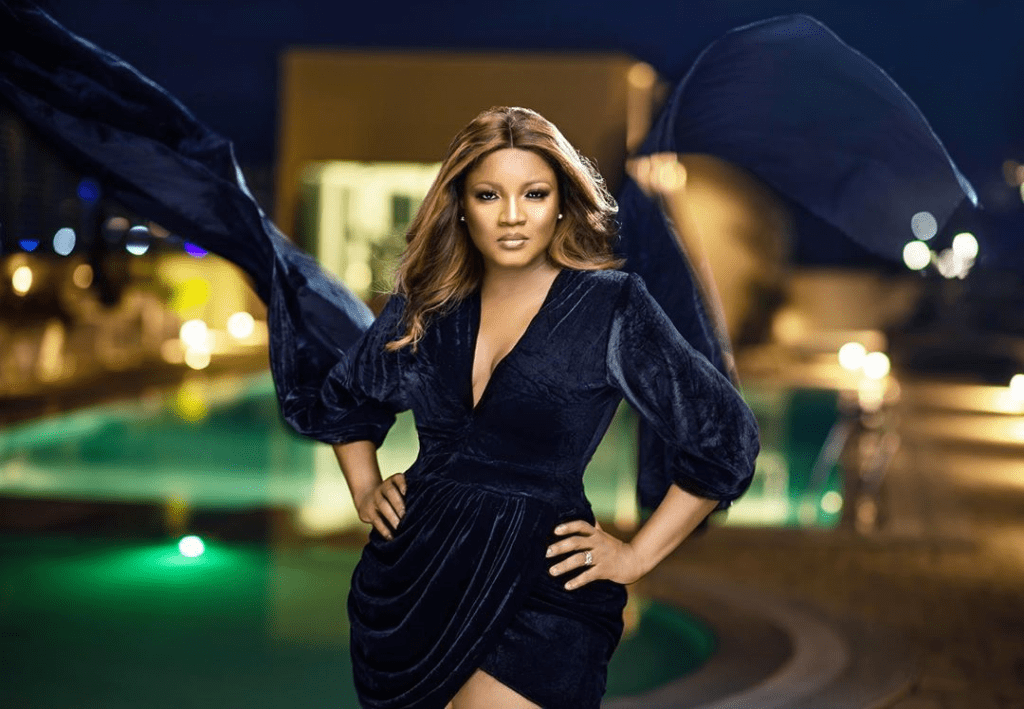
The industry has its own set of celebrities who have become household names. Actors such as Omotola Jalade Ekeinde, Genevieve Nnaji, Ramsey Nouah, and Pete Edochie have achieved fame not only in Nigeria but across Africa and in diaspora communities worldwide. Their rise to prominence demonstrates Nollywood’s ability to shape global perceptions of African talent.
Actresses like Genevieve Nnaji and Omotola Jalade Ekeinde have become cultural icons, admired for both their screen presence and their influence in fashion, politics, and philanthropy. Their careers reflect the evolution of Nollywood from a local video market to an international industry with global recognition.
Some of the most well-known Nollywood films include Living in Bondage, Osuofia in London, Last Flight to Abuja, The Wedding Party, and Weekend Getaway. These films illustrate the industry’s versatility—from comedy to romance, from thriller to traditional folklore—and show how Nigerian filmmakers adapt genres to local contexts.
The purpose of Nollywood has always been rooted in storytelling. It offers narratives that resonate deeply with Nigerian viewers while also giving global audiences insight into African traditions, conflicts, humor, and spirituality. Through this lens, Nollywood becomes not only a form of entertainment but a cultural archive.
The outcome of this massive storytelling tradition is the creation of a distinct Nigerian cinematic identity. Today, Nollywood is recognized internationally for its characteristic fast pacing, emotional storytelling, and cultural authenticity. Its films travel across Africa and beyond, shaping regional entertainment trends.
The legacy of Nollywood is profound. It has inspired filmmakers across Africa, influenced television production, and shifted the global conversation about who gets to make films and whose stories deserve to be told. For many Africans in the diaspora, Nollywood movies serve as a connection to home and heritage.
Despite its success, Nollywood still faces several challenges. Piracy remains one of the industry’s biggest problems, costing producers significant revenue. Limited funding and inadequate filmmaking infrastructure also restrict the industry’s growth potential. However, these obstacles have not dampened its resilience.
The arrival of digital streaming platforms such as Netflix, Amazon Prime, and local services has been transformative. These platforms have expanded Nollywood’s global audience and encouraged higher production values. Filmmakers now have access to better equipment and more refined storytelling methods.
Streaming has also allowed Nollywood films to reach viewers who may never have encountered African cinema otherwise. As a result, the industry is now more visible on the world stage, attracting international collaborations, investments, and film-festival recognition.
Culturally, Nollywood has become a tool for shaping identity and reinforcing values. Families bond over films, communities debate moral lessons, and social themes shown on screen often reflect real societal issues. In this sense, Nollywood shapes not only entertainment but national consciousness.
The influence of Nollywood extends into fashion, music, and lifestyle. Many of its actors set fashion trends, promote Nigerian clothing designers, and inspire young people to dream beyond their circumstances. The industry contributes to cultural pride and the celebration of African beauty and creativity.
Nollywood also functions as a soft-power instrument for Nigeria, exporting culture in a way that fosters understanding and connection. Films featuring Nigerian languages, traditions, and comedic styles have become beloved across the continent.
In terms of social impact, Nollywood has helped normalize African perspectives in mainstream media. Instead of relying on Hollywood portrayals, many African youth now see themselves reflected onscreen with authenticity and dignity.
In conclusion, Nollywood is far more than a film industry—it is a movement, an economic engine, and a cultural storyteller. It stands as a testament to Nigerian creativity, resilience, and the power of African narratives. With continued growth, streaming expansion, and increasing global collaboration, Nollywood is poised to play an even greater role in shaping world cinema in the decades to come. Nollywood stands as a remarkable cinematic phenomenon: it is Nigeria’s cultural powerhouse, a global film-production leader by volume, and a creative engine that has challenged the dominance of Hollywood and Bollywood on the metrics of output. Yet its true significance lies in the way it creates stories, jobs, and identity for Nigerians—not only as spectators but as producers and participants. While structural challenges remain, its life-changing potential for individuals, its cultural affirmation, and its economic contribution ensure that Nollywood is far more than a mere film industry—it is a societal movement.
References
Andrews, D. (2009, April 28). What is Nollywood? Yale Insights. https://insights.som.yale.edu/insights/what-is-nollywood
Demand Africa. (2019, January 28). Top Nollywood film stars — Who is Genevieve Nnaji? https://demandafrica.com/entertainment/celebrities/top-nollywood-film-stars-genevieve-nnaji/
Encyclopedia Britannica. (n.d.). Nollywood. https://www.britannica.com/topic/Nollywood
Giwa, E. T. (2012). Nollywood: A case study of the rising Nigerian film industry (Master’s thesis, Southern Illinois University). https://opensiuc.lib.siu.edu/gs_rp/667
Northwestern University Libraries. (2025). Nollywood and beyond: Research guide. https://libguides.northwestern.edu/nollywood
StudioBinder. (2019, December 5). What is Nollywood and how did it become the 2nd largest film industry in the entire world? https://www.studiobinder.com/blog/what-is-nollywood/
TechCulture Africa. (2025, February 26). Nigeria’s Nollywood is Africa’s largest cinema hub; here’s why. https://techcultureafrica.com/nollywood
Time Magazine. (2014). Hooray for Nollywood! https://time.com/3153912/hooray-for-nollywood
Wikipedia. (n.d.). Omotola Jalade Ekeinde. https://en.wikipedia.org/wiki/Omotola_Jalade_Ekeinde
Wikipedia. (n.d.). Last Flight to Abuja. https://en.wikipedia.org/wiki/Last_Flight_to_Abuja
Wikipedia. (n.d.). Weekend Getaway. https://en.wikipedia.org/wiki/Weekend_Getaway















 THE BROWN GIRL DILEMMA