
1. Introduction: Defining Neuroscience
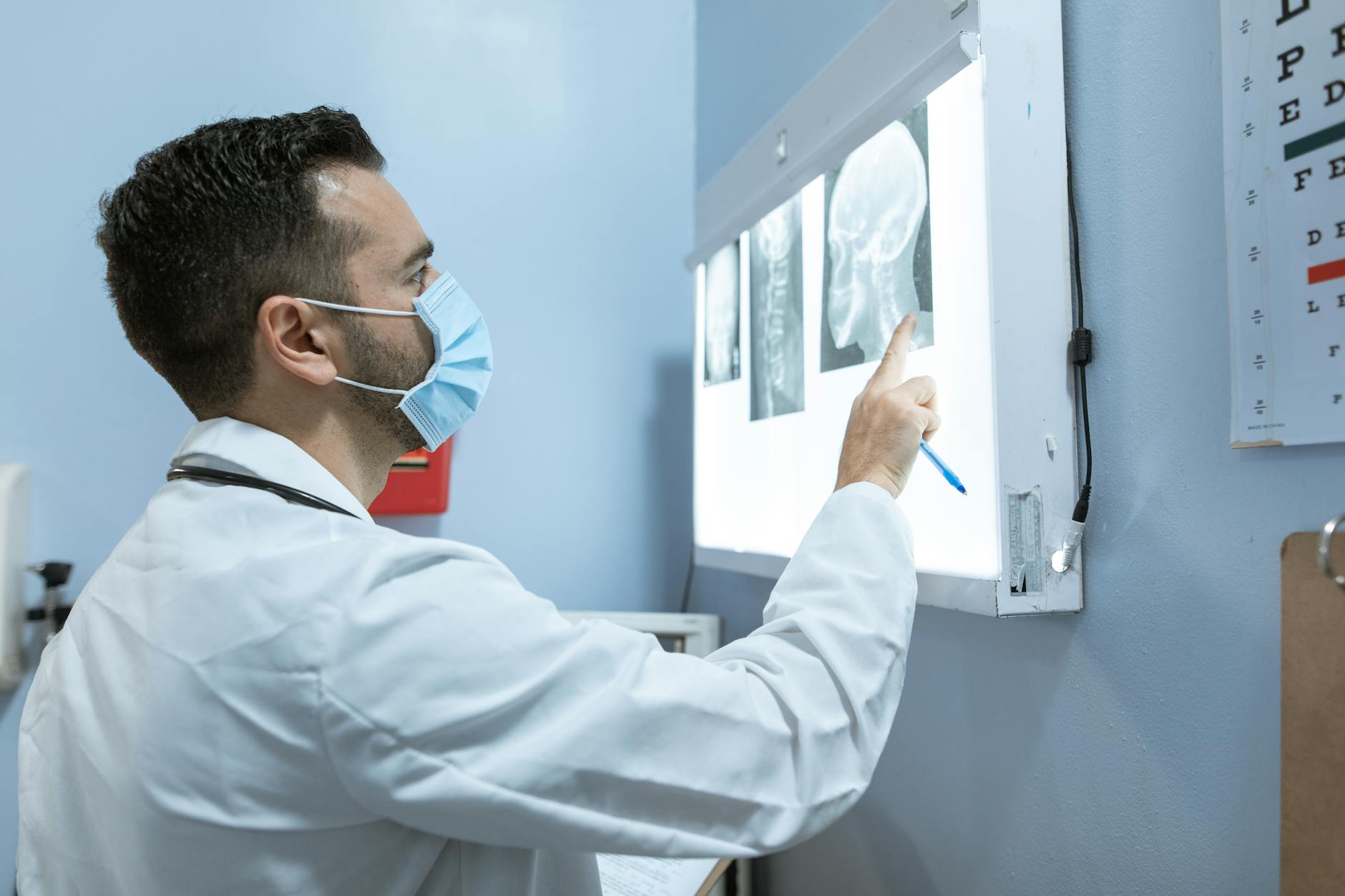
Neuroscience is the interdisciplinary scientific study of the nervous system, with a primary focus on the brain’s structure, function, and its role in behavior, cognition, and mental health. This field integrates biology, psychology, physics, and computational sciences to address questions about perception, memory, consciousness, and disease. The scope of neuroscience ranges from molecular studies of neurons to neuroimaging, brain–computer interface technology, and neuromodulation therapies (StudyRaid, 2024).
2. Neuroscience and Black Communities
Historically, neuroscience research has often lacked representation from people of African ancestry, which has contributed to knowledge gaps in understanding the prevalence, onset, and progression of neurological and psychiatric disorders among Black populations (Wolfe, 2024). Initiatives such as the African Ancestry Neuroscience Research Initiative (AANRI), a collaboration between Morgan State University, the Lieber Institute for Brain Development, and Duke University, aim to bridge this gap. AANRI studies postmortem brain tissue from African American donors to better understand how genetics, epigenetics, and environmental stressors—such as systemic racism—affect brain health (AANRI, 2024). Findings suggest that while genetic variation explains much of the difference in brain profiles, environmental exposures significantly influence neural function and gene expression, underscoring the importance of culturally inclusive neuroscience research (HBCU News, 2024).
3. Prominent Black Neuroscientists and Their Contributions
Emery N. Brown, M.D., Ph.D.
One of the most prominent Black neuroscientists globally, Emery N. Brown is renowned for his expertise in computational neuroscience and anesthesiology. He has developed advanced statistical models for analyzing neuronal data and pioneered research into the neural mechanisms of anesthesia, redefining clinical approaches and safety protocols (MIT News, 2023). His work has not only advanced brain science but has also saved lives in surgical contexts worldwide.
Uraina S. Clark, Ph.D.
Clark’s research uses functional MRI to examine how life stressors—such as discrimination and chronic illness—affect brain structure and function, particularly in African American communities. Her work links social determinants of health to neural outcomes, highlighting the interplay between lived experience and brain physiology (Clark, 2022).
Sherilynn Black, Ph.D.
Black focuses on the neurobiology of emotion regulation. Using optogenetics, her work demonstrates how precise stimulation of cortical neurons can produce antidepressant-like effects and restore coordinated activity across emotion-related brain networks (Black, 2019).
Crystal C. Watkins Johansson, M.D., Ph.D.
A neuropsychiatrist at Johns Hopkins University, Johansson specializes in geriatric psychiatry and neuroimaging. Her work on cognitive health in aging African Americans has advanced the understanding of Alzheimer’s disease and led to patented treatments for diabetic gastrointestinal dysfunction (Johns Hopkins Medicine, 2021).
4. How Neuroscience Has Changed the World
Neuroscience has revolutionized medicine through technologies like deep brain stimulation, transcranial magnetic stimulation, and brain–computer interfaces (BCIs), enabling communication and motor control for paralyzed individuals (FT, 2025). In education, neuroscience informs teaching strategies by explaining how the brain learns and retains information. In ethics and law, neuroethics addresses concerns about “cognitive liberty” and the protection of brain data. The corporate sector uses neuroscience principles for improving productivity and leadership (SpringerOpen, 2024).
References
African Ancestry Neuroscience Research Initiative. (2024). First study from AANRI. https://aanri.org/first-study-from-aanri/
Black, S. (2019). Neural circuits of emotion and their modulation in depression. Duke University Neuroscience Center.
Clark, U. S. (2022). Neurocognitive consequences of discrimination and chronic disease in African Americans. Columbia University Medical Center.
Financial Times. (2025). Brain–computer interface technology advances. https://www.ft.com/content/f4cd1130-6adc-4dbd-b74b-9813ae008166
HBCU News. (2024). How a Baltimore neuroscience study is rewriting Black America’s relationship with medical research. https://hbcunews.com/2024/06/25/how-a-baltimore-neuroscience-study-is-rewriting-black-americas-relationship-with-medical-research/
Johns Hopkins Medicine. (2021). Crystal Watkins Johansson profile. https://www.hopkinsmedicine.org
MIT News. (2023). Emery N. Brown receives National Medal of Science. https://news.mit.edu
SpringerOpen. (2024). The impact of neuroscience on society. https://fbj.springeropen.com/articles/10.1186/s43093-024-00369-7
StudyRaid. (2024). The impact of neuroscience on society. https://app.studyraid.com/en/read/2345/46219/the-impact-of-neuroscience-on-society
Wolfe, J. (2024). Neuroscience has a race problem. Nautilus. https://nautil.us/neuroscience-has-a-race-problem-262340/
 THE BROWN GIRL DILEMMA