
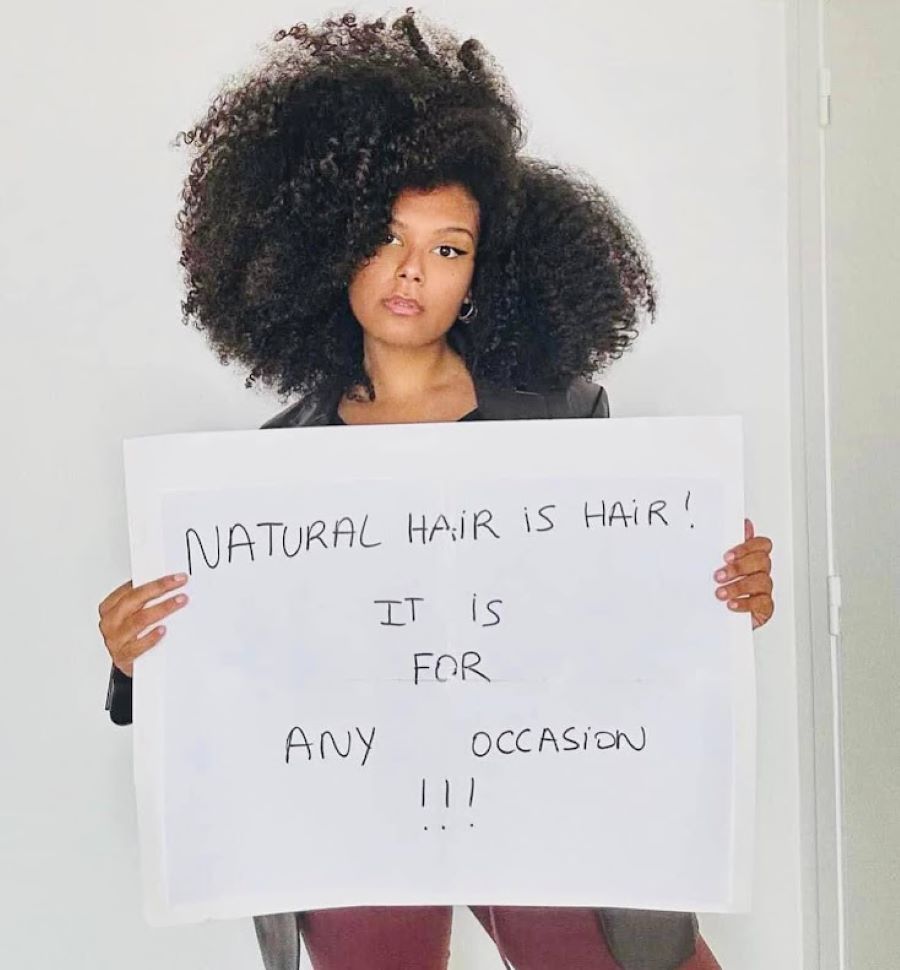
Natural hair is more than a style—it is an expression of identity, culture, and self-acceptance. For many Black women and men, natural hair represents a return to authenticity and a refusal to conform to standards that were never created with them in mind. The beauty and freedom of natural hair stretch beyond aesthetics; it is deeply spiritual, emotional, historical, and physical.
Natural hair carries tremendous benefits, starting with its health. Free from harsh chemicals, relaxers, and heat damage, natural hair can thrive in its truest state. Without chemical breakdown, the curl pattern stays strong, the strands retain elasticity, and the scalp experiences less irritation. The health benefits alone encourage many to embrace their natural texture unapologetically.
Natural hair also promotes self-love by encouraging individuals to connect with their authentic selves. It requires one to accept their God-given crown exactly as it grows. This acceptance builds confidence, identity, and pride, especially in a world where European beauty standards still dominate mainstream perceptions.
Another benefit of natural hair is its versatility. Curls, coils, kinks, locs, twist-outs, braid-outs, afros, bantu knots, silk presses—natural hair offers endless styling options. This adaptability allows creative expression and empowers individuals to showcase their personality through their look.
Beyond versatility, natural hair symbolizes heritage. It carries the stories of ancestors who braided maps into hair, used it to store seeds during the Middle Passage, and saw their identity attacked and regulated through laws. Wearing natural hair today is a reclaiming of dignity and cultural power.
Despite its value, natural hair has often been misunderstood or unaccepted in society. Many people struggle with it because they were conditioned to believe straight hair is “neat,” “professional,” or “beautiful,” while natural hair was labeled as “wild” or “unmanageable.” These beliefs are rooted in racism and Eurocentric standards that have shaped beauty norms for centuries.
Even today, some individuals do not like their natural hair because they were taught to see it as an inconvenience rather than a blessing. Internalized bias can lead people to reject their curl patterns, compare themselves to others, or feel pressure to alter their appearance. Healing this mindset requires unlearning generational narratives and embracing new ones.
Social acceptance of natural hair has improved, yet discrimination still exists. Workplaces, schools, and public spaces have historically penalized natural textures. Laws like the CROWN Act prove that acceptance is still evolving, highlighting the need for continued advocacy and education surrounding Black hair.
Though society’s acceptance fluctuates, natural hair is gaining visibility and representation. More public figures, influencers, and everyday people proudly embrace their coils, helping normalize natural textures and expand definitions of beauty. The movement encourages younger generations to grow up loving their hair.
Caring for natural hair requires patience, understanding, and consistency. It begins with moisture—water, leave-ins, oils, and butters all support hydration. Natural hair tends to be dry because the curl pattern makes it difficult for natural oils to travel down the strands. This means moisture must be intentionally added.
Protective styles also play a major role in natural hair care. Braids, twists, locs, and updos help prevent breakage, reduce manipulation, and promote growth. Protective styling paired with proper maintenance keeps natural hair healthy and strong.
Understanding your hair type—whether loose curls, tight coils, or somewhere in between—helps determine what products and methods work best. Each curl type has its own needs, and learning them builds a personalized routine that supports growth and retention.
Natural hair care also includes scalp health. A clean, moisturized scalp encourages healthy growth. Oils such as castor, peppermint, jojoba, and rosemary stimulate circulation and nourish the roots. Healthy hair begins with a healthy foundation.
Detangling is another crucial aspect. Using gentle tools, wide-tooth combs, or fingers reduces breakage. Natural hair thrives when handled with care, especially when wet or stretched to minimize tangles.
Heat usage should be kept to a minimum to preserve the curl pattern. Occasional silk presses are fine, but regular heat can cause damage or loss of curl texture. Natural hair flourishes when heat is controlled and used properly.
One essential fact about natural hair is that shrinkage is a sign of health. Shrinkage shows your curls have elasticity and bounce, which means your strands are strong. Instead of being seen as a flaw, shrinkage should be celebrated as proof of vibrancy.
Another fact is that natural hair grows at the same rate as all human hair—about half an inch per month. What affects length retention is breakage, not growth speed. When natural hair is moisturized and protected, it retains its length effortlessly.
Natural hair is deeply spiritual. For many, it represents liberation, self-discovery, and healing. It is a crown God placed on Black heads—a symbol of royalty and resilience. Embracing natural hair becomes an act of honoring oneself and honoring the Creator.
Ultimately, natural hair is beauty, culture, and power woven together. It is a reminder that Black identity is rich, divine, and unique. Embracing natural hair is not just about appearance—it is about reclaiming worth, rejecting narrow beauty standards, and walking confidently in the glory of one’s natural design. Embracing your natural hair is embracing yourself, fully and fearlessly.
References
CROWN Act resources
Psalm 139:14 (identity and creation)
Historical scholarship on Black hair and culture

 THE BROWN GIRL DILEMMA