Tag Archives: music

Celebrity Spotlight: Sade

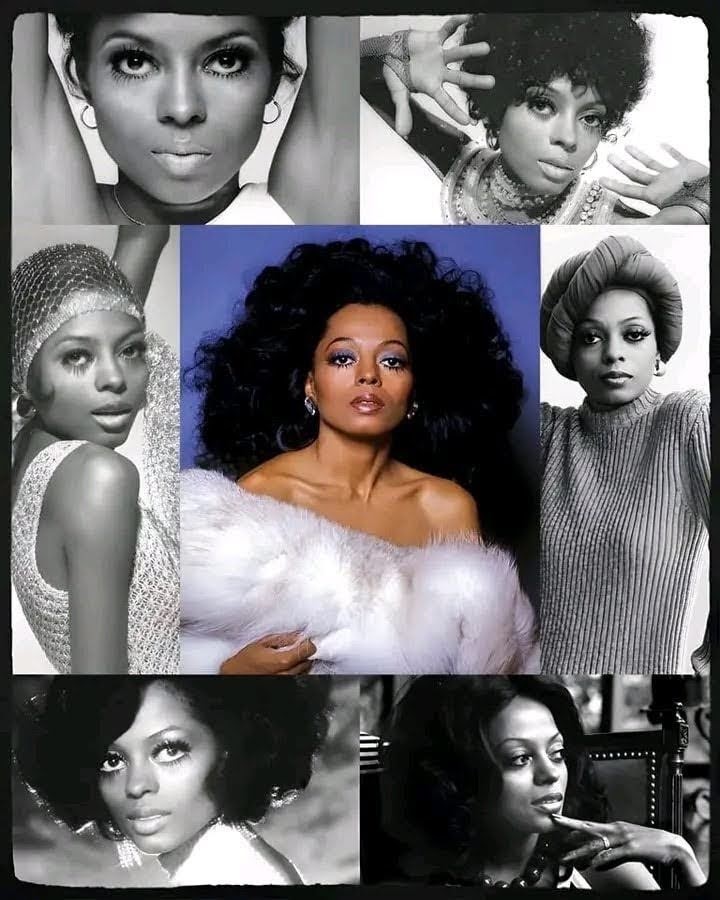
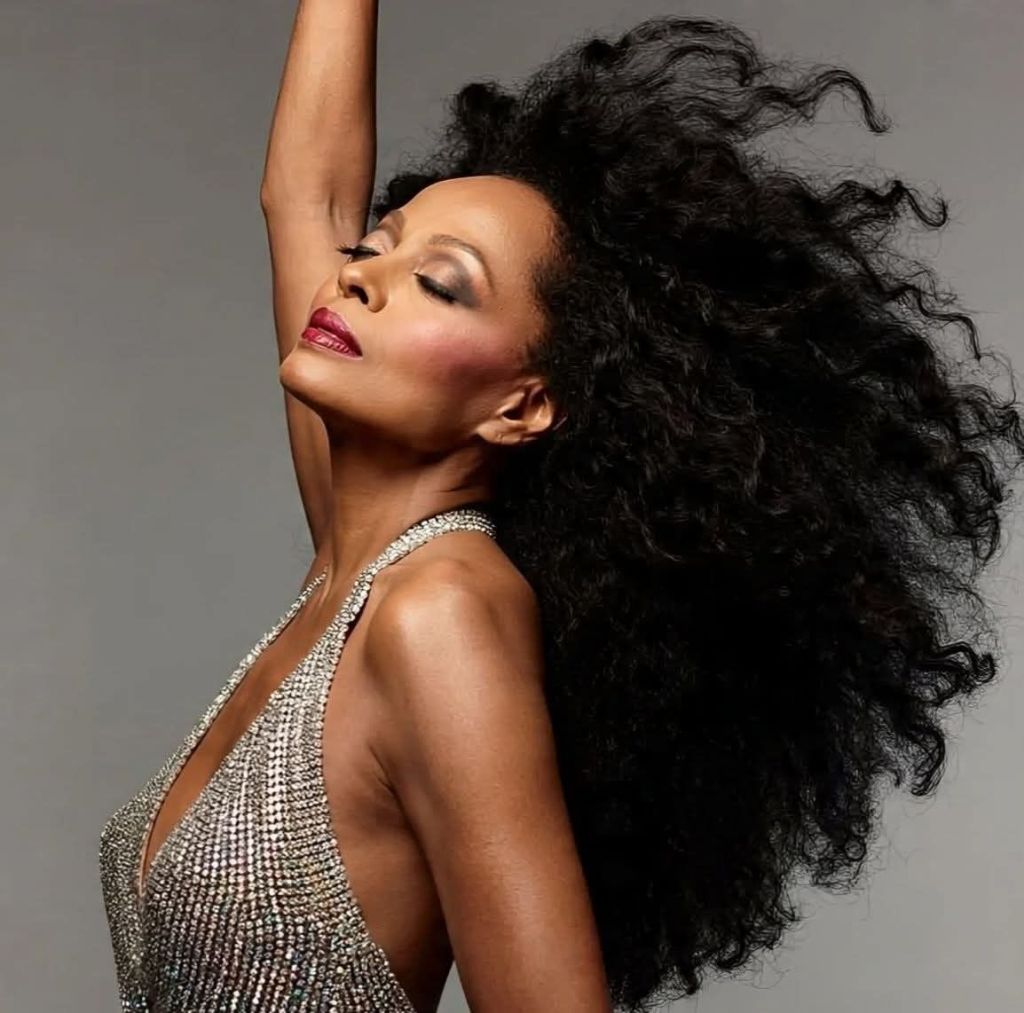
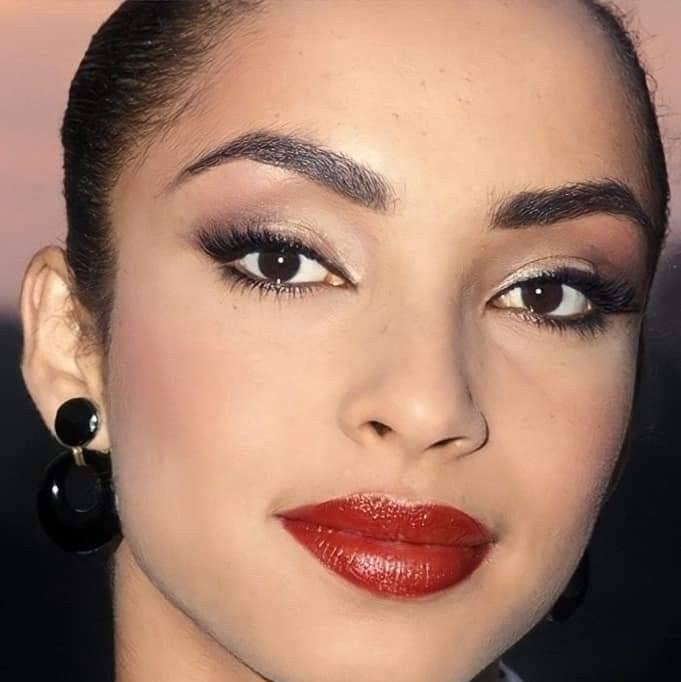
This photograph is the property of its respective owner. No copyright infringement intended.

Sade Adu, born Helen Folasade Adu on January 16, 1959, stands as one of the most enigmatic, adored, and musically influential women of the modern era. Her artistic identity blends sensual minimalism, rich emotional depth, and an unmistakable sonic signature that has carried her across generations. She is a woman whose voice alone can halt time—evoking longing, healing, and intimacy.

Born in Ibadan, Nigeria, Sade came into the world as a child of blended heritage: her father, Adebisi Adu, was Nigerian; her mother, Anne Cook, was an English nurse. This biracial identity shaped her life aesthetically and socially, giving her both a multicultural foundation and a dual sense of belonging. When her parents separated, Sade moved with her mother to Essex, England, where she grew up with an awareness of her African roots and British upbringing.

Her early life was marked by modesty and artistic curiosity. Sade originally studied fashion design at Saint Martin’s School of Art, believing her future lay in visual creativity rather than music. Music was not yet a career plan—it was simply part of her environment. Yet destiny has a way of tapping gifted people on the shoulder, even when they walk another path.

During her time in London, Sade began to sing background vocals for a Latin-soul group called Pride. Her voice—warm, cool, smoky, and profoundly emotional—caught immediate attention. The crowd response made it clear: she was not meant to remain in the background. Her presence commanded the spotlight.
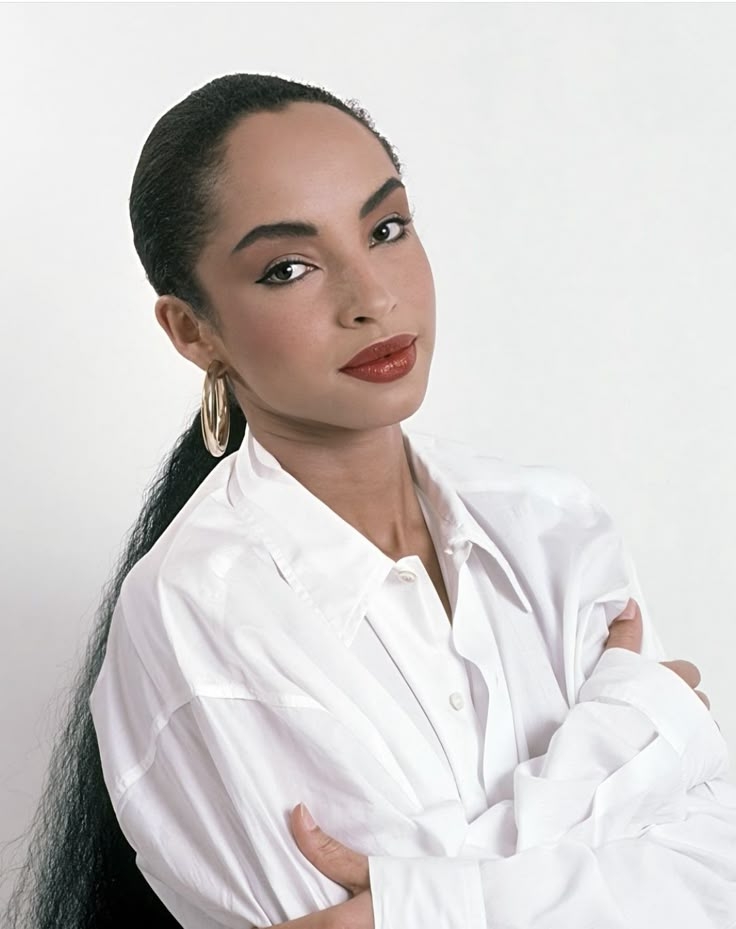
This photograph is the property of its respective owner. No copyright infringement intended.

As she performed with Pride, Sade began writing songs with members of the band. Her writing style, poetic and minimalist, reflected both vulnerability and confidence. After receiving overwhelming praise during Pride performances, a smaller formation of members broke away to create the group known today as Sade. With this new ensemble, her career trajectory shifted from underground singer to rising global star.

Sade’s breakthrough came with the 1984 release of “Diamond Life”, an album that introduced the world to hits such as “Smooth Operator”, “Your Love Is King”, and “Hang On to Your Love.” Her voice was unlike anything in the pop landscape—soft yet powerful, elegant yet raw, glamorous yet grounded. The album became one of the best-selling debut albums by a British female vocalist.

Her follow-up albums—“Promise” (1985), “Stronger Than Pride” (1988), “Love Deluxe” (1992), and “Lovers Rock” (2000)—continue to define entire eras of music. Sade is known for slow-burn records that age like fine wine, album cycles that are intentionally spaced out, and a perfectionist’s approach to her craft.

Over the course of her career, Sade has earned several major awards, including Grammy Awards for Best New Artist, Best R&B Performance, and Best Pop Vocal Album. She remains one of the few artists who can disappear for a decade and return to immediate worldwide acclaim. Her aura of mystery only amplifies her influence.

Beyond her music, Sade’s personal life is intentionally shielded from mainstream scrutiny. She married Spanish film director Carlos Scola in the late 1980s, though the marriage ended shortly afterward. She later entered a long-term partnership with Ian Watts, with whom she has one child—Mickailia “Ila” Adu, born in 1996. In recent years, Sade has been deeply supportive of Ila, who transitioned and publicly shared their journey, reflecting Sade’s nurturing and fiercely protective maternal spirit.

Sade’s family life is grounded in privacy, warmth, and a devotion to simplicity. Unlike many celebrities, she prefers countryside living over Hollywood glamour, giving interviews sparingly and valuing her peace above all. Her hobbies include quiet, earthy pleasures—gardening, cooking, horseback riding, and interior design. She is a woman who enjoys the feel of soil, the calm of nature, and the comfort of a peaceful home.

Her biracial identity shaped much of her early experience, especially growing up as a light-skinned Black girl in Britain. She has spoken about the complexities of being visibly different—too light for one group, too African for another—and how she carved her identity independently of other people’s expectations. Her presence helped broaden visual representations of Black womanhood at a time when few mixed-heritage Black women had global platforms.

As a light-skinned Black woman with a Nigerian father, Sade carried both privilege and pressure. She navigated colorism, exoticization, and constant commentary on her appearance. Yet she faced it with quiet dignity, using neither her lighter complexion nor her beauty as shields or shortcuts. Instead, she let her art speak.
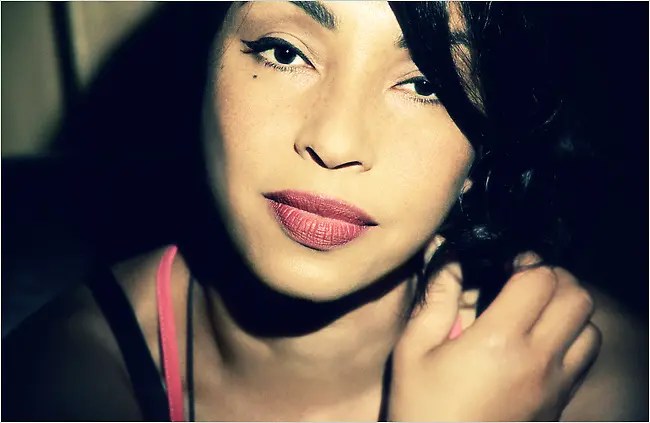
This photograph is the property of its respective owner. No copyright infringement intended.

Sade’s beauty is legendary. She is known for her glowing skin, sculpted cheekbones, expressive eyes, and minimalist style that centers simplicity over spectacle. Her signature ponytail, red lip, and understated glamour have become visual emblems of femininity and quiet power. Men adore her, women are inspired by her, and the world respects her.

Her expressive face carries centuries of story—African ancestry, British poise, feminine softness, and artistic soulfulness. She embodies an effortless type of beauty that does not compete, does not overstate, and does not perform. Instead, she exists with self-possession and grace.

Despite global fame, Sade remains notoriously humble. She has repeatedly turned down industry pressure to release faster, perform larger, or commercialize more aggressively. Her silence is intentional. Her scarcity is strategic. Her voice, when released, comes like rain after drought—rare, cleansing, and deeply treasured.

She represents a generation of artists who prioritize emotional truth over fame, musical integrity over charts, and soulfulness over spectacle. While others chase trends, Sade creates worlds. While others release singles, she releases experiences.

Even today, new generations discover her music as if stumbling upon a rare, precious jewel. Her songs underscore weddings, heartbreaks, romantic dinners, moments of grief, and moments of deep spiritual healing. She is a universal voice of love.

Sade is not just a singer; she is an aesthetic. A feeling. A timeless feminine archetype. Her music remains evergreen, her influence remains vast, and her presence remains untouched by time. Her legacy stands on the pillars of elegance, artistic purity, emotional honesty, and cultural depth. She is truly one of the most beloved women in the world.


References

Balfour, I. (2016). The Sade influence: Minimalism, soul, and global style. Routledge.
Gates, H. L. (2020). Cultural icons of the African diaspora. Oxford University Press.
Guerrero, E. (2012). Women of soul: The evolution of Black female artistry. Columbia University Press.
Harris, D. (2018). Music, identity, and biracial representation in modern Britain. Cambridge University Press.
Rolling Stone. (2021). Sade: A timeless musical mystique.
Smith, S. (2021). Sonic intimacy: Black women musicians and emotional expression. University of California Press.
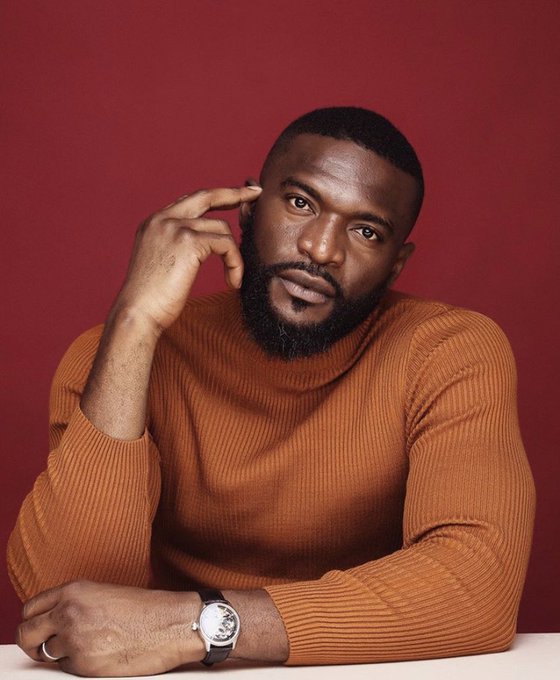
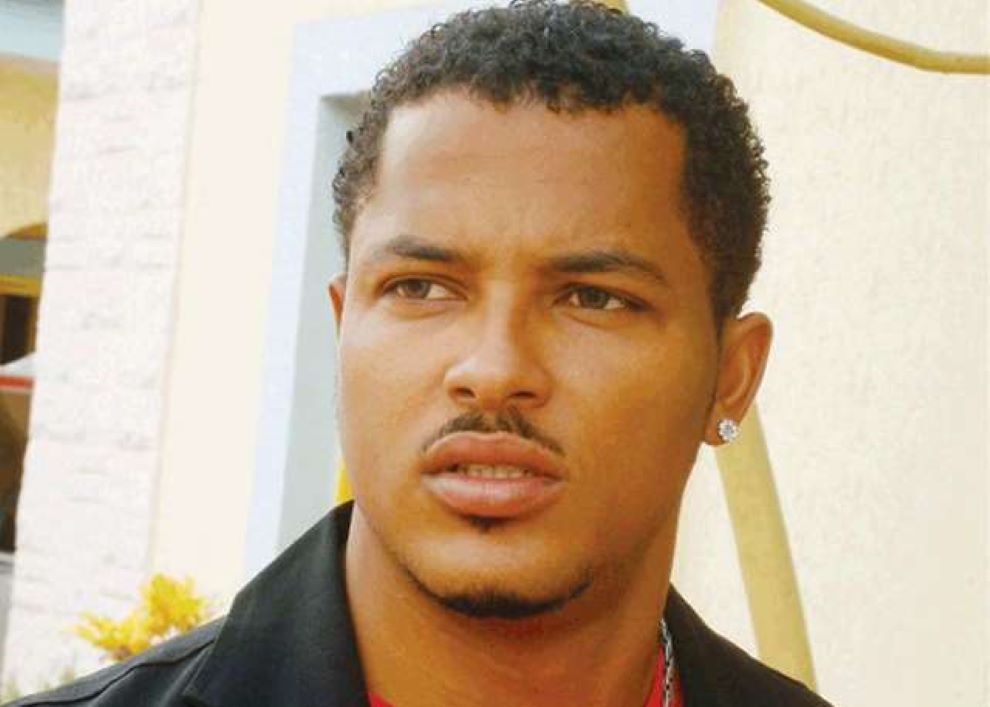
Masculine Perfection Series: Kenneth Okolie, Van Vicker, and Ramsey Nouah

In the grand gallery of African excellence and cinematic artistry, few men embody the essence of masculine perfection as profoundly as Kenneth Okolie, Van Vicker, and Ramsey Nouah. These leading men of Nollywood and Ghanaian cinema epitomize refinement, beauty, and brilliance. Their presence transcends borders — commanding screens across Africa and the diaspora with magnetic performances, striking physiques, and elegant confidence. They are not only talented actors but cultural ambassadors, proving that African men are among the most captivating and multidimensional figures in global entertainment.


Kenneth Okolie: The Regal Gentleman of Nollywood

This photograph is the property of its respective owners. No copyright infringement intended

Kenneth Okolie, born February 21, 1984, in Nigeria, stands as one of Nollywood’s most polished and admired figures. A man of regal stature, broad shoulders, and a perfectly sculpted jawline, Okolie embodies the image of African royalty. His deep-brown complexion, calm confidence, and eloquence have made him one of the most desirable actors in the industry.

Before becoming a celebrated actor, Kenneth began his career as a model, winning Mr. Nigeria 2010, a title that catapulted him into fame and opened doors in film and television. His transition from modeling to acting came naturally, as his charm and on-screen poise quickly captivated audiences.

He gained recognition through roles in acclaimed films such as The Royal Hibiscus Hotel (2017), Desperate Housewives Africa, and Fifty the Series. His performances balance intensity and tenderness, often portraying characters who exude leadership and integrity.

Off-screen, Kenneth Okolie is admired for his humility and devotion to family. He married his longtime partner Jessica Nwakah in 2017, and together they represent a picture of grace and grounded success. His awards include Best Supporting Actor at the Nollywood Movies Awards and Best Actor in a Leading Role at the African Magic Viewers’ Choice Awards (AMVCA). Handsome, intelligent, and sophisticated, Kenneth Okolie is truly the modern African gentleman — a symbol of both royal elegance and divine masculinity.


Van Vicker: The Golden Charmer of Ghanaian Cinema

This photograph is the property of its respective owners. No copyright infringement intended

Joseph Van Vicker, born August 1, 1977, in Accra, Ghana, is one of the most recognizable and beloved faces in African entertainment. With his golden skin tone, captivating smile, and soft yet commanding eyes, Van Vicker exudes an effortless charm that has made him a fan favorite across the continent.

He began his career as a radio and television personality, working as a DJ and presenter before transitioning into acting. His rise to fame came with his breakout roles in Divine Love (2004) and Beyoncé: The President’s Daughter (2006), which showcased his romantic charisma and screen presence. Since then, he has starred in over 200 films, often portraying the handsome lover or noble hero.

Van Vicker’s talent has earned him numerous accolades, including the AAMA Best Actor Award and the Pan African Film Festival Award for Achievement. Beyond acting, he is a director, producer, and humanitarian, with a deep passion for empowering youth and supporting education in Ghana.

Married to his high school sweetheart, Adjoa Vicker, since 2003, Van Vicker embodies loyalty and family devotion — a rare quality in the entertainment world. His combination of charm, humility, and artistic excellence makes him one of the most admired men in African cinema. To many, he represents the “golden boy” of Ghana — radiant, talented, and timelessly handsome.


Ramsey Nouah: The Prince of Nollywood

This photograph is the property of its respective owners. No copyright infringement intended

Ramsey Tokunbo Nouah Jr., born December 19, 1970, in Lagos, Nigeria, is the very definition of timeless beauty and cinematic mastery. With his smooth golden light caramel complexion, soulful eyes, and sophisticated demeanor, Ramsey Nouah has been affectionately called “Nollywood’s Lover Boy” — a title he has worn gracefully for over two decades.

His acting career began in the early 1990s with the television soap opera Fortunes, but it was his roles in romantic films such as Silent Night (1996), Dangerous Twins (2004), and Figurine (2009) that established him as one of the most talented and handsome actors in Africa.

Nouah has since evolved into a respected director and producer, making his directorial debut with the blockbuster Living in Bondage: Breaking Free (2019), which won multiple Africa Magic Viewers’ Choice Awards, including Best Overall Movie. His ability to seamlessly move between acting, directing, and producing shows his artistic brilliance and leadership in Nollywood.

Married to Emelia Phillips-Nouah, Ramsey is a devoted husband and father. His calm confidence, refined beauty, and professionalism have made him a mentor and role model to younger actors. His accolades include Best Actor in a Leading Role at the African Movie Academy Awards (AMAA) and multiple recognitions from the AMVCA. Ramsey Nouah is not just a handsome face — he is the embodiment of African cinematic evolution, blending legacy, artistry, and elegance.


Conclusion

Kenneth Okolie, Van Vicker, and Ramsey Nouah stand as three pillars of African masculinity — distinguished, disciplined, and devastatingly handsome. Each of them brings a unique light to the African film industry: Okolie with his regal grace, Vicker with his golden warmth, and Nouah with his timeless sophistication. Together, they redefine what it means to be both powerful and tender, proving that Black excellence radiates across borders and generations. Their artistry reminds the world that Africa not only births talent — it births kings.


References

  • Africa Magic Viewers’ Choice Awards. (2024). Award winners archive. MultiChoice Africa.
  • IMDb. (2024). Kenneth Okolie biography. https://www.imdb.com/name/nm5022442/
  • IMDb. (2024). Van Vicker biography. https://www.imdb.com/name/nm1951509/
  • IMDb. (2024). Ramsey Nouah biography. https://www.imdb.com/name/nm1528046/
  • Nollywood Movies Awards. (2023). Kenneth Okolie: Best Supporting Actor.
  • Pan African Film Festival. (2022). Lifetime Achievement Honorees.
  • Netflix. (2019). Living in Bondage: Breaking Free [Film]. Play Network Studios.
  • Ghanaian Times. (2023). Van Vicker: From actor to filmmaker and philanthropist.

The Ebony Dolls: Rachel Stuart Baker

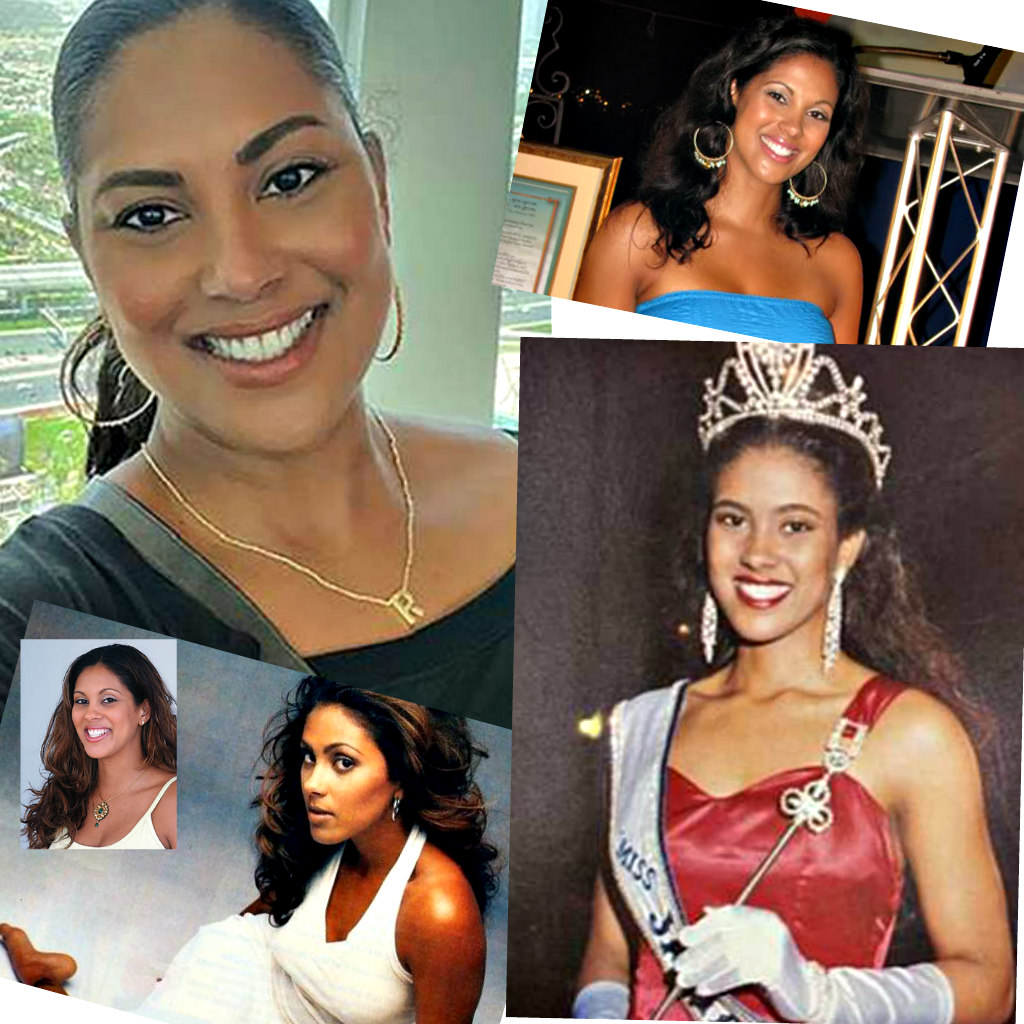
The Face of Island Stylee

These photographs are the property of their respective owners. No copyright infringement intended.

Born in the early 1970s, Rachel Stuart was born in Kingston, Jamaica. Rachel’s early life unfolded amidst vibrant island rhythms and a cross-cultural upbringing. She spent a portion of her childhood years in Canada before returning to Jamaica for her high school education, attending Stella Maris Preparatory School and Immaculate Conception High School. Jamaica Observer+1 Later, Mohawk College in Canada. As a young woman, she embraced both modelling and academic pursuits, eventually studying television broadcasting in Canada. Jamaica Observer

Rachel Stuart Baker stands as one of the most beloved television personalities of the 1990s, celebrated for her beauty, charisma, and cultural pride. Before she became the radiant face of BET, Rachel served in the Canadian Armed Forces—a little-known fact that highlights her strength, discipline, and patriotism. Her time in the military gave her a sense of order and confidence that later translated effortlessly onto television screens. It was this rare combination of elegance and resilience that made Rachel a standout figure in both media and life.

Her beauty and poise were recognized early on. In 1993, she claimed the title of Miss Jamaica Universe and represented her country at the 42nd Miss Universe pageant in Mexico. Jamaica Observer+1 Before that, she also won the Miss Caraïbes pageant, showcasing her regional prominence in Caribbean beauty competitions. Jamaica Observer+1

Transitioning from pageantry to media, Rachel brought her charm and credibility to the U.S. cable-television stage through BET (Black Entertainment Television). She became the host of Caribbean Rhythms, a pioneering program that spotlighted musicians and musical culture from across the Caribbean. Our Today+1 Her role on the show made her a cultural bridge—bringing Caribbean reggae, dance-hall, and soca artists into the American media consciousness.

Following her success on Caribbean Rhythms, Rachel also hosted BET’s Planet Groove, a show that leaned into music-video culture across R&B, soul, and urban genres. Our Today, these television roles leveraged both her polished on-screen presence and her deep connection to Caribbean heritage, making her a memorable personality in 1990s music television.

Rachel’s background as a Jamaican-Canadian model and actress further enriched her on-screen persona. She used her pageant experience, modelling background, and television training to navigate the entertainment industry with grace. Wikipedia+1 Her success underscored how beauty and brains can combine to create influence, especially as a woman of Caribbean descent on a major network.

Her impact on Caribbean music’s exposure to U.S. audiences cannot be understated. As one profile observed, via Caribbean Rhythms, she helped bring artists like Buju Banton and Beenie Man into greater visibility, contributing to the broader global recognition of Caribbean music. Our Today, this cultural-curation role positioned her as more than a host—she became an ambassador of Caribbean entertainment.

In the 1990s, Rachel became synonymous with Black Entertainment Television (BET), emerging as one of the network’s most iconic hosts. She first gained recognition as the host of Caribbean Rhythms, a vibrant program that spotlighted the beauty and beats of the Caribbean diaspora. With her smooth voice, radiant smile, and island flair, she brought reggae, soca, and dancehall into millions of American homes. Rachel wasn’t just a host—she was a cultural ambassador, connecting Caribbean talent to the world stage.

Her presence on Caribbean Rhythms made her the heartbeat of Caribbean representation in American television. Men across the United States and the Caribbean often called her their “#1 crush,” captivated by her exotic beauty, warm energy, and natural charm. She embodied the ideal of feminine confidence—never forced, never pretentious, but authentically radiant. Whether she was interviewing Shabba Ranks, Buju Banton, or Beenie Man, Rachel exuded joy and pride in showcasing the rhythms of her heritage.

As her popularity soared, Rachel expanded her reach within BET. She hosted Planet Groove, Live from LA, and appeared on BET Soundstage and Video Vibrations, each show adding to her dynamic portfolio. With every role, she left an indelible mark—her laughter, elegance, and Caribbean cadence became part of the network’s golden era. Fans tuned in not only for the music but for Rachel herself, whose magnetic personality brought warmth and authenticity to every broadcast.

Beyond her television career, Rachel’s background as a Jamaican-born, Canadian-raised woman gave her a unique cultural identity. Her journey from Kingston, Jamaica, to Canada, and then to American television reflected the vibrant intersection of cultures that shaped her worldview. She had already made history in 1993 as Miss Jamaica Universe, proudly representing her island on the global stage. Her military experience in Canada only deepened her resilience and discipline, traits that served her well in the competitive entertainment industry.

Rachel’s beauty was never merely external—it was a reflection of her confidence and spirit. With her caramel complexion, radiant smile, and captivating presence, she redefined what it meant to be a Caribbean woman in mainstream media. She embodied both sophistication and island fire, inspiring young women to embrace their cultural roots while pursuing global excellence.

Off-screen, Rachel found love and marriage with Paxton Baker, a respected and prominent executive at BET who served as President of BET Event Productions and other leadership roles within the network. Their union symbolized not only romance but also shared purpose, as both were instrumental in elevating Black entertainment and music television. Together, they have three children and have built a family rooted in faith, creativity, and service. The family has maintained a connection to Rachel’s Jamaican roots, as Rachel continues to visit Jamaica and participate in cultural engagements. Jamaica Observer+1 Rachel later chose to step away from the spotlight to focus on motherhood and community work, demonstrating that fulfillment goes beyond fame.

Even after leaving BET, her legacy endures. Fans from across the diaspora still recall her laughter, her energy, and her trailblazing presence that opened doors for future Caribbean hosts and artists. In interviews, Rachel has expressed gratitude for her years on BET, calling them some of the most exciting times of her life. Her voice and influence continue to echo across generations of Black entertainment and Caribbean pride.

Today, Rachel Stuart Baker remains a symbol of timeless beauty, poise, and authenticity. Her journey—from a disciplined Canadian soldier to a beloved Caribbean media star—is one of resilience, grace, and purpose. She proved that a woman could be beautiful, bold, and brilliant all at once, without compromising her values or cultural identity.

Rachel’s name evokes nostalgia for an era when BET was a cultural hub for music, pride, and Black excellence. She remains, to many, the unforgettable face of that time—the Caribbean queen who lit up screens and hearts alike, with a smile that still defines an entire generation of television magic.

In recent years, Rachel has shifted from high-profile television hosting to focus more on her family, charitable work, and cultural advocacy. According to interviews, she left BET to “grow my family” and has since been involved with theatre programs, food banks, orphanages, and school fundraising. Jamaica Observer Despite stepping back from daily television, her past work remains influential among Caribbean and urban media audiences.

Her legacy is one of beauty, substance, and cultural connectivity—a woman who moved from pageant queen to media host to family advocate, all while maintaining authenticity and pride in her heritage. Rachel Stuart Baker remains a symbol of how Caribbean-born talent has impacted mainstream U.S. entertainment, especially in amplifying the voices of Caribbean artists and culture.

References

  • “Rachel Stuart Baker: 30 years after Miss Jamaica Universe.” Jamaica Observer, March 12, 2023. Jamaica Observer
  • “Whatever happened to Rachel? … former Caribbean Rhythms host enjoying family life.” Our.Today, October 15, 2025. Our Today
  • “Rachel Stuart – Wikipedia.” Wikipedia
  • “Catchin’ Up With BET Alumnus Rachel Stuart-Baker of ‘Caribbean Rhythms’.” WHUR, date unspecified. whur.com
  • BET Archives: Caribbean Rhythms, Planet Groove, Live from LA, BET Soundstage (1993–2000).

Black Music Artist of the Month

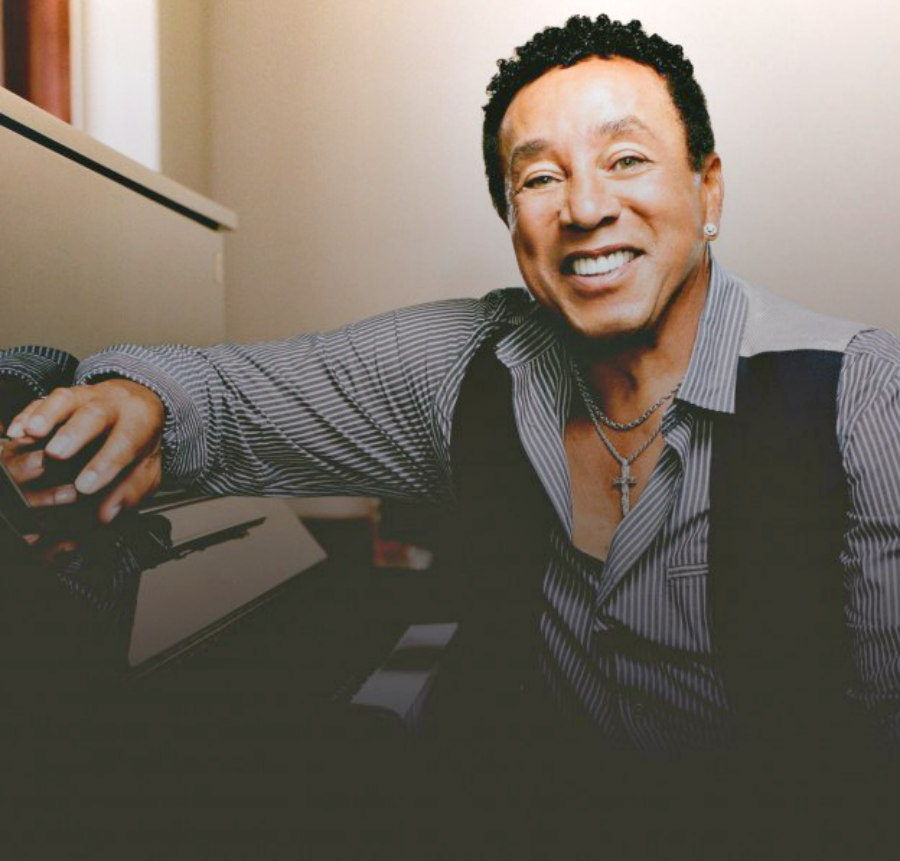
This photograph is the property of its respective owner. No copyright infringement is intended.

A lot can be said about the genius of Smokey Robinson — the green-eyed bandit, Motown’s poetic heart, singer, songwriter, producer, executive, cultural architect. Here’s a biographical sketch of his life, career, history and awards.


William “Smokey” Robinson Jr. was born on February 19, 1940, in Detroit, Michigan. From an early age, he was immersed in music — gospel, doo-wop, jazz — all of which shaped a sensibility that would become central to the Motown sound. While still in high school, he formed a vocal group that evolved into The Miracles, which became Berry Gordy’s first major act and one of the foundational groups of Motown Records.

With The Miracles, Smokey composed, produced and led a string of classic hits: “Shop Around” (Motown’s first R&B #1 and first million-selling hit), “You’ve Really Got a Hold on Me”, “Ooo Baby Baby”, “The Tracks of My Tears”, “Going to a Go-Go”, “More Love”, “Tears of a Clown” (co-written with Stevie Wonder), “I Second That Emotion”, among others. These songs combined lyrical depth, emotional subtlety, and hooks that have lasted generations.

In 1972, Smokey left The Miracles to embark on a solo career. His solo work continued to produce major hits such as “Cruisin’”, “Being With You”, and “Just to See Her”. His album A Quiet Storm (1975) became so influential that its title spawned a whole radio format (“quiet storm”) devoted to smooth, romantic soul — a testament to his creativity and impact.

Beyond performing, Smokey played major behind-the-scenes roles. He served as vice president of Motown Records, was a talent scout, writer and producer not only for The Miracles but for many Motown artists — Mary Wells, Marvin Gaye, The Temptations, Brenda Holloway and more. His pen and ear helped craft some of the most enduring songs in American popular music.

His awards and honors are numerous. He was inducted into the Rock & Roll Hall of Fame in 1987 and into the Songwriters Hall of Fame soon after. He received the National Medal of Arts, Kennedy Center Honors, the Gershwin Prize for Popular Song, an honorary doctorate from Howard University, and many lifetime achievement awards. His song “Just to See Her” won him his first Grammy Award (Best Male R&B Vocal Performance) in 1988. He has been given accolades for both his solo work and his contributions with The Miracles.

Smokey Robinson remains rightly celebrated for his lush high tenor voice, his ability to capture both joy and sadness in melody and lyric, and for helping to build a musical legacy that transformed Black music and American popular culture. He is often called “Mr. Motown” — not to diminish the dozens of talents involved, but to recognize his singular role in creating, shaping, and maintaining that legacy.


References

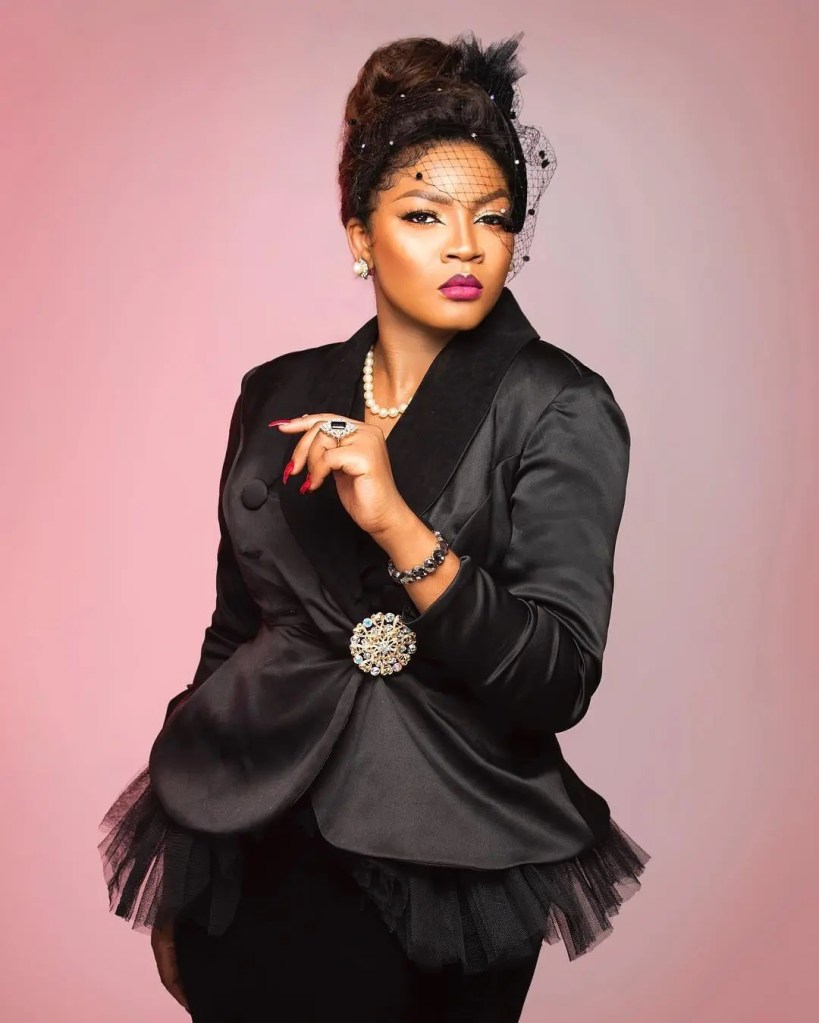
Celebrity Spotlight: Omotola Jalade Ekeinde #Nollywood

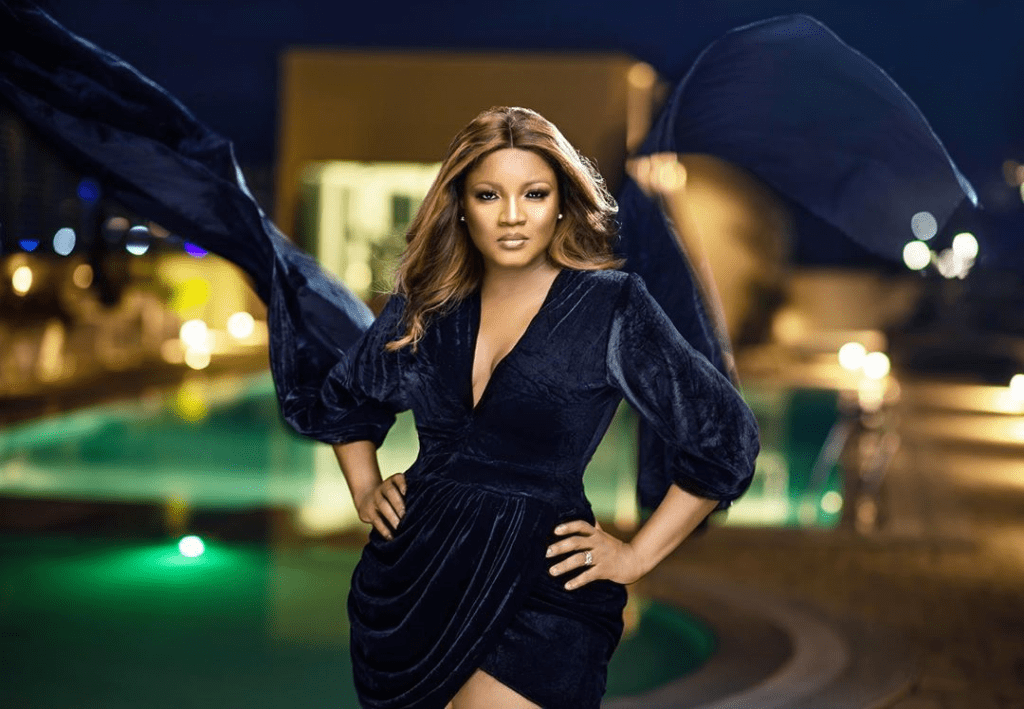
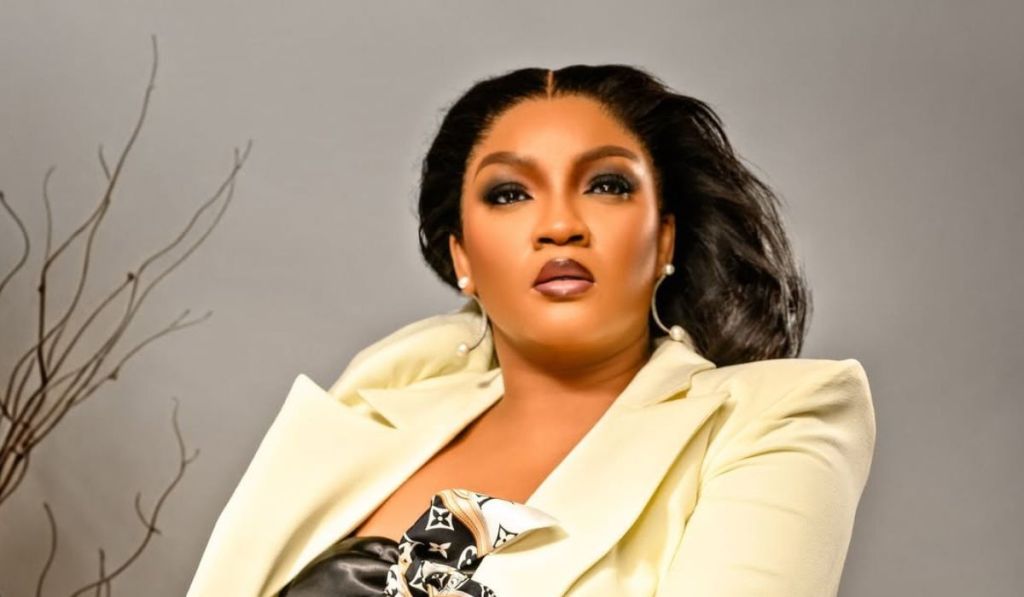
There are women whose presence commands admiration before they even speak — and Omotola Jalade Ekeinde, fondly called “Omosexy,” is one of them. With her radiant light caramel complexion, captivating almond eyes, and statuesque physique, she embodies a perfect fusion of African grace, sensuality, and sophistication. Her beauty is not only physical but regal — the kind that glows from confidence, faith, and purpose. She is not merely a Nollywood actress; she is a global phenomenon, humanitarian, wife, and mother whose impact extends far beyond the screen.


Early Life and Family Background

Omotola Jalade Ekeinde was born on February 7, 1978, in Lagos, Nigeria, to Oluwashola Jalade, a manager with the Lagos Country Club, and Oluwatoyin Jalade, a businesswoman. Raised in a disciplined Christian household, Omotola grew up with strong moral values, a sense of independence, and an early appreciation for education and service. She attended Chrisland School, Opebi, Oxford Children School, and Command Secondary School, Kaduna, before studying Estate Management at Yaba College of Technology.

At the age of 18, Omotola married her long-time partner, Captain Matthew Ekeinde, a respected Nigerian airline pilot, in a union that has become one of the most admired and enduring celebrity marriages in Africa. Together, they have four beautiful children, and their family stands as a symbol of stability, love, and faith within the entertainment industry.


Journey into Nollywood and Rise to Stardom

Omotola’s path to stardom began unexpectedly. Initially aspiring to a career in business management, she accompanied a friend to a movie audition and was encouraged to try out for a role herself. This spontaneous decision became destiny. Her acting debut came in 1995 with the film Venom of Justice, but it was her performance in Mortal Inheritance (1995) that catapulted her to fame. The film, which explored interracial marriage and sickle-cell anemia, showcased her emotional depth and established her as one of Nollywood’s most gifted talents.

Since then, Omotola has appeared in over 300 films, portraying complex characters that explore themes of love, justice, and womanhood. Her commanding performances have made her a household name, not only in Nigeria but across Africa and the diaspora.


Awards, Honors, and Global Recognition

Omotola’s contributions to film and society have earned her an impressive array of awards and distinctions. She received the Africa Movie Academy Award (AMAA) for Best Actress in a Leading Role and has won numerous Africa Magic Viewers’ Choice Awards (AMVCA) honors for her outstanding acting.

In 2013, Time Magazine named her one of the “100 Most Influential People in the World”, alongside Michelle Obama, Beyoncé, and Kate Middleton — an honor that solidified her status as a global icon. She was also recognized by the Nigerian government with the Member of the Order of the Federal Republic (MFR) for her contributions to Nigerian cinema.

Her film Alter Ego (2017) earned widespread critical acclaim for tackling issues of trauma and justice, further demonstrating her evolution as an actress of depth and conviction.


Endorsements and Humanitarian Work

Beyond the screen, Omotola is a dedicated humanitarian. She is a long-time UN World Food Programme Ambassador, advocating for the rights of women and children across Africa. She also works with the Amnesty International campaign on human rights awareness. Her commitment to social justice has earned her the nickname “The Real Life African Superwoman.”

Her beauty, intelligence, and authenticity have also made her one of the most sought-after brand ambassadors in Africa. She has partnered with major brands including Knorr, Ghandour Cosmetics, and BO16 Hair Care, using her platform to promote empowerment and self-confidence among African women.


Personal Life and Legacy

Despite her global fame, Omotola’s humility and devotion to her family remain at the heart of her identity. She often speaks openly about the importance of faith, balance, and maintaining one’s integrity in the entertainment industry. Her marriage to Captain Ekeinde remains one of the longest and most respected in Nollywood, defying the stereotype of fleeting celebrity unions.

Affectionately called “Omosexy” by fans, she redefines sensuality with grace — not as a tool of vanity, but as an expression of confidence and self-love. Her legacy is not only in film but also in her example of womanhood: strong, intelligent, nurturing, and unapologetically powerful.


Is Omotola the Highest-Paid Nollywood Actress?

For years, Omotola has ranked among the highest-paid actresses in Nollywood, often commanding premium fees per film. Alongside Genevieve Nnaji, she helped elevate the professional standards of pay and production quality in the Nigerian film industry. Her business acumen and professionalism have set new precedents for African actors, helping Nollywood evolve into a billion-dollar global industry.


Impact and Cultural Influence

Omotola Jalade Ekeinde’s influence reaches far beyond cinema. She represents the evolution of African womanhood — bold yet humble, beautiful yet principled, powerful yet nurturing. Her presence has inspired countless women to pursue their dreams without compromise. She is not only admired for her radiant ebony beauty but for her substance, discipline, and heart.

Her life is a living parable of excellence — proof that true beauty radiates from purpose and character. Omotola’s journey from a young Lagos girl to a world-renowned icon embodies the strength, resilience, and divine elegance of the modern African woman.


Conclusion

Omotola Jalade Ekeinde remains an enduring symbol of Black femininity and excellence. With her gleaming brown skin, sculpted face, and regal aura, she is a masterpiece of nature and nurture — a woman who moves with both grace and authority. As an actress, wife, and humanitarian, she continues to inspire a generation to dream boldly and love deeply. In every sense, she is carved by destiny, refined by faith, and crowned by legacy.


References

Amnesty International. (2015). Omotola Jalade Ekeinde joins campaign for human rights in Africa. Amnesty International. https://www.amnesty.org

BBC News. (2013, April 18). Time 100: Omotola Jalade Ekeinde among world’s most influential people. BBC. https://www.bbc.com/news

IMDb. (n.d.). Omotola Jalade Ekeinde biography. IMDb. https://www.imdb.com/name/nm1069989/

Nigerian Government Gazette. (2011). National honors list: Member of the Order of the Federal Republic (MFR). Federal Republic of Nigeria.

Pulse Nigeria. (2022, September 6). Omotola Jalade Ekeinde: Biography, family, and career success. Pulse Nigeria. https://www.pulse.ng

Time Magazine. (2013, April). The 100 Most Influential People in the World: Omotola Jalade Ekeinde. TIME Magazine. https://time.com

Vanguard Nigeria. (2021, August 12). Omotola Jalade Ekeinde: The timeless beauty of Nollywood. Vanguard Nigeria. https://www.vanguardngr.com

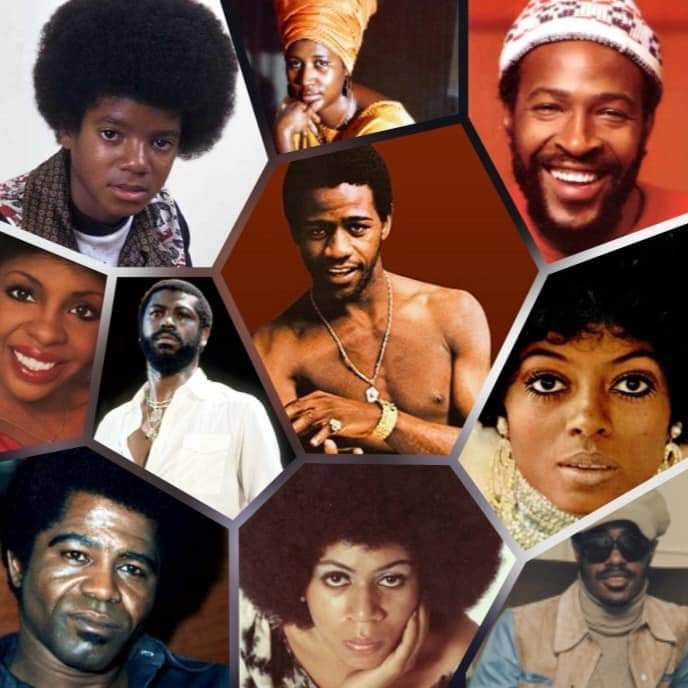
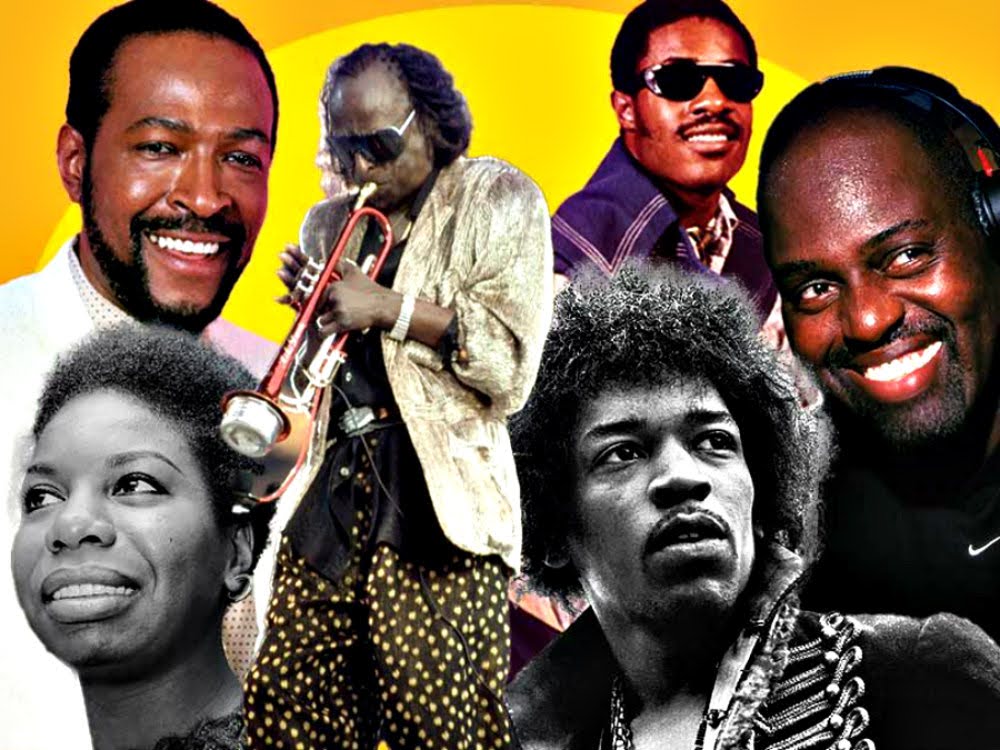
Soul Music: The Heartbeat of Black America. #SoulMusicWorld

https://www.facebook.com/soulmusicworldofficial

Soul music is more than a genre; it is the emotional and spiritual expression of the African-American experience. Emerging in the mid-20th century, soul combines the fervor of gospel, the rhythm of R&B, and the storytelling of blues, creating a sound that conveys both pain and triumph. Its essence lies in the ability to express deep human emotion through melody, harmony, and lyrical honesty.

The roots of soul music can be traced to the African-American church. Gospel music provided the foundation for vocal techniques, call-and-response patterns, and emotional intensity. Artists grew up singing in church choirs, learning how to convey passion, hope, and suffering through their voices. This spiritual lineage gave soul its signature depth and resonance.

Early pioneers of soul music include Sam Cooke, often called the “King of Soul,” whose smooth voice bridged gospel and popular music. Cooke’s music carried the fervor of church singing while appealing to secular audiences. His song “A Change Is Gonna Come” became an anthem for the Civil Rights Movement, illustrating soul’s role in both entertainment and social commentary.

Otis Redding, another seminal figure, exemplified raw emotional delivery. Born in 1941 in Georgia, Redding’s music communicated longing, heartache, and desire with unparalleled authenticity. His song “Try a Little Tenderness” demonstrates the gospel-infused emotive singing that defined soul music’s golden era.

Aretha Franklin, often called the “Queen of Soul,” brought unmatched power and nuance to the genre. Her background as a preacher’s daughter in Detroit steeped her in gospel traditions, which she fused with secular themes. Franklin’s music, including hits like “Respect,” resonated not only with the African-American community but also with the wider society, asserting dignity and empowerment.

Soul music is deeply intertwined with R&B, yet it distinguishes itself by its gospel-rooted intensity and emotional authenticity. While R&B often emphasizes rhythm, dance, and melodic hooks, soul prioritizes storytelling and emotional resonance. Jeffrey Osborne, Diana Ross, and James Ingram represent artists who successfully blended elements of soul and R&B, bringing emotional depth to mainstream pop audiences.

Jeffrey Osborne’s career, starting with the band L.T.D., showcases smooth vocal delivery and emotional lyricism that bridges R&B and soul. Diana Ross, emerging from The Supremes, carried Motown’s soul-influenced pop sound to international fame, using her voice to convey both vulnerability and strength. James Ingram’s ballads further illustrate the crossover potential between R&B and soul, retaining gospel-influenced phrasing.

The connection between soul and gospel is profound. Gospel’s call-and-response structure, melismatic singing, and improvisational phrasing became the backbone of soul. Unlike gospel, which often centers explicitly on God, soul frequently addresses love, heartbreak, and social issues, though the emotional intensity remains consistent.

Soul music arose during a period of systemic racism and oppression. Artists experienced segregation, limited access to venues, and exploitative contracts. Sam Cooke, Otis Redding, and Aretha Franklin navigated these barriers while asserting cultural pride through their music. Despite these challenges, soul became a medium of resistance, empowerment, and storytelling for the Black community.

The term “Blue-Eyed Soul” refers to white artists performing soul-influenced music. Examples include Michael McDonald, Hall & Oates, and Dusty Springfield. While talented, blue-eyed soul singers often lacked the lived experience of systemic oppression that informs Black soul music, which can imbue performance with layers of pain, resilience, and cultural memory that are difficult to replicate.

Soul music’s influence extends to contemporary R&B, hip-hop, and pop. Its rhythmic patterns, vocal techniques, and emotional storytelling have been foundational for modern music. Artists continue to draw inspiration from soul pioneers while incorporating new technology and stylistic trends.

Sam Cooke’s music exemplified the tension between secular success and gospel roots. Raised singing gospel, Cooke transitioned to secular music, facing criticism from religious communities while achieving broader appeal. His artistry illustrates the fine line many soul artists walked between sacred and secular music.

Otis Redding’s career was tragically cut short in a plane crash in 1967, yet his legacy endures through his recordings and influence on future artists. His music reflects both vulnerability and strength, hallmarks of soul’s capacity to communicate complex human emotion.

Aretha Franklin’s performances were often described as cathartic. Audiences, particularly African-American listeners, identified with her music on a spiritual and cultural level. Songs like “Chain of Fools” highlight both personal and collective struggle.

Motown Records, founded by Berry Gordy in 1959, provided a platform for soul artists to reach national and global audiences. The label carefully crafted crossover appeal while maintaining authentic soul influences, elevating artists such as Diana Ross, Marvin Gaye, and Stevie Wonder.

Jeffrey Osborne’s solo career highlighted the fusion of R&B smoothness with gospel-rooted vocal technique. His ballads carry soul’s emotional depth while appealing to mainstream audiences, reflecting the genre’s flexibility and reach.

James Ingram’s collaborations with Quincy Jones and other producers exemplify soul’s integration into pop and R&B production, creating sophisticated arrangements while retaining expressive vocal performance.

Soul music was also a vehicle for civil rights messaging. Artists subtly and overtly addressed racial injustice, encouraging social consciousness. The emotional intensity of their performances amplified their messages, making music both a cultural and political instrument.

Blue-eyed soul singers often achieved mainstream radio play more easily than Black artists due to racial bias in the music industry, highlighting systemic inequities. While musically skilled, these singers benefited from societal structures that historically disadvantaged Black musicians.

The improvisational aspects of soul music reflect its gospel lineage. Artists frequently embellish melodies, elongate notes, and use vocal inflections to convey emotion. This improvisation requires both technical skill and emotional authenticity.

R&B and soul share harmonic structures and rhythmic patterns, yet soul’s emphasis on raw vocal expression distinguishes it. This distinction is evident in Otis Redding’s impassioned delivery compared with R&B’s more restrained smoothness.

Diana Ross’s transition from Motown group performances to solo work demonstrates soul’s adaptability. Her music retained emotional expression while embracing pop sensibilities, expanding the genre’s audience.

The legacy of soul artists like Aretha Franklin and Sam Cooke is enduring. Contemporary artists, including Beyoncé, John Legend, and Alicia Keys, continue to draw from their influence, blending gospel-rooted technique with modern R&B, hip-hop, and pop.

ArtistGospel Roots / Early InfluenceSoul / R&B Career HighlightsSocial / Cultural ActivismNotes / Legacy
Sam CookeSang in gospel choir with the Soul StirrersHits: A Change Is Gonna Come, You Send MeCivil Rights advocacy, anthem for equalityBridge between gospel and secular soul; martyr of artistry (assassinated 1964)
Otis ReddingChurch choir singing in GeorgiaHits: Try a Little Tenderness, Respect (covered by Aretha)Represented African-American emotional expression during segregationKnown for raw emotional delivery; influenced rock and soul artists globally
Aretha FranklinPreacher’s daughter; gospel backgroundHits: Respect, Chain of Fools, ThinkCivil Rights supporter; symbol of Black female empowerment“Queen of Soul”; gospel-infused vocal style became standard in soul music
Diana RossGospel and church influence in DetroitThe Supremes hits: Baby Love, Solo hits: Ain’t No Mountain High EnoughBroke racial barriers in pop and Motown musicBlended soul with pop; expanded soul’s commercial reach internationally
James IngramChurch choir and family gospel influenceHits: Baby, Come to Me, I Don’t Have the HeartAdvocate for music education and mentorship programsSmooth soul/R&B integration; Grammy-winning collaborations
Jeffrey OsborneChurch and local gospel choirsHits: On the Wings of Love, You Should Be LovedAdvocate for African-American musical heritageVocal style bridges R&B and soul; emotional depth linked to gospel technique
Marvin GayeFather was a minister; gospel singingHits: What’s Going On, Let’s Get It OnVoice of social change; addressed racism, war, and povertySoul and R&B fusion with socially conscious lyrics
Ray CharlesChurch choirs, gospel influencePioneer of soul/R&B crossoverAdvocated for racial equality through music and performanceCreated the blueprint for secularizing gospel while retaining emotional intensity
Hall & OatesMinimal gospel influence (white artists)Hits: Sara Smile, Rich GirlLimited social activismExample of “blue-eyed soul”; popularized soul stylings in mainstream pop for white audiences
Dusty SpringfieldLimited direct gospel exposureHits: Son of a Preacher Man, You Don’t Have to Say You Love MeSupported Black music and civil rights causesExample of blue-eyed soul; acknowledged influence of African-American music

Insights from the Chart

  • Gospel roots are central for Black soul artists; they provide vocal technique, improvisation, and emotional intensity.
  • Soul artists often addressed social injustice, civil rights, and community uplift, giving the music a dual function: artistic and activist.
  • “Blue-eyed soul” artists can emulate sound but lack the lived experience of oppression, making their music stylistically similar but culturally distinct.
  • Many soul artists successfully bridged the gap between gospel, R&B, and pop, expanding the genre’s reach while preserving authenticity.

Racism in the industry affected recording contracts, touring opportunities, and media representation. Black soul artists often faced exploitation while white artists performing soul-influenced music were given preferential treatment, illustrating systemic inequities that continue to have echoes today.

Soul music remains a testimony to resilience, creativity, and cultural pride. Its emotional intensity, spiritual foundation, and storytelling capacity make it a uniquely African-American art form with universal resonance.

In conclusion, soul music reflects the Black experience: rooted in gospel, shaped by adversity, and transmitted through the voices of extraordinary artists. It communicates joy, pain, hope, and resistance, continuing to inspire generations while preserving the spiritual and cultural heritage of African Americans.


References

  • Ben-Jochannan, Y. A. A. (1974). Africa: Mother of Western Civilization. Alkebu-Lan Books.
  • Cross, W. E. (1991). Shades of Black: Diversity in African-American Identity. Temple University Press.
  • DeGruy, J. (2005). Post Traumatic Slave Syndrome: America’s Legacy of Enduring Injury and Healing. Joy DeGruy Publications.
  • Guralnick, P. (1986). Sweet Soul Music: Rhythm and Blues and the Southern Dream of Freedom. Little, Brown & Co.
  • Vincent, R. (1996). Funk: The Music, The People, and The Rhythm of The One. St. Martin’s Press.
  • The Holy Bible, King James Version.
  • AllMusic. (2025). Soul Music Overview. https://www.allmusic.com
  • Rolling Stone. (2021). The Greatest Soul Artists of All Time.

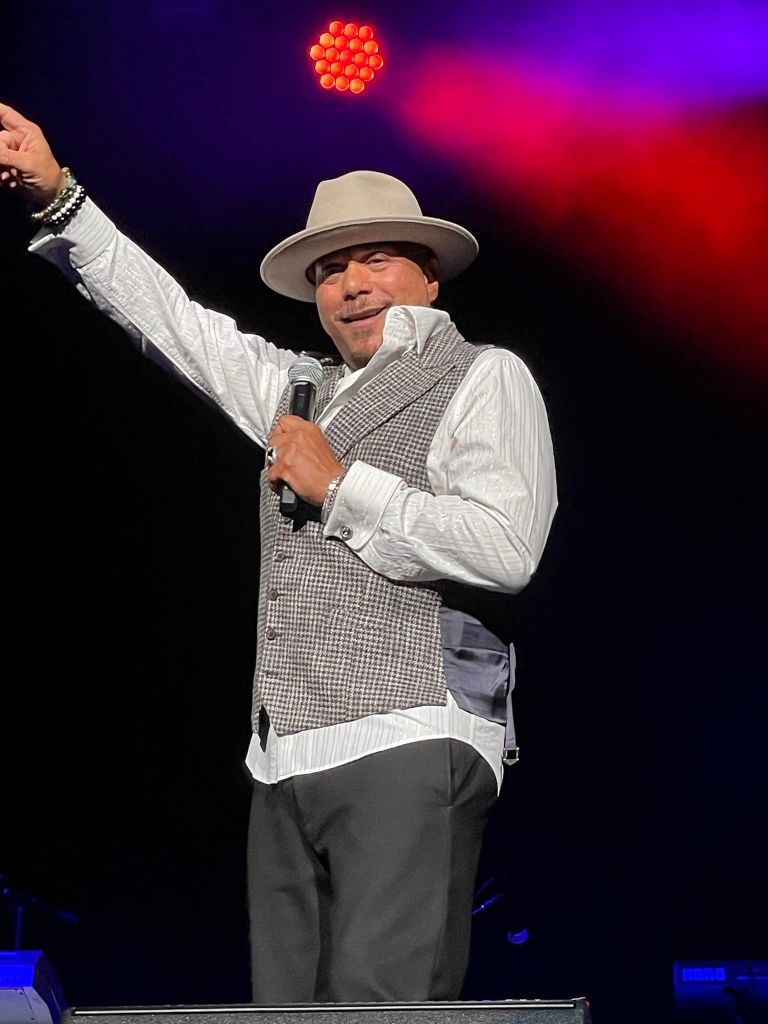
Celebrity Spotlight: Howard Hewett

This photograph is the property of its respective owner. No copyright infringement intended.

Howard Hewett is celebrated for his silky, emotive balladeer’s voice—smooth, resonant, and deeply expressive. His vocal tone carries a romantic warmth rooted in gospel tradition while effortlessly blending with contemporary R&B and soul. Hewett’s delivery is intimate yet powerful, allowing him to convey vulnerability, devotion, and longing in a way that has defined classic Black love songs for generations.

Born October 1, 1955, in Akron, Ohio, Howard Hewett Jr. was raised in a musically rich household. He was introduced to music at an early age through the church. He sang gospel alongside his sisters in a family group known as The Hewett Singers, which laid the spiritual and technical foundation for his vocal style.

Hewett’s early exposure to gospel instilled discipline, harmony, and emotional depth in his singing. As a teenager, he expanded beyond church music and joined a local funk band called Lyfe, where he gained experience performing secular music and honing his stage presence. This period marked his transition from gospel roots to broader musical exploration.

His professional career began to take shape in 1976, when he relocated to Los Angeles to pursue opportunities in the music industry. This move proved pivotal, placing him at the center of the emerging West Coast R&B and soul scene during a transformative era in Black music.

Howard Hewett rose to national prominence as the lead singer of the R&B group Shalamar, one of the flagship acts of Dick Griffey’s SOLAR Records. Joining the group in the late 1970s, Hewett became the voice behind many of Shalamar’s most iconic records during their commercial peak.

With Hewett on lead vocals, Shalamar released a string of timeless hits that blended dance, soul, and romance. Songs such as “The Second Time Around,” “A Night to Remember,” and “This Is for the Lover in You” became staples of Black radio and remain enduring classics in R&B history.

After establishing himself as a star with Shalamar, Hewett embarked on a solo career in the mid-1980s. He officially launched his solo journey in 1986 with the release of his debut album, I Commit to Love, under Elektra Records. The album showcased his signature romantic style and solidified his identity as a premier R&B balladeer.

His solo success continued with hits such as “I’m for Real,” “Stay,” and “Once, Twice, Three Times.” These songs emphasized emotional sincerity, commitment, and adult love, distinguishing Hewett in an era increasingly influenced by pop crossover trends.

Throughout his career, Hewett has been associated with award-winning projects. He contributed to the Grammy-winning Beverly Hills Cop soundtrack, which received recognition for its musical excellence and cultural impact during the 1980s.

Howard Hewett’s influence has also been recognized at the community level. The city of Akron, Ohio, has honored him for his artistic contributions, acknowledging his role as one of the city’s most successful and respected musical figures.

In his personal life, Hewett has experienced several marriages. His first marriage was to Rainey Riley-Cunningham, with whom he shares two daughters, LaKiva Siani and Rainey Daze. He later married Mari Molina, though that union did not produce children.

His third marriage was to actress and singer Nia Peeples, with whom he has a son, Christopher Eugene Howard Hewett, born in 1989. Hewett later married Angela Bloom-Hewett, and they share a daughter named Anissa Hewett. He is also a proud grandfather.

Beyond chart success, Hewett’s legacy rests in his role as a cultural voice for Black love, emotional transparency, and mature romance. His music has consistently affirmed tenderness, commitment, and vulnerability—values often absent from mainstream portrayals of masculinity.

With a career spanning more than four decades, Howard Hewett remains a respected elder statesman of R&B. His influence is evident in contemporary soul artists who prioritize vocal purity, lyrical sincerity, and emotional depth.

Howard Hewett’s story is one of faith-rooted beginnings, artistic perseverance, and enduring musical relevance. His voice continues to stand as a testament to the power of soulful expression and the timeless beauty of Black love in song.


References

Hewett, H. (n.d.). Official biography. Howard Hewett Music. https://www.howardhewettmusic.com/bio

Howard Hewett. (n.d.). In Wikipedia. https://en.wikipedia.org/wiki/Howard_Hewett

I Commit to Love. (n.d.). In Wikipedia. https://en.wikipedia.org/wiki/I_Commit_to_Love

Forever and Ever (Howard Hewett album). (n.d.). In Wikipedia. https://en.wikipedia.org/wiki/Forever_and_Ever_(Howard_Hewett_album)

City of Akron honors Howard Hewett. (n.d.). Downtown Akron Partnership. https://www.downtownakron.com

IMDb. (n.d.). Howard Hewett biography. https://www.imdb.com/name/nm0382040/bio/

MOVIE REVIEW: Lady sings the Blues (1972)

⭐⭐⭐⭐⭐ 5/5

Lady Sings the Blues: A Five-Star Tribute to Billie Holiday and Black Cinematic Brilliance

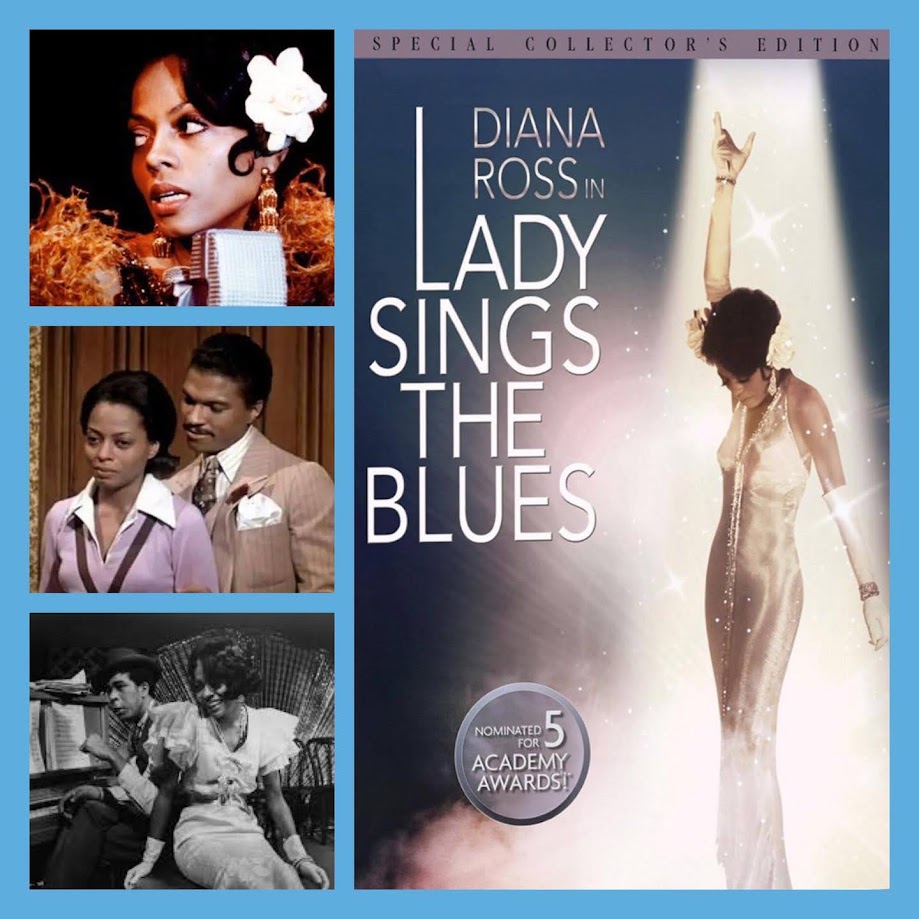
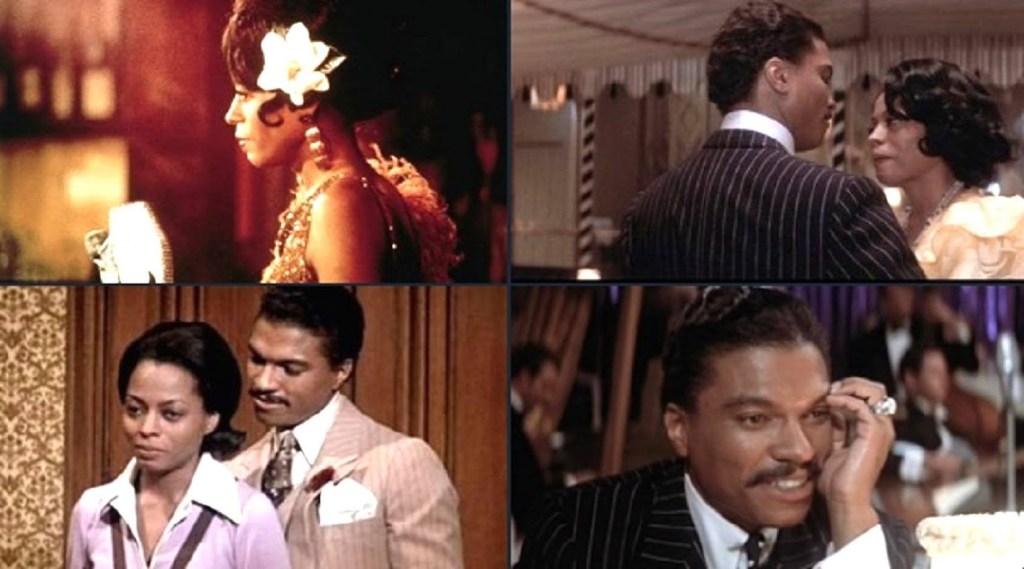
In 1972, Lady Sings the Blues captivated audiences with its raw, poignant dramatization of jazz legend Billie Holiday’s tumultuous life. With Diana Ross stepping boldly into the role of Holiday and Billy Dee Williams offering one of his most iconic performances, the film transcended traditional biopics. It gave voice to the complexities of Black womanhood, addiction, racism, and love through the lens of music. Directed by Sidney J. Furie and produced by Motown Productions, the film became an instant classic, earning five Academy Award nominations and launching Ross’s career as a serious actress.


The Film’s Narrative and Cultural Importance

Scenes from the movie – All photographs are the property of their respective owners.

Based loosely on Billie Holiday’s 1956 autobiography, Lady Sings the Blues follows her journey from a troubled childhood in Baltimore to stardom as one of the most influential jazz vocalists of all time. It candidly explores her battles with sexual trauma, substance abuse, and racial injustice. The film doesn’t just document her music career—it illustrates how the weight of being Black and brilliant in Jim Crow America often meant fighting to simply survive.

Audiences were struck not only by the musical numbers but by the painful authenticity in the story. As Ross sang Holiday’s signature pieces like “Strange Fruit” and “God Bless the Child,” the songs took on new meaning in the post-Civil Rights era, speaking directly to a generation still healing from America’s legacy of racial terror.


🎤 Billie Holiday: The Woman Behind the Blues

Billie Holiday, born Eleanora Fagan in 1915, rose from the poverty of Baltimore’s streets to become a jazz icon whose voice remains one of the most distinctive in music history. Orphaned early and sent to work in brothels, her life was marked by trauma. Despite these early hardships, Holiday channeled her pain into poignant songs that defied the sanitized entertainment norms of the time.

In her own words, she once said:

“If I’m going to sing like someone else, then I don’t need to sing at all.”

Holiday’s impact was revolutionary. Her song “Strange Fruit” was one of the first explicit artistic condemnations of American lynching, which made her a target of the FBI and earned her a place in both musical and civil rights history. Her voice, described as smoky and full of soul, was less about technical precision and more about raw emotion. She said,

“I don’t think I’m singing. I feel like I’m playing a horn… I try to improvise like Les Young, like Louis Armstrong, or someone else I admire.”

Holiday died in 1959 under federal arrest in her hospital bed, yet she remains a symbol of resistance, artistry, and tragic beauty.


🌟 Diana Ross: From Supreme Starlet to Dramatic Powerhouse

Diana Ross’s transformation from pop music icon to dramatic actress stunned the industry. Known primarily as the glamorous frontwoman of The Supremes, Ross had never acted professionally before taking on the daunting task of portraying Billie Holiday. Yet her performance earned widespread acclaim.

Ross reflected on the emotional toll the role demanded:

“I had to feel everything she felt. I had to go deep into her darkness to bring out her light.”

Critics praised her haunting renditions of Holiday’s music. Though Ross did not imitate Holiday’s exact vocal style, she captured the essence of her sorrow and resilience. Roger Ebert declared:

“Diana Ross doesn’t play Billie Holiday. She becomes her.”

Ross earned an Academy Award nomination for Best Actress and a Golden Globe win for Most Promising Newcomer. Her role opened the door for future Black actresses to take center stage in complex, leading roles. Ebony magazine wrote,

“Ross didn’t just play Billie—she exorcised her ghost with grace, grit, and unflinching beauty.”


💎 Billy Dee Williams: The Romantic Soul of the Film

The drop dead handsome Billy Dee Williams brought elegance, strength, and warmth to the role of Louis McKay, Billie Holiday’s husband and protector. Though the real-life relationship between Holiday and McKay was marked by volatility, the film portrayed him as a stabilizing presence and symbol of enduring love.

Born in New York City in 1937, Williams was an accomplished painter and stage actor before he rose to fame on screen. His breakthrough came with Brian’s Song (1971), but it was Lady Sings the Blues that made him a romantic icon in Black cinema. Williams once said:

“It was a love story wrapped in sorrow, but also in survival. That’s what moved people.”

His chemistry with Diana Ross was undeniable, helping redefine the image of Black love on screen. Williams later reflected:

“In that moment, we weren’t just acting. We were telling our story—our people’s story.”

His portrayal helped reshape Hollywood’s image of Black men, portraying tenderness, loyalty, and passion with quiet strength.


🌍 Awards, Acclaim & Cultural Reverberations

Lady Sings the Blues received five Academy Award nominations, including Best Actress (Diana Ross), Best Original Score, Best Screenplay, Best Art Direction, and Best Costume Design. It also won the NAACP Image Award and was nominated for a Golden Globe.

Critics and audiences alike were swept away. The New York Times praised the film’s boldness:

“It dares to tell the story of a Black woman’s tragedy and brilliance without apology.”

In Black America, the film became an instant classic. It was one of the first major studio pictures to center a Black woman’s story, inspiring a generation of artists and sparking deeper conversations about racism, addiction, and resilience.


Final Reflection: A Testament to Black Excellence

Lady Sings the Blues is not merely a film—it is a five-star artistic triumph and cultural monument. It honored the life of Billie Holiday not with pity, but with reverence and passion. With Diana Ross’s electrifying debut and Billy Dee Williams’s heartfelt performance, the film transformed pain into poetry and tragedy into triumph.

As Ross herself said:

“Billie’s story broke my heart. I had to tell it not as a diva, but as a woman trying to heal.”


References

Ebert, R. (1972). Lady Sings the Blues movie review. Chicago Sun-Times.
Holiday, B., & Dufty, W. (1956). Lady Sings the Blues. Doubleday.
Motown Productions. (Producer), & Furie, S. J. (Director). (1972). Lady Sings the Blues [Film]. Paramount Pictures.
Ebony Magazine. (1972). Diana Ross: The Triumph of Billie Holiday.
Williams, B. D. (2021). Interview on Lady Sings the Blues. Essence Magazine.

The “It Girl” Series: Mýa Harrison

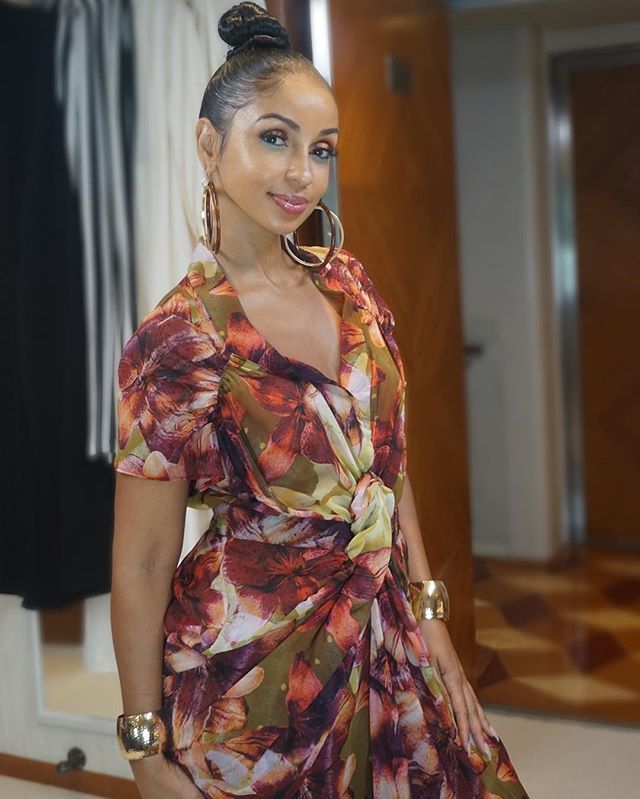
With big doe eyes and a whisper-soft voice that shaped a generation, Mýa is the It Girl of R&B grace, a dancing phenomenon, discipline, and quiet longevity.

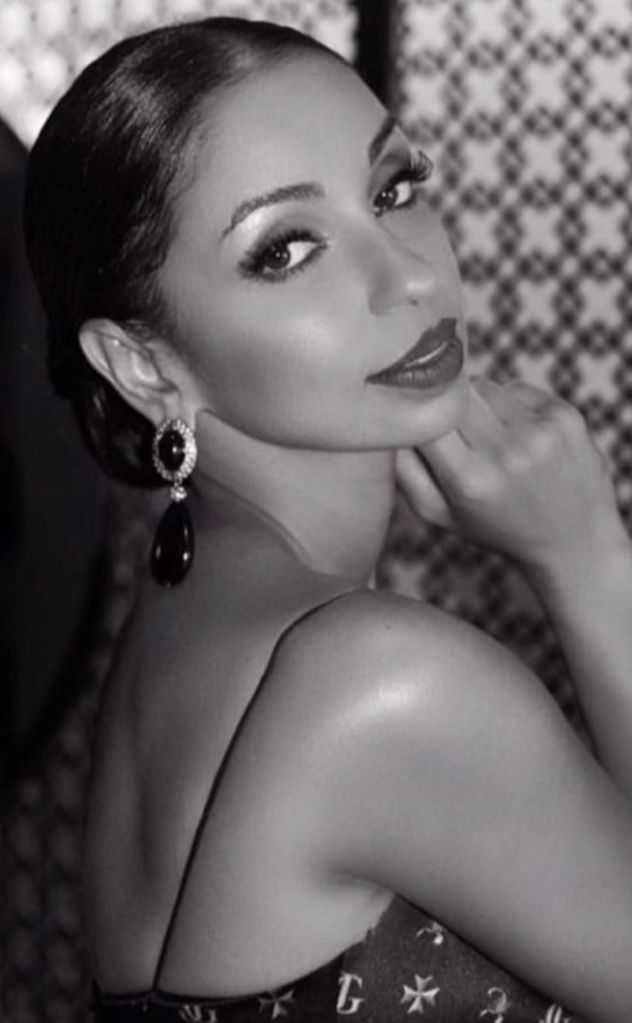
This photograph is the property of its respective owner.

Mýa — born Mýa Marie Harrison on October 10, 1979, in Washington, D.C. — emerged in the late 1990s as one of R&B’s most poised and technically refined young stars. Known for her ballet-trained posture, honey-toned vocals, and signature big doe eyes, Mýa carved out a lane that blended elegance with urban rhythm.

She was never the loudest voice in the room — but she was often the most polished.


Early Life & Musical Foundations

Raised in a musically inclined household (her father was a professional musician), Mýa studied ballet, jazz, and tap from a young age. Her formal dance training shaped her stage discipline and visual precision. By her mid-teens, she had secured a recording contract with Interscope Records.

Her self-titled debut album, Mýa, introduced her as a soft-spoken yet rhythmically assertive vocalist. The album featured the hit single “It’s All About Me” and established her as part of the late-90s R&B wave that included Brandy, Aaliyah, and Monica.

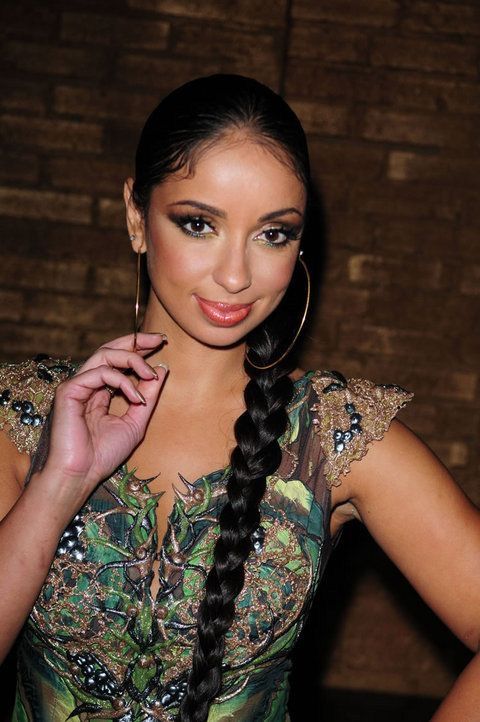
Her wide, expressive doe eyes became part of her public signature — conveying vulnerability, flirtation, and innocence simultaneously. In an era of highly stylized pop femininity, Mýa’s look felt both delicate and disciplined.


This photograph is the property of its respective owner.

Breakthrough & Cultural Impact

Mýa’s global breakout came with her collaboration on Lady Marmalade alongside Christina Aguilera, Lil’ Kim, and Pink for the film Moulin Rouge!. The song became a No. 1 Billboard hit and won a Grammy Award for Best Pop Collaboration with Vocals.

This moment cemented Mýa as internationally recognized — not merely an R&B singer, but a crossover performer capable of holding her own among powerhouse vocalists.

Her second album, Fear of Flying, featured the bold and playful single “Case of the Ex,” showcasing a more confident and rhythm-driven persona. The album went platinum, solidifying her commercial viability.


Film & Television Career

Like many It Girls of her era, Mýa expanded into film. She starred in Love & Basketball, a now-classic Black romantic drama, playing Kyra Kersey — the confident, competitive ex-girlfriend. The film has become canon in Black cinema discourse, and her performance added to her “cool girl” mystique.

She later appeared in Chicago as Mona, a role that showcased her dance training and theatrical poise. The film won the Academy Award for Best Picture, adding prestige to her résumé.

In 2009, she competed on Dancing with the Stars, finishing as runner-up and reintroducing herself to a new generation as a technically superior dancer.


Independent Artist & Businesswoman

After navigating major-label challenges, Mýa made a pivotal decision: independence.

In 2008, she launched her own label, Planet 9, becoming one of the first R&B artists of her era to move fully independent. She released multiple projects independently, maintaining creative control and ownership of her masters — a move that earned her quiet respect within the music industry.

Her 2016 album Smoove Jones received a Grammy nomination for Best R&B Album — proof that her artistry remained relevant nearly two decades after her debut.

This independence reframed her It Girl status. She was no longer just a face of a generation — she was a business model for artistic autonomy.


This photograph is the property of its respective owner.

Beauty, Persona & Public Perception

Within the Black community, Mýa is often remembered as:

  • Soft-spoken but self-assured
  • Elegant and unproblematic
  • Classically beautiful with “big doe eyes”
  • Disciplined and scandal-free

Her beauty is often described as ethereal — large almond-shaped eyes, symmetrical features, warm caramel complexion, and dancer’s posture. Unlike some contemporaries whose branding leaned heavily into overt sexuality, Mýa balanced sensual choreography with controlled mystique.

She is perceived as one of the “good girls” of 90s R&B — talented, poised, and largely free of public controversy. That consistency contributes to her enduring respect.


Marriage, Family & Privacy

In 2020, reports surfaced that Mýa had married in a private ceremony abroad, though she has maintained significant privacy about her personal life. She does not have publicly confirmed children.

Her discretion stands in contrast to the hyper-visibility of modern celebrity culture. She rarely engages in scandal cycles and maintains a carefully curated public image.


Awards & Recognition

  • Grammy Award (2002) – Best Pop Collaboration with Vocals (“Lady Marmalade”)
  • Billboard Music Awards recognition
  • MTV Video Music Award nominations
  • Soul Train Music Award nominations
  • Grammy nomination (2017) – Best R&B Album (Smoove Jones)

While she may not dominate headlines daily, her accolades reflect sustained industry respect.


This photograph is the property of its respective owner.

Why She Is an “It Girl”

Mýa is an It Girl because she defined a moment — and then preserved her dignity beyond it.

She represents:

  • The late-90s R&B golden era
  • Technical dance excellence
  • Big doe-eyed softness paired with discipline
  • Independent female ownership in music
  • Longevity without chaos

She was never tabloid-driven. She was craft-driven.

In a generation of louder personas, Mýa’s power has always been subtle — the tilt of her head, the control of her choreography, the emotional nuance in her voice.

Her It Girl status rests not on spectacle, but on polish.

And decades later, those big doe eyes still carry the same quiet confidence that first captivated audiences.


References

Billboard. (2001–2024). Chart history: Mýa.

Grammy Awards. (2002; 2017). Grammy winners and nominees database.

IMDb. (n.d.). Mýa Harrison filmography. Retrieved from https://www.imdb.com

Interscope Records. (1998). Mýa [Album].

Interscope Records. (2000). Fear of Flying [Album].

Luhrmann, B. (Director). (2001). Moulin Rouge! [Film].

Marshall, R. (Director). (2002). Chicago [Film].

Prince-Bythewood, G. (Director). (2000). Love & Basketball [Film].

ABC. (2009). Dancing with the Stars [Television series].

Celebrity Spotlight: Diana Ross

There’s only one word that describes rich and dark, beautiful and rare. I’m going to call you: Mahogany. — Anthony Perkins (Mahogany, 1975)

This photograph is the property of its respective owner. No copyright infringement intended.

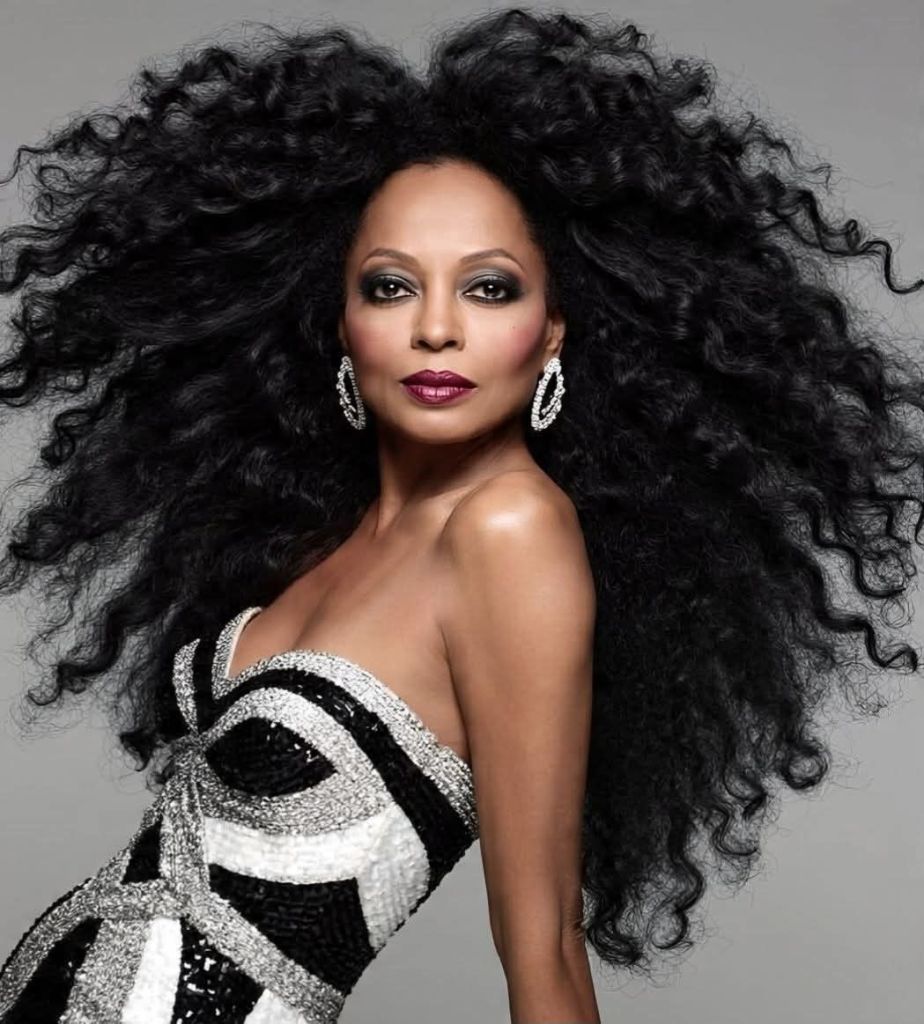
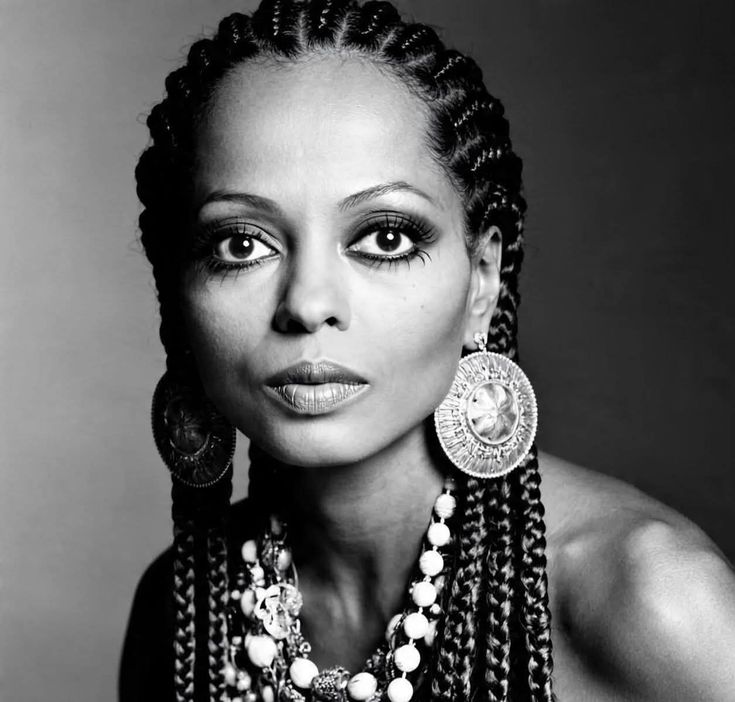
The Doe-Eyed Dollish image of Diana Ross, often referred to as “The Boss,” is a cultural icon whose influence transcends music, film, and fashion. Renowned for her distinctive soprano voice, commanding stage presence, and unmatched elegance, Ross redefined what it meant to be a Black female superstar. From her groundbreaking years as the lead singer of The Supremes to her illustrious solo career, she has captivated audiences worldwide with her charisma, style, and versatility. Beyond her musical achievements, Ross’s big hypnotic eyes, poise, glamour, and enduring influence have made her a symbol of empowerment, sophistication, and timeless artistry.

This photograph is the property of its respective owner. No copyright infringement intended.

🎤 THE QUEEN OF MOTOWN 🎤

Diana Ross, born Diana Ernestine Ross on March 26, 1944, in Detroit, Michigan, is one of the most iconic singers and entertainers in music history. She rose to fame as the lead singer of The Supremes, Motown’s premier female group, before establishing an extraordinary solo career. Ross’s beauty, charisma, and vocal talent earned her the title “The Queen of Motown,” a distinction she continues to hold decades later.

Ross grew up in a working-class neighborhood in Detroit, the youngest of six children. From an early age, she displayed a love for singing and performing. Her mother, Ernestine, encouraged her talents, helping Diana develop poise and confidence that would later define her stage presence. Ross attended Cass Technical High School, where she honed her musical skills alongside academics.

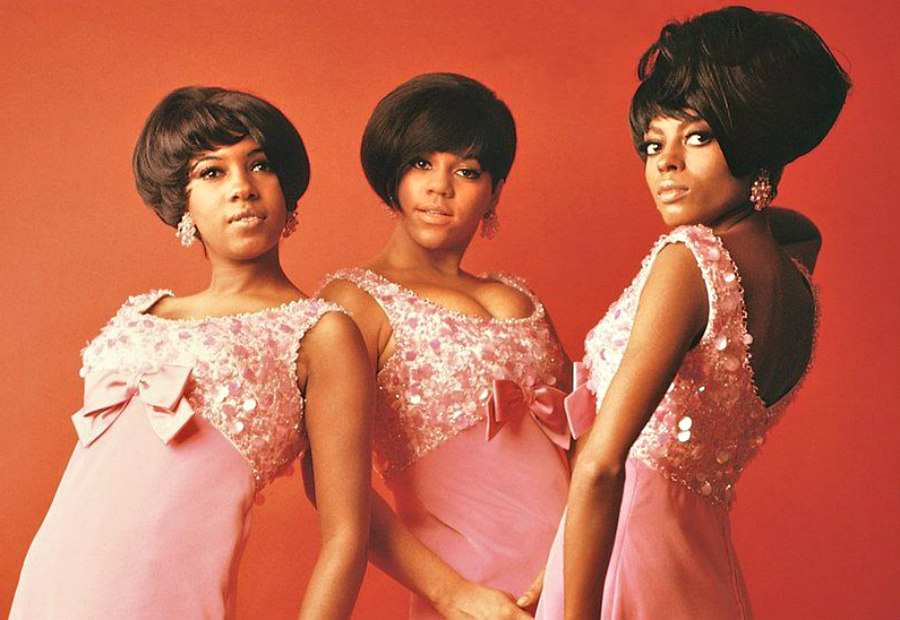
Diana Ross’s career began in the late 1950s when she joined a girl group originally called The Primettes. The group eventually signed with Berry Gordy’s Motown Records in 1961 and changed their name to The Supremes. Ross’s distinct soprano voice, combined with her elegance and stage presence, quickly distinguished her from other groups of the era.

This photograph is the property of its respective owner. No copyright infringement intended.

With Ross as lead singer, The Supremes became Motown’s most successful act in the 1960s. Hits such as “Where Did Our Love Go,” “Baby Love,” and “Stop! In the Name of Love” dominated the Billboard charts. Her style — graceful, glamorous, and commanding — helped define the image of a modern Black female superstar, paving the way for countless artists.

In 1970, Diana Ross left The Supremes to pursue a solo career. Her debut album, “Diana Ross”, produced hits like “Ain’t No Mountain High Enough”, showcasing her ability to deliver powerful and emotionally resonant performances as a solo artist. Her voice and presence evolved, demonstrating versatility across pop, R&B, and soul genres.

Ross’s film career is equally remarkable. She starred in “Lady Sings the Blues” (1972), portraying jazz legend Billie Holiday. Her performance earned an Academy Award nomination for Best Actress, solidifying her status as a multi-talented entertainer. Ross followed with “Mahogany” (1975) and “The Wiz” (1978), demonstrating her range in dramatic and musical roles.

Ross has received numerous awards and accolades throughout her career. She won a Grammy Lifetime Achievement Award in 2012, an Emmy Award, and a Golden Globe for her role in “Lady Sings the Blues.” Billboard and Rolling Stone have recognized her influence, ranking her among the greatest singers of all time.

Her influence extended beyond music and film. Ross became a fashion icon, celebrated for her glamorous gowns, striking hairstyles, and elegant stage presence. She set trends for Black women and female performers worldwide, proving that beauty, poise, and talent could coexist at the highest level of entertainment.

Diana Ross welcomed her first child, Rhonda Ross Kendrick, in 1971 with her then-partner Berry Gordy.

The following year, she welcomed Tracee Ellis Ross with her husband, Robert Ellis Silberstein. Three years later, their third daughter, Chudney Ross, was born.

After marrying Arne Naess Jr. in 1986, Ross welcomed two sons, Ross Arne Naess and Evan Ross. Ross also has a son, Rohan Marley, with reggae legend Bob Marley.

Throughout her life, Ross maintained strong relationships with Motown founder Berry Gordy, who was both mentor and former partner. Gordy’s guidance was instrumental in shaping her career, and their professional relationship produced some of Motown’s most memorable hits. Ross’s interactions with fellow stars, including Billy Dee Williams, highlighted her collaborative spirit in the entertainment industry.

This photograph is the property of its respective owner. No copyright infringement intended.

Diana Ross’s hit songs in the 1970s and 1980s include “Touch Me in the Morning,” “Theme from Mahogany,” “Upside Down,” and “I’m Coming Out.” These songs remain cultural staples, reflecting her ability to evolve musically while maintaining her signature sound. Ross also performed at landmark events, including the 1983 Motown 25 special, which celebrated her contributions to music history.

Ross cited numerous influences on her musical development. She admired Billie Holiday, Ella Fitzgerald, and Sarah Vaughan, drawing inspiration from their emotive vocal styles and stagecraft. This foundation allowed Ross to blend jazz, soul, and pop seamlessly in her own performances.

Her relationship with Berry Gordy was pivotal in her early career, providing both creative direction and exposure. Despite the personal complexities, their collaboration produced timeless hits that shaped Motown and set the standard for future musical acts. Ross’s professionalism and artistry ensured that these collaborations remained productive and legendary.

Ross’s impact extended internationally. She performed for presidents, royalty, and global audiences, including her historic performance at the 1983 US Presidential Inauguration. Her music and presence transcended cultural barriers, inspiring fans worldwide and affirming her role as a global icon.

This photograph is the property of its respective owner. No copyright infringement intended.

Throughout her career, Ross faced challenges, including scrutiny over her personal life, financial negotiations, and the pressures of fame. Nevertheless, she consistently demonstrated resilience, adapting to changing musical landscapes and remaining relevant across decades.

Ross’s filmography includes notable projects beyond “Lady Sings the Blues” and “Mahogany.” She starred in “The Wiz,” “Out of Darkness,” and several made-for-TV specials. These roles showcased her versatility, merging her musical talents with acting and stagecraft.

Her style and performances influenced countless artists, including Beyoncé, Jennifer Hudson, and Alicia Keys. Ross’s legacy is evident in the way contemporary performers blend music, fashion, and social influence, reflecting her holistic approach to artistry.

Diana Ross’s personal life also reflects her commitment to family and philanthropy. She has supported causes including education, children’s welfare, and health awareness, particularly advocating for Black communities. Her activism complements her artistic legacy, demonstrating a life of purpose beyond entertainment.

Ross has been recognized with lifetime achievement honors, including inductions into the Rock and Roll Hall of Fame, Grammy Hall of Fame, and numerous music industry awards. These accolades affirm her enduring contributions to music, film, and culture.

In conclusion, Diana Ross remains a defining figure in 20th and 21st-century entertainment. Her journey from The Supremes to global superstardom illustrates exceptional talent, strategic vision, and personal resilience. She is not only a musical icon but a cultural symbol of beauty, elegance, and empowerment. Ross’s life and career continue to inspire generations of artists and fans around the world.


References

  • Taraborrelli, J. R. (2007). Diana Ross: A Biography. Crown Publishing Group.
  • Ritz, D. (2003). Divided Soul: The Life of Marvin Gaye. Da Capo Press.
  • Larkin, C. (2011). The Encyclopedia of Popular Music. Omnibus Press.
  • The Holy Bible, King James Version.
  • Billboard. (2020). Diana Ross Chart History. Retrieved from https://www.billboard.com/music/diana-ross
  • Rolling Stone. (2015). Diana Ross: 100 Greatest Singers of All Time.