Tag Archives: morris chestnut

The Black Archetypes of Male Beauty: The Most Handsome Black Male Celebrities.

Black male beauty has long existed at the intersection of visibility and erasure—celebrated within Black communities yet historically marginalized by mainstream media that privileged Eurocentric standards of masculinity. Today, the rise of Black leading men in film, television, fashion, and culture represents not merely aesthetic recognition but a cultural re-centering of what male beauty truly looks like. Black male attractiveness is not singular or monolithic; it spans a spectrum of shades, facial structures, energies, and archetypes—from regal authority to gentle vulnerability, from warrior strength to romantic softness. These men embody more than physical appeal; they reflect history, resilience, and ancestral aesthetics that reclaim African features as symbols of global desirability. In honoring the most handsome Black male celebrities, we are also honoring a larger truth: Black male beauty is diverse, powerful, and divinely designed, standing as both a visual standard and a cultural restoration.
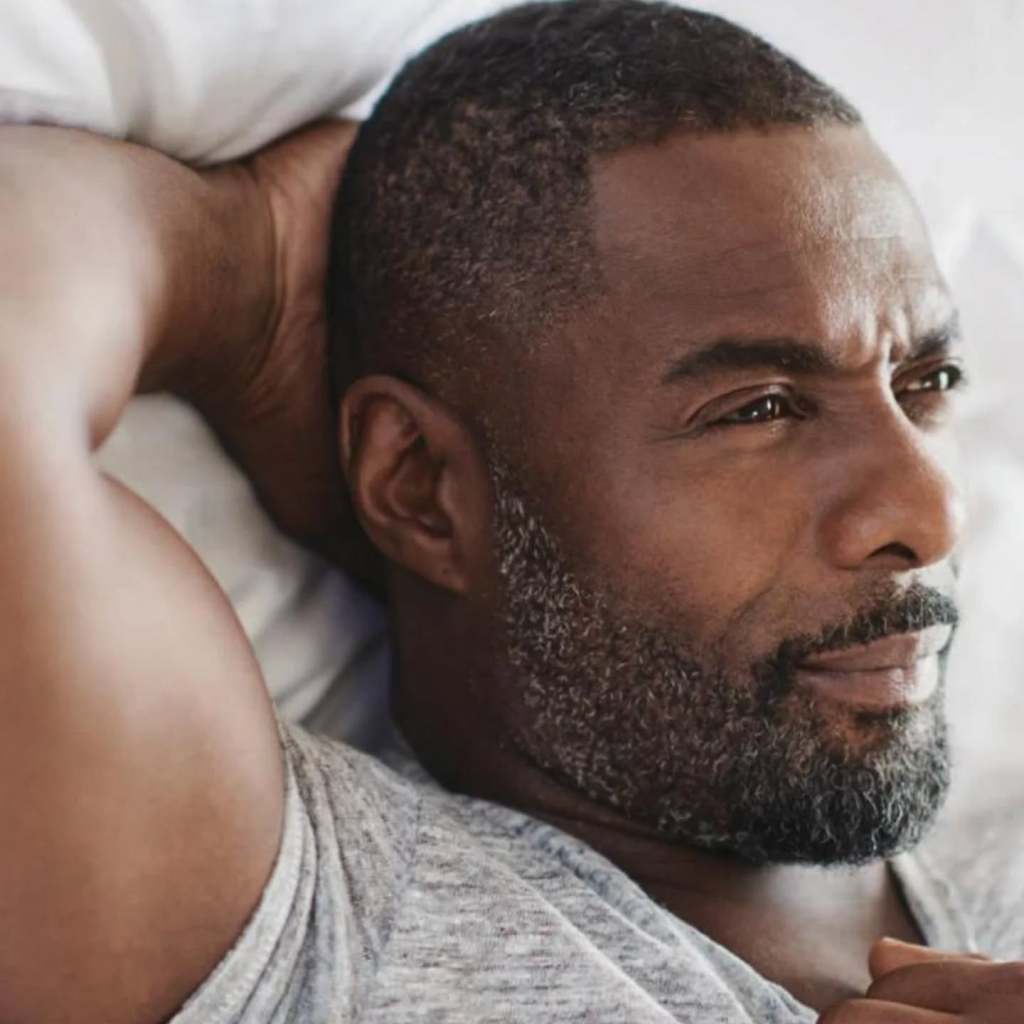
This photograph is the property of its respective owner. No copyright infringement intended.

Idris Elba
Idris Elba embodies the classic “tall, dark, and handsome” archetype through his imposing height, deep complexion, resonant voice, and commanding presence, which together signal what evolutionary psychology associates with protective and authoritative masculinity—strength, genetic fitness, and emotional depth (Rhodes, 2006; Puts et al., 2012). He is the epitome of handsomeness, the complete package, with his broad facial structure, piercing soulful eyes, strong jawline, and calm demeanor. This projection of kingly gravitas feels both powerful and grounding, making his beauty not only physical but also symbolic of dignified Black male authority in a global cultural landscape.
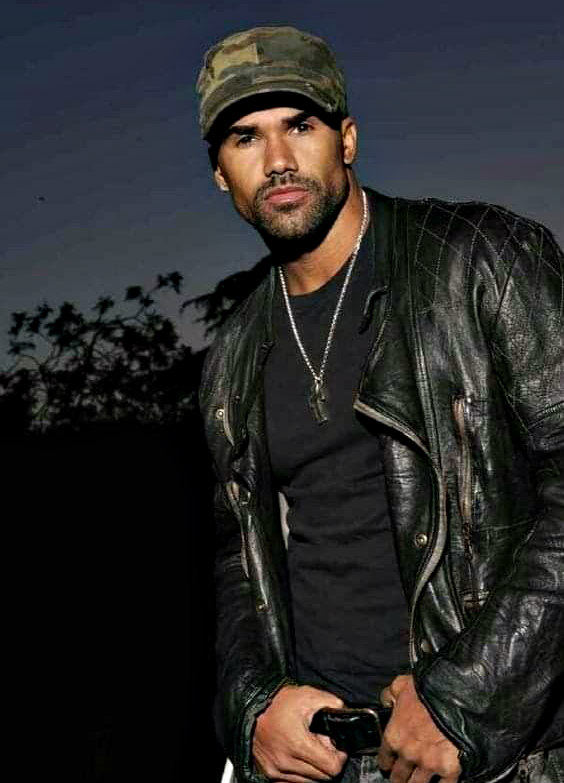
This photograph is the property of its respective owner. No copyright infringement intended.

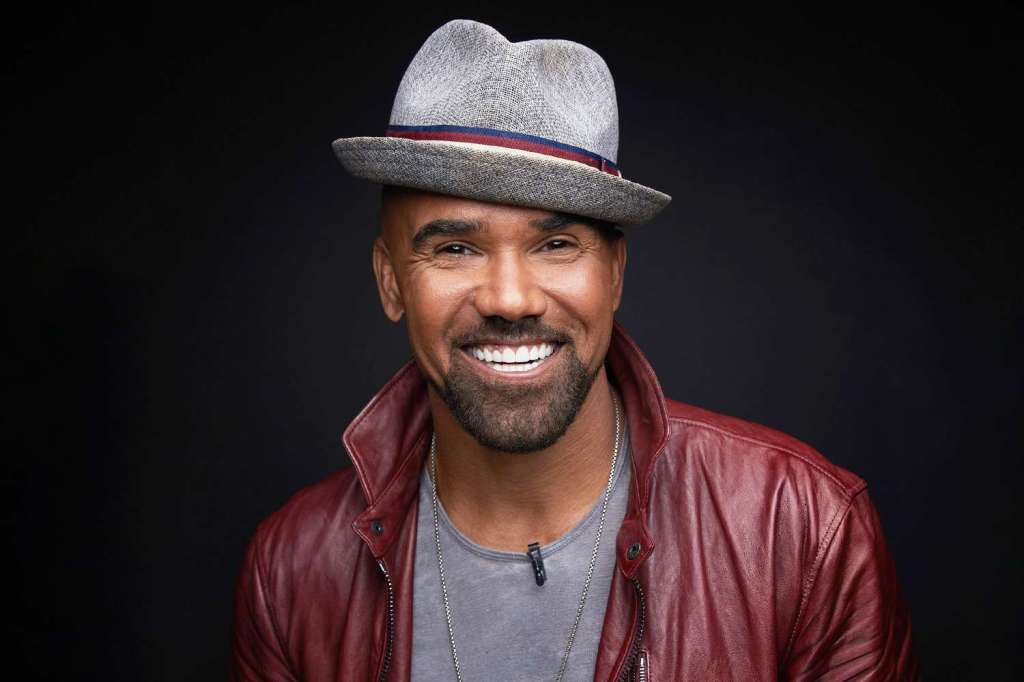
Shemar Moore
Shemar Moore represents a “golden” or “light cafe au lait” masculinity rooted in warmth, symmetry, and relational charm, with his light honeyed skin tone, expressive marbles like eyes, and radiant smile activating perceptions of approachability, joy, and emotional safety (Maddox & Gray, 2002; Gangestad & Simpson, 2000). He is the complete package in terms of beauty. His muscular build, combined with playful charisma, reflects a form of soft dominance—strength without threat—making his beauty feel intimate, affectionate, astonishing, and emotionally inviting rather than distant or intimidating.
This photograph is the property of its respective owner. No copyright infringement intended.

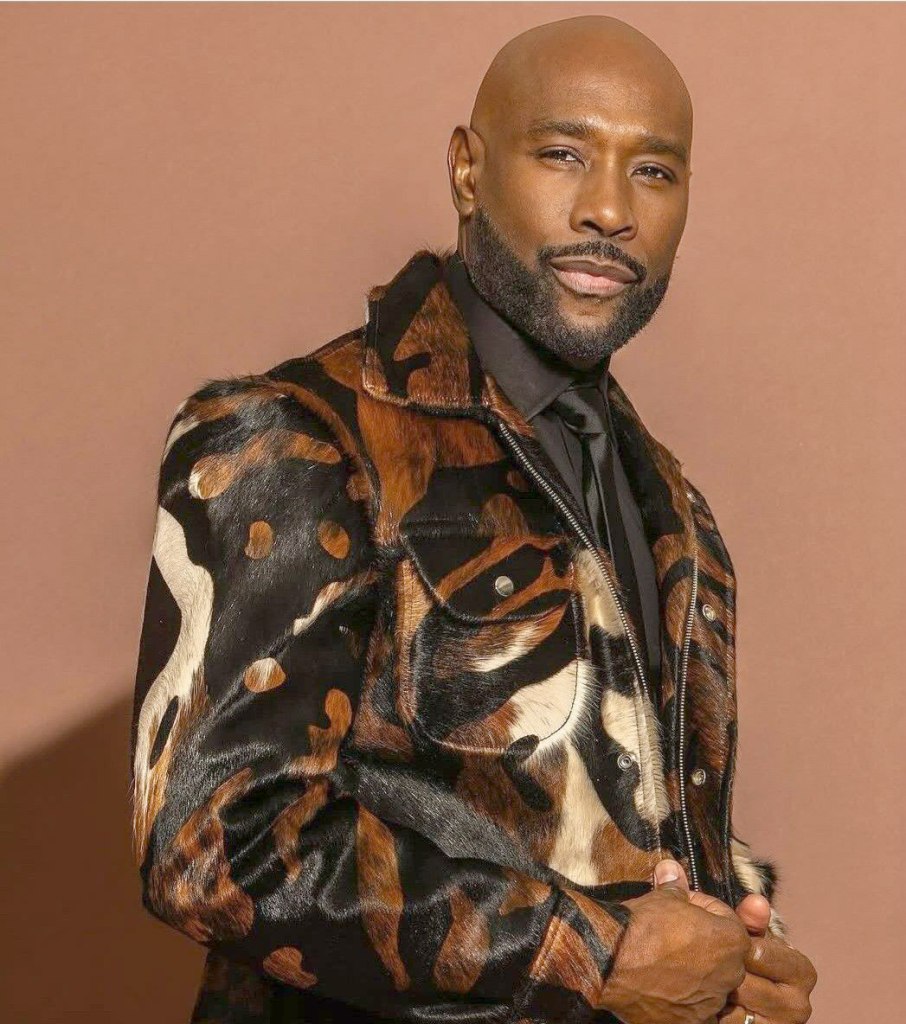
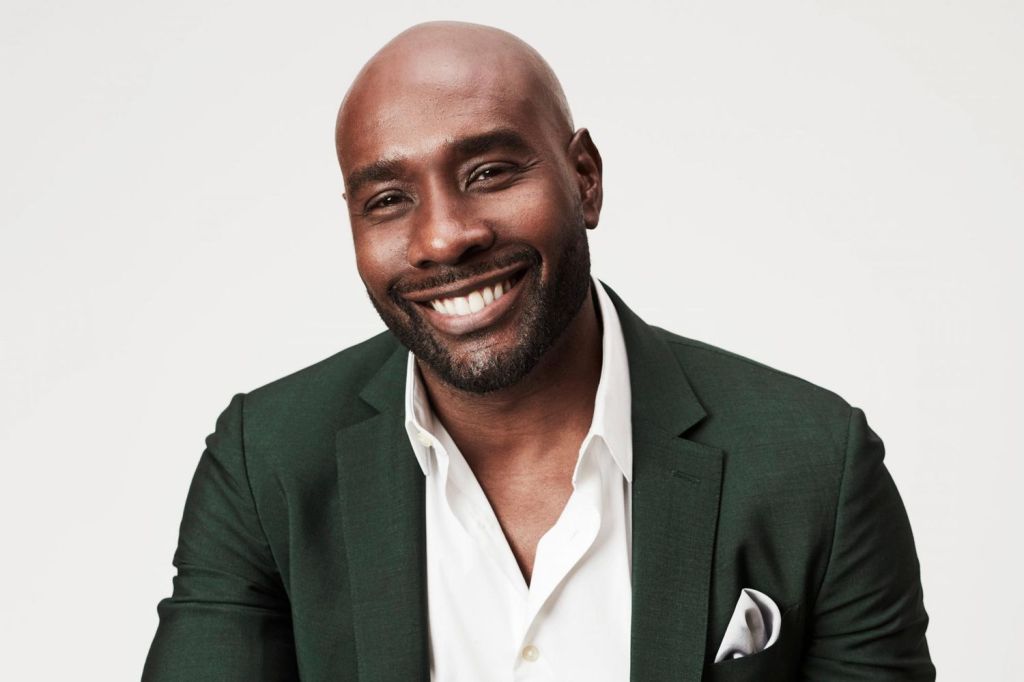
Morris Chestnut
Morris Chestnut has been the heartthrob for decades, representing black masculinity and black male beauty. He embodies a form of “classic gentleman masculinity” rooted in symmetry, emotional steadiness, and timeless appeal. The epitome of fineness. His medium-brown complexion, described as chocolate heaven, refined facial proportions, calm eyes that convey a great deal, and consistently polished presentation signal what evolutionary psychology describes as stable attractiveness—beauty associated with trust, long-term partnership, and reliability, rather than fleeting sexual novelty (Rhodes, 2006; Gangestad & Simpson, 2000). Chestnut’s appeal is not loud or hyper-sexualized; it is dignified, mature, and romantic, making him the archetype of the dependable Black leading man whose beauty feels safe, rooted, and enduring across generations.
This photograph is the property of its respective owner. No copyright infringement intended.

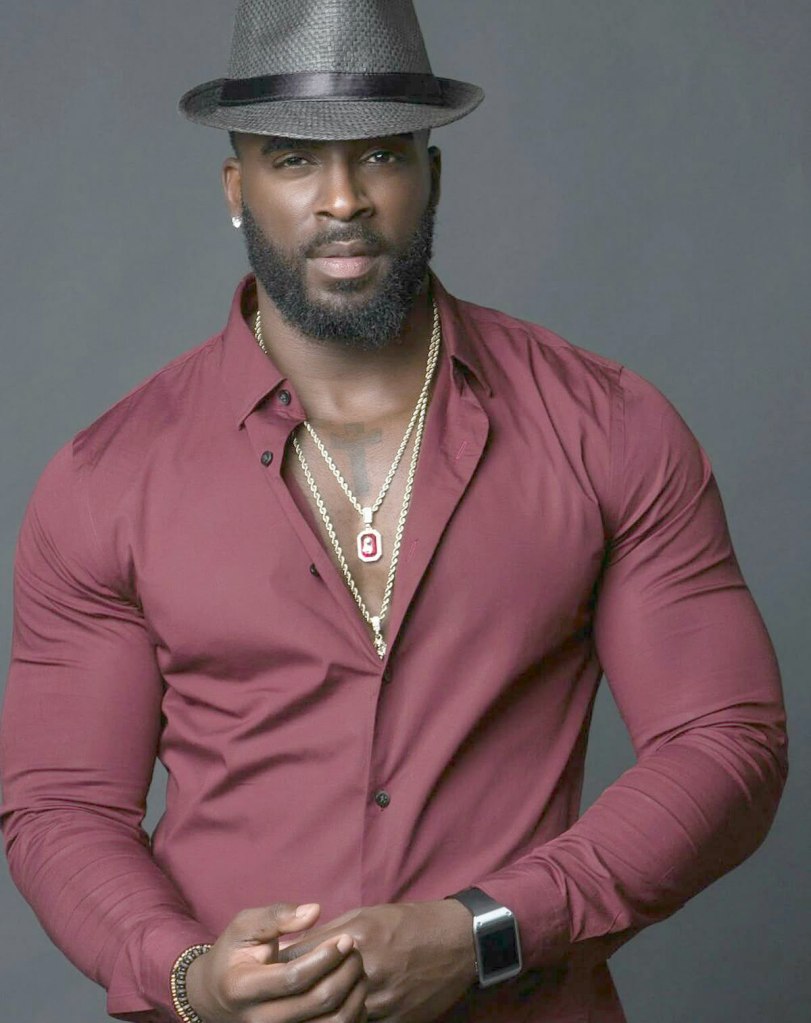
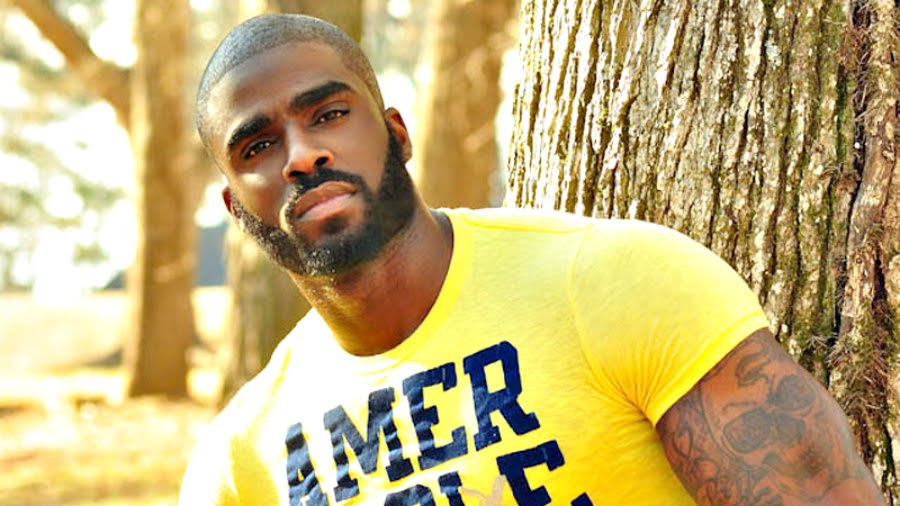
Travis Cure
Travis Cure represents a modern “aesthetic masculinity” shaped by fitness culture, facial harmony, and digital-era visual standards. His lean, muscular build, sharp jawline, clear skin, come-hither good looks, and balanced facial symmetry align closely with contemporary metrics of physical attractiveness, where visual clarity, body sculpting, and high grooming standards dominate desirability frameworks (Frederick & Haselton, 2007). Cure’s beauty reflects a post-Instagram masculinity—where the male body is curated, disciplined, and displayed as both art and aspiration, signaling self-mastery, health, and high social capital.
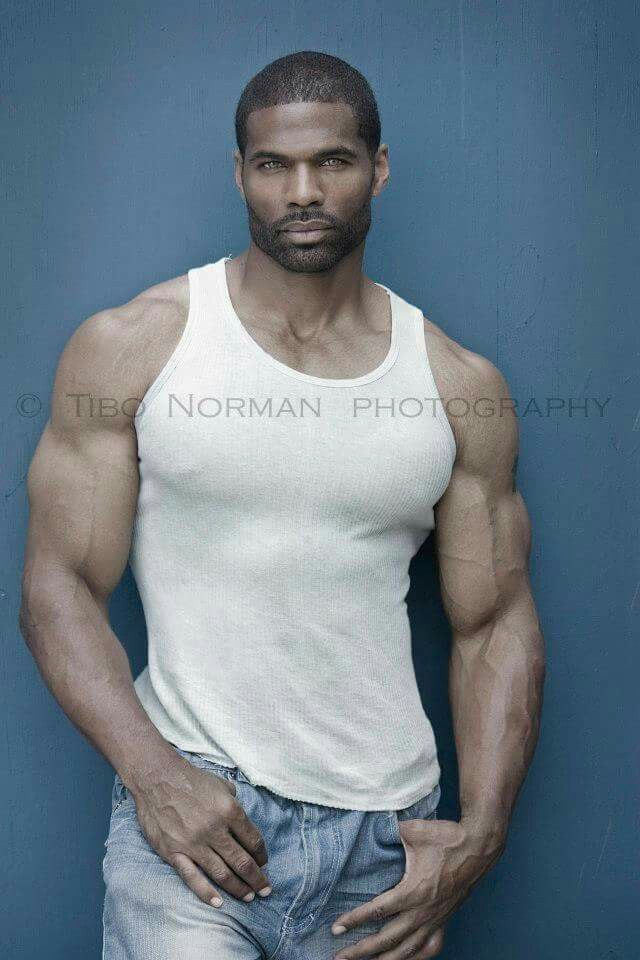
Photo Credit: Tibo Norman Photography

Louis Allen III
Louis Allen III embodies “intellectual masculinity”—a beauty rooted not only in physical features but in cognitive presence, articulation, and cultural depth. His refined facial structure, physique, piercing green-hazel eyes, like a piece of art found in a museum, and composed demeanor project what social psychology identifies as competence-based attractiveness, where intelligence, emotional regulation, and verbal confidence significantly enhance perceived desirability (Fiske et al., 2007). Allen’s appeal operates in the realm of gravitas and mental authority; his beauty feels thoughtful, elevated, and spiritually grounded, representing a form of Black male attractiveness where the mind becomes the primary aesthetic asset.
This photograph is the property of its respective owner. No copyright infringement intended.

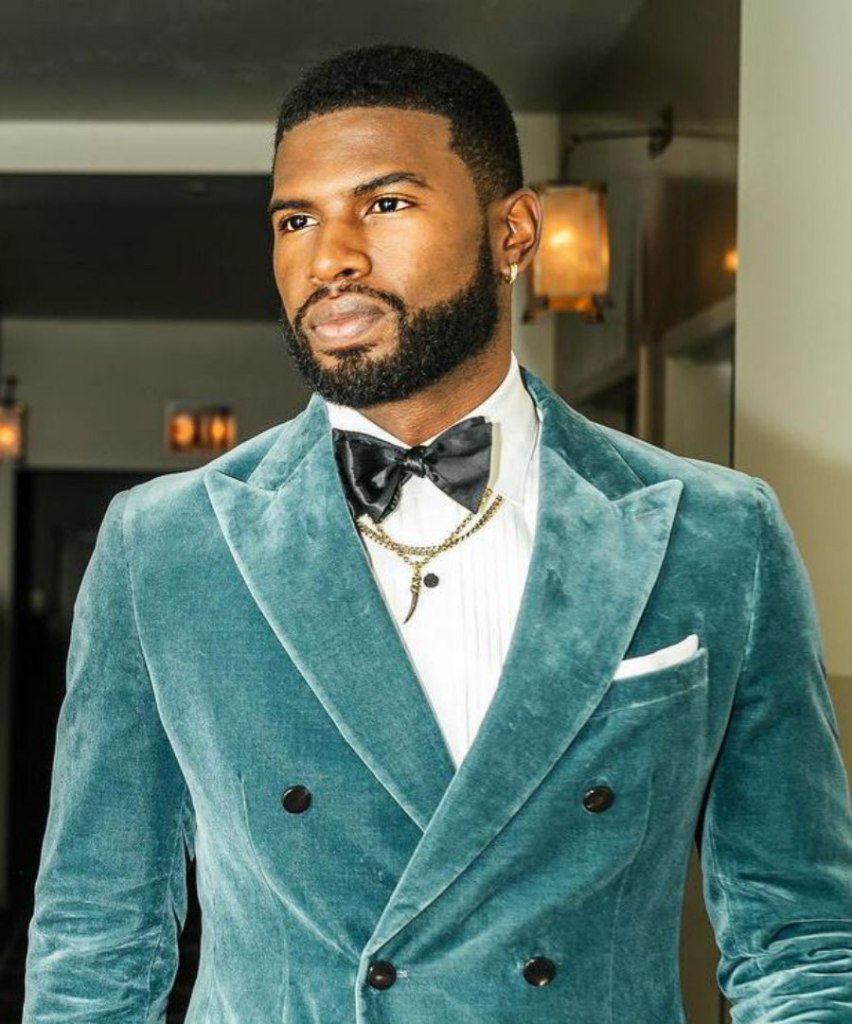
Broderick Hunter
Broderick Hunter represents “sculptural masculinity”—a form of beauty that feels almost architectural in its precision and physical harmony. His tall, model-good-looks, bewitching mirrored eyes, athletic frame, sharply defined cheekbones, full lips, and symmetrical facial structure align closely with classical standards of male attractiveness rooted in proportion, balance, and visual impact (Rhodes, 2006). Hunter’s appeal is highly aesthetic and cinematic; he embodies the archetype of the living statue, where Black male beauty is experienced as fine art—polished, striking, and immediately captivating, reflecting a modern luxury ideal of masculine form.
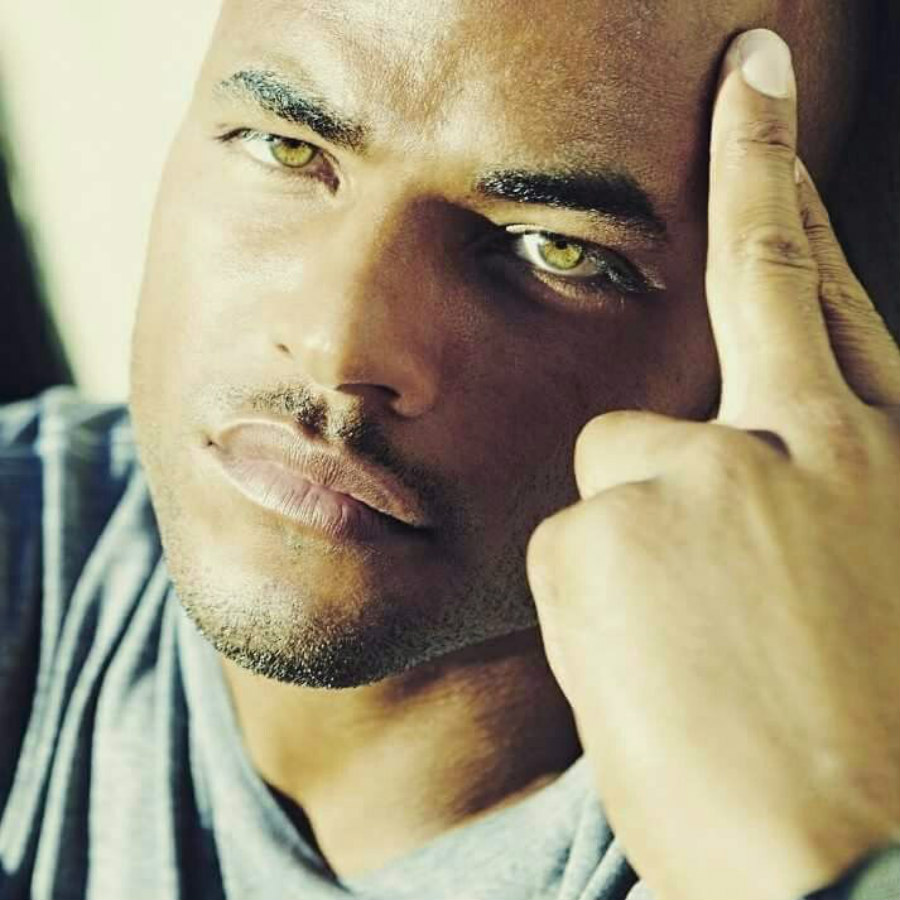
This photograph is the property of its respective owner. No copyright infringement intended.

Redriac Williams
Redriac Williams represents a form of “regal masculinity” rooted in stature, symmetry, and aristocratic bearing. His athletic frame, mesmerizing green-hazel eyes, sculpted features, and composed posture align with what social psychologists describe as status-based attractiveness—beauty associated with leadership, high rank, and social authority (Fiske et al., 2007). Williams’ appeal feels noble and elevated, evoking the image of a modern Black prince whose beauty communicates command, discipline, and quiet confidence.
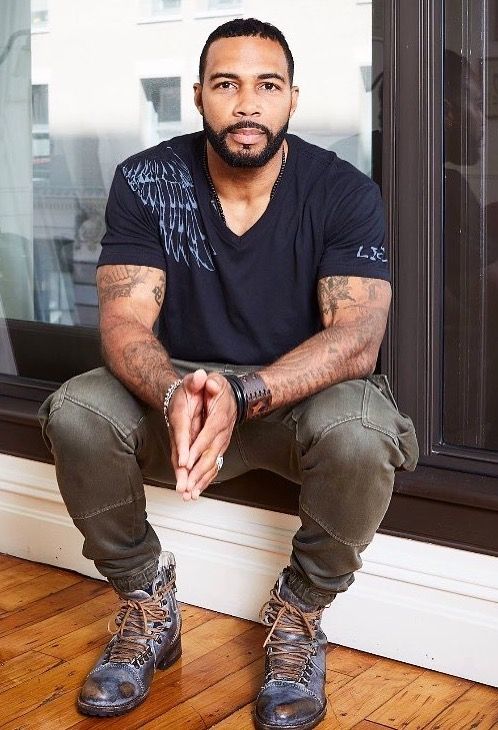
This photograph is the property of its respective owner. No copyright infringement intended.

Omari Hardwick
Omari Hardwick represents “warrior-poet masculinity”—a fusion of physical intensity and emotional complexity. His muscular build, pretty eyes with an intense gaze, and textured facial features project what psychology defines as dominance-based attractiveness, while his artistic sensibility and introspective demeanor soften that dominance into depth (Frederick & Haselton, 2007). Hardwick’s beauty feels charged and cinematic; he embodies the archetype of the brooding protector whose appeal lies in both power and inner struggle.
This photograph is the property of its respective owner. No copyright infringement intended.

Kenneth Okolie
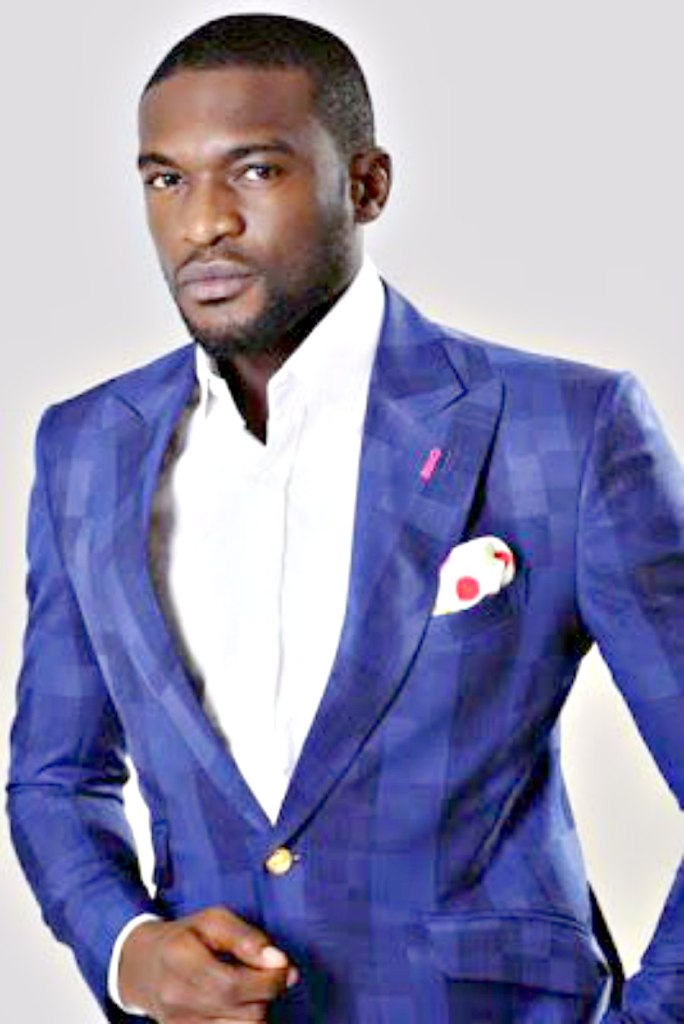
Kenneth Okolie embodies “continental masculinity”—a deeply Afrocentric beauty marked by strong bone structure, dark luminous skin, and ancestral presence. His broad facial planes, deep-set eyes, and princely demeanor associate with royalty. Dignified stillness aligns with evolutionary cues of genetic robustness and masculine stability (Rhodes, 2006). Okolie’s attractiveness feels primal and rooted, reflecting a lineage-based aesthetic where Black male beauty is directly tied to heritage, earthiness, and spiritual depth rather than Western grooming standards.
This photograph is the property of its respective owner. No copyright infringement intended.

Michael Ealy
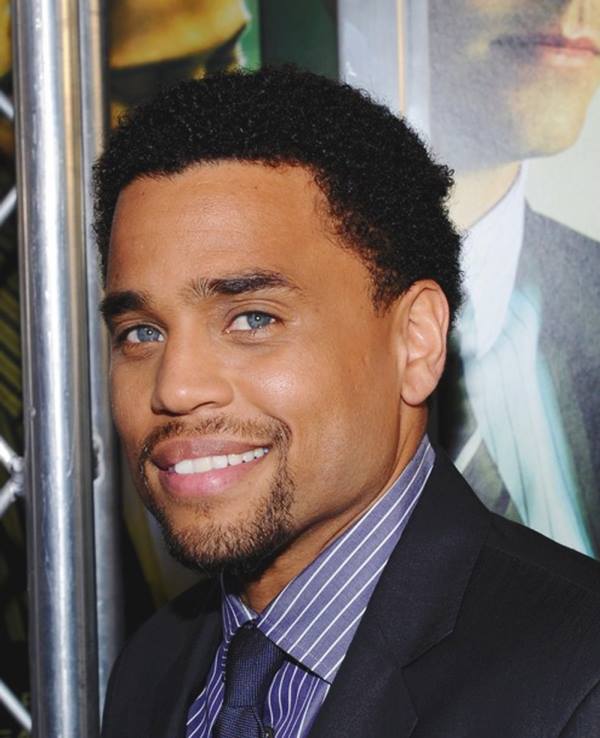
Michael Ealy embodies “ethereal masculinity”—a rare form of beauty defined by softness, luminosity, and emotional transparency. His light complexion, piercing blue eyes, gentle facial contours, and expressive gaze activate what psychologists describe as neotenous attractiveness, where youthful features and vulnerability increase perceptions of trust, emotional safety, and romantic desirability (Fiske et al., 2007; Rhodes, 2006). Ealy’s beauty feels tender, positioning him as the archetype of the sensitive romantic—where Black male attractiveness is associated not with dominance, but with intimacy, empathy, and emotional depth.

*Honorary Mention*
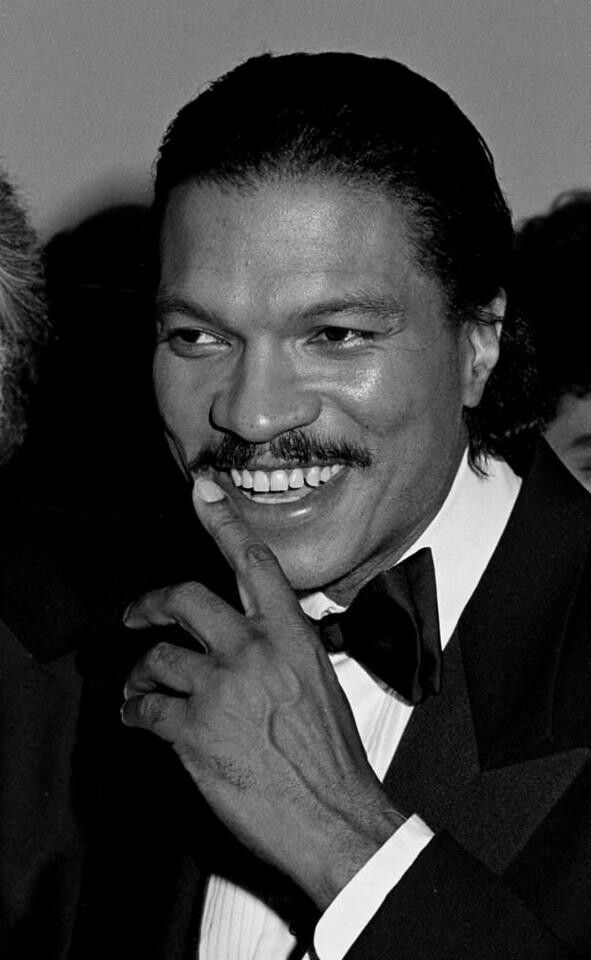
This photograph is the property of its respective owner. No copyright infringement intended.

Billy Dee Williams
Billy Dee Williams embodies “legendary gentleman masculinity”—a timeless elegance defined by smooth features, a come-hither smile, relaxed confidence, and effortless charm. His appeal aligns with what sociologists describe as charisma-based attractiveness, where confidence, voice, and social ease outweigh raw physicality (Fiske et al., 2007). Williams’ beauty is not about youth but about aging gracefully—he represents the archetype of the black male celebrity beauty – cool, demure, unique, sophisticated, and romantic icon whose sophistication and grace transcend generations.

References

Gangestad, S. W., & Simpson, J. A. (2000). The evolution of human mating: Trade-offs and strategic pluralism. Behavioral and Brain Sciences, 23(4), 573–587.
Maddox, K. B., & Gray, S. A. (2002). Cognitive representations of Black Americans: Reexploring the role of skin tone. Personality and Social Psychology Bulletin, 28(2), 250–259.
Puts, D. A., et al. (2012). Sexual selection on male vocal fundamental frequency in humans. Proceedings of the Royal Society B, 279(1743), 1–7.
Rhodes, G. (2006). The evolutionary psychology of facial beauty. Annual Review of Psychology, 57, 199–226.
Frederick, D. A., & Haselton, M. G. (2007). Why is muscularity sexy? Tests of the fitness indicator hypothesis. Personality and Social Psychology Bulletin, 33(8), 1167–1183.
Fiske, S. T., Cuddy, A. J. C., & Glick, P. (2007). Universal dimensions of social cognition: Warmth and competence. Trends in Cognitive Sciences, 11(2), 77–83.
Gangestad, S. W., & Simpson, J. A. (2000). The evolution of human mating: Trade-offs and strategic pluralism. Behavioral and Brain Sciences, 23(4), 573–587.
Rhodes, G. (2006). The evolutionary psychology of facial beauty. Annual Review of Psychology, 57, 199–226.
Masculine Perfection Series: Shemar Moore, Morris Chestnut, and Travis Cure

In the shimmering constellation of Hollywood’s most handsome and talented men, few stars shine as brightly as Shemar Moore, Morris Chestnut, and Travis Cure. These men represent a rare fusion of strength, style, and sophistication — the embodiment of masculine perfection. With chiseled physiques, radiant skin tones that range from golden bronze to deep mahogany, and charisma that commands the screen, each of them has carved a distinct path in the entertainment industry. Beyond their striking looks, they possess the discipline, intelligence, and heart that make them more than just leading men — they are icons of modern Black excellence and representations of divine craftsmanship in human form.


Shemar Moore: The Golden Standard of Handsome

This photograph is the property of its respective owner. No copyright infringement intended.

Shemar Franklin Moore, born April 20, 1970, in Oakland, California, is the epitome of Hollywood charm and physical perfection. With his golden-brown complexion, sculpted physique, and infectious smile, Moore has long been celebrated as one of the most handsome men in the entertainment world. A model-turned-actor, he began his career in the early 1990s, quickly rising to fame for his role as Malcolm Winters on The Young and the Restless (1994–2005). His portrayal earned him a Daytime Emmy Award and solidified his reputation as a heartthrob.

Moore’s magnetism extended beyond daytime television when he joined the cast of the hit crime drama Criminal Minds (2005–2016) as Derek Morgan, a role that highlighted his toughness, empathy, and leadership. He currently stars as Sergeant Daniel “Hondo” Harrelson in the CBS action drama S.W.A.T., where his commanding presence and flawless physique continue to capture audiences.

Off-screen, Moore’s life mirrors his confidence and charisma. He is also the founder of Baby Girl LLC, a clothing line that raises awareness for multiple sclerosis in honor of his late mother. Despite being one of Hollywood’s most desired bachelors for years, Moore welcomed his first child with model Jesiree Dizon in 2023, marking a new chapter in his life. His career is a testament to endurance, talent, and timeless allure — Shemar Moore remains a perfect 10 in every sense.


Morris Chestnut: The Definition of Majestic “Hot Chocolate”

This photograph is the property of its respective owner. No copyright infringement intended.

Morris Lamont Chestnut, born January 1, 1969, in Cerritos, California, has long reigned as the cinematic archetype of the ideal man. With his deep, chocolate-brown skin and mesmerizing eyes, Chestnut embodies what many describe as “Black handsomeness in motion.” His film debut in John Singleton’s Boyz n the Hood (1991) as Ricky Baker launched him into stardom, and since then, he has maintained a reputation as one of the most attractive and respected actors in Hollywood.

Throughout his illustrious career, Chestnut has starred in classics such as The Best Man (1999), The Brothers (2001), Think Like a Man (2012), and The Perfect Guy (2015). His performances are distinguished not only by his physical presence but also by his emotional depth and versatility. In 2015, he received a NAACP Image Award for Outstanding Actor for his role in The Best Man Holiday (2013).

Known for his grace, humility, and commitment to family, Morris Chestnut has been married to Pam Byse since 1995, proving that real love still thrives in Hollywood. His success in film and television, coupled with his flawless physique and gentlemanly demeanor, makes him every woman’s dream man and a living symbol of enduring Black masculinity. For decades, he has been the poster child of male perfection — handsome, intelligent, and irresistibly charming.


Travis Cure: The Rising Star of Modern Masculinity

This photograph is the property of its respective owners. No copyright infringement intended

Travis Cure is one of Hollywood’s most captivating new faces — a blend of classic good looks and raw, emerging talent. With a physique that seems sculpted by divine hands and features that exude confidence and power, Cure is the personification of modern Black male beauty. Born and raised in Miami, Florida, Cure’s journey to stardom began through modeling and fitness. His perfectly symmetrical face, commanding frame, and piercing gaze quickly caught the attention of industry professionals, propelling him into acting.

He gained recognition for his roles in Tyler Perry’s The Oval, where he showcased not only his physical appeal but also his natural acting ability. Cure has also appeared in the film Deadly Sexy (2018), and his career continues to ascend as he takes on more dynamic and challenging roles.

Known for his discipline, fitness lifestyle, and strong work ethic, Travis Cure has become a symbol of determination and masculine beauty. His flawless complexion, toned body, and calm confidence make him one of the most striking men in entertainment today. Though he is still rising, Cure has already earned a devoted fanbase and the admiration of audiences worldwide. He represents the new generation of Black Hollywood — powerful, polished, and purpose-driven.


Conclusion

Shemar Moore, Morris Chestnut, and Travis Cure stand as embodiments of the artistry of masculine beauty — golden, rich, and radiant in their own ways. Their presence on and off the screen redefines what it means to be both strong and graceful, handsome and humble. Each has carved his legacy through talent, discipline, and divine design, representing the finest aspects of Black excellence. In the ever-evolving landscape of Hollywood, they remain timeless — men whose beauty and brilliance will forever be celebrated.


References

Eternal Bronze: The Science, Spirit, and Psychology of Brown Skin.

This photograph is the property of its respective owner. No copyright infringement intended.

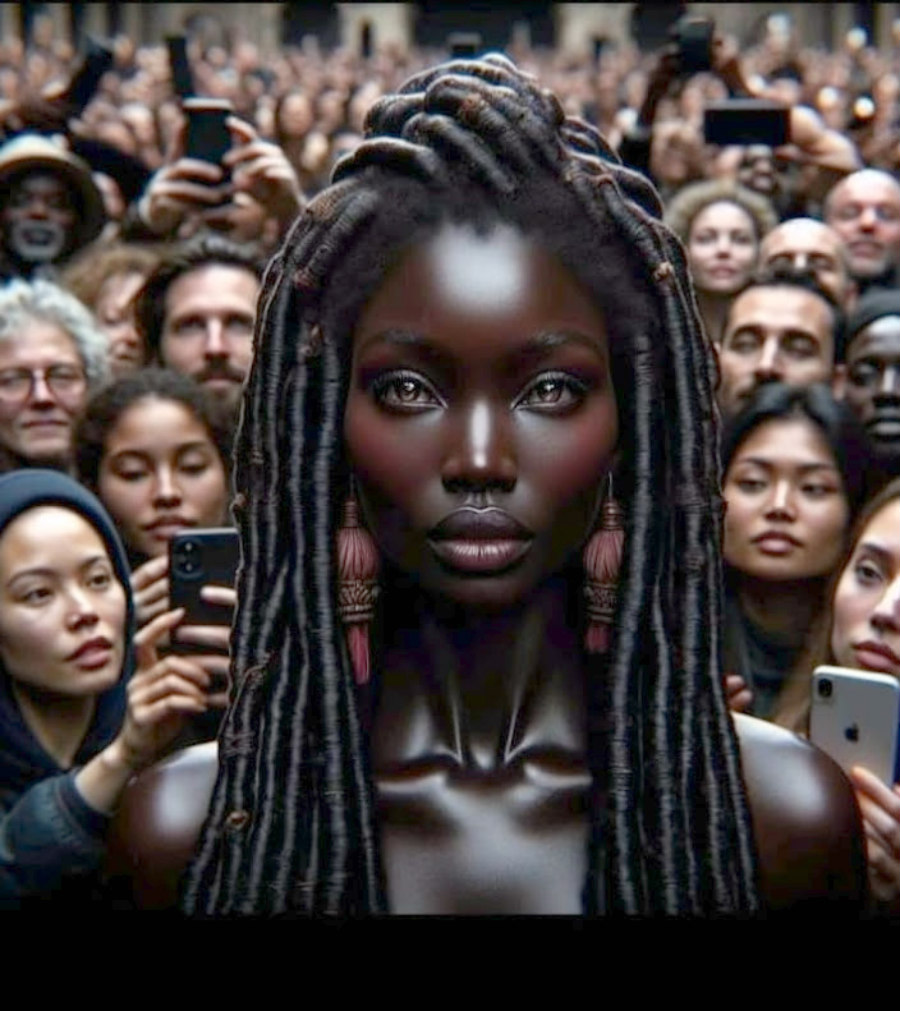
The beauty and resilience of brown skin have been celebrated across centuries and cultures, even as it has also been marginalized and stigmatized under the weight of colonialism and white supremacy. The defining characteristic of this richness is melanin, the natural pigment that gives skin its brown and black hues. Melanin not only provides aesthetic brilliance but also serves as a biological shield, protecting the skin from harmful ultraviolet rays and slowing visible signs of aging. This scientific advantage underlies the well-known saying, “Black don’t crack,” a phrase affirming the ageless quality of melanated skin (Sherrow, 2006).

From a global perspective, various cultures have remarked on the luster and endurance of melanin-rich skin. In African traditions, dark brown skin has long been associated with vitality and spiritual energy. The Sudanese model Adut Akech, for example, has often been described as embodying “the future of beauty” (Vogue, 2019). Similarly, Naomi Campbell, one of the world’s most recognizable supermodels, has consistently shattered Eurocentric barriers while proudly showcasing her deep brown tone on international runways. Male icons such as Morris Chestnut have also carried the global representation of melanated male beauty, admired for the way his brown skin reflects strength and elegance.

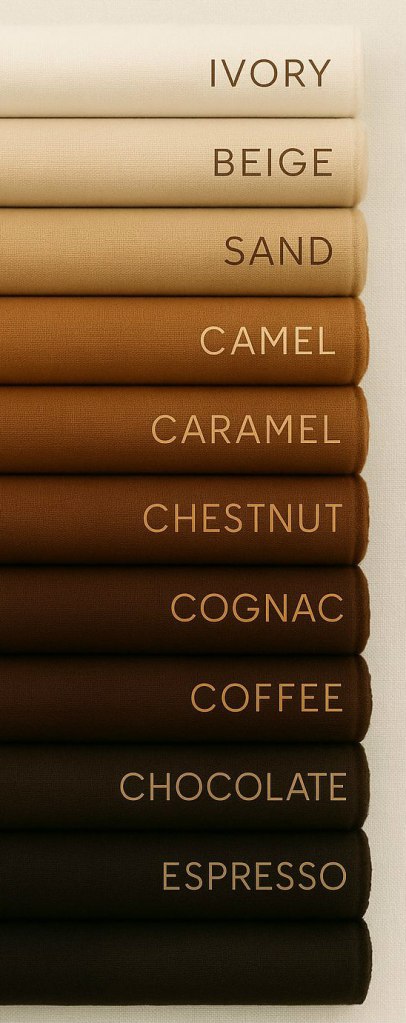
Brown skin exists in a wide spectrum of shades—from caramel and honey to chestnut, mahogany, and ebony. Each variation tells a story of genetic heritage, adaptation to climates, and ancestral roots. The psychologists Kenneth and Mamie Clark, whose research included the “doll experiments,” highlighted how societal bias against darker tones led to internalized racism in Black children (Clark & Clark, 1947). Yet, in reversing this stigma, scholars and activists today highlight the aesthetic diversity of brown skin as an emblem of resilience and cultural pride.

The psychology of brown skin is complex. On one hand, melanin-rich individuals often face negative stereotyping, colorism, and systemic discrimination, leading to stress, anxiety, and internalized self-doubt (Russell et al., 1992). On the other hand, movements like “Black is Beautiful” have reclaimed brown skin as a symbol of empowerment and unity. This duality reflects the ongoing struggle between external societal oppression and internal affirmation of self-worth. When society praises Eurocentric beauty, brown skin becomes “the most hated,” not because of its lack, but because of its strength, history, and refusal to conform.

The Bible also affirms the beauty of dark, melanated skin. In the Song of Solomon 1:5 (KJV), the Shulamite woman declares: “I am black, but comely, O ye daughters of Jerusalem.” This scripture has often been used to affirm the dignity and divine beauty of those with darker complexions. Similarly, Jeremiah 13:23 states, “Can the Ethiopian change his skin, or the leopard his spots?” suggesting the unchangeable nature of one’s God-given melanin as both identity and blessing. In this sense, the biblical witness counters the cultural devaluation of darker skin tones by emphasizing their inherent worth.

Science further affirms the benefits of melanin beyond aesthetics. Research shows melanin absorbs and scatters ultraviolet radiation, protecting DNA from damage and reducing the risk of skin cancer (Palmer et al., 2015). This gives brown-skinned individuals a biological advantage in hotter climates, ensuring survival and adaptability across generations. The phrase “Black don’t crack” finds not only cultural but also scientific legitimacy in melanin’s role in maintaining youthful, resilient skin.

Around the world, observers have noted the unique radiance of brown skin. From poets in the Harlem Renaissance to African philosophers like Leopold Senghor, melanated skin has been described as “a mask of light,” reflecting dignity and endurance. Contemporary celebrities and models extend this legacy by asserting their natural hues as high fashion and cultural pride. Brown skin is not a burden but a crown, as seen in figures like Akech, Campbell, and Chestnut, who challenge the world to redefine beauty beyond Eurocentrism.

Ultimately, brown skin embodies both biological blessing and cultural battle. Its glow tells the story of survival, endurance, and divine design, yet its existence has been politicized and stigmatized. The solution lies in dismantling colorism, celebrating melanin’s biological and spiritual significance, and teaching young Black children the truth: their skin is not only beautiful but also powerful. As Amos Wilson (1998) reminded us, “Our self-perceptions must be liberated from alien definitions if we are to be truly free.” Brown skin is not merely pigment—it is history, resilience, and brilliance wrapped in flesh.


References

  • Clark, K. B., & Clark, M. P. (1947). Racial identification and preference in Negro children. Journal of Negro Education, 19(3), 341–350.
  • Palmer, R. A., et al. (2015). Melanin’s role in skin photoprotection. Journal of Photochemistry and Photobiology, 152, 28–39.
  • Russell, K. K., Wilson, M., & Hall, R. (1992). The Color Complex: The Politics of Skin Color among African Americans. Anchor.
  • Sherrow, V. (2006). Encyclopedia of Hair: A Cultural History. Greenwood.
  • The Holy Bible, King James Version. Song of Solomon 1:5; Jeremiah 13:23.
  • Vogue. (2019). “Adut Akech is the future of fashion.” Vogue Magazine.
  • Wilson, A. N. (1998). Blueprint for Black Power. Afrikan World InfoSystems.