

The question of where Black dollars go has long troubled scholars, activists, and community leaders. Despite the vast buying power of African Americans, much of this wealth leaves Black communities almost as soon as it arrives. This leakage of economic resources reflects a cycle of dependency and disinvestment, where Black neighborhoods fail to benefit from the very money generated by their own residents. The fight for economic independence is, therefore, not merely financial but deeply tied to cultural survival, social justice, and community sustainability.
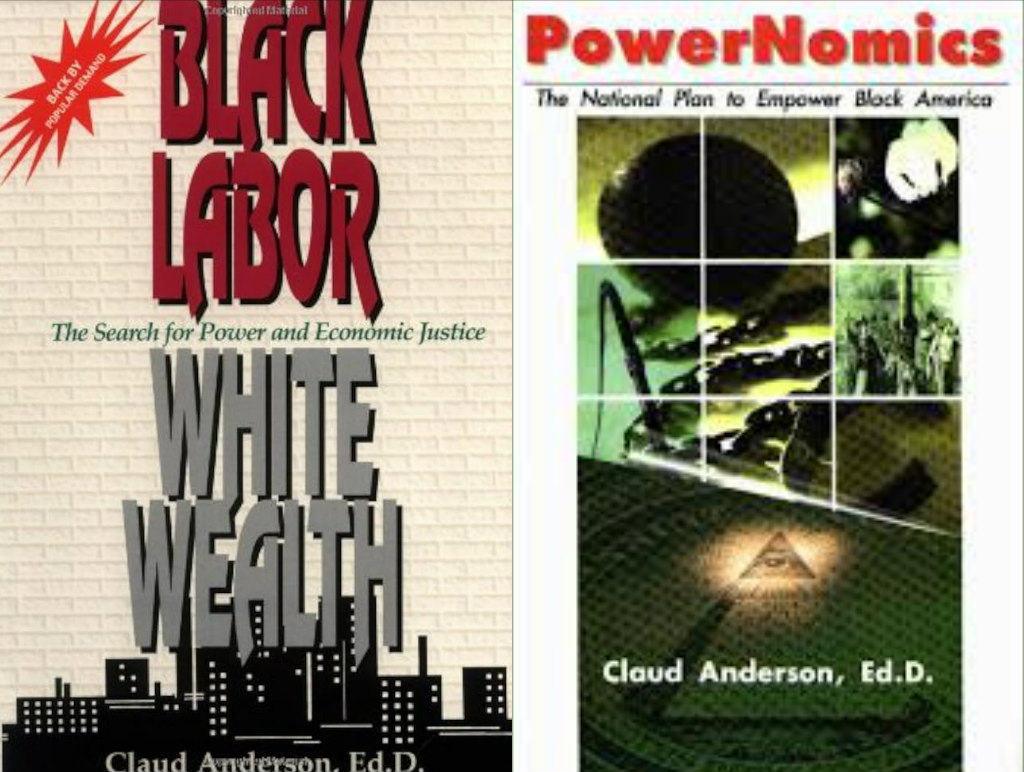
Black buying power in the United States has been steadily growing. According to Nielsen (2019), African Americans represent over $1.4 trillion in annual consumer spending—a figure that rivals the GDP of entire nations. Yet, this immense purchasing capacity has not translated into generational wealth or flourishing Black-owned economies. Instead, dollars are disproportionately spent in industries and corporations owned by non-Black entities, creating what scholars call an “economic drain.” Money circulates in Black neighborhoods for less than 6 hours, compared to 20 days in Jewish communities and nearly a month in Asian communities (Anderson, 2017).
The historical roots of this phenomenon lie in systemic exclusion. For decades, redlining, discriminatory lending, and racial zoning laws prevented Black entrepreneurs from establishing businesses in their own neighborhoods. Meanwhile, white-owned corporations and retailers infiltrated Black communities, extracting profits without reinvesting in local infrastructure. This pattern continues today: major grocery chains, clothing brands, and fast-food corporations dominate in urban areas, yet the profits return to suburban headquarters, leaving Black neighborhoods underdeveloped.
Spending patterns also reflect cultural and social dynamics. Studies indicate that African Americans allocate significant portions of their income to consumer goods such as apparel, footwear, entertainment, and fast food (Nielsen, 2019). For example, Black consumers spend $1.2 billion annually on soft drinks, $1.1 billion on beauty products, and billions more on luxury fashion brands that do little to support Black communities. These spending patterns often reflect aspirational consumption shaped by systemic deprivation and media representations of success, rather than long-term investment strategies.
Psychologically, this aligns with theories of conspicuous consumption and compensatory behavior. When systemic racism limits access to wealth and status, individuals may turn to visible markers of success—designer clothes, expensive cars, and branded goods—to assert dignity and identity (Veblen, 1899/2009). Amos Wilson (1998) argued that consumerism among Black people is not simply personal choice but the result of psychological conditioning designed to keep wealth flowing outward from Black neighborhoods. This cycle perpetuates dependence on external economies rather than fostering internal growth.
The Bible offers wisdom on this matter. Proverbs 21:20 (KJV) declares, “There is treasure to be desired and oil in the dwelling of the wise; but a foolish man spendeth it up.” Scripture warns against reckless consumption and advocates for stewardship, saving, and community provision. Black neighborhoods, continually drained of wealth, exemplify what occurs when consumption outpaces investment. The failure to build collective economic foundations has left generations vulnerable to exploitation and economic instability.
Solutions to this crisis must prioritize intentional economic strategies. First, supporting Black-owned businesses ensures that money circulates within the community, creating jobs and building local wealth. Initiatives such as cooperative economics, inspired by the Kwanzaa principle of Ujamaa, promote collective financial growth. Second, financial literacy education can equip individuals with tools for saving, investing, and building generational wealth. Finally, institutional reform in banking and lending must dismantle barriers that restrict Black entrepreneurs from accessing capital.
Examples of success illustrate what is possible. The Greenwood District of Tulsa, Oklahoma—famously known as “Black Wall Street”—demonstrated the power of circulating Black dollars locally. Before its destruction in 1921, dollars in Greenwood circulated for months, building banks, theaters, hospitals, and schools owned by African Americans (Franklin, 1997). Contemporary movements such as “Buy Black” campaigns and the development of digital Black-owned marketplaces signal a revival of these strategies for the 21st century.
Ultimately, the fight for economic independence requires more than individual choices; it demands collective discipline and structural transformation. Black dollars must be redirected from white walls—corporate headquarters and multinational brands—toward the rebuilding of Black neighborhoods. Economic sovereignty cannot be separated from political power, cultural preservation, and community uplift. Only when Black money circulates where it is most needed will the community break free from cycles of dependency and step fully into the vision of self-determination and prosperity.
References
Anderson, C. (2017). PowerNomics: The national plan to empower Black America. PowerNomics Corporation of America.
Franklin, J. H. (1997). From slavery to freedom: A history of African Americans (7th ed.). Knopf.
King James Bible. (1769/2017). The Holy Bible, King James Version. Cambridge University Press. (Original work published 1611).
Nielsen. (2019). It’s in the bag: Black consumers’ path to purchase. Nielsen Company.
Veblen, T. (2009). The theory of the leisure class. Oxford University Press. (Original work published 1899).
Wilson, A. (1998). Blueprint for Black power: A moral, political, and economic imperative for the twenty-first century. Afrikan World InfoSystems.
 THE BROWN GIRL DILEMMA