Tag Archives: model

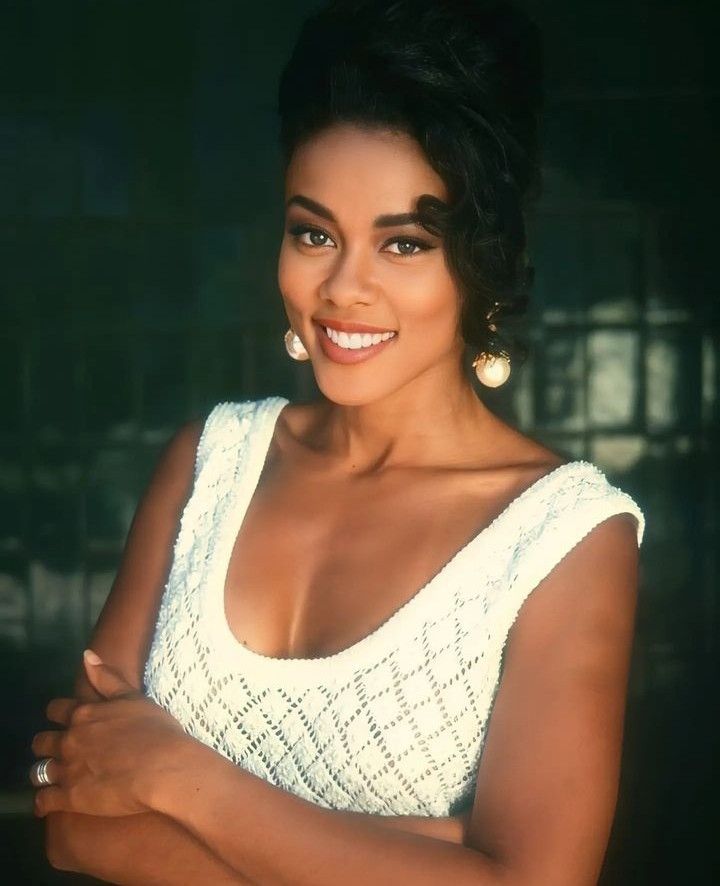
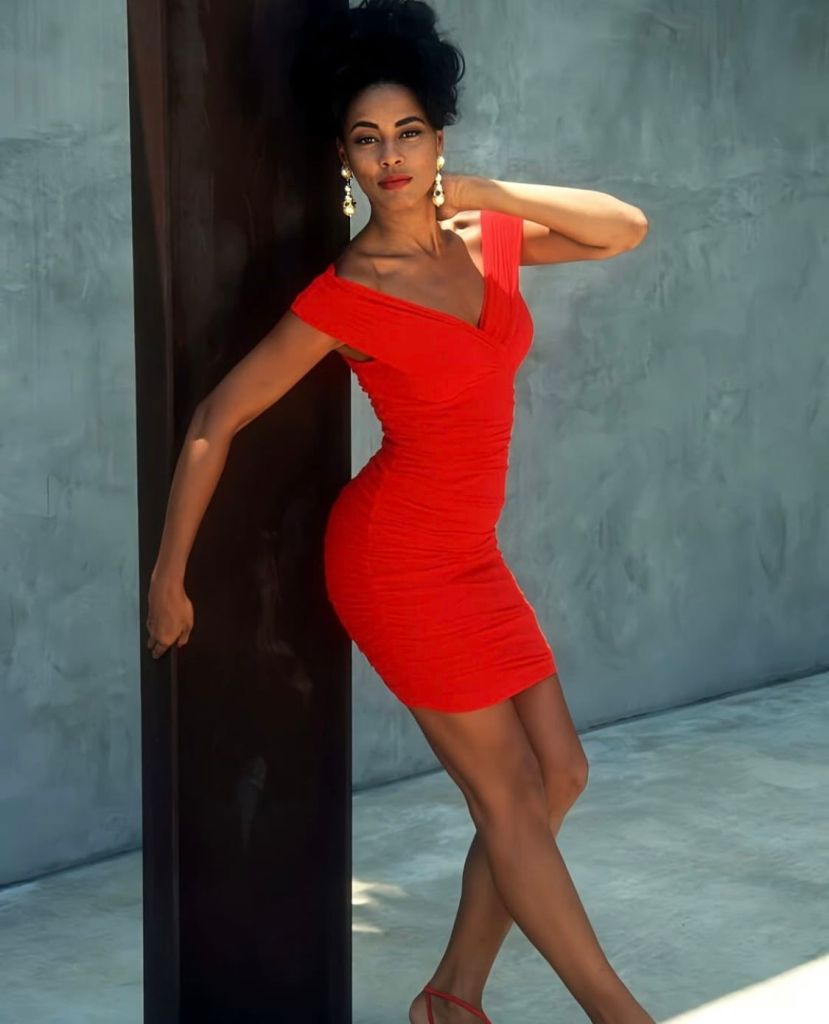
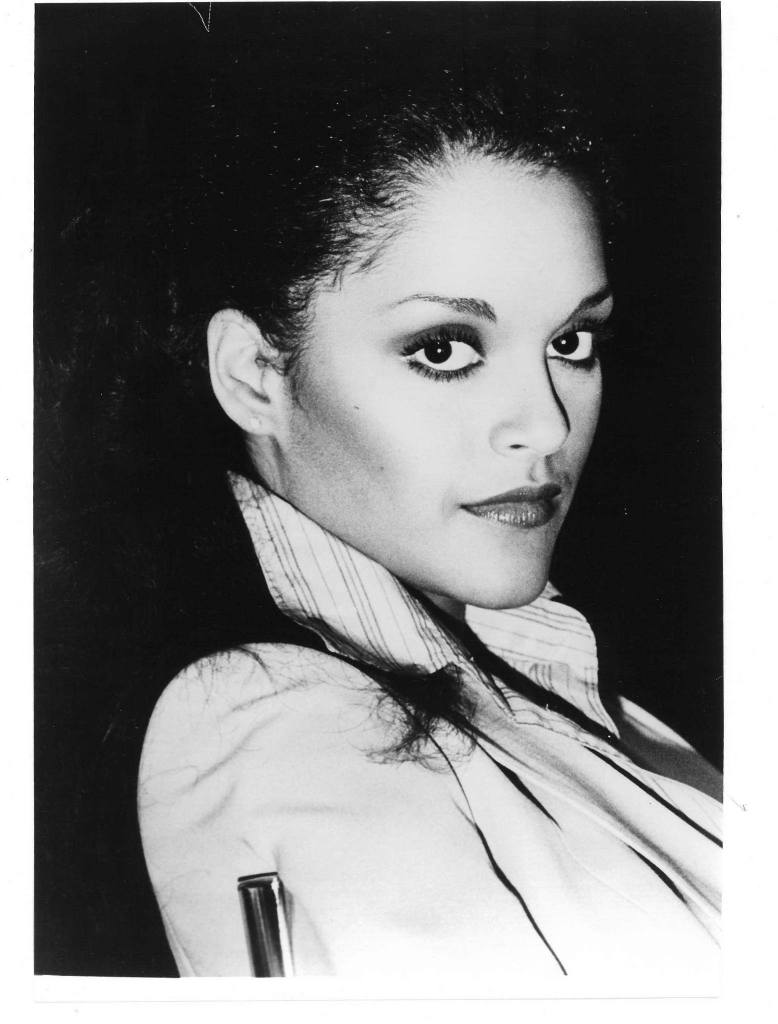
The Ebony Dolls: Shari Belafonte

The Exotic Muse of Fashion and Television
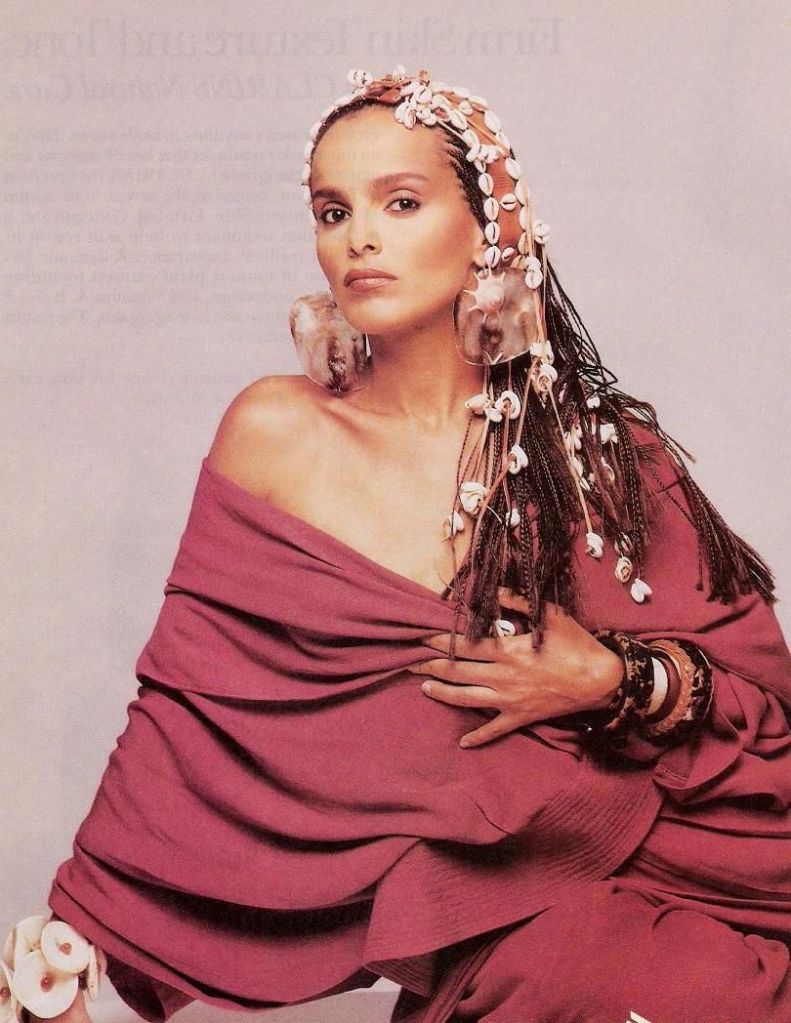
This photograph is the property of its respective owner.

In the realm of fashion and television, certain women possess a rare combination of elegance, beauty, and cultural presence that captivates audiences across generations. Shari Belafonte is one of those women. With her luminous complexion, striking features, petite frame, and sophisticated style, Belafonte emerged in the 1980s as a striking symbol of refined Black beauty. Her graceful presence on magazine pages, television screens, and red carpets embodied a type of aesthetic often described in popular culture as the “Ebony Doll”—a woman whose beauty appears sculpted, radiant, and timeless, much like a living work of art.
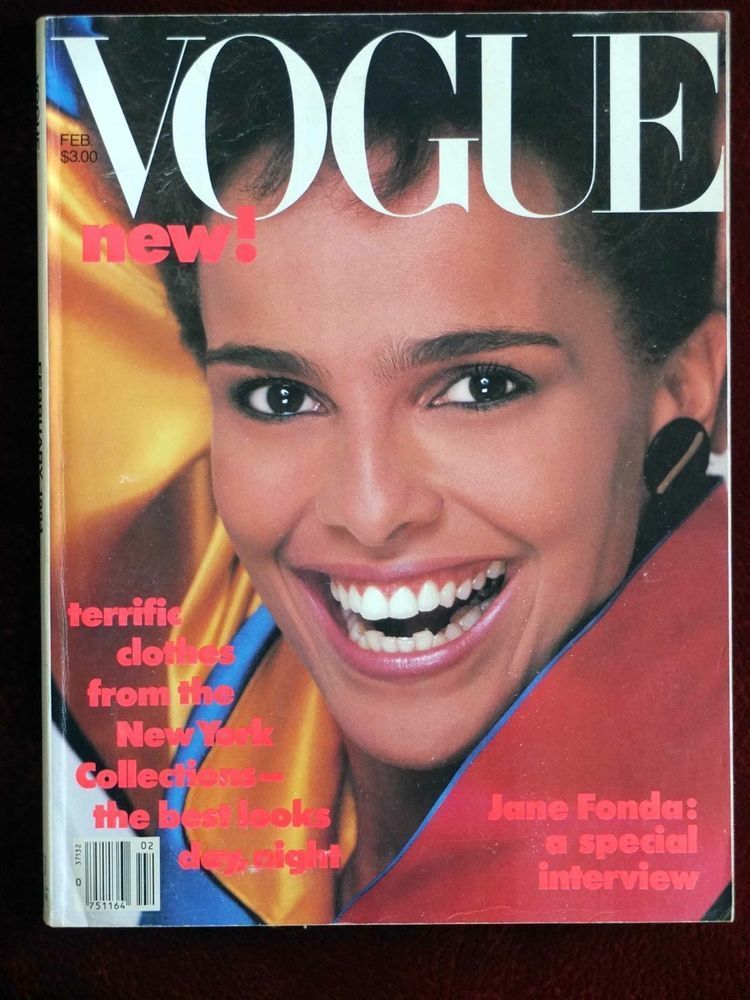
This photograph is the property of its respective owner.

Shari Lynn Belafonte was born on September 22, 1954, in New York City. She is the daughter of legendary entertainer and civil rights activist Harry Belafonte and Marguerite Byrd. Growing up in a family deeply rooted in music, culture, and social activism gave Belafonte a unique upbringing that blended artistic creativity with global awareness. Her father’s influence exposed her to international culture and the power of representation in media.
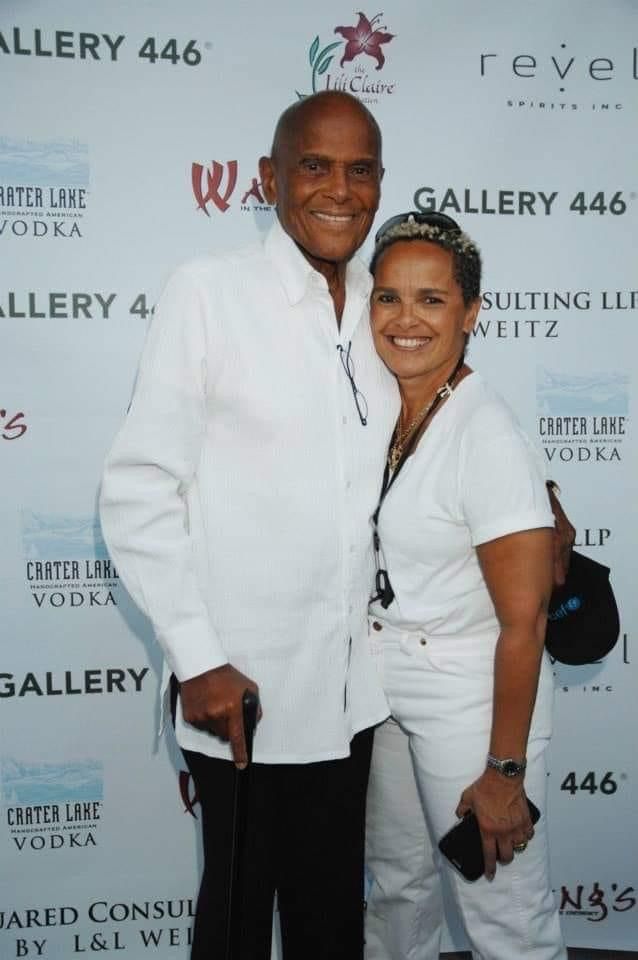
with her father, Harry Belafonte – This photograph is the property of its respective owner.

Belafonte spent portions of her childhood traveling and experiencing diverse environments. These early experiences helped cultivate her polished demeanor and cosmopolitan outlook. Even at a young age, she carried herself with the poise and confidence that would later define her public image.

The term “Ebony Doll” has historically been used within Black culture to describe a woman whose beauty appears refined, polished, and almost sculptural. It celebrates deep, radiant skin tones, balanced facial symmetry, and elegant presentation. In Belafonte’s case, her smooth complexion, high cheekbones, almond-shaped eyes, and graceful posture strikingly embodied this aesthetic. Her presence evoked the elegance of classic fashion dolls, yet with the depth and authenticity of a living woman.
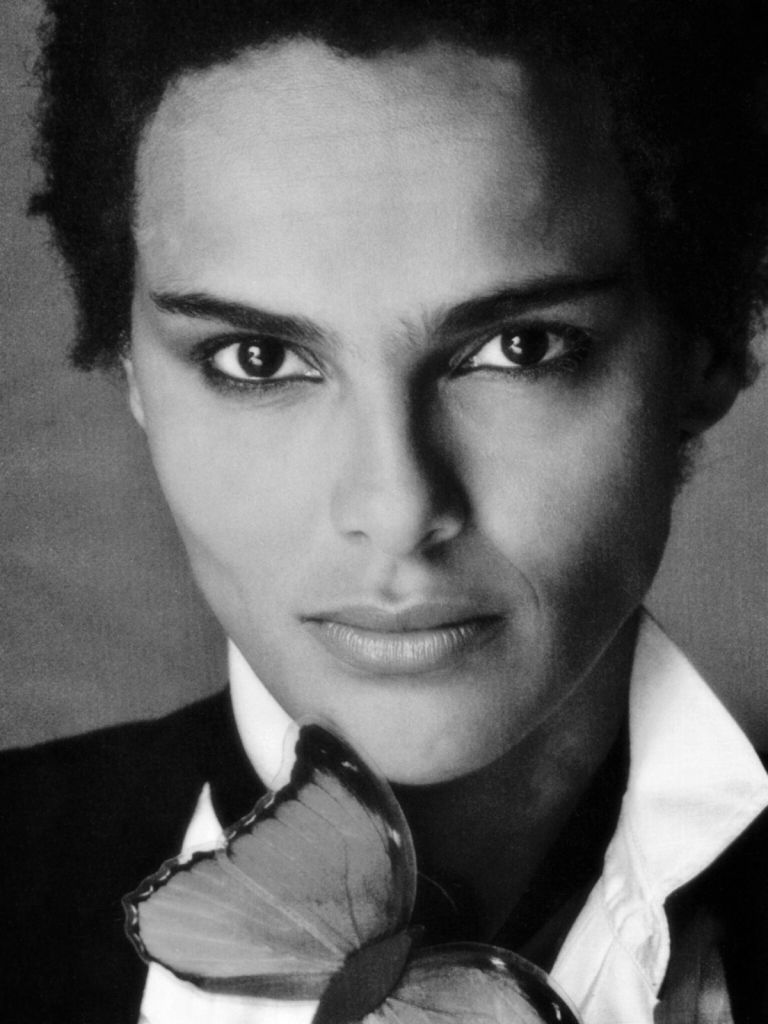
This photograph is the property of its respective owner.

Belafonte first gained widespread attention through modeling. During the late 1970s and early 1980s, she appeared in major fashion magazines and advertising campaigns. Her statuesque beauty and confident gaze made her an ideal subject for high-fashion photography, where her natural elegance could shine through the lens.

In the fashion world, Belafonte quickly developed a reputation for sophisticated glamour. Her style combined classic femininity with contemporary edge, making her a standout figure in an industry still expanding its representation of Black beauty. At a time when mainstream fashion media often overlooked darker complexions, Belafonte’s visibility helped challenge narrow beauty standards.

Her modeling career also included collaborations with major fashion houses and cosmetics brands. Through these campaigns, she presented an image of refined glamour that resonated with audiences seeking broader representation in beauty and fashion imagery.

Belafonte’s transition from modeling to acting further elevated her visibility. She gained national recognition when she starred in the popular television drama Hotel during the 1980s. In the series, she portrayed Julie Gillette, the poised and intelligent assistant manager of a luxurious San Francisco hotel. The role showcased her natural sophistication and calm authority.

Her performance on Hotel helped redefine how Black women were portrayed on primetime television. Rather than limiting her character to stereotypical roles, the show presented Julie Gillette as professional, stylish, and capable. Belafonte’s elegance brought authenticity and credibility to the role.

While acting brought her fame, Belafonte continued exploring creative pursuits beyond television. She also pursued music, recording songs that reflected her artistic heritage and love for performance. Although her music career was more limited than her acting work, it demonstrated the versatility that runs through her artistic identity.

Belafonte eventually developed a deep passion for photography as well. Over time she became a respected photographer whose work has appeared in exhibitions and publications. Through photography she discovered another medium for storytelling and artistic expression.

Her photographic work reflects the same appreciation for beauty and composition that defined her modeling career. As both subject and artist, Belafonte understands how lighting, posture, and expression can create powerful visual narratives.
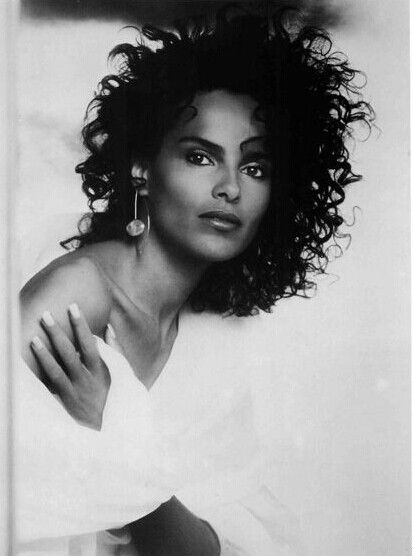
This photograph is the property of its respective owner.

Throughout her career, Belafonte has maintained a reputation for refined style. Whether appearing at public events or in editorial photographs, she consistently projects elegance, grace, and quiet confidence. Her fashion choices often emphasize clean silhouettes, rich textures, and classic design.

The concept of the “Ebony Doll” also speaks to presentation. It reflects not only physical beauty but also the art of self-possession—the ability to carry oneself with dignity and composure. Belafonte exemplifies this quality through her calm demeanor and poised public presence.

Her cultural influence extends beyond fashion and television. Inspired by the activism of her father, Belafonte has also participated in charitable and humanitarian efforts. She has supported causes related to environmental protection, education, and social justice.

Belafonte’s longevity in entertainment reflects a career built on adaptability and artistic curiosity. From modeling to acting to photography, she has explored multiple creative paths while maintaining the elegance that first captivated audiences.

Her legacy also highlights the evolving representation of Black beauty in media. During the 1980s, when opportunities for Black models and actresses were still limited, Belafonte helped expand the visual vocabulary of glamour and sophistication.

Today, she continues to engage with artistic and cultural projects, sharing her photography and creative work with audiences. Her enduring presence reminds admirers that beauty, creativity, and intellect can coexist gracefully throughout life.
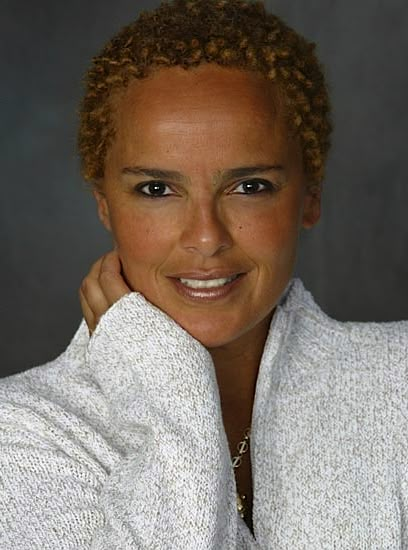
This photograph is the property of its respective owner.

What makes Shari Belafonte an “Ebony Doll” is not merely her physical appearance but the harmony between elegance, artistry, and self-confidence. Her beauty feels sculptural yet warm, refined yet authentic.

In many ways, she represents a living portrait of Black elegance—an image that blends heritage, artistry, and timeless grace.

Ultimately, Shari Belafonte’s story is one of beauty, culture, and creative exploration. Her career reflects the power of representation and the importance of celebrating diverse expressions of glamour.

In every sense of the phrase, Shari Belafonte stands as a true “Ebony Doll”—a woman whose radiant beauty, sophistication, and artistic spirit continue to inspire admiration.


References

Belafonte, S. (Interviews and public statements).

Britannica. (2026). Harry Belafonte. Encyclopaedia Britannica.

IMDb. (2026). Shari Belafonte Filmography. IMDb Database.

Smith, S. (2018). Black Women in Television: A Cultural History. New York University Press.

Vogue Archive. (1980–1990). Fashion and modeling features. Vogue Magazine.
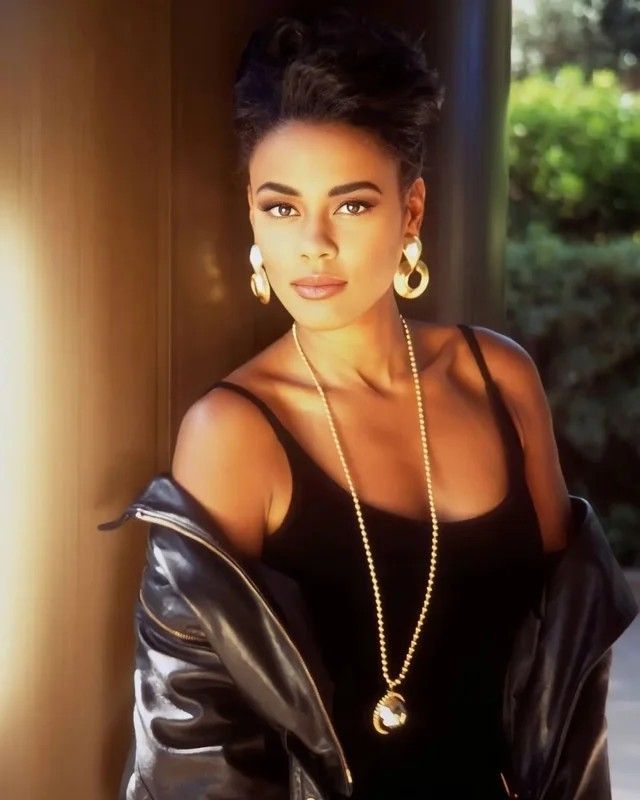
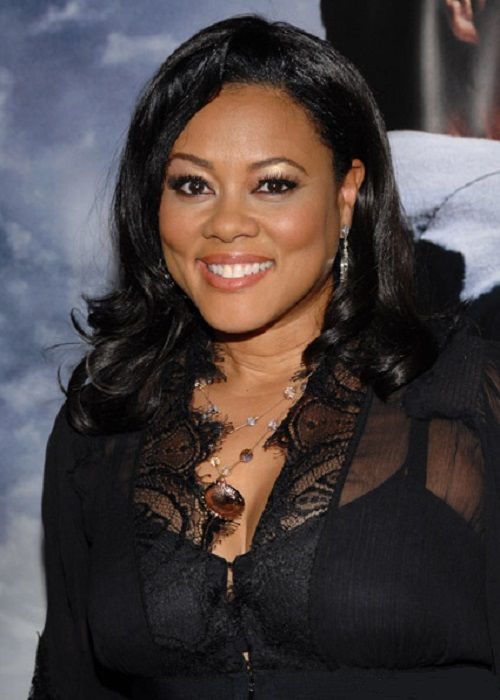
The Ebony Dolls: Lela Rochon

From Sunshine to silver-screen sophistication, Lela Rochon remains the glow that never fades.

Photo Credit: Barry King

There are women in Hollywood who shine — and then there are women who glow. Lela Rochon has long embodied a radiance that transcends screen presence. With luminous brown skin, softly sculpted cheeks, and a smile that carries both sweetness and strength, Rochon represents a generation of Black actresses whose beauty was undeniable and whose talent demanded recognition. In the canon of cinematic elegance, she belongs unmistakably among The Ebony Dolls — women whose image, grace, and cultural impact reshaped how Black beauty was seen on screen.

Born Lela Rochon Staples on April 17, 1964, in Los Angeles, California, she was raised in a culturally rich household that supported her artistic ambitions. She attended California State University, Dominguez Hills, earning a degree in broadcasting and journalism — a foundation that sharpened her poise and public presence. Before film stardom, Rochon appeared in commercials and music videos during the 1980s, slowly carving out space in an industry that often marginalized darker-skinned actresses.

Photo Credit: Barry King

Her early film appearances included roles in Breakin’ 2: Electric Boogaloo (1984) and television guest spots throughout the decade. But it was her comedic turn in Harlem Nights that introduced her to mainstream audiences. Playing the warm-hearted and spirited “Sunshine,” opposite icons like Eddie Murphy and Richard Pryor, Rochon radiated softness and sensual charm. Sunshine was not merely a love interest — she was tenderness in a harsh world, a woman whose vulnerability gave emotional depth to a male-dominated narrative. From that moment, her nickname “Sunshine” became culturally embedded.

The 1990s marked her ascension into leading-lady status. In Waiting to Exhale, directed by Forest Whitaker and adapted from the novel, Rochon portrayed Robin Stokes, an ambitious, sensual, and emotionally complex character. Alongside Whitney Houston, Angela Bassett, and Loretta Devine, she helped redefine Black female friendship on screen. The film became a cultural milestone, presenting professional Black women as layered, desirable, and flawed — yet powerful.

This photograph is the property of its respective owner.

Her performance in Why Do Fools Fall in Love showcased another dimension of her talent. As singer-songwriter Darlene Love, Rochon embodied classic glamour, evoking the golden era of R&B femininity. That same year, she appeared in The Players Club, directed by Ice Cube, portraying a veteran dancer who navigates power, survival, and womanhood in an exploitative industry. Her performance was dignified and nuanced, offering depth where stereotypes often prevailed.

Television became another platform for her enduring presence. Rochon appeared in numerous series over the years, including roles in Family Business and its spinoff Family Business: New Orleans, continuing to demonstrate her versatility and longevity in an evolving industry. These later roles affirmed her staying power — not as a nostalgic figure, but as an active, working actress.

This photograph is the property of its respective owner.

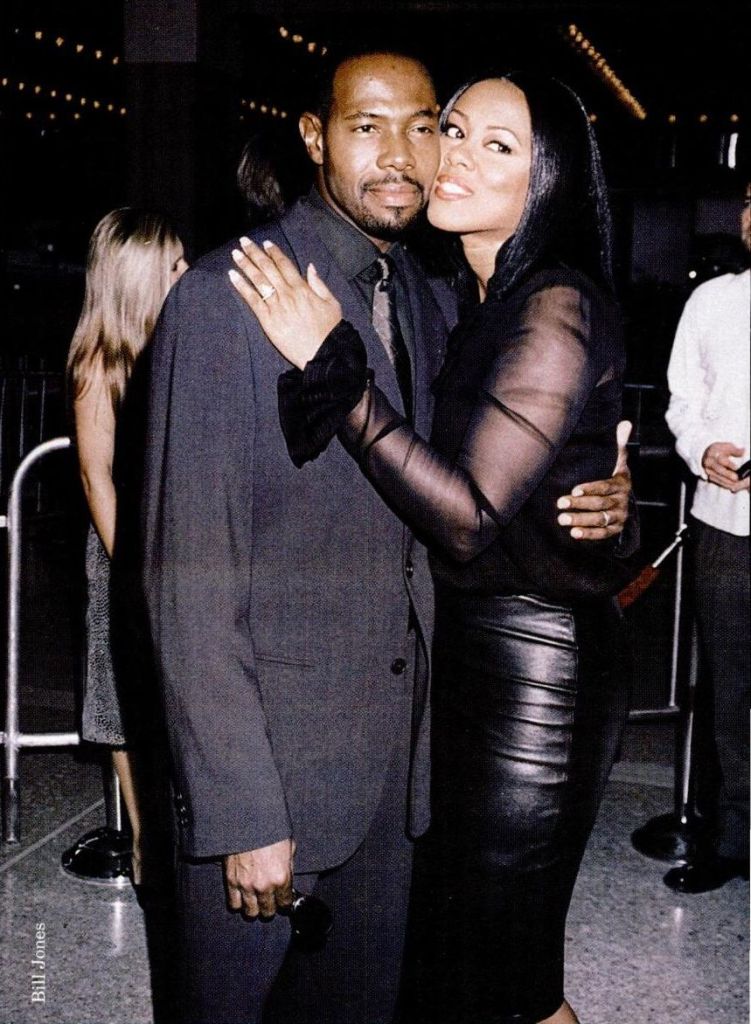
Lela Rochon was first married to dancer and actor Adolfo Quiñones, who was widely known by his stage name Shabba Doo, a pioneering figure in the West Coast break-dancing movement and a star of the film Breakin’. He was a member of the legendary street dance group The Lockers, and his appearance in Breakin’ helped popularize breakdancing in mainstream cinema during the 1980s. The couple married on December 12, 1982. Their marriage lasted approximately five years before the couple divorced in 1987. Later, she married film director Antoine Fuqua in 1999. The couple has two children. Their marriage faced public challenges when media reports surfaced regarding Fuqua’s infidelity. Throughout that ordeal, Rochon maintained dignified silence — embodying resilience rather than spectacle. In an era of oversharing, her discretion communicated strength. She chose privacy over performance, grace over public retaliation.

This composure adds to her legacy as a “strong Black woman,” though that phrase often carries burdens. Rochon’s strength is not loud; it is anchored. It is seen in her career longevity, her maternal devotion, her refusal to be reduced to scandal, and her unwavering elegance amid adversity.

Physically, Rochon represents a standard of Black beauty that defied Hollywood’s narrow casting norms of the late 20th century. Her rich brown complexion, full cheeks, soft eyes, and curvaceous silhouette celebrated natural Black femininity at a time when Eurocentric aesthetics dominated mainstream media. She did not dilute herself for acceptance. She appeared fully embodied — warm, sensual, confident.

Her awards and recognitions include nominations from the NAACP Image Awards and acclaim from Black film critics circles for her ensemble performances. While she may not possess a trophy shelf overflowing with Oscars, her cultural impact transcends hardware. She helped anchor an era of Black romantic cinema that centered women’s desires, friendships, and interior lives.

This photograph is the property of its respective owner.

So why is Lela Rochon an Ebony Doll?

Because Ebony Dolls are not merely beautiful women.
They are cinematic symbols.
They are aesthetic milestones.
They are women whose image defined an era of Black glamour.

Rochon belongs in this series because she represents the archetype of the 1990s Black leading lady — soft yet resilient, sensual yet intelligent, vulnerable yet composed. She stands in a lineage of actresses who expanded the range of Black womanhood onscreen, insisting on complexity over caricature.

Sunshine from Harlem Nights.
Robin from Waiting to Exhale.
Darlene Love.
The veteran survivor.
The wife.
The mother.
The woman.

Lela Rochon is not just remembered.
She is revered.

And in the gallery of The Ebony Dolls, her portrait glows warmly — timeless, dignified, and beautifully Black.


References

Aftab, K. (2019). Waiting to Exhale: Revisiting a cultural classic. Film Quarterly Review.

Bogle, D. (2016). Toms, coons, mulattoes, mammies, and bucks: An interpretive history of Blacks in American films (Updated ed.). Bloomsbury Academic.

IMDb. (n.d.). Lela Rochon filmography. Retrieved from https://www.imdb.com

NAACP Image Awards. (n.d.). Nominees and archives. Retrieved from https://naacpimageawards.net

Whitaker, F. (Director). (1995). Waiting to Exhale [Film]. 20th Century Fox.

Murphy, E. (Director). (1989). Harlem Nights [Film]. Paramount Pictures.

Gregory Nava, G. (Director). (1998). Why Do Fools Fall in Love [Film]. Warner Bros.

Cube, I. (Director). (1998). The Players Club [Film]. New Line Cinema.

BET+. (2018–present). Family Business [Television series].

BET+. (2025). Family Business: New Orleans [Television series].

The Ebony Dolls: Judy Pace

The Black Barbie

This photograph is the property of its owner. No copyright infringement intended.

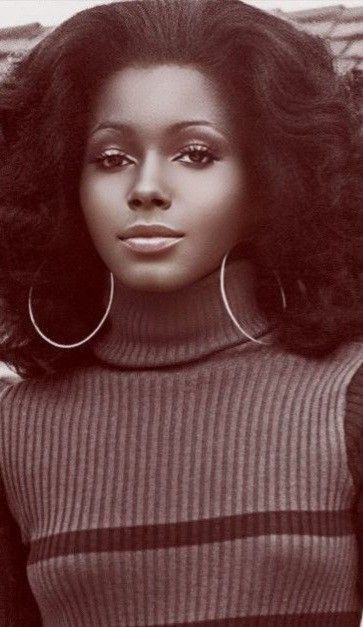
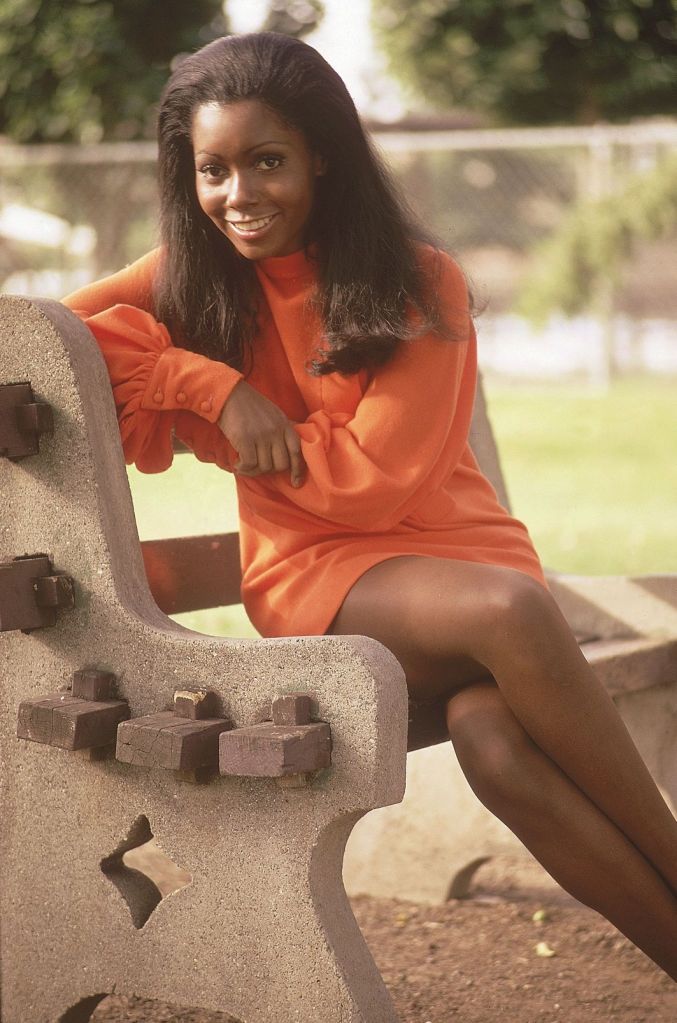
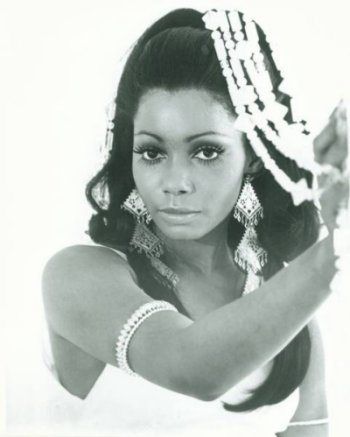
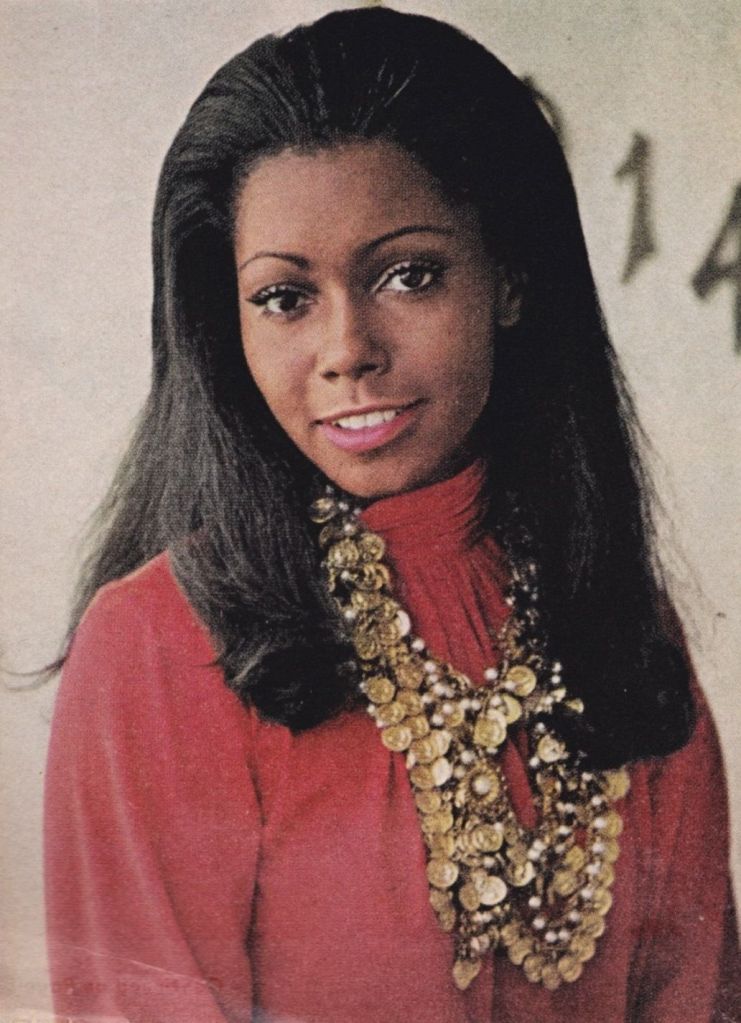
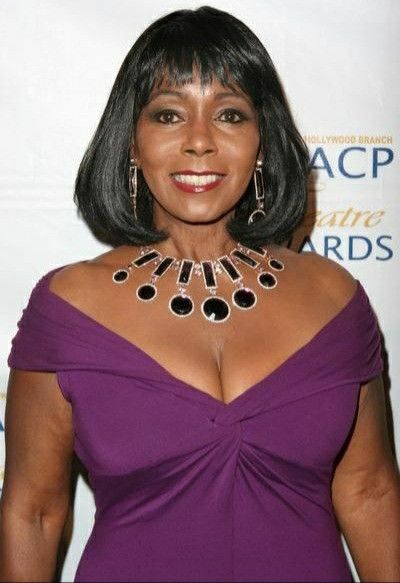
Judy Pace is an American actress and model whose beauty, talent, and groundbreaking presence helped reshape Hollywood’s portrayal of Black women during the 1960s and 1970s. Born Judy Lenteen Pace on June 15, 1942, in Los Angeles, California, she emerged at a time when opportunities for dark-skinned Black actresses were limited, yet she transcended barriers with elegance and strength. She was not simply a performer; she became a symbol of refined Black beauty during an era of cultural transformation.

Raised in Los Angeles, Pace grew up in a creative and supportive household. Her father worked as an airplane mechanic and her mother was a dressmaker. She attended Los Angeles City College, where she studied sociology before transitioning into modeling. Her entry into the entertainment industry came through fashion, and she quickly distinguished herself as the youngest model to participate in the prestigious Ebony Fashion Fair. That platform placed her before national audiences and positioned her as a rising figure in Black fashion and media.

This photograph/article is the property of its respective owner.

Her modeling success opened the door to film. She made her screen debut in 1963 in 13 Frightened Girls, marking the beginning of a steady acting career. However, her true breakthrough came in 1968 when she joined the cast of the television drama Peyton Place, becoming the first Black female villainess in American prime-time television history. This role was culturally significant; it disrupted the narrow stereotypes assigned to Black women and introduced complexity and intrigue to their representation onscreen.

This photograph is the property of its owner. No copyright infringement intended.

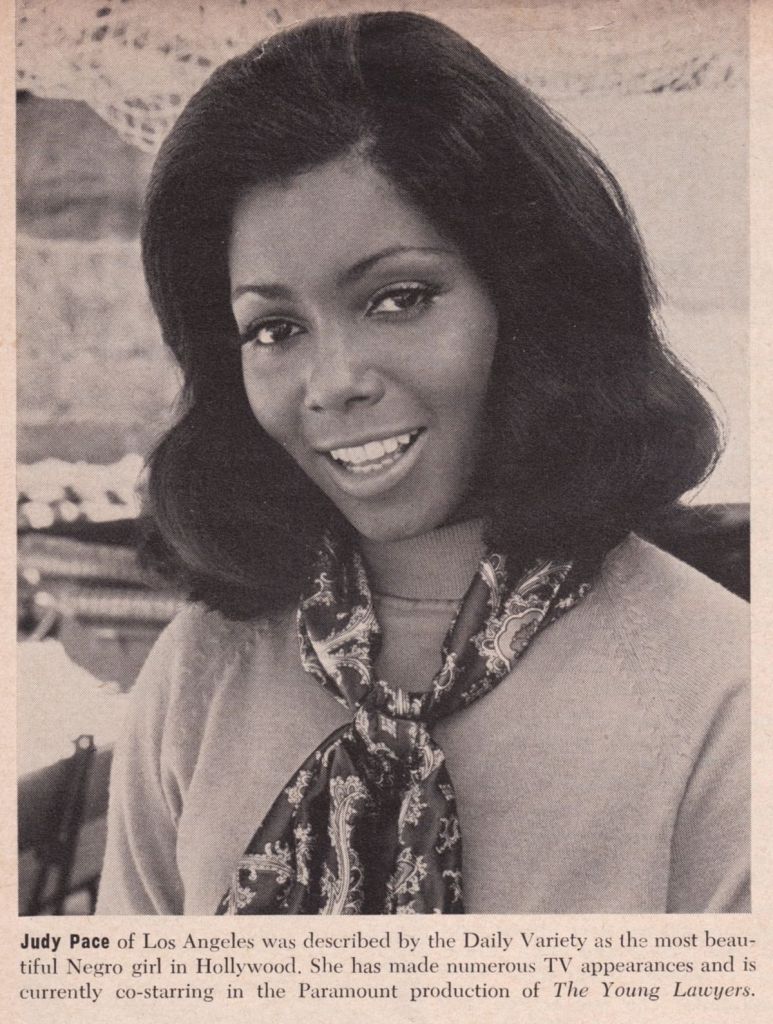
Pace continued her television success with a starring role in The Young Lawyers from 1969 to 1971. Her performance earned her the NAACP Image Award for Outstanding Actress in a Drama Series in 1970, affirming both her talent and her cultural impact. Throughout the 1970s, she appeared in numerous popular television shows, including Batman, Bewitched, I Dream of Jeannie, Sanford and Son, and Good Times. Her film credits include Three in the Attic and Cotton Comes to Harlem, further solidifying her versatility across genres.

This photograph is the property of its respective owner.

Beyond her acting, Judy Pace was widely celebrated for her striking appearance. Her dark chocolate complexion, luminous skin, and expressive eyes captivated photographers and audiences alike. During a period when colorism often privileged lighter complexions, she stood unapologetically as a dark-skinned beauty icon. Industry publications described her as one of the most beautiful women to appear on screen. She was affectionately referred to as “The Black Barbie” and “The Black Babydoll,” titles that reflected both admiration and her doll-like elegance.

Her beauty, however, was never detached from intellect or poise. Pace represented a refined femininity that balanced strength with softness. She carried herself with composure and confidence, embodying the spirit of the “Black is Beautiful” movement that was redefining aesthetic standards in America. In this sense, she became more than a glamorous figure; she became a cultural affirmation.

This photograph is the property of its owner. No copyright infringement intended.

In her personal life, she married actor Don Mitchell in 1972. The couple had two daughters, including actress Julia Pace Mitchell. After their divorce in 1984, Pace later married baseball legend Curt Flood in 1986. Flood was a pivotal figure in Major League Baseball’s fight for free agency, and their union linked two pioneering spirits—one in sports justice and the other in entertainment representation. They remained married until Flood’s passing in 1997.

Judy Pace’s lineage reflects African American heritage rooted in Los Angeles, and her life represents the postwar generation of Black Americans who navigated integration, civil rights transformation, and evolving media landscapes. Her career unfolded during a critical historical moment when Black visibility in Hollywood was expanding but still constrained. She stepped into that space with confidence and sophistication.

Why is she a great “Ebony Doll”? Because she embodied grace under pressure. She broke barriers without loud proclamations, simply by being excellent. She proved that dark-skinned Black women could be leading ladies, complex characters, and national beauty icons. She expanded what America saw when it looked at Black womanhood.

This photograph is the property of its respective owner.

Judy Pace is elegant. She is a representation. She is cinematic history. She is the quiet revolution of beauty and talent walking through Hollywood’s doors when they were only slightly open.


References

BlackPast.org. (n.d.). Judy Lenteen Pace (1942– ).
IMDb. (n.d.). Judy Pace – Biography.
NAACP Image Awards archives. (1970). Outstanding Actress in a Drama Series.
Wikipedia contributors. (n.d.). Judy Pace.
Wikipedia contributors. (n.d.). Julia Pace Mitchell.
Wikipedia contributors. (n.d.). Curt Flood.

The Ebony Dolls: Philomena Kwao

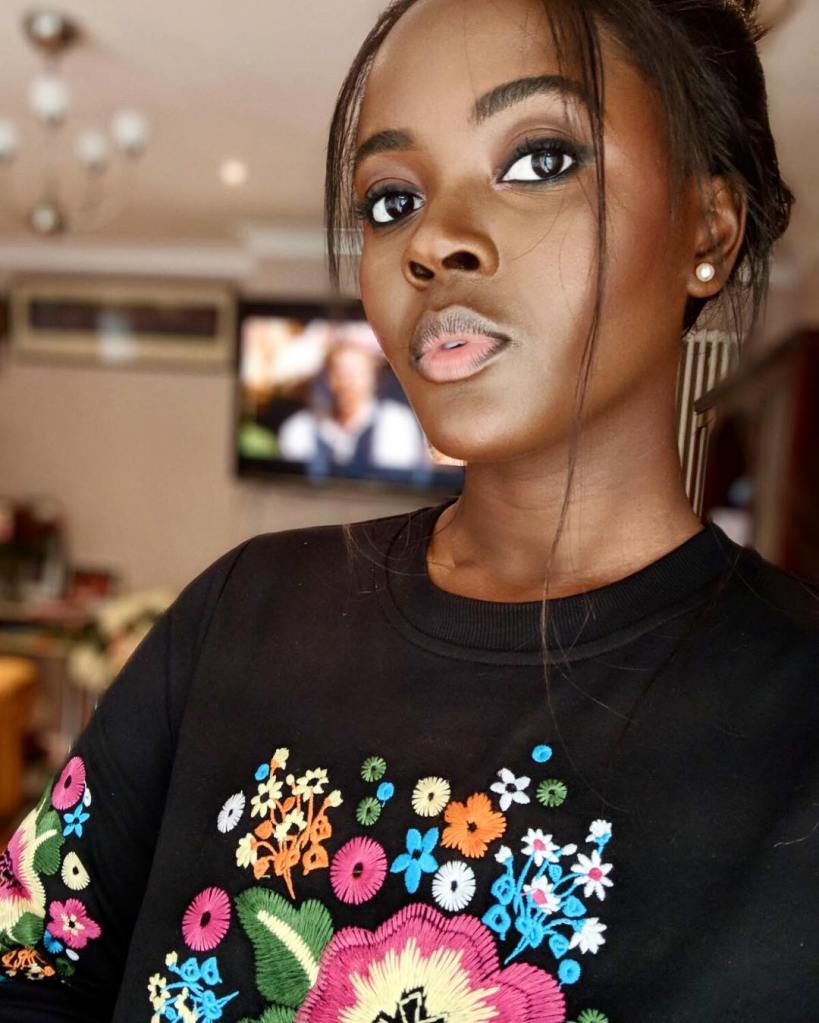
Beauty, Brains, and the Power of Representation

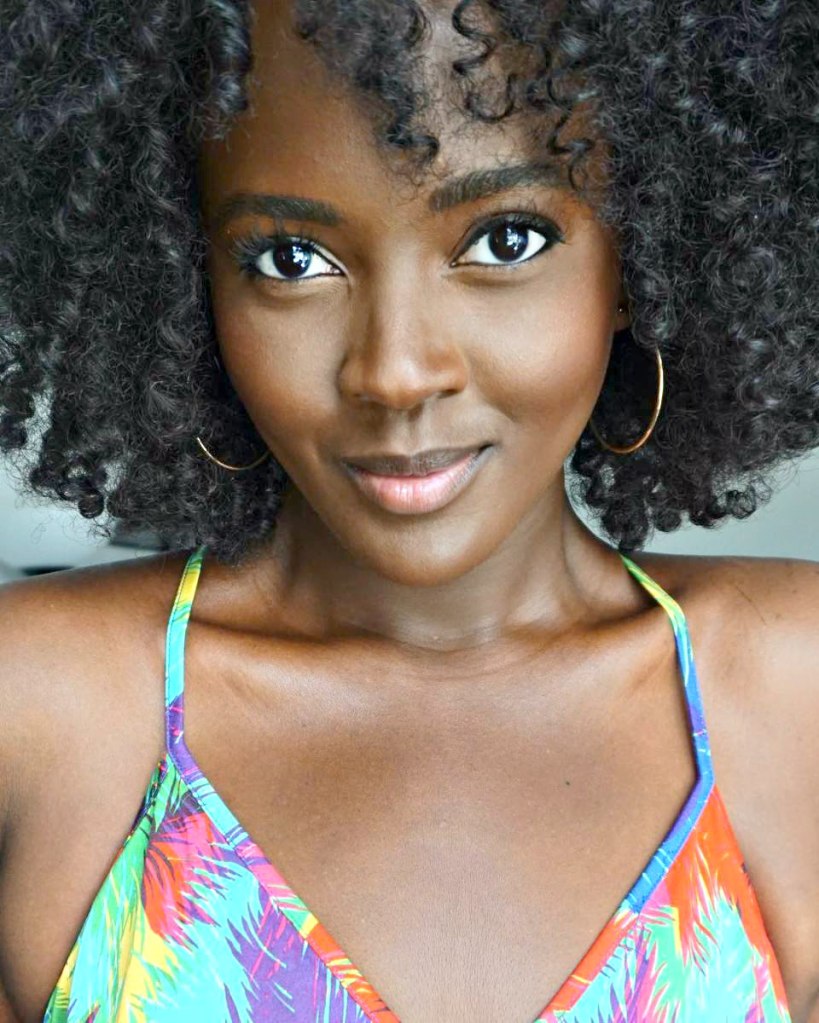
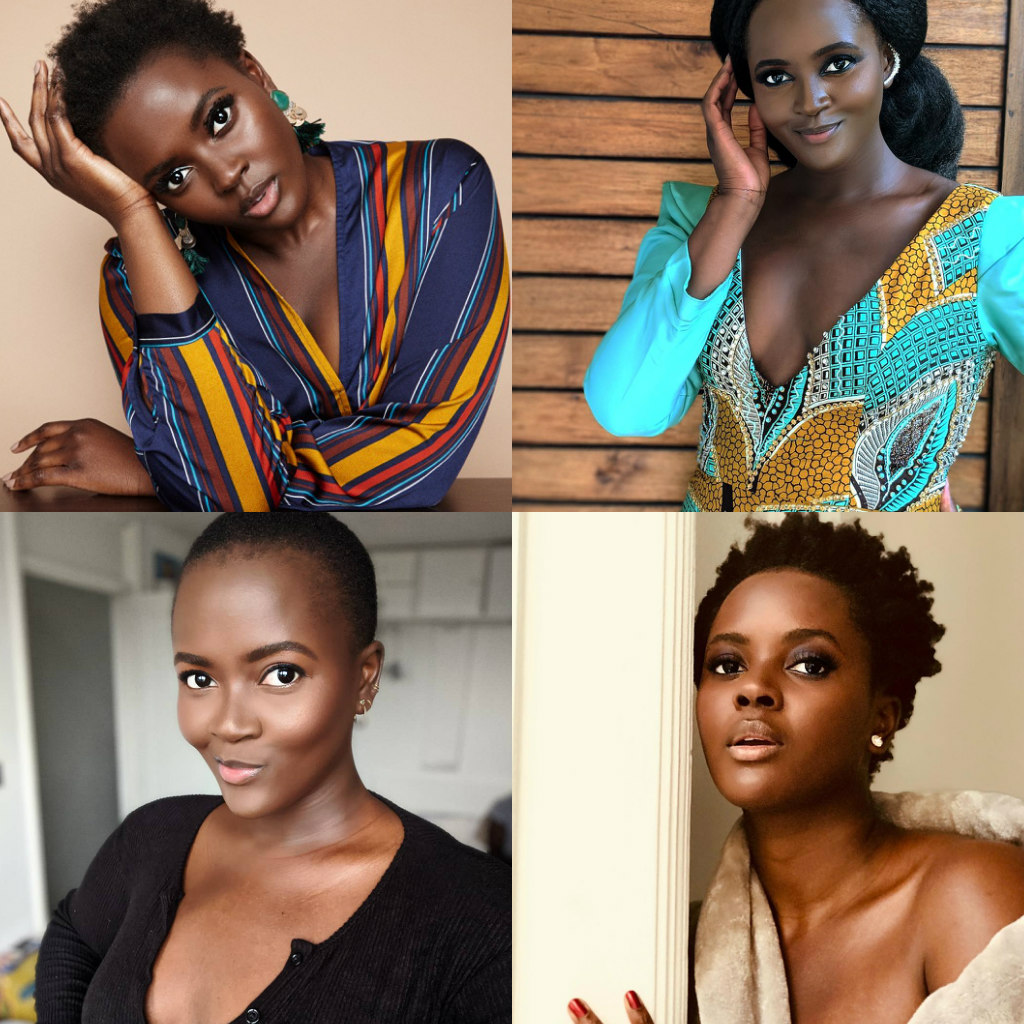
Philomena Kwao stands as one of the most compelling figures in contemporary fashion modeling, not merely for her striking physical beauty, but for the intellectual and cultural depth she brings to an industry long dominated by narrow ideals. With her luminous dark skin, regal posture, and unforgettable, piercing eyes, Kwao represents a modern embodiment of Black elegance—one that challenges both Eurocentric beauty standards and the historical marginalization of plus-size women within fashion. One of Philomena Kwao’s most arresting and unforgettable features is her eyes—mirrored, expansive, and profoundly piercing. They are not merely beautiful; they are commanding. Her large, dark eyes possess a reflective depth that feels almost cinematic, as though they hold both memory and prophecy. In fashion photography, where the gaze is everything, Kwao’s eyes function as a narrative force. They do not simply invite attention; they demand contemplation.

Born in London to Ghanaian parents, Philomena Kwao’s journey into modeling was unconventional. Before the runway and magazine spreads, she pursued higher education, earning a degree in Economics from the University of Birmingham and later a master’s degree in International Health Management. Her academic background already distinguished her as a woman rooted in intellect and global consciousness. Modeling, for Kwao, was not originally a dream but an unexpected calling. She was discovered after submitting photographs to an online modeling platform, initially skeptical of the industry’s limitations but ultimately realizing its potential as a platform for advocacy and change.

Kwao rose to prominence as a plus-size model, though she has often resisted the reductive nature of that label. While she does not conform to traditional sample sizes, her physique defies stereotypes associated with “plus-size” modeling—she is statuesque, toned, and carries herself with the confidence of classical high fashion. Her work with agencies such as Wilhelmina Models and appearances in major publications including Vogue Italia, Essence, Glamour, and Sports Illustrated Swimsuit have placed her firmly among the elite tier of global models.

One of Philomena Kwao’s most defining attributes is her face—often described by critics and fans alike as one of the most beautiful in modern fashion. Her large almond-shaped eyes, sculpted cheekbones, full lips, and smooth melanin-rich complexion create a visage that feels both timeless and contemporary. There is a quiet nobility in her features, evoking the aesthetics of African royalty and classical portraiture. In an industry obsessed with youth and homogeneity, Kwao’s beauty feels ancestral, symbolic, and deeply cultural.

Beyond aesthetics, Kwao’s career is marked by activism and thought leadership. She has become a leading voice in body positivity, diversity, and mental health within fashion. She frequently speaks on panels, contributes to academic and cultural discussions, and advocates for ethical representation of women of color. Her work challenges not only size discrimination but also the sexualization and commodification of Black women’s bodies. She reframes modeling as a site of empowerment rather than objectification.

Philomena Kwao qualifies as an “Ebony Doll” not simply because she is a model, but because she represents the very essence of what the term should signify: a Black woman who is visually exquisite, culturally grounded, intellectually formidable, and socially influential. The Ebony Doll archetype is not about superficial beauty alone—it is about excellence, presence, and representation. Kwao embodies all three. She is living proof that Black beauty is not marginal or niche but global, aspirational, and transformative.

In a world still struggling to reconcile race, gender, and aesthetics, Philomena Kwao stands as a corrective image—one that says Black women do not need to shrink themselves to be seen. They are already monumental.


References

Ashley, L. (2018). The politics of plus-size fashion and representation. Fashion Theory, 22(5), 593–610.

Essence Magazine. (2020). Philomena Kwao on body positivity and mental health.
Glamour. (2017). Meet the model changing the face of fashion: Philomena Kwao.

Sports Illustrated. (2019). Philomena Kwao: Breaking barriers in swimwear.

Vogue Italia. (2016). Curves, color, and couture: A new generation of models.

Wilhelmina Models. (n.d.). Philomena Kwao portfolio and biography.

Kwao, P. (2019). Body image, race, and self-worth in the fashion industry. Journal of Cultural Studies, 14(3), 211–225.

Masculine Perfection Series: Broderick Hunter, Christopher Williams, and Blair Underwood.

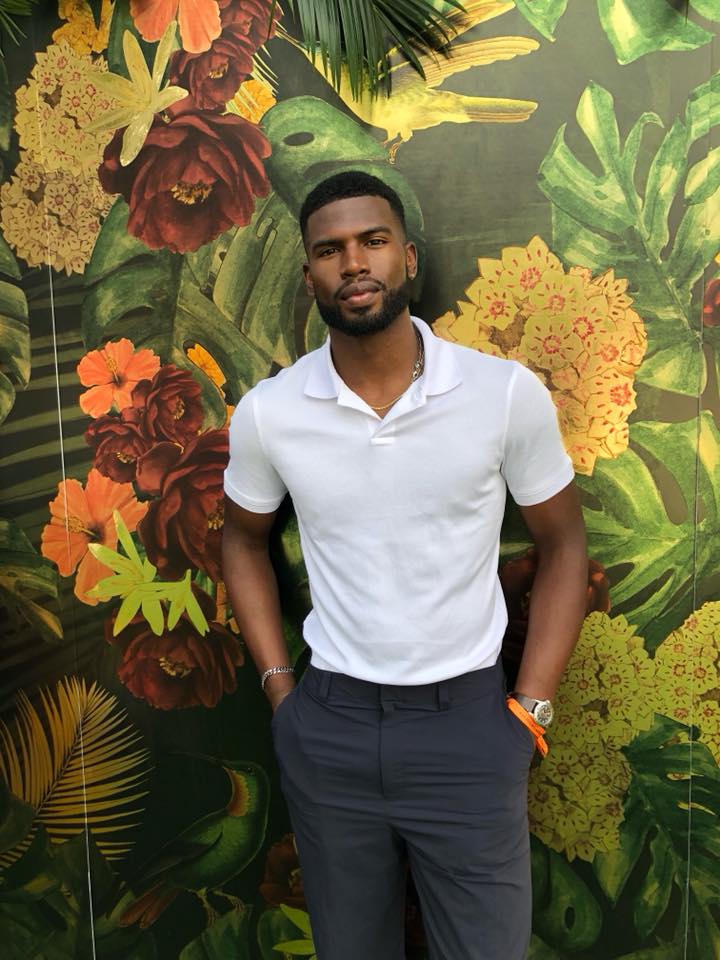
Broderick Hunter — “Mesmerizing eyes, boyish charm, modern Black beauty.”

Broderick Hunter Jr., born January 3, 1991, in Fontana, California, is an American model and actor. Originally a basketball player with over fifteen years of experience, an injury shifted his path toward modeling in 2011. Hunter has appeared in editorials and covers for major publications, including Vogue Paris, Italian GQ, Cosmopolitan, Maxim, and Essence. He has also modeled for top brands such as Ralph Lauren. On screen, he has acted in television series, including Insecure, showcasing versatility that combines athleticism, aesthetic polish, and charisma.

Hunter’s allure lies in his “piercing” eyes and boyish charm — a blend of youthful energy and contemporary Black male beauty. His presence conveys both confidence and approachability, making him a standout figure in fashion and media.


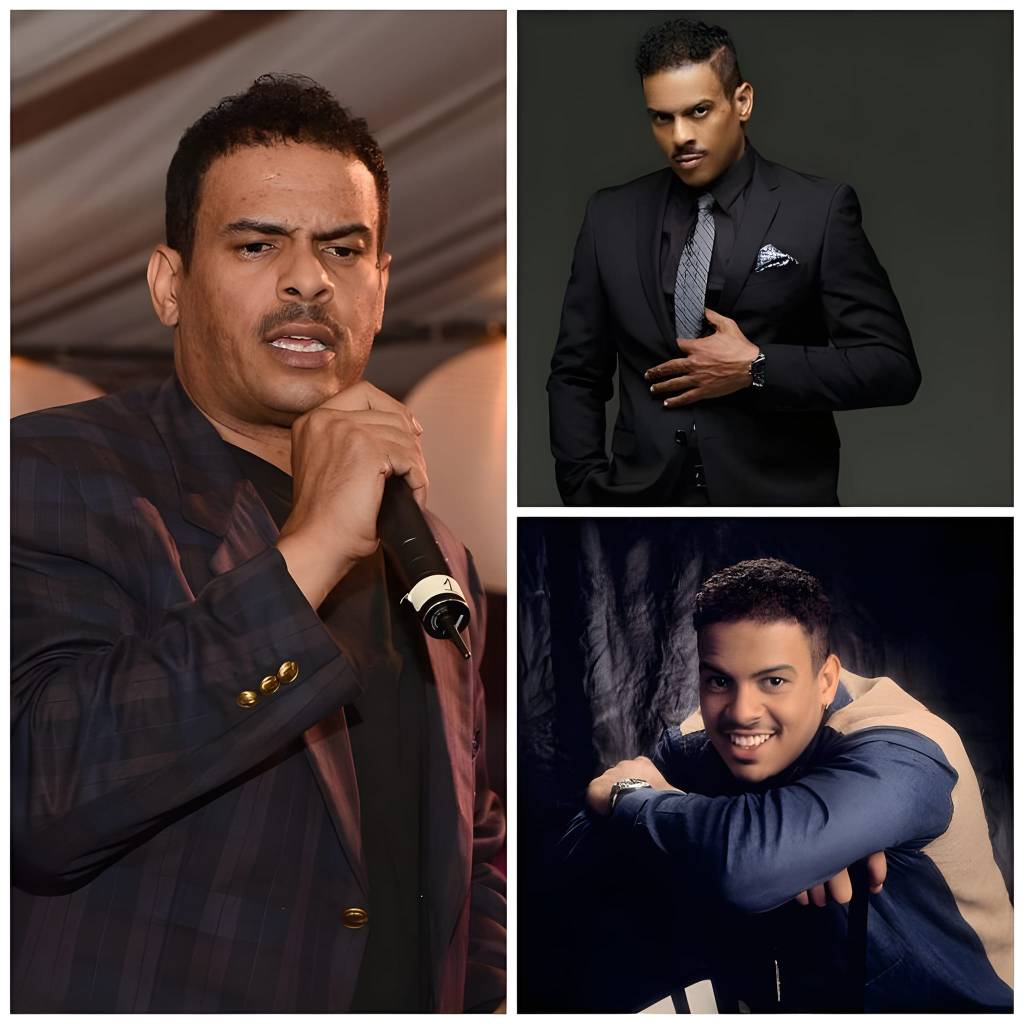
Christopher Williams — “Soulful crooner, gorgeous face, velvet voice.”

Christopher Williams, born August 22, 1967, in the Bronx, New York, emerged as a professional recording artist in the late 1980s. His debut album, Adventures in Paradise (1989) introduced his smooth R&B style, and his 1991 single I’m Dreamin’ topped Billboard’s Hot R&B/Hip-Hop Singles chart. Williams continued to produce hits such as Every Little Thing U Do and All I See, solidifying his reputation as a romantic and soulful performer. He has also acted in films, most notably New Jack City, and participated in theatre and smaller screen roles.

Williams embodies a classic form of Black masculinity: his gorgeous face and rich, emotional voice convey vulnerability and romantic depth. His combination of musicality and visual appeal positioned him as a beloved figure in R&B and Black culture.


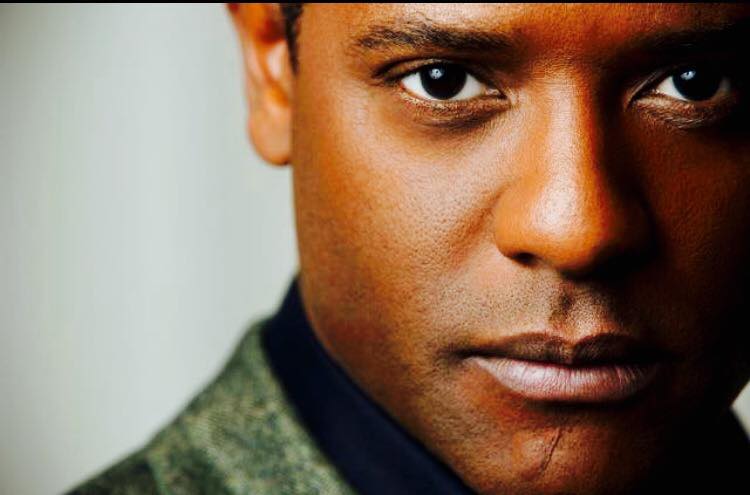
Blair Underwood — “Demure sophistication, classically handsome, acting excellence.”

Blair Underwood, born August 25, 1964, in Tacoma, Washington, is a classically trained actor with a BFA from Carnegie Mellon School of Drama. He gained prominence with the role of attorney Jonathan Rollins on NBC’s L.A. Law (1987–1994) and has sustained a prolific career in film and television, displaying versatility across genres. Underwood has received two Golden Globe nominations, multiple NAACP Image Awards, and a Grammy Award, underscoring his talent and impact.

Underwood represents a timeless, understated elegance, combining classical good looks with gravitas and sophistication. His refined style and acting skill embody a mature, dignified form of Black masculine beauty, emphasizing poise, intellect, and artistic excellence.


Why these three matter

Together, Broderick Hunter, Christopher Williams, and Blair Underwood illustrate a spectrum of Black male beauty and excellence:

  • Hunter reflects contemporary youth, athleticism, and media-ready aesthetic.
  • Williams represents soulful, romantic, and emotionally resonant masculinity.
  • Underwood embodies classical sophistication, gravitas, and unforgettable actor.

Their collective presence challenges narrow standards of Black male beauty, offering multiple models of excellence in fashion, music, and acting.


References

  • Broderick Hunter — Wikipedia, IMDb, Teen Vogue, Vogue Paris.
  • Christopher Williams — Wikipedia, IMDb, Billboard, UrbanBridgez.
  • Blair Underwood — Wikipedia, TV Guide, BET, Encyclopedia.com.

How to Become a Brand Ambassador. #socialmedia #brandambassador

A brand ambassador is a person who represents a company’s products or services, promoting them in a positive light to increase awareness, sales, and loyalty. Becoming a brand ambassador requires strategic planning, consistent personal branding, and professional networking. Understanding the requirements of brands, knowing how to approach them, and maintaining credibility are essential for success.

The first step is to define your niche. Brands often look for ambassadors whose lifestyle, interests, or expertise align with their product. For example, a fitness brand seeks athletes or fitness influencers, while a luxury fashion label may target individuals with a glamorous aesthetic. Clearly defining your niche ensures that you are seen as a credible and authentic representative.

List of Top Brands to Work With as a Brand Ambassador

Luxury Fashion & Accessories:

  • Hermès
  • Gucci
  • Louis Vuitton
  • Prada
  • Chanel

Beauty & Skincare:

  • Fenty Beauty (Rihanna)
  • Sephora
  • MAC Cosmetics
  • Estée Lauder
  • L’Oréal

Sports & Activewear:

  • Nike
  • Adidas
  • Under Armour
  • Puma
  • Reebok

Tech & Electronics:

  • Apple
  • Samsung
  • Microsoft
  • Google
  • Sony

Lifestyle & Food:

  • Starbucks
  • Red Bull
  • Coca-Cola
  • Amazon (various programs)
  • Airbnb

Automotive & Luxury Vehicles:

  • Mercedes-Benz
  • BMW
  • Tesla
  • Porsche
  • Lexus

Emerging & Digital Brands:

  • Canva
  • Glossier
  • Peloton
  • TikTok (creator programs)
  • Shopify

Building a personal brand is crucial. A strong, consistent presence on social media platforms, blogs, or professional portfolios communicates professionalism and influence. Maintaining high-quality content, authentic engagement, and a coherent aesthetic attracts the attention of brands. According to Forbes (2021), “A personal brand that is consistent and authentic increases visibility and credibility with potential partners.”

Engagement is more important than follower count. Brands prioritize individuals who foster genuine interaction with their audience, as active engagement often leads to higher conversion rates. Metrics such as likes, comments, shares, and click-through rates can be presented when approaching brands, demonstrating value beyond raw numbers.

To get noticed, networking is essential. Attend industry events, workshops, or online forums where brand representatives or marketing professionals are present. Building relationships through professional interactions increases the likelihood of being considered for ambassador roles. LinkedIn and industry-specific platforms are particularly effective for connecting with brand managers.

When approaching a brand, research thoroughly. Understand the company’s products, target audience, mission, and values. Tailoring your proposal to align with their goals demonstrates preparation and professionalism. Brands are more likely to respond positively to ambassadors who understand their market positioning.

Crafting a proposal or pitch is the next step. Highlight your influence, engagement metrics, personal alignment with the brand, and creative ideas for promoting their products. Be concise, professional, and visually appealing. Providing examples of past collaborations or campaign success stories adds credibility.

Contracting with a brand requires careful consideration. Most brand ambassador programs outline responsibilities, compensation, exclusivity clauses, and duration. Ensure you review contracts thoroughly or seek professional advice to avoid unfavorable terms. Legal clarity protects your interests and maintains a professional relationship.

Negotiating compensation is part of the process. Some brands offer free products, while others provide monetary payment, affiliate commissions, or event fees. Understand your value, and be prepared to present a clear case for why your influence merits fair compensation.

Content creation is a core responsibility. Ambassadors must produce high-quality visuals, videos, or posts that showcase the product authentically. Creativity, consistency, and alignment with brand guidelines are critical. Failure to maintain quality can jeopardize the partnership.

Authenticity is essential for long-term success. Audiences are adept at detecting insincerity. Only endorse products you genuinely believe in or use. Brands prefer ambassadors who naturally fit their image rather than those solely motivated by profit.

Some of the best brands to endorse include global lifestyle companies like Nike, Adidas, Hermès, Gucci, Sephora, Apple, and luxury automotive brands, depending on your niche and audience demographics. Selecting brands strategically ensures your promotions resonate with your followers.

Understanding platform-specific strategies increases effectiveness. Instagram, TikTok, and YouTube favor visually compelling content, while LinkedIn and blogs are suited for professional endorsements. Tailor your approach to each platform to maximize engagement.

Consistency in posting and maintaining engagement is vital. Regular updates, authentic storytelling, and timely responses to comments enhance credibility. Brands often monitor consistency before renewing or expanding ambassador agreements.

Tracking results demonstrates your impact. Keep analytics of engagement, conversions, website clicks, or affiliate sales. Presenting data-driven evidence strengthens your reputation as a reliable partner for future campaigns.

Collaboration with other influencers or ambassadors can expand reach. Co-promotions and shared campaigns increase visibility and reinforce authority in your niche. Networking within the ambassador community often opens doors to more prestigious partnerships.

Professionalism extends beyond social media. Timely communication, adherence to deadlines, and respectful negotiation contribute to long-term relationships with brands. Your reputation as reliable and professional is as valuable as your audience size.

Continuous learning is key. Study marketing trends, social media algorithms, and audience behavior. Staying informed helps adapt strategies, ensuring you remain attractive to brands and competitive in the industry.

Brand ambassadors must also understand ethical considerations. Transparency with audiences, including disclosure of sponsorships or affiliate partnerships, builds trust and complies with legal regulations like FTC guidelines.

Finally, patience and persistence are essential. Success rarely happens overnight. Consistent effort, relationship-building, and strategic self-promotion gradually establish you as a sought-after brand ambassador.

By combining a strong personal brand, niche expertise, authentic engagement, and professionalism, anyone can position themselves for ambassador roles. Understanding contracts, selecting brands strategically, and tracking impact ensures not only initial opportunities but long-term growth in the industry.

References

Forbes. (2021). How to build your personal brand as an influencer. Forbes. https://www.forbes.com/sites/forbesagencycouncil/2021/03/08/how-to-build-your-personal-brand-as-an-influencer/

Business Insider. (2022). What is a brand ambassador and how to become one. Business Insider. https://www.businessinsider.com/brand-ambassador

Influencer Marketing Hub. (2023). Brand ambassador programs: How to get noticed and get hired. Influencer Marketing Hub. https://influencermarketinghub.com/brand-ambassador-programs/

Entrepreneur. (2022). 10 tips to become a successful brand ambassador. Entrepreneur. https://www.entrepreneur.com/article/brand-ambassador-tips

Federal Trade Commission (FTC). (2021). Disclosures 101 for social media influencers. https://www.ftc.gov/tips-advice/business-center/guidance/disclosures-101-social-media-influencers

HubSpot. (2022). The ultimate guide to influencer marketing and brand ambassadorship. HubSpot. https://blog.hubspot.com/marketing/influencer-marketing

Social Media Examiner. (2023). How to become a brand ambassador in 2023. Social Media Examiner. https://www.socialmediaexaminer.com/how-to-become-a-brand-ambassador/

    The “It Girl” Series: Robin Givens

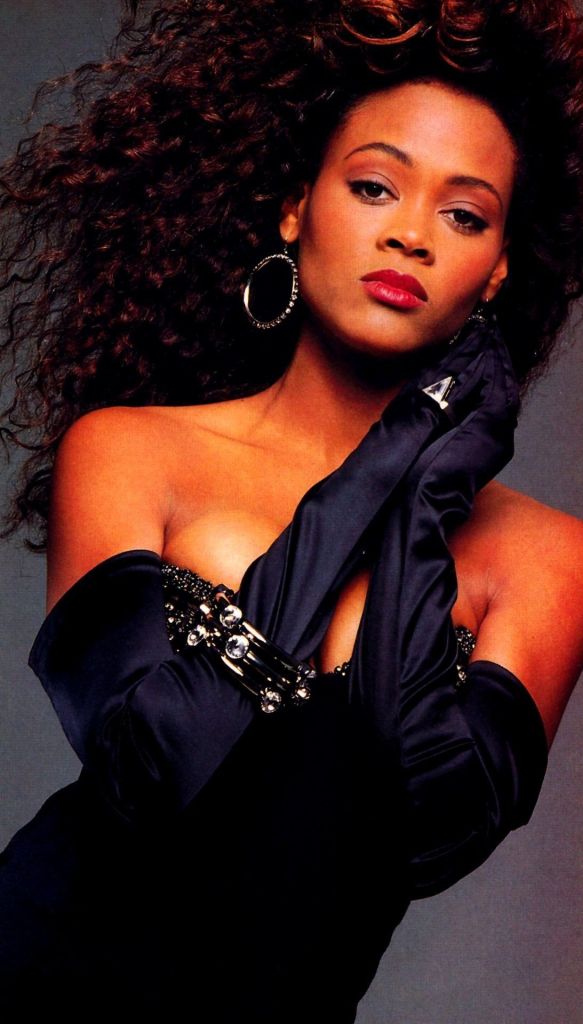
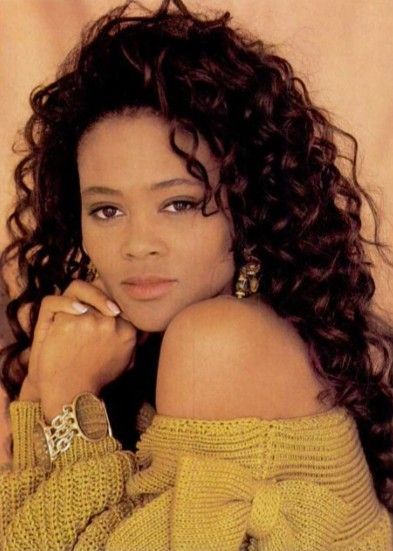
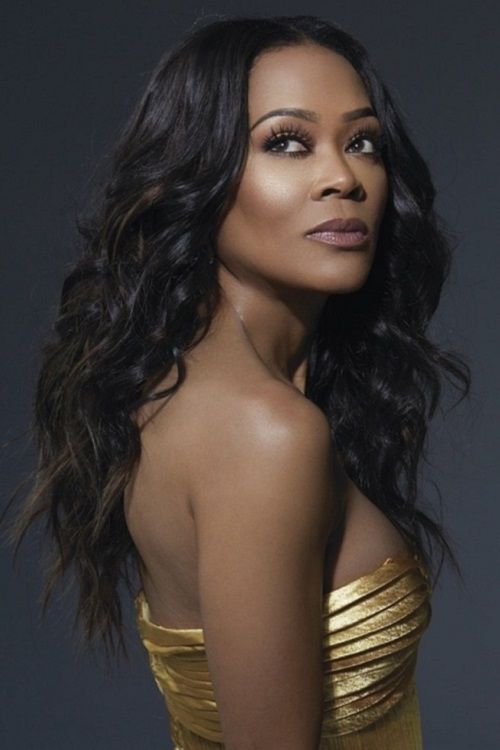
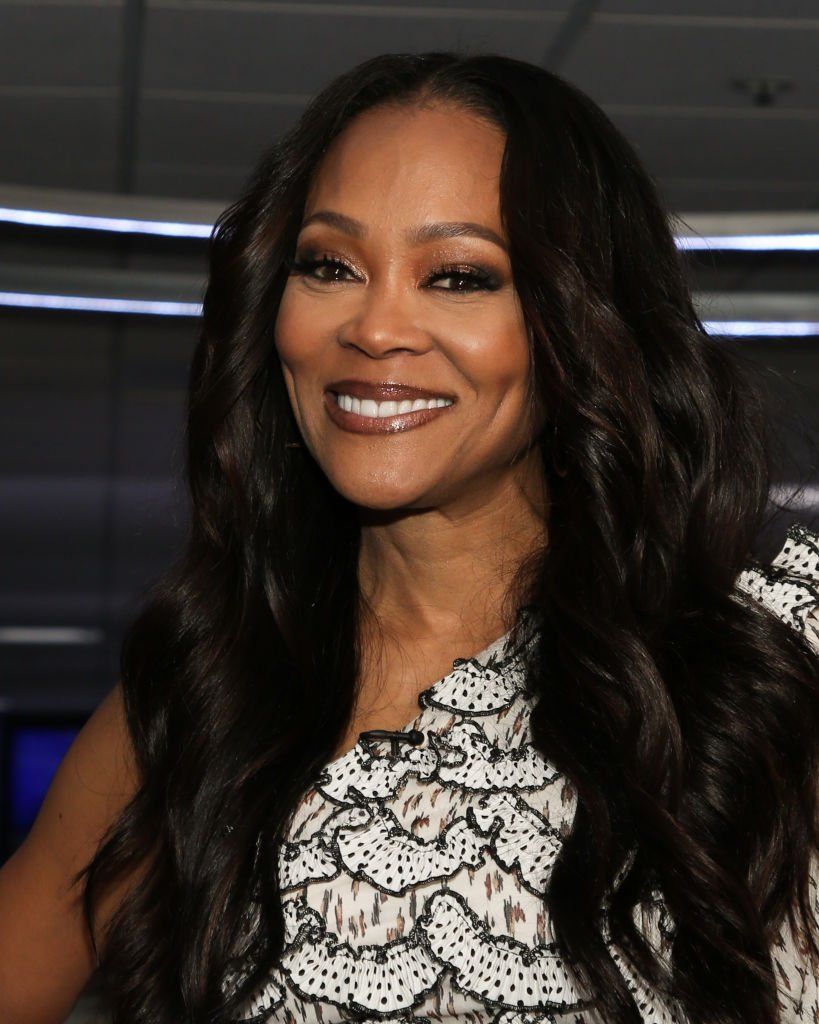
    With luminous skin, sculpted cheekbones, and an unmistakable blend of elegance and intellect, Robin Givens emerged in the late twentieth century as one of Hollywood’s most captivating actresses—an “It Girl” whose beauty, confidence, and talent commanded attention both on screen and in popular culture.

    This photograph is the property of its respective owner.

    Robin Givens was born on November 27, 1964, in New York City, to Ruth Roper Givens and Reuben Givens. Her parents divorced when she was young, and she was raised primarily by her mother alongside her sister, Stephanie, in the suburban communities of Mount Vernon and New Rochelle, New York. Ruth Roper Givens, a nurse and educator, strongly encouraged academic achievement and artistic exploration in her daughters. From an early age, Robin demonstrated intellectual curiosity and creative ability, balancing academic excellence with a growing interest in performance. Her mother enrolled her in acting classes at the American Academy of Dramatic Arts when she was only ten years old, planting the seeds for a future career in entertainment.

    This photograph is the property of its respective owner.

    Givens’s beauty was immediately noticeable even in her youth. She possessed a petite, refined frame, radiant complexion, and sharply defined cheekbones that photographers and casting directors found striking. During her teenage years, she began working as a model, appearing in popular fashion and youth magazines such as Seventeen and Mademoiselle. Modeling introduced her to the entertainment industry and helped her develop the poised public persona that would later become central to her career. Her look embodied a distinctive mixture of sophistication and youthful charm, making her a natural fit for the fashion and television worlds of the 1980s.

    Despite her growing presence in entertainment, Givens was also an exceptionally serious student. Demonstrating remarkable academic ability, she enrolled at Sarah Lawrence College at only fifteen years old, one of the youngest students in the institution’s history. At Sarah Lawrence, she pursued pre-medical studies while continuing to audition for acting roles. She graduated in 1984 at the age of nineteen, an accomplishment that reflected both her intellectual discipline and ambition. For a period, she expressed interest in becoming a doctor and even spoke publicly about attending Harvard Medical School; however, records later confirmed that she did not enroll in the program. Nevertheless, her education at Sarah Lawrence distinguished her among many young actresses in Hollywood.

    Givens’s entrance into television came through small guest appearances on several popular shows during the mid-1980s. One of her early roles was a guest spot on The Cosby Show, where the legendary comedian Bill Cosby reportedly encouraged her to pursue acting professionally. That encouragement proved significant, as it helped solidify her decision to fully commit to an acting career rather than medical school. Shortly afterward, she began receiving additional television roles, gradually establishing herself within the industry.

    Her breakthrough arrived in 1986 when she was cast in the ABC sitcom Head of the Class. On the show, she portrayed Darlene Merriman, an intelligent and confident student attending a program for gifted high schoolers. The series ran from 1986 to 1991, and Givens appeared throughout its entire run. Her character’s sharp wit, stylish demeanor, and self-assured personality resonated with audiences, making her one of the most recognizable young actresses on television at the time. The role also demonstrated her natural comedic timing and helped establish her reputation as both glamorous and intellectually sophisticated.

    While television made her famous, Givens soon expanded into film. One of her most memorable roles came in the 1991 crime drama A Rage in Harlem, in which she portrayed the seductive and mysterious Imabelle opposite Forest Whitaker. Her performance displayed a different dimension of her talent, blending beauty with dramatic intensity. The following year, she appeared in the romantic comedy Boomerang alongside Eddie Murphy, a film that became a cultural touchstone of early 1990s Black Hollywood. Even in supporting roles, Givens’s screen presence stood out, reinforcing her reputation as a striking and charismatic performer.

    During the early 1990s, she also appeared in films such as Blankman and continued working in television movies and series. Beyond screen acting, Givens demonstrated versatility as a stage performer. In 2006, she appeared on Broadway in the musical Chicago, portraying the iconic character Roxie Hart. Theater critics praised her for successfully transitioning from television and film to live performance, further proving her range as an actress.

    This photograph is the property of its respective owner.

    Although acting remained her primary profession, Givens maintained connections to the fashion world throughout her career. Her early modeling work for magazines such as Seventeen and Mademoiselle introduced her to a wide audience, and her elegant appearance made her a frequent subject of fashion editorials and publicity photography. In 1994, she posed for Playboy, an experience she later described as a personal decision to reclaim her narrative after years of intense tabloid scrutiny. Her beauty and public presence were widely recognized when Empire magazine ranked her among its “100 Sexiest Stars in Film History” in 1995.

    Givens’s personal life often attracted as much attention as her professional work. In 1987, she met the world-famous heavyweight boxing champion, Mike Tyson. The pair married on February 7, 1988, creating one of the most widely publicized celebrity unions of the era. Unfortunately, the relationship deteriorated quickly and became the subject of intense media coverage. Givens later described experiences of domestic abuse during the marriage, and the couple divorced on February 14, 1989, after only a year together. The highly public nature of the relationship placed Givens at the center of media controversy, shaping public perception of her for years afterward.

    Later in her life, she married tennis instructor Svetozar Marinković in 1997, although the marriage ended in divorce the following year. Givens is the mother of two sons, Michael “Buddy” Givens and William Givens Jensen. She has spoken openly about the importance of motherhood and how raising her children helped ground her amid the pressures of Hollywood.

    Over the years, various rumors circulated regarding her dating life, including stories connecting her romantically with Brad Pitt. While pop culture gossip occasionally referenced an alleged relationship, reliable biographical sources do not confirm a documented romantic partnership between the two actors. As with many high-profile celebrities, speculation about her personal life often exceeded verified information.

    Although she has not accumulated a large number of major acting awards, Givens has received recognition within the entertainment industry. In 1991, she was honored with the ShoWest Female Star of Tomorrow Award, acknowledging her rising prominence in film. She also received a Black Reel Award nomination for Best Supporting Actress in 2004, highlighting her continued contributions to film and television. Beyond awards, her influence is reflected in the longevity of her career and her visibility across multiple decades of entertainment.

    This photograph is the property of its respective owner.

    Robin Givens is often described as an “It Girl” because she embodied a rare combination of attributes that captured the public imagination. She possessed striking physical beauty, intellectual credibility, and fearless confidence, qualities that distinguished her from many contemporaries. At a time when Black actresses were often confined to limited roles, she projected sophistication, ambition, and glamour on mainstream television. Her visibility on Head of the Class, her appearances in prominent films, and her highly publicized personal life made her one of the most talked-about women in Hollywood during the late 1980s and early 1990s.

    Even decades later, Givens remains a recognizable cultural figure. She has continued acting in television series, directing projects, and mentoring younger performers entering the entertainment industry. Her resilience—navigating fame, controversy, and reinvention—has allowed her career to endure long after many of her contemporaries faded from public view. In this sense, her legacy as an “It Girl” extends beyond beauty or celebrity gossip; it reflects the enduring presence of a woman who combined elegance, intelligence, and determination to leave a lasting mark on American popular culture.


    References

    Biography.com. (2023). Robin Givens biography.
    Empire Magazine. (1995). The 100 Sexiest Stars in Film History.
    IMDb. (2024). Robin Givens filmography and biography.
    NNDB. (2024). Robin Givens profile.
    Rotten Tomatoes. (2024). Robin Givens – actor biography.
    Wikipedia contributors. (2024). Robin Givens. Wikipedia.

    The “It Girl” Series: Jennifer Freeman

    The sitcom sweetheart who grew into grace, resilience, and grown-woman reinvention.

    This photograph is the property of its respective owner.

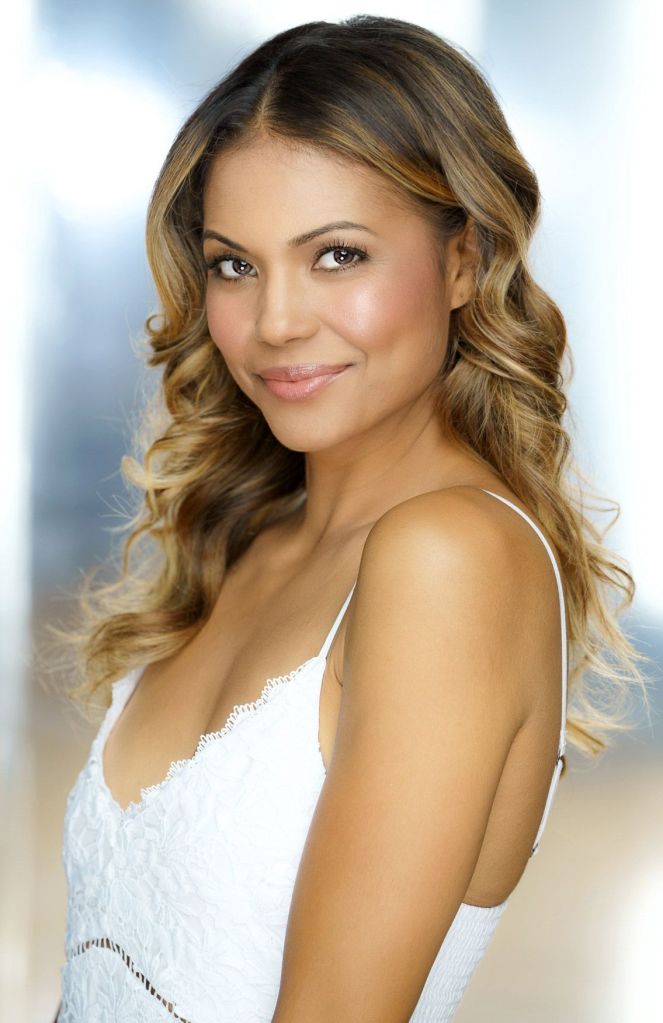
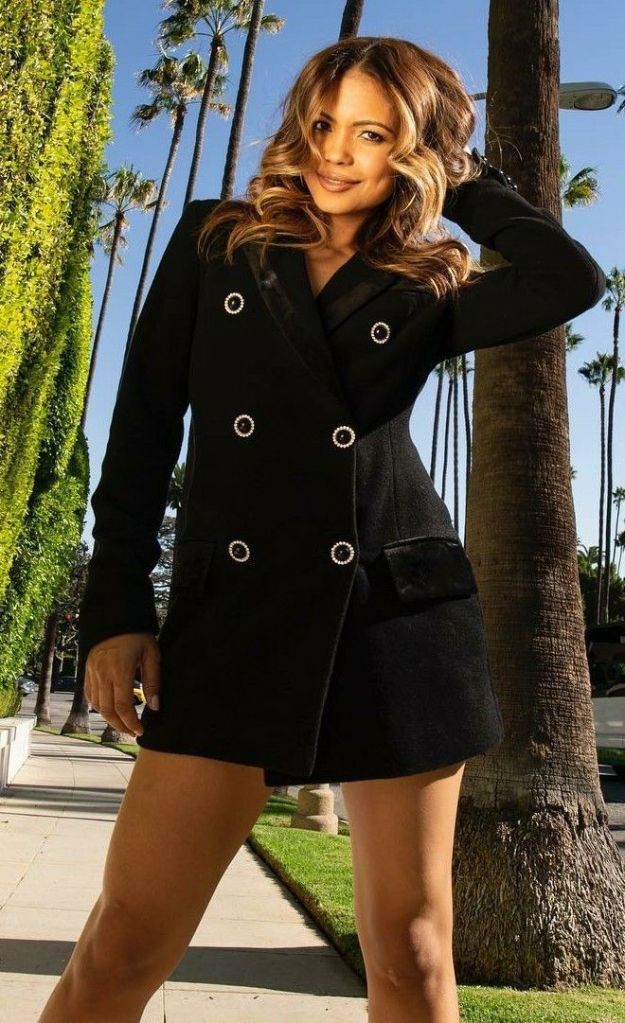
    Jennifer Freeman represents a distinctive era of early 2000s Black television—where youthful beauty, comedic timing, and cultural relatability converged. With her soft features, almond-shaped eyes, and girl-next-door charm, Freeman quickly became one of the most recognizable young faces on prime-time Black sitcom television. Yet her story, like many child-to-adult stars, reflects both the glow of early fame and the complexities of personal growth under public scrutiny.

    Born October 20, 1985, in Los Angeles, California, Freeman began acting at a young age, appearing in television series such as 7th Heaven and Even Stevens before landing her breakout role. Her defining career moment came in 2001 when she was cast as Claire Kyle on My Wife and Kids, starring opposite Damon Wayans and Tisha Campbell. As the stylish and often mischievous teenage daughter in the Kyle household, Freeman embodied the modern Black teen navigating family, identity, and humor. Her performance blended sass with innocence, making her a fan favorite and helping solidify the show’s place in early-2000s sitcom history.

    After My Wife and Kids, Freeman transitioned into film and independent projects, including roles in You Got Served and Johnson Family Vacation. Though her mainstream visibility fluctuated, she remained active in television movies and urban cinema, gradually reintroducing herself to audiences as an adult actress.

    This photograph is the property of its respective owner.

    In 2022, Freeman joined the cast of The Black Hamptons, a drama series created by Carl Weber and streamed on BET+. The series explores generational wealth, class tension, and power struggles within an affluent Black coastal community. Freeman’s involvement marked a significant return to ensemble television, aligning her with contemporary narratives centered on Black prosperity and elite social circles. The show situates her within a more mature, dramatic space, contrasting sharply with her teenage sitcom origins.

    Freeman’s personal life has also intersected with her public narrative. In 2009, she married former NBA player Earl Watson. The marriage ended in 2010 amid publicized allegations of domestic conflict, leading to a highly scrutinized divorce. Freeman later spoke about the emotional challenges of the relationship and her spiritual journey toward healing and self-restoration. The experience reframed her public image—from youthful sitcom star to a woman navigating trauma, faith, and personal rebuilding. Her openness about growth and accountability contributed to a broader cultural conversation about domestic relationships and emotional resilience.

    While Freeman has not amassed a large collection of mainstream awards, her cultural recognition stems from generational impact. My Wife and Kids remains syndicated and streamed, continuously introducing her to new audiences. Within Black pop culture, she is often remembered as one of the quintessential “It Girls” of the early 2000s—an era when Black family sitcoms were central to network programming.

    Jennifer Freeman’s legacy rests in evolution. She transitioned from teen star to adult actress, from public marital controversy to spiritual transparency, from sitcom daughter to dramatic ensemble player. Her story reflects not simply fame, but endurance—an arc familiar to many women in Hollywood who must reinvent themselves while the world watches.


    References

    BET+. (2022). The Black Hamptons series information.

    IMDb. (n.d.). Jennifer Freeman filmography. Retrieved from https://www.imdb.com

    People Magazine. (2010). Coverage of Jennifer Freeman and Earl Watson divorce.
    Wayans, D. (Producer). (2001–2005). My Wife and Kids [TV series]. ABC.

    The Ebony Dolls: Jayne Kennedy Overton

    A Vision in Bronze: The Iconic Beauty of Jayne

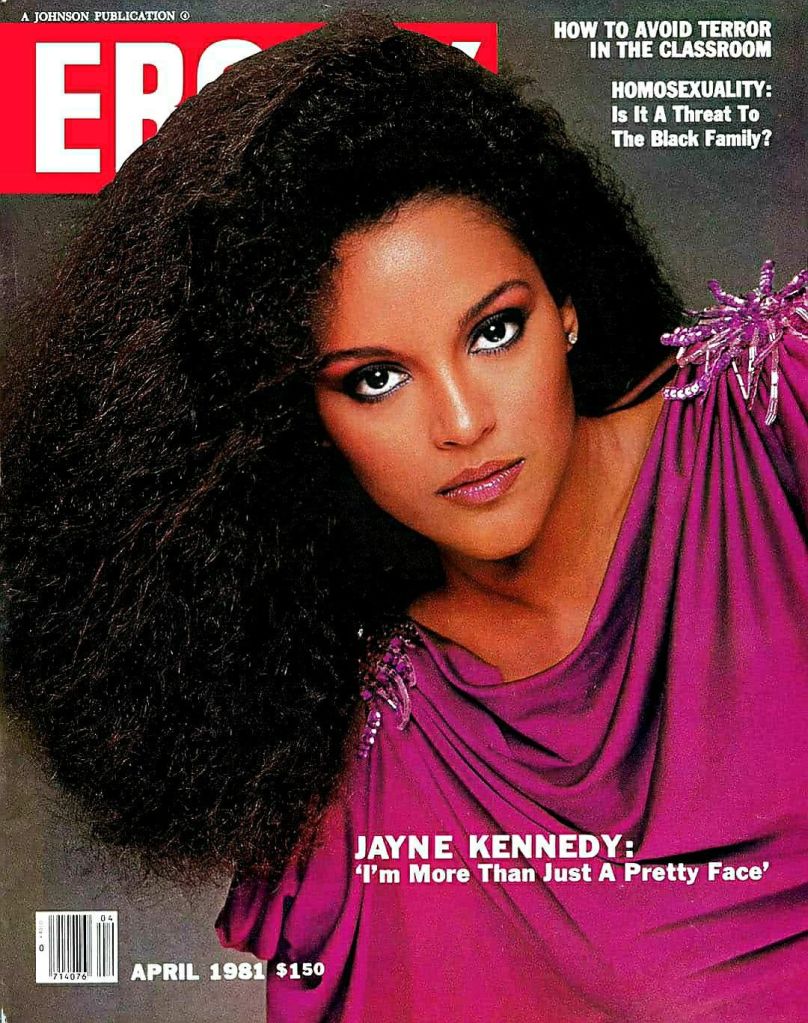
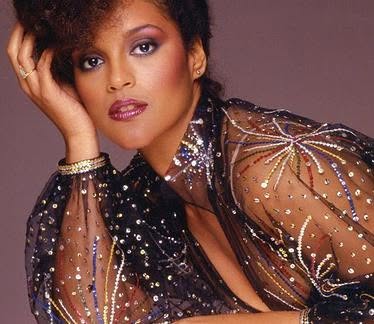
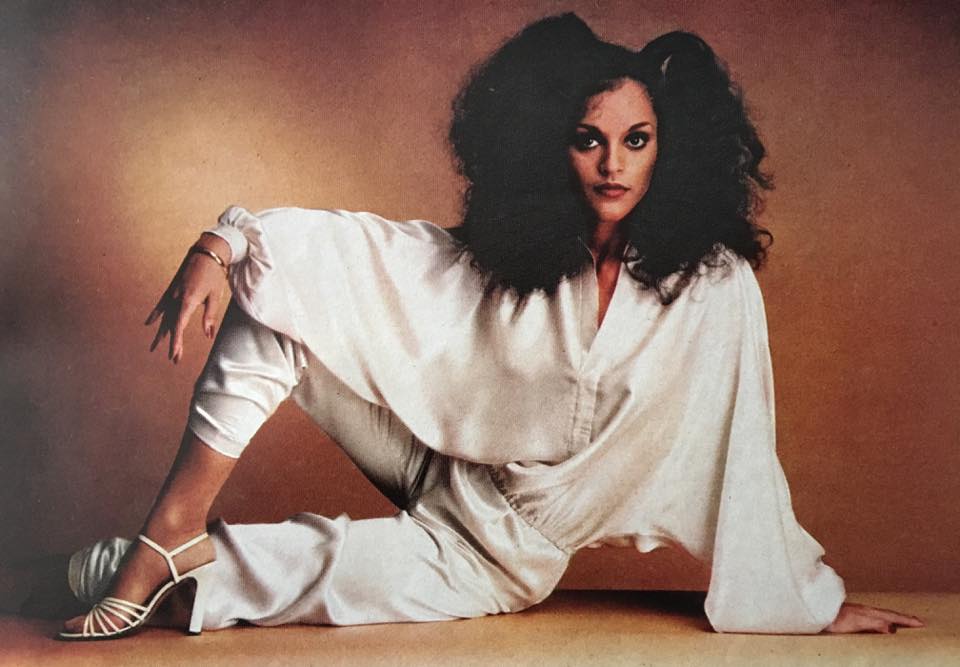
    In an era when Hollywood rarely celebrated Black beauty, Jayne Kennedy emerged like a vision— radiant, regal, and revolutionary. With her luminous bronze complexion, captivating smile, and eyes that reflected both warmth and wisdom, she redefined what glamour could look like in America. Jayne wasn’t merely beautiful; she was a lovely vision in motion—graceful as a dancer, poised as royalty, and powerful as a pioneer. As one of the first Black women to host a national sports broadcast, model and secured endorsement deals. Appearing on magazine covers and starring in film and television, she shattered barriers with elegance and determination. Her beauty carried more than aesthetic appeal—it carried purpose, destiny, and representation.

    This photograph is the property of its respective owner.

    Kennedy’s career was a masterclass in versatility. From Miss Ohio USA to The NFL Today, and from her acting roles in Body and Soul and The Muthers to her fitness empire that inspired a generation, she embodied excellence with integrity. Yet beyond the spotlight, Jayne’s faith, family devotion, and philanthropic spirit reflected an inner beauty as dazzling as her outer glow. She became a symbol of beauty and empowerment for Black women who saw themselves finally reflected in grace, style, and strength. Decades later, her influence still reverberates—proof that true beauty never fades; it evolves, enlightens, and endures.

    Photo by  LaMonte McLemore

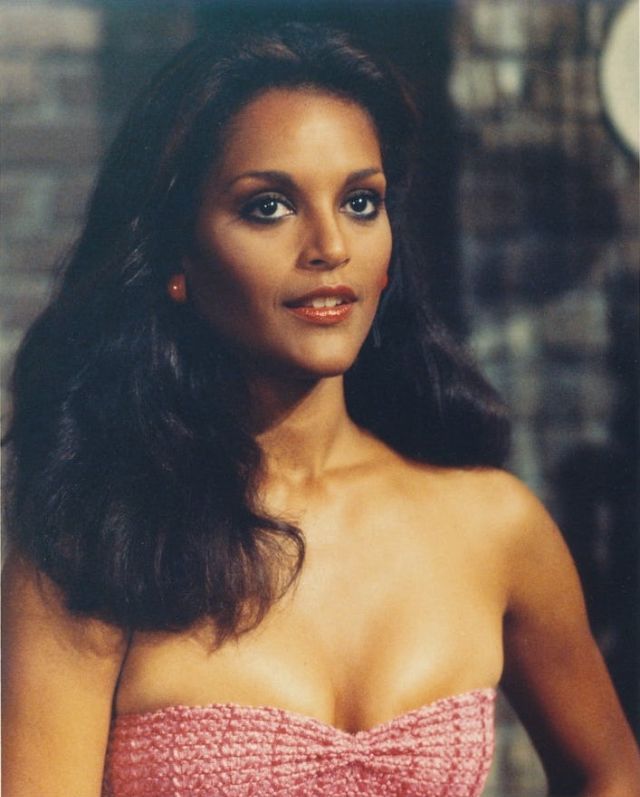
    Jayne Kennedy Overton epitomized the ideal of Black beauty during the 1970s and 1980s. With her rich caramel skin, flawless facial symmetry, and long, silky hair, she became the poster child for the most beautiful Black woman of her era. Her striking appearance made her the envy of many women and the object of desire for countless men. Alongside Billy Dee Williams, she was among the most desired figures of her time, captivating audiences with her elegance and grace.

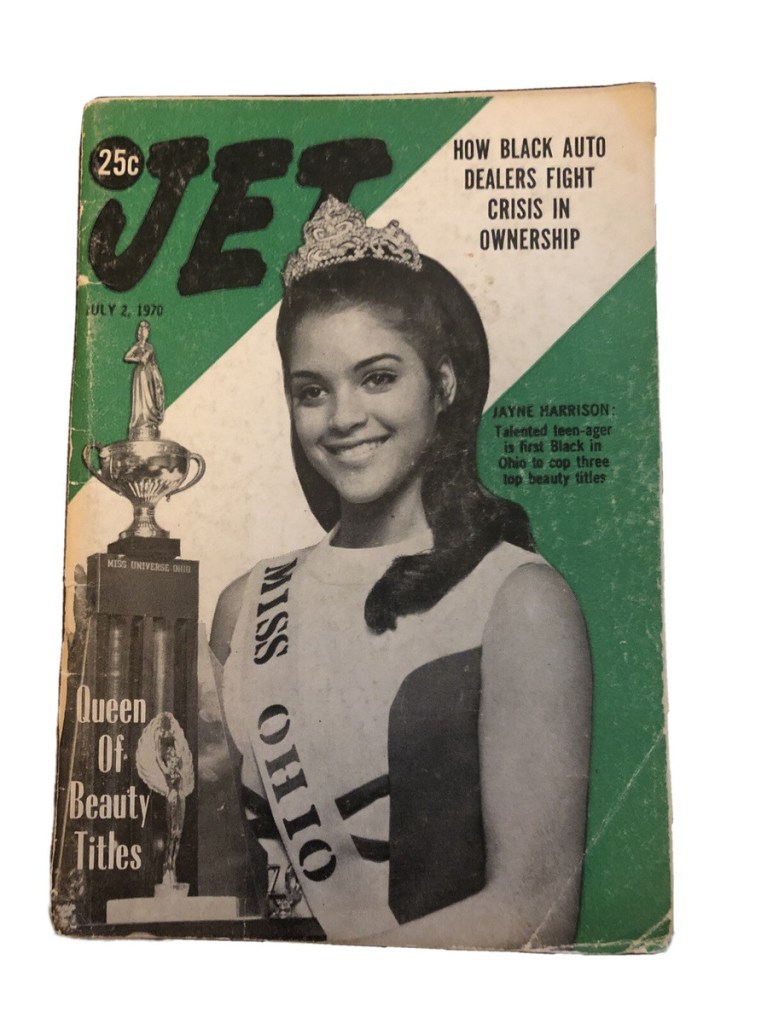
    Born Jayne Harrison on October 27, 1951, in Washington, D.C., she was one of six children raised by Herbert and Virginia Harrison. Her parents instilled in her the values of ambition, humility, and resilience. In high school, she excelled academically and socially, serving as vice president of her sophomore class and president of her junior class. Her beauty and poise led her to be crowned Miss Ohio USA in 1970, making her the first African American woman to hold the title. She went on to compete in the Miss USA pageant, finishing in the top ten.

    Her pageant success opened doors to a flourishing career in entertainment. She began as a dancer on “Rowan & Martin’s Laugh-In” and later joined “The Dean Martin Show” as a singer and dancer. Throughout the 1970s, she appeared in various television shows, including “The Six Million Dollar Man,” “Sanford and Son,” and “Starsky & Hutch.” Her film credits include “Group Marriage” (1973), “Let’s Do It Again” (1975), and “Body and Soul” (1981), for which she won the NAACP Image Award for Outstanding Actress in a Motion Picture.

    In the late 1970s, Kennedy made history by becoming the first African American woman to host “The NFL Today” on CBS, breaking significant racial barriers in sports broadcasting. She later hosted “Greatest Sports Legends,” interviewing luminaries like Kareem Abdul-Jabbar and Johnny Unitas. Her presence in the sports world was groundbreaking, paving the way for future generations of Black women in media.

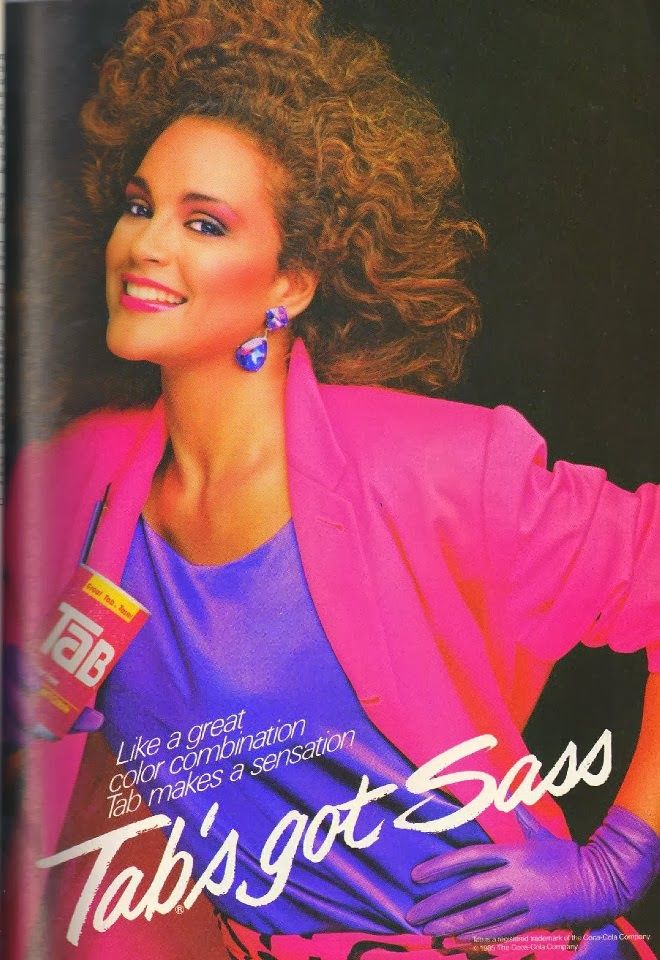
    Beyond acting and broadcasting, Kennedy ventured into fitness with the release of her own exercise video, “Love Your Body,” in 1983. The video emphasized self-love and body positivity, encouraging viewers to appreciate their bodies and maintain physical health. She also became the face of Coca-Cola’s Tab soda and Jovan Musk perfume, further solidifying her status as a cultural icon.

    Kennedy’s personal life was marked by both challenges and triumphs. She married actor Leon Isaac Kennedy in 1971, and the couple had a tumultuous relationship that ended in divorce in 1982. In 1985, she married actor Bill Overton in a small ceremony in Bermuda. Together, they have four children: daughters Savannah Re, Kopper Joi, and Zaire Ollyea, and Overton’s daughter from a previous relationship, Cheyenne. Despite facing health challenges, including a battle with endometriosis, Kennedy has remained a devoted mother and wife, balancing her family life with her professional endeavors.

    Photo by  LaMonte McLemore

    Throughout her career, Kennedy faced the complexities of being a Black woman in Hollywood, often encountering limited roles and opportunities. However, she used her platform to advocate for diversity and representation in media. She has been involved in various charitable causes, including co-hosting “The Lou Rawls Parade of Stars” in 1986, which raised $10 million for The United Negro College Fund, and serving as a keynote speaker at the Evanston Martin Luther King celebration in 1987.

    This photograph is the property of its respective owner.

    Kennedy’s beauty was not only physical but also radiated from her confidence, intelligence, and compassion. She once stated, “One of the most significant is to be acknowledged as a woman of elegance, femininity, and grace. None of which has anything to do with the way you look.” This perspective underscores her belief that true beauty encompasses more than just appearance.

    Her legacy continues to inspire, and she remains a beloved figure in the entertainment industry. In recent years, she has been active in various projects and continues to engage with her audience through social media platforms. Her enduring influence serves as a testament to her talent, resilience, and the timeless allure that captivated a generation.

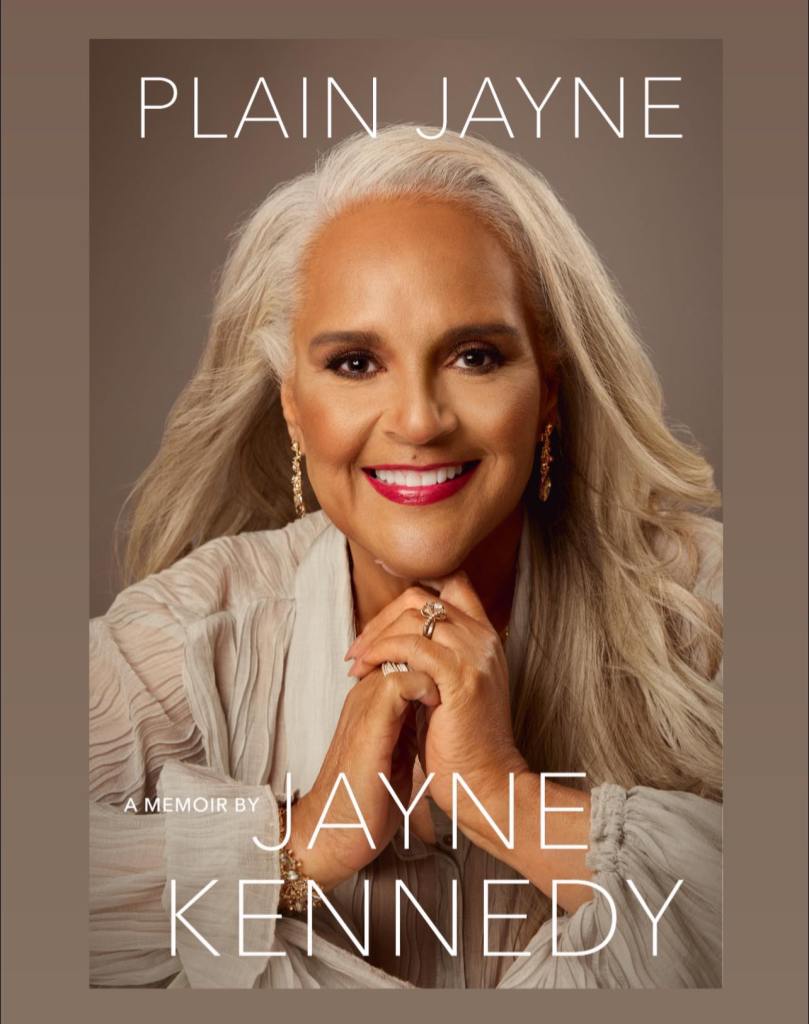
    In recent years, Jayne Kennedy released her inspiring memoir, Plain Jayne, a reflective journey through her extraordinary life. The book chronicles her humble beginnings in Ohio, her rise through the world of beauty pageants—including her crowning as Miss Ohio USA—and her groundbreaking transition into entertainment and sports broadcasting. Through candid storytelling, Kennedy reveals the determination, faith, and resilience that shaped her into the trailblazing icon she is today.

    To purchase her book, hit the link: https://amzn.to/4oWRMHL

    Jayne Kennedy’s story is not merely one of fame—it is a symphony of faith, elegance, and endurance. From the quiet streets of Ohio to the dazzling lights of Hollywood, she moved with the poise of a queen and the heart of a servant, turning obstacles into stepping stones and criticism into conviction. Her beauty opened doors, but her character kept them open for others. Plain Jayne is more than a memoir—it is a mirror reflecting the strength, dignity, and divine grace of a woman who refused to be defined by limitations. Today, Jayne Kennedy’s light still shimmers across generations, reminding us that true beauty is eternal—it is the glow of purpose, courage, and the unyielding belief that you were born to shine.

    References: