
The remarkable, Ms Lena…
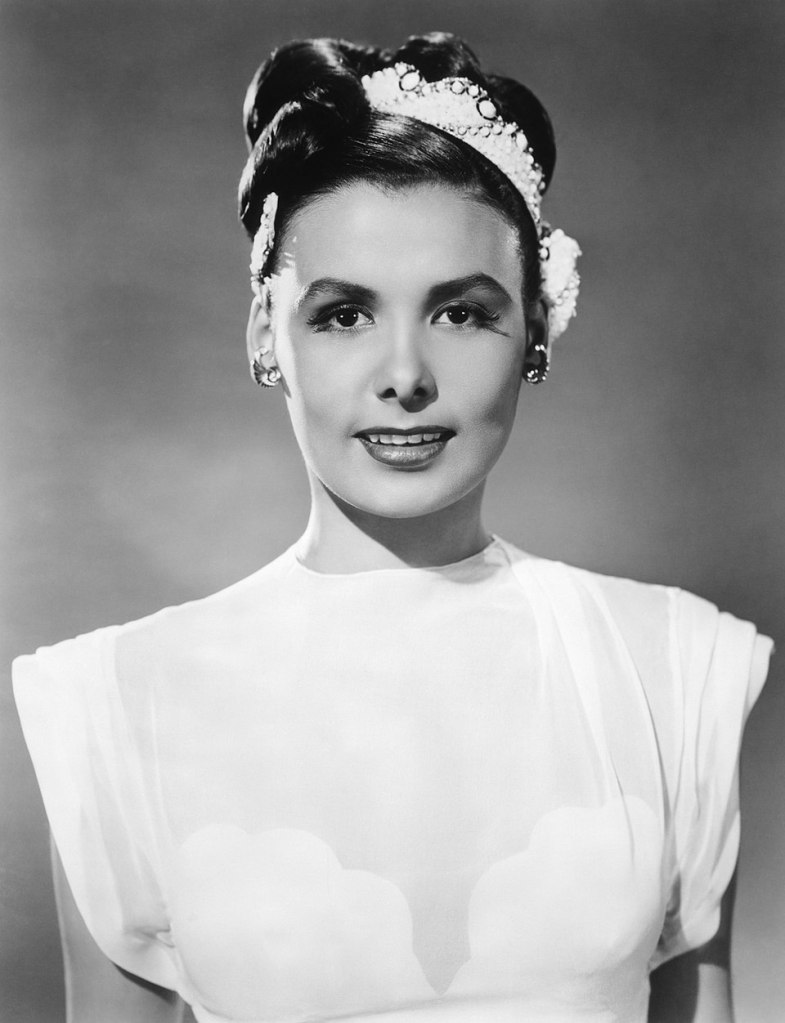
Lena Horne was a vision of elegance, beauty, and poise whose presence captivated audiences worldwide. Her light complexion, radiant smile, and graceful demeanor made her a striking figure in Hollywood during a time when Black women were often denied visibility. Many described her as stunningly beautiful, a woman whose allure went beyond physicality—her voice, intelligence, and stage presence added layers of magnetism that commanded respect and admiration. Even in the racially segregated entertainment industry, Lena’s appearance and talent allowed her to transcend barriers, though not without confronting the challenges of colorism and systemic discrimination (Horne, 1983).
Lena Mary Calhoun Horne was born on June 30, 1917, in Brooklyn, New York, into a family that carried both African American and European ancestry. Her heritage was complex: she was light-skinned, a trait that shaped both opportunities and challenges in her career and personal identity. Growing up, Lena was conscious of her appearance in a society that valued lighter skin, often granting her advantages in access to roles that darker-skinned Black women were denied. Yet, she remained critical of colorism, speaking openly about the ways society’s standards created division and unequal treatment within the Black community (Horne, 1983).
Lena’s career began at a young age. She joined the chorus line at the Cotton Club in Harlem as a teenager, performing alongside some of the era’s greatest Black entertainers. Her talent quickly set her apart, and she was discovered by Hollywood talent scouts, leading to a contract with MGM in the late 1930s. Despite her abilities, Lena often faced typecasting: she was one of the few Black actresses who could portray roles of sophistication and glamour, yet she was restricted from starring opposite white actors in romantic roles due to prevailing racial taboos (Haskins, 1995).
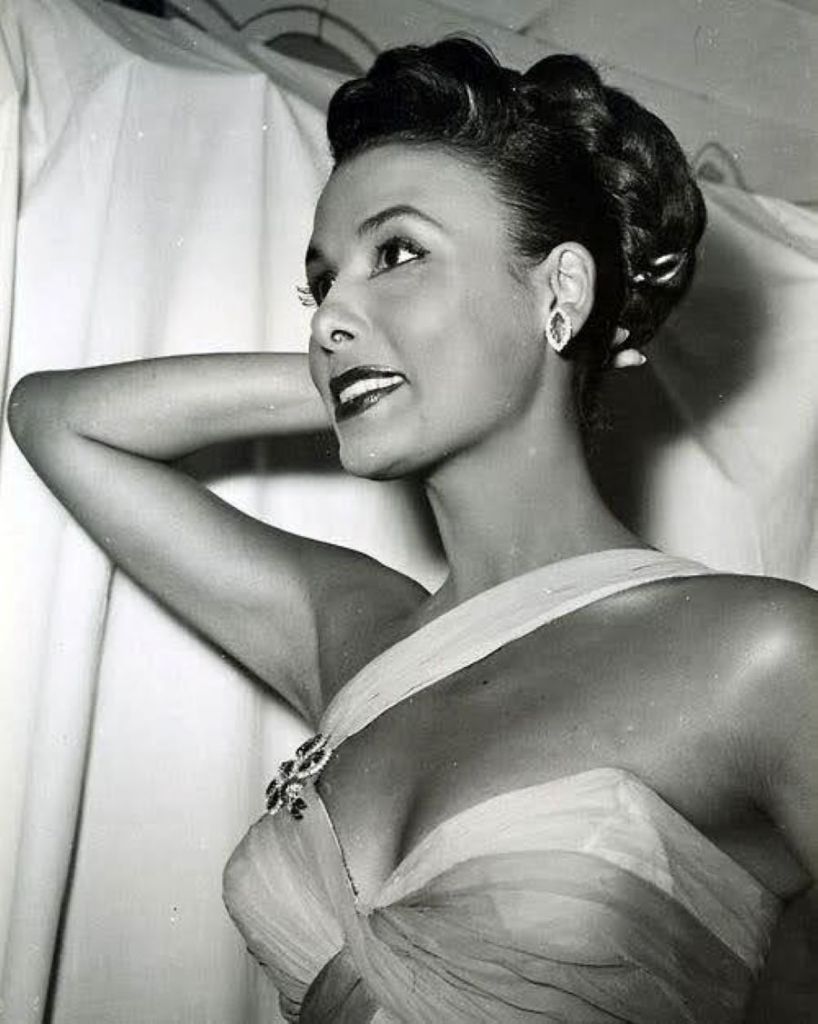
Horne’s film career included appearances in landmark movies such as Cabin in the Sky (1943) and Stormy Weather (1943), the latter becoming a signature work that showcased both her acting and her legendary singing voice. She was celebrated not only for her performances but also for her groundbreaking contributions to integrating Black artists into mainstream entertainment. Despite her beauty and talent, Lena often had to fight for roles and recognition in an industry rife with discrimination and restrictive casting practices.
Her music career was equally remarkable. Lena Horne became one of the most iconic jazz and popular singers of her time, known for songs such as Stormy Weather and The Lady is a Tramp. She performed in nightclubs, theaters, and on television, captivating audiences with her sultry voice, elegance, and impeccable stage presence. Horne broke barriers in live performance, becoming one of the first Black women to headline at major venues previously reserved for white entertainers (Erenberg, 2008).
Horne was acutely aware of the role her skin tone played in her opportunities. While lighter skin occasionally afforded her access, she spoke out about the injustice of colorism within Hollywood and society at large. She recognized that talented darker-skinned Black performers were often overlooked, and she used her platform to advocate for equality, fair treatment, and representation. In interviews, she reflected on the complexity of her position—benefiting from colorism while resisting complicity in perpetuating its harm (Horne, 1983).
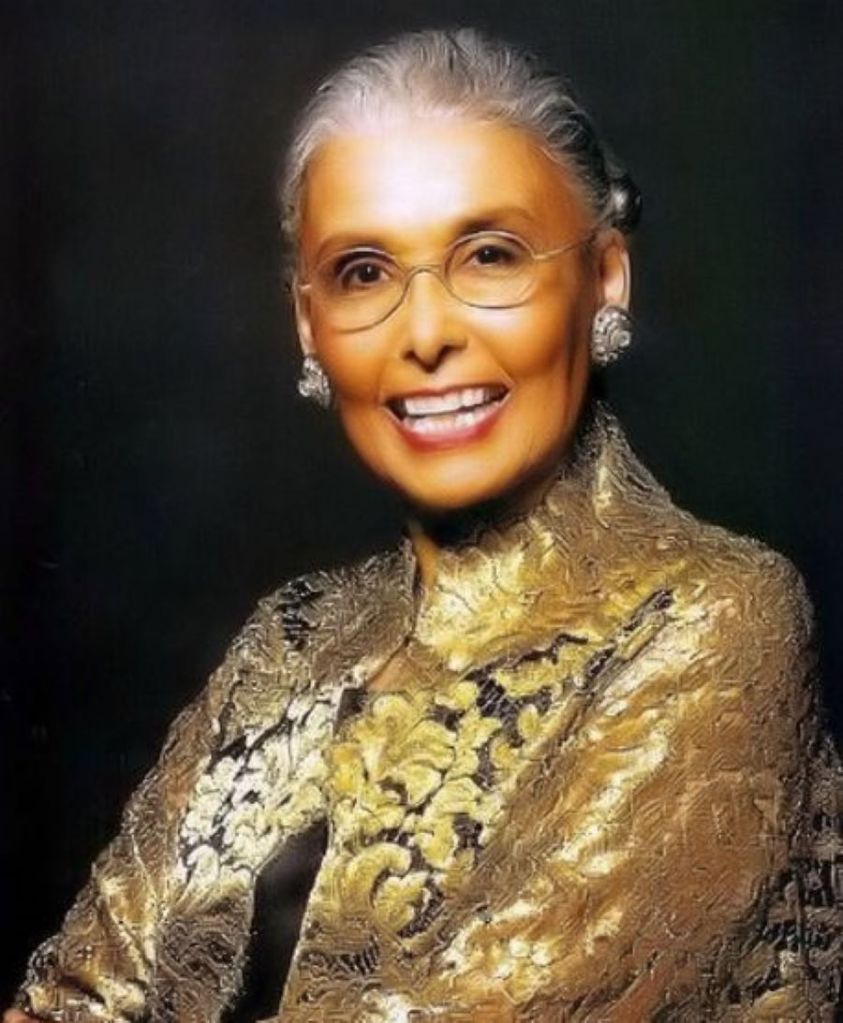
Her activism extended beyond colorism. Lena Horne was deeply involved in civil rights work, participating in the March on Washington in 1963 and supporting organizations that fought for racial equality and social justice. She refused to perform in venues that practiced segregation, and she openly challenged discriminatory practices within the entertainment industry. Her courage and advocacy made her not just an icon of beauty and talent but also a model of principled resistance (Haskins, 1995).
Lena Horne received numerous accolades throughout her career. While she was not always recognized by Hollywood with major awards during her peak years, she earned several nominations and honors later in life, including a Special Academy Award in 1981, recognizing her contributions to the film industry and the struggle for racial equality. She was also the recipient of Grammy Awards and Lifetime Achievement honors, reflecting her enduring influence as a performer and cultural icon.
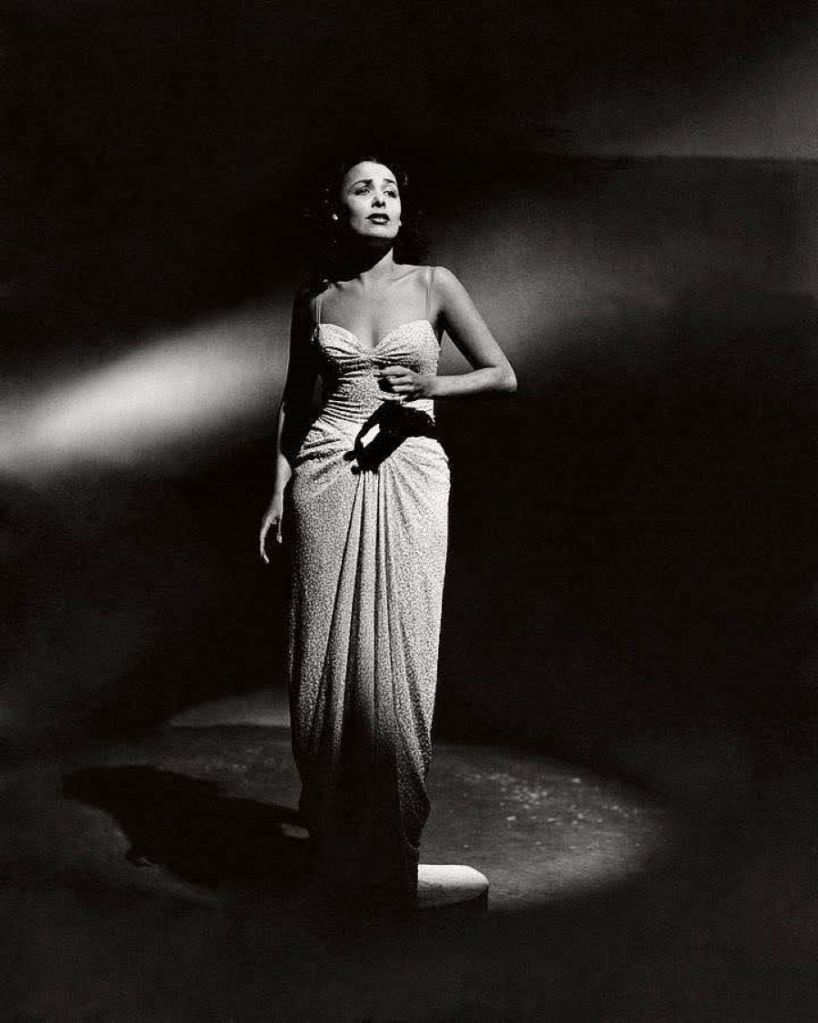
Her experiences as a light-skinned Black woman navigating race, colorism, and sexism provided Lena with a unique perspective. She often discussed the privileges and burdens of her appearance, advocating for the recognition of beauty across the spectrum of skin tones. Lena’s grace, intelligence, and forthrightness helped reshape societal perceptions of Black women, challenging stereotypes while embodying sophistication, talent, and dignity (Erenberg, 2008).
Horne’s influence continues to resonate. She inspired generations of Black performers to embrace their identity, challenge inequity, and pursue excellence despite systemic barriers. Lena Horne’s legacy is a blend of artistry, activism, and advocacy—her beauty complemented by her unwavering commitment to justice, equality, and representation. She remains a quintessential figure in Black cultural history, a shining example of elegance, resilience, and purpose.
References
- Erenberg, L. A. (2008). Swingin’ the Dream: Big Band Jazz and the Rebirth of American Culture. University of Chicago Press.
- Haskins, J. (1995). Lena Horne: A Life of Music and Activism. Black Scholar Press.
- Horne, L. (1983). Lena: My Story. New York: G.P. Putnam’s Sons.
- IMDb. (n.d.). Lena Horne Filmography. Retrieved from https://www.imdb.com/name/nm0001351/
 THE BROWN GIRL DILEMMA