

Tag Archives: likes

The Female Files: Beware of Men Who Flatter You #thebrowngirldilemma

Flattery is one of the oldest and most effective tools of manipulation, especially when directed toward women who desire affection, affirmation, or admiration. While kind words are not inherently wrong, excessive praise that lacks substance or truth can become spiritually and emotionally dangerous. Scripture consistently warns that flattering speech is often a gateway to deception.

In the King James Version, the Bible is clear that flattery is not harmless. “A flattering mouth worketh ruin” (Proverbs 26:28, KJV). Flattery is not designed to build you; it is designed to soften you. It disarms discernment and makes the listener more susceptible to influence.

Men who flatter excessively are often not speaking from conviction, but from strategy. Their words are crafted to get something—attention, access, emotional labor, sex, validation, or control. “With their flattering lips and with their double heart do they speak” (Psalm 12:2, KJV). What sounds sweet may be spiritually toxic.

Flattery thrives because it tells you what you want to hear, not what is true. When a woman is hungry for affirmation, flattery feels like nourishment, even when it is empty calories. “For the lips of a strange woman drop as an honeycomb, and her mouth is smoother than oil” (Proverbs 5:3, KJV). The same principle applies in reverse.

Many women enjoy admiration and mistake it for genuine interest. There is a difference between appreciation and flattery. Appreciation observes character, while flattery exaggerates appearance. One builds esteem; the other inflates ego.

A flattering man rarely asks about your values, your faith, your purpose, or your character. His focus remains external. This is dangerous because God never prioritizes outward beauty over inward substance. “Man looketh on the outward appearance, but the LORD looketh on the heart” (1 Samuel 16:7, KJV).

Biblically, a worthy woman is praised for her fear of the Lord, not her face. “Favour is deceitful, and beauty is vain: but a woman that feareth the LORD, she shall be praised” (Proverbs 31:30, KJV). When a man ignores this standard, it reveals what he truly values.

Common flattering phrases reveal shallow intent. Compliments such as “Baby, you so fine,” “You’re the most beautiful woman in the world,” or “You are BAD” focus entirely on physical attraction. These words are not rooted in discernment but desire.

Statements like “I’ll drink your bath water,” “You drop-dead beautiful,” or “You’re the prettiest thing since sliced peaches” are exaggerated, performative, and often recycled. They are designed to provoke emotion, not demonstrate respect.

Notice that none of these compliments address your mind, your integrity, your faith, or your discipline. They do not affirm your character, your wisdom, or your calling. They reduce you to a visual experience rather than a whole person.

Many women “eat this up” because admiration feels validating, especially in a culture that ties female worth to beauty. But validation rooted only in appearance is unstable and short-lived. When beauty fades, so does the attention.

The danger deepens when women forget that flattering men often say the same things to multiple women daily. Scripture warns of this pattern: “They bless with their mouth, but they curse inwardly” (Psalm 62:4, KJV). Flattery is rarely exclusive.

Flattering men are skilled at creating false intimacy quickly. Their words make you feel chosen, special, and elevated. Yet this is often a tactic to bypass boundaries and gain access without commitment.

Flattery also weakens discernment by appealing to pride. Proverbs warns, “He that flattereth his neighbour spreadeth a net for his feet” (Proverbs 29:5, KJV). What feels like admiration may actually be a trap.

A man of substance will not rush to exalt your beauty before knowing your heart. He understands that attraction without discernment leads to misuse. He looks for inward beauty—your fear of God, your humility, your wisdom, and your fruit.

Peter reinforces this principle, teaching that true beauty is internal, not external. “Let it be the hidden man of the heart… even the ornament of a meek and quiet spirit” (1 Peter 3:4, KJV). A godly man is drawn to this kind of beauty.

Flattery often replaces action with words. A man who flatters heavily but invests little reveals his priorities. Talk is cheap, but consistency is costly. True interest is demonstrated, not declared.

Women must learn to test words by time and behavior. “Beloved, believe not every spirit, but try the spirits whether they are of God” (1 John 4:1, KJV). Discernment requires patience.

Prayer is essential in guarding the heart from flattering deception. Asking God for wisdom exposes motives that are hidden beneath smooth speech. “If any of you lack wisdom, let him ask of God” (James 1:5, KJV).

Ultimately, flattery is dangerous because it trains women to value attention over truth. God’s design is higher. He desires women to be chosen for who they are becoming, not merely how they appear.

A woman grounded in God does not depend on flattery for identity. She knows her worth is rooted in the Most High, not in the mouths of men. When you value inward beauty, flattery loses its power—and only sincerity remains.


References (KJV)

The Holy Bible, King James Version.
1 Samuel 16:7
Psalm 12:2; Psalm 62:4
Proverbs 5:3; Proverbs 26:28; Proverbs 29:5; Proverbs 31:30
1 Peter 3:4
James 1:5
1 John 4:1
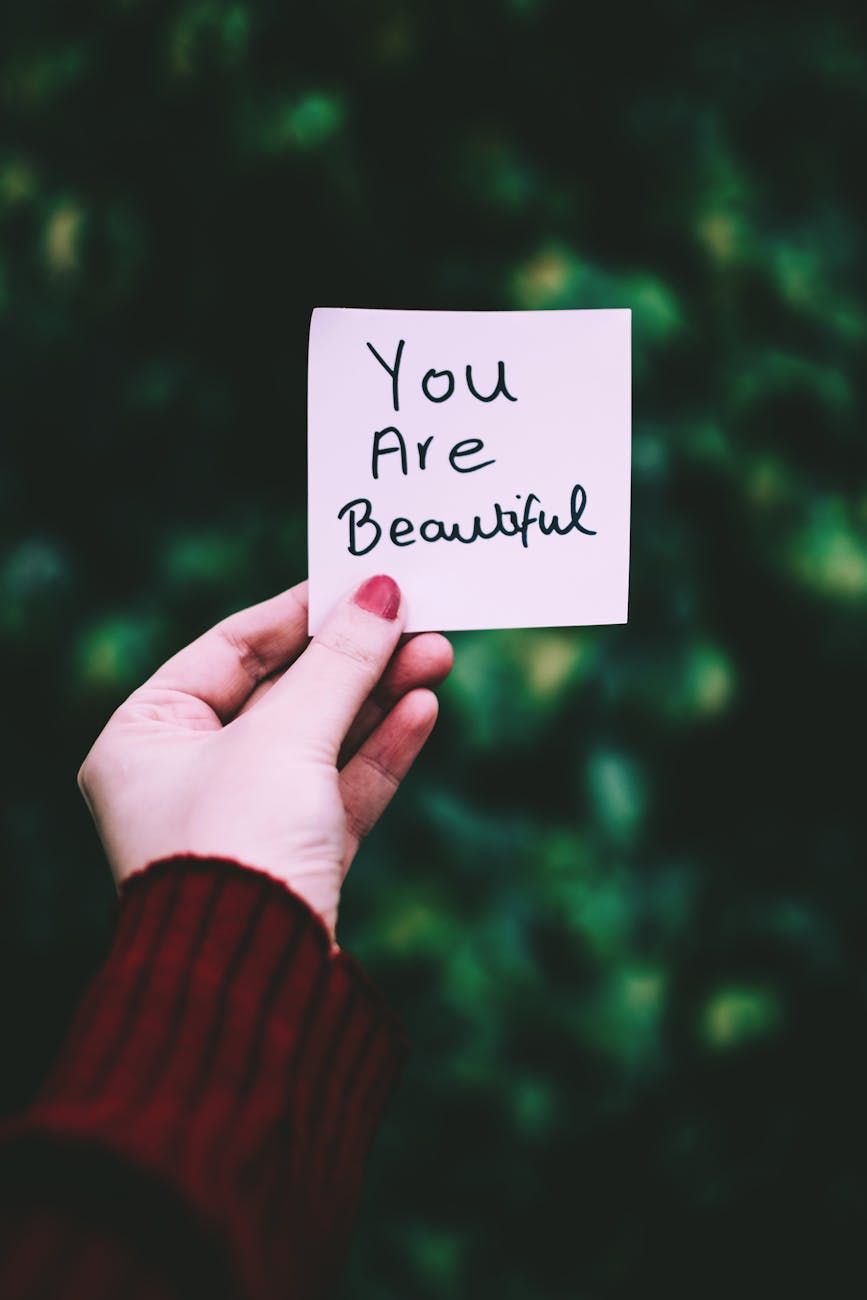

Validation is a Prison in the Mind: Public Opinions.

Photo by Lisa from Pexels on Pexels.com

Human desire for approval is ancient, but in the digital era it has evolved into a culture-wide psychological chain. The hunger for validation—once rooted in community and kinship—now manifests in likes, shares, and public perception. This need becomes imprisonment when external opinions dictate identity, behavior, and worth (Baumeister & Leary, 1995).

Public validation operates like a currency. Individuals trade authenticity for applause, editing themselves to fit social expectations. When the measure of self comes from others, identity becomes fragile and contingent. Instead of asking Who am I?, many ask, What do they think? The self fractures under performance pressure.

This prison thrives in a comparison culture. Digital exposure amplifies judgment—real or imagined. People’s sense of worth becomes tied to metrics of visibility rather than intrinsic value (Twenge, 2017). Constant evaluation erodes confidence and cultivates anxiety.

Social media intensifies this trap. Curated images and narratives create unrealistic standards, pushing individuals to seek constant approval to mirror perceived perfection (Chou & Edge, 2012). Identity becomes theatrical: one plays the role others reward, not the role one is called to live.

Scripture warns against fear of public opinion: “The fear of man bringeth a snare” (Proverbs 29:25, KJV). Fear enslaves; it binds decisions to external praise instead of internal purpose. When validation is the god, authenticity becomes the sacrifice.

Seeking validation feeds insecurity instead of healing it. Approval offers temporary relief, not transformation. Like addiction, the more validation one receives, the more one needs to maintain emotional equilibrium (Andreassen et al., 2017). The soul starves chasing crumbs of affirmation.

The prison bars are not physical—they are psychological. They take shape through self-monitoring, image control, and emotional dependence on external responses (Leary, 2010). The individual becomes a prisoner to perception rather than a steward of truth.

Identity shaped by crowd opinion is inherently unstable. Public sentiment is fickle. Praise today becomes critique tomorrow. Those who anchor self-worth to shifting crowds experience emotional volatility and erosion of self-trust (Deci & Ryan, 2000). Where there is no internal foundation, outside voices rule.

This validation trap harms relationships. People stop engaging genuinely, interacting instead for applause, recognition, or status. Love turns into performance; friendship becomes audience management. Community loses authenticity and depth (Putnam, 2000).

The prison also affects spiritual grounding. Scripture calls believers to seek approval from God, not man: “For do I now persuade men, or God?” (Galatians 1:10, KJV). Spiritual identity is rooted in divine truth, not social metrics. Public validation competes with God’s affirmation.

Psychologically, external validation weakens autonomy. Self-determination theory emphasizes intrinsic motivation as the key to well-being (Deci & Ryan, 2000). Dependence on others’ approval undermines inner motivation, leading to emptiness and emotional fragility.

Public opinion often promotes conformity, not growth. Fear of judgment prevents risk, innovation, and truth-telling. Progress is stifled when voices censor themselves to avoid backlash (Noelle-Neumann, 1974). Conformity breeds mediocrity.

Cognitive dissonance emerges when individuals know who they are privately but act differently publicly. This gap creates psychological discomfort, stress, and identity confusion (Festinger, 1957). The prison forces a split between truth and performance.

Cultural pressure also reinforces self-objectification. People become objects to be seen rather than souls to be known. This dehumanization fuels low self-esteem and body dissatisfaction, especially among women and marginalized communities (Fredrickson & Roberts, 1997).

True confidence does not beg for applause. It exists without spotlight. It aligns with purpose rather than popularity. As Scripture reminds, “Man looketh on the outward appearance, but the Lord looketh on the heart” (1 Samuel 16:7, KJV). Divine perspective liberates from human judgment.

Freedom begins with self-recognition: acknowledging the internal need for approval and dismantling its power. Practicing solitude, silence, and introspection strengthens internal voice over external noise.

True liberation requires re-anchoring worth. When value is rooted in spiritual identity, purpose, and character, public opinion loses power. The self becomes whole—no longer fractured by applause or rejection.

To escape the validation prison, one must embrace authenticity. Those who speak truth, live purposefully, and pursue inner fulfillment do not need public permission. They move with conviction, not crowd consensus.

Ultimately, public validation is a fragile foundation. External applause cannot sustain the soul. Freedom comes when identity is anchored in truth, not perception; divine approval, not social metrics. The liberated soul lives boldly, loves deeply, and walks purpose-filled—unshackled from the prison of public opinion.


References

Andreassen, C. S., et al. (2017). The relationship between addictive use of social media and symptoms of psychiatric disorders. Psychological Reports, 120(4).
Baumeister, R., & Leary, M. (1995). The need to belong. Psychological Bulletin, 117(3).
Chou, H., & Edge, N. (2012). Facebook use and social comparison. Cyberpsychology, Behavior, and Social Networking, 15(2).
Deci, E., & Ryan, R. (2000). Self-determination theory and well-being. American Psychologist, 55(1).
Festinger, L. (1957). A theory of cognitive dissonance. Stanford University Press.
Fredrickson, B., & Roberts, T. (1997). Objectification theory. Psychology of Women Quarterly, 21(2).
Leary, M. (2010). The curse of the self: Self-awareness, egotism, and the quality of human life. Oxford University Press.
Noelle-Neumann, E. (1974). The spiral of silence. Journal of Communication, 24(2).
Putnam, R. (2000). Bowling alone: The collapse and revival of American community. Simon & Schuster.
Twenge, J. (2017). iGen. Atria Books.

Brain Rot: The Lure of Social Media

Photo by Dalila Dalprat on Pexels.com

Social media stands as one of the most powerful forces shaping modern consciousness. While it promises connection, entertainment, and information, it simultaneously erodes attention, distorts self-perception, and rewires the mind. The phrase “brain rot” captures this slow psychological decay—a cultural and neurological drifting toward distraction, comparison, and overstimulation (Alter, 2017). In a world where digital platforms govern attention, the brain becomes a battlefield.

Algorithms engineer compulsion, not connection. Platforms optimize for engagement, not mental well-being, feeding the mind constant stimulation that disrupts cognitive rest cycles (Foerde & Shohamy, 2020). Where previous generations sought answers through study and silence, today many seek stimulation through endless scroll.

Attention—the currency of consciousness—is now fractured. Continuous scrolling conditions the mind to crave novelty at the expense of depth (Carr, 2020). A long-form book becomes unbearable, silence becomes uncomfortable, and thought becomes fragmented. The result is an inability to remain still, focus deeply, or engage meaningfully in sustained learning.

Attention decay is not a failure of willpower; it is engineered. Platforms deploy behavioral design mechanisms—intermittent rewards, infinite scroll, push notifications—to keep users locked in feedback loops (Eyal, 2014). The brain, wired for dopamine reward cycles, responds instinctively. Every like, share, and notification becomes a small high.

This dopamine loop leads to repeated checking, searching, and refreshing. Research shows similar neural activation patterns between social media engagement and substance addiction (Andreassen et al., 2017). The mind becomes dependent on micro-stimuli, weakened in its ability to seek fulfillment offline. The quiet life feels empty without digital applause.

Beyond neurology, the lure of social media is emotional. It offers validation. Affirmation. Belonging. Yet behind the screen lies comparison, envy, and insecurity. Curated lives produce distorted standards—beauty that is filtered, success that is exaggerated, happiness that is staged (Chou & Edge, 2012). The heart grows restless chasing illusions.

Identity becomes performance. Value becomes measured by visibility. The self becomes a brand. The digital mirror shapes self-worth as individuals seek approval from audiences rather than from purpose, community, or faith (Twenge, 2017). What once came from inner conviction now comes from metrics: likes, followers, views.

Vulnerability deepens among youth. Studies show rising anxiety, depression, and social disorientation among adolescents linked to heavy social media use (Keles et al., 2020). With developing brains still forming executive function and emotional regulation, the digital trap becomes generational.

Social comparison intensifies colorism, beauty bias, and racial insecurity online. Eurocentric filters and algorithmic biases elevate certain features and diminish others, reinforcing internalized hierarchy (Noble, 2018). In Black communities especially, social media creates pressure to conform to narrow aesthetics while erasing complexity and heritage.

The spiritual dimension of brain rot is profound. Constant distraction dulls discernment. The mind becomes reactive instead of reflective. Scripture warns, “Be still, and know that I am God” (Psalm 46:10, KJV). But digital culture abandons stillness. When the soul loses silence, it loses clarity.

Social media also impacts memory and learning. Outsourcing thought to devices weakens retrieval processes and deep storage of information (Storm & Stone, 2015). Minds no longer remember; they rely on searching. Knowledge becomes external. Wisdom becomes scarce.

Community fractures into digital tribes. Echo chambers amplify anger, misinformation, and division. Outrage becomes a resource to harvest, not a reaction to injustice (Sunstein, 2017). Brain rot is not only forgetting truth; it is learning to love noise.

Yet social media is not inherently destructive—it reflects usage. It can teach, inform, uplift, and empower movements for justice. Digital mobilization has amplified marginalized voices, documented abuses, and preserved history erased from mainstream narratives (Tufekci, 2017). The danger lies not in the tool, but in the unexamined dependency.

Restoration requires discipline. Boundaries guard the mind. Intentional consumption, designated offline time, and mindful use reclaim mental sovereignty (Newport, 2019). Digital sabbaths cultivate peace. Silence strengthens the inner voice.

Parents, educators, and leaders must teach digital literacy. Children must learn that value is not algorithm-assigned but divinely inherent. Minds must rediscover books, prayer, reflection, and community—not merely screens.

Prioritizing presence heals. Eye-to-eye conversation, physical touch, shared experiences, and real-world learning nourish cognitive development and emotional well-being. No emoji replaces human intimacy.

Ultimately, brain rot is a symptom of spiritual and cultural drift. When the mind serves distraction instead of purpose, decay follows. But when the mind seeks truth, discipline, and meaning, it flourishes. As Scripture reminds, “Set your affection on things above, not on things on the earth” (Colossians 3:2, KJV).

To reclaim the brain is to reclaim sovereignty, identity, and destiny. It is to choose depth over distraction and wisdom over noise. The battle for the mind is the battle for the future.

The cure begins with awareness, continues with discipline, and ends in liberation. The brain can be rewired. Focus can be restored. Thought can deepen again. We simply must choose clarity over chaos.

The lure of social media is strong—but the power of a disciplined mind is stronger.


References

Alter, A. (2017). Irresistible: The rise of addictive technology and the business of keeping us hooked. Penguin Press.
Andreassen, C. S., et al. (2017). The relationship between addictive use of social media and video games and symptoms of psychiatric disorders. Psychological Reports, 120(4).
Carr, N. (2020). The shallows: What the Internet is doing to our brains. W. W. Norton.
Chou, H., & Edge, N. (2012). “They are happier and having better lives than I am”: Facebook use and depression. Cyberpsychology, Behavior, and Social Networking, 15(2).
Eyal, N. (2014). Hooked: How to build habit-forming products. Portfolio.
Foerde, K., & Shohamy, D. (2020). Neuroscience of habit learning. Neurobiology of Learning and Memory, 169.
Keles, B., et al. (2020). A systematic review of social media and depression among adolescents. Clinical Child and Family Psychology Review, 23(4).
Noble, S. U. (2018). Algorithms of oppression: How search engines reinforce racism. NYU Press.
Newport, C. (2019). Digital minimalism: Choosing a focused life in a noisy world. Portfolio.
Storm, B. C., & Stone, S. M. (2015). Saving-enhanced memory. Psychological Science, 26(2).
Sunstein, C. R. (2017). #Republic: Divided democracy in the age of social media. Princeton University Press.
Tufekci, Z. (2017). Twitter and tear gas: The power and fragility of networked protest. Yale University Press.
Twenge, J. (2017). iGen. Atria Books.