Tag Archives: lena horne

Black History: Harlem Renaissance Icons

The Harlem Renaissance is often remembered as a golden age of Black brilliance, a period when music, theater, literature, and fashion converged into a global statement of cultural power. Yet behind the elegance, tuxedos, and spotlight glamour existed a harsher reality of emotional trauma, racial exploitation, violent relationships, and broken families. The icons of this era were not only cultural heroes but also human beings navigating fame inside a deeply racist society that consumed their talent while disregarding their humanity.

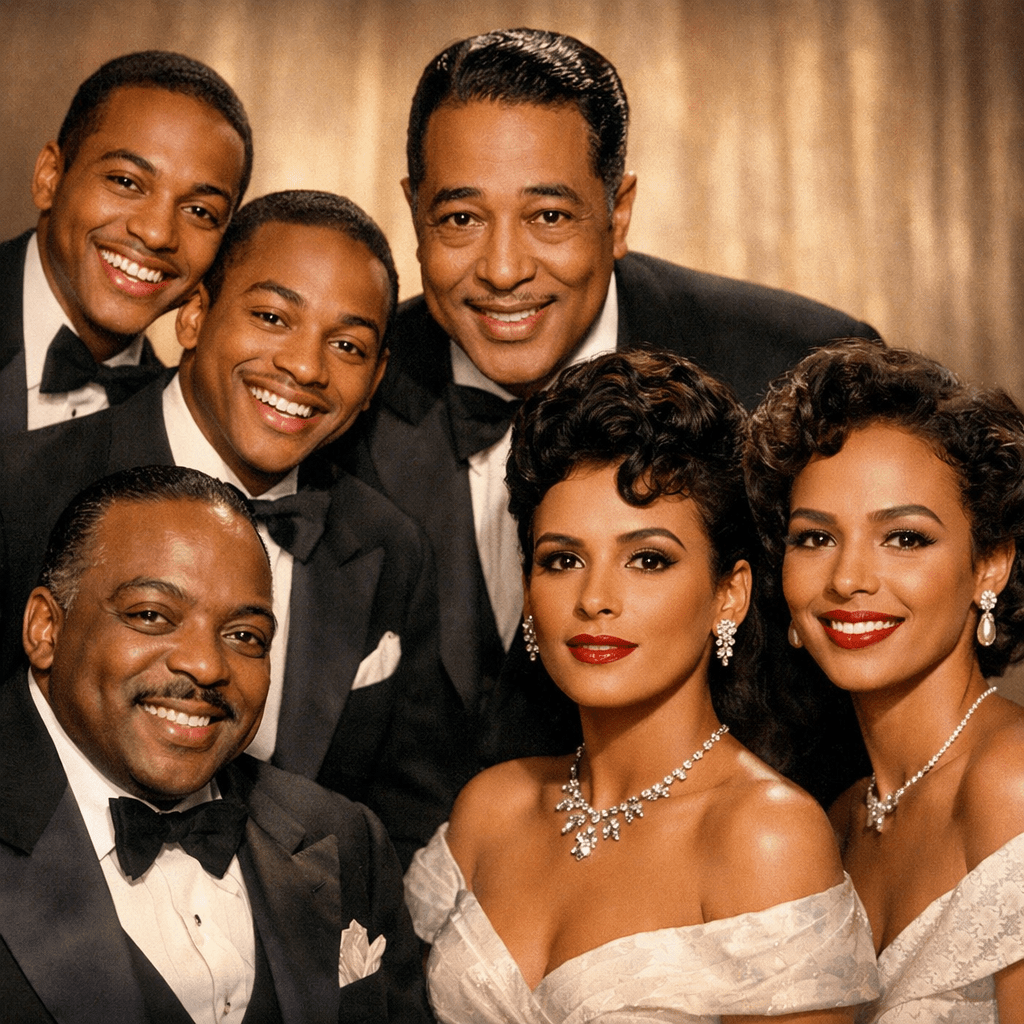
At the center of this world stood Duke Ellington, whose orchestra became the sound of Black sophistication. Ellington’s genius reshaped American music, elevating jazz into an art form worthy of concert halls and classical comparison. Yet his personal life reflected the era’s contradictions. Constant touring strained his marriage, and his emotional distance from his family mirrored a broader pattern among male entertainers whose careers required near-total devotion at the cost of intimacy and fatherhood.

Ellington’s rise was inseparable from the Cotton Club, a glamorous but deeply ironic institution. The club showcased the finest Black talent in America, yet barred Black patrons entirely, catering exclusively to wealthy white audiences. Black performers were celebrated on stage but segregated in the audience, reinforcing a system where Black excellence was profitable but Black dignity remained negotiable.

Another towering figure was Count Basie, whose Kansas City swing style brought raw energy and improvisation into the mainstream. Basie’s orchestra became legendary for its tight rhythms and blues-infused arrangements. Yet like many musicians of the era, Basie endured exhausting schedules, exploitative contracts, and a culture of heavy drinking, gambling, and infidelity that destroyed numerous marriages and family structures.

The Harlem Renaissance was not only sound but spectacle, and no performers embodied physical artistry more than the Nicholas Brothers. Fayard and Harold Nicholas stunned audiences with gravity-defying acrobatics and revolutionary tap technique. Their performances symbolized Black excellence at its most athletic and joyful, yet Hollywood consistently limited them to specialty acts, cutting their scenes from films to avoid placing Black men too centrally in white narratives.

One of the most significant cultural artifacts of the era was the film Stormy Weather, a rare Hollywood production centered entirely on Black performers. The film showcased Lena Horne, Bill Robinson, and the Nicholas Brothers, and became a landmark in Black cinematic history. Its impact was both empowering and bittersweet, as it represented possibility within an industry that still refused to grant Black actors complex, romantic, or authoritative roles.

At the emotional core of Harlem glamour stood Lena Horne, whose beauty and voice made her one of the first Black women marketed as a global sex symbol. Horne broke color barriers in Hollywood but paid a severe psychological price. She faced constant racism, was prohibited from romantic scenes with white actors, and lived under surveillance from studios that feared interracial desire more than injustice.

Horne’s personal life exposed even deeper wounds, particularly her relationship with Joe Louis, the most famous Black athlete in the world at the time. Their affair was passionate but devastating. Louis repeatedly cheated on Horne, humiliating her publicly and reinforcing a pattern of emotional abandonment that haunted many Black women whose partners were consumed by fame, ego, and unhealed trauma.

The image of Black male celebrity during this era was often violent beneath the surface. Many stars engaged in domestic abuse, alcoholism, and emotional neglect, behaviors rooted in unresolved rage from racism, poverty, and emasculation. Fame did not heal these wounds; it amplified them, turning private pain into public dysfunction and generational trauma.

Another tragic icon was Dorothy Dandridge, the first Black woman nominated for an Academy Award for Best Actress. Dandridge’s beauty made her famous, but her vulnerability made her exploitable. She endured abusive relationships, financial mismanagement, studio manipulation, and the emotional devastation of raising a daughter with severe disabilities while being denied meaningful roles.

Dandridge’s love life was marked by violent men, emotional instability, and betrayal. She was beaten by partners, financially drained by managers, and psychologically crushed by Hollywood’s rejection. Her story represents how Black women were hypersexualized, commodified, and discarded once their youth or novelty faded.

Beneath the elegance of Harlem nightlife existed a culture of physical violence, emotional neglect, and fractured families. Many entertainers fathered children they barely raised, leaving behind single mothers and emotionally abandoned sons and daughters. These children grew up in the shadow of famous names but without stability, guidance, or protection.

The psychological toll of passing, colorism, and racial performance also shaped these lives. Lighter-skinned stars like Lena Horne and Dorothy Dandridge were promoted more aggressively, reinforcing internal hierarchies within the Black community itself. Darker-skinned performers were often excluded from leading roles, feeding cycles of resentment, insecurity, and identity conflict.

The Harlem Renaissance thus produced not only artistic revolutions but psychological casualties. Many stars self-medicated through alcohol, drugs, gambling, and sex. The pressure to represent an entire race while being denied full humanity created emotional contradictions that manifested as addiction, narcissism, and relational dysfunction.

Even male icons like Duke Ellington and Count Basie struggled with emotional availability. Their dedication to craft demanded emotional withdrawal from family life. The myth of the brilliant Black genius often came paired with the reality of absent fathers and emotionally distant husbands.

The Cotton Club itself symbolized this contradiction perfectly. Black bodies created white pleasure, Black culture generated white profit, and Black suffering remained invisible behind velvet curtains and champagne glasses. Harlem glittered, but it was built on structural inequality.

The Nicholas Brothers, despite their brilliance, were never allowed narrative depth. They were celebrated for physicality but denied psychological complexity, reinforcing a stereotype of Black men as entertainers rather than thinkers, lovers, or leaders.

Stormy Weather remains iconic because it briefly shattered that ceiling, allowing Black performers to exist without white intermediaries. Yet even that film existed as an exception, not a new rule.

The legacies of Lena Horne and Dorothy Dandridge reveal how Black women paid the highest emotional price for proximity to fame. Their bodies were adored, their souls neglected, and their pain silenced beneath glamour.

Joe Louis represents the darker side of Black male hero worship, where athletic power replaced emotional maturity, and fame excused infidelity, neglect, and misogyny.

Ultimately, the Harlem Renaissance was not only a cultural awakening but a psychological battlefield. These icons were pioneers navigating fame inside a system designed to exploit them, isolate them, and emotionally fracture them.

Their stories remind us that Black excellence has always coexisted with Black suffering, and that beauty, talent, and legacy do not erase trauma. Behind the tuxedos, stage lights, and platinum records were slashed emotions, broken homes, and souls trying to survive history itself.


References

Bogle, D. (2016). Toms, Coons, Mulattoes, Mammies, and Bucks: An Interpretive History of Blacks in American Films. Bloomsbury Academic.

Cohen, H. G. (2010). Duke Ellington’s America. University of Chicago Press.

Giddins, G. (2014). Visions of Jazz: The First Century. Oxford University Press.

Horne, L. (2018). Lena: A Personal and Professional Biography. Da Capo Press.

Lewis, D. L. (2004). When Harlem Was in Vogue. Penguin Books.

Shipton, A. (2007). A New History of Jazz. Continuum.

Dandridge, D. (1999). Everything and Nothing: The Dorothy Dandridge Story. Hyperion.

Bogle, D. (2001). Dorothy Dandridge: A Biography. Amistad.

Erenberg, L. A. (1981). Steppin’ Out: New York Nightlife and the Transformation of American Culture. Greenwood Press.
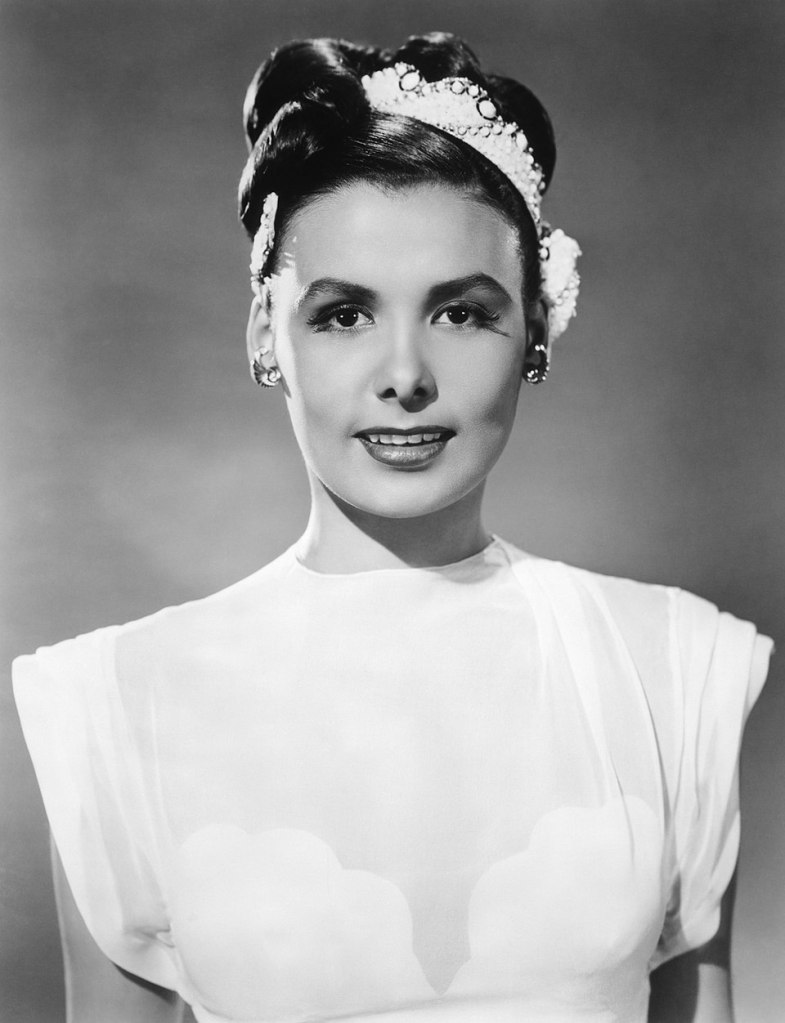
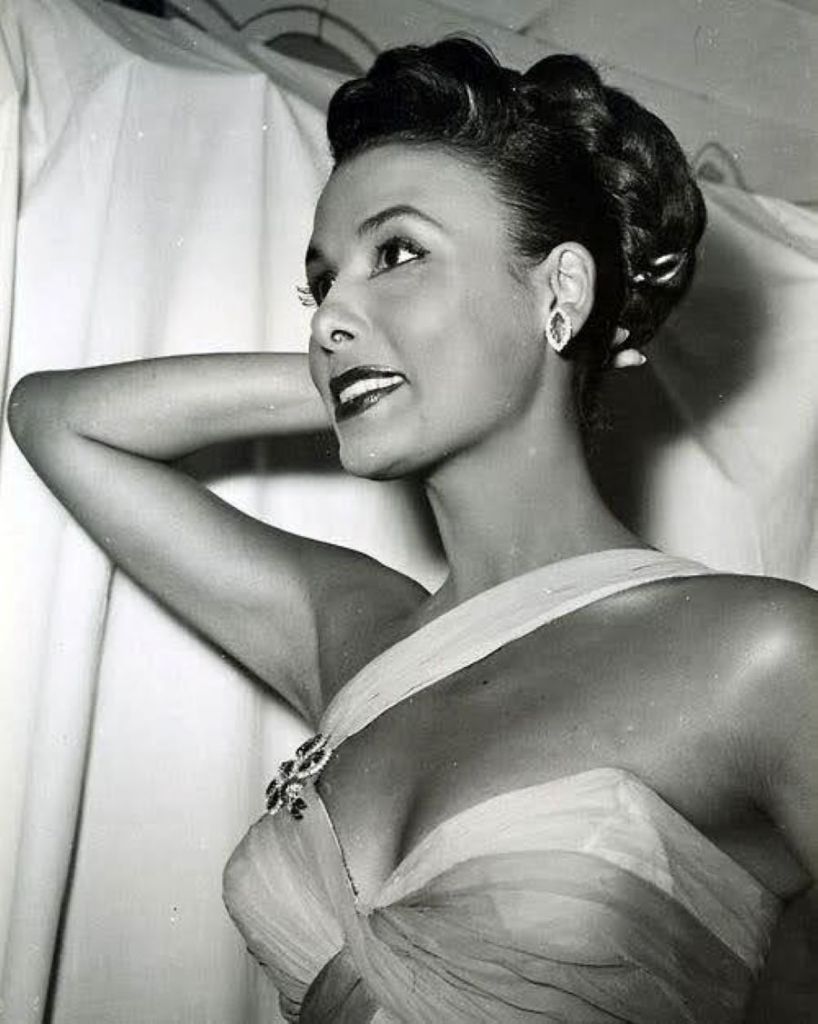
The Ebony Dolls: Lena Horne

The remarkable, Ms Lena…

This photograph is the property of its respective owner. No copyright infringement intended.

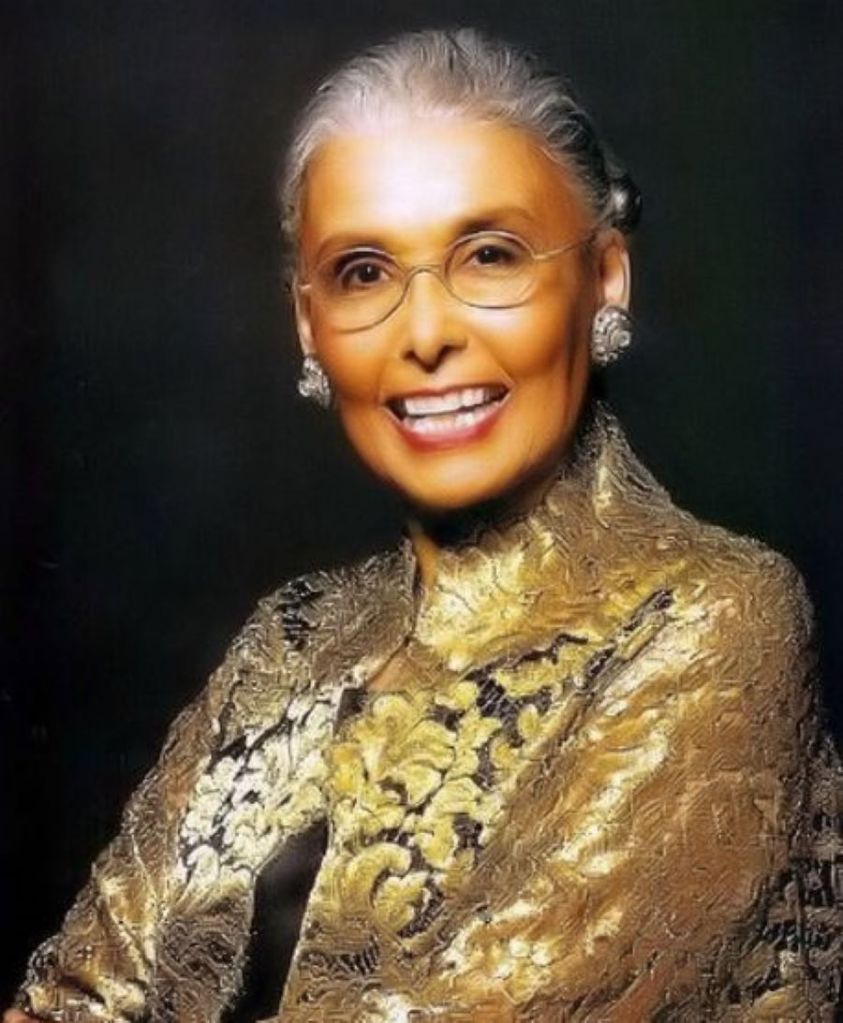
Lena Horne was a vision of elegance, beauty, and poise whose presence captivated audiences worldwide. Her light complexion, radiant smile, and graceful demeanor made her a striking figure in Hollywood during a time when Black women were often denied visibility. Many described her as stunningly beautiful, a woman whose allure went beyond physicality—her voice, intelligence, and stage presence added layers of magnetism that commanded respect and admiration. Even in the racially segregated entertainment industry, Lena’s appearance and talent allowed her to transcend barriers, though not without confronting the challenges of colorism and systemic discrimination (Horne, 1983).

Lena Mary Calhoun Horne was born on June 30, 1917, in Brooklyn, New York, into a family that carried both African American and European ancestry. Her heritage was complex: she was light-skinned, a trait that shaped both opportunities and challenges in her career and personal identity. Growing up, Lena was conscious of her appearance in a society that valued lighter skin, often granting her advantages in access to roles that darker-skinned Black women were denied. Yet, she remained critical of colorism, speaking openly about the ways society’s standards created division and unequal treatment within the Black community (Horne, 1983).

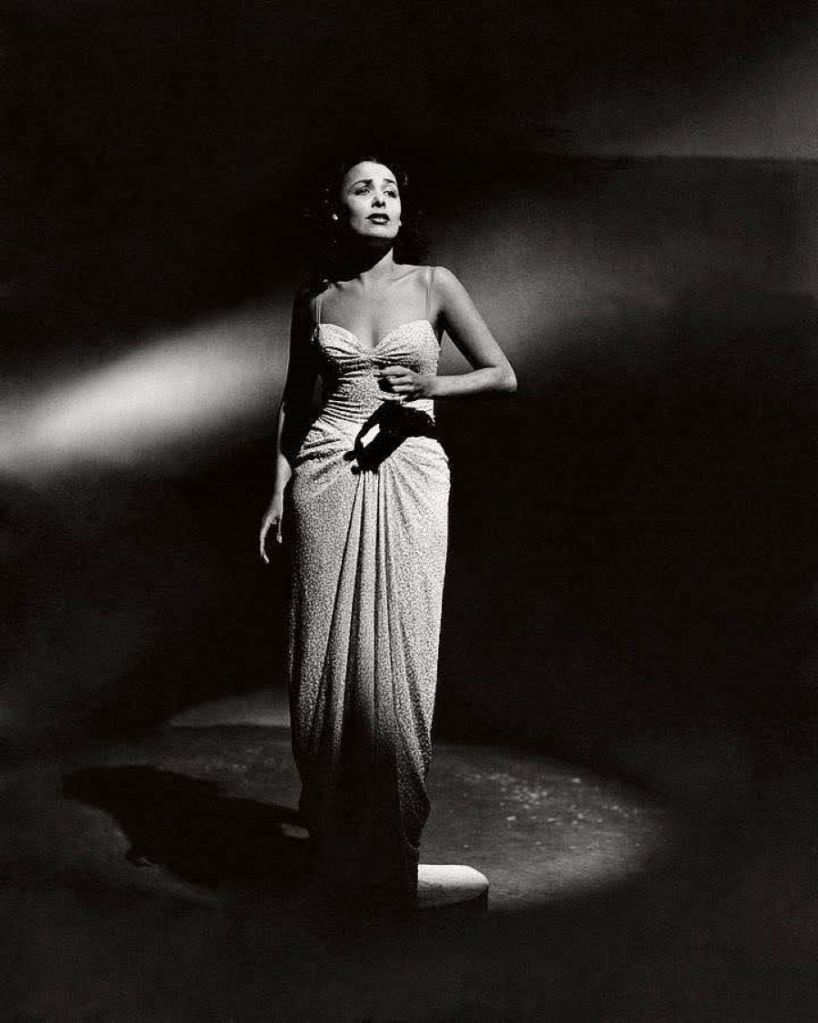
Lena’s career began at a young age. She joined the chorus line at the Cotton Club in Harlem as a teenager, performing alongside some of the era’s greatest Black entertainers. Her talent quickly set her apart, and she was discovered by Hollywood talent scouts, leading to a contract with MGM in the late 1930s. Despite her abilities, Lena often faced typecasting: she was one of the few Black actresses who could portray roles of sophistication and glamour, yet she was restricted from starring opposite white actors in romantic roles due to prevailing racial taboos (Haskins, 1995).

This photograph is the property of its respective owner. No copyright infringement intended.

Horne’s film career included appearances in landmark movies such as Cabin in the Sky (1943) and Stormy Weather (1943), the latter becoming a signature work that showcased both her acting and her legendary singing voice. She was celebrated not only for her performances but also for her groundbreaking contributions to integrating Black artists into mainstream entertainment. Despite her beauty and talent, Lena often had to fight for roles and recognition in an industry rife with discrimination and restrictive casting practices.

Her music career was equally remarkable. Lena Horne became one of the most iconic jazz and popular singers of her time, known for songs such as Stormy Weather and The Lady is a Tramp. She performed in nightclubs, theaters, and on television, captivating audiences with her sultry voice, elegance, and impeccable stage presence. Horne broke barriers in live performance, becoming one of the first Black women to headline at major venues previously reserved for white entertainers (Erenberg, 2008).

Horne was acutely aware of the role her skin tone played in her opportunities. While lighter skin occasionally afforded her access, she spoke out about the injustice of colorism within Hollywood and society at large. She recognized that talented darker-skinned Black performers were often overlooked, and she used her platform to advocate for equality, fair treatment, and representation. In interviews, she reflected on the complexity of her position—benefiting from colorism while resisting complicity in perpetuating its harm (Horne, 1983).

This photograph is the property of its respective owner. No copyright infringement intended.

Her activism extended beyond colorism. Lena Horne was deeply involved in civil rights work, participating in the March on Washington in 1963 and supporting organizations that fought for racial equality and social justice. She refused to perform in venues that practiced segregation, and she openly challenged discriminatory practices within the entertainment industry. Her courage and advocacy made her not just an icon of beauty and talent but also a model of principled resistance (Haskins, 1995).

Lena Horne received numerous accolades throughout her career. While she was not always recognized by Hollywood with major awards during her peak years, she earned several nominations and honors later in life, including a Special Academy Award in 1981, recognizing her contributions to the film industry and the struggle for racial equality. She was also the recipient of Grammy Awards and Lifetime Achievement honors, reflecting her enduring influence as a performer and cultural icon.

This photograph is the property of its respective owner. No copyright infringement intended.

Her experiences as a light-skinned Black woman navigating race, colorism, and sexism provided Lena with a unique perspective. She often discussed the privileges and burdens of her appearance, advocating for the recognition of beauty across the spectrum of skin tones. Lena’s grace, intelligence, and forthrightness helped reshape societal perceptions of Black women, challenging stereotypes while embodying sophistication, talent, and dignity (Erenberg, 2008).

Horne’s influence continues to resonate. She inspired generations of Black performers to embrace their identity, challenge inequity, and pursue excellence despite systemic barriers. Lena Horne’s legacy is a blend of artistry, activism, and advocacy—her beauty complemented by her unwavering commitment to justice, equality, and representation. She remains a quintessential figure in Black cultural history, a shining example of elegance, resilience, and purpose.


References

  • Erenberg, L. A. (2008). Swingin’ the Dream: Big Band Jazz and the Rebirth of American Culture. University of Chicago Press.
  • Haskins, J. (1995). Lena Horne: A Life of Music and Activism. Black Scholar Press.
  • Horne, L. (1983). Lena: My Story. New York: G.P. Putnam’s Sons.
  • IMDb. (n.d.). Lena Horne Filmography. Retrieved from https://www.imdb.com/name/nm0001351/

The Colorism Trap: When Skin Tone Becomes a Cage.

All photographs are the property of their respective owners.

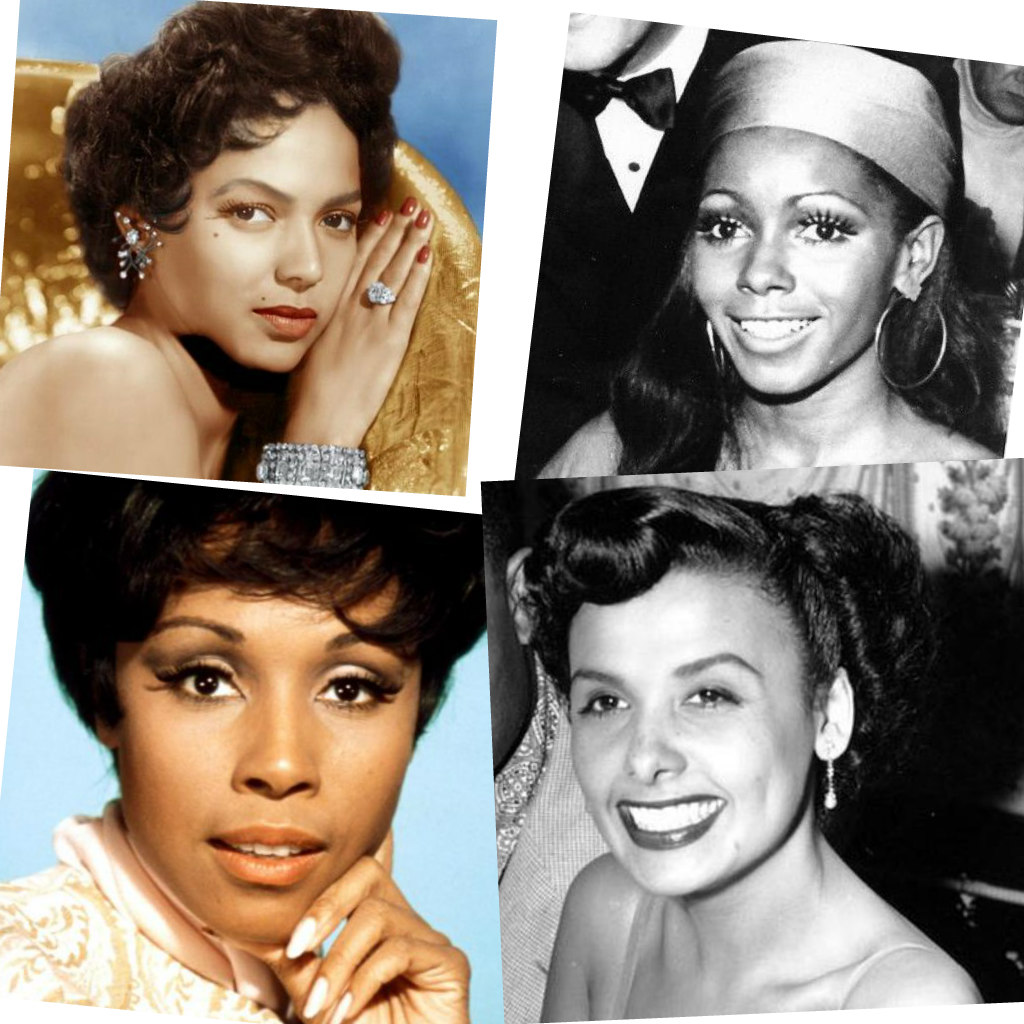
Colorism, the preferential treatment of lighter skin within communities of color and the entertainment industry, has long functioned as both a ladder and a cage for Black women. While it opened certain doors in Hollywood, it simultaneously confined actresses to narrow roles, stereotypes, and expectations. For legendary women such as Dorothy Dandridge, Lena Horne, and Diahann Carroll, their luminous beauty made them icons, but their careers were shaped and constrained by how closely their appearances aligned with Eurocentric ideals. At the same time, darker-skinned actresses like Judy Pace often faced underrepresentation and stereotyping, demonstrating how the “cage” of colorism traps women on both ends of the spectrum. Younger actresses like Nia Long and Sanaa Lathan inherited both the opportunities and burdens of this skin-tone hierarchy, proving that the cage still lingers today.

The Cage of Colorism: A Comparative View

Lighter-Skinned ActressesDarker-Skinned Actresses
Examples: Dorothy Dandridge, Lena Horne, Halle BerryExamples: Judy Pace, Viola Davis, Gabourey Sidibe 
Elevated as “acceptable” Black beauty by HollywoodOften excluded from leading roles altogether
Cast in glamorous or “palatable” rolesCast in stereotypical roles (sassy, tough, hypersexual)
Visibility increased, but freedom limited to narrow rolesVisibility decreased, opportunities scarce
They may win the awards but still face the same discrimination as their darker black peers. Used as symbols of progress for diversity, but only on Hollywood’s terms. They may win awards, but they still face racism in Hollywood
Trapped in an image of exoticized yet safe BlacknessTrapped in invisibility or typecasting
Their beauty opened doors, but they were rarely fully embraced as equals to white peersTheir talent often overlooked despite equal or greater ability

👉 This chart shows how colorism cages women on both sides of the spectrum:

  • Lighter-skinned actresses were celebrated but restricted.
  • Darker-skinned actresses were sidelined or stereotyped.

Dorothy Dandridge and Lena Horne: The “Acceptable” Faces of Black Beauty

Dorothy Dandridge, the first Black woman nominated for an Academy Award for Best Actress (Carmen Jones, 1954), embodied both progress and limitation. Hollywood celebrated her lighter complexion and Eurocentric features, casting her as the glamorous Black woman who could be exoticized yet palatable to white audiences (Levy, 2012). Lena Horne faced similar struggles. While MGM signed her to a long-term contract in the 1940s, the studio refused to cast her in leading roles opposite white actors. Instead, she was often placed in standalone musical numbers that could be cut from films when shown in segregated Southern theaters (Watkins, 1994). Their beauty allowed them entry, but their skin tone became a cage: they were “acceptable” but never fully embraced.

Diahann Carroll and Frieda Washington: Elegance in a Narrow Frame

Diahann Carroll, though groundbreaking as the first Black woman to star in a non-stereotypical television role (Julia, 1968), still found her career circumscribed by Hollywood’s narrow vision of Black femininity. Her elegance was celebrated, but darker-skinned actresses of equal talent were often excluded, revealing the industry’s entrenched bias (Hooks, 1992). Likewise, Frieda Washington, though talented and striking, was often overshadowed by Hollywood’s fixation on casting Black actresses who most resembled white ideals of beauty.

Judy Pace: The Other Side of the Cage

Unlike Dandridge and Horne, Judy Pace entered Hollywood in the late 1960s as a darker-skinned beauty. Best known for films like Cotton Comes to Harlem (1970) and for her role in the TV soap Peyton Place, Pace often found herself typecast in roles that leaned on stereotypes—the “sassy,” “dangerous,” or “seductive” Black woman. Her beauty was undeniable, but it did not grant her the same privileges as her lighter-skinned peers. Instead, colorism worked against her, limiting her access to leading romantic roles or “glamorous” portrayals reserved for actresses closer to Eurocentric standards. Her experience reveals how colorism cages darker-skinned women by reducing their range of opportunity, even as they carried immense talent and screen presence.

Nia Long, Sanaa Lathan, and the Modern Continuation of the Cage

In the 1990s and 2000s, actresses like Nia Long and Sanaa Lathan became household names, starring in films that defined Black romantic cinema (Love Jones, The Best Man). While they embodied a broader spectrum of beauty, colorism still influenced casting. These actresses were often positioned as “everywoman” love interests, while darker-skinned women were underrepresented or typecast into roles of hardship and struggle (Monk, 2014). Though progress has been made, the cage remains: opportunities are more accessible to women with complexions that fit within a certain range, while systemic bias continues to marginalize others.

How Did Skin Tone Become a Cage?

The origins of this cage lie not solely in Hollywood but in the long history of racial hierarchy in America. During slavery, lighter-skinned Black people were often granted preferential treatment as house slaves, while darker-skinned individuals were relegated to field labor (Hunter, 2007). This created a color-based caste system within the Black community, reinforced by white supremacy. Hollywood merely inherited and amplified this bias, shaping it into an industry-wide standard that continues to influence casting, beauty standards, and representation.

Racial Divide or Something Else?

While the racial divide rooted in white supremacy established the framework, it was internalized and perpetuated within the Black community through colorism. The divide was not just about race versus whiteness—it became intraracial, creating painful divisions based on shade. Colorism traps women in a paradox: lighter-skinned actresses were elevated but confined to roles that served Hollywood’s comfort with “palatable” Blackness, while darker-skinned actresses were sidelined, invisibilized, or limited to stereotypes. Thus, the cage was both racial and psychological, born of external oppression and internalized bias.

Conclusion: Breaking the Cage

The women named—Dandridge, Horne, Washington, Carroll, Pace, Long, and Lathan—demonstrate the painful duality of colorism. They were celebrated yet constrained, admired yet restricted, included yet never fully free. Their stories remind us that colorism is not just about aesthetics but about access, power, and systemic oppression. Breaking free from the cage requires both dismantling Eurocentric standards of beauty and celebrating the full spectrum of Blackness. Until then, the trap of colorism continues to shape how Black women are seen, cast, and valued in society.


References

  • Hooks, b. (1992). Black looks: Race and representation. South End Press.
  • Hunter, M. (2007). The persistent problem of colorism: Skin tone, status, and inequality. Sociology Compass, 1(1), 237–254.
  • Levy, P. (2012). Dorothy Dandridge: A biography. Amistad.
  • Monk, E. P. (2014). Skin tone stratification among Black Americans, 2001–2003. Social Forces, 92(4), 1313–1337.
  • Watkins, M. (1994). On the real side: Laughing, lying, and signifying. Simon & Schuster.