
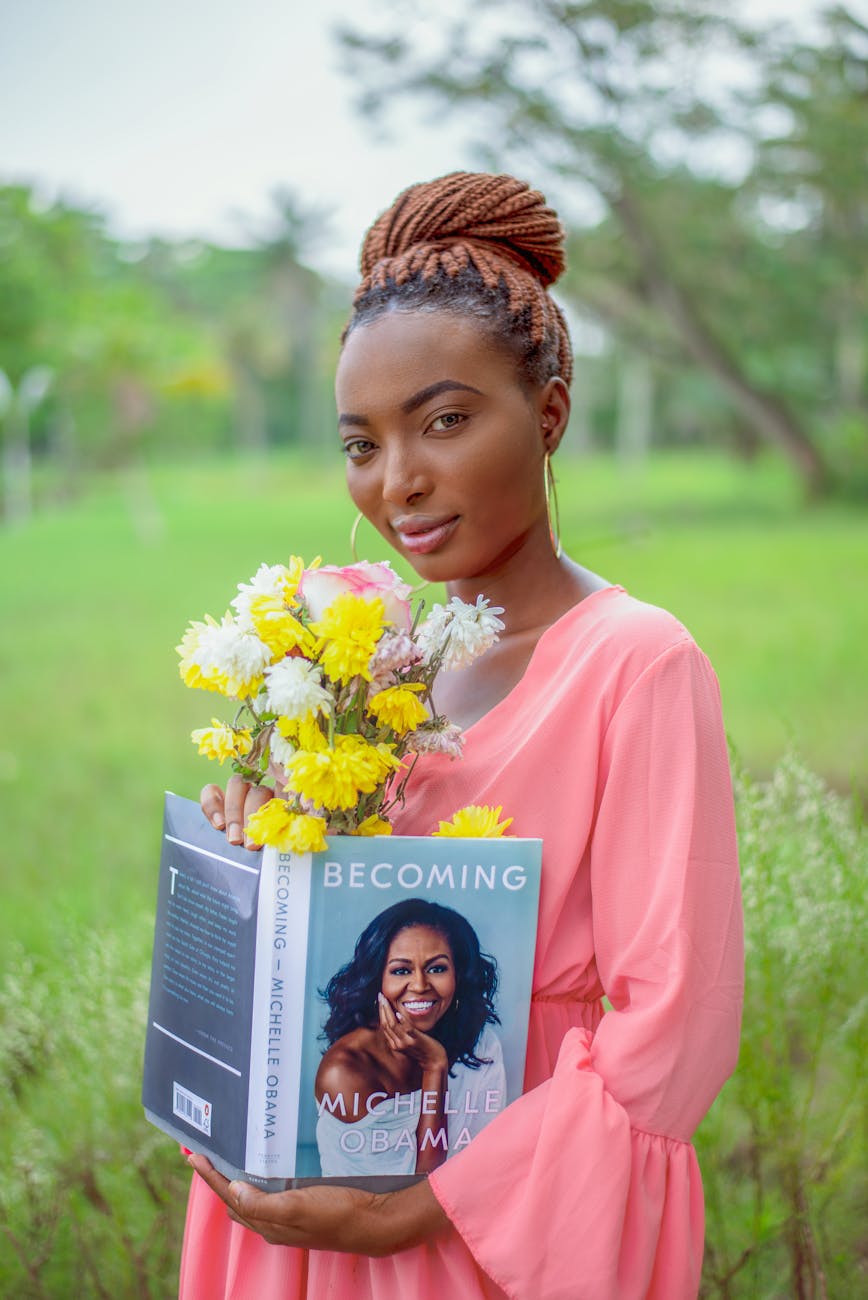
Black women in professional spaces often walk a precarious tightrope, balancing the weight of racial and gendered stereotypes while striving for excellence in corporate structures. Their presence in boardrooms, law firms, government offices, and academic institutions reflects both resilience and sacrifice. Despite progress, they remain underrepresented in leadership positions, often facing the “double jeopardy” of being both Black and female (Bell & Nkomo, 2001). The corporate landscape presents opportunities, but also challenges that demand both strategic navigation and cultural resilience.
Prominent figures such as Michelle Obama, who redefined the role of First Lady with her Harvard-trained legal background, and Condoleezza Rice, the first Black female Secretary of State, represent the heights that Black women can achieve in professional spheres. Similarly, Ursula Burns, former CEO of Xerox, broke barriers as the first Black woman to lead a Fortune 500 company. In academia and technology, women such as Dr. Shirley Ann Jackson, a physicist and president of Rensselaer Polytechnic Institute, embody the intersection of brilliance and leadership. These women, though highly accomplished, illuminate how exceptional Black women must be to gain visibility in predominantly white and male-dominated spaces.
The structural barriers remain significant. Black women are frequently subjected to the “glass cliff” phenomenon, where they are promoted into leadership roles during times of organizational crisis, increasing the risk of failure (Ryan & Haslam, 2005). Additionally, they are burdened with “invisibility” in professional settings, where their contributions are overlooked, or “hypervisibility,” where every action is scrutinized. These contradictions force Black women into roles where they must consistently outperform their peers to receive the same recognition.
Black Women in Professional Spaces: Notable Leaders
- Law and Politics
- Michelle Obama – Harvard-educated lawyer, former First Lady, advocate for education and public health.
- Condoleezza Rice – First Black woman to serve as U.S. Secretary of State.
- Ketanji Brown Jackson – First Black woman to serve on the U.S. Supreme Court.
- Lori Lightfoot – Former mayor of Chicago, one of the largest U.S. cities led by a Black woman.
- Business and Corporate Leadership
- Ursula Burns – Former CEO of Xerox, first Black woman to lead a Fortune 500 company.
- Rosalind Brewer – Former CEO of Walgreens Boots Alliance and Starbucks COO, one of the few Black female executives in Fortune 500 leadership.
- Thasunda Brown Duckett – CEO of TIAA, a major financial services firm.
- Academia and Science
- Dr. Shirley Ann Jackson – Physicist, president of Rensselaer Polytechnic Institute, first Black woman to earn a Ph.D. from MIT in any field.
- Dr. Valerie Montgomery Rice – President of Morehouse School of Medicine, advancing Black representation in medicine.
- Dr. Ruth Simmons – First Black president of an Ivy League university (Brown University).
- Media and Arts
- Oprah Winfrey – Media mogul, philanthropist, one of the most influential women in global media.
- Ava DuVernay – Acclaimed film director and producer, bringing visibility to Black stories in Hollywood.
- Shonda Rhimes – Television producer and writer, creator of hit shows such as Grey’s Anatomy and Scandal.
- STEM and Technology
- Kimberly Bryant – Founder of Black Girls Code, advocating for diversity in tech.
- Lisa Jackson – Former head of the EPA, now Vice President of Environment, Policy, and Social Initiatives at Apple.
- Angela Benton – Tech entrepreneur and investor, founder of NewME accelerator.
Psychologically, the weight of corporate tightrope walking contributes to stress and burnout. The stereotype of the “Strong Black Woman” is replicated in professional contexts, where vulnerability is discouraged and endurance is expected (Woods-Giscombé, 2010). While Black women excel in education—earning advanced degrees at higher rates than their male counterparts—their advancement in corporate hierarchies lags. This disconnect reflects systemic inequities, implicit bias, and the lack of mentorship opportunities that are critical for career progression.
Faith and cultural identity often serve as sources of resilience. For many, spirituality grounds their pursuit of excellence and provides a counterbalance to corporate pressures. Proverbs 31:25 (KJV) describes the virtuous woman as clothed with “strength and honour,” an affirmation that aligns with the dignity Black women carry into boardrooms and offices. Yet the challenge remains to ensure that their humanity is honored alongside their productivity. Professional spaces must not only benefit from Black women’s labor but also foster environments where they can thrive without compromise.
In conclusion, the corporate tightrope for Black women illustrates the broader tension between opportunity and inequality. Figures such as Michelle Obama, Condoleezza Rice, Ursula Burns, and Shirley Ann Jackson stand as evidence of possibility but also as reminders of how exceptionalism is often the price of recognition. To create sustainable change, corporate structures must move beyond tokenism and genuinely dismantle barriers to equity. Only then can Black women’s presence in professional spaces be celebrated not as extraordinary exceptions, but as integral leaders shaping the future of business, government, and academia.
References
- Bell, E. L. J. E., & Nkomo, S. M. (2001). Our separate ways: Black and White women and the struggle for professional identity. Harvard Business School Press.
- Ryan, M. K., & Haslam, S. A. (2005). The glass cliff: Evidence that women are over‐represented in precarious leadership positions. British Journal of Management, 16(2), 81–90.
- Woods-Giscombé, C. L. (2010). Superwoman schema: African American women’s views on stress, strength, and health. Qualitative Health Research, 20(5), 668–683.
 THE BROWN GIRL DILEMMA