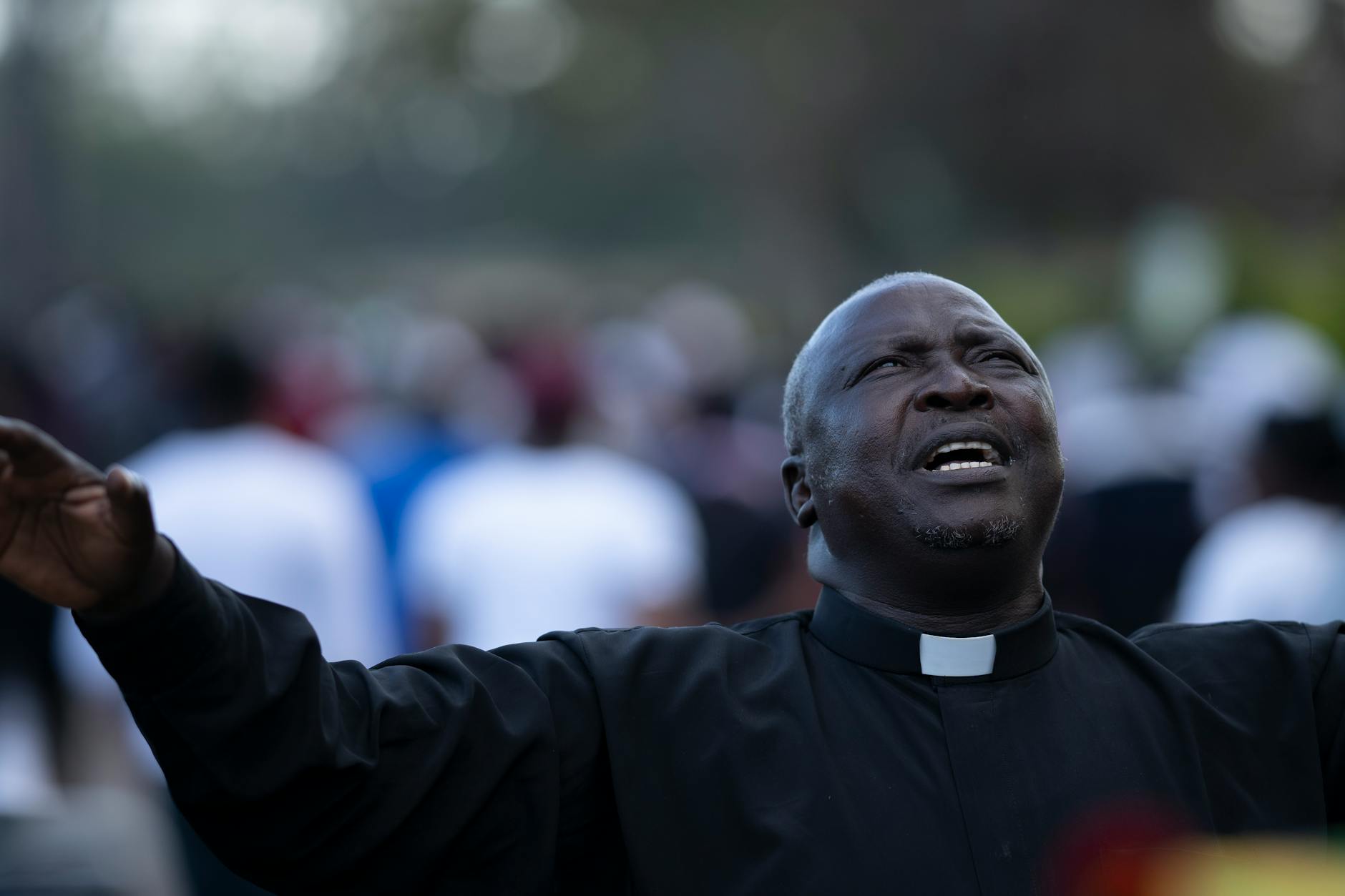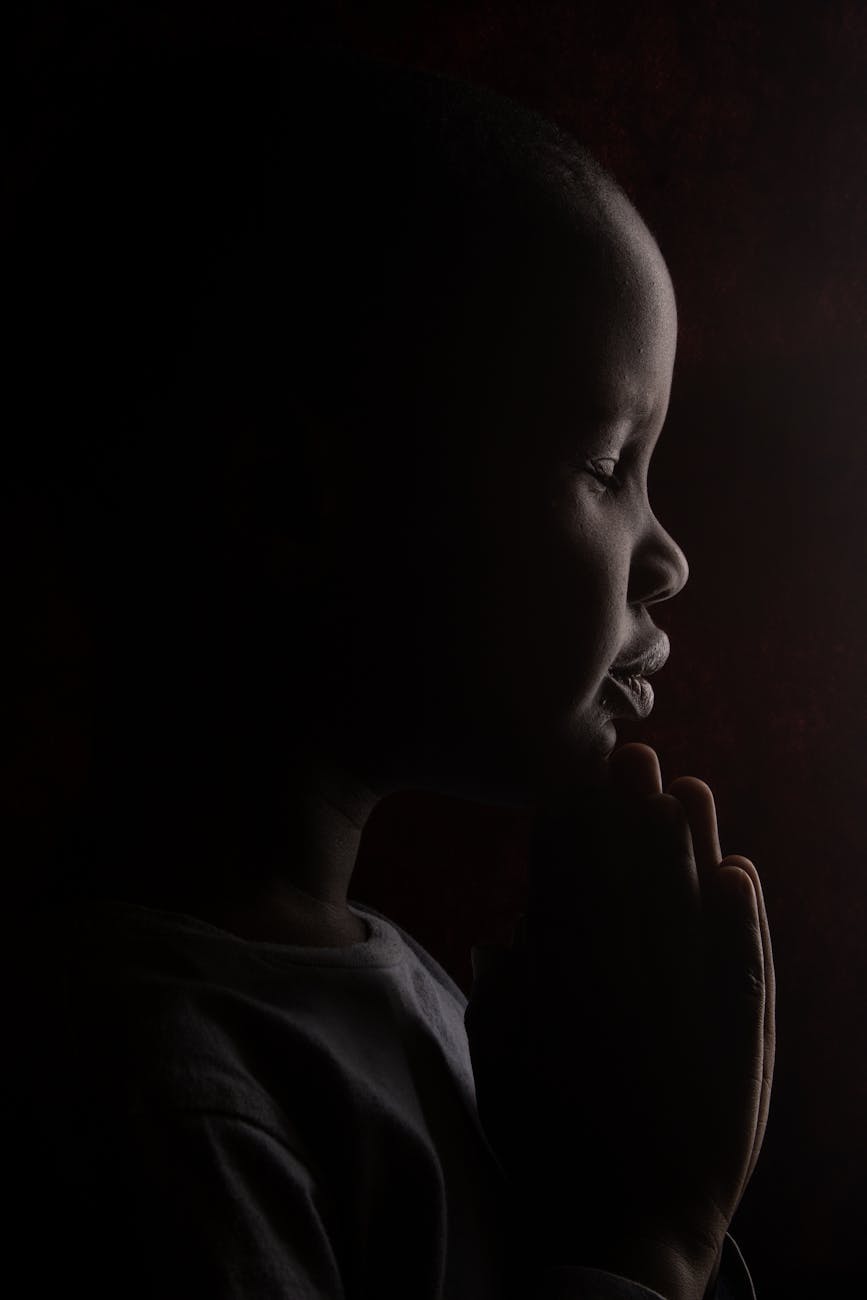
Tag Archives: KJV bible

The Bible Series: Reading the 1611 KJV Bible with Apocrypha: A Guide to Living a Godly Life

The 1611 King James Version (KJV) of the Bible, including the Apocrypha, is a monumental work that has guided millions in understanding God’s purpose for humanity. Its language, poetry, and depth offer both instruction and inspiration. The KJV is not merely a historical artifact; it is a blueprint for righteous living, a spiritual map for navigating the complexities of life.

Living life according to the 1611 KJV requires recognition that God is the ultimate guide. The scriptures repeatedly emphasize that human understanding is limited, and divine wisdom is essential. Proverbs 3:5–6 instructs, “Trust in the Lord with all thine heart; and lean not unto thine own understanding. In all thy ways acknowledge him, and he shall direct thy paths.”

The inclusion of the Apocrypha in the 1611 KJV provides additional wisdom and moral instruction. Books such as Wisdom of Solomon, Ecclesiasticus (Sirach), and Tobit offer guidance on ethics, discipline, and the rewards of godly living. They reinforce principles of honesty, compassion, and humility, which are central to a life pleasing to God.

A key aspect of the Bible as a guidebook is its emphasis on obedience to God’s laws. The Torah, Psalms, and prophetic writings illustrate that blessings follow adherence to divine instruction. Deuteronomy 28, for instance, outlines the consequences of obedience and disobedience, highlighting that life thrives under God’s guidance.

The KJV with Apocrypha also reveals the identity of the biblical Israelites, providing a historical and spiritual context for understanding God’s covenant people. Scriptural genealogies, tribal delineations, and prophetic visions clarify who the Israelites were and their enduring legacy in spiritual and earthly history. Recognizing this lineage helps believers see themselves within God’s plan and encourages faithfulness to His commands.

The Bible serves as a blueprint for moral and ethical conduct. The teachings of Jesus in the Gospels, complemented by the wisdom literature of the Old Testament and the Apocrypha, emphasize love, integrity, and justice. Followers are called to live honorably, treating others with fairness, showing mercy, and practicing humility.

Prayer and meditation are central practices derived from the scriptures. Engaging with God daily, reading His Word, and reflecting upon it allows believers to internalize divine guidance. Psalms, in particular, provide models for prayer, lamentation, praise, and thanksgiving, demonstrating a holistic spiritual life.

The 1611 KJV teaches that life is a journey of righteousness, not merely a pursuit of personal gain. Ecclesiasticus 2:1–6 in the Apocrypha reminds readers that God tests the faithful, but perseverance, patience, and humility lead to spiritual maturity and divine favor. Life is meant to be lived in alignment with God’s principles rather than worldly expectations.

One of the most profound lessons of the 1611 KJV is the centrality of truth. John 17:17 declares, “Sanctify them through thy truth: thy word is truth.” Living according to God’s Word means embracing reality as God presents it, rejecting deception, and striving for integrity in all areas of life.

The scriptures also provide guidance on community and relationships. The biblical Israelites were taught to honor parents, care for neighbors, and protect the vulnerable. This communal ethic extends to modern life, encouraging believers to cultivate strong, morally grounded relationships and to resist selfishness or exploitation.

Wisdom and discernment are recurring themes in the 1611 KJV with Apocrypha. Readers are encouraged to seek knowledge and understanding that aligns with God’s will. Proverbs and Wisdom literature offer instructions on avoiding foolishness, envy, and pride, guiding individuals toward righteous decision-making.

The Apocrypha emphasizes justice and equity, reinforcing moral principles found in canonical texts. It challenges readers to act fairly, assist the poor, and maintain honesty in trade and social interactions. Living by these standards cultivates a life pleasing to God and beneficial to society.

The Bible also teaches spiritual resilience. Trials, adversity, and temptation are inevitable, but scripture provides encouragement. Psalms, Lamentations, and Wisdom literature affirm that God’s presence offers comfort, strength, and guidance through hardships. Believers are encouraged to trust in God’s providence rather than succumb to despair.

A key aspect of using the Bible as a guide is understanding the historical and prophetic context. Knowledge of the biblical Israelites, their covenant, and prophetic messages allows readers to interpret lessons meaningfully. History demonstrates God’s faithfulness and warns of consequences for disobedience, making scripture both instructional and cautionary.

The 1611 KJV encourages moral reflection and self-examination. Believers are instructed to examine their motives, actions, and desires in light of God’s Word. Apocryphal texts, like Ecclesiasticus, reinforce this by advocating introspection and the correction of moral failings.

Faith expressed through action is another cornerstone. The Bible teaches that belief must manifest in deeds. Generosity, charity, and ethical behavior are proof of one’s commitment to God, aligning personal conduct with spiritual principles rather than mere lip service.

Righteous leadership is modeled in the Bible. Leaders are called to serve with humility, wisdom, and justice. The example of Moses, David, and other biblical figures illustrates that God values character and faithfulness above political or military power. These lessons guide modern believers in positions of influence.

The 1611 KJV with Apocrypha also addresses human frailty and repentance. Scriptures remind readers that sin is inevitable, but God provides a path to restoration. Confession, repentance, and renewed commitment are essential for spiritual health and maintaining alignment with God’s will.

Education and knowledge are vital. Understanding scripture requires study, contemplation, and discussion. The Bible is not merely read; it is studied as a guide for daily life, moral decisions, and spiritual growth, with the Apocrypha enriching comprehension of historical and ethical lessons.

Ultimately, the 1611 KJV Bible with Apocrypha is a complete guide to life. It outlines moral principles, spiritual practices, historical truths, and prophetic insights. It offers a framework for righteous living, teaches obedience, provides wisdom, and reveals God as the ultimate guide. By studying it faithfully, believers gain clarity on their purpose, the nature of the biblical Israelites, and the truths necessary for living a life aligned with God’s will.

References

The Holy Bible, King James Version, 1611. Including the Apocrypha.

Anderson, B. W. (1999). Understanding the Old Testament. Prentice Hall.

Frymer-Kensky, T. (2002). Reading the Bible as History: The New Historicism. Yale University Press.

Aitken, J. K. (2007). A Short History of the Bible. Continuum International.

McKenzie, J. L., & Graham, L. K. (1998). The Hebrew Bible Today: An Introduction to Critical Issues. Westminster John Knox Press.

Knight, G. A. F. (2011). The Biblical Israelite Identity: Origins, History, and Faith. Cambridge Scholars Publishing.

Sanders, E. P. (2007). The Historical Figure of Jesus. Penguin.

Lessons from Biblical Women for Modern Life. #virtuouswomen #womenoffaith

Photo by Tima Miroshnichenko on Pexels.com

Throughout Scripture, women emerge not only as mothers and wives but also as leaders, visionaries, and vessels of divine purpose. From the Old Testament to the New, their stories carry timeless lessons that transcend culture and era. Today, when modern women wrestle with identity, leadership, motherhood, career, and faith, the examples of biblical women provide profound guidance.

Deborah: Leadership with Wisdom and Courage

Deborah, prophetess and judge over Israel (Judges 4–5, KJV), stands as a model of godly leadership. She led Israel in a time of oppression, guiding military strategies while delivering God’s word with authority. Her story teaches modern women that leadership grounded in wisdom, humility, and obedience to God can transform communities. Today, women called to leadership—whether in the church, workplace, or home—can embrace Deborah’s example of courage without compromising grace.

Ruth: Loyalty and Faithfulness

The Moabite woman Ruth demonstrates loyalty and faith even in loss. Her declaration to Naomi, “Thy people shall be my people, and thy God my God” (Ruth 1:16, KJV), reveals a devotion beyond cultural barriers. Ruth’s faithfulness positioned her to be part of the lineage of Christ. Modern life, marked by broken relationships and fleeting commitments, can be enriched by Ruth’s example of perseverance, loyalty, and choosing integrity over convenience.

Esther: Courage to Speak Truth to Power

Queen Esther exemplifies bravery and discernment. Though hesitant at first, she risked her life to plead for her people, embodying the truth that “for such a time as this” (Esther 4:14, KJV), God positions His people to act. In today’s world, where systemic injustice and moral compromise abound, Esther’s courage encourages modern women to speak truth, defend the vulnerable, and use influence for the greater good.

Hannah: Prayer and Perseverance

Hannah’s story (1 Samuel 1, KJV) reveals the power of persistent prayer. Mocked and burdened by barrenness, she poured out her soul to the Lord and was blessed with Samuel, who became a prophet. Her testimony underscores the importance of resilience in prayer and trust in God’s timing. For modern women facing personal struggles—infertility, grief, or unmet desires—Hannah’s perseverance shows that God listens and answers in His divine season.

Mary, Mother of Jesus: Humility and Obedience

Mary’s acceptance of God’s will—“Be it unto me according to thy word” (Luke 1:38, KJV)—reflects radical obedience. Despite the social risks, she embraced her calling as the mother of the Messiah. Her humility and faith inspire modern women to surrender personal ambitions when God calls, trusting that His plans are greater than fear or societal judgment.

Mary Magdalene: Transformation and Devotion

Delivered from seven demons (Luke 8:2, KJV), Mary Magdalene became a devoted follower of Christ and the first to witness His resurrection. Her story shows the transformative power of grace and unwavering devotion. In an age where women often battle stigmas and labels, her example reminds us that past struggles do not disqualify anyone from becoming a faithful servant and witness of Christ.

Modern Application: Living Their Legacy

These women teach lessons still relevant today: Deborah challenges women to lead with wisdom; Ruth teaches loyalty and integrity; Esther embodies courage; Hannah reveals perseverance in prayer; Mary, mother of Jesus, exemplifies humility and obedience; Mary Magdalene represents redemption and devotion. Each narrative emphasizes that biblical womanhood is not passive but active, powerful, and divinely purposed.

In modern life, these lessons remind women to ground their identity in God’s word, resist societal pressures, and walk with strength clothed in faith. Their stories are not distant tales but living testimonies of how faith, character, and obedience bring transformation across generations.


References

  • The Holy Bible, King James Version.
  • Myers, A. C. (Ed.). (1987). The Eerdmans Bible Dictionary. Eerdmans.
  • Trible, P. (1984). Texts of terror: Literary-feminist readings of biblical narratives. Fortress Press.
  • Brenner, A. (1995). The feminist companion to the Bible. Sheffield Academic Press.
  • Day, P. L. (2007). Gender and difference in ancient Israel. Fortress Press.

Dilemma: Spiritual Dissonance

Photo by Kureng Workx on Pexels.com

Spiritual dissonance is one of the most profound inner conflicts a believer can endure. It arises when the faith one has been taught begins to feel at odds with the reality one experiences. For many, this creates a soul-deep tension: the church proclaims one truth, life reveals another; the preacher preaches patience, but the system requires resistance; the scripture declares freedom, yet oppression remains constant. In this way, spiritual dissonance becomes not only a personal struggle but a communal and historical phenomenon.


The Psychological Roots of Spiritual Dissonance
Psychologist Leon Festinger (1957) defined cognitive dissonance as the discomfort people feel when holding conflicting beliefs, values, or attitudes. Applied to the spiritual realm, this discomfort becomes spiritual dissonance—when doctrine, religious community, or cultural interpretation does not align with the believer’s lived reality. A person may believe in a just God, but daily encounters with injustice create a psychological rift that requires resolution.

Historical Foundations in Black Faith
For African-descended people, spiritual dissonance has been a constant companion since slavery. Enslaved Africans were forced to adopt a distorted Christianity that justified bondage, yet in secret they reinterpreted scripture to emphasize liberation. The enslavers preached, “Servants, obey your masters” (Ephesians 6:5, KJV), while the oppressed clung to Exodus: “Let my people go.” This duality produced dissonance but also resilience, birthing a liberating faith that survived even the harshest conditions.

The Golden Example of Exodus
The children of Israel serve as a biblical mirror to the African American experience. Just as the Israelites cried out in Egypt, Black people in America have cried out against centuries of bondage and systemic oppression. The Israelites’ struggle to reconcile God’s promises with their suffering reflects the same dissonance that African Americans wrestle with today. Faith says deliverance will come; history reveals delay.

The Prophets and the Pain of Contradiction
Biblical prophets like Jeremiah and Habakkuk embodied spiritual dissonance. Jeremiah lamented, “Why doth the way of the wicked prosper?” (Jeremiah 12:1, KJV). Habakkuk cried, “O Lord, how long shall I cry, and thou wilt not hear!” (Habakkuk 1:2, KJV). These questions echo in the modern believer’s heart when faced with systemic racism, poverty, or violence. Spiritual dissonance is therefore not new; it is embedded in the history of faith itself.

Faith Weaponized vs. Faith Liberating
One of the deepest sources of spiritual dissonance is the weaponization of religion. Faith has been used to justify colonization, slavery, and segregation, even while also being the source of songs of hope, civil rights movements, and liberation theology. The contradiction between faith as oppression and faith as liberation forces the believer to sift truth from distortion, separating God’s voice from man’s manipulation.

Spiritual Dissonance in Daily Survival
The dissonance does not remain abstract—it impacts daily life. A Black man told to “trust God” while he cannot find work due to systemic discrimination experiences a tearing within his spirit. A young woman taught that beauty is “purity” struggles when society devalues her dark skin. A mother praying for her son’s safety confronts the contradiction of believing in divine protection while watching police violence claim lives.

The Emotional Toll
The weight of unresolved spiritual dissonance can lead to guilt, depression, and feelings of abandonment. Believers may question their worthiness, assuming that their doubts signify a lack of faith. Others suppress their questions out of fear of rejection by their community. Yet silence often deepens the wound, creating a cycle of internal unrest that can persist for years.

Strategies of Suppression
To cope, many believers adopt strategies of suppression. Some avoid asking hard questions, clinging to rituals for comfort rather than transformation. Others compartmentalize—acting pious in public but wrestling with doubt in private. While these strategies may provide temporary relief, they rarely resolve the root tension, leaving spiritual dissonance unresolved.

The Potential for Growth
Yet within dissonance lies the seed of transformation. Just as a dissonant chord in music eventually resolves to harmony, spiritual dissonance can push believers toward deeper truth. By wrestling with contradictions, individuals often emerge with a stronger, more authentic faith. Jacob, who wrestled with the angel, declared, “I will not let thee go, except thou bless me” (Genesis 32:26, KJV). Likewise, the believer who wrestles with spiritual contradictions may emerge with a renewed identity and a more resilient faith.

Modern Expressions of Resolution
Today, many resolve spiritual dissonance by reinterpreting scripture through the lens of justice and liberation. Black liberation theology, articulated by James H. Cone (1970), reframed Christianity not as a tool of oppression but as a gospel of freedom for the oppressed. Others turn to community-based worship spaces that reflect inclusivity, cultural pride, and healing. These modern expressions demonstrate that resolution is not abandonment but reclamation.

The Role of Community in Healing
Spiritual dissonance often isolates, but healing requires community. Testimonies, shared struggles, and collective worship can remind believers that their doubts are not unique. When communities allow room for honest questions, they create space for reconciliation rather than repression. The Black church at its best embodies this model, serving as both a site of lament and a source of empowerment.

Spiritual Dissonance and Cultural Identity
At its core, spiritual dissonance is also tied to identity. A faith that denies one’s cultural reality becomes unlivable. For African Americans, reclaiming African heritage alongside Christian belief is one way to bridge the gap. By recognizing that spiritual identity includes culture, history, and ancestry, believers create a holistic faith that reflects both God’s image and their lived experience.

The Cross as a Symbol of Dissonance
Perhaps the greatest biblical image of spiritual dissonance is the cross. Jesus himself cried, “My God, my God, why hast thou forsaken me?” (Matthew 27:46, KJV). The Son of God experienced abandonment at the very moment of sacrifice. Yet, from that dissonance emerged resurrection and new life. In this way, spiritual dissonance does not negate faith; it refines it.

Conclusion
Spiritual dissonance is not a sign of weak faith but a mark of honest faith. It reflects the courage to question, wrestle, and seek alignment between belief and reality. For African-descended people, it has been both burden and blessing, shaping a theology of liberation in the face of oppression. As Paul reminds us, “work out your own salvation with fear and trembling” (Philippians 2:12, KJV). It is in the trembling, in the questioning, in the dissonance, that faith becomes authentic and transformative.

Trials, Tribulations, and the Journey Back to God

The Bible reminds us that life is not without suffering. Trials and tribulations are not accidents, nor are they meaningless. Instead, they are the fire through which faith is refined. Jesus Himself warned His disciples: “In the world ye shall have tribulation: but be of good cheer; I have overcome the world” (John 16:33, KJV). These words anchor us in the truth that adversity is not a sign of abandonment but a tool for shaping the believer’s soul.

The Testing of Faith
Every trial tests the depth of our faith. James 1:2–3 tells us to “count it all joy when ye fall into divers temptations; Knowing this, that the trying of your faith worketh patience.” Trials expose what lies within us—the hidden doubts, fears, and even sinful attachments we cling to. Without tests, we might never recognize how deeply we depend on God’s mercy and strength.

The Pain of Sin
Sin itself creates wounds that often become trials in our lives. Scripture says, “the wages of sin is death” (Romans 6:23), not just physical death, but also separation from God, broken relationships, guilt, and shame. Our sins hurt us because they distort our identity, cloud our judgment, and invite consequences that linger long after the act itself. Yet even in that pain, God’s discipline is redemptive: “For whom the Lord loveth he chasteneth” (Hebrews 12:6). He allows us to feel the sting of sin not to destroy us, but to drive us back into His presence.

Why God Allows Tribulations
Trials are permitted because they produce spiritual maturity. Just as gold is purified through fire, believers are refined through hardship. Job’s life illustrates this truth. Though stripped of wealth, children, and health, Job declared, “When he hath tried me, I shall come forth as gold” (Job 23:10). Suffering, when endured with faith, cleanses us of pride, deepens our humility, and makes us vessels more prepared for God’s purpose.

Getting Closer to God in Hardship
The path back to God begins with repentance. Acts 3:19 instructs us: “Repent ye therefore, and be converted, that your sins may be blotted out, when the times of refreshing shall come from the presence of the Lord.” Repentance is not merely regret—it is a turning of the heart and the will, away from sin and toward obedience.

Second, we must seek God through prayer and scripture. In moments of trial, David cried out, “Create in me a clean heart, O God; and renew a right spirit within me” (Psalm 51:10). Scripture study and prayer reorient us when the world feels unsteady.

Third, believers must embrace obedience and discipline. Jesus said, “If ye love me, keep my commandments” (John 14:15). Obedience turns faith from words into action. It is through aligning our lives with God’s Word that we draw near to Him.

The Promise of Restoration
Though trials are painful, God promises restoration. Peter assures us: “But the God of all grace, who hath called us unto his eternal glory by Christ Jesus, after that ye have suffered a while, make you perfect, stablish, strengthen, settle you” (1 Peter 5:10). The suffering is temporary, but the growth and closeness to God it produces are eternal.


In Summary:

  • We will face trials and tribulations—they are tests of faith.
  • Our sins hurt us, but God allows conviction so that we turn back to Him.
  • Repentance, prayer, scripture, and obedience are the steps that bring us closer to God.
  • The end result of trials is not destruction, but restoration and strength in Him.

📚 References

  • Cone, J. H. (1970). A Black Theology of Liberation. Orbis Books.
  • Festinger, L. (1957). A Theory of Cognitive Dissonance. Stanford University Press.
  • Lincoln, C. E., & Mamiya, L. H. (1990). The Black Church in the African American Experience. Duke University Press.
  • Williams, D. S. (1993). Sisters in the Wilderness: The Challenge of Womanist God-Talk. Orbis Books.
  • King James Bible

Prayer: The Secret Weapon of Faith

Photo by Hendrick Molomo on Pexels.com

Prayer is the act of communicating with God, expressing praise, thanksgiving, confession, and supplication. Biblically, prayer is both a privilege and a spiritual weapon: “Pray without ceasing” (1 Thessalonians 5:17, KJV). It is a direct channel to the Most High, allowing believers to align their hearts with His will, seek guidance, and intercede for others. Psychologically, prayer can reduce stress, enhance emotional regulation, and foster resilience by providing a sense of control and connection to a higher purpose (Pargament, 2007).

How God Receives Prayer

The Most High receives prayer based on the heart and righteousness of the believer. James 5:16 states, “The effectual fervent prayer of a righteous man availeth much” (KJV). God listens attentively when our hearts are aligned with His commands and when we approach Him with humility and faith. Even in imperfection, sincere prayer is heard, but unrepented sin can hinder effectiveness (Psalm 66:18, KJV).

How to Pray

Prayer can take many forms: adoration, confession, thanksgiving, and supplication (ACTS model). Jesus provided a template: “After this manner therefore pray ye: Our Father which art in heaven, Hallowed be thy name. Thy kingdom come. Thy will be done in earth, as it is in heaven” (Matthew 6:9-10, KJV). Effective prayer is consistent, heartfelt, and specific. Psychologically, structured prayer fosters focus and intentionality, strengthening mental clarity and spiritual discipline.

When to Pray and the Role of Fasting

Prayer is not limited by time; it can be done morning, evening, and throughout the day (Psalm 5:3, KJV). Fasting intensifies prayer by humbling the body and heightening spiritual sensitivity. Daniel exemplified this: “And when he had spoken unto me, I set my face unto the Lord God, to seek by prayer and supplications, with fasting” (Daniel 9:3, KJV). Prayer and fasting together unlock spiritual breakthroughs, discipline the flesh, and magnify faith.

Prayers That Hit the Walls

Some prayers encounter resistance when the believer is not in right standing. Sin, unforgiveness, or idolatry can act as barriers: “If I regard iniquity in my heart, the Lord will not hear me” (Psalm 66:18, KJV). Persistent, repentant, and righteous prayer, however, can penetrate spiritual walls and bring deliverance. Examples include Elijah praying for rain (1 Kings 18:41-45) and Hezekiah interceding for Jerusalem (Isaiah 38:1-5).

Praying Over Your Home and Spiritual Warfare

Prayer affects not only individuals but also spaces and demonic influences. Praying over one’s home involves dedicating it to God, reading Scripture aloud, and commanding evil spirits to depart (Joshua 24:15, KJV). Demonic forces are disrupted by prayer, as it invokes God’s authority: “Submit yourselves therefore to God. Resist the devil, and he will flee from you” (James 4:7, KJV). Consistent intercession fortifies households, communities, and personal lives.

Biblical Examples of Prayer

  • Hannah prayed fervently for a child and received Samuel (1 Samuel 1:10-20).
  • Daniel prayed three times daily despite decree forbidding it (Daniel 6:10-22).
  • Jesus prayed in Gethsemane for guidance and submission to the Father (Luke 22:41-44).
    These examples highlight prayer’s power, persistence, and alignment with God’s will.

Practical Prayer Guide: Unlocking the Secret Weapon of Faith

1. Daily Prayer Routine

  • Morning Prayer: Begin the day thanking God and dedicating your actions to Him (Psalm 5:3, KJV).
  • Evening Prayer: Reflect on the day, confess sins, and ask for guidance (Psalm 66:18, KJV).
  • Throughout the Day: Short prayers of gratitude, protection, and intercession.

Tip: Use the ACTS method—Adoration, Confession, Thanksgiving, Supplication—to structure prayers.


2. How to Pray Effectively

  • Align Your Heart: Approach God with humility and sincerity (James 5:16, KJV).
  • Be Specific: Pray for clear needs and outcomes, not just general desires.
  • Persistence: Don’t give up after one prayer; consistent prayer demonstrates faith (Luke 18:1-8).
  • Meditate on Scripture: Integrate verses into your prayers to strengthen faith and focus.

3. Prayer and Fasting

  • Purpose: Fasting humbles the body and heightens spiritual sensitivity (Daniel 9:3, KJV).
  • Timing: Fast during critical decisions, spiritual battles, or when seeking breakthroughs.
  • Integration: Combine fasting with focused prayer for specific outcomes or intercession.

4. Praying Over Your Home

  • Walk through each room while reading Scriptures aloud (Joshua 24:15, KJV).
  • Declare God’s protection, peace, and blessing over the home.
  • Command any demonic influence to leave in Jesus’ name (James 4:7, KJV).
  • Maintain a routine of prayer, praise, and Scripture reading to keep the space spiritually strong.

5. Spiritual Warfare Through Prayer

  • Recognize that prayer disrupts demonic forces: “Resist the devil, and he will flee from you” (James 4:7, KJV).
  • Use authority in Christ to bind evil spirits and release blessing.
  • Pray for protection, discernment, and deliverance over yourself, family, and community.

6. Prayers That Hit the Walls

  • Sin, unforgiveness, or hidden motives can hinder prayer (Psalm 66:18, KJV).
  • Confess and repent regularly to maintain alignment with God’s will.
  • Intercede with righteousness, faith, and persistence to break through spiritual barriers.

7. Biblical Examples

  • Hannah: Persisted in prayer for a child; God answered (1 Samuel 1:10-20).
  • Daniel: Prayed three times daily despite persecution (Daniel 6:10-22).
  • Elijah: Prayed for rain; his persistence caused a spiritual breakthrough (1 Kings 18:41-45).
  • Jesus: Prayed for God’s will to be done in Gethsemane (Luke 22:41-44).

8. Psychology of Prayer

  • Prayer reduces stress, promotes emotional regulation, and fosters resilience.
  • Structured prayer improves mental clarity and decision-making (Pargament, 2007).
  • Spiritual connection enhances purpose, optimism, and coping strategies.

9. Tips for Righteous and Effective Prayer

  • Confess sins and forgive others before praying (Matthew 6:14-15, KJV).
  • Keep a prayer journal to track requests and God’s answers.
  • Pray in faith, believing God hears and answers according to His will (Mark 11:24, KJV).
  • Use corporate prayer with community or church to strengthen spiritual authority.

Conclusion

Prayer is a secret weapon of faith, blending spiritual authority, discipline, and psychological fortitude. Approached with righteousness, consistency, and humility, it brings guidance, protection, and breakthroughs. Through fasting, intercession, and praying over spaces and individuals, believers engage in spiritual warfare, resist demonic forces, and strengthen their connection to the Most High. Prayer is both a divine privilege and a practical tool for navigating life’s challenges with faith and purpose.


References

Biblical References (KJV)

  • 1 Thessalonians 5:17
  • James 5:16
  • Psalm 66:18
  • Matthew 6:9-10
  • Psalm 5:3
  • Daniel 9:3
  • 1 Kings 18:41-45
  • Isaiah 38:1-5
  • Joshua 24:15
  • James 4:7
  • 1 Samuel 1:10-20
  • Daniel 6:10-22
  • Luke 22:41-44

Secondary Sources
Pargament, K. I. (2007). Spiritually Integrated Psychotherapy: Understanding and Addressing the Sacred. Guilford Press.

Rewiring the Brain After Trauma: A Neuroscientific, Psychological, and Biblical Analysis of Healing in the Context of Black Historical and Racial Trauma

Photo by David Garrison on Pexels.com

Trauma is a complex psychological and physiological response to overwhelming events, with effects that can be acute, chronic, and intergenerational. For Black individuals in America, trauma often includes the compounded effects of historical slavery, systemic racism, and racial microaggressions. This paper synthesizes neuroscience, clinical psychology, and the King James Version (KJV) of the Bible to outline both the nature of trauma and evidence-based strategies for “rewiring” the brain toward healing. Emphasis is placed on neuroplasticity, trauma-focused psychotherapy, somatic regulation, and culturally grounded community restoration. Scripture provides a moral and spiritual framework for renewal, while neuroscience explains the mechanisms that make transformation possible. The intersection of faith and science suggests that trauma recovery is both an individual and collective endeavor, particularly in the context of racial and historical wounds.

Keywords: trauma, neuroplasticity, racial trauma, historical trauma, rewiring the brain, KJV Bible, healing


Introduction

Trauma is broadly defined as exposure to actual or threatened death, serious injury, or sexual violence, either directly, as a witness, or indirectly through repeated exposure to distressing details (American Psychiatric Association, 2022). Beyond individual experiences, trauma can manifest at a collective level, shaping the identities, health outcomes, and cultural narratives of entire communities. Black Americans, for instance, have endured not only personal traumas but also historical and racial traumas stemming from slavery, segregation, and ongoing systemic inequities (Comas-Díaz et al., 2024).

The concept of “rewiring” the brain after trauma draws on neuroplasticity — the brain’s capacity to reorganize neural pathways in response to experience (Merzenich et al., 2014). Neuroscience demonstrates that trauma alters neural networks, particularly in the amygdala, hippocampus, and prefrontal cortex, but also confirms that targeted interventions can restore balance and foster resilience (van der Kolk, 2014). The KJV Bible echoes this scientific perspective in spiritual terms, urging believers to be “transformed by the renewing of your mind” (Romans 12:2, KJV), suggesting a process of intentional cognitive and moral transformation.


Defining Trauma

Clinical Perspectives

The Diagnostic and Statistical Manual of Mental Disorders (5th ed.; DSM-5-TR) categorizes trauma-related disorders as those involving intrusive memories, avoidance, negative alterations in cognition and mood, and heightened arousal (APA, 2022). Trauma may be:

  1. Single-incident trauma – e.g., accidents, assaults.
  2. Complex/chronic trauma – prolonged abuse or captivity.
  3. Developmental trauma – early-life neglect or attachment disruptions.
  4. Collective/historical trauma – systemic oppression, colonization, genocide.
  5. Racial trauma – experiences of racism, discrimination, and microaggressions.

For Black Americans, racial and historical traumas are particularly salient, compounding stress and shaping neurobiological responses over generations (Sotero, 2006).


Trauma Bonding

Trauma bonding, also called betrayal bonding, occurs when an abused person forms deep emotional attachments to an abuser due to cycles of abuse interspersed with moments of kindness or dependency (Carnes, 1997; Dutton & Painter, 1993). From a neurobiological standpoint, these bonds are reinforced by stress hormones (cortisol, adrenaline) and bonding neurochemicals (oxytocin) released during intense emotional experiences. This can create paradoxical loyalty, making it difficult for victims to disengage without intentional intervention.


The Neuroscience of Rewiring

Neuroplasticity is the scientific foundation for rewiring the brain. Trauma can hyperactivate the amygdala, impair the hippocampus, and weaken prefrontal regulation (Shin & Liberzon, 2010). However, research shows that psychotherapy, mindfulness, and somatic regulation can normalize these neural patterns (Frewen & Lanius, 2015). Brain imaging studies demonstrate that targeted therapeutic interventions can strengthen prefrontal control over the amygdala, improve memory integration in the hippocampus, and reduce hypervigilance (Felmingham et al., 2007).

Intergenerational trauma research further reveals that the biological effects of trauma can be transmitted epigenetically, influencing stress hormone regulation in descendants (Yehuda & Lehrner, 2018). This is particularly relevant for Black communities, where the neurobiological imprint of slavery and systemic racism may persist unless interrupted by healing interventions.


Biblical Perspectives on Mind Renewal

The KJV Bible speaks repeatedly to the renewal of the mind:

  • Romans 12:2 — “Be ye transformed by the renewing of your mind…”
  • Ephesians 4:23 — “Be renewed in the spirit of your mind.”
  • Philippians 4:8 — Encourages focus on truth, justice, purity, and virtue.

These verses parallel the cognitive-behavioral model of restructuring thought patterns. Just as therapy seeks to replace maladaptive beliefs with adaptive ones, Scripture urges a conscious shift in focus and behavior to align with spiritual truth and moral integrity.


Culturally Grounded Healing for Black Communities

For Black Americans, rewiring the brain after trauma often involves addressing both personal and collective wounds. Cultural healing practices may include:

  • Community-based storytelling and historical reclamation.
  • Faith-based rituals and corporate worship.
  • Intergenerational dialogue to break cycles of silence and shame.
  • Art, music, and performance as vehicles of emotional regulation and identity restoration.

These practices align with research showing that social safety, collective identity, and cultural affirmation can reduce trauma symptoms and promote resilience (Gone, 2013).


Evidence-Based Steps for Rewiring After Trauma

  1. Safety and Stabilization — Create predictable routines, secure safe environments, and establish grounding practices (Herman, 1992).
  2. Trauma-Focused Psychotherapy — Engage in TF-CBT, EMDR, or Prolonged Exposure therapy to process traumatic memories (Watts et al., 2013).
  3. Somatic Regulation — Incorporate breathwork, yoga, or sensorimotor psychotherapy to down-regulate the nervous system (van der Kolk, 2014).
  4. Mindfulness and Cognitive Reframing — Use meditation and structured thought-challenging exercises to reshape neural pathways (Tang et al., 2015).
  5. Cultural and Community Restoration — Reconnect with collective narratives and affirm cultural strengths.
  6. Breaking Trauma Bonds — Psychoeducation, boundaries, and gradual disengagement from harmful relationships (Carnes, 1997).
  7. Sustained Practice — Reinforce changes through repetition, ritual, and community accountability.

Conclusion

Healing from trauma requires both scientific precision and moral vision. Neuroplasticity provides the biological mechanism; therapy and somatic regulation offer the tools; and Scripture supplies the moral-spiritual framework for sustained transformation. For Black Americans, whose trauma is often compounded by historical oppression, healing must be both personal and collective, reclaiming identity while rewiring the brain toward resilience and freedom. As the Apostle Paul counsels, the renewing of the mind is both a divine command and a neurobiological possibility.


References

American Psychiatric Association. (2022). Diagnostic and statistical manual of mental disorders (5th ed., text rev.). https://doi.org/10.1176/appi.books.9780890425787

Carnes, P. (1997). The betrayal bond: Breaking free of exploitive relationships. Health Communications.

Comas-Díaz, L., Hall, G. N., Neville, H. A., Rivera, D. P., & Carter, R. T. (2024). Complex racial trauma: Evidence, theory, assessment, and clinical practice. American Psychologist. https://doi.org/10.1037/amp0001225

Dutton, D. G., & Painter, S. L. (1993). Emotional attachments in abusive relationships: A test of traumatic bonding theory. Violence and Victims, 8(2), 105–120. https://doi.org/10.1891/0886-6708.8.2.105

Felmingham, K., Kemp, A., Williams, L., Das, P., Hughes, G., Peduto, A., & Bryant, R. (2007). Changes in anterior cingulate and amygdala after cognitive behavior therapy of posttraumatic stress disorder. Psychological Science, 18(2), 127–129. https://doi.org/10.1111/j.1467-9280.2007.01860.x

Frewen, P. A., & Lanius, R. A. (2015). Healing the traumatized self: Consciousness, neuroscience, treatment. W. W. Norton & Company.

Gone, J. P. (2013). Redressing First Nations historical trauma: Theorizing mechanisms for indigenous culture as mental health treatment. Transcultural Psychiatry, 50(5), 683–706. https://doi.org/10.1177/1363461513487669

Herman, J. L. (1992). Trauma and recovery: The aftermath of violence—from domestic abuse to political terror. Basic Books.

Merzenich, M. M., Van Vleet, T. M., & Nahum, M. (2014). Brain plasticity-based therapeutics. Frontiers in Human Neuroscience, 8, 385. https://doi.org/10.3389/fnhum.2014.00385

Shin, L. M., & Liberzon, I. (2010). The neurocircuitry of fear, stress, and anxiety disorders. Neuropsychopharmacology, 35(1), 169–191. https://doi.org/10.1038/npp.2009.83

Sotero, M. M. (2006). A conceptual model of historical trauma: Implications for public health practice and research. Journal of Health Disparities Research and Practice, 1(1), 93–108.

Tang, Y.-Y., Hölzel, B. K., & Posner, M. I. (2015). The neuroscience of mindfulness meditation. Nature Reviews Neuroscience, 16(4), 213–225. https://doi.org/10.1038/nrn3916

van der Kolk, B. A. (2014). The body keeps the score: Brain, mind, and body in the healing of trauma. Viking.

Watts, B. V., Schnurr, P. P., Mayo, L., Young-Xu, Y., Weeks, W. B., & Friedman, M. J. (2013). Meta-analysis of the efficacy of treatments for posttraumatic stress disorder. Journal of Clinical Psychiatry, 74(6), e541–e550. https://doi.org/10.4088/JCP.12r08225

Yehuda, R., & Lehrner, A. (2018). Intergenerational transmission of trauma effects: Putative role of epigenetic mechanisms. World Psychiatry, 17(3), 243–257. https://doi.org/10.1002/wps.20568