
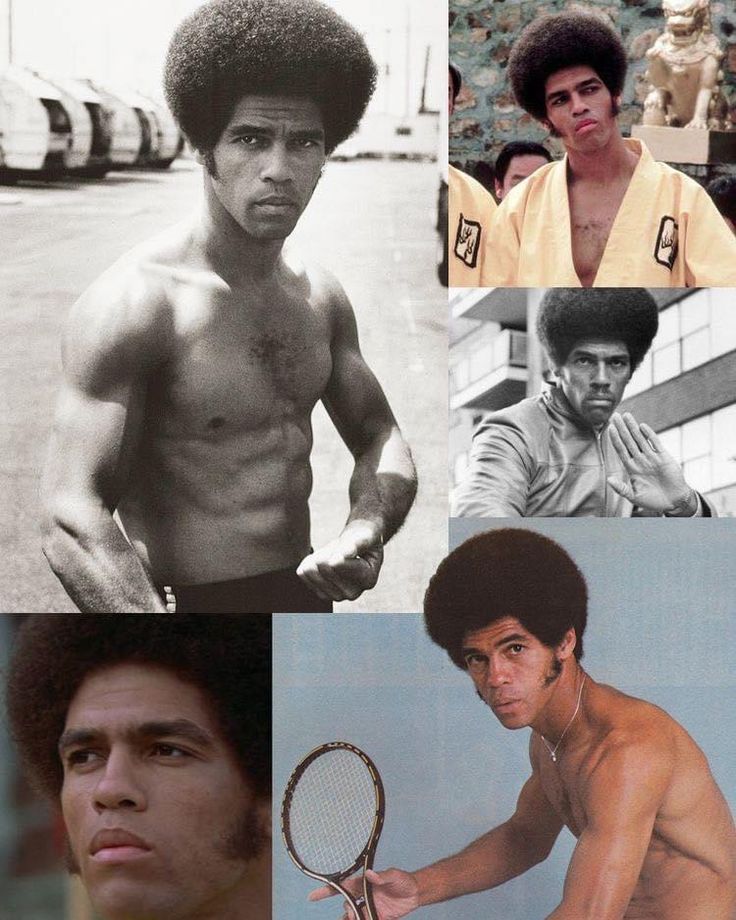
Jim Kelly stands as one of the most iconic martial artists and action stars in film history, a figure who reshaped the image of Black masculinity in global cinema. At a time when Black men were rarely portrayed as disciplined heroes, intellectual fighters, or spiritual warriors, Kelly emerged as a symbol of strength, confidence, and cultural pride. His presence on screen fused martial arts philosophy with Black Power aesthetics, creating a legacy that transcended entertainment.
Born in 1946 in Paris, Kentucky, Kelly grew up during the height of segregation and racial inequality in the United States. As a young man, he was drawn to physical fitness, sports, and self-discipline as a means of empowerment. Martial arts became not just a hobby, but a personal philosophy rooted in control, focus, and self-mastery.
Kelly began his martial arts journey in karate, training rigorously in the late 1960s. He studied under respected instructors and quickly demonstrated exceptional talent and athleticism. His dedication to training placed him among the elite practitioners of his era, at a time when very few Black Americans were visible in competitive martial arts spaces.
He ultimately achieved the rank of black belt in Shorin-Ryu karate, a traditional Okinawan style known for speed, precision, and fluid striking techniques. This was not a ceremonial rank but one earned through serious training, competition, and mastery. Kelly was widely respected in martial arts circles as a legitimate and highly skilled fighter.
Before entering Hollywood, Kelly became a professional karate champion. He won multiple national karate tournaments and was considered one of the top competitors in the United States. His reputation as a real martial artist, not just a movie performer, distinguished him from many action stars who relied primarily on choreography.
Kelly’s big breakthrough came when he was discovered by Warner Bros and cast in the film Enter the Dragon in 1973. This film, starring Bruce Lee, became one of the most influential martial arts movies in history. Kelly’s role as Williams introduced audiences to a new archetype: the Black martial artist who was disciplined, rebellious, and spiritually grounded.
His relationship with Bruce Lee was one of deep mutual respect. Lee admired Kelly’s athletic ability and on-screen charisma, while Kelly viewed Lee as both a mentor and philosophical influence. Together, they helped globalize martial arts culture and popularize Eastern philosophy within Western and Black communities.
In Enter the Dragon, Kelly’s character symbolized Black resistance and self-awareness. He rejected corrupt systems, challenged authority, and embodied a revolutionary spirit that resonated with Black audiences worldwide. His afro, confidence, and unapologetic masculinity made him a cultural icon of the 1970s.
After Bruce Lee’s death, Kelly became the leading Black martial arts star in the world. He starred in several kung fu and action films, including Black Belt Jones, Three the Hard Way, Hot Potato, and Golden Needles. These films positioned him as the central hero, not a sidekick or stereotype.
Black Belt Jones was especially significant, as it was one of the first martial arts films to center a Black protagonist. Kelly played a karate instructor protecting his community from gangsters and corrupt forces. The film blended Blaxploitation themes with authentic martial arts, creating a genre-defining classic.
Unlike many actors, Kelly insisted on realism in fight scenes. His movements were not exaggerated or theatrical but grounded in real technique. This authenticity made his performances influential among future martial artists and action stars.
Beyond film, Kelly was deeply committed to health, wellness, and holistic living. He later became a motivational speaker and health advocate, promoting vegetarianism, fitness, and mental discipline. Martial arts, for him, was inseparable from spiritual and physical health.
Kelly also worked as a tennis instructor and sports entrepreneur, showing that his talents extended far beyond cinema. He believed in lifelong physical excellence and viewed the body as a sacred instrument requiring discipline and respect.
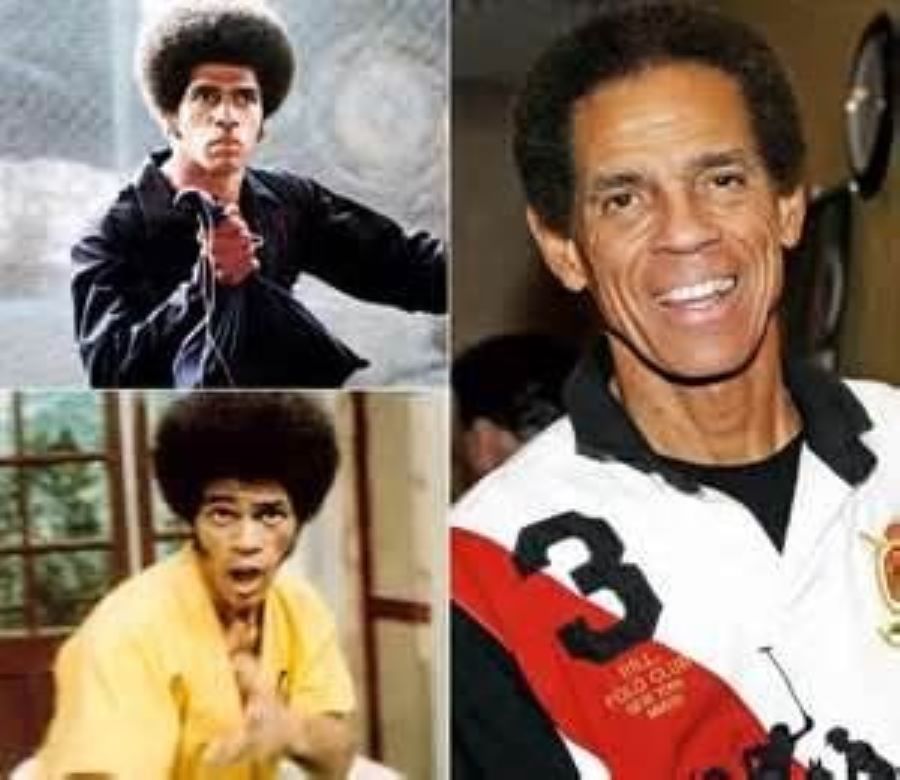
In his personal life, Kelly was married and had children, though he kept his family life largely private. He was known by friends and peers as humble, disciplined, and deeply philosophical, living by the values he portrayed on screen.
Tragically, Kelly died in 2013 after battling cancer. His death was mourned across martial arts communities, film circles, and Black cultural spaces. Yet his influence remains alive through generations of fighters, actors, and fans.
Kelly’s legacy is not just cinematic but symbolic. He represented a Black man who mastered both mind and body, who rejected criminal stereotypes and replaced them with warrior ethics and intellectual power.
He opened doors for Black representation in action cinema long before stars like Wesley Snipes, Michael Jai White, and Idris Elba. Without Jim Kelly, the image of the Black martial arts hero might never have existed.
Culturally, Kelly fused Afrocentric pride with Eastern philosophy, creating a new global identity for Black masculinity rooted in discipline, honor, and spiritual strength.
His image continues to circulate in hip-hop, fashion, fitness culture, and martial arts philosophy. He remains one of the few figures who embodied both revolutionary aesthetics and authentic warrior training.
Ultimately, Jim Kelly was not just an actor or a fighter. He was a symbol of Black excellence in motion, a living bridge between African American empowerment and martial arts philosophy, and a king whose legacy still trains minds and bodies across the world.
References
Bolelli, D. (2008). On the warrior’s path: Philosophy, fighting, and martial arts mythology. Blue Snake Books.
Bowman, P. (2010). Theorizing Bruce Lee: Film-fantasy-fighting-philosophy. Rodopi.
Hunt, L. H. (1998). Kung fu cult masters: From Bruce Lee to Crouching Tiger. Film Quarterly, 51(4), 10–17.
Miller, D. (2014). Jim Kelly: The original Black martial arts superstar. Black Film Review, 6(2), 22–29.
Teo, S. (2009). Chinese martial arts cinema: The wuxia tradition. Edinburgh University Press.
Jim Kelly
 THE BROWN GIRL DILEMMA