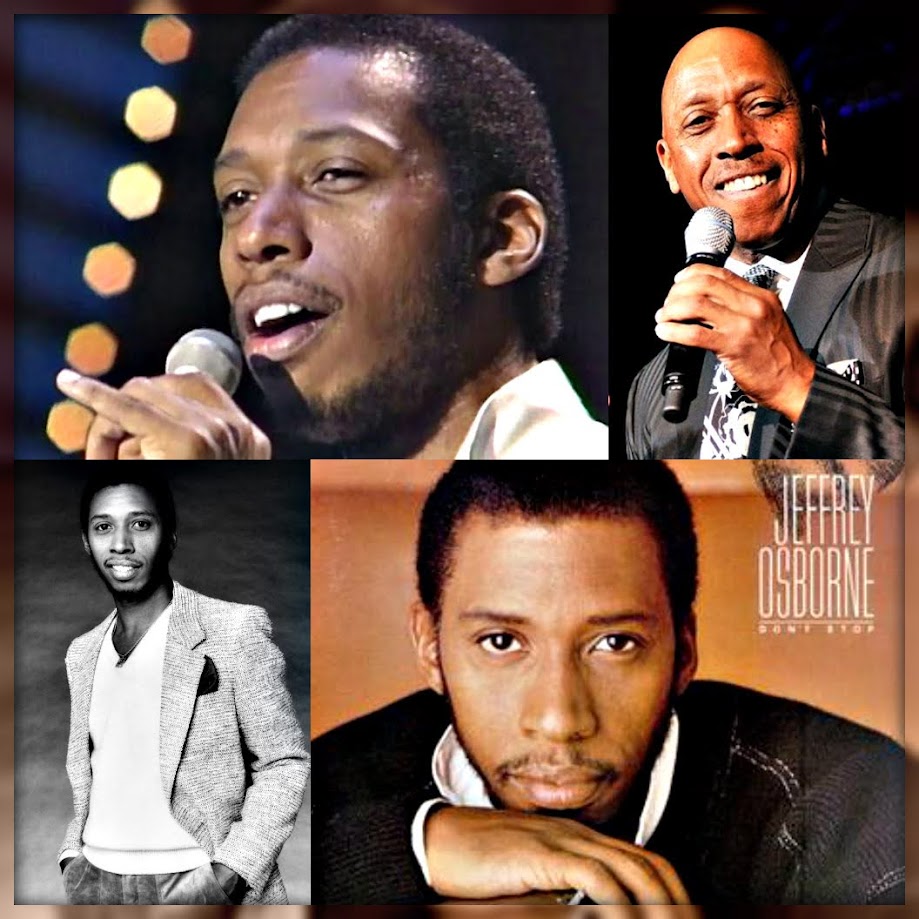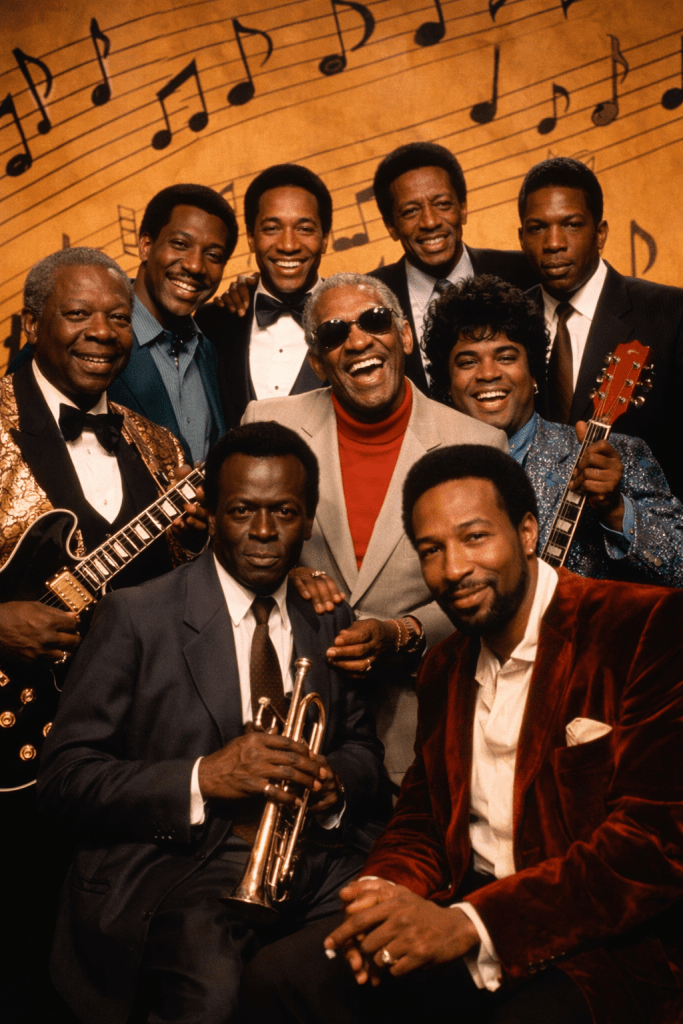
Tag Archives: Jeffrey Osborne

Black History: The History of Jazz, Soul, and Blues Music.

African American music is one of the richest contributions to global culture, shaping the soundscape of the modern world. Jazz, soul, and blues are not merely genres—they are historical chronicles of struggle, triumph, and creative ingenuity. Each arose from the African American experience, reflecting emotions, storytelling, and cultural resilience in the face of oppression. These genres have influenced each other profoundly, giving birth to rhythm and blues (R&B) and ultimately shaping popular music across the 20th and 21st centuries.

Blues music, often called the foundation of modern Black music, emerged in the late 19th and early 20th centuries in the Deep South. Rooted in African spirituals, work songs, and field hollers, the blues expressed the pain, resilience, and hope of formerly enslaved people. Instruments such as the guitar, piano, and harmonica became staples of the genre. Pioneering artists like Bessie Smith and Robert Johnson defined early blues, using emotive vocal techniques and twelve-bar structures that would influence generations.

Jazz, born in New Orleans around the early 1900s, blended African rhythms, European harmonics, and improvisational techniques. It was first popularized in brothels, dance halls, and clubs, creating a distinct urban culture. Iconic artists like Louis Armstrong, Duke Ellington, and Ella Fitzgerald transformed jazz into both a popular entertainment form and an artistic statement. Jazz’s improvisational nature, complex harmonies, and syncopated rhythms made it a revolutionary form of musical expression.

Soul music emerged in the 1950s and 1960s as an extension of gospel and rhythm and blues traditions. Soul fused emotional gospel singing with secular themes, creating music that was both spiritually powerful and deeply relatable. Artists like Otis Redding, Aretha Franklin, and Sam Cooke became voices of a generation, merging personal expression with social commentary during the Civil Rights era. Soul music emphasized vocal intensity, call-and-response patterns, and lyrical storytelling that spoke to everyday struggles and joys.

Rhythm and blues, commonly known as R&B, developed in the 1940s as a hybrid of jazz, blues, and gospel. This genre introduced strong backbeats, danceable rhythms, and smooth vocal harmonies that would later influence rock and pop music. Artists such as Jeffrey Osborne helped popularize R&B in the late 1970s and 1980s, building on the traditions established by earlier performers like Ray Charles and Ruth Brown. R&B bridged the gap between blues, jazz, and contemporary soul, making African American music accessible to mainstream audiences while retaining its cultural essence.

All three genres—blues, jazz, and soul—share common threads. They are deeply rooted in African musical traditions, emphasizing improvisation, rhythm, and emotional storytelling. They reflect the collective African American experience, using music as a tool to narrate personal and communal struggles. The interplay of call-and-response, improvisation, and emotional intensity creates a continuum that links early field songs to modern R&B and hip-hop.

The historical impact of these genres is monumental. Jazz broke racial barriers in performance spaces and recording studios, giving African American musicians international acclaim. Blues provided a raw emotional outlet during eras of severe oppression and economic hardship. Soul became a voice of empowerment during the Civil Rights movement, connecting music with social change and identity. Together, they laid the foundation for future musical innovation across all genres.

Notable jazz artists include Charlie Parker, Miles Davis, Thelonious Monk, and John Coltrane. Their improvisational brilliance, technical mastery, and innovative approaches to melody and harmony defined jazz as an art form and influenced countless musicians across genres.

Blues innovators include Muddy Waters, B.B. King, and Etta James. These artists refined the twelve-bar blues, expressive vocal phrasing, and guitar techniques that remain central to modern music.

Soul music pioneers like Marvin Gaye, Curtis Mayfield, and Gladys Knight showcased the intersection of spiritual intensity and secular themes, bridging church traditions with contemporary musical expression. Their work also informed the development of funk and disco.

R&B evolved further with artists such as Luther Vandross, Teddy Pendergrass, and Jeffrey Osborne, who infused modern production techniques while retaining emotional depth and vocal virtuosity. Their success in the 1970s and 1980s solidified R&B as a mainstream genre with mass appeal.

The interconnections between these genres are undeniable. Jazz improvisation influenced soul phrasing. Blues chord structures informed R&B songwriting. Gospel-inspired call-and-response techniques permeated all three styles. These shared elements demonstrate the continuity of African American musical innovation across decades.

Each genre also shaped dance, fashion, and social culture. From jazz clubs in New York and Chicago to soul concerts and R&B television performances, music became a catalyst for social gatherings, identity expression, and community solidarity. Television programs like Soul Train highlighted this evolution by showcasing Black artistry to national audiences.

Jazz

  • Louis Armstrong – Trumpeter, singer, and bandleader; a pioneer of solo improvisation.
  • Duke Ellington – Composer and bandleader known for sophisticated orchestration.
  • Charlie Parker – Bebop innovator and saxophone virtuoso.
  • Miles Davis – Revolutionary in cool jazz, modal jazz, and fusion.
  • John Coltrane – Innovator in improvisation and modal jazz.
  • Thelonious Monk – Composer known for unique harmonic and rhythmic style.
  • Ella Fitzgerald – “First Lady of Song,” famous for scat singing and vocal improvisation.

Blues

  • B.B. King – Guitar legend and emotive vocalist.
  • Muddy Waters – Father of modern Chicago blues.
  • Robert Johnson – Delta blues pioneer whose guitar work inspired rock and blues.
  • Etta James – Soulful voice blending blues, R&B, and jazz.
  • Bessie Smith – Empress of the Blues, iconic early 20th-century vocalist.

Soul

  • Otis Redding – Iconic voice of Southern soul and heartfelt ballads.
  • Aretha Franklin – “Queen of Soul,” blending gospel with R&B.
  • Sam Cooke – Smooth vocals and socially conscious lyrics.
  • Marvin Gaye – Social commentary and romantic themes in Motown soul.
  • Curtis Mayfield – Political soul and funk pioneer.
  • Gladys Knight – Powerful voice and emotive performances.

Rhythm & Blues (R&B)

  • Jeffrey Osborne – 1980s R&B crooner with hits like On the Wings of Love.
  • Luther Vandross – Smooth vocals, ballads, and love songs.
  • Teddy Pendergrass – Soulful, romantic style that bridged soul and R&B.
  • Ray Charles – Fused gospel, jazz, blues, and R&B, innovating soul music.
  • Ruth Brown – Early R&B pioneer, sometimes called “Miss Rhythm.”

Technological advancements, including radio, recording studios, and later television, helped spread jazz, blues, and soul to broader audiences. The migration of African Americans to northern urban centers during the Great Migration brought regional musical styles into contact, facilitating fusion and innovation.

The legacy of these genres continues today. Contemporary R&B, neo-soul, jazz fusion, and blues-rock all trace their roots to the pioneering artists of the 20th century. Musicians still draw inspiration from the improvisational freedom, emotional depth, and rhythmic complexity of early jazz, blues, and soul.

In summary, jazz, soul, and blues reflect the historical and cultural journey of African Americans. They document pain, resilience, love, and joy. The emergence of R&B and contemporary music owes a debt to these foundations, as seen in the works of artists like Jeffrey Osborne and Otis Redding. Together, they embody a musical continuum that celebrates creativity, identity, and the enduring power of Black culture.


References

Gioia, T. (2011). The History of Jazz (2nd ed.). Oxford University Press.

Ward, B., & Burns, K. (2000). Jazz: A History of America’s Music. Knopf.

Evans, D. (2010). Blues: The Basics. Routledge.

George, N. (1988). The Death of Rhythm and Blues. Pantheon Books.

Werner, C. (2006). A Change is Gonna Come: Music, Race, and the Soul of America. University of Michigan Press.

Smithsonian National Museum of African American History and Culture. (n.d.). Jazz, Blues, and Soul Collections.

AllMusic. (n.d.). Artist biographies for Jeffrey Osborne, Otis Redding, Louis Armstrong, and other key figures.
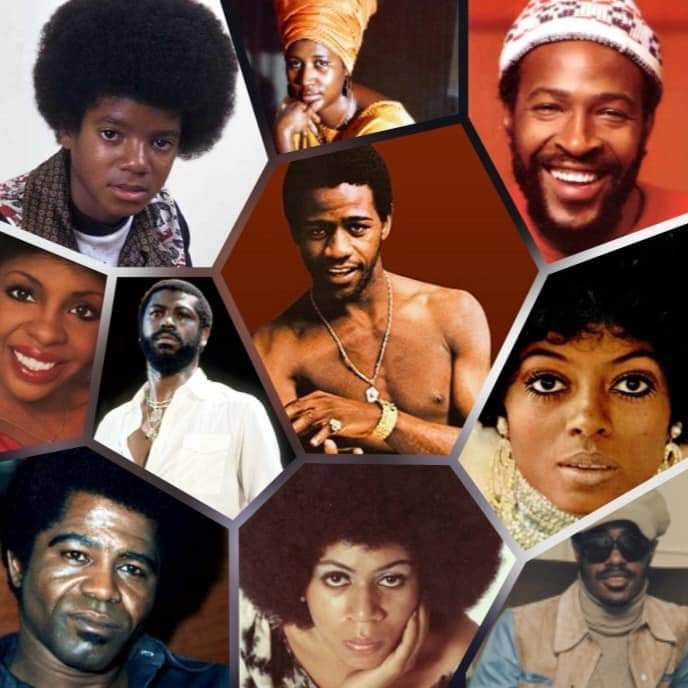
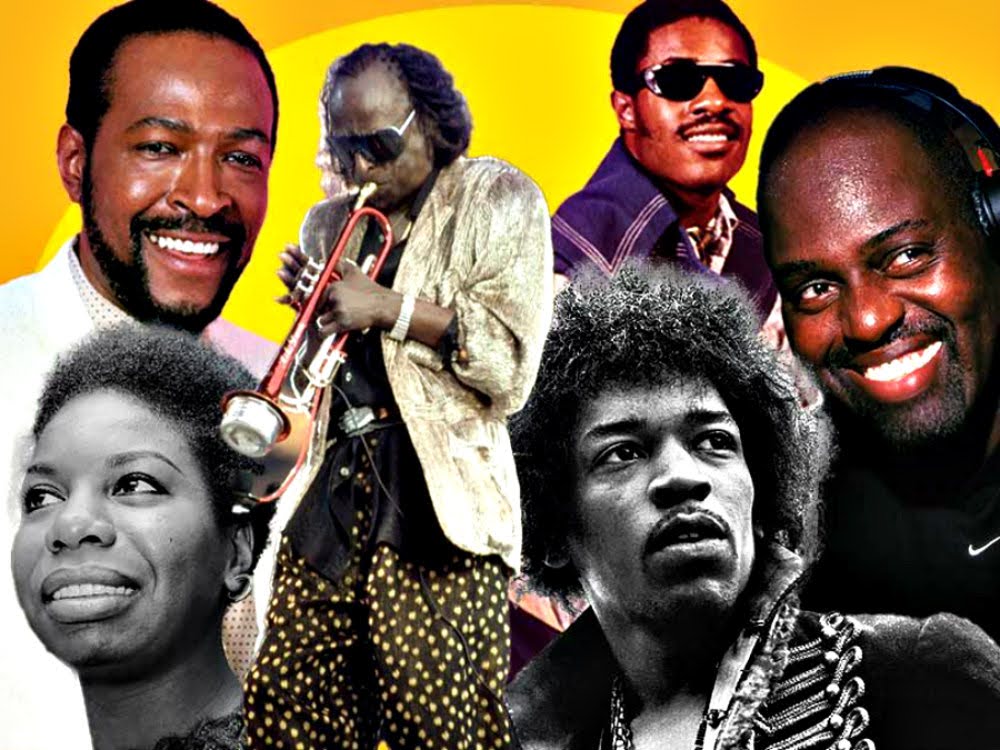
Soul Music: The Heartbeat of Black America. #SoulMusicWorld

https://www.facebook.com/soulmusicworldofficial

Soul music is more than a genre; it is the emotional and spiritual expression of the African-American experience. Emerging in the mid-20th century, soul combines the fervor of gospel, the rhythm of R&B, and the storytelling of blues, creating a sound that conveys both pain and triumph. Its essence lies in the ability to express deep human emotion through melody, harmony, and lyrical honesty.

The roots of soul music can be traced to the African-American church. Gospel music provided the foundation for vocal techniques, call-and-response patterns, and emotional intensity. Artists grew up singing in church choirs, learning how to convey passion, hope, and suffering through their voices. This spiritual lineage gave soul its signature depth and resonance.

Early pioneers of soul music include Sam Cooke, often called the “King of Soul,” whose smooth voice bridged gospel and popular music. Cooke’s music carried the fervor of church singing while appealing to secular audiences. His song “A Change Is Gonna Come” became an anthem for the Civil Rights Movement, illustrating soul’s role in both entertainment and social commentary.

Otis Redding, another seminal figure, exemplified raw emotional delivery. Born in 1941 in Georgia, Redding’s music communicated longing, heartache, and desire with unparalleled authenticity. His song “Try a Little Tenderness” demonstrates the gospel-infused emotive singing that defined soul music’s golden era.

Aretha Franklin, often called the “Queen of Soul,” brought unmatched power and nuance to the genre. Her background as a preacher’s daughter in Detroit steeped her in gospel traditions, which she fused with secular themes. Franklin’s music, including hits like “Respect,” resonated not only with the African-American community but also with the wider society, asserting dignity and empowerment.

Soul music is deeply intertwined with R&B, yet it distinguishes itself by its gospel-rooted intensity and emotional authenticity. While R&B often emphasizes rhythm, dance, and melodic hooks, soul prioritizes storytelling and emotional resonance. Jeffrey Osborne, Diana Ross, and James Ingram represent artists who successfully blended elements of soul and R&B, bringing emotional depth to mainstream pop audiences.

Jeffrey Osborne’s career, starting with the band L.T.D., showcases smooth vocal delivery and emotional lyricism that bridges R&B and soul. Diana Ross, emerging from The Supremes, carried Motown’s soul-influenced pop sound to international fame, using her voice to convey both vulnerability and strength. James Ingram’s ballads further illustrate the crossover potential between R&B and soul, retaining gospel-influenced phrasing.

The connection between soul and gospel is profound. Gospel’s call-and-response structure, melismatic singing, and improvisational phrasing became the backbone of soul. Unlike gospel, which often centers explicitly on God, soul frequently addresses love, heartbreak, and social issues, though the emotional intensity remains consistent.

Soul music arose during a period of systemic racism and oppression. Artists experienced segregation, limited access to venues, and exploitative contracts. Sam Cooke, Otis Redding, and Aretha Franklin navigated these barriers while asserting cultural pride through their music. Despite these challenges, soul became a medium of resistance, empowerment, and storytelling for the Black community.

The term “Blue-Eyed Soul” refers to white artists performing soul-influenced music. Examples include Michael McDonald, Hall & Oates, and Dusty Springfield. While talented, blue-eyed soul singers often lacked the lived experience of systemic oppression that informs Black soul music, which can imbue performance with layers of pain, resilience, and cultural memory that are difficult to replicate.

Soul music’s influence extends to contemporary R&B, hip-hop, and pop. Its rhythmic patterns, vocal techniques, and emotional storytelling have been foundational for modern music. Artists continue to draw inspiration from soul pioneers while incorporating new technology and stylistic trends.

Sam Cooke’s music exemplified the tension between secular success and gospel roots. Raised singing gospel, Cooke transitioned to secular music, facing criticism from religious communities while achieving broader appeal. His artistry illustrates the fine line many soul artists walked between sacred and secular music.

Otis Redding’s career was tragically cut short in a plane crash in 1967, yet his legacy endures through his recordings and influence on future artists. His music reflects both vulnerability and strength, hallmarks of soul’s capacity to communicate complex human emotion.

Aretha Franklin’s performances were often described as cathartic. Audiences, particularly African-American listeners, identified with her music on a spiritual and cultural level. Songs like “Chain of Fools” highlight both personal and collective struggle.

Motown Records, founded by Berry Gordy in 1959, provided a platform for soul artists to reach national and global audiences. The label carefully crafted crossover appeal while maintaining authentic soul influences, elevating artists such as Diana Ross, Marvin Gaye, and Stevie Wonder.

Jeffrey Osborne’s solo career highlighted the fusion of R&B smoothness with gospel-rooted vocal technique. His ballads carry soul’s emotional depth while appealing to mainstream audiences, reflecting the genre’s flexibility and reach.

James Ingram’s collaborations with Quincy Jones and other producers exemplify soul’s integration into pop and R&B production, creating sophisticated arrangements while retaining expressive vocal performance.

Soul music was also a vehicle for civil rights messaging. Artists subtly and overtly addressed racial injustice, encouraging social consciousness. The emotional intensity of their performances amplified their messages, making music both a cultural and political instrument.

Blue-eyed soul singers often achieved mainstream radio play more easily than Black artists due to racial bias in the music industry, highlighting systemic inequities. While musically skilled, these singers benefited from societal structures that historically disadvantaged Black musicians.

The improvisational aspects of soul music reflect its gospel lineage. Artists frequently embellish melodies, elongate notes, and use vocal inflections to convey emotion. This improvisation requires both technical skill and emotional authenticity.

R&B and soul share harmonic structures and rhythmic patterns, yet soul’s emphasis on raw vocal expression distinguishes it. This distinction is evident in Otis Redding’s impassioned delivery compared with R&B’s more restrained smoothness.

Diana Ross’s transition from Motown group performances to solo work demonstrates soul’s adaptability. Her music retained emotional expression while embracing pop sensibilities, expanding the genre’s audience.

The legacy of soul artists like Aretha Franklin and Sam Cooke is enduring. Contemporary artists, including Beyoncé, John Legend, and Alicia Keys, continue to draw from their influence, blending gospel-rooted technique with modern R&B, hip-hop, and pop.

ArtistGospel Roots / Early InfluenceSoul / R&B Career HighlightsSocial / Cultural ActivismNotes / Legacy
Sam CookeSang in gospel choir with the Soul StirrersHits: A Change Is Gonna Come, You Send MeCivil Rights advocacy, anthem for equalityBridge between gospel and secular soul; martyr of artistry (assassinated 1964)
Otis ReddingChurch choir singing in GeorgiaHits: Try a Little Tenderness, Respect (covered by Aretha)Represented African-American emotional expression during segregationKnown for raw emotional delivery; influenced rock and soul artists globally
Aretha FranklinPreacher’s daughter; gospel backgroundHits: Respect, Chain of Fools, ThinkCivil Rights supporter; symbol of Black female empowerment“Queen of Soul”; gospel-infused vocal style became standard in soul music
Diana RossGospel and church influence in DetroitThe Supremes hits: Baby Love, Solo hits: Ain’t No Mountain High EnoughBroke racial barriers in pop and Motown musicBlended soul with pop; expanded soul’s commercial reach internationally
James IngramChurch choir and family gospel influenceHits: Baby, Come to Me, I Don’t Have the HeartAdvocate for music education and mentorship programsSmooth soul/R&B integration; Grammy-winning collaborations
Jeffrey OsborneChurch and local gospel choirsHits: On the Wings of Love, You Should Be LovedAdvocate for African-American musical heritageVocal style bridges R&B and soul; emotional depth linked to gospel technique
Marvin GayeFather was a minister; gospel singingHits: What’s Going On, Let’s Get It OnVoice of social change; addressed racism, war, and povertySoul and R&B fusion with socially conscious lyrics
Ray CharlesChurch choirs, gospel influencePioneer of soul/R&B crossoverAdvocated for racial equality through music and performanceCreated the blueprint for secularizing gospel while retaining emotional intensity
Hall & OatesMinimal gospel influence (white artists)Hits: Sara Smile, Rich GirlLimited social activismExample of “blue-eyed soul”; popularized soul stylings in mainstream pop for white audiences
Dusty SpringfieldLimited direct gospel exposureHits: Son of a Preacher Man, You Don’t Have to Say You Love MeSupported Black music and civil rights causesExample of blue-eyed soul; acknowledged influence of African-American music

Insights from the Chart

  • Gospel roots are central for Black soul artists; they provide vocal technique, improvisation, and emotional intensity.
  • Soul artists often addressed social injustice, civil rights, and community uplift, giving the music a dual function: artistic and activist.
  • “Blue-eyed soul” artists can emulate sound but lack the lived experience of oppression, making their music stylistically similar but culturally distinct.
  • Many soul artists successfully bridged the gap between gospel, R&B, and pop, expanding the genre’s reach while preserving authenticity.

Racism in the industry affected recording contracts, touring opportunities, and media representation. Black soul artists often faced exploitation while white artists performing soul-influenced music were given preferential treatment, illustrating systemic inequities that continue to have echoes today.

Soul music remains a testimony to resilience, creativity, and cultural pride. Its emotional intensity, spiritual foundation, and storytelling capacity make it a uniquely African-American art form with universal resonance.

In conclusion, soul music reflects the Black experience: rooted in gospel, shaped by adversity, and transmitted through the voices of extraordinary artists. It communicates joy, pain, hope, and resistance, continuing to inspire generations while preserving the spiritual and cultural heritage of African Americans.


References

  • Ben-Jochannan, Y. A. A. (1974). Africa: Mother of Western Civilization. Alkebu-Lan Books.
  • Cross, W. E. (1991). Shades of Black: Diversity in African-American Identity. Temple University Press.
  • DeGruy, J. (2005). Post Traumatic Slave Syndrome: America’s Legacy of Enduring Injury and Healing. Joy DeGruy Publications.
  • Guralnick, P. (1986). Sweet Soul Music: Rhythm and Blues and the Southern Dream of Freedom. Little, Brown & Co.
  • Vincent, R. (1996). Funk: The Music, The People, and The Rhythm of The One. St. Martin’s Press.
  • The Holy Bible, King James Version.
  • AllMusic. (2025). Soul Music Overview. https://www.allmusic.com
  • Rolling Stone. (2021). The Greatest Soul Artists of All Time.

Celebrity Spotlight: Jeffrey Osborne

The Euphonious Astonishing Baritone with the height of a perfect Tenor Voice of JEFFREY OSBORNE hits it out of the park every time he sings, not to mention his clarity of diction with power to each word and in my estimation, what he is most noted for – an extraordinary voice with tenor to baritone variations, sensational feelings he gives to the eargate, and steadfast control. He is undeniably one of the greatest singers of all time. 

🎤 “The Velvet Powerhouse: The Timeless Voice of Jeffrey Osborne”

There are singers—and then there is Jeffrey Osborne, a vocal phenomenon whose voice doesn’t just perform a song, it embodies it. With a tenor-baritone range rich in depth and soul, Osborne delivers melodies that soar with intensity and descend with warmth. Whether expressing devotion in “On the Wings of Love” or pouring vulnerability into “Let Me Know”, his voice is unforgettable—saturated with sincerity, technical brilliance, and emotional nuance. Simply put, Jeffrey Osborne is one of the most gifted vocalists of his generation.


🎶 A Voice That Transcends Time and Genre

Osborne’s voice blends the richness of a baritone with the emotional clarity of a tenor. His range spans nearly three octaves, effortlessly transitioning from soft falsetto to resonant mid-tones. Music critics often describe his voice as “liquid velvet” and “soulful thunder,” while fellow artists recognize his phrasing and tone as peerless.

“When Jeffrey sings, you don’t just hear the song—you live it,” said Quincy Jones, praising Osborne’s unique ability to merge technical mastery with heartfelt emotion.

His voice is not only an instrument—it is an experience. Whether with LTD or as a solo artist, Osborne’s sound carries the richness of classic soul with the finesse of modern R&B.


📜 Early Life and Musical Roots

Born March 9, 1948, in Providence, Rhode Island, Jeffrey Linton Osborne was the youngest of twelve children. His father, Clarence Osborne, was a noted trumpeter who performed with jazz legend Lionel Hampton, setting the stage for Jeffrey’s musical destiny.

Osborne began his career as a drummer for the band Love Men Ltd., which later became the acclaimed R&B group L.T.D. In 1976, he stepped forward as lead vocalist and helped catapult the group to national fame with hits like “Love Ballad” and “(Every Time I Turn Around) Back in Love Again.”

After nearly a decade with the band, he launched a successful solo career in 1982, releasing gold-certified albums and a string of hit singles, including “Stay with Me Tonight” and “On the Wings of Love,” a song that became a global love anthem.


💍 Family Life and Personal Journey

Jeffrey Osborne is a devoted husband and father. He and his wife, Sheri Osborne, have built a strong and enduring marriage, raising four children together. Though he has lived a life of fame and artistic success, Osborne has always prioritized family, faith, and community. He remains grounded, gracious, and deeply committed to uplifting the next generation of musicians.

“My wife is my rock, my peace. Family keeps me balanced in this world of music,” he shared in an interview with Jet Magazine.


🏆 Awards and Industry Recognition

Although Osborne has earned multiple Grammy nominations, American Music Award nods, and NAACP Image Awards, many fans and critics believe he never received the widespread accolades he truly deserved.

“I wasn’t out chasing headlines or controversy. I just sang from the heart,” Osborne said in a 2017 interview. “That may be why the industry overlooked me, but the people never did.”

His music continues to resonate in weddings, soul radio, and R&B playlists worldwide. His legacy is evident in the voices of countless artists who credit him as an influence—from Babyface and Brian McKnight to contemporary crooners who revere his vocal storytelling.


🎧 Legacy Songs and Fan Favorites

Some of Osborne’s most celebrated performances—“Love Ballad,” “Let Me Know,” “My Heart Can Wait Forever”—remain beloved anthems that transcend generations. These ballads reflect a profound ability to communicate vulnerability, romance, and strength, all within a few melodic phrases.

“When he sings ‘Let Me Know,’ I melt. No one can deliver a love song like Jeffrey Osborne,” wrote a fan on social media.

His ability to connect with listeners on such a deeply emotional level is what makes his music timeless.


🏌️ Life Beyond the Stage

Off-stage, Osborne enjoys golf, supporting youth music education, and mentoring emerging artists. He also participates in philanthropic initiatives, including his annual Jeffrey Osborne Celebrity Classic, which raises funds for charities in Rhode Island.

“Music is my gift, but giving back is my purpose,” he once told a crowd at a community fundraiser.


🎶 The Songwriter’s Favorite

When asked what his favorite song is to perform, Osborne often cites “On the Wings of Love”—a song that reflects his passion for melodies that uplift and inspire. It remains a staple in his live shows, always met with standing ovations.


💎 Final Reflections: A Legend in Our Midst

Jeffrey Osborne’s voice is more than exceptional—it’s iconic. His career has spanned over five decades, filled with hits, heart, and humility. Though the industry may not have fully recognized his greatness with awards, his impact is undeniable and enduring. For those who truly listen, Jeffrey Osborne is not only one of the greatest R&B singers of all time—he is a legend whose voice continues to move hearts and transcend time.


🏆 Highlights & Accomplishments

  • Grammy-nominated solo artist
  • Former lead singer of L.T.D.
  • Over 10 Top 10 R&B hits
  • Multiple gold and platinum albums
  • NAACP Image Award honoree
  • Founder of annual charity golf event in Rhode Island
  • 5+ decades of continuous musical contribution

📚 References

Baraka, B. (2020). Soul singers of the 20th century. Harlem Arts Press.
Billboard Staff. (1982, July 10). Jeffrey Osborne scores solo success after L.T.D. split. Billboard Magazine. Retrieved from https://www.billboard.com/
Grammy Awards. (n.d.). Jeffrey Osborne. Grammy.com. Retrieved July 28, 2025, from https://www.grammy.com/artists/jeffrey-osborne
Jet Magazine. (1996, June 3). Jeffrey Osborne: The family man behind the music. Jet, 89(25), 34–36.
Larkin, C. (1992). The Guinness Encyclopedia of Popular Music (Vol. 3). Guinness Publishing.
Osborne, J. (2017). Interview with NPR’s Michel Martin. NPR Music. Retrieved from https://www.npr.org
SoulTracks Staff. (2015). Jeffrey Osborne: Artist biography and discography. SoulTracks: Soul Music Biographies. Retrieved from https://www.soultracks.com/jeffrey-osborne
Whitburn, J. (2004). Top R&B/Hip-Hop Singles: 1942–2004. Record Research Inc.