
Tag Archives: herbs

Black Health Traditions: A Guide to Wholeness and Wellness.

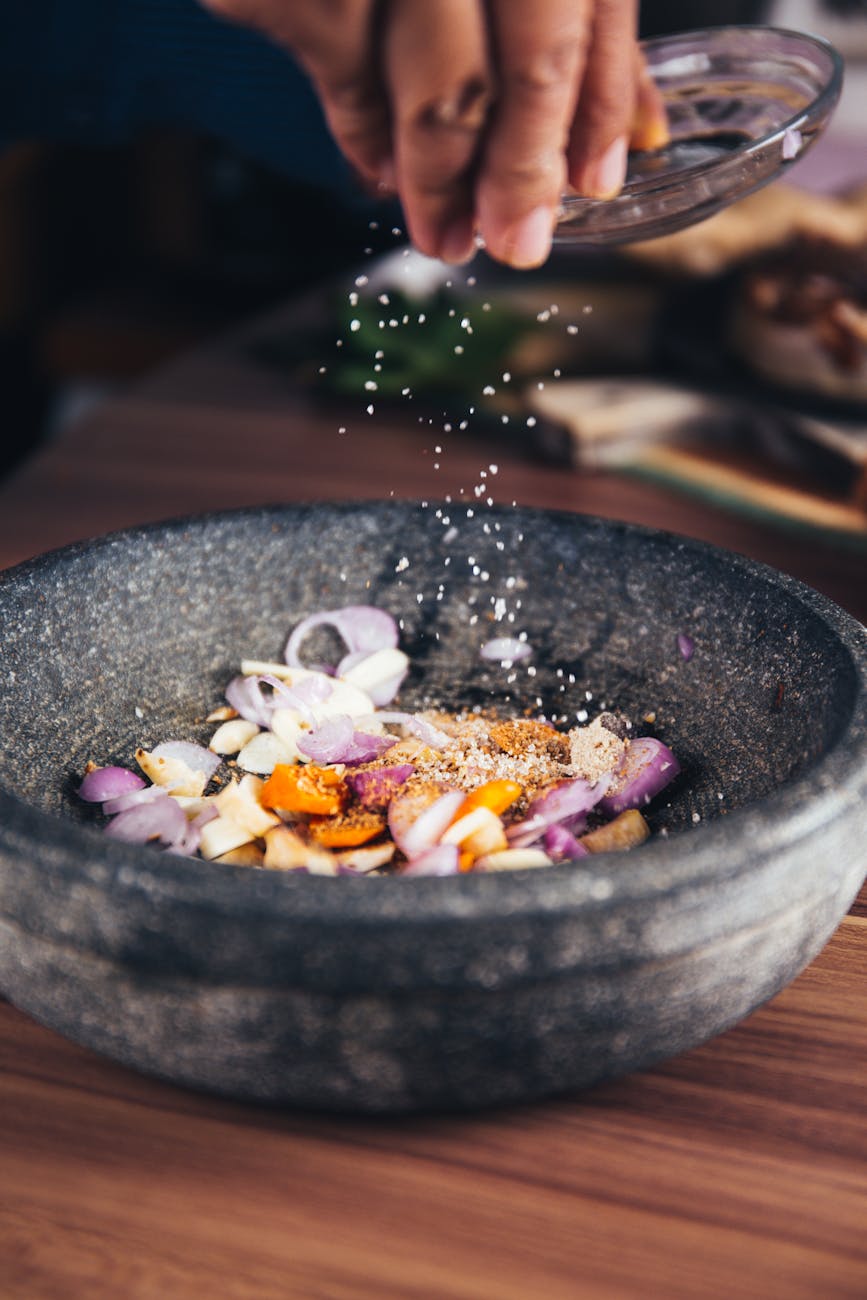
Photo by Dapur Melodi on Pexels.com

Health has always been at the heart of Black survival and thriving. For centuries, Black families passed down traditions that emphasized natural healing, good food, and spiritual wholeness. In many African and African American households, health was not just physical — it was spiritual and emotional. The Bible reminds us, “Beloved, I wish above all things that thou mayest prosper and be in health, even as thy soul prospereth” (3 John 1:2, KJV). True health is a balance between body, mind, and spirit.

Historically, herbs played a central role in Black health traditions. Enslaved Africans and later generations often relied on the earth to provide medicine when they lacked access to doctors or were denied care. Remedies included peppermint and ginger tea for upset stomachs, garlic for colds, aloe vera for burns, and sassafras tea as a blood purifier (Gershenson, 2013). These herbal treatments were not merely survival techniques; they were acts of self-reliance and resistance in a system that often neglected Black health.

Food has always been medicine in Black culture. Psychology confirms that nutrition impacts mood and mental clarity (Jacka et al., 2017). Traditional African and African American diets emphasized vegetables, beans, rice, greens, and root crops that nourished the body. Proverbs 25:27 (KJV) warns, “It is not good to eat much honey,” reminding us that moderation is key even with good food. Soul food has roots in resourcefulness, but modern health calls us to adapt these meals by using less fat, sugar, and sodium while preserving flavor.

Home remedies were a staple of the Black household. Mothers and grandmothers often kept a pantry of vinegar, honey, lemon, castor oil, and Epsom salt. A mixture of honey, lemon, and warm water was used to soothe sore throats. Onion poultices were placed on the chest to break up congestion. Castor oil was given as a detox. These remedies reflected deep knowledge of natural health and a belief that God provided healing through creation (Genesis 1:29, KJV).

Spiritual health was always considered part of physical health. Prayer, laying on of hands, and anointing with oil were integral to the healing process. James 5:14-15 (KJV) instructs, “Is any sick among you? let him call for the elders of the church… and the prayer of faith shall save the sick.” This holistic approach — combining faith, community, and medicine — supported resilience and hope in times of illness.

The psychology of eating well plays a significant role in Black health today. Emotional eating is a common response to stress and trauma, especially in communities that have been historically marginalized. Research shows that a healthy diet can reduce depression and improve cognitive function (Jacka et al., 2017). By reclaiming ancestral eating patterns — fresh vegetables, grains, and herbs — Black people can heal not just physically but emotionally, breaking cycles of poor nutrition passed down through generations.

African remedies remain valuable for modern health. Bitter leaf is used in West Africa to cleanse the blood and improve digestion. Moringa, native to Africa and Asia, is packed with vitamins and antioxidants and is now called a “superfood.” Hibiscus tea (known as bissap or sorrel) helps lower blood pressure and refreshes the body. These remedies show that Africa has always been a source of wisdom in health and wellness.

Healthy Recipe Highlight:

African-Inspired Collard Greens


Ingredients: 1 bunch collard greens, 2 tbsp olive oil, 3 cloves garlic (minced), 1 small onion (chopped), 1 tomato (diced), ½ tsp smoked paprika, salt and pepper to taste.

Directions: Wash and chop collard greens. Heat olive oil in a large skillet, sauté garlic and onion until fragrant. Add tomato, paprika, and greens, cover and cook until tender (about 15 minutes). Season to taste.

Why it’s healthy: Collard greens are rich in vitamin K, calcium, and fiber. This recipe avoids heavy fats and preserves the greens’ nutrients, making it a heart-healthy choice.

Modern Black health movements encourage returning to these traditions. This means cooking at home, using natural herbs, exercising regularly, and being mindful of mental health. “Whether therefore ye eat, or drink, or whatsoever ye do, do all to the glory of God” (1 Corinthians 10:31, KJV). Eating well becomes an act of worship when it honors the body God gave you.

In conclusion, Black health traditions are rich with wisdom and resilience. From herbs and foods to prayer and community care, they remind us that health is not just about living long but living well. By blending psychology, biblical principles, and ancestral practices, Black communities can reclaim their health and pass on healing knowledge to future generations.


References

Gershenson, O. (2013). Food in the Civil Rights Movement: The soul of soul food. University of Georgia Press.

Jacka, F. N., O’Neil, A., Opie, R., Itsiopoulos, C., Cotton, S., Mohebbi, M., … & Berk, M. (2017). A randomized controlled trial of dietary improvement for adults with major depression (the SMILES trial). BMC Medicine, 15(1), 23. https://doi.org/10.1186/s12916-017-0791-y

World Health Organization. (2022). Nutrition and health. https://www.who.int/health-topics/nutrition

King James Bible. (1769/2023). Authorized King James Version. Cambridge University Press. (Original work published 1611)
Herbal Treatments for Pain

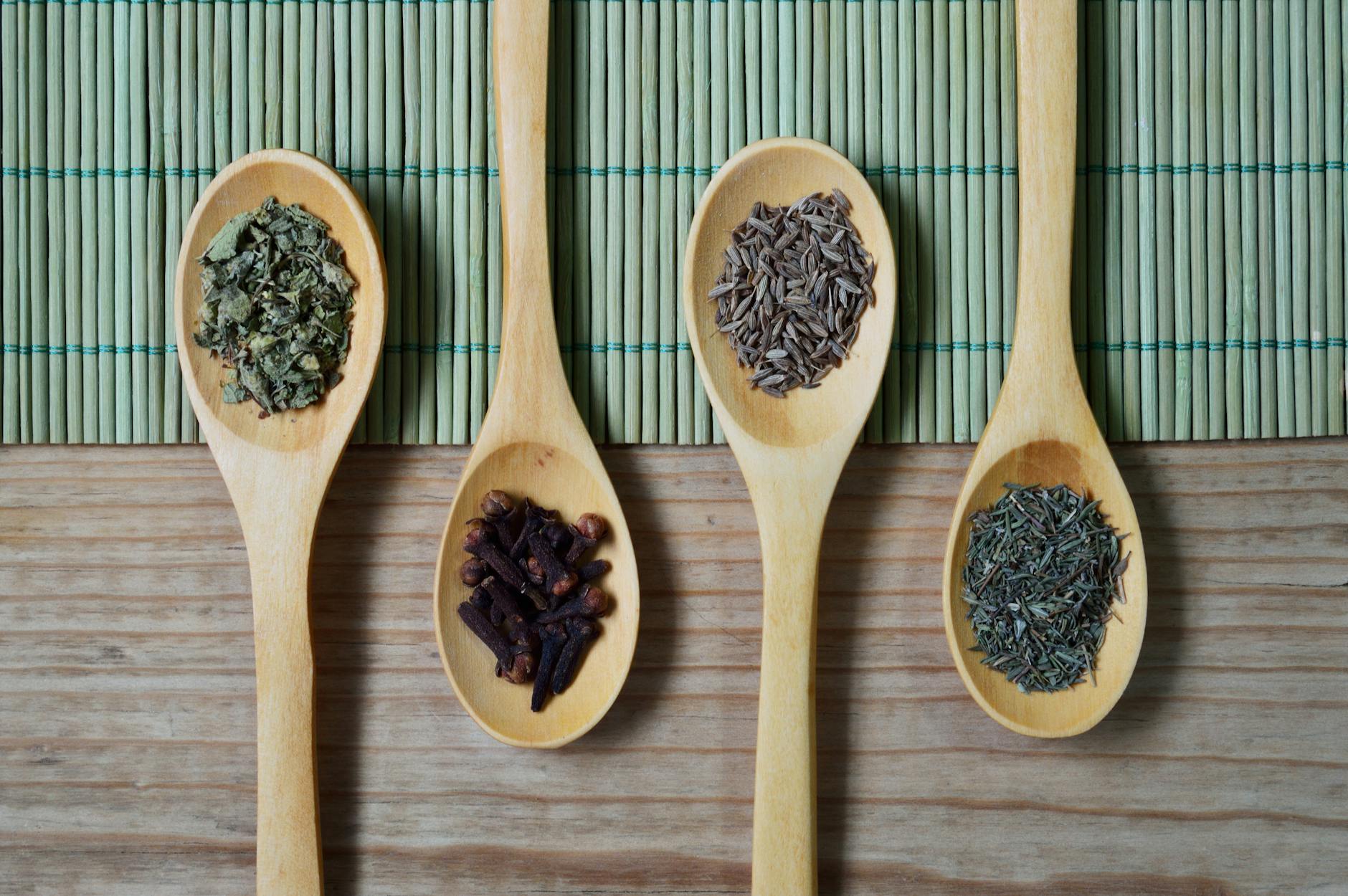
Photo by Miguel u00c1. Padriu00f1u00e1n on Pexels.com

Herbs have been used for centuries to relieve pain naturally, often providing anti-inflammatory, analgesic, and calming effects without the side effects of many synthetic medications. Here’s an overview of some well-known pain-relieving herbs and a closer look at turmeric’s specific role in pain management:


🌿 Herbs for Pain Relief

1. Turmeric (Curcuma longa)
Turmeric is one of the most powerful anti-inflammatory herbs known. Its active compound, curcumin, helps reduce pain by blocking inflammatory pathways in the body. Studies have shown that turmeric can work similarly to NSAIDs (like ibuprofen) but without the same risk of stomach irritation (Daily et al., 2016).

2. Ginger (Zingiber officinale)
Ginger contains gingerols, which have anti-inflammatory and antioxidant properties. It is often used for muscle soreness, menstrual pain, and arthritis-related discomfort.

3. Willow Bark (Salix alba)
Known as “nature’s aspirin,” willow bark contains salicin, which the body converts into salicylic acid — the same compound used to make aspirin. It’s particularly good for headaches, back pain, and osteoarthritis.

4. Devil’s Claw (Harpagophytum procumbens)
Traditionally used in African medicine, devil’s claw is effective for reducing inflammation and pain from arthritis, tendonitis, and lower back pain.

5. Boswellia (Boswellia serrata)
Also called Indian frankincense, boswellia helps block the formation of certain inflammatory molecules. It’s used for osteoarthritis and rheumatoid arthritis pain relief.

6. Valerian Root (Valeriana officinalis)
Though mainly used for sleep, valerian root also has mild muscle relaxant properties, making it helpful for tension headaches and muscle spasms.


🌟 What Turmeric Does for Pain

Turmeric’s pain-relieving power comes mainly from curcumin, its bright yellow polyphenol compound. Curcumin has several mechanisms of action:

  • Anti-Inflammatory Action – Curcumin inhibits NF-κB, a molecule that triggers inflammation. Less inflammation usually means less pain.
  • Antioxidant Support – It neutralizes free radicals that damage tissues and worsen pain.
  • Joint Health – Clinical studies have shown turmeric to reduce stiffness, swelling, and tenderness in people with osteoarthritis and rheumatoid arthritis (Henrotin et al., 2013).
  • Nerve Pain Support – Emerging research suggests curcumin may help with neuropathic pain by supporting nerve repair and reducing inflammation around nerve tissues.

Best Way to Use:

  • Take turmeric with black pepper (piperine) to increase absorption.
  • Can be used in golden milk, teas, or taken as a standardized curcumin supplement (500–2000 mg/day under medical supervision).

🌿 Herbal Remedies for Different Types of Pain

🧠 Headaches & Migraines

  • Willow Bark – Natural aspirin-like pain relief.
  • Feverfew (Tanacetum parthenium) – Known to prevent migraines and reduce severity.
  • Peppermint (Mentha piperita) – Peppermint oil applied to temples can relieve tension headaches.
  • Ginger – Reduces nausea and inflammation often associated with migraines.

🦴 Joint Pain & Arthritis

  • Turmeric (Curcuma longa) – Anti-inflammatory; helps reduce swelling and stiffness.
  • Boswellia (Indian Frankincense) – Blocks inflammatory enzymes, reducing joint damage and pain.
  • Ginger – Decreases pain and improves mobility.
  • Devil’s Claw – Traditionally used for arthritis and tendon pain.

💪 Muscle Pain & Soreness

  • Arnica (Arnica montana) – Topical gel or cream for bruises, sprains, and sore muscles.
  • Valerian Root – Acts as a mild muscle relaxant.
  • Chamomile – Calms muscle tension and helps with stress-related pain.
  • Rosemary – Used topically as an oil to improve circulation and ease muscle stiffness.

🔥 Nerve Pain (Neuropathy, Sciatica)

  • Turmeric/Curcumin – Reduces inflammation and supports nerve healing.
  • St. John’s Wort – Traditionally used for nerve pain and mild nerve damage.
  • Skullcap (Scutellaria lateriflora) – Helps calm nerve-related pain and spasms.
  • Cayenne Pepper (Capsaicin) – Cream applied topically can desensitize nerve pain signals.

🌸 Menstrual Pain & Cramps

  • Ginger – Reduces menstrual pain when taken as tea or capsules.
  • Cinnamon – Has antispasmodic properties and eases uterine contractions.
  • Cramp Bark (Viburnum opulus) – Specifically used to relax the uterus and reduce cramps.
  • Chamomile – Calms muscles and relieves bloating and discomfort.

🩹 Back Pain

  • Willow Bark – Works like aspirin for pain relief.
  • Devil’s Claw – Excellent for chronic lower back pain.
  • Turmeric – Helps reduce inflammation in the spine and surrounding muscles.
  • Ginger Compress – Can be applied topically for soothing warmth and pain relief.

💡 Tips for Best Results

  • Combine Herbs with Lifestyle Support – Stretching, hydration, rest, and anti-inflammatory foods amplify the effects.
  • Consistency Matters – Many herbs work best when taken regularly for a few weeks.
  • Check for Interactions – Some herbs (like St. John’s Wort, willow bark) may interact with medications, so consult a healthcare professional before starting.

📚 References

Daily, J. W., Yang, M., & Park, S. (2016). Efficacy of turmeric extracts and curcumin for alleviating the symptoms of joint arthritis: A systematic review and meta-analysis of randomized clinical trials. Journal of Medicinal Food, 19(8), 717–729. https://doi.org/10.1089/jmf.2016.3705

Henrotin, Y., Priem, F., & Mobasheri, A. (2013). Curcumin: A new paradigm and therapeutic opportunity for the treatment of osteoarthritis: Curcumin for osteoarthritis management. SpringerPlus, 2(1), 56. https://doi.org/10.1186/2193-1801-2-56

Gorji, A., & Khaleghi Ghadiri, M. (2001). History of headache in medieval Persian medicine. The Lancet Neurology, 1(8), 510–515. https://doi.org/10.1016/S1474-4422(02)00215-7

Gruenwald, J., Brendler, T., & Jaenicke, C. (2007). PDR for herbal medicines (4th ed.). Thomson Healthcare.

Ulbricht, C., Basch, E., Cheung, L., Goldberg, H., Hammerness, P., Isaac, R., … & Woods, J. (2011). An evidence-based systematic review of boswellia by the natural standard research collaboration. Journal of Dietary Supplements, 8(1), 45–88. https://doi.org/10.3109/19390211.2011.552068

Shara, M., & Stohs, S. J. (2015). Efficacy and safety of white willow bark (Salix alba) extracts. Phytotherapy Research, 29(8), 1112–1116. https://doi.org/10.1002/ptr.5377

Terry, R., & Ernst, E. (2000). Herbal remedies for osteoarthritis: A systematic review. British Journal of General Practice, 50(455), 493–496.

Ozgoli, G., Goli, M., & Moattar, F. (2009). Comparison of effects of ginger, mefenamic acid, and placebo in patients with primary dysmenorrhea. Journal of Alternative and Complementary Medicine, 15(2), 129–132. https://doi.org/10.1089/acm.2008.0311