
From Sunshine to silver-screen sophistication, Lela Rochon remains the glow that never fades.
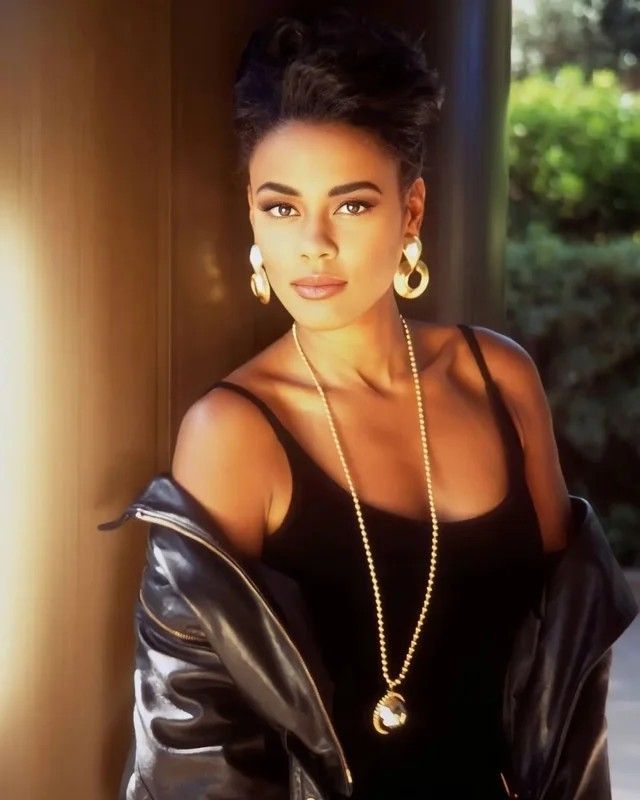
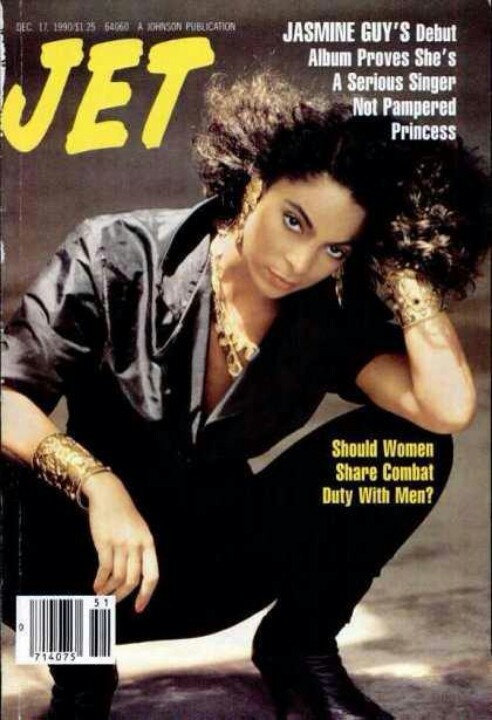
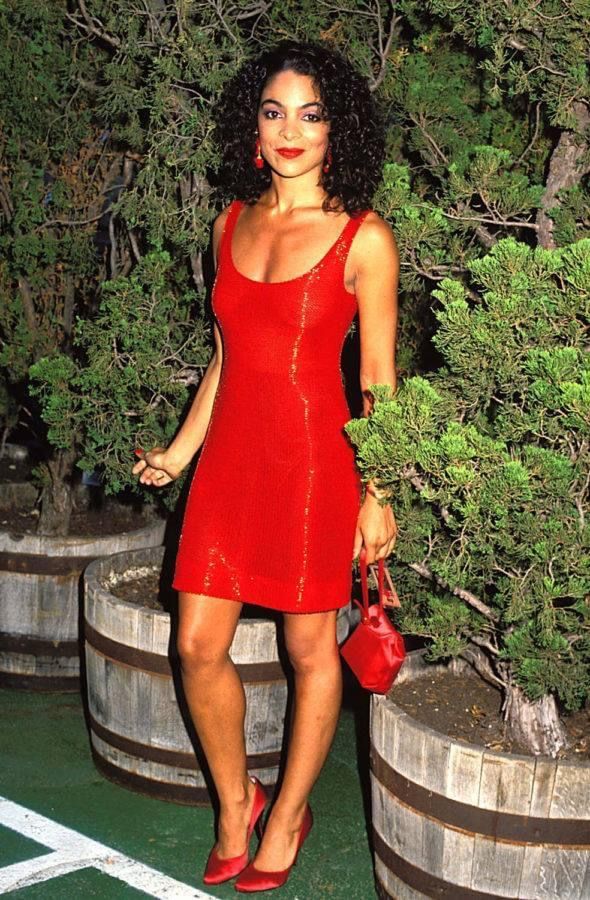
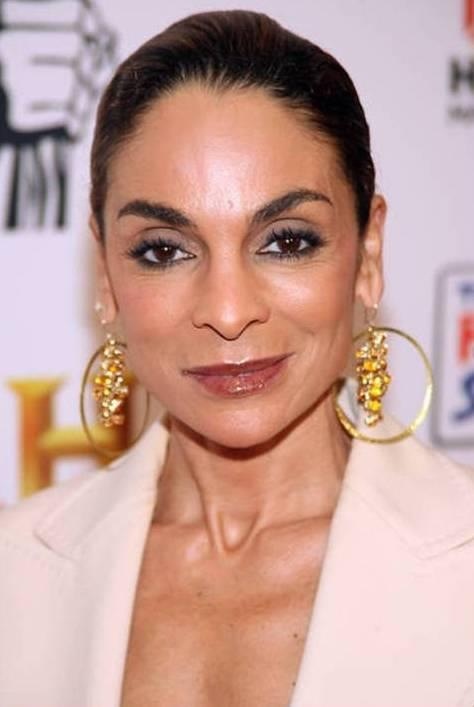
There are women in Hollywood who shine — and then there are women who glow. Lela Rochon has long embodied a radiance that transcends screen presence. With luminous brown skin, softly sculpted cheeks, and a smile that carries both sweetness and strength, Rochon represents a generation of Black actresses whose beauty was undeniable and whose talent demanded recognition. In the canon of cinematic elegance, she belongs unmistakably among The Ebony Dolls — women whose image, grace, and cultural impact reshaped how Black beauty was seen on screen.
Born Lela Rochon Staples on April 17, 1964, in Los Angeles, California, she was raised in a culturally rich household that supported her artistic ambitions. She attended California State University, Dominguez Hills, earning a degree in broadcasting and journalism — a foundation that sharpened her poise and public presence. Before film stardom, Rochon appeared in commercials and music videos during the 1980s, slowly carving out space in an industry that often marginalized darker-skinned actresses.
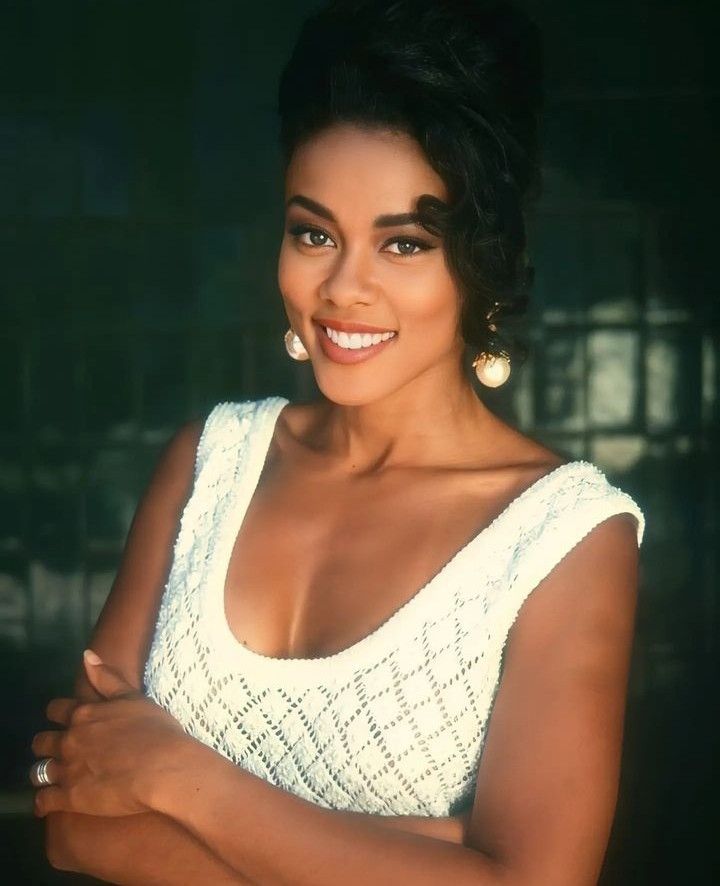
Her early film appearances included roles in Breakin’ 2: Electric Boogaloo (1984) and television guest spots throughout the decade. But it was her comedic turn in Harlem Nights that introduced her to mainstream audiences. Playing the warm-hearted and spirited “Sunshine,” opposite icons like Eddie Murphy and Richard Pryor, Rochon radiated softness and sensual charm. Sunshine was not merely a love interest — she was tenderness in a harsh world, a woman whose vulnerability gave emotional depth to a male-dominated narrative. From that moment, her nickname “Sunshine” became culturally embedded.
The 1990s marked her ascension into leading-lady status. In Waiting to Exhale, directed by Forest Whitaker and adapted from the novel, Rochon portrayed Robin Stokes, an ambitious, sensual, and emotionally complex character. Alongside Whitney Houston, Angela Bassett, and Loretta Devine, she helped redefine Black female friendship on screen. The film became a cultural milestone, presenting professional Black women as layered, desirable, and flawed — yet powerful.
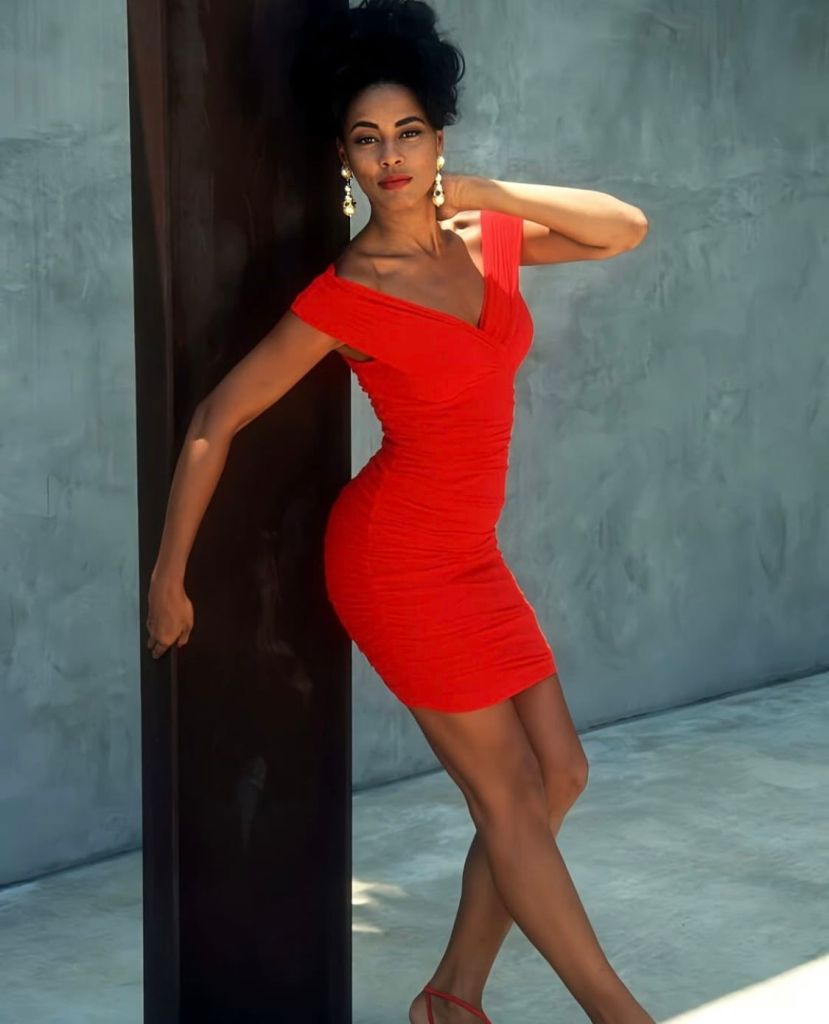
Her performance in Why Do Fools Fall in Love showcased another dimension of her talent. As singer-songwriter Darlene Love, Rochon embodied classic glamour, evoking the golden era of R&B femininity. That same year, she appeared in The Players Club, directed by Ice Cube, portraying a veteran dancer who navigates power, survival, and womanhood in an exploitative industry. Her performance was dignified and nuanced, offering depth where stereotypes often prevailed.
Television became another platform for her enduring presence. Rochon appeared in numerous series over the years, including roles in Family Business and its spinoff Family Business: New Orleans, continuing to demonstrate her versatility and longevity in an evolving industry. These later roles affirmed her staying power — not as a nostalgic figure, but as an active, working actress.
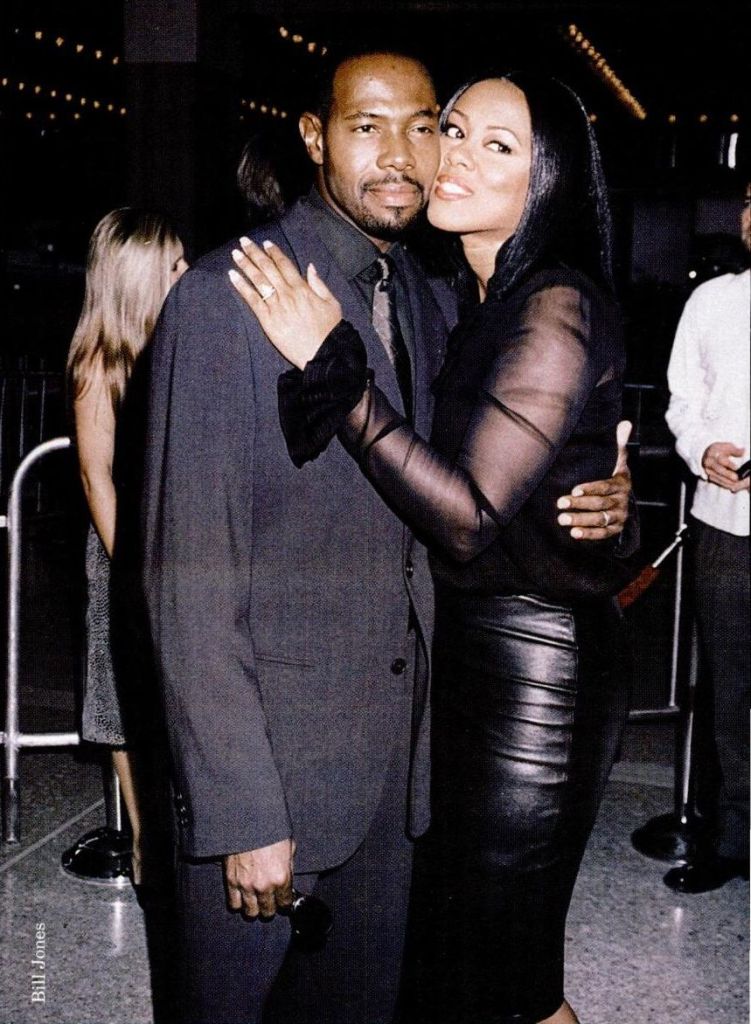
Lela Rochon was first married to dancer and actor Adolfo Quiñones, who was widely known by his stage name Shabba Doo, a pioneering figure in the West Coast break-dancing movement and a star of the film Breakin’. He was a member of the legendary street dance group The Lockers, and his appearance in Breakin’ helped popularize breakdancing in mainstream cinema during the 1980s. The couple married on December 12, 1982. Their marriage lasted approximately five years before the couple divorced in 1987. Later, she married film director Antoine Fuqua in 1999. The couple has two children. Their marriage faced public challenges when media reports surfaced regarding Fuqua’s infidelity. Throughout that ordeal, Rochon maintained dignified silence — embodying resilience rather than spectacle. In an era of oversharing, her discretion communicated strength. She chose privacy over performance, grace over public retaliation.
This composure adds to her legacy as a “strong Black woman,” though that phrase often carries burdens. Rochon’s strength is not loud; it is anchored. It is seen in her career longevity, her maternal devotion, her refusal to be reduced to scandal, and her unwavering elegance amid adversity.
Physically, Rochon represents a standard of Black beauty that defied Hollywood’s narrow casting norms of the late 20th century. Her rich brown complexion, full cheeks, soft eyes, and curvaceous silhouette celebrated natural Black femininity at a time when Eurocentric aesthetics dominated mainstream media. She did not dilute herself for acceptance. She appeared fully embodied — warm, sensual, confident.
Her awards and recognitions include nominations from the NAACP Image Awards and acclaim from Black film critics circles for her ensemble performances. While she may not possess a trophy shelf overflowing with Oscars, her cultural impact transcends hardware. She helped anchor an era of Black romantic cinema that centered women’s desires, friendships, and interior lives.
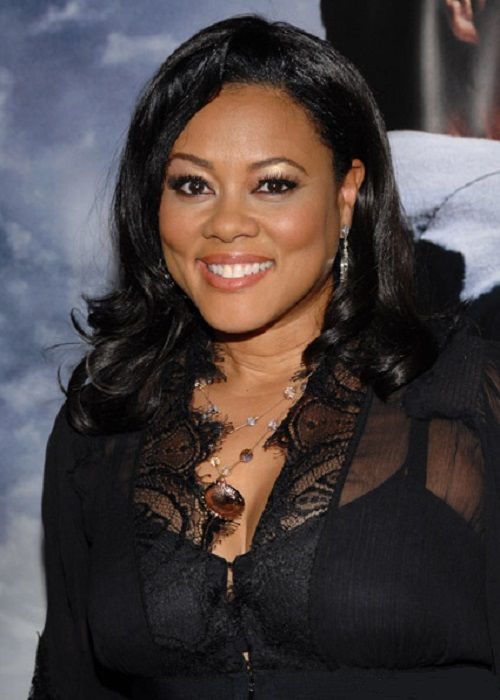
So why is Lela Rochon an Ebony Doll?
Because Ebony Dolls are not merely beautiful women.
They are cinematic symbols.
They are aesthetic milestones.
They are women whose image defined an era of Black glamour.
Rochon belongs in this series because she represents the archetype of the 1990s Black leading lady — soft yet resilient, sensual yet intelligent, vulnerable yet composed. She stands in a lineage of actresses who expanded the range of Black womanhood onscreen, insisting on complexity over caricature.
Sunshine from Harlem Nights.
Robin from Waiting to Exhale.
Darlene Love.
The veteran survivor.
The wife.
The mother.
The woman.
Lela Rochon is not just remembered.
She is revered.
And in the gallery of The Ebony Dolls, her portrait glows warmly — timeless, dignified, and beautifully Black.
References
Aftab, K. (2019). Waiting to Exhale: Revisiting a cultural classic. Film Quarterly Review.
Bogle, D. (2016). Toms, coons, mulattoes, mammies, and bucks: An interpretive history of Blacks in American films (Updated ed.). Bloomsbury Academic.
IMDb. (n.d.). Lela Rochon filmography. Retrieved from https://www.imdb.com
NAACP Image Awards. (n.d.). Nominees and archives. Retrieved from https://naacpimageawards.net
Whitaker, F. (Director). (1995). Waiting to Exhale [Film]. 20th Century Fox.
Murphy, E. (Director). (1989). Harlem Nights [Film]. Paramount Pictures.
Gregory Nava, G. (Director). (1998). Why Do Fools Fall in Love [Film]. Warner Bros.
Cube, I. (Director). (1998). The Players Club [Film]. New Line Cinema.
BET+. (2018–present). Family Business [Television series].
BET+. (2025). Family Business: New Orleans [Television series].
 THE BROWN GIRL DILEMMA