
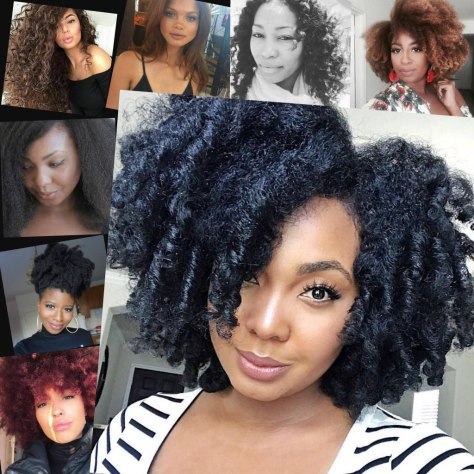
Hair is more than an aesthetic expression; it is an emblem of identity, culture, power, and resistance. In racialized societies, however, the natural hair textures of African-descended peoples have long been devalued and stigmatized. One of the most insidious manifestations of this stigma is texturism—a form of discrimination based on hair texture that prioritizes looser, straighter, or more “manageable” hair over tightly coiled, kinkier hair. Closely linked to hairism, which broadly encompasses prejudice based on hair type and style, texturism reflects internalized racism and the lingering colonial legacies that shape beauty standards globally. This essay explores the roots, meanings, and consequences of texturism and hairism, tracing their origins through enslavement, Eurocentric aesthetics, and media representation, while also examining pathways toward hair acceptance and reclamation.
Defining Texturism and Hairism
Texturism is the preferential treatment of individuals with loosely curled or straight hair textures over those with tightly coiled or kinky hair. The term was coined by natural hair advocate Chassity Jones in the early 2010s, though the concept existed long before. Hairism, a broader term, refers to discrimination based on hair—whether through texture, length, or perceived neatness. Both terms expose a hierarchy that privileges proximity to Eurocentric beauty ideals, reflecting deeply entrenched social and racial structures.
Historically, hairism and texturism are legacies of colonialism and slavery. Enslaved Africans in the Americas were mocked and punished for their hair, which was seen as wild, untamed, or inferior to the smooth, straight hair of Europeans. Over time, this bias became internalized within Black communities, creating harmful classifications like “good hair” (straight or loosely curled) and “bad hair” (kinky or tightly coiled). These distinctions perpetuated social divisions, reinforcing white supremacist ideologies under the guise of grooming and professionalism.
Hair Texture Types and Their Racial Associations
Hair texture is commonly categorized using the Andre Walker Hair Typing System, developed by Oprah Winfrey’s stylist in the 1990s. It breaks down hair types into four major categories:
- Type 1: Straight hair (most commonly found among East Asians and Europeans).
- Type 2: Wavy hair
- 2A-2C: Light waves to coarse, frizzy waves (found in some Latinx, Middle Eastern, and European populations).
- Type 3: Curly hair
- 3A-3C: Loose, springy curls to tight corkscrews (common among mixed-race individuals and some Black and Latinx people).
- Type 4: Coily or kinky hair
- 4A-4C: Soft, tight coils to densely packed Z-shaped kinks (predominantly found in people of African descent).
Type 4 hair, particularly 4B and 4C, is often mislabeled as “nappy,” “unkempt,” or “unprofessional,” despite its remarkable versatility and strength. This classification system, while useful in describing curl patterns, has also unintentionally contributed to a hierarchy in which looser curls are perceived as more attractive and acceptable than tighter coils.
“Good Hair” vs. “Bad Hair”: Origins and Impact
The phrase “good hair” emerged during the antebellum era in the United States, when lighter-skinned enslaved people with straighter hair—often the children of white slave owners—were granted preferential treatment. “Good hair” was hair that mimicked the European aesthetic: straight, smooth, and easily tamed. Conversely, “bad hair” referred to the coarser, kinkier textures of African people, which were labeled undesirable.
The legacy of these terms endures today. Black children still experience discrimination in schools for wearing their natural hair. Black professionals are pressured to straighten their hair or wear wigs and weaves to conform to Eurocentric corporate standards. The CROWN Act (Creating a Respectful and Open World for Natural Hair), first passed in California in 2019, had to be introduced precisely because hair-based discrimination remains legal in many parts of the U.S.
“I had to learn that my hair is not the problem—the world’s refusal to see my beauty is.”
—Lupita Nyong’o
“Our hair is political, spiritual, historical, and beautiful. It tells the story of who we are.”
—Dr. Yaba Blay
These quotes reflect a growing cultural movement toward reclaiming natural hair and affirming Black identity on its own terms, rather than through the gaze of whiteness.
The Origins of the Term “Nappy”
The term “nappy” is believed to have originated during slavery, used derogatorily to describe the tightly coiled hair of Africans, likening it to the coarse texture of cotton or the naps in sheep’s wool. Its use was designed to dehumanize and shame enslaved Africans, stripping their hair—and by extension, their identity—of any value or beauty. While some have sought to reclaim “nappy” as a term of empowerment, its historical weight continues to stir deep emotions and debate within Black communities.
Kinky Hair / Tightly Coiled Hair
Kinky or coily hair refers to hair textures that form tight curls or zig-zag patterns, often classified as Type 4. This hair type is rich in cultural and genetic heritage, yet is frequently misunderstood. Contrary to myths of unmanageability, kinky hair is incredibly versatile and can be styled in braids, locs, afros, twists, and bantu knots. However, due to its tendency to shrink and its fragility, it requires specific care and moisture retention.
Why is this hair type stigmatized? The answer lies in colonial aesthetics: beauty standards were built around whiteness. Kinky hair was demonized as evidence of racial inferiority and disorder—ideas perpetuated by pseudo-scientific racism. As a result, even within Black communities, looser curls or silkier textures have been idealized, creating a painful hierarchy of desirability.
Why Do Some Black People Struggle to Love Their Hair?
Centuries of anti-Blackness have conditioned many Black individuals to see their natural hair as burdensome or ugly. The media, education, and even family dynamics have reinforced these messages. Hair relaxers, hot combs, and weaves became tools of survival—ways to assimilate and escape ridicule. These practices, while empowering for some, also reflect a historical pressure to conform.
This struggle is not due to self-hate in isolation but to systemic programming. As author Chimamanda Ngozi Adichie once said:
“The problem with stereotypes is not that they are untrue, but that they are incomplete. They make one story become the only story.”
The dominant story about Black hair has been one of shame. It is time to replace that narrative with one of pride, knowledge, and celebration.
Toward Hair Liberation: Learning to Appreciate All Hair
Appreciating all hair types begins with education, representation, and liberation from Eurocentric norms. Schools and workplaces must eliminate discriminatory policies and embrace cultural diversity. Media outlets should highlight a broader spectrum of beauty. Families must unlearn generational biases and uplift natural beauty from early childhood.
Hair appreciation means understanding that no one texture is inherently better than another. Each type has unique needs, characteristics, and histories. Straight hair is not superior—just different. Looser curls are not more professional—just more familiar to a colonized eye.
When we affirm all hair textures, we affirm the humanity, dignity, and worth of all people.
Conclusion
Texturism and hairism are not simply issues of personal preference—they are extensions of colonial legacies, white supremacy, and internalized racism. They operate through language, beauty standards, school policies, and job opportunities, creating tiers of acceptance based on proximity to whiteness. But within this struggle lies opportunity: to reclaim, redefine, and rejoice in the beauty of all textures. Black hair is not “bad hair”; it is cultural memory made visible, it is resistance in every coil, it is ancestral glory written in strands. The journey to dismantle texturism begins not with hair products, but with truth—and with a collective commitment to healing.
References
Blay, Y. (2021). One Drop: Shifting the Lens on Race. Beacon Press.
Byrd, A. D., & Tharps, L. L. (2014). Hair Story: Untangling the Roots of Black Hair in America (Revised Edition). St. Martin’s Press.
Craig, M. L. (2002). Ain’t I a Beauty Queen? Black Women, Beauty, and the Politics of Race. Oxford University Press.
Hunter, M. (2011). Buying racial capital: Skin-bleaching and cosmetic surgery in a globalized world. The Journal of Pan African Studies, 4(4), 142–164.
Opie, T. (2019). The CROWN Act and the fight against hair discrimination. Harvard Business Review. Retrieved from https://hbr.org
Tate, S. A. (2007). Black beauty: Shade, hair and anti-racist aesthetics. Ethnic and Racial Studies, 30(2), 300–319. https://doi.org/10.1080/01419870601143927
 THE BROWN GIRL DILEMMA