
The Queen of Funk-Soul with the iconic hair and powerful voice.
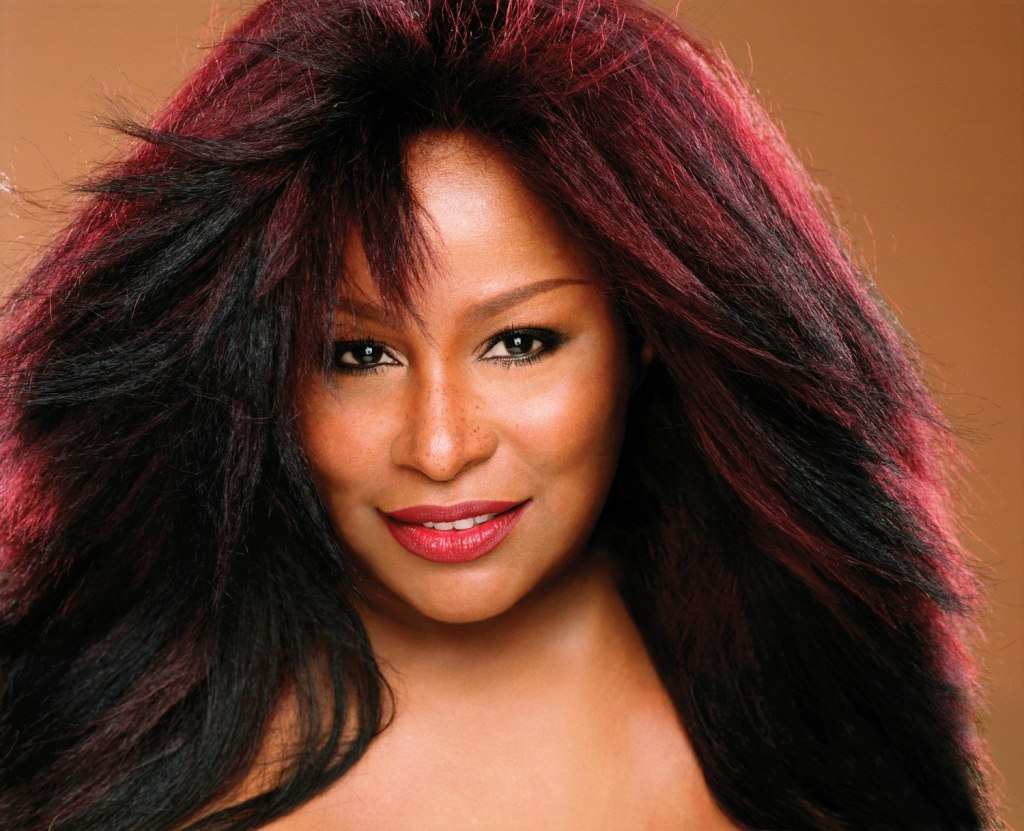
Chaka Khan, born Yvette Marie Stevens on March 23, 1953, in Chicago, Illinois, is a musical icon whose career has spanned more than five decades. She rose to prominence as the lead vocalist of the funk band Rufus in the 1970s and later established a successful solo career. Her unique fusion of funk, R&B, jazz, and soul has earned her the nickname “The Queen of Funk.”
Chaka Khan’s early life was shaped by her upbringing in a musically inclined family. She developed a passion for singing at a young age, performing in local talent shows and school productions. Her powerful voice, remarkable range, and emotive delivery quickly set her apart from her peers, laying the foundation for her extraordinary career.
In the mid-1970s, Khan joined the band Rufus, where her electrifying stage presence and vocal prowess brought the group national recognition. Hits like “Tell Me Something Good” and “Sweet Thing” showcased her ability to blend funk rhythms with soulful melodies, propelling Rufus to the top of the charts and cementing her status as a rising star.
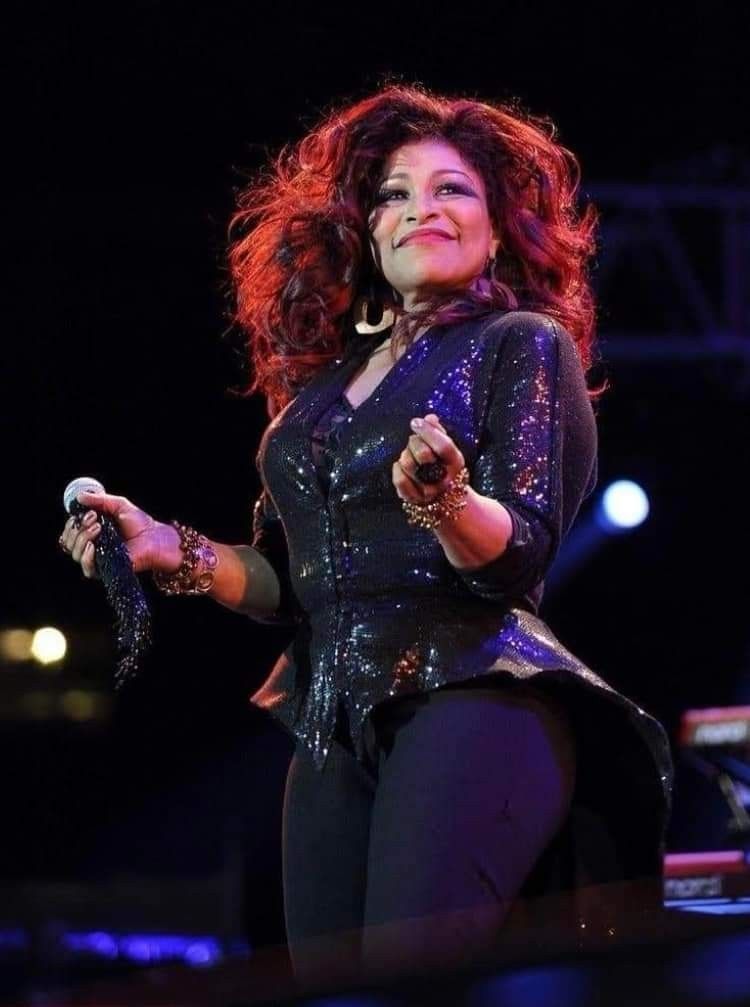
Her solo career, launched in 1978, further solidified her musical legacy. Khan’s ability to seamlessly navigate genres—R&B, funk, jazz, and pop—allowed her to create timeless hits such as “I’m Every Woman,” “Ain’t Nobody,” and “Through the Fire.” These songs became anthems of empowerment and remain staples in popular culture.
Chaka Khan’s contributions to music have earned her numerous accolades, including ten Grammy Awards and multiple nominations across decades. She is celebrated not only for her vocal talent but also for her influence on future generations of artists, inspiring singers like Beyoncé, Mary J. Blige, and Alicia Keys.
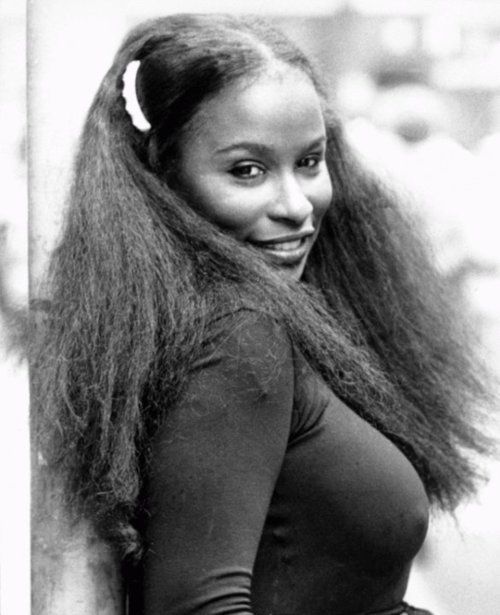
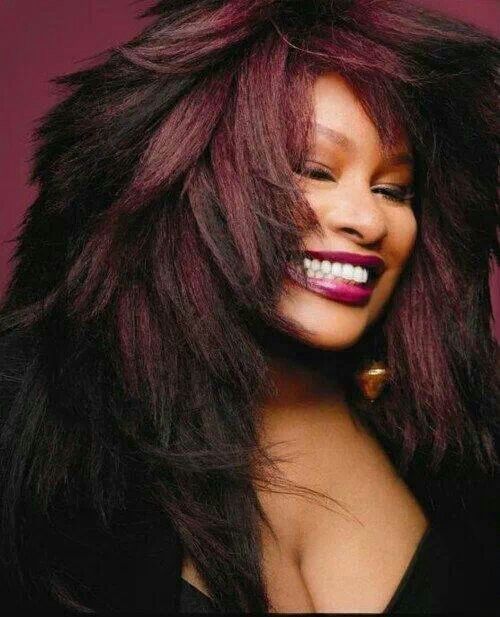
Beyond music, Khan’s personal style and beauty have drawn attention. She is renowned for her thick, luxurious mane, which became a signature feature and was reportedly insured due to its iconic status. Her bold fashion choices and radiant presence on stage and off have contributed to her enduring image as a style icon.
In addition to her artistic achievements, Chaka Khan has navigated personal challenges and relationships in the public eye. She has been married and has one daughter, but much of her private life has remained guarded, reflecting her focus on artistry over celebrity gossip. Her friendships within the music industry, including close bonds with artists like Rufus bandmates and peers in the funk and R&B community, have been crucial for support and collaboration.
Khan’s voice has often been described as a force of nature, capable of delivering both tender emotion and explosive power. Critics frequently note that her vocals can “shatter glass,” reflecting her commanding stage presence and technical mastery. Her voice remains one of the most distinctive and influential in contemporary music history.
Her impact on live performance is legendary. Khan’s concerts are known for their high energy, audience engagement, and moments of improvisation that highlight her vocal agility. Fans worldwide continue to celebrate her dynamic performances, which remain relevant across generations.
Khan’s influence extends beyond entertainment. She has become a symbol of Black excellence, demonstrating resilience, creativity, and empowerment. Her success as a woman of color in a predominantly male and Eurocentric industry has inspired countless artists to pursue careers in music while embracing their cultural identity.
Throughout her career, Chaka Khan has collaborated with many notable musicians, including Prince, Quincy Jones, and Stevie Wonder. These partnerships have not only enriched her musical catalog but also solidified her reputation as a versatile and respected artist within the industry.
Her awards and honors extend beyond Grammys. Khan has been recognized for her contributions to music and culture, receiving lifetime achievement awards and acknowledgments from various organizations dedicated to celebrating Black artists and women in the entertainment industry.
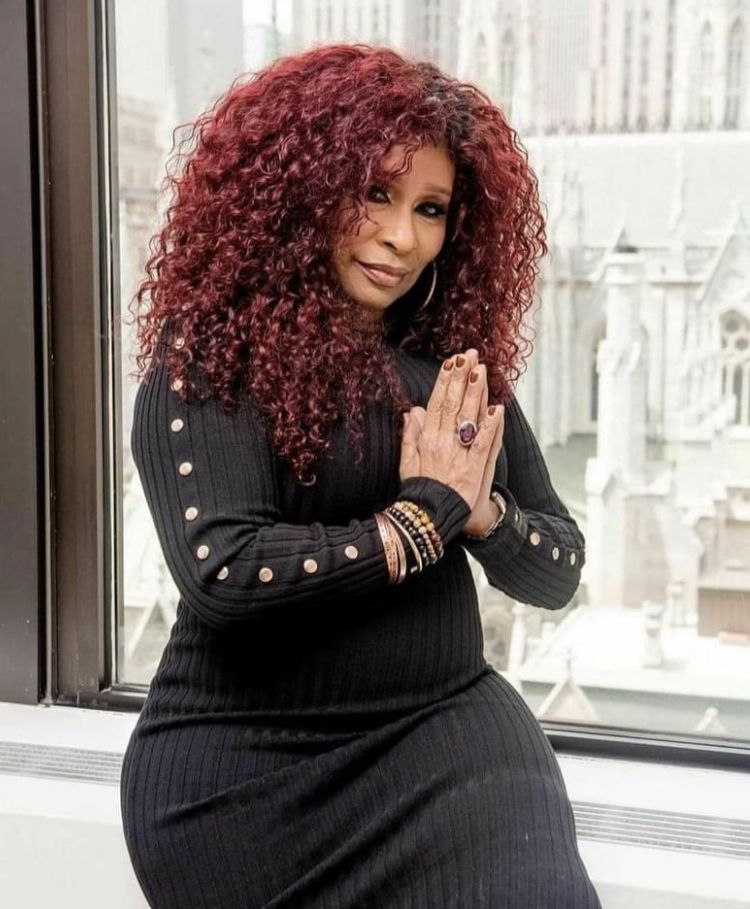
Chaka Khan’s most celebrated songs continue to resonate with audiences worldwide. Tracks like “I’m Every Woman” have been reimagined and covered by contemporary artists, ensuring her legacy endures. The themes of empowerment, love, and resilience in her music have transcended generations, making her work timeless.
Even in her later years, Khan maintains a vibrant public persona, striking a balance between her health, performance, and philanthropy. She remains committed to music, touring, and mentoring younger artists, while also embracing her iconic image and personal style, including her signature hair, radiant appearance, and confident presence.
In conclusion, Chaka Khan embodies the intersection of musical genius, personal style, and cultural influence. Her thick, luxurious hair, commanding voice, celebrated hits, and decades of awards solidify her place as one of the most iconic performers in modern music history. Khan’s life and career continue to inspire, reflecting a legacy built on talent, resilience, and unapologetic self-expression.
References
- George, Nelson. (2004). The Death of Rhythm and Blues. Penguin Books.
- Khan, Chaka. (2003). Chaka Khan: Through the Fire. HarperCollins.
- Taraborrelli, J. Randy. (2015). The Superstars: From Tina Turner to Beyoncé. Hachette Book Group.
- Whitburn, Joel. (2013). Top R&B/Hip-Hop Singles: 1942-2012. Record Research, Inc.
- PBS. (2005). Chaka Khan: Queen of Funk. Documentary.
 THE BROWN GIRL DILEMMA