
In the pantheon of cinematic elegance, few men have defined the standard of suave sophistication and masculine beauty like Billy Dee Williams, Phillip Michael Thomas, and Calvin Lockhart. These three gentlemen embody a timeless allure — a fusion of confidence, grace, and refinement that transcends generations. Each of them became more than actors; they became cultural symbols of style, poise, and the Black man’s regal presence in Hollywood. With perfectly tailored charm, smoldering good looks, and commanding screen presence, Williams, Thomas, and Lockhart remain eternal icons of masculine perfection.
Billy Dee Williams: The Cinematic Visual Phenomenon
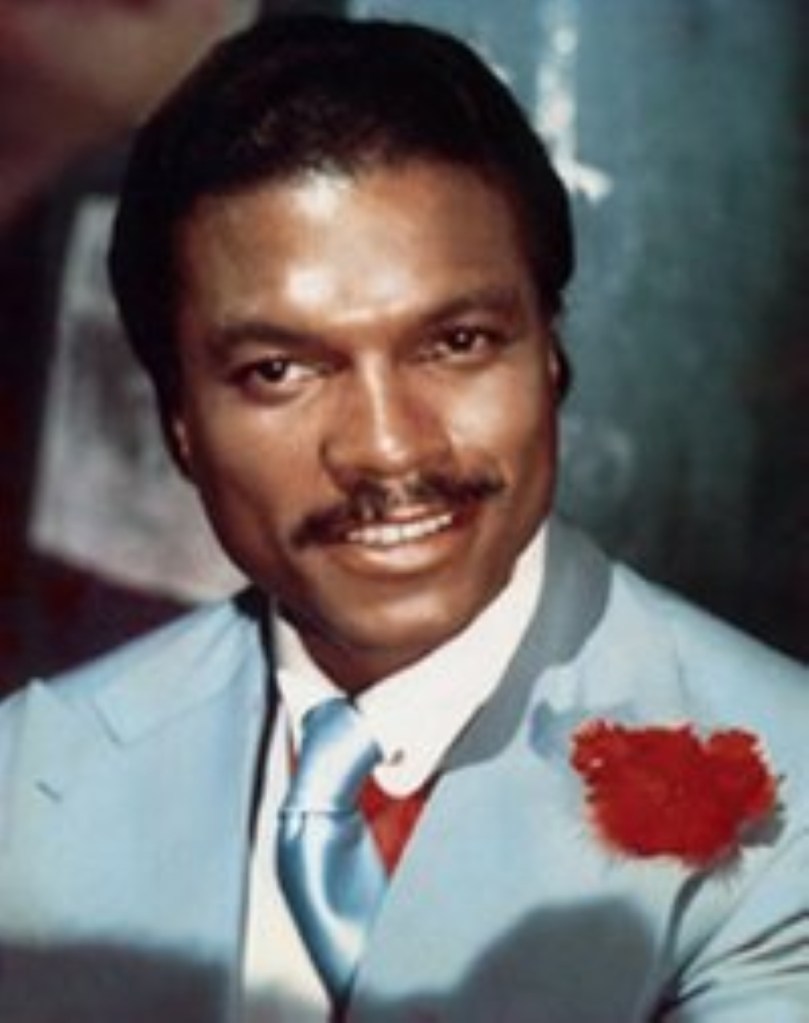
William December “Billy Dee” Williams Jr., born April 6, 1937, in New York City, is the blueprint of cinematic sophistication. With his honey-brown skin, velvety deep voice, and elegant demeanor, Williams became the embodiment of the suave Black leading man during the 1970s and 1980s. His refined style and irresistible charm made him Hollywood’s original “smooth operator.”
Billy Dee Williams was not just handsome — one of the most suave handsome men in the world. His screen presence was like no other; when he walked into a room, everyone would take notice as he flashed that grand piano we call a smile. Whether on-screen or off, Williams carried an aura that commanded admiration. His every movement, smile, and word reflected an effortless blend of confidence and class that few could ever replicate.
Williams began his career on Broadway before transitioning to film, earning early acclaim in Brian’s Song (1971), where he portrayed football legend Gale Sayers. His performance earned him an Emmy nomination and opened the doors to a series of major film roles. He rose to superstardom through Lady Sings the Blues (1972) and Mahogany (1975), opposite Diana Ross — films that cemented his image as the romantic heartthrob of Black cinema.
However, it was his portrayal of Lando Calrissian in Star Wars: The Empire Strikes Back (1980) and Return of the Jedi (1983) that made him a global icon. Williams became one of the first Black actors to enter a major science fiction franchise, blending charm, intelligence, and heroism with effortless flair.
Beyond acting, Williams is a talented painter and author. His art has been exhibited in major galleries, reflecting the same elegance that defines his screen persona. Married to Teruko Nakagami since 1972, he continues to represent grace and longevity both personally and professionally. To this day, Billy Dee Williams remains the very definition of cool — a man whose name evokes timeless class and cinematic royalty.
Phillip Michael Thomas: The Exotic Vision of Television’s Golden Era
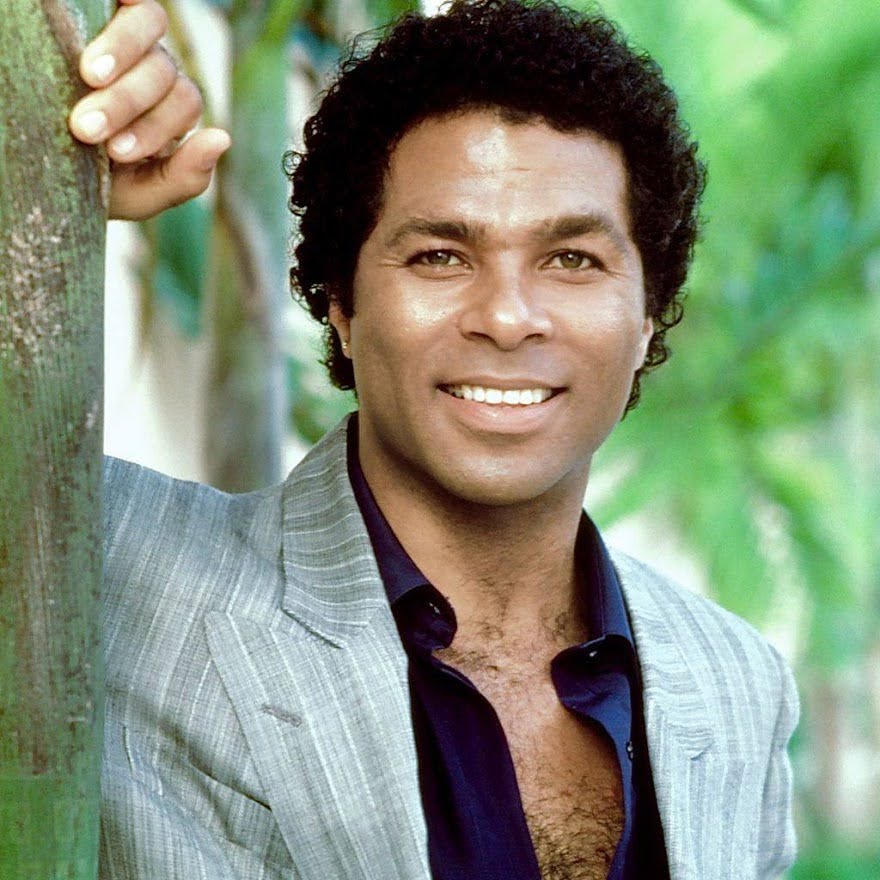
Phillip Michael Thomas, born May 26, 1949, in Columbus, Ohio, is one of the most uniquely handsome men to grace the television screen. His tan complexion, luscious curly hair, and mesmerizing green eyes gave him an exotic, almost ethereal beauty that captivated audiences worldwide. Beyond his looks, Thomas possessed a deep artistic vision, blending charisma, intelligence, and soul into every performance.
He began his career on stage before moving into film roles such as Sparkle (1976) and Coonskin (1975). His star truly rose when he became Detective Ricardo Tubbs in the 1980s television phenomenon Miami Vice (1984–1990). Alongside Don Johnson, Thomas brought passion, depth, and style to the small screen, helping redefine television fashion and music culture. His portrayal of Tubbs — suave, soulful, and effortlessly cool — earned him international fame and solidified his place as a pop culture icon.
Thomas was also a musician and producer. He released the album Living the Book of My Life (1985), showcasing his expressive voice and poetic sensibilities. Known for his visionary spirit, he coined the term “EGOT” (Emmy, Grammy, Oscar, Tony) as his personal aspiration — a phrase that has since become part of Hollywood’s vocabulary.
Though he largely stepped back from acting in later years, Phillip Michael Thomas remains an enduring figure of 1980s excellence — a man whose exotic beauty, creative ambition, and soulful artistry made him unforgettable.
Calvin Lockhart: The Bahamian Adonis of Screen and Stage
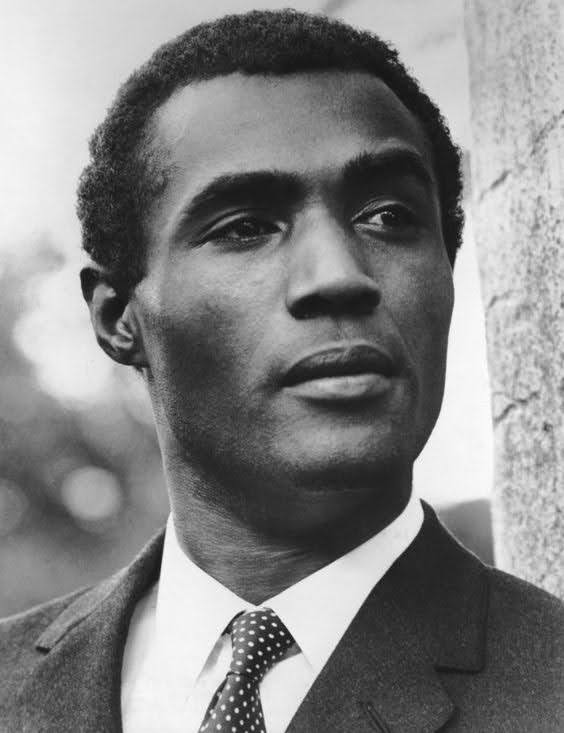
Calvin Lockhart, born Bert McClossy Cooper on March 18, 1934, in Nassau, Bahamas, was one of the most strikingly handsome men of his era. With perfectly symmetrical features, rich mahogany skin, and a regal presence, Lockhart had the kind of face sculpted for the silver screen. He exuded elegance and strength, moving with the precision of a model and the authority of a king.
Lockhart’s acting career began in New York, where he performed in theater before transitioning to film. His breakout role came with Joanna (1968), followed by memorable appearances in Cotton Comes to Harlem (1970), Uptown Saturday Night (1974), and The Big Score (1983). His performances were magnetic — blending intellect, charm, and sensuality.
Unlike many actors of his time, Lockhart carried himself with European sophistication, speaking with eloquence and dressing with flair. He worked internationally, starring in films and theater productions in England and Italy, earning the admiration of both audiences and critics.
Later, he appeared in Coming to America (1988) as the father of Imani Izzi, showcasing his ageless poise and rich baritone voice. His life reflected artistic passion and dignity, and his image — smooth skin, sharp features, and kind eyes — remains etched in the memory of classic cinema.
Calvin Lockhart passed away in 2007, leaving behind a legacy of refinement and excellence. He represented the elite class of Black men who broke barriers in Hollywood with their grace, intelligence, and incomparable good looks.
Conclusion
Billy Dee Williams, Phillip Michael Thomas, and Calvin Lockhart each defined masculine beauty for their generation — and together, they created a legacy of cinematic excellence that continues to inspire. Williams embodied timeless charm, Thomas represented exotic brilliance, and Lockhart personified aristocratic perfection. Their artistry transcended color lines and continents, proving that the Black man’s beauty is both eternal and divine. These three kings of charisma didn’t just act — they glowed, shaping how the world saw elegance, confidence, and manhood.
References (APA Style)
Variety. (2023). The enduring influence of Billy Dee Williams on Black masculinity in film.
IMDb. (2024). Billy Dee Williams biography. https://www.imdb.com/name/nm0001850/
IMDb. (2024). Phillip Michael Thomas biography. https://www.imdb.com/name/nm0859374/
IMDb. (2024). Calvin Lockhart biography. https://www.imdb.com/name/nm0516660/
Lucasfilm. (1980). Star Wars: The Empire Strikes Back [Film]. 20th Century Fox.
NBC. (1984–1990). Miami Vice [Television series]. Universal Television.
United Artists. (1970). Cotton Comes to Harlem [Film]. United Artists.
NAACP Image Awards. (1972). Billy Dee Williams: Outstanding Actor Nominee. NAACP.
 THE BROWN GIRL DILEMMA