
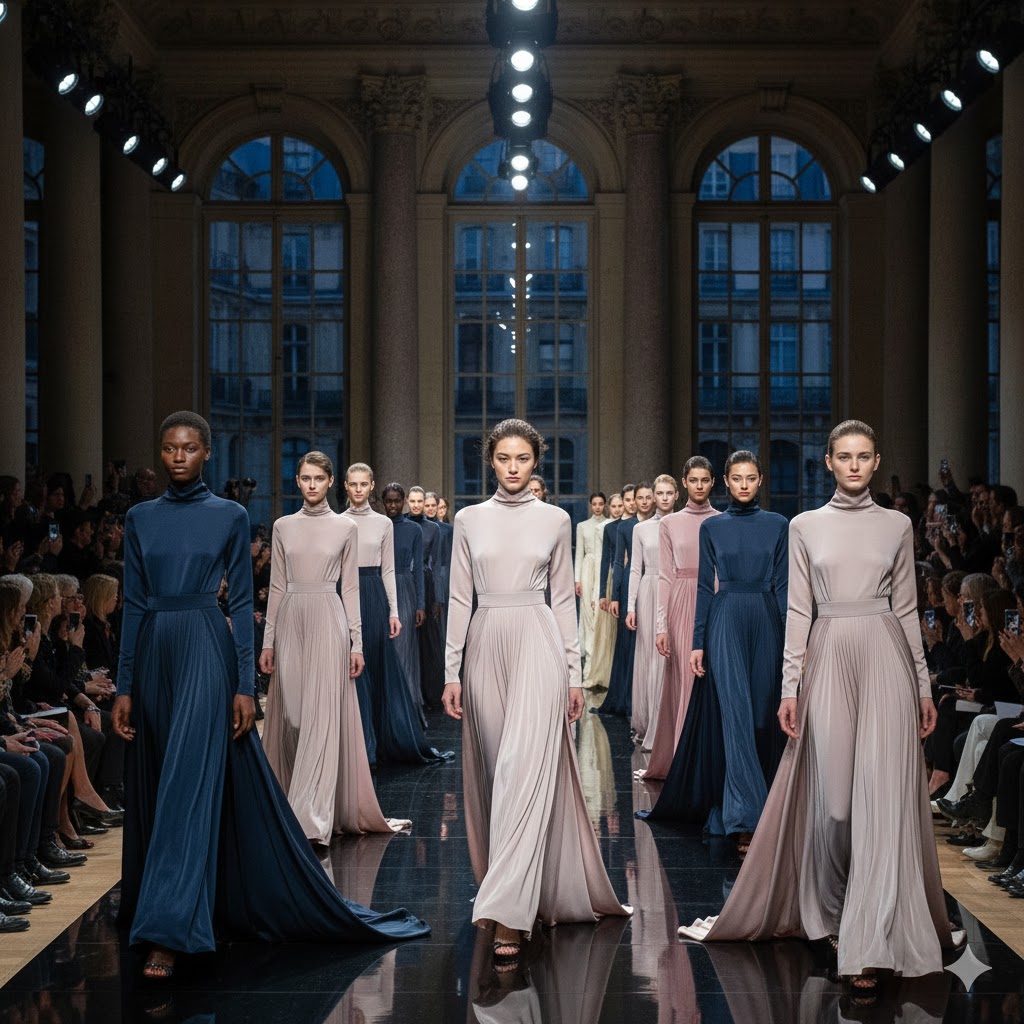
Fashion has always been a reflection of society’s values, culture, and technological advancements. From the early 1900s to the present day, clothing styles, fabric choices, and aesthetics have continually evolved to mirror the social, political, and economic climate of the time. In the early 20th century, fashion was formal and conservative. Women wore long skirts, corsets, and structured garments that emphasized modesty and social status, while men wore tailored suits with hats and polished shoes. Fabrics were primarily natural, such as cotton, wool, and silk, reflecting both availability and the limitations of textile technology.
The 1920s brought a dramatic shift with the emergence of the flapper style. Women’s clothing became more relaxed, shorter hemlines appeared, and dresses allowed greater freedom of movement. This change reflected a broader societal shift as women gained more independence following World War I. Designers like Coco Chanel revolutionized fashion by introducing practical, elegant, and comfortable clothing, while popularizing jersey fabrics. Men’s fashion became less rigid, with slimmer suits and more casual styles starting to appear.
During the 1930s and 1940s, fashion was heavily influenced by economic hardship and wartime scarcity. Utility clothing became common, emphasizing functionality over excess. Silhouettes were elegant but conservative, and fabric rationing led to inventive design solutions. Hollywood glamour, however, also influenced trends, with movie stars like Rita Hayworth setting aspirational standards for evening wear and hairstyles.
The 1950s introduced a return to opulence and structure following World War II. Christian Dior’s “New Look” emphasized cinched waists, full skirts, and a feminine silhouette. Designers began exploring more luxurious fabrics, embellishments, and tailored details, appealing to an aspirational consumer base. Men’s fashion leaned toward refined suits, often accented with accessories like pocket squares and hats. Fashion became a marker of status, and the industry’s influence on culture intensified.
The 1960s marked a radical departure from tradition, reflecting youth culture, rebellion, and the civil rights movement. Mini skirts, bold patterns, and mod styles dominated women’s fashion, while men embraced slimmer cuts, turtlenecks, and colorful patterns. Designers like Yves Saint Laurent introduced ready-to-wear collections that made high fashion more accessible. Materials like synthetic fibers and new textiles allowed experimentation with bold colors, shapes, and textures.
By the 1970s, fashion became synonymous with individuality and counterculture. The hippie movement introduced flowing fabrics, bell-bottom pants, tie-dye patterns, and ethnic-inspired prints. Disco culture brought glitter, sequins, and extravagant evening wear. Designers began incorporating international influences, including African textiles and Asian motifs, broadening the global aesthetic palette. Men’s fashion became more relaxed, embracing flamboyance, color, and personal expression.
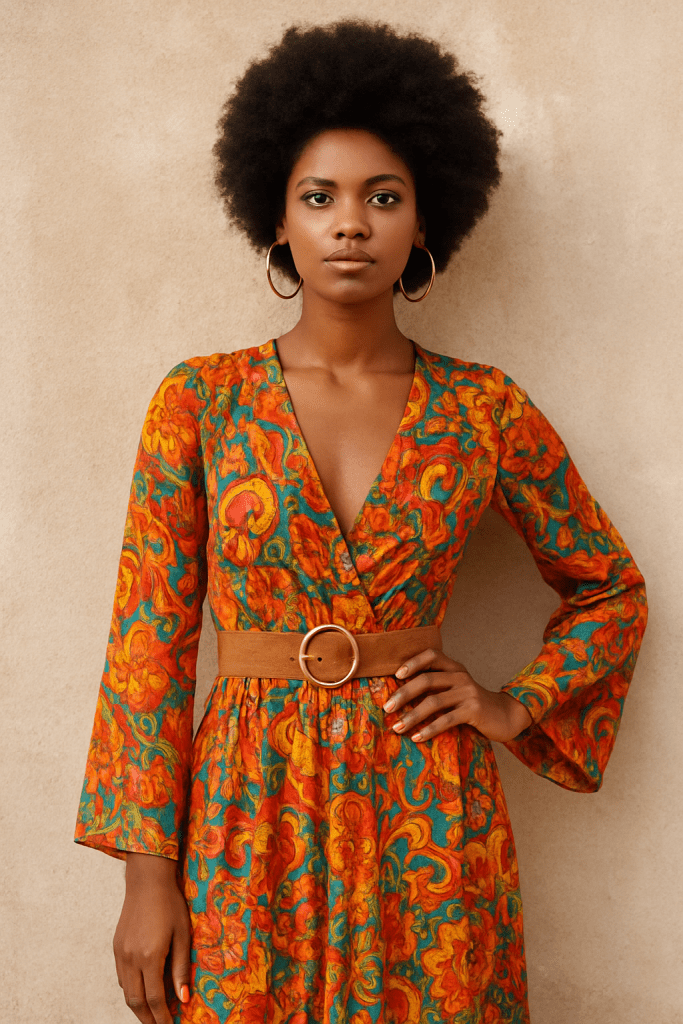
The 1980s celebrated excess and power dressing. Bold silhouettes, shoulder pads, neon colors, and designer logos became status symbols. Fashion became a statement of wealth, ambition, and cultural influence. Iconic designers like Gianni Versace, Giorgio Armani, and Ralph Lauren dominated the landscape, and celebrity influence began shaping trends. Menswear embraced sharp tailoring, power suits, and luxury branding, aligning fashion with professional success.
In the 1990s, fashion shifted toward minimalism and casual wear. Supermodels like Naomi Campbell, Kate Moss, and Cindy Crawford defined beauty standards with their tall, skinny frames, influencing the perception of the “ideal” model. Streetwear also emerged, blending hip-hop culture with high fashion. Designers began experimenting with gender-neutral aesthetics, grunge-inspired looks, and bold contrasts between luxury and casual wear.
The early 2000s saw the rise of fast fashion and brand collaboration. Fashion became more democratized, with high-end styles replicated by affordable retailers. Celebrities influenced trends, and designer handbags, such as Louis Vuitton and Gucci, became cultural symbols. Fabrics ranged from traditional natural textiles to innovative blends and synthetics that allowed intricate detailing. Black designers like Dapper Dan began gaining recognition for their work in streetwear and luxury collaborations, challenging longstanding Eurocentric dominance in fashion.
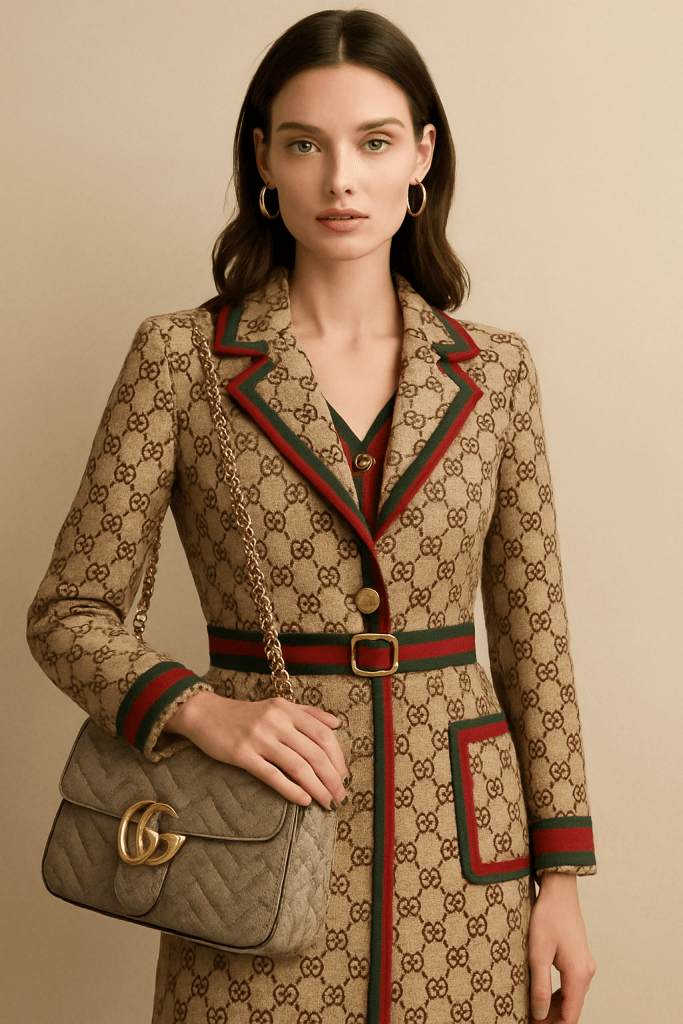
By the 2010s, the industry began embracing diversity, body positivity, and inclusivity. Fashion campaigns started featuring models of varying sizes, ages, and ethnicities. Designers like Kerby Jean-Raymond of Pyer Moss brought social consciousness to the runway, emphasizing storytelling and heritage. Black designers gained more visibility, though challenges remained in a historically Eurocentric industry. The fashion world also embraced sustainability, rethinking materials and production processes to address environmental concerns.
Social media transformed fashion dramatically. Platforms like Instagram, TikTok, and YouTube allowed influencers to dictate trends, bypass traditional gatekeepers, and connect directly with audiences. Influencers like Chiara Ferragni, Aimee Song, and Camila Coelho became tastemakers, blending high fashion with personal branding. Social media gave rise to micro-influencers who shaped niche fashion communities, promoting brands and styles that might otherwise have been ignored by mainstream media.
Handbags, particularly luxury items like the Hermès Birkin, became symbols of status and investment. The exclusivity, craftsmanship, and limited availability of such bags drive demand, and social media exposure amplifies their desirability. Fashion houses like Chanel, Louis Vuitton, and Gucci dominate this market, and ownership remains concentrated among multinational corporations, often led by conglomerates like LVMH or Kering. These companies leverage branding, heritage, and marketing to maintain prestige.
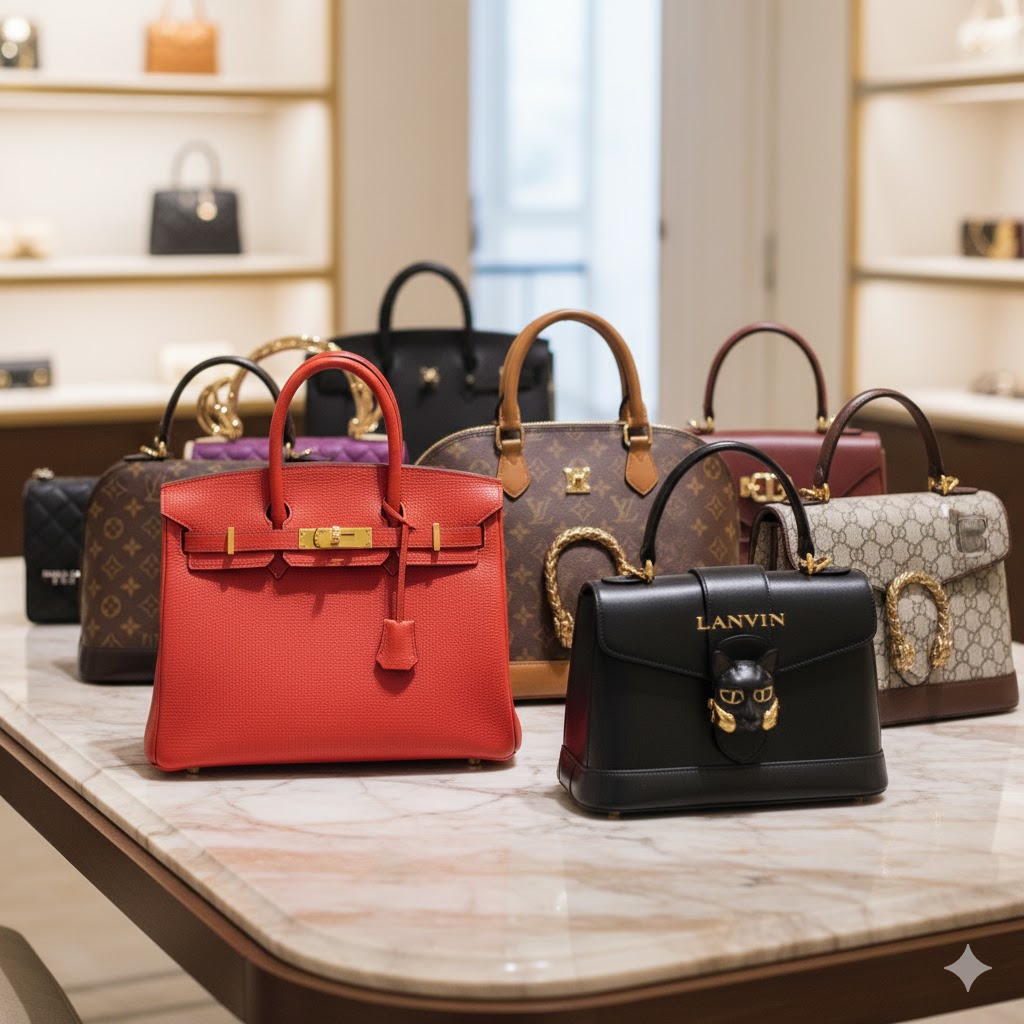
Fashion houses now frequently extend their influence into beauty products. Makeup lines, fragrances, and skincare collections complement apparel, allowing brands to capture a larger share of consumer spending and reinforce brand identity. Dior, Chanel, and Fenty Beauty exemplify how fashion and beauty converge, creating a holistic lifestyle brand. The synergy between apparel and cosmetics enhances brand loyalty and global recognition.
Globalization has also highlighted labor practices. Many fashion houses rely on overseas production, sometimes under exploitative conditions in sweatshops. This has led to increased scrutiny and calls for ethical labor standards. Brands are increasingly under pressure to provide transparency, ensure fair wages, and address sustainability. Consumers, empowered by social media, demand accountability in addition to aesthetics.
Quality has become more valued than quantity among discerning consumers. Fast fashion may offer variety at low cost, but luxury brands emphasize durability, craftsmanship, and timeless design. Investing in fewer, high-quality pieces ensures longevity and reduces waste, reflecting a shift toward conscious consumerism. The appreciation of quality over trendiness aligns with a growing awareness of environmental impact and ethical responsibility.
Diversity in design has increased over the decades. Black designers, Asian designers, and other underrepresented creators are gaining visibility, contributing unique perspectives and celebrating heritage. Platforms like New York Fashion Week, Paris Fashion Week, and digital showcases highlight these voices, challenging traditional Eurocentric dominance and inspiring global audiences.
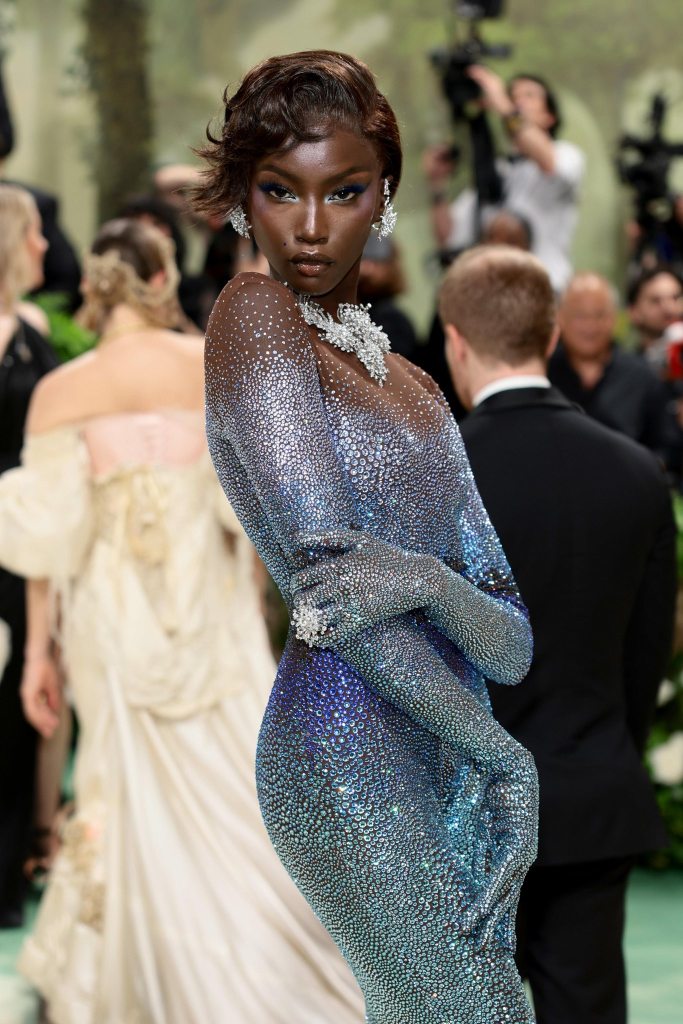
Texture and fabric innovation have also evolved. Designers experiment with sequins, satin, leather, neoprene, and technical fabrics that merge fashion with functionality. Fabrics now serve multiple purposes: aesthetic, comfort, sustainability, and performance. This evolution reflects changing consumer demands and technological advances in material science.
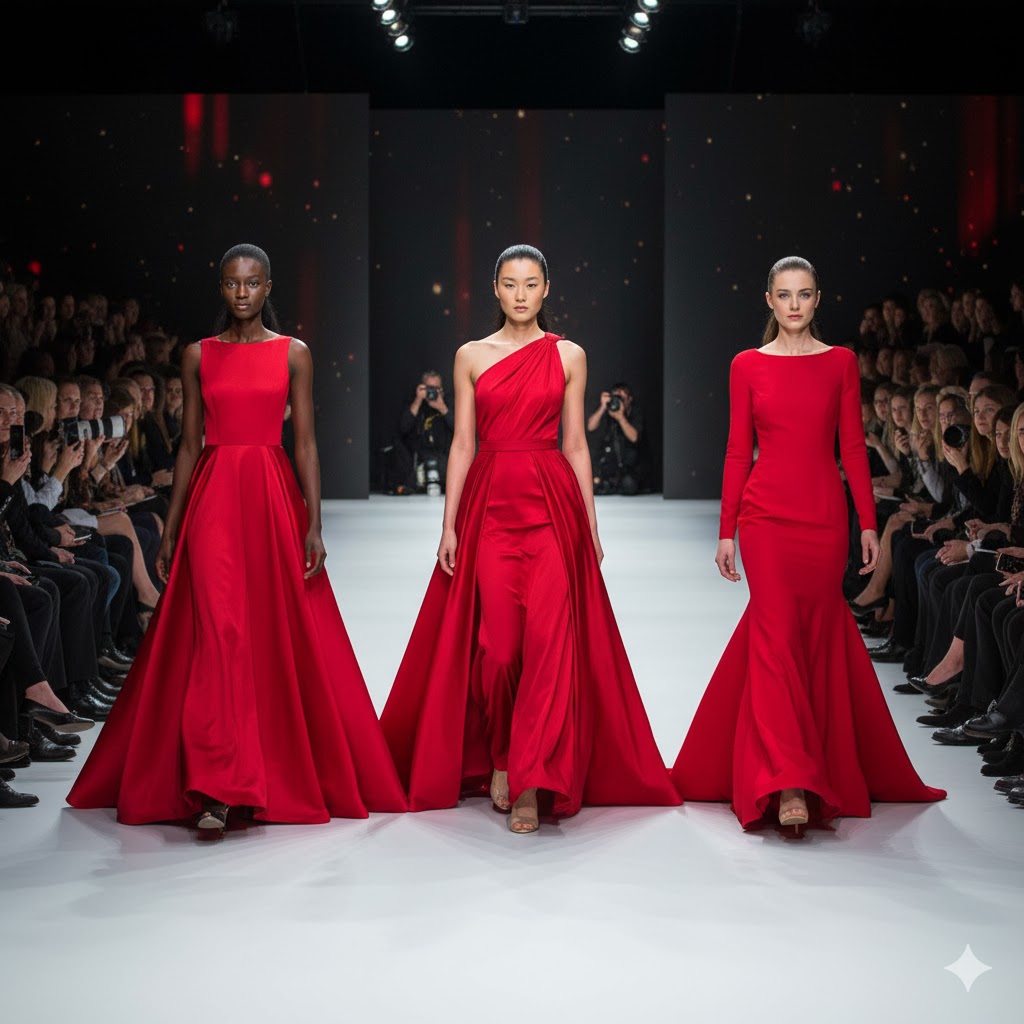
The modeling industry has also shifted significantly. Whereas thin, young, Eurocentric models dominated runways in the 1990s, today’s fashion shows feature older models, curvy models, and models of diverse ethnic backgrounds. Campaigns celebrate individuality, authenticity, and representation, reflecting broader social values.
Digital marketing has reshaped the fashion hierarchy. Instagram “drops,” TikTok trends, and influencer collaborations accelerate consumer adoption, sometimes outpacing traditional seasonal collections. This immediacy challenges the traditional fashion calendar while increasing the democratization of style. Influencers like Kendall Jenner, Bella Hadid, and Virgil Abloh (during his tenure at Louis Vuitton) exemplify this cultural shift, blending celebrity, social media reach, and design credibility.
Luxury handbag sales remain a dominant revenue source for fashion houses. Hermès consistently leads in sales, particularly with its Birkin and Kelly bags, due to scarcity, craftsmanship, and brand prestige. Chanel’s classic bags also hold value and investment potential, demonstrating that exclusivity and quality drive consumer desire.
Fashion brands now often operate across multiple industries—apparel, footwear, cosmetics, fragrances, and even home goods. This diversification maximizes revenue streams and strengthens brand influence. Louis Vuitton and Gucci, for example, have leveraged cross-industry expansion to maintain market dominance while attracting younger, digitally savvy consumers.
Black designers continue to gain recognition, though challenges remain. Pyer Moss, LaQuan Smith, and Kerby Jean-Raymond merge storytelling with luxury, creating designs that resonate culturally and socially. Their work challenges traditional norms and emphasizes fashion as a vehicle for social commentary. Representation in fashion not only fosters inclusivity but also expands the industry’s creative palette.
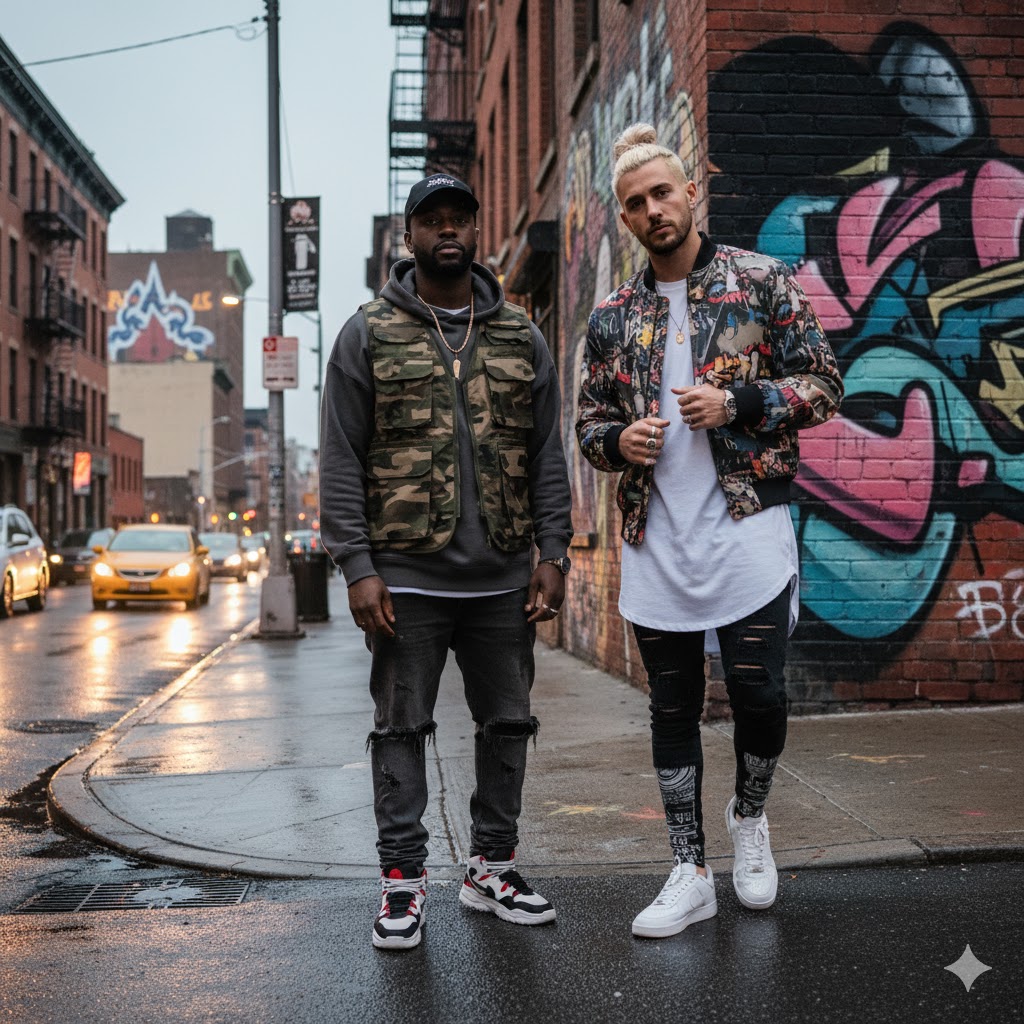
The rise of streetwear and casual luxury has changed global fashion. Sneakers, hoodies, and casual ensembles are now central to high-fashion collections, reflecting a shift in cultural influence and consumer priorities. This democratization of luxury aligns with social media-driven trends and youth culture, bridging accessibility with prestige.
Fashion houses are largely owned by conglomerates like LVMH, Kering, and Richemont, which oversee multiple brands while maintaining distinct identities. These corporate structures allow for global expansion, strategic acquisitions, and control over intellectual property. Despite their size, individual designers within these houses retain creative influence, though they operate within corporate strategy.
Handbags, particularly luxury lines, serve both as fashion statements and investment pieces. Scarcity, quality craftsmanship, and brand heritage drive demand. The Hermès Birkin, Chanel Classic Flap, and Louis Vuitton Neverfull exemplify this dual function. Consumers now weigh investment potential alongside aesthetics when purchasing high-end bags.
Fast fashion remains a controversial part of the industry. While it democratizes access to trends, it often relies on sweatshop labor in developing countries. The conditions in these facilities raise ethical concerns, pushing some brands to adopt sustainability practices and improve labor standards. Socially conscious consumers are increasingly influential, demanding transparency and accountability.
Social media has elevated influencers to new levels of power in fashion. They dictate trends, collaborate with brands, and shape public perception. TikTok and Instagram are especially powerful platforms where influencers like Chiara Ferragni, Aimee Song, and Camila Coelho have global reach, directly impacting brand success and consumer behavior.
Celebrity influence continues to intertwine with fashion. Collaborations, capsule collections, and co-branded products merge fame with design credibility. Rihanna’s Fenty brand and Beyoncé’s Ivy Park exemplify this synergy, blending lifestyle, music, and apparel into highly influential fashion narratives.
Quality over quantity has become a guiding principle for conscious consumers. While fast fashion encourages disposability, luxury consumers prioritize durability, craftsmanship, and long-term value. Investing in fewer, well-made pieces ensures satisfaction and reflects a sustainable approach to style.
Digital commerce has transformed the industry. Fashion houses leverage online platforms to reach global audiences, offer exclusive products, and integrate virtual try-ons. Technology has also enabled transparency in supply chains, helping brands address ethical and environmental concerns while maintaining consumer trust.
Fashion Evolution Timeline (1900s–2025)
Early 1900s (1900–1910): Birth of Modern Fashion
- At the turn of the century, women’s fashion was still very structured: corsets, long skirts, tailored blouses. Men wore formal suits, waistcoats, and hats. This reflects the social conventions and strict gender roles of the time. Timetoast+1
- Charles Frederick Worth, often considered the first “fashion designer,” had already established haute couture houses—he put labels on garments, helping found the idea of branded fashion. Timetoast
1920s: The Roaring Twenties and the Flapper
- This decade saw a seismic shift: the flapper look emerged with shorter hemlines, dropped waistlines, and looser silhouettes. Luxury and freedom collided. Timetoast+1
- Coco Chanel rose to prominence, popularizing jersey fabrics, comfortable cuts, and the iconic “little black dress,” fundamentally changing how women dressed. Timetoast+1
1930s–1940s: War, Utility, and Glamour
- The Great Depression and World War II forced fashion toward utility: less fabric, functional cuts, and practical clothing. Designers had to operate under wartime rationing while still creating style. Fashion ABC
- Despite hardship, Hollywood’s Golden Age glamor influenced evening wear, and elegance remained aspirational even amid economic constraint.
1950s: Post-War Elegance and the “New Look”
- After the war, fashion turned back to structure, femininity, and opulence. Christian Dior’s “New Look” (though introduced in 1947) dominated with cinched waists and full skirts, expressing abundance and aspiration in the postwar years. Lifelong Learning Collaborative
- This era also elevated luxury accessories, structured tailoring, and refined social style.
1960s: Youth Revolution and Mod Aesthetic
- The 1960s introduced mod style: geometric prints, bright colors, miniskirts, and bold experimentation. Fashion became a sign of generational change.
- Designers like Yves Saint Laurent helped democratize high fashion with ready-to-wear collections, making style more accessible and reflective of youth culture.
1970s: Counterculture, Disco, and Global Influences
- Fashion diversified: hippie styles, ethnic prints, bell bottoms, and flowing fabrics represented youth rebellion, spiritual exploration, and cross-cultural exchange.
- Disco brought sparkles and glamour back; clothes became louder, more expressive, and more daring.
1980s: Power Dressing & Logos
- The ’80s are often remembered for bold silhouettes: big shoulders, power suits, bold branding, and a “more is more” aesthetic.
- Logos became status symbols—designer labels were not just about style but also about wealth and identity.
1990s: Minimalism, Grunge, and Streetwear Rise
- A backlash to ’80s maximalism came in the form of minimalism: clean lines, neutral colors, and understated design.
- Simultaneously, grunge and streetwear gained traction. Supermodels like Kate Moss popularized the ultra-thin aesthetic, influencing how beauty and fashion were marketed. Timetoast
- Hip-hop culture and urban fashion started to merge with luxury.
2000s: Fast Fashion, Celebrity Culture, and Logos Everywhere
- The rise of fast fashion (cheap, rapidly produced clothing) democratized trendy style but also introduced ethical concerns.
- Celebrity influence grew: stars launched fashion lines, became walking billboards, and drove brand visibility.
- Luxury handbags (Louis Vuitton, Gucci) became powerful cultural symbols. Materials and synthetic blends grew more common, allowing for more variety and accessibility.
2010s: Diversity, Inclusivity, and Sustainability
- The fashion industry began to more intentionally include models of different sizes, ages, and ethnicities.
- Black designers (e.g., Kerby Jean-Raymond of Pyer Moss) gained visibility, integrating activism, heritage, and social justice into their fashion narratives. Wikipedia
- Sustainability became a conversation: brands and consumers began confronting their environmental footprint.
- Digital platforms, social media, and e-commerce reshaped brand-to-consumer relationships and access.
2020s (to 2025): Digital Couture, Influencers & Cross-Industry Brands
- Fashion continues to be disrupted by social media influencers, digital marketing, and “drops” rather than traditional seasonal collections.
- Designers are more globally diverse. Black fashion houses and creatives are increasingly recognized. University of Fashion+2Marie Claire+2
- Fashion brands are branching into beauty (makeup, skincare), blurring the line between wardrobe and lifestyle.
- Luxury handbag demand remains strong: limited-edition bags (like Birkin, Kelly) retain value; craftsmanship and brand heritage are central.
- Corporate ownership: many luxury houses are owned by conglomerates (e.g., LVMH, Kering), while some, like Hermès, remain more independent.
- Ethical labor and transparency in production are under heavier scrutiny; brands are being pushed to reform sweatshop practices.
- Fabric innovation continues: technical textiles, sustainable materials, and cross-functional design are rising.
- Modeling reflects society more than ever: older models, new body types, and diverse racial representation appear on runways and campaigns.
- Digital couture or virtual fashion is emerging in some corners, leveraging technology and virtual experiences.
Key Designers & Their Impact
Coco Chanel (Gabrielle Bonheur Chanel, 1883–1971)
- Impact: Revolutionized women’s fashion in the 20th century with practical, elegant, and timeless designs. She popularized trousers for women, the little black dress, and tweed suits. Chanel introduced luxury ready-to-wear and redefined modern femininity.
- Signature: Simplicity, comfort, and elegance fused with luxury. Chanel No. 5 perfume became iconic.
- Legacy: Her brand remains a global symbol of sophistication and innovation in women’s fashion.
2. Christian Dior (1905–1957)
- Impact: Creator of the “New Look” in 1947, which emphasized a cinched waist, full skirts, and an ultra-feminine silhouette, reviving French haute couture after World War II.
- Signature: Luxury, opulence, and sculptural tailoring.
- Legacy: Dior remains a top luxury house influencing global fashion trends, especially in women’s formalwear and haute couture.
3. Karl Lagerfeld (1933–2019)
- Impact: Longtime creative director of Chanel and Fendi, Lagerfeld blended classic couture with modern, edgy designs. He was known for reinventing fashion houses while respecting their heritage.
- Signature: Sharp tailoring, dramatic accessories, and innovative runway presentations.
- Legacy: Credited with modernizing luxury brands and making them relevant for new generations.
4. Giorgio Armani (b. 1934)
- Impact: Revolutionized menswear in the 1980s with soft tailoring, neutral palettes, and unstructured suits. Armani brought casual elegance to formalwear and expanded into luxury lifestyle branding.
- Signature: Minimalism, understated elegance, and precision tailoring.
- Legacy: Defined power dressing and remains a staple for business and luxury wardrobes worldwide.
5. Ralph Lauren (b. 1939)
- Impact: Created a distinctly American style, blending classic British influences with casual preppy aesthetics. He popularized lifestyle branding in fashion, turning clothing into an aspirational symbol of wealth and culture.
- Signature: Polo shirts, tailored blazers, and luxury leisurewear.
- Legacy: A global fashion empire emphasizing heritage, elegance, and accessible luxury.
6. Donatella Versace (b. 1955)
- Impact: Took over Versace after Gianni Versace’s death and pushed bold, sexy, and glamorous designs, making the brand synonymous with luxury, high drama, and celebrity culture.
- Signature: Bright colors, bold prints, and body-conscious silhouettes.
- Legacy: Influenced modern red-carpet fashion and the fusion of fashion with celebrity culture.
7. Tom Ford (b. 1961)
- Impact: Revitalized Gucci in the 1990s, introducing provocative glamour and sleek tailoring. Later, he launched his own luxury brand, emphasizing high-end menswear, womenswear, and beauty.
- Signature: Sleek silhouettes, sensual aesthetics, and modern luxury.
- Legacy: Elevated fashion marketing, bridging Hollywood glamour with runway appeal.
8. Alexander McQueen (1969–2010)
- Impact: Known for theatrical runway shows, avant-garde designs, and mastery of tailoring. McQueen combined dark romanticism with British sartorial tradition.
- Signature: Dramatic silhouettes, intricate details, and conceptual storytelling.
- Legacy: Left a lasting imprint on runway theatrics and modern fashion narrative; continues through the McQueen brand.
- Jay Jaxon — One of the first Black couturiers in Paris, breaking racial barriers in haute couture. Wikipedia
- Arthur McGee — A trailblazer: his studio in New York’s garment district became one of the first Black-led design houses. Wikipedia
- Wesley Tann — Designed for both high society and Black glamour icons; significant in the 1960s. Wikipedia
- Kerby Jean-Raymond / Pyer Moss — Uses fashion as art + activism; highlights social justice, history, and culture. Wikipedia
- LaQuan Smith — Known for bold, sexy, modern designs that have dressed celebrities and broken into high-tier fashion. Wikipedia
Social & Economic Dynamics
- Fashion cycles are not random — there is social signaling, elite competition, and counter-cultural resistance. arXiv
- As fashion houses became more global, conglomerates (like LVMH and Kering) began to control many of the most powerful luxury brands.
- Social media influencers have redefined how trends are created and consumed. Designers and brands increasingly collaborate with influencers to reach younger, digital-first audiences.
- Luxury brands expand into beauty lines because lifestyle branding is more profitable: clothing plus cosmetics builds a more complete identity for consumers.
- Sustainability, ethical labor, and transparency have become more than buzzwords — they are central to fashion’s future relevance.
| Year / Era | Designer | Key Contributions | Impact on Handbags & Accessories | Legacy / Notes |
|---|---|---|---|---|
| 1920s–1930s | Coco Chanel | Introduced little black dress, tweed suits, practical elegance for women | Chanel 2.55 bag (classic quilted handbag) became iconic | Redefined femininity, set standard for luxury handbags and practical fashion |
| 1940s | Christian Dior | “New Look” (cinched waist, full skirt) | Introduced Dior handbags to match couture lines | Rebuilt post-WWII French fashion; emphasized luxury, femininity |
| 1950s–1960s | Givenchy (Hubert de Givenchy) | Elegant gowns, Audrey Hepburn collaborations | Le Sac (classic handbag styles) | Popularized film-influenced haute couture; luxury branding tied to celebrity culture |
| 1960s–1970s | Yves Saint Laurent | Ready-to-wear collections, tuxedo jacket for women | Introduced iconic Saint Laurent handbags | Democratized fashion; elevated ready-to-wear as a luxury market |
| 1970s–1980s | Giorgio Armani | Soft tailoring, minimalist elegance, menswear revolution | Accessories mostly understated; leather goods elevated casual luxury | Redefined power dressing and business casual style |
| 1970s–1990s | Ralph Lauren | American preppy style, lifestyle branding | Leather handbags, Polo logo accessories | Created aspirational “American luxury” lifestyle; merchandising innovation |
| 1980s–2010s | Karl Lagerfeld | Reinvented Chanel, Fendi; modernized classic brands | Iconic Chanel bag updates, Fendi Baguette popularized | Blended heritage with modern marketing; runway theatrics |
| 1990s–Present | Donatella Versace | Bold, sexy designs; celebrity red carpet | Statement handbags matching colorful, daring clothing | Fashion merged with pop culture; amplified celebrity-driven luxury |
| 1990s–Present | Tom Ford | Sleek, sensual tailoring for Gucci; own luxury brand | Structured luxury handbags in signature minimalist style | Bridged Hollywood glamour with fashion; high-end lifestyle branding |
| 1990s–2010s | Alexander McQueen | Avant-garde, theatrical runway shows | Handbags as artistic statements; skull motifs popular | Influenced runway storytelling, edgy luxury, and collectible accessories |
| 2010s–Present | Modern Black Designers (Kerby Jean-Raymond, Telfar Clemens, Aurora James) | Inclusive, socially conscious fashion; streetwear-luxury fusion | Pyer Moss handbags, Telfar “Shopping Bag” (accessible luxury) | Challenging traditional fashion gatekeeping; redefining luxury for diverse audiences |
In conclusion, fashion has evolved dramatically from 1900 to 2025. From structured, formal garments to inclusive, diverse, and technologically innovative styles, the industry reflects society’s shifting values. Social media, influencers, and luxury branding have reshaped consumption patterns, while ethical considerations, quality, and sustainability are increasingly central. Black designers are gaining visibility, handbags dominate cultural and financial discourse, and consumer priorities now balance aesthetics, identity, and conscience. The evolution of fashion is not just about clothes—it is about culture, power, innovation, and the ways in which individuals express identity across time.
References
- Century of Change: Fashion in the 20th Century. Fashion ABC
- Major Black fashion designers’ history. Marie Claire+1
- Kerby Jean-Raymond (Pyer Moss) profile. Wikipedia
- LaQuan Smith biography. Wikipedia
- Early Black couture: Jay Jaxon. Wikipedia
- African American designer Arthur McGee. Wikipedia
- African American designer Wesley Tann. Wikipedia
- Designer flow chart & major fashion house lineage. minniemuse.com
 THE BROWN GIRL DILEMMA