Tag Archives: fashion model

The Ebony Dolls: Shari Belafonte

The Exotic Muse of Fashion and Television
This photograph is the property of its respective owner.

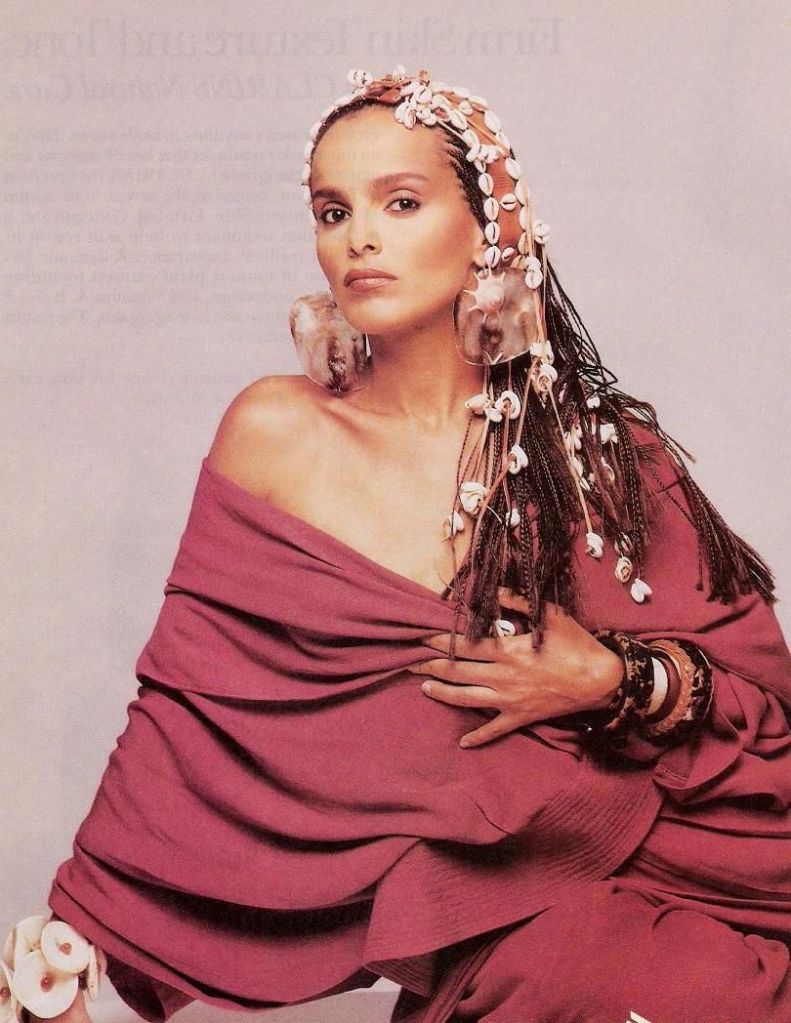
In the realm of fashion and television, certain women possess a rare combination of elegance, beauty, and cultural presence that captivates audiences across generations. Shari Belafonte is one of those women. With her luminous complexion, striking features, petite frame, and sophisticated style, Belafonte emerged in the 1980s as a striking symbol of refined Black beauty. Her graceful presence on magazine pages, television screens, and red carpets embodied a type of aesthetic often described in popular culture as the “Ebony Doll”—a woman whose beauty appears sculpted, radiant, and timeless, much like a living work of art.
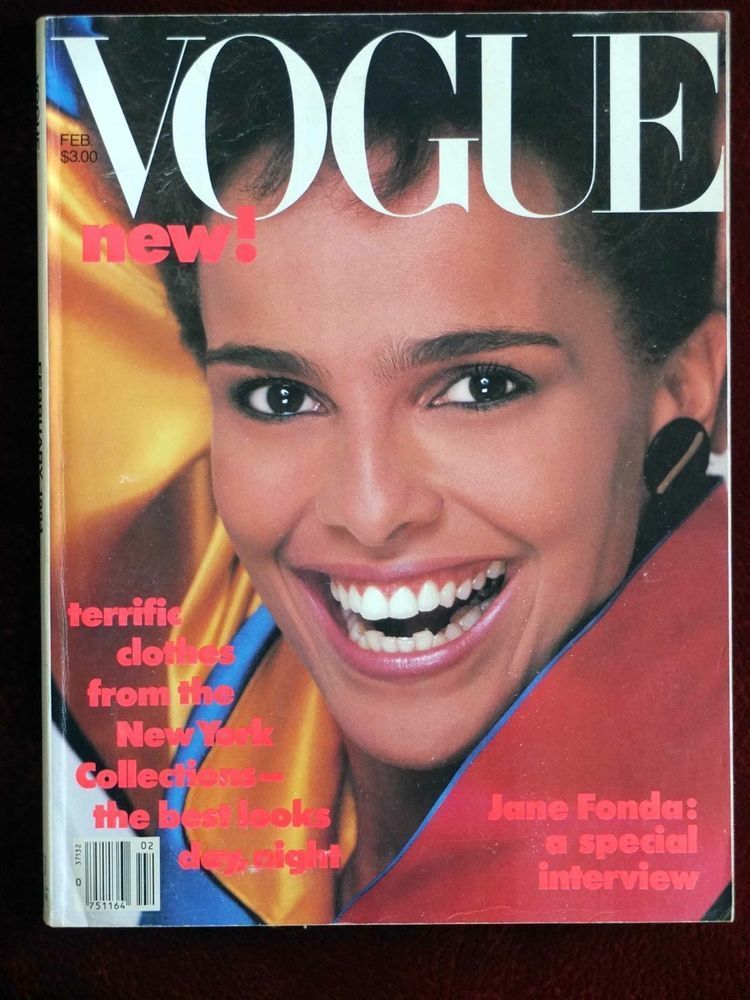
This photograph is the property of its respective owner.

Shari Lynn Belafonte was born on September 22, 1954, in New York City. She is the daughter of legendary entertainer and civil rights activist Harry Belafonte and Marguerite Byrd. Growing up in a family deeply rooted in music, culture, and social activism gave Belafonte a unique upbringing that blended artistic creativity with global awareness. Her father’s influence exposed her to international culture and the power of representation in media.

with her father, Harry Belafonte – This photograph is the property of its respective owner.

Belafonte spent portions of her childhood traveling and experiencing diverse environments. These early experiences helped cultivate her polished demeanor and cosmopolitan outlook. Even at a young age, she carried herself with the poise and confidence that would later define her public image.

The term “Ebony Doll” has historically been used within Black culture to describe a woman whose beauty appears refined, polished, and almost sculptural. It celebrates deep, radiant skin tones, balanced facial symmetry, and elegant presentation. In Belafonte’s case, her smooth complexion, high cheekbones, almond-shaped eyes, and graceful posture strikingly embodied this aesthetic. Her presence evoked the elegance of classic fashion dolls, yet with the depth and authenticity of a living woman.
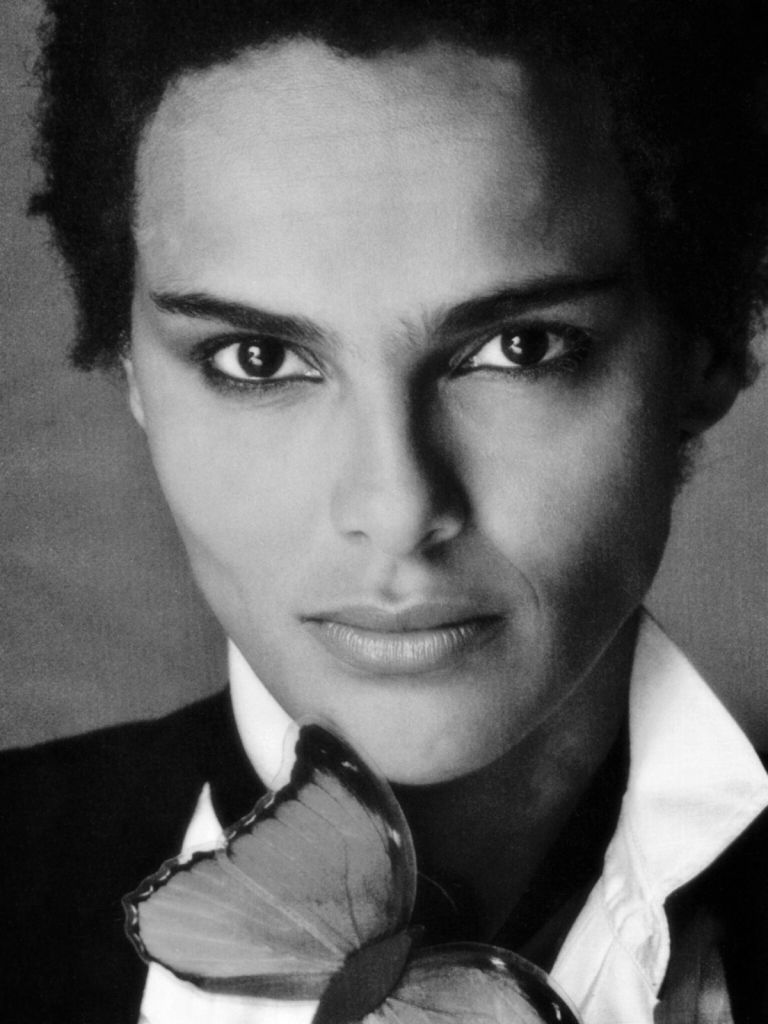
This photograph is the property of its respective owner.

Belafonte first gained widespread attention through modeling. During the late 1970s and early 1980s, she appeared in major fashion magazines and advertising campaigns. Her statuesque beauty and confident gaze made her an ideal subject for high-fashion photography, where her natural elegance could shine through the lens.

In the fashion world, Belafonte quickly developed a reputation for sophisticated glamour. Her style combined classic femininity with contemporary edge, making her a standout figure in an industry still expanding its representation of Black beauty. At a time when mainstream fashion media often overlooked darker complexions, Belafonte’s visibility helped challenge narrow beauty standards.

Her modeling career also included collaborations with major fashion houses and cosmetics brands. Through these campaigns, she presented an image of refined glamour that resonated with audiences seeking broader representation in beauty and fashion imagery.

Belafonte’s transition from modeling to acting further elevated her visibility. She gained national recognition when she starred in the popular television drama Hotel during the 1980s. In the series, she portrayed Julie Gillette, the poised and intelligent assistant manager of a luxurious San Francisco hotel. The role showcased her natural sophistication and calm authority.

Her performance on Hotel helped redefine how Black women were portrayed on primetime television. Rather than limiting her character to stereotypical roles, the show presented Julie Gillette as professional, stylish, and capable. Belafonte’s elegance brought authenticity and credibility to the role.

While acting brought her fame, Belafonte continued exploring creative pursuits beyond television. She also pursued music, recording songs that reflected her artistic heritage and love for performance. Although her music career was more limited than her acting work, it demonstrated the versatility that runs through her artistic identity.

Belafonte eventually developed a deep passion for photography as well. Over time she became a respected photographer whose work has appeared in exhibitions and publications. Through photography she discovered another medium for storytelling and artistic expression.

Her photographic work reflects the same appreciation for beauty and composition that defined her modeling career. As both subject and artist, Belafonte understands how lighting, posture, and expression can create powerful visual narratives.
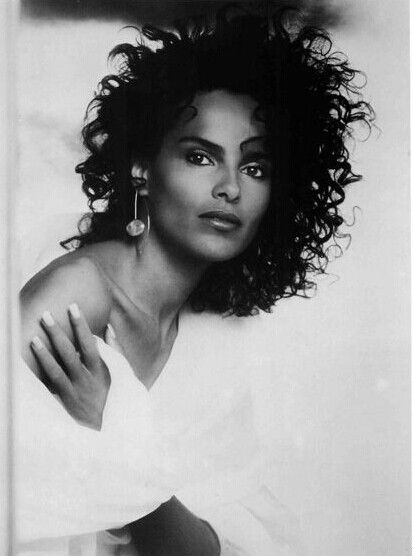
This photograph is the property of its respective owner.

Throughout her career, Belafonte has maintained a reputation for refined style. Whether appearing at public events or in editorial photographs, she consistently projects elegance, grace, and quiet confidence. Her fashion choices often emphasize clean silhouettes, rich textures, and classic design.

The concept of the “Ebony Doll” also speaks to presentation. It reflects not only physical beauty but also the art of self-possession—the ability to carry oneself with dignity and composure. Belafonte exemplifies this quality through her calm demeanor and poised public presence.

Her cultural influence extends beyond fashion and television. Inspired by the activism of her father, Belafonte has also participated in charitable and humanitarian efforts. She has supported causes related to environmental protection, education, and social justice.

Belafonte’s longevity in entertainment reflects a career built on adaptability and artistic curiosity. From modeling to acting to photography, she has explored multiple creative paths while maintaining the elegance that first captivated audiences.

Her legacy also highlights the evolving representation of Black beauty in media. During the 1980s, when opportunities for Black models and actresses were still limited, Belafonte helped expand the visual vocabulary of glamour and sophistication.

Today, she continues to engage with artistic and cultural projects, sharing her photography and creative work with audiences. Her enduring presence reminds admirers that beauty, creativity, and intellect can coexist gracefully throughout life.
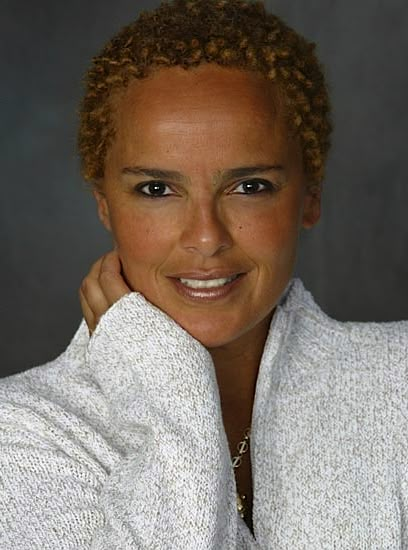
This photograph is the property of its respective owner.

What makes Shari Belafonte an “Ebony Doll” is not merely her physical appearance but the harmony between elegance, artistry, and self-confidence. Her beauty feels sculptural yet warm, refined yet authentic.

In many ways, she represents a living portrait of Black elegance—an image that blends heritage, artistry, and timeless grace.

Ultimately, Shari Belafonte’s story is one of beauty, culture, and creative exploration. Her career reflects the power of representation and the importance of celebrating diverse expressions of glamour.

In every sense of the phrase, Shari Belafonte stands as a true “Ebony Doll”—a woman whose radiant beauty, sophistication, and artistic spirit continue to inspire admiration.


References

Belafonte, S. (Interviews and public statements).

Britannica. (2026). Harry Belafonte. Encyclopaedia Britannica.

IMDb. (2026). Shari Belafonte Filmography. IMDb Database.

Smith, S. (2018). Black Women in Television: A Cultural History. New York University Press.

Vogue Archive. (1980–1990). Fashion and modeling features. Vogue Magazine.
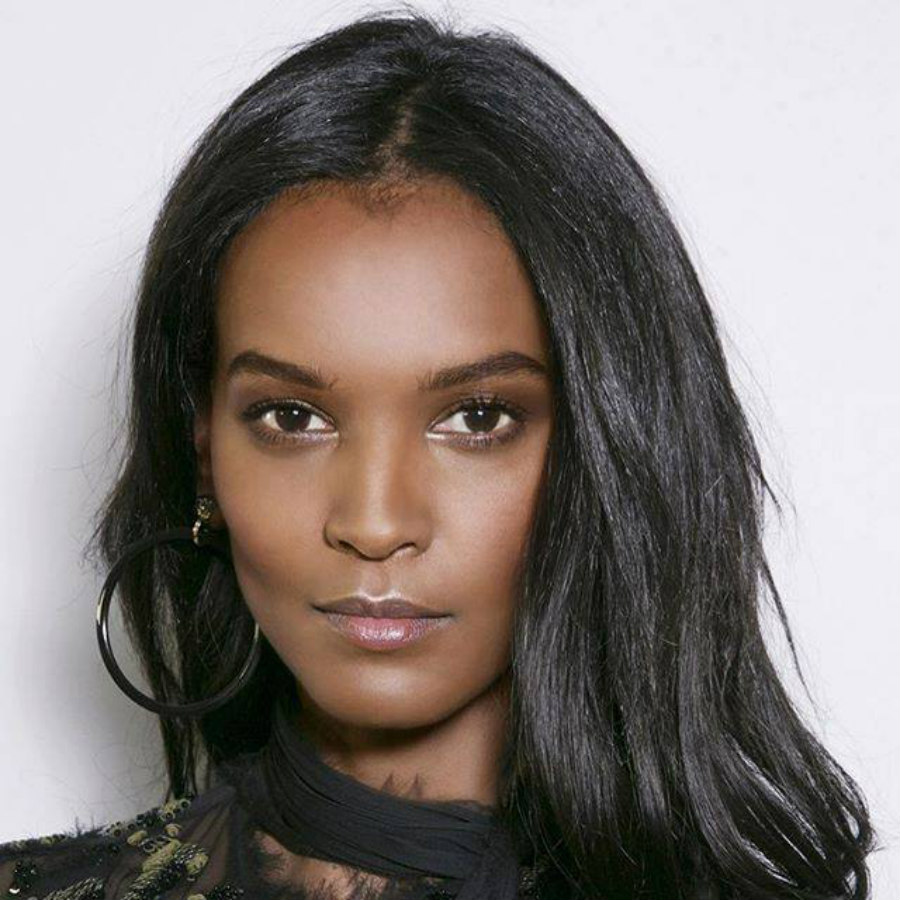
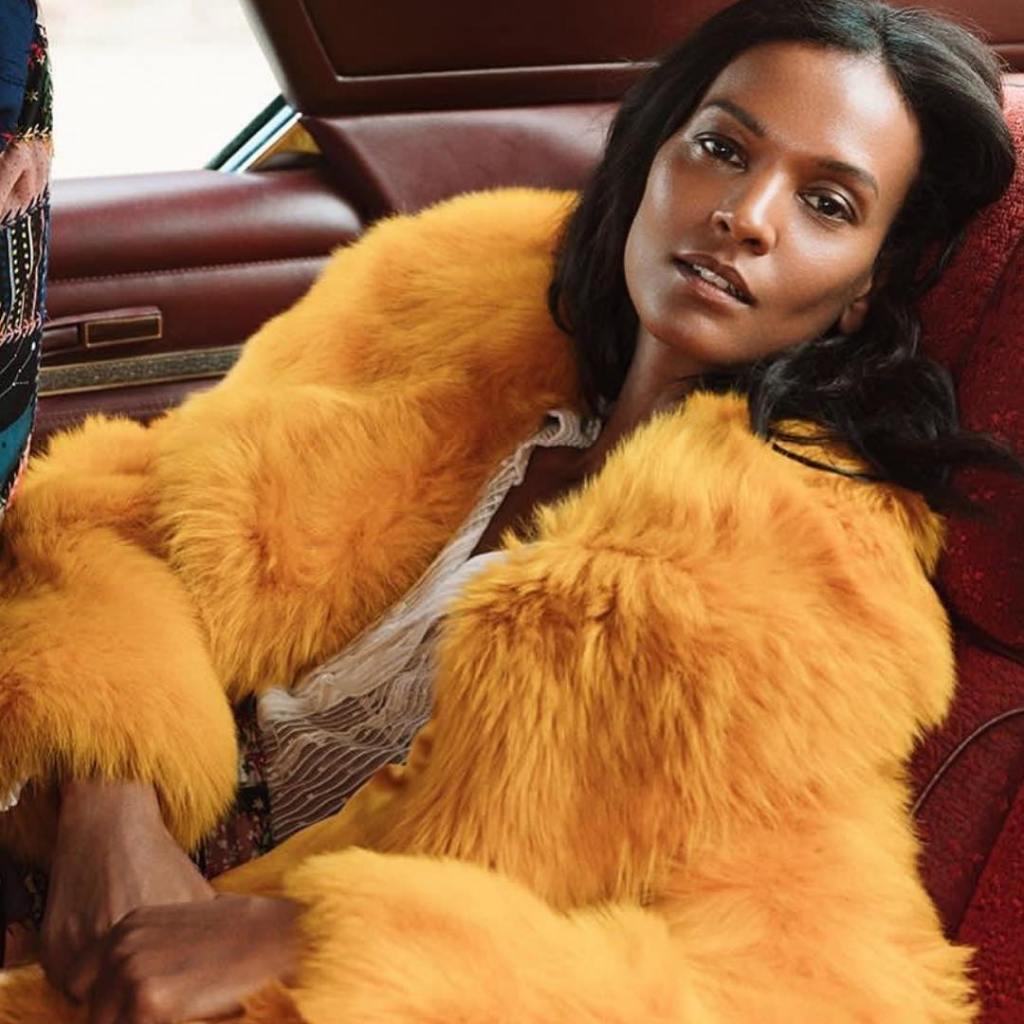
The Ebony Dolls: Liya Kebede

Ethiopian Supermodel and Maternal Health Advocate

This photograph is the property of its respective owners. No copyright infringement intended.

Liya Kebede is an internationally celebrated Ethiopian supermodel, entrepreneur, and global maternal health advocate whose career has transcended fashion to become a platform for humanitarian impact. Born on January 3, 1978, in Addis Ababa, Ethiopia, Kebede emerged as one of the first African models to achieve sustained global dominance in high fashion, redefining the visibility of African beauty within Eurocentric modeling industries.

Kebede was discovered in 1998 while attending Lycée Guebre-Mariam, a French international school in Addis Ababa. A French filmmaker spotted her and encouraged her to pursue modeling in Paris, where she soon signed with a major agency. Her entry into the European fashion scene marked a pivotal moment, as African models had historically been marginalized within elite fashion circuits.

Her breakthrough came in the early 2000s when she walked exclusive runways for designers such as Tom Ford for Gucci, Yves Saint Laurent, Louis Vuitton, Jean Paul Gaultier, and Estée Lauder. In 2003, she made history as the first Ethiopian model to become the face of Estée Lauder, a milestone that placed her among the world’s highest-paid models at the time.

Liya Kebede’s modeling career is distinguished not only by commercial success but by symbolic representation. She embodied a shift in beauty politics, bringing dark-skinned African features into luxury branding spaces that had long privileged whiteness and Eurocentric aesthetics. Her presence disrupted narrow beauty standards and affirmed Black femininity on a global stage.

This photograph is the property of its respective owners. No copyright infringement intended.

In addition to runway and editorial success, Kebede became the face of major advertising campaigns for brands including Estée Lauder, Dolce & Gabbana, Victoria’s Secret, Gap, and L’Oréal. Her campaigns were marked by elegance, refinement, and a classical visual identity that resonated with both haute couture and mass-market audiences.

Beyond fashion, Kebede’s life mission shifted toward global health advocacy, particularly maternal health in Africa. In 2005, she founded the Liya Kebede Foundation, a nonprofit organization dedicated to improving maternal and newborn health in Ethiopia and other developing countries. Her advocacy was inspired by her own experiences and exposure to high maternal mortality rates in sub-Saharan Africa.

In 2011, she was appointed a World Health Organization (WHO) Goodwill Ambassador for Maternal, Newborn, and Child Health. In this role, Kebede worked closely with international institutions to raise awareness about preventable maternal deaths and the structural inequalities affecting African women’s healthcare systems.

Kebede is also a successful entrepreneur. She launched Lemlem, an ethical fashion brand that supports Ethiopian artisans and promotes traditional handwoven textiles. The brand integrates fashion with economic empowerment, creating sustainable employment for African women while preserving indigenous craftsmanship.

Her awards and recognitions include being named among Time Magazine’s “100 Most Influential People in the World” and receiving numerous humanitarian honors for her global advocacy work. These accolades reflect her rare position as both cultural icon and social reformer.

Liya Kebede was married to hedge fund manager Kassy Kebede (Kassé Kebede), and they share two children. Although they later divorced, Kebede has maintained a private family life, emphasizing balance between motherhood, activism, and professional leadership.

As an “Ebony Doll,” Liya Kebede represents a form of Black beauty rooted in classical proportion, regal poise, and ancestral elegance. The term “Ebony Doll” in cultural aesthetics refers not to objectification, but to symbolic idealization—an archetype of dark feminine beauty that embodies grace, depth, and timeless appeal.

Her skin tone, facial symmetry, high cheekbones, almond-shaped eyes, and natural Afrocentric features align with what scholars describe as “classical Black beauty,” a form of aesthetics historically erased or marginalized in Western visual culture. Kebede’s beauty operates not as spectacle but as dignity—quiet, composed, and sovereign.

In contrast to hypersexualized or exoticized portrayals of Black women, Kebede’s image has consistently reflected restraint, intellect, and moral authority. Her modeling persona is refined rather than performative, aligning beauty with character rather than consumption.

From a sociological perspective, Kebede embodies what Pierre Bourdieu would call symbolic capital: beauty converted into cultural authority and ethical influence. She did not merely accumulate visibility; she transformed it into institutional power and social change.

Her role in reshaping African representation in global fashion parallels earlier cultural icons such as Iman, Naomi Campbell, and Alek Wek. However, Kebede’s distinctive legacy lies in her integration of beauty with global health politics.

Liya Kebede stands as a living example of how Black beauty can function as both aesthetic excellence and moral agency. She is not simply admired—she is emulated, respected, and historically significant.

In the broader framework of racial and gender representation, Kebede represents the re-humanization of African femininity within systems that once rendered it invisible. Her success reframes Black womanhood as intellectual, ethical, maternal, and powerful.

Ultimately, Liya Kebede is an Ebony Doll not because she fits a fantasy, but because she transcends one. Her beauty is classical, her mission is humanitarian, and her legacy is cultural sovereignty.


References

Kebede, L. (2010). Liya Kebede Foundation: Maternal health initiatives in Ethiopia. Liya Kebede Foundation.

Time Magazine. (2010). The 100 most influential people in the world: Liya Kebede.

World Health Organization. (2011). WHO Goodwill Ambassador for Maternal, Newborn and Child Health: Liya Kebede.

Entwistle, J. (2009). The aesthetic economy of fashion: Models and symbolic capital. Berg Publishers.

Hunter, M. (2011). Buying racial capital: Skin bleaching and cosmetic surgery in a globalized world. The Journal of Pan African Studies, 4(4), 142–164.

Bourdieu, P. (1986). The forms of capital. In J. Richardson (Ed.), Handbook of theory and research for the sociology of education (pp. 241–258). Greenwood.

Iman. (2011). The beauty of color: Skin, fashion, and representation. HarperCollins.

Crenshaw, K. (1991). Mapping the margins: Intersectionality and identity politics. Stanford Law Review, 43(6), 1241–1299.

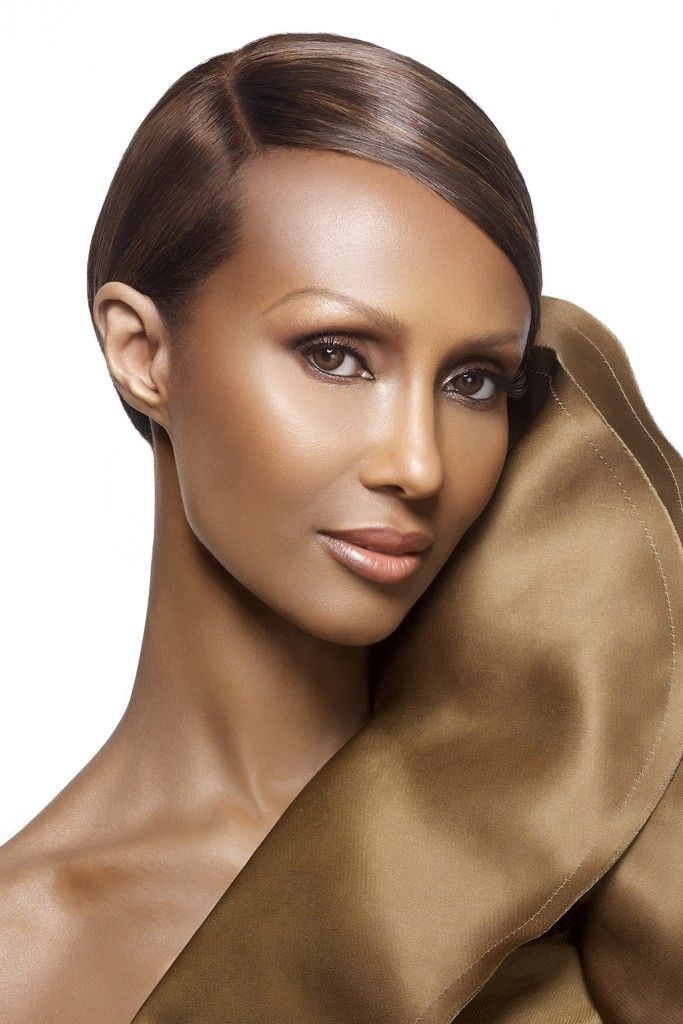
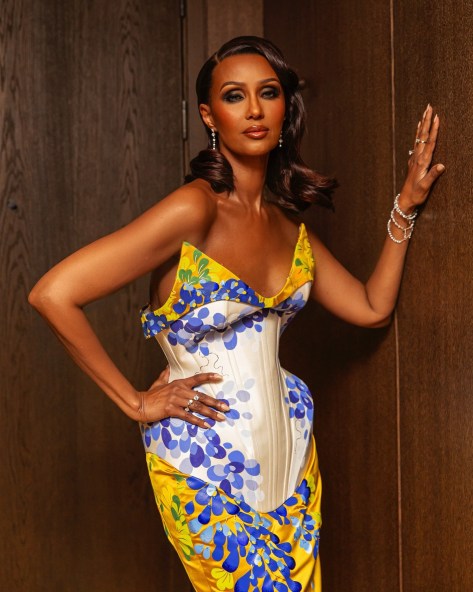
The Ebony Dolls: Iman

Somali Queen of Fashion and Global Beauty Icon

This photograph is the property of its respective owner. No copyright infringement intended.

Iman Abdulmajid is a Somali supermodel, entrepreneur, and humanitarian whose career fundamentally reshaped global standards of beauty, race, and representation. Born on July 25, 1955, in Mogadishu, Somalia, Iman emerged as one of the first African supermodels to achieve worldwide fame, becoming the embodiment of high fashion elegance and later the architect of one of the most influential Black-owned beauty empires in history.

Iman’s early life was intellectually and culturally rich. Her father was a diplomat and former Somali ambassador, and her mother was a gynecologist. She was educated in Somalia, Egypt, and Kenya, and spoke several languages fluently before ever entering the fashion world. Contrary to common myth, Iman did not aspire to be a model; she was studying political science at the University of Nairobi when she was discovered.

She was discovered in 1975 by legendary American photographer Peter Beard, who encountered her while she was walking in Nairobi. Beard photographed her and presented her as an exotic African muse to the fashion world, launching her career internationally. Within months, Iman appeared on the cover of Vogue, marking one of the first times a dark-skinned African woman graced the magazine.

This photograph is the property of its respective owner. No copyright infringement intended.

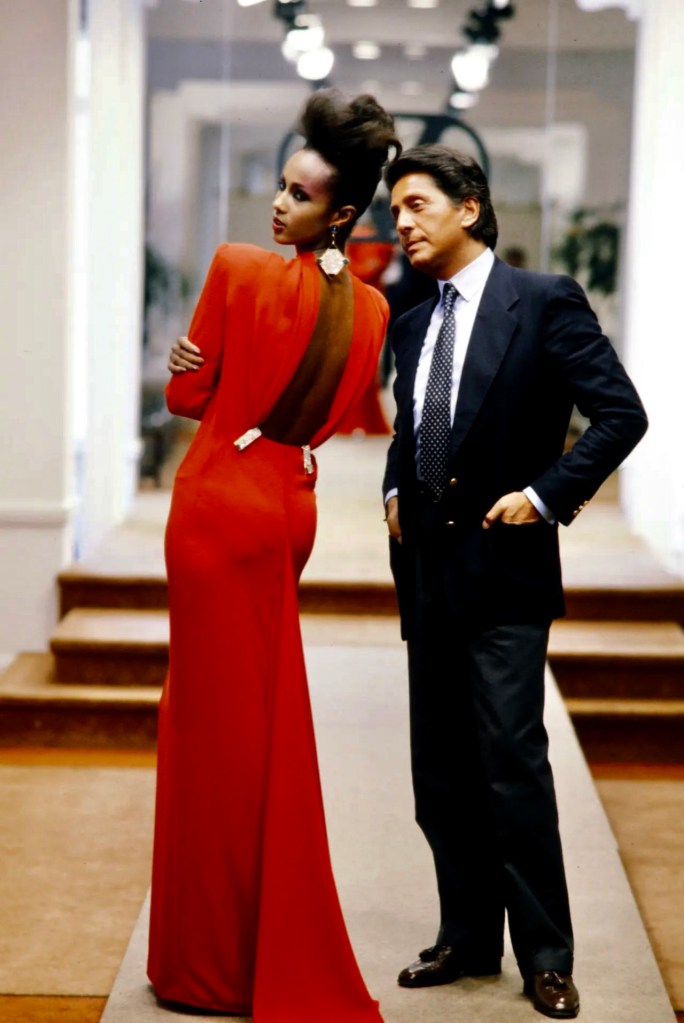
Iman’s rise was meteoric. She quickly became the muse of fashion icons such as Yves Saint Laurent, Gianni Versace, Calvin Klein, Halston, Issey Miyake, and Thierry Mugler. Yves Saint Laurent famously stated that he could not have designed his iconic “African Collection” without Iman, declaring that she represented his ideal woman.

Her runway and editorial career spanned two decades, during which she became one of the most in-demand models in the world. She appeared on the covers of Vogue, Harper’s Bazaar, Elle, Allure, and Time, and worked with elite photographers such as Richard Avedon, Helmut Newton, Irving Penn, and Steven Meisel.

This photograph is the property of its respective owner. No copyright infringement intended.

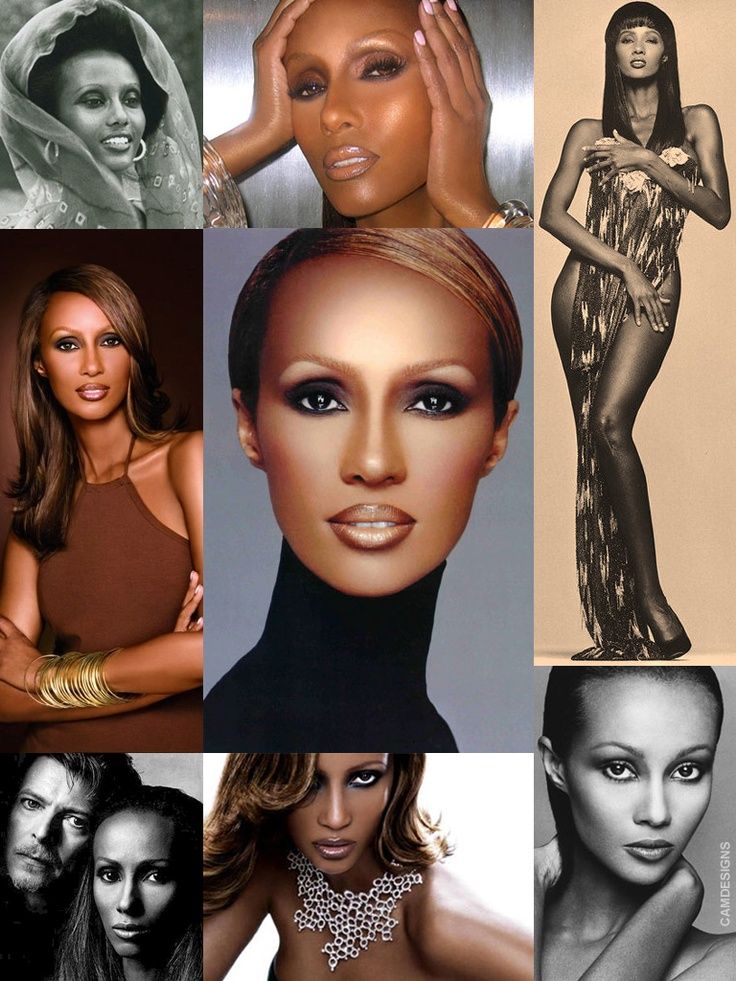
Iman’s beauty became legendary. She is celebrated for her luminous, deep brown skin, regal height, sculpted cheekbones, elongated neck, almond-shaped eyes, and symmetrical facial structure. Her Somali features reflect classical East African Nilotic aesthetics, often compared to ancient Nubian and Pharaonic beauty ideals.

In fashion theory, Iman is often described as the epitome of “model beauty” because her appearance combines proportion, bone structure, posture, and presence. She possesses what scholars call architectural beauty—features that translate powerfully across photography, film, and live runway.

Iman did not simply succeed within Eurocentric systems—she redefined them. At a time when Black models were rare and often marginalized, she became the standard rather than the exception. She normalized African beauty within luxury spaces that had historically excluded it.

In her personal life, Iman married iconic musician David Bowie in 1992. Their marriage became one of the most admired interracial celebrity unions in modern history, lasting until Bowie died in 2016. Together, they had one daughter, Alexandria Zahra Jones, born in 2000. Iman also has a daughter, Zulekha Haywood, from her previous marriage to basketball player Spencer Haywood.

Beyond modeling, Iman made history as a beauty entrepreneur. In 1994, she founded IMAN Cosmetics, one of the first global beauty brands created specifically for women of color. The brand addressed a massive gap in the cosmetics industry, which had long ignored deeper skin tones.

IMAN Cosmetics became a revolutionary force, offering foundation, skincare, and makeup products for a wide range of melanin-rich complexions. Iman famously stated that she created the brand because “women of color were invisible in beauty.” Her company is now regarded as a blueprint for inclusive beauty, preceding brands like Fenty by decades.

This photograph is the property of its respective owner. No copyright infringement intended.

Her entrepreneurial success transformed her from model to mogul. Iman became one of the wealthiest self-made Black women in fashion, proving that Black beauty could generate not only cultural value but economic sovereignty.

Iman’s impact extends into humanitarian and political advocacy. She has worked extensively with organizations such as CARE, Keep a Child Alive, and the UN Refugee Agency, focusing on African development, famine relief, and global health.

She has received numerous honors, including the Fashion Icon Award from the Council of Fashion Designers of America (CFDA), TIME Magazine Icon Award, BET Lifetime Achievement Award, and multiple humanitarian recognitions.

As an “Ebony Doll,” Iman represents the highest archetype of Black feminine beauty—regal, dignified, and timeless. The term here signifies symbolic elevation: she is not decorative, but iconic; not consumable, but monumental.

Her Somali beauty challenged colonial narratives that framed African features as primitive or undesirable. Instead, she presented African aesthetics as classical, royal, and divine—comparable to ancient queens, goddesses, and empresses.

Unlike hypersexualized representations of Black women, Iman’s beauty has always been associated with intellect, grace, and power. She embodies what cultural theorists describe as sovereign femininity—beauty aligned with authority rather than submission.

In sociological terms, Iman converted beauty into symbolic, cultural, and economic capital. She did not merely model luxury—she became luxury itself, reshaping global visual culture.

Iman’s legacy paved the way for generations of Black models, including Naomi Campbell, Alek Wek, Liya Kebede, Jourdan Dunn, Adut Akech, and Anok Yai. Without Iman, the contemporary presence of African beauty in fashion would be unimaginable.

Ultimately, Iman is not simply a model—she is a civilizational figure. She represents the re-entry of African beauty into global consciousness after centuries of erasure.

She is the Ebony Doll, not as fantasy, but as truth: the living standard by which model beauty itself is measured.


References

Iman. (2001). I Am Iman. HarperCollins.

Iman Cosmetics. (2020). Brand history and founder biography. IMAN Global.

Council of Fashion Designers of America. (2010). Fashion Icon Award: Iman.

Beard, P. (1975). Discovery of Iman photographic series.

TIME Magazine. (2018). Iman: Global fashion icon and entrepreneur.

Entwistle, J. (2009). The aesthetic economy of fashion: Models and symbolic capital. Berg.

Hunter, M. (2011). Buying racial capital: Skin bleaching and cosmetic surgery in a globalized world. The Journal of Pan African Studies, 4(4), 142–164.

Bourdieu, P. (1986). The forms of capital. In J. Richardson (Ed.), Handbook of theory and research for the sociology of education (pp. 241–258). Greenwood.

Banks, I. (2015). Black bodies in fashion: Representation and resistance. Fashion Theory, 19(3), 267–289.

Crenshaw, K. (1991). Mapping the margins: Intersectionality and identity politics. Stanford Law Review, 43(6), 1241–1299.

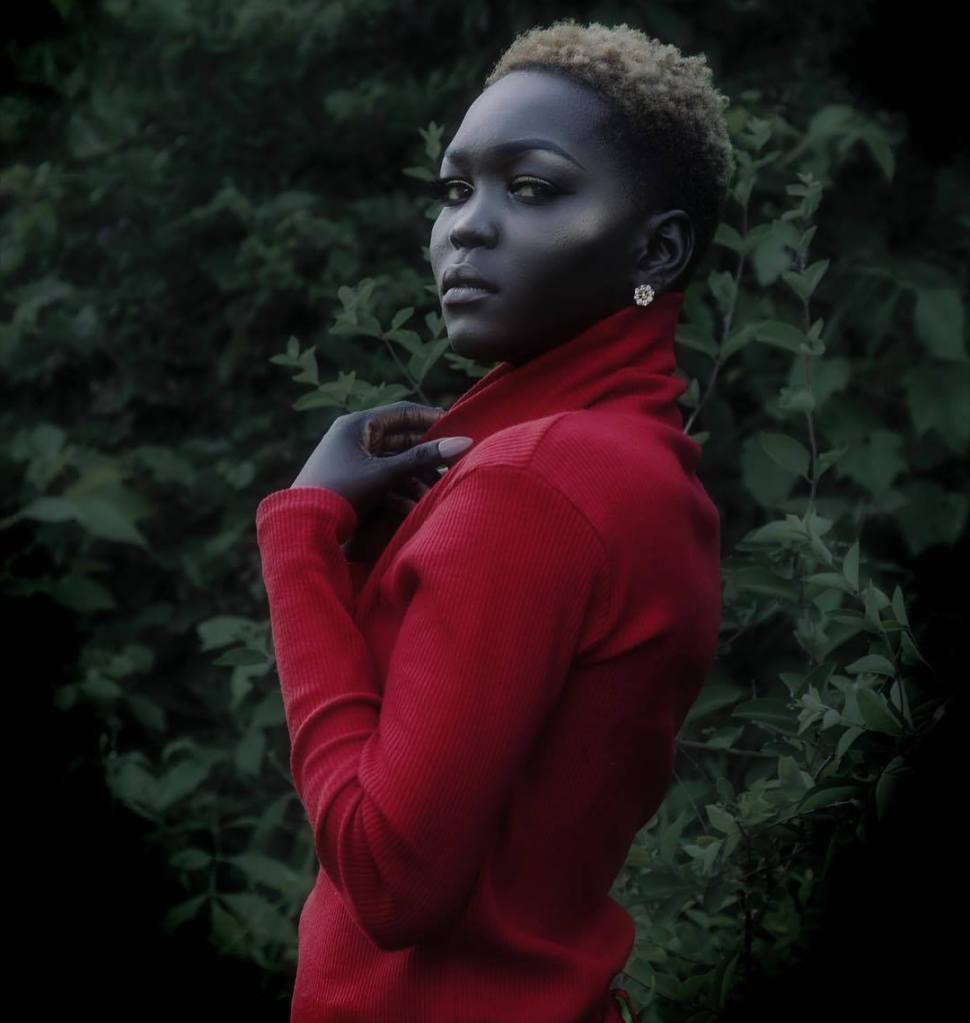
The Ebony Dolls: Nyakim Gatwech

Known as the “Queen of the Dark,” celebrated for extreme melanated skin

This photograph is the property of its respective owner. No copyright infringement intended.

Gatwech’s skin tone isn’t just a physical attribute — it’s central to her identity and public ethos. She is affectionately known as the “Queen of the Dark,” a nickname bestowed upon her by her growing global fan base in admiration of her unapologetic self-love and radiant complexion. Despite encountering colorism and ignorant comments — including being asked if she would bleach her skin for money — she has consistently embraced and celebrated her dark beauty, turning potential humiliation into empowerment for others with similar skin tones.

Nyakim Gatwech is an Ethiopian-born American fashion model of South Sudanese descent whose strikingly deep, radiant dark complexion has positioned her as one of the most visually and culturally significant faces in modern modeling. Widely known as the “Queen of the Dark,” Nyakim represents a powerful redefinition of beauty in an industry historically dominated by Eurocentric standards and color hierarchies. Her skin tone, rich in melanin and visually luminous, is not merely aesthetic but symbolic — a living challenge to global colorism and internalized anti-Black beauty norms. Nyakim’s beauty lies in the contrast she embodies: jet-black skin against high fashion, regal African features within Western luxury spaces, and unapologetic self-love in a world that often pressures Black women to diminish themselves.

Born on January 27, 1993, in Gambela, Ethiopia, to South Sudanese parents who fled civil war, Nyakim spent her early childhood in refugee camps across Ethiopia and Kenya. Her family later immigrated to the United States, settling in Minnesota when she was a teenager. It was in the U.S. that she first encountered intense colorism, particularly in school, where classmates mocked her skin tone, leading to early insecurity and emotional distress. Ironically, the very feature she was taught to feel ashamed of would later become the foundation of her global identity and success.

Nyakim’s entry into modeling occurred organically. While studying in Minnesota, she was invited to walk in a college fashion show, which sparked her interest in the fashion world. Without agency representation or industry connections, she began building her portfolio independently, collaborating with local photographers and using Instagram as her primary platform. Social media became her runway, gallery, and voice — a space where she could present herself without filters, whitening, or apology.

Her breakthrough came when she shared a now-viral story about an Uber driver who asked if she would bleach her skin for money. Her response — rejecting the offer and affirming her love for her natural complexion — resonated globally. The post turned her into a symbol of resistance against skin bleaching culture and a spokesperson for radical self-acceptance. From that moment, Nyakim’s following grew exponentially, and she began receiving international modeling opportunities.

She later became the face of Annabelle Cosmetics’ EDGE campaign, which celebrated unconventional beauty and diversity. Her presence in fashion editorials, beauty campaigns, and cultural platforms marked a shift in representation — not just inclusion of Black women, but elevation of the darkest shades of Blackness as luxurious, desirable, and elite.

This photograph is the property of its respective owner. No copyright infringement intended.

Nyakim’s special significance lies not only in how she looks, but in what she represents. She is part of a new generation of Black models who do not seek proximity to whiteness, but instead reclaim African features, melanin, and cultural identity as high status. Her image disrupts centuries of colonial aesthetics where lightness was equated with beauty, purity, and value. In contrast, Nyakim’s work affirms that darkness itself is divine, regal, and worthy of admiration.

Her skin has become a visual metaphor — a mirror for millions of dark-skinned women and girls who were taught that their complexion was something to “fix.” Through her modeling and public statements, Nyakim reframes melanin as a blessing rather than a burden. She speaks openly about loving her reflection, embracing contrast, and rejecting any narrative that associates darkness with inferiority.

Regarding her personal life, Nyakim is known to be private. There is no publicly verified information confirming that she is married or has children. She has spoken primarily about her parents, siblings, and her journey as a refugee and immigrant, choosing to keep romantic relationships outside of the public spotlight. Her narrative focuses more on identity, culture, and empowerment than celebrity exposure.

This photograph is the property of its respective owner. No copyright infringement intended.

In terms of awards and recognition, Nyakim has not received mainstream fashion industry prizes like Vogue or CFDA awards, but she has been widely honored in cultural and empowerment spaces. She has been recognized by African and diaspora organizations, featured at international beauty and women’s empowerment events, and celebrated across global media as one of the most influential dark-skinned models in the world. While some social media outlets claim Guinness recognition for her skin tone, this remains unverified through official Guinness records.

Nyakim Gatwech is considered an Ebony Doll because she embodies the very essence of what the term signifies: a woman whose Blackness is not diluted, modified, or assimilated, but fully embraced, elevated, and aestheticized. She represents melanin as luxury, African features as elite, and dark skin as high fashion. Her beauty is not rooted in proximity to whiteness, but in proximity to ancestry, identity, and unapologetic self-love.

She stands as both muse and message — proof that the darkest skin can sit at the center of beauty culture, not its margins. Nyakim Gatwech is not simply a model; she is a visual revolution.


References

Cosmopolitan. (2017). Nyakim Gatwech on embracing her dark skin and redefining beauty.

Fashion Magazine. (2018). Nyakim Gatwech: The model changing beauty standards.

Gatwech, N. (2017). Instagram post on skin bleaching and self-love.

Oddity Central. (2017). The Queen of Dark: The model embracing her gorgeous dark skin.

Royal Tee Magazine. (2020). Empowering quotes about self-love from Nyakim Gatwech.

Teen Vogue. (2017). Model Nyakim Gatwech challenges beauty standards on Instagram.

Yahoo Lifestyle. (2017). Dark-skinned model gives Uber driver reality check.

Wikipedia. (2025). Nyakim Gatwech.

Pulse Nigeria. (2023). Nyakim Gatwech and the global celebration of dark skin.

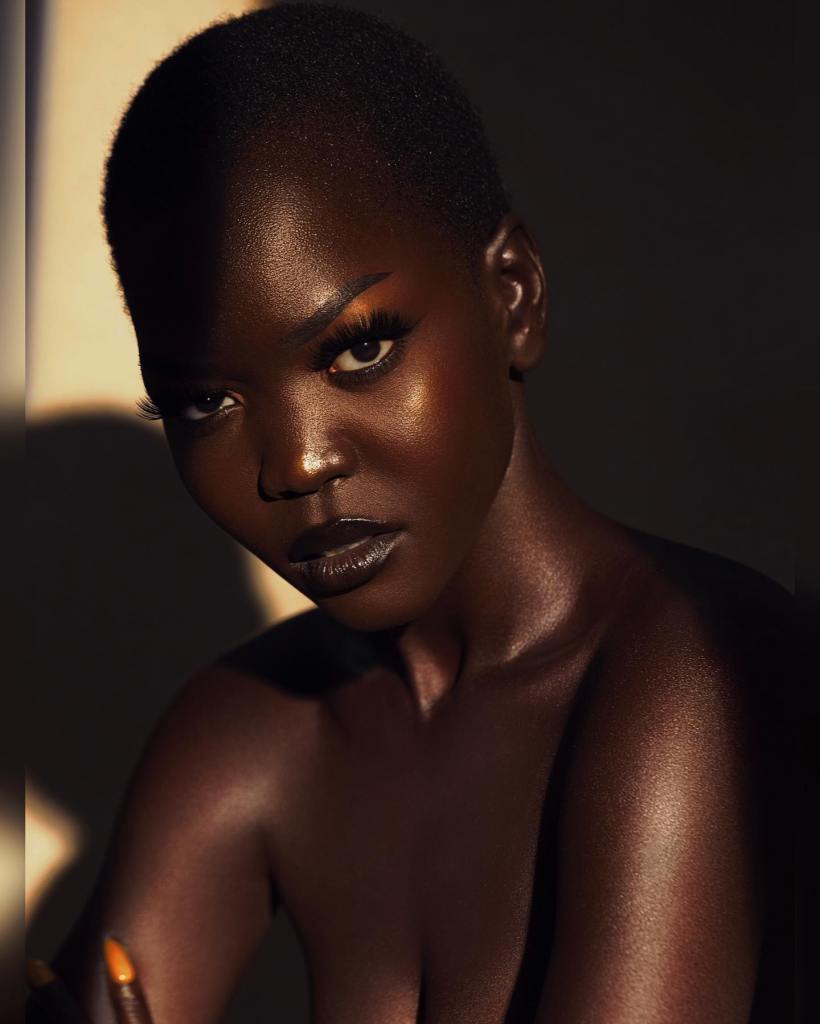
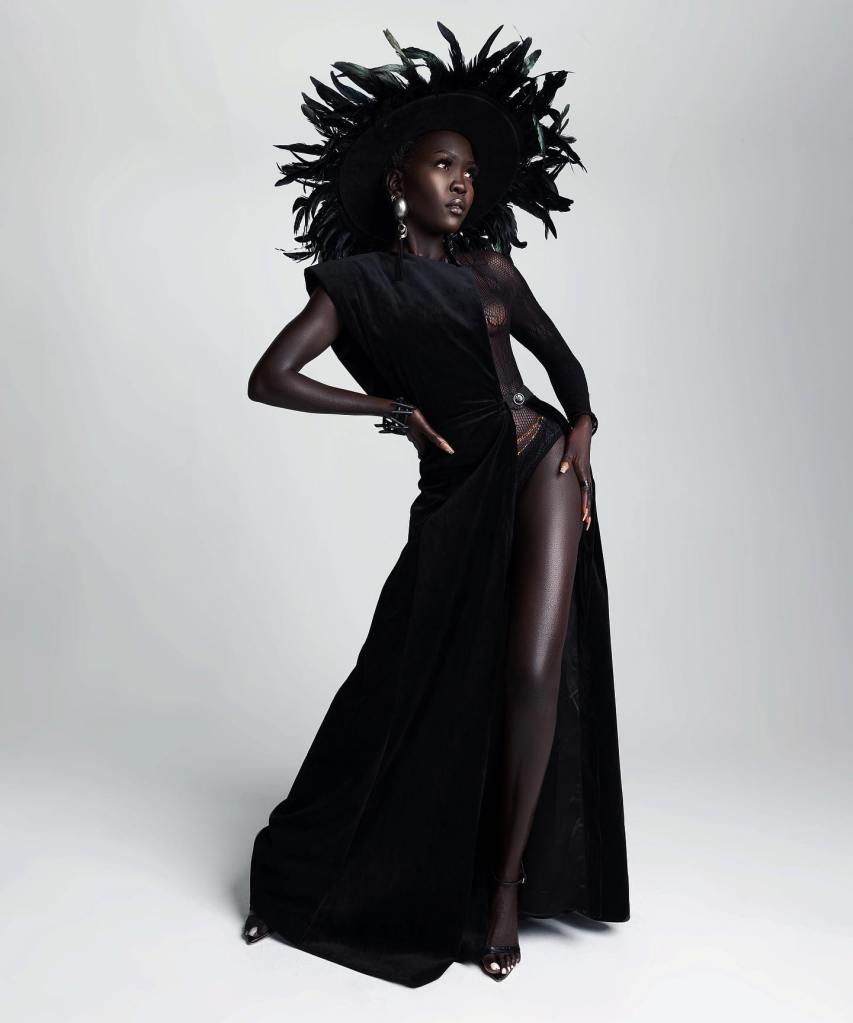
The Ebony Dolls: Adut Akech

The face of high fashion, illuminated by otherworldly black beauty.


This photograph is the property of its respective owner. No copyright infringement intended.

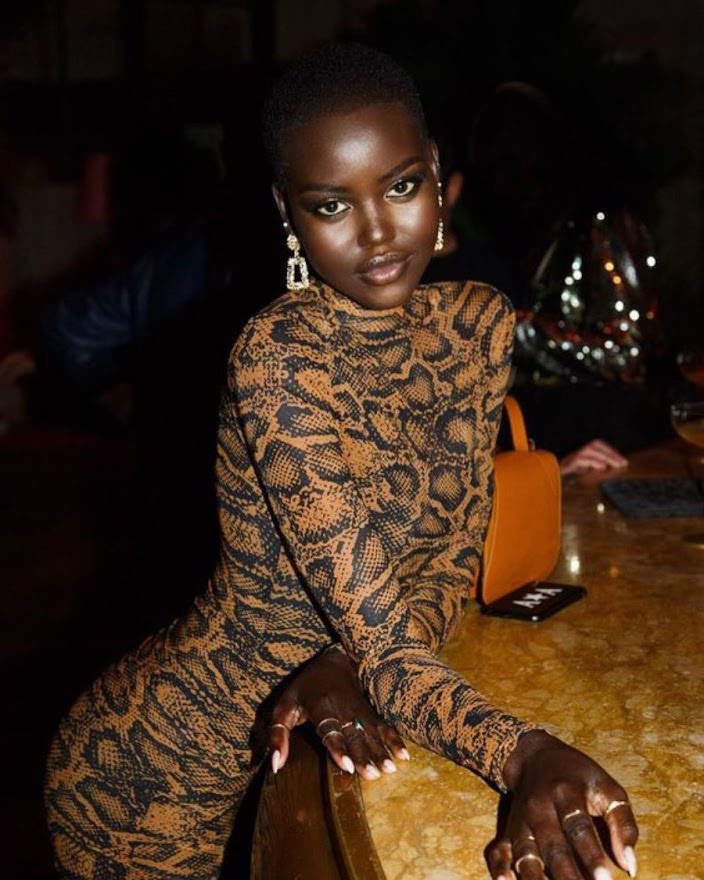
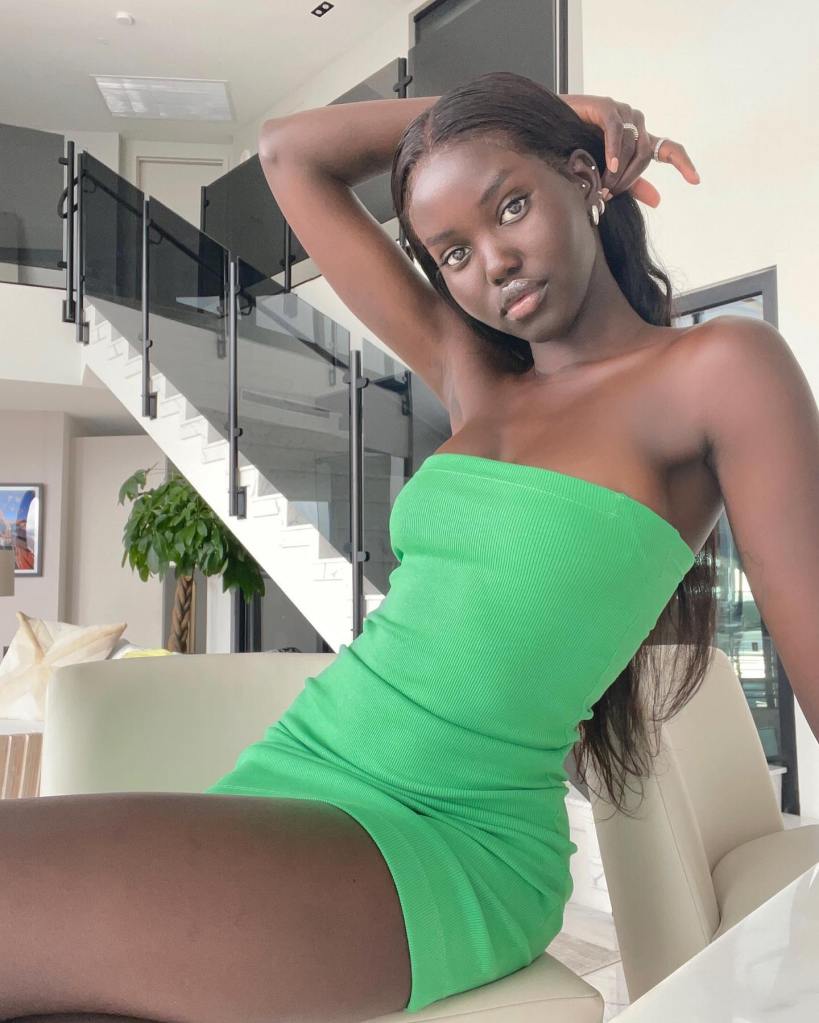
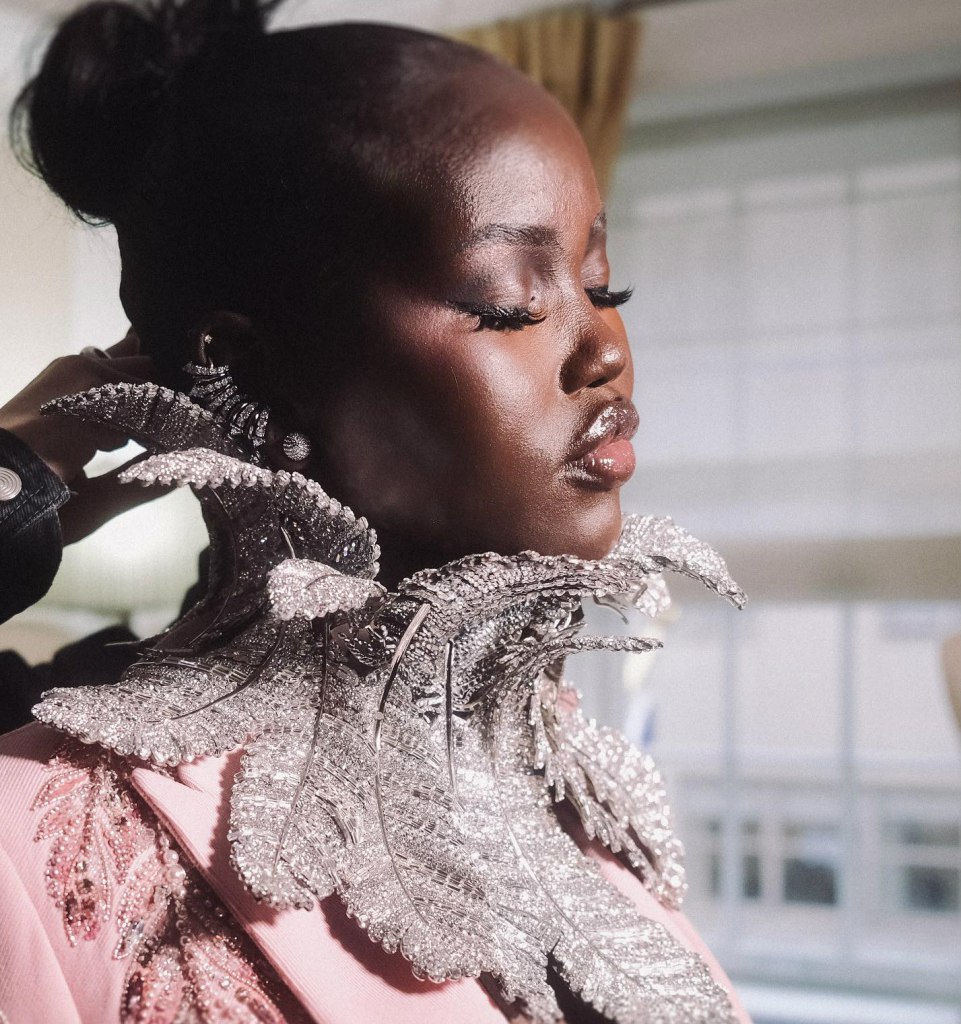
Adut Akech’s beauty is a fusion of deep, luminous melanin, sculpted bone structure, and regal African features that command attention. She embodies a rare elegance where strength meets softness, making her presence feel both ancestral and otherworldly, as if her face were designed to redefine global standards of beauty.

Adut Akech Bior was born on December 25, 1999, in South Sudan and raised in a Kenyan refugee camp before relocating to Adelaide, Australia, at the age of 7. Her story is one of survival and transcendence—from displacement to becoming one of the world’s most recognizable fashion faces.

Discovered at 16, Adut was signed to Chadwick Models in Sydney and later joined Elite Models in Paris. Her big break came when Saint Laurent cast her as an exclusive in 2016. Since then, she has walked for Valentino, Dior, Versace, Prada, and Chanel, and graced the covers of Vogue, including the historic Vogue Italia and British Vogue issues. Her radiant melanated skin, striking facial features, and luminous smile have made her one of the most recognizable and influential faces in contemporary high fashion. Adut’s beauty is often described as regal, sculptural, and otherworldly. Her deep ebony complexion, almond-shaped eyes, symmetrical bone structure, and radiant smile create a look that is both modern and ancestral. She embodies a visual narrative that challenges Eurocentric ideals and restores dark-skinned African beauty to its rightful prominence in global media. Her presence represents a powerful shift in global beauty standards, placing dark-skinned Black women at the center of luxury and editorial fashion.

This photograph is the property of its respective owner. No copyright infringement intended.

With her deep, rich skin tone, short natural hair, and commanding runway presence, Adut redefined what mainstream beauty could look like. “My skin is not a trend,” she told Allure, challenging the tokenism and fetishization often placed on dark-skinned models. Her look is both regal and authentic, earning her a global following and editorial acclaim.

Adut’s international breakthrough came when she was selected as an exclusive model for Saint Laurent’s Spring/Summer 2017 show in Paris, an extraordinary debut that immediately elevated her status within the fashion world. Since then, she has walked for nearly every major luxury house, including Valentino, Dior, Givenchy, Versace, Fendi, Prada, Moschino, and Balenciaga.

She has appeared in major global campaigns and graced the covers of American Vogue, British Vogue, Vogue Italia, and many other international fashion publications, working with some of the most influential designers and photographers in the industry.

In 2018, she was named Model of the Year by Models.com and honored again in 2019 by the British Fashion Council, with Naomi Campbell presenting her award. Adut Akech’s achievements place her among the elite in fashion history. She won Model of the Year at the British Fashion Awards in 2019, one of the most prestigious honors in the industry. That same year, she was selected for the iconic September 2019 cover of British Vogue, curated by Meghan, Duchess of Sussex—cementing her as a cultural symbol beyond fashion alone.

Personal Life:
Adut is married to Samuel Elkhier. In 2024, she announced her pregnancy and later gave birth to their daughter, Kiki, entering motherhood while continuing to work at the highest levels of fashion. She has spoken openly about balancing family life with career, and about representing Black women with dignity, visibility, and grace.

Adut Akech qualifies as an Ebony Doll not only because of her exceptional physical beauty, but because she represents Black excellence, African resilience, and the elevation of melanated femininity in a global arena that once excluded women who looked like her. She is living proof that dark skin, African features, and Black womanhood are not trends—but timeless symbols of elegance, power, and divine design


References

  • Adut Akech profile and biography.
  • Adut Akech early career and Model of the Year coverage.
  • Basic biographical details including age and early life.
  • Modeling career highlights and campaigns.
  • Additional accolades and fashion influence.
  • Personal life and motherhood.
  • Adut Akech. Wikipedia. https://en.wikipedia.org/wiki/Adut_Akech